
...

Place To Visit And Things To Do In Mysore

Karnataka, India
Place Details: Mysore, officially known as Mysuru, is one of India's most cherished heritage cities, famous for its royal history and vibrant Dasara festivities. The city was the capital of the Kingdom of Mysore for nearly six centuries, ruled primarily by the Wadiyar dynasty. It is a city of palace s, gardens, and sandalwood, often referred to as the "City of Palaces." The Mysore Palace is the centerpiece of the city, standing as a testament to the grandeur of Indian royalty. Beyond royalty, Mysore is a hub for yoga, silk weaving, and the production of the famous Mysore Pak sweet. The city is planned with wide boulevards and numerous parks, giving it a clean and green environment. Nearby Chamundi Hill offers a spiritual escape with a bird's-eye view of the entire city. Mysore beautifully balances its historical roots with modern amenities, making it a must-visit for any traveler. The cultural richness of the city is best experienced during the ten days of Navaratri. :

Things To Do

Card image cap
Balmuri and Edamuri Waterfalls

Balmuri and Edamuri are two small waterfalls located near Srirangapatna. They are created by a diversion of the Cauvery River. While not very high, t...

Balmuri and Edamuri are two small waterfalls located near Srirangapatna. They are created by a diversion of the Cauvery River. While not very high, they offer a pleasant spot for a picnic and to enjoy the natural surroundings. The area is popular with locals.
Card image cap
Brindavan Gardens

The Brindavan Gardens is a beautifully laid-out ornamental garden built across the Krishnarajasagara Dam. Spread over 60 acres, the gardens feature s...

The Brindavan Gardens is a beautifully laid-out ornamental garden built across the Krishnarajasagara Dam. Spread over 60 acres, the gardens feature symmetrical terraces, fountains, flowerbeds, and illuminated water features. The musical fountain show in the evenings is a major attraction, where the fountains dance to the rhythm of music and colorful lights. The KRS Dam itself is an engineering marvel and a vital source of water for the region. Boating facilities are also available in the lake formed by the dam. The gardens offer a serene and picturesque escape from the city.
Card image cap
Chamundeshwari Temple

The Chamundeshwari Temple is a prominent and ancient temple dedicated to Goddess Chamundeshwari, the tutelary deity of the Mysore royal family. Locat...

The Chamundeshwari Temple is a prominent and ancient temple dedicated to Goddess Chamundeshwari, the tutelary deity of the Mysore royal family. Located atop the Chamundi Hills, the temple offers panoramic views of Mysore city and the surrounding landscape. The temple's history dates back to the 12th century. The main deity is a beautifully adorned idol of Goddess Chamundeshwari. A monolithic statue of Nandi (the bull, Lord Shiva's mount) is located a short distance away on the way up to the temple. The annual Chamundi Vasanthotsava and the Dasara processions culminate at this temple.
Card image cap
Chamundi Hills & Temple

@@History and Significance: This temple, dedicated to Goddess Chamundeshwari, the family deity of the Mysore Royal Family (the Wadiyars), is a vital s...
@@History and Significance: This temple, dedicated to Goddess Chamundeshwari, the family deity of the Mysore Royal Family (the Wadiyars), is a vital spiritual site. It is believed that the Goddess slayed the buffalo-headed demon Mahishasura here, giving Mysore its name. The original temple is ancient, but the current structure owes much to the patronage and renovation by the Wadiyar rulers, especially Krishnaraja Wodeyar III in 1827. The setting atop Chamundi Hills offers a unique blend of spirituality and scenic beauty. It is most crowded during Navaratri and Dasara, when special poojas and processions are held. The 1,000 steps leading up the hill, built by Dodda Devaraja Wodeyar in 1659, are a popular path for pilgrims and fitness enthusiasts. The place has two other ancient temples, the Mahabaleswara and Lakshmi Narayana Swamy temples. The sheer size of the Nandi statue on the way is a major draw.:
Card image cap
Chamundi Hills Viewpoint

Beyond the Chamundeshwari Temple, Chamundi Hills offers several viewpoints with panoramic views of Mysore city and the surrounding landscape. These v...

Beyond the Chamundeshwari Temple, Chamundi Hills offers several viewpoints with panoramic views of Mysore city and the surrounding landscape. These viewpoints provide a different perspective than the temple itself. The views are particularly stunning during sunrise and sunset. The drive up to the hills is also scenic.
Card image cap
Chunchanakatte Falls

Chunchanakatte Falls is a picturesque waterfall formed by the Cauvery River. The river cascades down from a significant height, creating a wide and i...

Chunchanakatte Falls is a picturesque waterfall formed by the Cauvery River. The river cascades down from a significant height, creating a wide and impressive waterfall, especially during the monsoon season when the water volume is high. The surrounding area is known for its natural beauty and a tranquil atmosphere. There is also a temple dedicated to Lord Kodandarama located near the falls, adding a religious significance to the site. The legend associated with the temple states that Lord Rama stayed here during his exile. The vibrant green foliage surrounding the falls enhances its scenic appeal, making it a popular spot for nature lovers and those seeking a peaceful day trip from Mysore. The sound of the cascading water and the misty spray create a refreshing ambiance. It's a great place for photography and enjoying the raw beauty of nature. Be cautious while approaching the falls, especially during the monsoon, as the rocks can be slippery.
Card image cap
Devaraja Market

@@A Legacy of Trade and Culture: Devaraja Market is a bustling, colorful, and aromatic centerpiece of Mysore's daily life, dating back to the reign of...

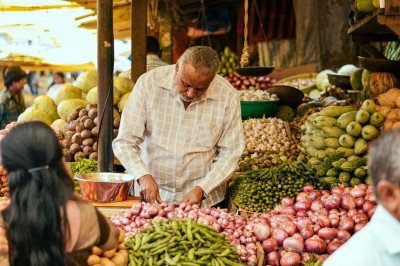
@@A Legacy of Trade and Culture: Devaraja Market is a bustling, colorful, and aromatic centerpiece of Mysore's daily life, dating back to the reign of Tipu Sultan (18th century) and later named after Dodda Devaraja Wodeyar in 1925. It's not just a place of commerce but a living example of a traditional Indian market. Spread across 3.67 acres, it features open-air stalls and shops arranged along three main aisles. The market is famed for its artistic display of flowers, fruits, vegetables, conical piles of vibrant kumkum (color powder), traditional spices, incense, and essential oils like Mysore Sandalwood oil. The structure itself is a heritage landmark with wooden rafters and stone masonry walls, although it has faced structural challenges over the years. It offers an authentic glimpse into the city's commercial and social fabric, making it a favorite for tourists and photographers.:
Card image cap
Folklore Museum

The Folklore Museum, located within the University of Mysore campus, showcases a collection of traditional art, artifacts, and exhibits related to th...

The Folklore Museum, located within the University of Mysore campus, showcases a collection of traditional art, artifacts, and exhibits related to the folklore of Karnataka. It offers insights into the rural life, customs, and artistic traditions of the region. The museum has a diverse collection of items, including costumes, musical instruments, agricultural tools, and religious artifacts.
Card image cap
GRS Fantasy Park

@@Adrenaline and Aquatic Fun: GRS Fantasy Park, sprawling over 30 acres, is a comprehensive amusement and water park complex located conveniently clos...

@@Adrenaline and Aquatic Fun: GRS Fantasy Park, sprawling over 30 acres, is a comprehensive amusement and water park complex located conveniently close to Mysore city. Operating for over a decade, it is a key recreational hub for families and adventure seekers in the region. The park is thoughtfully divided into zones catering to various age groups, featuring thrilling water rides like the Aqua Tornado and Aqua Racer, family rides such as Hawaiian Paradise and Lazy River, and dedicated play areas for children like Atlantis and Baby Train. A unique attraction is the Amazonia, an interactive river ride simulating a rainforest adventure. It's known for its commitment to safety and hygiene, offering a variety of amenities including restaurants, gift shops, and clean changing rooms. It provides an escape from the city heat and an entire day of non-stop entertainment, particularly popular during weekends, summer holidays, and the festive season.:
Card image cap
Jaganmohan Palace Art Gallery and Auditorium

The Jaganmohan Palace is one of the oldest buildings in Mysore, built in the late 19th century. It now houses an art gallery that displays a rich col...

The Jaganmohan Palace is one of the oldest buildings in Mysore, built in the late 19th century. It now houses an art gallery that displays a rich collection of paintings, sculptures, and artifacts, including the famous "Glow of Hope" painting by S. Ravi Varma. The palace also has an auditorium that hosts cultural performances. The art gallery offers a glimpse into the artistic heritage of the region and India.
Card image cap
Jaganmohan Palace & Art Gallery

@@Art, History, and Royalty: Constructed in 1861 by Maharaja Krishnaraja Wodeyar III, the Jaganmohan Palace served as a temporary residence for the ro...
@@Art, History, and Royalty: Constructed in 1861 by Maharaja Krishnaraja Wodeyar III, the Jaganmohan Palace served as a temporary residence for the royal family between 1897 and 1912 after the main Mysore Palace was destroyed by fire. It is one of the oldest buildings in Mysore. In 1915, it was converted into the Jayachamarajendra Art Gallery, a repository of invaluable artifacts and over 2,000 artworks. The collection includes magnificent paintings from the Mysore, Mughal, and Shantiniketan schools of art, most notably the stunning "Glow of Hope" by Raja Ravi Varma and other works by the Tagore family. The palace hall was historically significant, hosting the coronation of Krishnaraja Wodeyar IV and the first sessions of the Legislative Council. It stands today as a tribute to the artistic and historical richness of the Wodeyar era.:
Card image cap
Karanji Lake

@@A Sanctuary for Avian Life: Karanji Lake, also known as the Fountain Lake, is a picturesque water body situated at the foot of Chamundi Hills and ad...

@@A Sanctuary for Avian Life: Karanji Lake, also known as the Fountain Lake, is a picturesque water body situated at the foot of Chamundi Hills and adjacent to the Mysore Zoo. Created by the Wadiyars, it spans an area of about 90 acres. The lake is predominantly managed as a nature park and a crucial bird sanctuary, hosting nearly 147 species of migratory birds, including various types of pelicans, storks, and herons. A major highlight is the largest walk-through aviary in India, providing an immersive experience for bird lovers. It also features a butterfly park with several species of butterflies, adding to its ecological importance. The calm environment and the opportunity for boating on the lake make it a perfect spot for relaxation, photography, and nature education. It is an essential 'lung space' for the city, emphasizing conservation.:
Card image cap
Kokrebellur Bird Sanctuary

Kokrebellur is a unique bird sanctuary located in a village where migratory birds, particularly painted storks and spot-billed pelicans, nest in larg...

Kokrebellur is a unique bird sanctuary located in a village where migratory birds, particularly painted storks and spot-billed pelicans, nest in large numbers on the trees within the village itself. The villagers have a long-standing tradition of coexisting peacefully with these birds, considering them as harbingers of good fortune. Visiting Kokrebellur offers a fascinating insight into this harmonious human-wildlife interaction. The best time to visit is during the nesting season (November to June). You can observe the birds nesting, feeding their young, and flying around the village. It's a remarkable example of community-based conservation.
Card image cap
Kukkarahalli Lake

@@Poetic Inspiration and Urban Oasis: Built in 1864 by Mummadi Krishnaraja Wodeyar primarily for irrigation purposes, Kukkarahalli Lake is an expansiv...

@@Poetic Inspiration and Urban Oasis: Built in 1864 by Mummadi Krishnaraja Wodeyar primarily for irrigation purposes, Kukkarahalli Lake is an expansive, 'J'-shaped lake covering about 58 hectares. It is a prized natural jewel located conveniently within the city, bordering the sprawling campus of the University of Mysore (Manasagangothri). The lake's peripheral path, approximately 4.5 kilometers long, is a hugely popular route for morning and evening walkers, joggers, and nature enthusiasts. It is historically renowned for having inspired the works of the acclaimed Kannada poet Kuvempu. The lake is a habitat for over 180 species of birds, including migratory visitors from as far as Siberia, making it a prime spot for birdwatching. Despite facing environmental challenges, ongoing conservation efforts maintain its status as a vital urban green space and a center for recreational activity.:
Card image cap
Lalitha Mahal Palace Hotel

@@Architectural Grandeur and Regal Hospitality: Commissioned by Maharaja Krishnaraja Wodeyar IV in 1921, the Lalitha Mahal Palace was originally built...

@@Architectural Grandeur and Regal Hospitality: Commissioned by Maharaja Krishnaraja Wodeyar IV in 1921, the Lalitha Mahal Palace was originally built to serve as a guesthouse for the Viceroy of India and other European royal guests. It is the second largest palace in Mysore. Designed by E.W. Fritchley, the architecture is a stunning blend of Renaissance and Palladian styles, heavily influenced by St. Paul's Cathedral in London and Italian palazzi. The palace was converted into a luxury heritage hotel in 1974 and is managed by the ITDC (India Tourism Development Corporation). Its white marble structure, the colossal dome, grand staircase, and opulent interiors—featuring Belgian crystal chandeliers, Persian carpets, and rich wooden paneling—offer visitors a chance to experience the height of royal luxury and historical grandeur, even if only for a brief visit or meal.:
Card image cap
Lingambudhi Lake

Lingambudhi Lake is another serene lake in Mysore, although less commercialized than Kukkarahalli or Karanji Lake. It's surrounded by a reserve fores...

Lingambudhi Lake is another serene lake in Mysore, although less commercialized than Kukkarahalli or Karanji Lake. It's surrounded by a reserve forest area, providing a more natural and secluded environment. The lake is a good spot for birdwatching and enjoying the tranquility of nature. The walking paths around the lake are less developed but offer a more rustic experience. The surrounding forest area is home to various species of trees and small wildlife. It's a place for those seeking a quieter natural retreat. Efforts are being made to conserve the biodiversity of the lake and its surrounding area.
Card image cap
Melody World Wax Museum

Melody World is a wax museum featuring life-size wax statues of musicians and musical instruments from around the world. It's a unique and somewhat q...

Melody World is a wax museum featuring life-size wax statues of musicians and musical instruments from around the world. It's a unique and somewhat quirky attraction that might appeal to music lovers. The museum is divided into different sections representing various genres of music.
Card image cap
Mysore Palace

The Mysore Palace, also known as Amba Vilas Palace, is a breathtaking historical monument located in the heart of Mysore. This palace served as the o...

The Mysore Palace, also known as Amba Vilas Palace, is a breathtaking historical monument located in the heart of Mysore. This palace served as the official residence of the Wadiyar dynasty, who ruled the Kingdom of Mysore for several centuries. The current structure was completed in 1912 after the original wooden palace was destroyed by fire in 1897. It is one of the most visited tourist attractions in India, second only to the Taj Mahal. The palace is a marvel of the Indo-Saracenic style, which blends Hindu, Muslim, Rajput, and Gothic architectural elements. Visitors are often mesmerized by the sheer scale and opulence of the palace, which features massive courtyards, lush gardens, and intricate interiors. Inside, the palace houses several magnificent halls, including the Durbar Hall and the Amba Vilas Hall, where the kings held public and private audiences. The walls are adorned with beautiful paintings depicting royal life, and the ceilings are intricately carved and painted with vibrant colors. The palace also contains a vast collection of royal artifacts, including weapons, costumes, and jewelry. One of the highlights is the Golden Throne, which is displayed only during the Dasara festival. Every Sunday and on public holidays, the palace is illuminated with nearly 100,000 bulbs, creating a magical sight that attracts thousands of people. The palace complex also includes several ancient temples, making it a cultural and religious hub. The history of the palace is closely tied to the history of the Wadiyar family and their contributions to the development of Mysore. Today, it stands as a symbol of the city's rich heritage and regal past, offering a glimpse into the lifestyle of the kings. Exploring the palace is like stepping back in time, as every corner tells a story of bravery, culture, and artistic excellence. The palace is managed by the government of Karnataka, and efforts are constantly made to preserve its grandeur for future generations.
Card image cap
Mysore Sand Sculpture Museum

The Mysore Sand Sculpture Museum is a unique and creative attraction featuring intricate sand sculptures created by artist M.N. Nataraj. The sculptur...

The Mysore Sand Sculpture Museum is a unique and creative attraction featuring intricate sand sculptures created by artist M.N. Nataraj. The sculptures depict various themes, including mythology, nature, and historical figures. The museum offers a fascinating display of artistry and craftsmanship using sand as the medium.
Card image cap
Mysore Silk Factory

Mysore is famous for its exquisite silk sarees. Visiting a Mysore Silk factory (Karnataka Silk Industries Corporation - KSIC is the official one) off...

Mysore is famous for its exquisite silk sarees. Visiting a Mysore Silk factory (Karnataka Silk Industries Corporation - KSIC is the official one) offers an opportunity to witness the process of silk production, from the rearing of silkworms to the weaving of the sarees. You can see the intricate craftsmanship involved in creating these beautiful textiles. There are also showrooms where you can purchase authentic Mysore silk sarees and other silk products.
Card image cap
Mysore Zoo (Sri Chamarajendra Zoological Gardens)

The Mysore Zoo is one of the oldest and most well-maintained zoos in India. Spread over a large area, it houses a diverse collection of animals, bird...

The Mysore Zoo is one of the oldest and most well-maintained zoos in India. Spread over a large area, it houses a diverse collection of animals, birds, and reptiles from around the world. The zoo is known for its conservation efforts and its spacious enclosures that mimic the natural habitats of the animals. Key attractions include tigers, lions, elephants, rhinoceroses, giraffes, zebras, and a variety of primates and birds. The zoo is a popular attraction for families and wildlife enthusiasts.
Card image cap
Mysore Zoo

Sri Chamarajendra Zoological Gardens, popularly known as the Mysore Zoo, is one of the most famous and oldest zoos in India. Established in 1892 by M...

Sri Chamarajendra Zoological Gardens, popularly known as the Mysore Zoo, is one of the most famous and oldest zoos in India. Established in 1892 by Maharaja Chamarajendra Wadiyar X, it was initially a private zoo for the royal family but was opened to the public in 1920. Spanning over 157 acres, the zoo is home to a diverse range of animals and birds from across the globe. It is renowned for its conservation efforts and the successful breeding of endangered species. The zoo's layout is meticulously planned, with spacious and naturalistic enclosures that mimic the animals' original habitats. Visitors can see a variety of big cats, including tigers, lions, leopards, and jaguars. The zoo is also home to African and Asian elephants, giraffes, zebras, and rhinoceroses. One of its unique features is the large number of primates, including gorillas, chimpanzees, and orangutans. For bird enthusiasts, there is an expansive walk-through aviary and sections dedicated to exotic birds like macaws, ostriches, and emus. The zoo also manages the nearby Karanji Lake, which adds to the ecological richness of the area. The management places a strong emphasis on cleanliness and animal welfare, making it a model for other zoos in the country. Educational programs and an "Adopt an Animal" scheme allow the public to contribute to conservation. Walking through the zoo's lush green pathways is a refreshing experience for families and nature lovers alike. It is conveniently located near the Mysore Palace, making it a staple on every tourist's itinerary. The zoo also features a museum that provides information about wildlife and history. With its rich history and commitment to biodiversity, the Mysore Zoo remains a premier destination for wildlife education and recreation in Karnataka. It attracts millions of visitors annually, providing an essential link between urban residents and the natural world.
Card image cap
Nagarhole National Park

Nagarhole National Park, officially known as Rajiv Gandhi National Park, is one of India's premier tiger reserves and a part of the Nilgiri Biosphere...

Nagarhole National Park, officially known as Rajiv Gandhi National Park, is one of India's premier tiger reserves and a part of the Nilgiri Biosphere Reserve. Located about 90 KM from Mysore, it spans across the districts of Kodagu and Mysuru. The park gets its name from the river "Nagarhole" (Nag-snake, Hole-river) that snakes through its dense forests. It was once the exclusive hunting ground for the Wadiyar kings of Mysore. The park is famous for its high density of tigers and is one of the best places in the world to see the Asiatic Elephant. The landscape is a mix of deciduous forests, small streams, hills, and valleys. Apart from tigers and elephants, the park is home to leopards, wild dogs (dholes), sloth bears, and gaurs (Indian bison). It also hosts a variety of deer, including sambar and spotted deer. For birdwatchers, Nagarhole is a paradise with over 270 species of birds, including the rare Malabar Trogon and the Crested Serpent Eagle. The park is bordered by the Kabini River, which separates it from Bandipur National Park. The backwaters of the Kabini Dam are a major attraction, especially in summer when large herds of elephants gather on the banks. The park offers various safari options, including jeep safaris and bus safaris conducted by the Forest Department. There are also boat safaris on the Kabini River, which provide a unique perspective of the wildlife. Conservation efforts here are robust, aimed at protecting the habitat and preventing human-animal conflict. Staying in one of the forest lodges or nearby resorts provides an immersive jungle experience. The tranquility of the forest, broken only by the calls of birds and monkeys, makes it a perfect escape from city life. Visitors are expected to follow strict rules to maintain the ecological balance of this protected area.
Card image cap
Nanjangud Srikanteshwara Temple

The Srikanteshwara Temple in Nanjangud is one of the most ancient and sacred pilgrimage sites in Karnataka. Located on the banks of the river Kapila ...
The Srikanteshwara Temple in Nanjangud is one of the most ancient and sacred pilgrimage sites in Karnataka. Located on the banks of the river Kapila (also known as Kabini), it is dedicated to Lord Shiva, who is worshipped here as Srikanteshwara (the one who has a poison-stained throat). The temple is famous for its massive scale and is often referred to as "Dakshina Kashi" or the Kashi of the South. The history of the temple dates back to the Ganga dynasty, with significant contributions from the Chola, Hoysala, and Vijayanagara empires. However, much of its current grandeur is credited to the Wadiyar kings of Mysore, particularly Mummadi Krishnaraja Wadiyar. The temple complex is enormous, making it one of the largest in the state. One of the unique aspects of this temple is its connection to Tipu Sultan; it is said that his favorite elephant was cured of an eye ailment by the grace of the Lord, after which he gifted a "Maragatha Linga" and a necklace to the temple. The town of Nanjangud itself is holy, and devotees often take a dip in the Kapila river before entering the temple. The temple is a hub of Vedic learning and traditional rituals. The main deity, the Shiva Linga, is believed to be self-manifested (Swayambhu). There are also shrines for Goddess Parvati, Lord Ganesha, and Lord Vishnu within the complex. The annual chariot festival, known as the Dodda Jathre, attracts lakhs of devotees from all over the country. The temple represents a perfect blend of spiritual energy and architectural brilliance, standing as a testament to the religious tolerance and patronage of various South Indian dynasties. For visitors, the temple offers a peaceful atmosphere and a chance to witness traditional Hindu rituals in a grand setting.
Card image cap
Rail Museum

@@Historical Significance: The Rail Museum in Mysore is a captivating journey through the evolution of the Indian railway network. Established in 1979...

@@Historical Significance: The Rail Museum in Mysore is a captivating journey through the evolution of the Indian railway network. Established in 1979 by the Indian Railways, it is the second such museum in the country after the National Rail Museum in Delhi. This museum serves as a dedicated space to preserve the mechanical wonders of a bygone era. Visitors can witness a vast collection of vintage locomotives, royal carriages, and technical equipment that once powered the nation's transport system. The museum provides an educational experience for children and a nostalgic trip for adults, showcasing how the steam engines transitioned into the modern electric systems we see today. The meticulously maintained outdoor exhibits allow for an immersive experience where one can walk through history. It captures the essence of the Maharajas' private travels and the industrial growth of Karnataka. The lush green surroundings add to the charm, making it a peaceful retreat within the city limits. The museum is a testament to the engineering brilliance of the late 19th and early 20th centuries, documenting the lifeline of the Indian economy.
Card image cap
Railway Museum

The Railway Museum in Mysore is a fascinating place for railway enthusiasts and history buffs. It showcases a collection of vintage locomotives, rail...

The Railway Museum in Mysore is a fascinating place for railway enthusiasts and history buffs. It showcases a collection of vintage locomotives, railway carriages, and artifacts from the history of Indian Railways, particularly the Mysore State Railway. Highlights include the Maharani's Saloon carriages, steam locomotives, and various signaling equipment. The museum offers a nostalgic journey through the evolution of rail transport in India.
Card image cap
Ranganathittu Bird Sanctuary (near Srirangapatna)

Ranganathittu Bird Sanctuary is a small but significant bird sanctuary situated on the banks of the Cauvery River. It comprises several small islands...

Ranganathittu Bird Sanctuary is a small but significant bird sanctuary situated on the banks of the Cauvery River. It comprises several small islands that serve as nesting grounds for a variety of resident and migratory birds, including painted storks, Asian openbill storks, white ibises, spoonbills, egrets, herons, and kingfishers. Boat rides are available, offering excellent opportunities for birdwatching and photography. The sanctuary is a haven for ornithologists and nature lovers, especially during the nesting season (June to November).
Card image cap
Regional Museum of Natural History

@@Educational Overview: The Regional Museum of Natural History (RMNH) in Mysore was inaugurated in 1995 to promote environmental awareness. It is a pr...

@@Educational Overview: The Regional Museum of Natural History (RMNH) in Mysore was inaugurated in 1995 to promote environmental awareness. It is a premier institution that focuses on the floral and faunal diversity of southern India. The museum is divided into several galleries, including biological diversity, life through the ages, and ecology. One of the most striking features is the skeleton of a Baleen Whale, which greets visitors at the entrance. The museum uses dioramas and interactive displays to explain complex ecological concepts such as food chains and evolution. It serves as an important resource for students and researchers, offering a deep dive into the geological history of the Western Ghats. The "Discovery Center" within the museum allows children to touch and feel specimens, fostering a hands-on learning environment. The botanical garden on the premises, known as the Biospark, features medicinal plants and a sunken garden. It is a must-visit for anyone interested in the natural world and conservation. The museum’s layout is designed to guide visitors through the timeline of life on Earth, making it both entertaining and highly informative. It stands as a silent guardian of the region's natural heritage, encouraging sustainable living.
Card image cap
Shopping in Devaraja Market

Devaraja Market is a vibrant and bustling traditional market in the heart of Mysore. It's a sensory experience with colorful displays of flowers, fru...

Devaraja Market is a vibrant and bustling traditional market in the heart of Mysore. It's a sensory experience with colorful displays of flowers, fruits, vegetables, spices, and local handicrafts. Walking through the narrow lanes of the market offers a glimpse into the local trade and daily life. It's a great place to buy fresh produce, spices, incense, sandalwood products, and souvenirs.
Card image cap
Shuka Vana

@@Spiritual and Natural Harmony: Shuka Vana is a unique bird sanctuary located within the Avadhoota Datta Peetham ashram, founded by Sri Ganapathy Sac...

@@Spiritual and Natural Harmony: Shuka Vana is a unique bird sanctuary located within the Avadhoota Datta Peetham ashram, founded by Sri Ganapathy Sachchidananda Swamiji. It holds a Guinness World Record for the most bird species in an aviary. This place is not just a tourist spot but a rehabilitation center for injured and abandoned birds. The sanctuary is home to over 2,000 birds representing more than 450 species. The vibrant colors and the cacophony of chirps create a surreal atmosphere. The birds here are treated with immense care, and many are trained to interact gently with humans. The facility includes a high-tech hospital for avian care. Visitors can see rare parrots, macaws, and cockatoos from all over the world. The philosophy behind Shuka Vana is the connection between birds and the zodiac signs, where each bird species is linked to a specific day of the year. The serene environment of the ashram, combined with the exotic beauty of the birds, makes it a spiritual and visual treat. It is a place of healing and conservation, showing the profound bond between man and nature.
Show All

Note:-

Information provided here in good Faith and for reference only.

All information and pictures will be updated soon, please keep visiting.

Near Places
...
Badami

Some quick example text to build on the card title and make up the bulk of the card's content.

Go somewhere

...
Bandipur National Park

Some quick example text to build on the card title and make up the bulk of the card's content.

Go somewhere
...
Belagavi

Some quick example text to build on the card title and make up the bulk of the card's content.

Go somewhere
...
Belur, Karnataka

Some quick example text to build on the card title and make up the bulk of the card's content.

Go somewhere
...
Belur

Some quick example text to build on the card title and make up the bulk of the card's content.

Go somewhere
...
Bengaluru

Some quick example text to build on the card title and make up the bulk of the card's content.

Go somewhere
...
Bidar

Some quick example text to build on the card title and make up the bulk of the card's content.

Go somewhere
...
Bijapur

Some quick example text to build on the card title and make up the bulk of the card's content.

Go somewhere
...
Chamarajanagar

Some quick example text to build on the card title and make up the bulk of the card's content.

Go somewhere
...
Chikkaballapur

Some quick example text to build on the card title and make up the bulk of the card's content.

Go somewhere
in Other Cities
