...

Place To Visit And Things To Do In Bhagalpur

Bihar, India
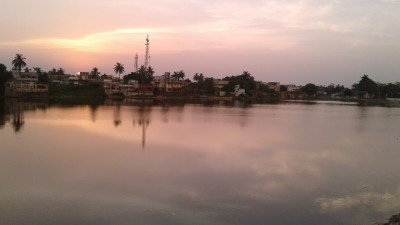
Bhagalpur City Overview: Bhagalpur is one of the oldest cities in Bihar and is famously known as the Silk City due to its world-renowned Tussar silk production. It is situated on the southern banks of the holy river Ganga and serves as a major educational and commercial hub. The city has a rich his torical background, once being the capital of the Anga kingdom ruled by Karna from the Mahabharata. Visitors are drawn to its blend of spiritual sites, ancient university ruins, and the unique Vikramshila Gangetic Dolphin Sanctuary. The local culture is deeply rooted in the Angika tradition, offering a warm and authentic experience of eastern India. Historical Significance: The city has witnessed the rise and fall of various dynasties, including the Mauryas, Guptas, and Palas. It played a pivotal role during the Indian independence movement, producing many brave freedom fighters. Today, it is evolving into a modern urban center while carefully preserving its ancient monuments and traditional silk-weaving clusters. The presence of the Ganga river adds a scenic and spiritual dimension to the city's atmosphere, making it a multifaceted destination for travelers.

Things To Do

Card image cap
Ajgaibinath Temple

The Ajgaibinath Temple is one of the most revered spiritual sites in Eastern India, dedicated to Lord Shiva. Perched on a massive granite rock that j...
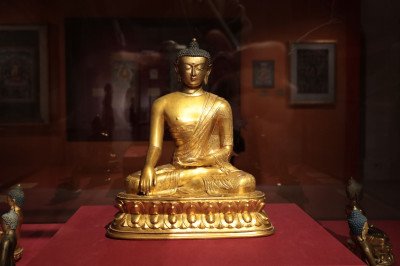
The Ajgaibinath Temple is one of the most revered spiritual sites in Eastern India, dedicated to Lord Shiva. Perched on a massive granite rock that juts out into the holy river Ganges, the temple provides a breathtaking view of the water. Legend says that Lord Shiva received his Ajgav bow here, giving the place its name. The temple is especially famous for its Swayambhu lingam, which is believed to have manifested naturally. During the month of Shravan, the temple becomes a bustling hub for millions of devotees who collect water from the Uttarvahini Ganga to carry to Deoghar. The spiritual energy here is palpable, with the sound of bells and hymns echoing against the river waves. It serves as the starting point for the famous 105 KM pilgrimage walk to Baba Baidyanath Dham. The temple’s history is intertwined with the Pala dynasty, and it remains a cornerstone of Bihar's cultural identity. Visitors often find deep peace watching the sunset from the temple rocks.
Card image cap
Bhagalpur Museum

The Bhagalpur Museum, established on November 11, 1976, is a treasure trove for history buffs and art lovers. Located in the heart of the city, this ...

The Bhagalpur Museum, established on November 11, 1976, is a treasure trove for history buffs and art lovers. Located in the heart of the city, this museum preserves the rich archaeological and cultural legacy of the ancient Anga kingdom. The museum houses a diverse collection of artifacts ranging from the Maurya and Gupta periods to the Mughal era. Its galleries are filled with intricate stone sculptures, ancient coins, and terracotta figurines unearthed from sites like Vikramshila and Antichak. One of the most significant exhibits is the collection of Madhubani paintings and traditional Manjusha art, which is unique to the Anga region. The museum also features rare manuscripts and copper plates that provide insights into the administrative history of Bihar. For researchers and students, it serves as an essential educational hub, offering a glimpse into the artistic evolution of the region over two millennia. The building itself is well-maintained and serves as a quiet refuge from the city's hustle. It is an ideal spot to understand the silk city's journey from an ancient capital to a modern hub.
Card image cap
Budhanath Temple

@@Historical Significance:The ancient Budhanath Temple, also called Vriddheshwarnath, is a revered Hindu shrine dedicated to Lord Shiva, situated on t...

@@Historical Significance:The ancient Budhanath Temple, also called Vriddheshwarnath, is a revered Hindu shrine dedicated to Lord Shiva, situated on the banks of the Uttarvahini Ganga (northward-flowing Ganges), a rare geographical feature considered highly sacred. Local legends believe the Shiva Lingam is Swayambhu (self-manifested) and was consecrated by Sage Vashishtha in the Satya Yuga. It is listed among the 108 Nath temples of India mentioned in the Shiva Purana, underscoring its profound spiritual importance. The temple complex is a focal point of religious life in Bhagalpur, attracting pilgrims throughout the year, especially during the holy month of Shravan. The temple complex is large, spanning about 3 acres, and includes shrines for other deities like Goddess Durga, Radha-Krishna, and Hanuman. The proximity to the river makes it a vital site for all river-related rituals and festivals, including the annual Kanwar Yatra.
Card image cap
Champapur Digambar Jain Mandir

Champapur is one of the most significant pilgrimage sites for the Jain community worldwide. It is uniquely recognized as the place where all five Kal...

Champapur is one of the most significant pilgrimage sites for the Jain community worldwide. It is uniquely recognized as the place where all five Kalyanakas (auspicious life events) of Lord Vasupujya, the 12th Tirthankara, took place. These events include his conception, birth, renunciation, omniscience, and liberation. The temple complex is ancient, with its roots stretching back over 2500 years. Legend also links this city to Karna, the famous warrior from the Mahabharata, who is said to have ruled the Anga kingdom from here. The atmosphere within the temple is incredibly peaceful, filled with the fragrance of incense and the sound of silent prayers. The main temple is a beautiful structure surrounded by high walls, housing several smaller shrines. A major attraction is the 31-foot tall statue of Lord Vasupujya, which was recently installed and attracts pilgrims from across the globe. The site is considered a Siddha-Kshetra, a place where souls have attained enlightenment. Visiting Champapur offers a deep spiritual connection and a chance to witness the enduring legacy of Jainism in Bihar.
Card image cap
Chandika Asthan

Chandika Asthan is a highly significant Hindu shrine and one of the 51 Shakti Peethas. It is believed that the left eye of Sati fell at this spot whe...

Chandika Asthan is a highly significant Hindu shrine and one of the 51 Shakti Peethas. It is believed that the left eye of Sati fell at this spot when Lord Vishnu used his Sudarshana Chakra on her body. The temple is located near the banks of the Ganges in Munger. It is deeply associated with the legend of King Karna, who used to offer prayers here daily and was rewarded with gold for his charity. The main sanctum is built inside a cave-like structure, housing the deity Chandika Devi. Devotees believe that applying the temple's sacred soot to their eyes can cure visual ailments. The temple complex is vibrant, especially during the Navratri festival when thousands of people visit to seek the Goddess's blessings. The energy here is intense and mystical, with ancient rituals being performed daily. Despite the distance from Bhagalpur, it is a must-visit for anyone on a spiritual journey through Bihar. The surrounding area of Munger also offers historical sites like the Munger Fort, making it a perfect day-trip destination from the silk city.
Card image cap
Colganj Rock Cut Temple

The Colganj Rock Cut Temple, located in Kahalgaon, is a stunning example of ancient Indian artistry. These temples date back to the Gupta period, rou...

The Colganj Rock Cut Temple, located in Kahalgaon, is a stunning example of ancient Indian artistry. These temples date back to the Gupta period, roughly between the 5th and 6th centuries AD. Carved directly from granite boulders on a small hill, the temples feature intricate sculptures of Hindu, Buddhist, and Jain deities. This multi-religious character highlights the secular harmony of ancient Bihar. The site consists of five small rock-cut shrines, each dedicated to different forms of Lord Shiva, Vishnu, and Surya. The carvings are exceptionally detailed, showcasing the high level of craftsmanship of the Gupta architects. Overlooking the Ganges, the site offers not only historical value but also immense natural beauty. In the past, this area was a thriving center of trade and spirituality. Today, it stands as a protected monument under the Archaeological Survey of India (ASI). Visitors can explore the caves and see the remaining fragments of statues that have survived for over 1500 years. The peaceful environment and the mystery of the ancient carvings make it a fascinating destination for history enthusiasts and photographers alike.
Card image cap
Das Driftwood Museum & Park

@@Unique Art Form:The Das Driftwood Museum & Park is a unique cultural attraction showcasing art made exclusively from driftwood collected from the Ri...

@@Unique Art Form:The Das Driftwood Museum & Park is a unique cultural attraction showcasing art made exclusively from driftwood collected from the River Ganga. The museum is the brainchild of P.K. Das, who transforms naturally sculpted pieces of wood into stunning works of art. The collection includes various sculptures, often featuring animals, mythological figures, and abstract forms, many reaching heights of 16 feet. Its location within the Vikramshila Gangetic Dolphin Sanctuary adds to its significance.
Card image cap
Dolphin Observatory

@@Conservation and Biodiversity:The Dolphin Observatory refers to viewing points/facilities along the Vikramshila Gangetic Dolphin Sanctuary (VGDS), a...

@@Conservation and Biodiversity:The Dolphin Observatory refers to viewing points/facilities along the Vikramshila Gangetic Dolphin Sanctuary (VGDS), a 60 KM stretch of the Ganga river between Sultanganj and Kahalgaon, notified in 1991. It is Asia's only sanctuary for the endangered Gangetic Dolphin (local name: Soons), which is India's National Aquatic Animal. The sanctuary aims to protect and conserve this blind river dolphin and other threatened aquatic life like otters, turtles, and Gharials. The best viewing points are near Barari Ghat and Manik Sarkar Ghat.
Card image cap
Ghanta Ghar

@@Colonial Heritage:The Ghanta Ghar is a historic clock tower situated right at the physical and commercial heart of Bhagalpur city, a major landmark ...

@@Colonial Heritage:The Ghanta Ghar is a historic clock tower situated right at the physical and commercial heart of Bhagalpur city, a major landmark built during the British Rule. It was constructed in dedication to King Edward VII of Britain, signifying the city's importance during the colonial era. It is not just a timepiece but a historical monument and a central meeting point. The area around it, the Khalifabagh Market, is the city's busiest and oldest commercial center, with the clock tower presiding over its daily hustle and bustle. The tower's chiming bells were historically the primary way citizens tracked time.
Card image cap
Hanuman Ghat

@@Devotional Significance:Named after the small Hanuman Temple located adjacent to the steps, Hanuman Ghat is a modest but deeply culturally and spiri...
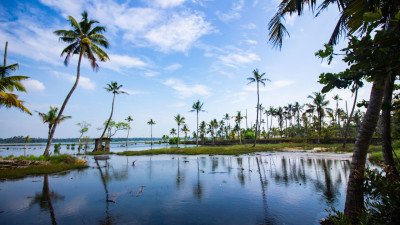
@@Devotional Significance:Named after the small Hanuman Temple located adjacent to the steps, Hanuman Ghat is a modest but deeply culturally and spiritually significant ghat on the banks of the Ganga river in the Barari locality. It serves as a local hub for daily rituals, including sacred bathing, the offering of prayers, and the performance of Hindu ceremonies like Shraddha. The presence of the shrine dedicated to Lord Hanuman makes it a revered spot, often seen as a guardian deity of this section of the riverbank. It is known for its relatively calm and peaceful atmosphere compared to the main city ghats.
Card image cap
Jagatpur Lake

Jagatpur Lake is a sprawling freshwater wetland that has emerged as a premier destination for nature lovers and ornithologists. Spanning over several...

Jagatpur Lake is a sprawling freshwater wetland that has emerged as a premier destination for nature lovers and ornithologists. Spanning over several hectares, this serene water body serves as a critical habitat for thousands of migratory birds that fly in from regions as far as Siberia and Central Asia. The lake is surrounded by lush green agricultural fields and small village settlements, providing a tranquil escape from the urban hustle of Bhagalpur. Historically, the lake was a natural depression that filled with rainwater and overflow from the Ganges, but over the years, it has been recognized by the government and local conservationists as a vital ecosystem. During the peak winter months, the lake is a riot of color and sound, with species like the Northern Pintail, Red-crested Pochard, and the endangered Greater Adjutant Stork making regular appearances. The local community is deeply involved in protecting these avian visitors, often working alongside the forest department to prevent poaching. Visitors often find themselves mesmerized by the early morning fog lifting off the water, revealing a vibrant world of aquatic plants and wildlife. It is not just a lake but a living classroom for environmental education, where students and researchers come to study biodiversity. The peaceful atmosphere makes it ideal for meditation and slow-paced exploration. Despite its growing popularity, it remains a clean and relatively untouched spot, maintaining its rustic charm. Efforts are ongoing to develop eco-tourism facilities like watchtowers and guided boat tours to enhance the visitor experience without disturbing the delicate balance of nature.
Card image cap
Khanqah-e-Shahbazia

@@Sufi and Mughal History:Established in 1577 AD, the Khanqah-e-Shahbazia is one of the most significant Sufi centers in Bihar, dedicated to the vener...

@@Sufi and Mughal History:Established in 1577 AD, the Khanqah-e-Shahbazia is one of the most significant Sufi centers in Bihar, dedicated to the venerated Sufi saint Maulana Shahbaz Muhammad Bhagalpuri. The complex includes a revered shrine (Dargah), a religious school (Madrasa Jamia Shahbazia), and the Shahjahani Mosque, which was patronized and reportedly visited by the Mughal Emperor Aurangzeb, highlighting its esteemed status in the Mughal court's spiritual life. It remains a beacon of spirituality and scholarly pursuits, with its spiritual leadership continuing through the saint's descendants (Sajjadah Nasheens).
Card image cap
Mahadevpur Ghat

@@Faith and Ritual:While there are many Mahadevpur Ghats, the one near Bhagalpur on the Ganga is a crucial site for Hindu pilgrims, particularly those...

@@Faith and Ritual:While there are many Mahadevpur Ghats, the one near Bhagalpur on the Ganga is a crucial site for Hindu pilgrims, particularly those dedicated to Lord Shiva. It is a designated bathing ghat where devotees gather to take a purifying dip in the Holy Ganga before performing prayers. Its importance increases during religious festivals, especially those related to Shiva and the river, as it is believed that a dip here can cleanse one of sins. The atmosphere is generally one of peaceful devotion, far removed from commercial activities. It plays a key role in the daily religious life of the peripheral communities.
Card image cap
Maharshi Mehi Ashram, Kuppaghat

@@Spiritual and Meditation Hub:The Maharshi Mehi Ashram at Kuppaghat is a deeply respected spiritual center for the followers of Santmat (a spiritual ...

@@Spiritual and Meditation Hub:The Maharshi Mehi Ashram at Kuppaghat is a deeply respected spiritual center for the followers of Santmat (a spiritual philosophy focused on Inner Light and Inner Sound meditation). It was the main place of meditation and residence for Maharshi Mehi Paramhans (1885–1986), a great saint and exponent of Santmat. The ashram's serene location on the holy bank of the Ganga offers an ideal environment for contemplative practice. It is the headquarters of the Akhila Bharatiya Santmat Satsang and continues to be a pilgrimage site for devotees seeking peace and spiritual harmony.
Card image cap
Manasa Temple

The Manasa Temple in Champanagar is one of the most culturally significant shrines in the region, dedicated to Goddess Manasa, the deity of snakes. T...

The Manasa Temple in Champanagar is one of the most culturally significant shrines in the region, dedicated to Goddess Manasa, the deity of snakes. This temple is deeply intertwined with the folklore of Behula and Bishahari, a legendary tale of devotion and triumph over death that is central to the identity of the Anga region. Historically, Champanagar was the capital of the ancient Anga Kingdom, and this temple stands as a testament to the long-standing tradition of Manasa Puja in the area. The temple complex is a hub of spiritual energy, especially during the month of Shravan, when thousands of devotees gather to offer prayers and milk to the goddess. The atmosphere is thick with the scent of incense and the sound of traditional folk songs narrating the story of Behula's journey on a raft to save her husband's life. The presiding deity is often depicted surrounded by serpents, symbolizing her power over these creatures and her role as a protector against snake bites. The temple serves as a focal point for the local community, where ancient rituals are preserved and passed down through generations. Visitors are often struck by the deep faith of the pilgrims who travel from far and wide to seek the goddess's blessings for health and prosperity. The surrounding area of Champanagar is also famous for its silk weaving, and the temple reflects this heritage through the vibrant silk drapes used to adorn the idols. The complex includes smaller shrines and a courtyard where community gatherings and religious discourses take place. It is a place where mythology meets reality, offering a profound glimpse into the soul of rural Bihar.
Card image cap
Mandar Hill

Mandar Hill, also known as Mandar Parvat, is a massive granite hill that holds immense mythological significance in both Hinduism and Jainism. Standi...

Mandar Hill, also known as Mandar Parvat, is a massive granite hill that holds immense mythological significance in both Hinduism and Jainism. Standing at a height of about 700 to 800 feet, it is believed to be the mountain used as a churning rod (Manthana) by the Gods (Devas) and Demons (Asuras) to extract the nectar of immortality (Amrit) from the ocean. The hill is a geological marvel, appearing as a singular, isolated boulder rising sharply from the plains of the Banka district. All around the hill, one can see a faint grooved line, which legend says was caused by the pressure of the great serpent Vasuki used as a rope during the churning. The summit of the hill is crowned with a beautiful temple, and the trek up involves climbing hundreds of rock-cut stairs that date back centuries. At the base of the hill lies the sacred Papharni tank, where pilgrims take a holy dip before starting their ascent. The hill is also an important site for Jains, as it is believed that the 12th Tirthankara, Lord Vasupujya, attained Nirvana here. Throughout the slopes, there are numerous rock-cut sculptures, inscriptions from the Gupta period, and small caves that whisper tales of ancient hermits and kings. The view from the top is breathtaking, offering a 360-degree panorama of the surrounding forests and rural landscape. Mandar Hill is not just a religious site; it is a blend of history, mythology, and natural beauty that captures the imagination of every visitor. The government has recently introduced a ropeway service, making the summit accessible to those who cannot undertake the strenuous climb. It remains one of the most iconic landmarks of the Bhagalpur division.
Card image cap
Rabindra Bhawan

@@Literary and Historical Nexus:Also known as Tilka Kothi, Rabindra Bhawan is a historical building within the Tilka Manjhi Bhagalpur University (TMBU...

@@Literary and Historical Nexus:Also known as Tilka Kothi, Rabindra Bhawan is a historical building within the Tilka Manjhi Bhagalpur University (TMBU) campus. Its primary fame comes from the fact that Nobel Laureate Rabindranath Tagore visited the site in 1910 and is believed to have penned parts of his famous work, Gitanjali, here. The building's history stretches back to the Colonial era, associated with figures like Augustus Cleveland, the first Collector of Bhagalpur. It also served as the site where Mahatma Gandhi addressed a large public meeting in 1942 during the Quit India movement.
Card image cap
Shahjangi Talav

@@History and Significance of Shahjangi Talav: Shahjangi Talav is not just a pond but part of a larger historical and religious complex centered aroun...

@@History and Significance of Shahjangi Talav: Shahjangi Talav is not just a pond but part of a larger historical and religious complex centered around the Dargah (tomb) of the revered Sufi Saint Pir Shahjangi, who was a Risaldar (officer) in Afghanistan in the 13th century before embracing the Sufi Silsila and establishing his Khanqah (spiritual center) here in Bhagalpur.: The pond, or Talav, itself is a Mughal-era water body, historically crucial for the region, and is recorded in authentic historical documents like Francis Buchanan's Gazetteer and M Francis' Eastern India, underscoring its long-standing importance.: The entire complex, which includes an Idgah, the Pir Shahjangi Mazar, the pond, and a Karbala ground, spans a massive area of about one hundred Bighas (approximately 30 acres), reflecting its past grandeur.: Local accounts highlight that the stone used for the Mazar was brought from the Kaaba, adding a unique layer of religious sanctity to the site.: The Talav was once the main source of drinking water for about 20 nearby villages, and a British Collector, Edward Latur, even recorded the names of the Shahbazia family and neighboring Zamindars who financially supported its upkeep on a stone recovered during a cleaning drive, showcasing a legacy of community and administrative involvement.: Despite current issues like the draining of sewage water from surrounding eight villages into the pond, which pollutes it, the Talav remains an important venue for major cultural and religious gatherings, such as the Pahlam procession during the Muharram festival, the Urs ceremony in March, and a central point for celebrations during Shab-e-Barat, demonstrating its continuing role as a valuable heritage and community anchor for the East Bihar populace.: The location is a testament to the region's rich blend of Sufi, Mughal, and local history, representing a unique example of historical landscape architecture focused on spiritual and communal life.:
Card image cap
Shri Champapur Digamber Jain Siddha Kshetra

Shri Champapur Digamber Jain Siddha Kshetra is a profoundly sacred pilgrimage site located in the Nathnagar suburb of Bhagalpur. It holds a unique di...

Shri Champapur Digamber Jain Siddha Kshetra is a profoundly sacred pilgrimage site located in the Nathnagar suburb of Bhagalpur. It holds a unique distinction globally as the only place where all five Kalyanakas (auspicious life events) of a Tirthankara took place. Specifically, it is dedicated to Bhagwan Vasupujya, the 12th Tirthankara, who was born, renounced the world, attained omniscience, and achieved Moksha (salvation) right here on this soil. The spiritual vibration of the site is palpable, drawing thousands of devotees who seek peace and religious merit. Historically, the city of Champa was the capital of the Anga kingdom, ruled by the legendary Karna from the Mahabharata, adding a layer of epic history to its religious sanctity. The complex houses multiple temples and a massive statue of the deity. It serves as a vital center for Digamber Jain culture, preserving ancient traditions through its rituals and educational facilities. Visitors often feel a sense of timelessness while walking through the white marble courtyards that reflect the purity of Jain philosophy. The area is lush and quiet compared to the city center, offering a meditative atmosphere for all visitors. It is not just a temple but a historical landmark that has witnessed the rise and fall of several dynasties over millennia. The site is meticulously maintained by the trust, ensuring a clean and spiritual environment for the pilgrims. :
Card image cap
Tilka Manjhi Chowk

@@Tilka Manjhi's Role in Indian History: The Tilka Manjhi Chowk (Statue) is a profound monument dedicated to the legendary tribal leader Tilka Manjhi,...

@@Tilka Manjhi's Role in Indian History: The Tilka Manjhi Chowk (Statue) is a profound monument dedicated to the legendary tribal leader Tilka Manjhi, who is widely celebrated as the first freedom fighter of India, pre-dating the rebellion of Mangal Pandey by several decades.: Born as Jabra Paharia on February 11, 1750, in Tilakpur village, he belonged to the Santhal community and adopted the title Manjhi (village head/leader of troops) and Tilka (meaning 'person with angry red eyes' in the Pahadia language) due to his fierce resistance.: His armed struggle, often referred to as the Manjhi Revolt or the Santhal Hul, began around 1771 against the oppressive policies of the British East India Company, particularly their resource exploitation and failure to provide relief during the severe famine of 1770.: He organized the indigenous people, using traditional weapons like bows and arrows, and famously circulated a message of unity on a Sal leaf saying, "We must be united.": His most significant act of defiance was the assassination of the British Collector of Bhagalpur, Augustus Cleveland, in January 1784, with a poison arrow, though some historical records dispute the exact circumstances of Cleveland's death, the popular narrative remains a powerful symbol of tribal resistance.: After a prolonged period of guerrilla warfare from the Tilapore forest, he was eventually captured, tied to a horse, dragged all the way to Bhagalpur, and publicly executed by hanging from a Banyan tree in 1785.: This statue was erected at the exact spot of his public execution after India gained Independence, transforming a place of colonial terror into a revered site of national honor.: The renaming of Bhagalpur University to Tilka Manjhi Bhagalpur University further solidifies his status as a paramount historical figure in the region, symbolizing the acknowledgment of indigenous contributions to the nation's freedom struggle.:
Card image cap
Vikramshila Gangetic Dolphin Sanctuary

The Vikramshila Gangetic Dolphin Sanctuary is a unique ecological treasure located in the Bhagalpur district of Bihar. Established in 1991, it covers...

The Vikramshila Gangetic Dolphin Sanctuary is a unique ecological treasure located in the Bhagalpur district of Bihar. Established in 1991, it covers a 60 KM stretch of the holy Ganges river, extending from Sultanganj to Kahalgaon. This sanctuary is the only one in Asia dedicated to the protection of the Gangetic Dolphin, locally known as 'Soons'. These dolphins are the National Aquatic Animal of India and are an endangered species. The river here provides a deep, slow-moving habitat ideal for these blind mammals, which use echolocation to navigate. Unlike sea dolphins, these freshwater creatures are shy and surface briefly for air, making the sighting a thrilling game of patience for tourists. The sanctuary is also a haven for other wildlife, including the Smooth-coated Otter, various species of Freshwater Turtles, and over 135 species of water birds. The biodiversity of this stretch is critical for the health of the river ecosystem. Local fishermen are involved in conservation efforts, often acting as guides. A boat ride on the vast expanse of the Ganges here offers not just a chance to see dolphins but also a glimpse into the rural life along the riverbanks. It is a must-visit for nature enthusiasts and wildlife photographers. :
Show All

Note:-

Information provided here in good Faith and for reference only.

All information and pictures will be updated soon, please keep visiting.

Near Places
...
Araria

Some quick example text to build on the card title and make up the bulk of the card's content.

Go somewhere
...
Arwal

Some quick example text to build on the card title and make up the bulk of the card's content.

Go somewhere
...
Banka

Some quick example text to build on the card title and make up the bulk of the card's content.

Go somewhere
...
Begusarai

Some quick example text to build on the card title and make up the bulk of the card's content.

Go somewhere
...
Bhagalpur

Some quick example text to build on the card title and make up the bulk of the card's content.

Go somewhere
...
Bhojpur

Some quick example text to build on the card title and make up the bulk of the card's content.

Go somewhere
...
Bihar Sharif

Some quick example text to build on the card title and make up the bulk of the card's content.

Go somewhere
...
Bodh Gaya

Some quick example text to build on the card title and make up the bulk of the card's content.

Go somewhere
...
Buxar

Some quick example text to build on the card title and make up the bulk of the card's content.

Go somewhere
...
Champaran

Some quick example text to build on the card title and make up the bulk of the card's content.

Go somewhere
in Other Cities