...

Place To Visit And Things To Do In Chandel

Manipur, India
Border District: Chandel is a strategically important district sharing a long international border with Myanmar, known for its ethnic diversity. Cultural Mosaic: It is home to various tribes including the Anal, Maring, and Lamkang, each with unique traditions and colorful attire. War History: The re gion saw significant action during World War II and later became a gateway for Indo-Myanmar trade through the town of Moreh. Ecological Wealth: Known for its dense forests, it houses rare flora including exotic orchids and medicinal herbs found only in this hilly terrain.

Things To Do

Card image cap
Aimol Village

Aimol Village is a serene settlement nestled in the foothills of Chandel, predominantly inhabited by the Aimol tribe, one of the smallest and most di...
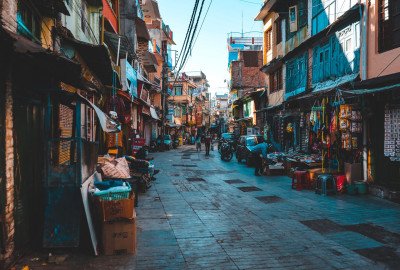
Aimol Village is a serene settlement nestled in the foothills of Chandel, predominantly inhabited by the Aimol tribe, one of the smallest and most distinct ethnic groups in Manipur. The village serves as a living museum of indigenous history, where the community preserves its unique language, which is categorized by UNESCO as critically endangered. Historically, the Aimol people trace their roots to a mythical cave, and their presence in Manipur dates back to the early 18th century. Life here revolves around agriculture and the preservation of ancestral traditions, offering visitors a profound look into the resilience of tribal heritage amidst modern changes. The surrounding landscape is characterized by rolling hills and lush vegetation, providing a peaceful backdrop for cultural immersion. Travelers can explore the local social structure, divided into distinct clans like Chongom and Laita, each maintaining its own folklore and customs. Despite the adoption of Christianity, the village retains its soul through traditional attire and social ethics. It is an ideal spot for researchers and cultural enthusiasts.
Card image cap
Chandel Bazaar

Bazaar Significance:The Chandel Bazaar serves as the primary economic and social hub for the over 20 indigenous tribes of the district, including the ...

Bazaar Significance:The Chandel Bazaar serves as the primary economic and social hub for the over 20 indigenous tribes of the district, including the Anal, Kuki, Thadou, and Moyon communities. It is a vital spot where local produce, essential goods, and traditional crafts are traded. The market is a key place for cultural exchange, where the vibrant life and traditions of the border district of Manipur converge. Its location on the main road makes it a crucial link for goods coming from Imphal and going towards the international border town of Moreh. The market provides a window into the daily rhythm of the locals, offering a rich, sensory experience of tribal life and commerce near the border region of India.
Card image cap
Chandel Christian Church

Spiritual Center:The Chandel Christian Church (likely a collective term for the primary, largest church in the village, such as the Chandel Baptist Ch...

Spiritual Center:The Chandel Christian Church (likely a collective term for the primary, largest church in the village, such as the Chandel Baptist Church or Union Church) serves as the spiritual epicenter for the predominantly Christian tribal population of Chandel Christian Village and the wider district. The Anal, Kuki, and other tribes embraced Christianity, making this church a significant symbol of their faith and community bonding. It is a place of Sunday worship, fellowship, and celebration of Christian festivals, reflecting the modern religious landscape of the Manipur hills. The church plays an active role in local social and educational welfare.
Card image cap
Chandel Town

District Headquarters: Chandel Town is the administrative headquarters of the Chandel District, one of the nine districts of Manipur. It is often refe...

District Headquarters: Chandel Town is the administrative headquarters of the Chandel District, one of the nine districts of Manipur. It is often referred to locally by its former name, Lamka. Located along the Indo-Myanmar border route (NH-39/SH-10), it is a vital transit point and a microcosm of the entire district's diversity. The town is home to the district administration, government offices, and the main commercial centers like the Chandel Bazaar. The population is highly diverse, representing over 20 indigenous tribes such as the Anal, Moyon, Thadou, and Maring, along with Meiteis and non-Manipuri communities, giving it a unique, vibrant, and multicultural character.
Card image cap
Chandel Viewpoint

Highest Point Vantage:The Chandel Viewpoint is essentially the high-altitude vantage point located near the village of Tengnoupal, which is situated o...

Highest Point Vantage:The Chandel Viewpoint is essentially the high-altitude vantage point located near the village of Tengnoupal, which is situated on the Indo-Myanmar Road (part of NH-39). It is the highest point on the road from Imphal to the border town of Moreh. From this strategic crest, one can get a remarkable bird's eye view of the entire Manipur valley and the surrounding eastern hill ranges. The area is known for its cool, crisp air and serene, lush green environment, making it a popular spot for travelers to rest and appreciate the scenic landscapes of Manipur. The view is particularly stunning at sunrise or sunset.
Card image cap
Hailephang Village

Hailephang Village is a picturesque hilltop settlement known for its strategic vantage points and lush green surroundings. The village offers a panor...

Hailephang Village is a picturesque hilltop settlement known for its strategic vantage points and lush green surroundings. The village offers a panoramic view of the Myanmar hills and the sprawling valleys of Manipur, making it a favorite for nature lovers. The inhabitants are primarily from the Kuki community, known for their warm hospitality and rich warrior history. The village layout follows the natural contours of the hill, creating a tiered appearance that is visually striking. Agriculture remains the backbone of the village, with terrace farming being a common sight on the slopes. Visitors can experience the authentic mountain lifestyle, characterized by fresh air, organic food, and a slow pace of life. The village is also a gateway to several trekking routes that lead deeper into the Chandel highlands. The tranquility of Hailephang makes it a perfect escape from the bustle of urban centers, offering a deep connection with the environment.
Card image cap
Heirok River Tributaries

The Heirok River Tributaries consist of a network of crystal-clear streams and rivulets that originate from the Chandel hills and flow down into the ...

The Heirok River Tributaries consist of a network of crystal-clear streams and rivulets that originate from the Chandel hills and flow down into the Thoubal plains. These waterways are vital for the agricultural prosperity of the region, feeding the vast paddy fields that define the landscape. The riverbanks are often lush with wild bamboo and tropical ferns, creating a serene environment for picnics and nature walks. Historically, these tributaries have served as natural boundaries and trade routes for the local tribes. The sound of flowing water and the sight of local fishermen using traditional bamboo traps make for a quintessential Manipuri rural experience. The water is generally shallow and calm during the dry months, revealing smooth river stones and a variety of freshwater fish. It is a place where nature remains largely untouched by industrial pollution, offering a refreshing retreat for those looking to reconnect with the earth. The ecosystem supports a variety of aquatic life and serves as a watering hole for forest animals.
Card image cap
Kapaam Village

Kapaam Village, widely known by its other name Komlathabi, is one of the most developed and culturally vibrant villages in Chandel. It is the primary...

Kapaam Village, widely known by its other name Komlathabi, is one of the most developed and culturally vibrant villages in Chandel. It is the primary home of the Monsang tribe, a community known for its high literacy rates and rich musical heritage. The village is beautifully laid out with well-maintained gardens, clean streets, and a mix of traditional and modern houses. It serves as an educational hub for the surrounding areas, housing several schools and a college. The Monsang people refer to themselves as "Sirti," meaning southerners, and they have a distinct language and history that they take great pride in. Visitors to Kapaam are often struck by the community's organized lifestyle and their success in blending tribal customs with modern education. The village is surrounded by fertile plains and hills, making it a scenic spot for a day trip. It is a place where one can observe the positive evolution of tribal society in Northeast India while still enjoying traditional hospitality and cultural performances.
Card image cap
Khamlang Peak

Khamlang Peak is one of the highest and most majestic points in Chandel district, offering a challenging yet rewarding experience for trekkers and ad...

Khamlang Peak is one of the highest and most majestic points in Chandel district, offering a challenging yet rewarding experience for trekkers and adventurers. The peak is covered in dense subtropical forests that transition into grassy meadows near the summit. From the top, one can enjoy an unobstructed view of the Indo-Myanmar border, the winding rivers of the valley, and the distant peaks of the Naga hills. The area is rich in biodiversity, housing various species of wild orchids, medicinal plants, and colorful butterflies. For the local communities, the peak holds spiritual significance and is often associated with folklore about ancient protectors of the land. The trek to the summit takes you through different vegetation zones, providing a firsthand look at the ecological variety of Manipur. The air at the top is incredibly crisp and clean, offering a sense of serenity that is hard to find elsewhere. It is a premier destination for those looking for an off-the-beaten-path adventure in Northeast India.
Card image cap
Khoupum Hill Station

Khoupum Hill Station is a breathtakingly beautiful destination nestled in the heart of the Khoupum Valley. This place is the second largest valley in ...
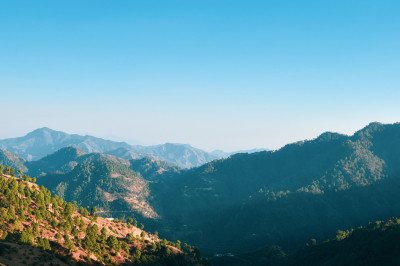
Khoupum Hill Station is a breathtakingly beautiful destination nestled in the heart of the Khoupum Valley. This place is the second largest valley in Manipur and is predominantly inhabited by the Rongmei tribe. The area is a perfect blend of natural splendor and cultural richness. Visitors are greeted by lush green hills, expansive paddy fields, and the serene Khoupum Dam. The valley is surrounded by a ring of hills that look like a natural fortress. This spot is ideal for those who want to escape the noise of urban life and immerse themselves in a peaceful environment. The local community is very welcoming and offers a glimpse into their traditional lifestyle. The valley also houses the Khouduang waterfall, which is a major attraction. The air here is crisp and fresh, making it a healthy retreat. Over the years, it has become a popular spot for picnics and nature photography. The landscape changes with the seasons, offering a new look every few months. It is truly a paradise for nature lovers and soul seekers.:
Card image cap
Khunjao Hills

The Khunjao Hills are a rugged mountain range that offers some of the most spectacular panoramic views in the Chandel district. This area is known for...
The Khunjao Hills are a rugged mountain range that offers some of the most spectacular panoramic views in the Chandel district. This area is known for its steep slopes, dense forests, and its strategic location near the international border with Myanmar. The hills are a paradise for adventure seekers who enjoy mountain biking and hardcore trekking. The terrain is challenging but rewarding, with every turn offering a new view of the vast valleys below. The biodiversity here is rich, with many rare species of flora and fauna found in the thickets. The air is remarkably thin and pure, providing a refreshing experience for hikers. Historically, these hills have been home to various tribes who have lived in harmony with the environment for centuries. The local flora includes various species of wild orchids that bloom in different seasons. The hills also serve as a natural barrier and have a significant presence of security forces due to the proximity to the border. Visiting Khunjao is not just about the views; it's about testing one's limits and experiencing the raw beauty of the North Eastern frontier. It is one of the few places where you can truly feel the vastness of the landscape.:
Card image cap
Kukis' Traditional Hut Museum

The Kukis' Traditional Hut Museum is a unique cultural repository located in the heart of Chandel. This open-air museum is dedicated to preserving and...

The Kukis' Traditional Hut Museum is a unique cultural repository located in the heart of Chandel. This open-air museum is dedicated to preserving and showcasing the architectural and lifestyle heritage of the Kuki community. The museum features various types of traditional huts, each representing a different aspect of Kuki life, such as the chief's house, the bachelor's dormitory, and granaries. Inside these huts, visitors can see a collection of antique tools, traditional weapons, hand-woven textiles, and household utensils. The museum serves as an educational center for both locals and tourists to understand the social structure and customs of the tribe. The huts are constructed using authentic methods, giving a realistic feel of a Kuki village from the past. The walls are often decorated with hunting trophies and ceremonial items. This place is essential for anyone interested in ethnography and tribal history. It highlights the ingenuity of the people in using natural resources to build comfortable living spaces. The museum also hosts cultural demonstrations on special occasions. It is a quiet, reflective place that honors the ancestors of the land.:
Card image cap
Langol Peak Garden

Langol Peak Garden, also known as Tlanglhungbung Leikol, is a picturesque destination located in the Machi sub-division of Chandel. This garden is ste...

Langol Peak Garden, also known as Tlanglhungbung Leikol, is a picturesque destination located in the Machi sub-division of Chandel. This garden is steeped in local folklore; it is believed that the legendary heroine Thoibi used to come here to pick the special Thoibi-Lei flowers. The peak offers a commanding view of the surrounding landscape, including the Manipur valley and distant hillocks. Historically, the site served as a camp for allied forces during World War II, adding a layer of historical intrigue to its natural beauty. The garden is well-maintained with various flowering plants, paved walkways, and seating areas. It has become a favorite spot for young couples and families from across the state. The cool breeze and the scent of wild flowers make it an ideal spot for relaxation. The drive to the peak is also scenic, passing through quaint villages and green slopes. The peak is often covered in a blanket of mist, creating a mystical atmosphere. It is a perfect example of how community-led tourism can preserve both nature and legend. The garden is a symbol of peace and beauty in the district.:
Card image cap
Larong Village

Larong Village is a serene and picturesque settlement that offers an authentic experience of tribal life in Chandel. The village is primarily inhabite...

Larong Village is a serene and picturesque settlement that offers an authentic experience of tribal life in Chandel. The village is primarily inhabited by the Anal Naga tribe, known for their rich cultural traditions and hospitality. Surrounded by dense forests and rolling hills, the village feels like a place frozen in time. The lifestyle here is closely tied to the land, with agriculture being the main occupation. Visitors can observe the traditional Jhum (shifting) cultivation on the nearby slopes. The village is also known for its traditional handloom products, particularly the unique patterns found in Anal shawls. Walking through the village, one can see traditional houses, community granaries, and the central church which serves as a social hub. The environment is incredibly clean and peaceful, making it a great spot for those looking to experience "slow travel." The locals are often seen engaged in community activities, and guests are often invited to share a cup of local tea. Larong is not just a destination; it is a community that prides itself on its heritage and the preservation of its natural surroundings. It's a place where one can learn about the resilience and beauty of hill life.:
Card image cap
Lhunjang Village

@@Lhunjang Village is a serene settlement nestled in the southern hills of Manipur, acting as a living museum of the Kuki tribe's ancestral traditions...

@@Lhunjang Village is a serene settlement nestled in the southern hills of Manipur, acting as a living museum of the Kuki tribe's ancestral traditions. This village is characterized by its lush green surroundings, where the air is crisp and the lifestyle is dictated by the rhythms of nature and agriculture. Visitors are often struck by the profound silence of the valley, broken only by the chirping of rare birds and the distant sound of hill streams. The community here is tight-knit, practicing age-old customs that have been passed down through oral traditions for centuries. Walking through the village feels like a step back in time, as the modernization of the outside world has only subtly touched the fringes of this highland retreat. The village serves as a vital cultural repository, where the Kuki people maintain their distinct social structures and customary laws. For researchers and travelers alike, it offers an authentic glimpse into the socio-cultural fabric of Northeast India. The landscape is dotted with terraced farms and small orchards, producing organic fruits that are famous across the district.
Card image cap
Lokchao River

@@The Lokchao River is the primary perennial water source flowing through the rugged terrain of the Yangoupokpi-Lokchao Wildlife Sanctuary. It origina...

@@The Lokchao River is the primary perennial water source flowing through the rugged terrain of the Yangoupokpi-Lokchao Wildlife Sanctuary. It originates in the eastern hills of Manipur and meanders through dense tropical forests before entering the border regions near Moreh. The river is known for its crystal-clear water during the dry months, revealing a bed of smooth river stones and colorful pebbles. It plays a critical role in the local ecosystem, providing water to a vast array of wildlife, including the rare Hoolock Gibbons and various species of deer. The banks of the river are often covered in thick bamboo brakes and tall elephant grass, making it a picturesque spot for nature lovers. For the local tribes, the river is not just a water source but a spiritual entity that sustains their agricultural needs. The sound of the flowing water creates a tranquil atmosphere that invites visitors to pause and reflect. During the monsoon, the river transforms into a powerful force, carving through the landscape and feeding the vibrant flora of the region. It is an essential stop for anyone exploring the biodiversity of the Indo-Myanmar border.
Card image cap
Loushi Waterfall

@@Loushi Waterfall is one of the most magnificent yet underrated natural attractions in the Chandel district. It cascades down from a significant heig...

@@Loushi Waterfall is one of the most magnificent yet underrated natural attractions in the Chandel district. It cascades down from a significant height over dark, moss-covered basalt rocks, creating a misty atmosphere that cools the surrounding area. The waterfall is seasonal in its full glory, turning into a thunderous roar during the peak of the monsoon, while remaining a gentle, silvery thread during the winter months. The path to the waterfall involves a moderate trek through a canopy of tropical trees and bamboo thickets, offering a true adventure for hiking enthusiasts. As you approach the falls, the sound of crashing water grows louder, and the air becomes noticeably cooler. The pool at the base of the waterfall is shallow and surrounded by large boulders, making it a popular spot for locals to relax and cool off during the summer. The surrounding forest is rich in biodiversity, and it is not uncommon to see colorful butterflies and rare orchids hanging from the trees. Loushi Waterfall represents the raw, untouched beauty of Manipur’s southeastern hills, providing a perfect escape for those looking to disconnect from urban chaos and reconnect with nature.
Card image cap
Machi Sub-Division

@@Machi Sub-Division is a culturally significant region in Chandel, primarily inhabited by the Maring Naga tribe. This area is characterized by high-a...

@@Machi Sub-Division is a culturally significant region in Chandel, primarily inhabited by the Maring Naga tribe. This area is characterized by high-altitude ridges and deep valleys, offering some of the most spectacular views in the entire district. The people of Machi are known for their unique traditions, including their traditional black-toothed appearance (a sign of beauty in ancient times) and their expertise in cane and bamboo crafts. The sub-division is a hub of indigenous knowledge, where ancient agricultural practices like shifting cultivation are still practiced alongside modern horticulture. The villages in Machi are often perched on hilltops, providing a vantage point to see the Imphal Valley on one side and the hills of Myanmar on the other. The region is also rich in history, having been a site of significant movement during World War II. Travelers come here to experience the authentic Naga hospitality and to witness the vibrant festivals that define the social life of the Maring people. The landscape is a mix of pine forests and fruit orchards, particularly famous for its high-quality pineapples and lemons.
Card image cap
Nungba Village

@@Nungba Village (on the Chandel side) is a strategic and picturesque settlement located in the southern reaches of the district. This village serves ...

@@Nungba Village (on the Chandel side) is a strategic and picturesque settlement located in the southern reaches of the district. This village serves as a vital link between the central highlands and the remote southern valleys bordering Churachandpur. The village is inhabited by a mix of tribes, predominantly the Zou and Kuki communities, who have lived in harmony for generations. The geography here is marked by rolling hills and small river valleys that provide fertile ground for the cultivation of hill rice and diverse vegetables. Unlike the more commercialized parts of the state, Nungba retains a very traditional and quiet atmosphere. The village is organized around a central church and a community hall, which are the focal points of social life. Life in Nungba is a testament to the resilience of the hill people, who have adapted to the rugged terrain with ingenious farming and building techniques. For a traveler, it offers a sense of total isolation and peace, making it an ideal spot for "slow travel." The surrounding forests are still relatively unexplored, hiding small caves and seasonal streams that only the locals know about.
Card image cap
Old Tengnoupal Viewpoint

The Old Tengnoupal Viewpoint is the highest point along the Imphal-Moreh highway, offering a staggering bird’s-eye view of the entire Manipur valley...

The Old Tengnoupal Viewpoint is the highest point along the Imphal-Moreh highway, offering a staggering bird’s-eye view of the entire Manipur valley. Standing at an elevation ranging from 2,500 to 10,000 feet, this spot provides a breathtaking perspective where the clouds often float below the mountain peaks. Historically, this area was a strategic site during World War II, witnessing fierce battles between the Japanese army and British forces. The viewpoint is more than just a scenic stop; it is a place where travelers can feel the cool, crisp mountain air and witness the geological grandeur of the Naga Hills. The vista spans across emerald green forests, rolling hills, and distant tribal hamlets that dot the landscape. Visitors often stop here to refresh their spirits before heading toward the border town of Moreh. The silence of the hills is only broken by the whispering wind, making it a meditative experience for nature lovers. It serves as a reminder of the district's significance as a transition zone between the Indian subcontinent and Southeast Asia. The local communities maintain the area, ensuring that its natural beauty remains preserved for eco-tourists. Exploring the trails around the viewpoint reveals a rich variety of wild orchids and indigenous flora that are unique to this high-altitude ecosystem.
Card image cap
Phainuam Village

The Phainuam Village is a serene settlement nestled in the southern part of Chandel district, predominantly inhabited by the Kuki community. This vill...

The Phainuam Village is a serene settlement nestled in the southern part of Chandel district, predominantly inhabited by the Kuki community. This village serves as a living museum of tribal heritage, where traditional customs are still woven into the fabric of daily life. Visitors to Phainuam are greeted by the sight of traditional wooden houses perched on hill slopes, surrounded by lush plantations of ginger and maize. The village is known for its incredible hospitality, where guests are often invited to share a cup of local brew or a meal. The geography of the village is characterized by rolling hills and small streams that provide water for terraced farming. Life here moves at a slow, peaceful pace, governed by the seasons and tribal festivals. The village elders are keepers of oral histories, often sharing tales of ancestral migrations and local folklore. For those looking to escape the noise of urban life, Phainuam offers an authentic rural experience that highlights the symbiotic relationship between the tribal people and the land. The village also plays a role in the local economy through its vibrant handloom industry, where women weave intricate patterns that tell stories of their clan. Walking through the village paths, one can observe the unique architecture of the granaries and the communal gathering spaces that define the social structure of the Kuki people.
Card image cap
Sairem Village

The Sairem Village is a significant cultural hub for the Maring tribe, one of the oldest indigenous groups in the Chandel district. This village is fa...

The Sairem Village is a significant cultural hub for the Maring tribe, one of the oldest indigenous groups in the Chandel district. This village is famous for its preservation of the unique Maring identity, which is distinct from the Naga and Kuki groups in terms of language and customs. The people of Sairem are known for their traditional black-topped hair buns and elaborate beadwork. The village is situated on a plateau-like hill, providing a panoramic view of the surrounding valleys. Agriculture is the mainstay here, with the community practicing a mix of Jhum (shifting) and terrace cultivation. Sairem is also a center for traditional metalworking and basketry, skills that have been passed down through generations. The social structure is deeply rooted in the village council system, which manages land and community disputes with traditional wisdom. Visitors can witness the "Lamlhang" or the village gate, which holds ritualistic importance. The village atmosphere is one of profound tranquility, where the sounds of the forest and the rhythmic beat of weaving looms dominate. The community is deeply religious, with many following Christianity while still honoring their ancestral traditions. Exploring Sairem allows one to understand the complex tapestry of tribal life in Manipur, where modernity and tradition coexist in a delicate balance. The village also boasts a variety of indigenous fruit trees like lemons and oranges, which are sold in the local markets.
Card image cap
Sericulture Farm

The Sericulture Farm in Chandel is a government-managed facility dedicated to the production of silk, a craft that is integral to the economy of Manip...

The Sericulture Farm in Chandel is a government-managed facility dedicated to the production of silk, a craft that is integral to the economy of Manipur. This farm specializes in the rearing of silkworms, particularly the Mulberry and Eri varieties. Visitors can witness the entire lifecycle of the silkworm, from the microscopic eggs to the shimmering cocoons. The farm is sprawling, with vast rows of mulberry trees planted to provide the necessary nutrition for the larvae. It serves as both a production center and an educational hub for local farmers who want to learn modern silk-rearing techniques. The atmosphere at the farm is one of quiet productivity, with staff meticulously managing the temperature and humidity required for the delicate worms. Inside the rearing houses, the rhythmic sound of silkworms munching on fresh leaves is a unique auditory experience. The farm also has sections dedicated to the extraction of silk threads, where cocoons are boiled and spun into raw silk. This facility is crucial for the Chandel district as it provides a sustainable livelihood for hundreds of tribal families. For a tourist, the farm offers a fascinating look at how a simple insect produces one of the world's most luxurious fabrics. The lush green surroundings of the farm, with the backdrop of the Chandel hills, make it a pleasant spot for an educational afternoon stroll. It highlights the intersection of agriculture, industry, and traditional craftsmanship in the North East.
Card image cap
Tengnoupal Town

The Tengnoupal Town is a high-altitude settlement that serves as the administrative headquarters of the newly formed Tengnoupal district, formerly par...

The Tengnoupal Town is a high-altitude settlement that serves as the administrative headquarters of the newly formed Tengnoupal district, formerly part of Chandel. Perched at the crest of the hills, the town offers a cool climate year-round and serves as a vital transit point for trade between India and Myanmar. The town's name is derived from the "Tengnou" cactus, which was historically used as a defensive fence against invaders. Its history is steeped in military significance, having been a major defense post during the Anglo-Kuki War and World War II. The streets of the town are lined with vibrant markets selling a mix of Indian and Southeast Asian goods. The population is a diverse mix of tribes, predominantly Kuki, Naga, and Meitei, creating a multicultural atmosphere. The town is also a spiritual center, with several beautiful churches and temples that reflect the religious diversity of the region. From various vantage points in the town, one can see the lush valleys of Manipur on one side and the dense forests leading to Myanmar on the other. The town acts as a cooling station for weary travelers heading to the border town of Moreh. The local cuisine is a highlight, featuring spicy tribal stews and fermented bamboo shoot delicacies. Tengnoupal is not just a transit hub; it is a symbol of the resilience and strategic importance of the hill people of Manipur. Its elevation ensures that it remains misty and atmospheric, especially during the monsoon and winter months, making it a favorite for those who love mountain scenery.
Card image cap
Tuitengphai Village

Cultural Heartland: Tuitengphai Village is a serene settlement that embodies the authentic tribal lifestyle of the Kuki community in Manipur. Surround...

Cultural Heartland: Tuitengphai Village is a serene settlement that embodies the authentic tribal lifestyle of the Kuki community in Manipur. Surrounded by emerald green hills and misty valleys, the village offers a glimpse into a world where tradition dictates the pace of life. Visitors are often struck by the hospitality of the locals and the meticulously maintained gardens that adorn almost every household. The village serves as a living museum of indigenous customs, featuring traditional granaries and community halls that have stood the test of time. Exploring the narrow lanes of Tuitengphai allows travelers to witness the daily routines of farmers and weavers who continue to use ancestral techniques. The air here is remarkably pure, and the silence is only broken by the melodious chirping of birds or the rhythmic sounds of the loom. This place is not just a destination but an emotional journey into the roots of Manipur's hill tribes. It provides a peaceful retreat for those looking to escape the chaotic urban environment and reconnect with nature. The village also plays a crucial role in preserving the oral history and folk songs of the region, making it a significant spot for cultural anthropologists.
Card image cap
Unapal Village

The Maring Stronghold: Unapal Village is famous for being one of the primary settlements of the Maring tribe, one of the oldest ethnic groups in Manip...

The Maring Stronghold: Unapal Village is famous for being one of the primary settlements of the Maring tribe, one of the oldest ethnic groups in Manipur. The village is perched on a ridge that offers breathtaking views of the eastern hills bordering Myanmar. What sets Unapal apart is its unique cultural identity; the Maring people have preserved their distinct dialect and traditional customs despite the influence of modernity. The village is known for its discipline and the deep respect for elders that is woven into the social fabric. A walk through Unapal reveals neatly arranged houses, often with black-painted wooden pillars which are a traditional sign of the Maring clan. The environment is pristine, with air so fresh it feels rejuvenating. Agriculture is the mainstay here, and the sight of terrace farms cascading down the slopes is a visual treat for travelers. The village also has a strong musical tradition, with folk instruments like the Pung and Siam still being played during community gatherings. Visiting Unapal provides an opportunity to see a part of India that remains largely untouched by the typical tourist trail. The tranquility of the place makes it ideal for meditation and nature walks.
Card image cap
Yangoupokpi-Lokchao Wildlife Sanctuary

A Biodiversity Hotspot: Yangoupokpi-Lokchao Wildlife Sanctuary is a sprawling protected area of 184.80 square kilometers that sits right on the edge o...

A Biodiversity Hotspot: Yangoupokpi-Lokchao Wildlife Sanctuary is a sprawling protected area of 184.80 square kilometers that sits right on the edge of the international border. It is a critical link in the Indo-Burma biodiversity hotspot, housing ecosystems that range from tropical semi-evergreen to bamboo forests. The sanctuary is famous for being the only place in India where one might still catch a glimpse of the endangered Green Peafowl. It is home to diverse fauna, including the Hoolock Gibbon (the only ape in India), Malayan Sun Bears, and the elusive Clouded Leopard. The landscape is characterized by the Lokchao river which snakes through the dense canopy, providing a lifeline for the animals. For bird watchers, this is a paradise with over 100 recorded species, including the rare Mrs. Hume’s Pheasant. The sanctuary also has seven forest villages within its boundaries, where humans and wildlife live in a delicate, ancient balance. Exploring the trails here feels like stepping back into a primal world where nature reigns supreme. The dense foliage often hides rare orchids that bloom in vibrant colors during the spring. It is a place of immense scientific importance and a must-visit for anyone serious about wildlife conservation and eco-tourism in Northeast India.
Card image cap
Zoupi Waterfall

A Pristine Natural Wonder: Zoupi Waterfall is a magnificent, multi-tiered cascade hidden deep within the lush forests of the Zoupi village area in Cha...

A Pristine Natural Wonder: Zoupi Waterfall is a magnificent, multi-tiered cascade hidden deep within the lush forests of the Zoupi village area in Chandel. It is one of the most untouched natural attractions in Manipur, frequented mostly by local villagers and intrepid explorers. The water plunges from a significant height into a clear, turquoise pool at the bottom, surrounded by jagged rocks and thick ferns. The sound of the falling water creates a natural symphony that drowns out all other noise, providing a sense of total isolation. Reaching the waterfall requires a moderate trek through the jungle, which adds to the adventure. The mist generated by the falls keeps the surrounding area cool and humid, supporting a unique micro-ecosystem of mosses and wildflowers. Unlike more famous waterfalls, Zoupi has no commercial stalls or crowds, allowing visitors to enjoy the raw beauty of nature. The water is believed by locals to have healing properties due to the various medicinal herbs it passes over in the upstream forest. It is an ideal spot for those who seek solitude and a deep connection with the wild landscapes of the Northeast.
Show All

Note:-

Information provided here in good Faith and for reference only.

All information and pictures will be updated soon, please keep visiting.

Near Places
...
Bishnupur

Some quick example text to build on the card title and make up the bulk of the card's content.

Go somewhere
...
Chandel

Some quick example text to build on the card title and make up the bulk of the card's content.

Go somewhere
...
Churachandpur

Some quick example text to build on the card title and make up the bulk of the card's content.

Go somewhere
...
Ima Keithel

Some quick example text to build on the card title and make up the bulk of the card's content.

Go somewhere
...
Imphal

Some quick example text to build on the card title and make up the bulk of the card's content.

Go somewhere
...
Jiribam

Some quick example text to build on the card title and make up the bulk of the card's content.

Go somewhere
...
Kakching

Some quick example text to build on the card title and make up the bulk of the card's content.

Go somewhere
...
Kamjong

Some quick example text to build on the card title and make up the bulk of the card's content.

Go somewhere
...
Khongjom

Some quick example text to build on the card title and make up the bulk of the card's content.

Go somewhere
...
Lairok Maru

Some quick example text to build on the card title and make up the bulk of the card's content.

Go somewhere
in Other Cities