...

Place To Visit And Things To Do In Haflong

Assam, India
Detailed Overview of Haflong: Haflong serves as the administrative headquarters of the Dima Hasao district and is famously celebrated as the only hill station in the state of Assam. Often referred to as the "Switzerland of the East" due to its emerald green hills and misty valleys, this town sits at an elevation of approximately 680 meters above sea level. The name Haflong is derived from the Dimasa word meaning "White Ant Hillock", reflecting the unique topography of the region. Historically, it was a significant administrative hub during the British Raj, which is still evident in the colonial-style architecture scattered across the town. The landscape is a breathtaking tapestry of rolling hills, vibrant orchids, and the serene Haflong Lake which sits right at the heart of the settlement. The town is home to a diverse mosaic of ethnic tribes, including the Dimasa, Hmar, Kuki, and Zeme Naga, each contributing to a rich cultural heritage. Tourists are drawn to Haflong not just for its scenic vistas but also for its peaceful atmosphere, far removed from the urban chaos of the plains. The region is also famous for its horticultural produce, specifically its sweet Oranges and juicy Pineapples. During the winter months, the hills are blanketed in a thin veil of mist, making it a dream destination for photographers and nature lovers. The town acts as a gateway to the mysterious village of Jatinga and the historical ruins of Maibong. Exploring Haflong involves walking through pine-scented trails, visiting local markets filled with bamboo crafts, and enjoying the cool mountain breeze that flows from the Borail Range. It is a place where time seems to slow down, offering a perfect retreat for those seeking solace in the lap of nature.

Things To Do

Card image cap
Barail Range Forest

The Barail Range is a significant tertiary mountain range in Northeast India, forming a natural boundary and watershed between the Brahmaputra and Bar...
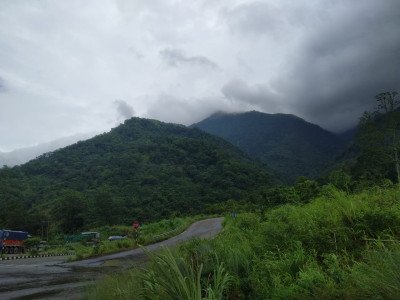
The Barail Range is a significant tertiary mountain range in Northeast India, forming a natural boundary and watershed between the Brahmaputra and Barak river basins. It is the highest hill range in Assam, with its tallest peak, Mount Tumjang (or Sielkal Peak) reaching an elevation of 1,866 meters (6,122 ft) within the Dima Hasao district. The forest area is part of the larger Borail Wildlife Sanctuary, a biodiversity hotspot known for its dense tropical and sub-tropical evergreen forests, rich in rare flora and fauna. The range is characterized by steep slopes, deep valleys, and numerous perennial streams and waterfalls, creating a stunning landscape. It serves as a crucial habitat for various wildlife species, including the Himalayan Black Bear, Hoolock Gibbon, Capped Langur, and several species of deer and reptiles. The local communities, predominantly the Dimasa tribe, have a deep connection with the forest, relying on it for resources and maintaining traditional knowledge of its medicinal plants. The forest's serene and relatively unexplored nature makes it a perfect destination for ecotourism and adventure enthusiasts seeking a tranquil escape into pristine wilderness.
Card image cap
Bendao Baglai Waterfalls

The Bendao Baglai Waterfalls are a spectacular series of three cascades hidden deep within the lush green forests of the Dima Hasao district, near the...
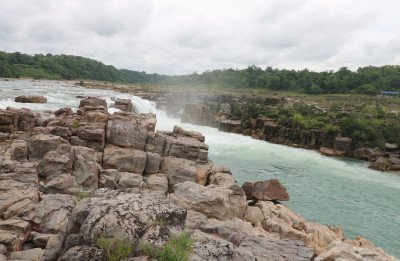
The Bendao Baglai Waterfalls are a spectacular series of three cascades hidden deep within the lush green forests of the Dima Hasao district, near the village of Samparidisa. This natural wonder offers a refreshing escape and is a must-visit for adventure enthusiasts. The name "Bendao Baglai" is derived from the local Dimasa language, where 'Bendao' means "two sisters" and 'Baglai' means "to jump down." Local legend suggests that the name originated from a tragic story where two sisters committed suicide by jumping from the first of the three falls, giving the site its unique and poignant identity. The journey to the waterfalls itself is an adventure, involving an intense trekking route that winds through patches of thick vegetation, 'jhum' (shifting) cultivation fields, wet terrace farms, and dense bamboo groves. The terrain is rugged and challenging, making the trek an exhilarating experience that requires a good level of physical fitness and mental preparedness. The falls are known for their pristine beauty, crystal clear water, and the serene, untouched environment. The triple waterfalls flow down the hilly landscape, creating natural pools at various levels, surrounded by the tranquil sounds of nature. It's a place where one can truly connect with the raw beauty of Northeast India. The area is a less-explored gem, retaining its natural charm and attracting travelers who seek offbeat destinations away from the typical tourist crowds. The local community of Samparidisa is actively involved in eco-tourism, often providing guides to ensure a safe and responsible visit. The entire expedition, from the village to the farthest cascade and back, can take up to 5 hours, making it a full-day commitment for trekkers.
Card image cap
Devi Mandir View Point

The Devi Mandir View Point is more than just a scenic spot; it is a blend of natural beauty and spiritual solace, perched atop one of the serene hillo...
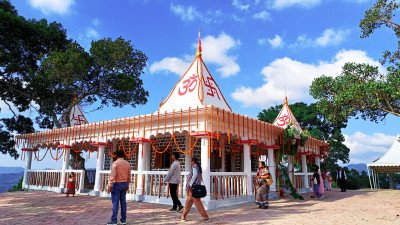
The Devi Mandir View Point is more than just a scenic spot; it is a blend of natural beauty and spiritual solace, perched atop one of the serene hillocks in the upper reaches of Haflong. Serving as both a revered Hindu shrine dedicated to a local Goddess (Devi) and a vantage point, it offers an uninterrupted, breathtaking, 360-degree panorama of the surrounding Borail Mountain Range, the cascading valleys, and the picturesque tapestry of the Haflong town nestled below. The air here is noticeably crisp and cool, carrying the gentle scent of pine and wild orchids, creating a meditative atmosphere that invites quiet contemplation. The journey to the viewpoint is itself an experience, passing through winding mountain roads lined with dense foliage and traditional houses of the Dimasa community. The temple structure is modest yet vibrant, reflecting the deep faith of the local populace. Visitors often find themselves drawn to the spiritual energy of the temple before moving to the viewing platform to witness the spectacular sunrise or sunset. The viewpoint is a testament to Haflong's nickname, the "Switzerland of the East," offering stunning visual contrasts—the lush green slopes meeting the clear blue sky. It stands as a pivotal cultural and scenic landmark, appealing equally to pilgrims, nature enthusiasts, and photographers seeking the quintessential Haflong experience. Its elevation provides a commanding perspective, allowing one to appreciate the unique geographical layout of Assam's only hill station, making it an essential stop for any visitor. The spot is particularly cherished for its peaceful environment, providing a perfect escape from the bustle of the town's market areas.
Card image cap
Dima Hasao Town

@@Town History and Landscape: Haflong is the administrative heart of the Dima Hasao district and stands as the only hill station in the state of Assam...
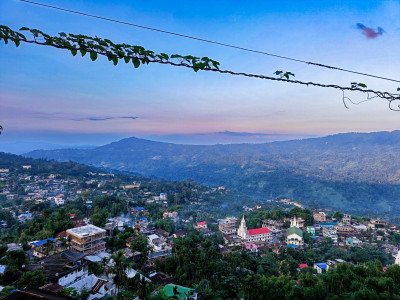
@@Town History and Landscape: Haflong is the administrative heart of the Dima Hasao district and stands as the only hill station in the state of Assam. The town's name translates to "White Ant Hillock" in the local Dimasa language, reflecting its unique topography and rich soil. It serves as a gateway to the diverse tribal cultures of the Northeast, housing communities like the Dimasa, Zeme Naga, and Hmar. The landscape is characterized by emerald green hills, rolling clouds, and a cool climate that persists even when the plains are scorching. Travelers find the town's atmosphere deeply restorative, offering a blend of colonial charm and indigenous heritage. The central Haflong Lake acts as the town’s focal point, where locals and tourists gather for evening strolls and boat rides. Surrounded by the majestic Borail Range, the town provides a breathtaking panoramic view of deep valleys and dense forests. Over the years, Haflong has grown from a quiet British outpost into a vibrant hub of tourism and trade. It maintains a peaceful pace of life, making it a perfect retreat for those seeking solace in nature. The town is also famous for its vibrant markets filled with handmade textiles and organic hill produce. Visitors often describe it as a "hidden paradise" because of its untouched natural beauty and warm hospitality. Exploring the winding roads of the town reveals hidden viewpoints and charming wooden cottages that tell stories of a bygone era.
Card image cap
Dima Hasao View Point

The Dima Hasao View Point (Boro), sometimes referred to as the I Love Dima Hasao viewpoint due to a popular sign located nearby, is a prime spot for t...
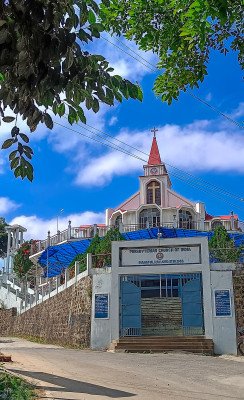
The Dima Hasao View Point (Boro), sometimes referred to as the I Love Dima Hasao viewpoint due to a popular sign located nearby, is a prime spot for tourists seeking a spectacular, sweeping view of the surrounding hills. Located a short drive from the main town of Haflong, this elevated site offers a unique perspective on the Dima Hasao district's undulating landscape. The name Boro refers to the area, indicating its geographical location within the region. The view is dominated by the majestic Barail Mountain Range, the highest hill range in Assam. From this vantage point, visitors can observe the dense, emerald-green forests that cover the hills, creating a stunning visual tapestry, especially during or after the monsoon season when the greenery is at its most vibrant. The viewpoint often serves as the first major stop for visitors, providing an immediate and unforgettable introduction to the natural beauty of Haflong, the state's only hill station. It’s an ideal location for photography enthusiasts, offering breathtaking sunrises and sunsets over the misty valleys. The air here is clean and invigorating, a stark contrast to the pollution of city life. The tranquility of the surroundings, broken only by the chirping of birds and the gentle breeze, offers a perfect retreat for relaxation. The entire Dima Hasao district, formerly known as the North Cachar Hills, is known for its rich tribal culture, and this viewpoint is a gateway to appreciating the vast, untouched natural domain the local tribes inhabit. It symbolizes the serene and rustic charm of Northeast India. The platform itself is usually well-maintained, providing a safe and comfortable space to soak in the view, sometimes featuring small amenities for visitors. It's a place where one can truly appreciate why Haflong is often called the "Switzerland of the Northeast." The sheer scale of the landscape from this height is humbling, allowing visitors to feel connected to the immense natural environment of Assam. The view extends over the winding roads, tiny villages nestled in the valleys, and the distant shimmer of the Haflong Lake on a clear day, making it a comprehensive visual treat of the district's highlights. (400 Words)
Card image cap
Fiangpui Presbyterian Church

The Fiangpui Presbyterian Church is a prominent and respected religious institution nestled in the scenic Fiangpui village, which is just a short driv...
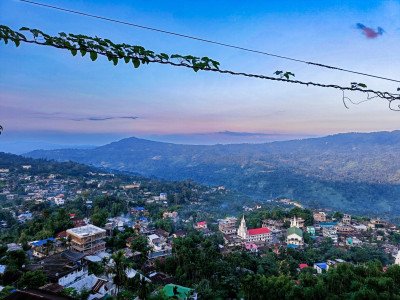
The Fiangpui Presbyterian Church is a prominent and respected religious institution nestled in the scenic Fiangpui village, which is just a short drive from the main town of Haflong. The village itself is known for being home to the Biate people, one of the indigenous tribes of the region, making the church not just a spiritual centre but also a significant landmark of local tribal culture. The church building stands out against the backdrop of the lush green hills of the Dima Hasao district. It serves as a focal point for the Christian community of Fiangpui and surrounding areas, playing a vital role in their social and cultural life. The atmosphere around the church is deeply peaceful and tranquil, reflecting the serene beauty of the surrounding landscape. Visitors often describe the experience of visiting as calming and spiritually uplifting. The location provides a wonderful blend of natural beauty and religious reverence, offering a unique perspective on the life of the local community. The church community is generally welcoming, providing an opportunity for outsiders to observe local customs and religious practices. The construction is modest yet dignified, a characteristic often found in the religious structures of the North Eastern hills of India. The church is more than just a place for Sunday services; it's a pillar of the Biate cultural heritage. It often hosts community gatherings and is involved in local social activities, thereby integrating deeply with the village life. The surrounding area of Fiangpui village is an added charm, offering a glimpse into the traditional lifestyle of the indigenous people. This blend of faith and cultural tradition makes the Fiangpui Presbyterian Church a unique destination in Haflong. The simple yet powerful presence of the church resonates with the quiet spirituality of the place.
Card image cap
Full Town View

Full Town View (Molpong) is a celebrated viewpoint offering a spectacular 360-degree panorama of Haflong, the only hill station in the state of Assam....
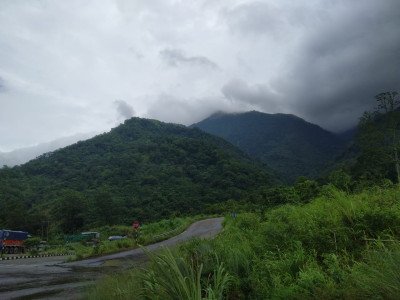
Full Town View (Molpong) is a celebrated viewpoint offering a spectacular 360-degree panorama of Haflong, the only hill station in the state of Assam. Nestled in the picturesque Dima Hasao district, the spot provides an unrivaled perspective on the town's charming landscape, which is often lovingly referred to as the "Switzerland of the East." The view encapsulates the urban development, including the central Haflong Lake, nestled amongst the sprawling green of the surrounding hills, which form the lower reaches of the Borail Range. This location is particularly popular for capturing the town's essence, from its clustered houses to the meandering roads carving through the slopes. The viewpoint is easily accessible, being very close to the commercial heart of Haflong Bazar. It serves as both a relaxing escape and a strategic starting point for travelers to mentally map out the town's layout and surrounding natural attractions. The local name, Molpong (or Muolpong), is often used interchangeably with the descriptive English title. The experience is enhanced by the cool, refreshing breeze typical of the highland climate. Visitors often comment on the serenity and the dramatic shift in atmosphere from the busy bazaar below to the tranquil heights of the viewing spot. On clear days, the distant mountain peaks are visible, adding to the grandeur of the setting. It is a favored location for both tourists seeking stunning photos and locals looking for a peaceful evening stroll or a casual gathering. The site features a modest observation structure, though the main attraction is the unobstructed, sweeping view itself, making it an essential stop on any Haflong itinerary. The view is dynamic, changing dramatically between the misty, lush monsoon and the clear, crisp winter.
Card image cap
Haflong Hill

Haflong Hill stands as the majestic centerpiece of Haflong, the only hill station in the state of Assam. Often lovingly called the 'Switzerland of the...
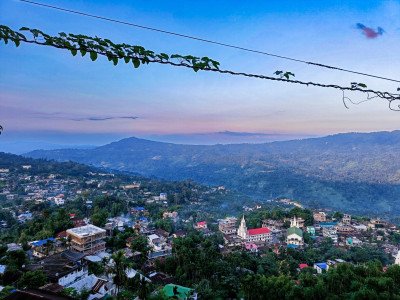
Haflong Hill stands as the majestic centerpiece of Haflong, the only hill station in the state of Assam. Often lovingly called the 'Switzerland of the East', this hill is the headquarters of the Dima Hasao district and serves as the primary gateway to the region’s stunning natural beauty. The name Haflong itself is believed to be derived from a Dimasa word meaning 'Ant Hill'. The hill offers an unparalleled, panoramic view of the surrounding valleys, the town of Haflong nestled below, and the shimmering Haflong Lake. The atmosphere here is one of profound tranquility and refreshing coolness, characterized by rolling mists and a rich, luxurious carpet of diverse flora and fauna. The journey to the top is an experience in itself, passing through dense green forests, small local settlements, and patches of unique orchids. The viewpoint atop the hill is a popular spot for both early morning sunrise viewers and late afternoon sunset admirers. It is a haven for nature lovers, offering a complete escape from the bustle of city life. The air is crisp, carrying the scent of pine and wild flowers. The entire hill area is a vast, natural conservatory, hosting an eclectic mix of tribal communities like the Dimasa, Hmar, and Kuki, whose culture and traditions add a rich, human dimension to the landscape. It's an essential pilgrimage for anyone seeking the unadulterated beauty of Northeast India, providing breathtaking vistas that stretch far into the distant Barail Range. The hill's elevation and strategic location make it an ideal spot for gazing at the star-studded night sky, a stark and mesmerizing contrast to the well-lit cities. This majestic vantage point epitomizes the raw, untouched wilderness that defines the Dima Hasao region, promising visitors a memorable and soul-soothing experience.
Card image cap
Haflong Hill View Point

Haflong Hill View Point is the highest point and the principal attraction of Haflong, which proudly holds the title of Assam's only hill station. Ofte...
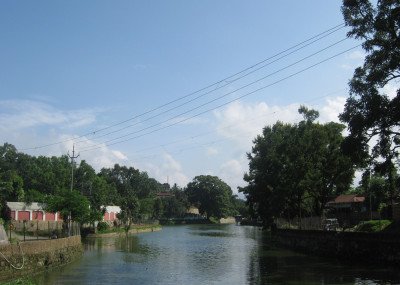
Haflong Hill View Point is the highest point and the principal attraction of Haflong, which proudly holds the title of Assam's only hill station. Often called the "Switzerland of the East", Haflong offers stunning natural beauty, and the viewpoint is where you get the most magnificent view of this landscape. The viewpoint is perched at a significant altitude, providing a 360-degree panoramic vista of the surrounding hills of the Borail Range, the lush green valleys, and the sprawling Haflong town, with the serene Haflong Lake shimmering like a jewel in the valley below. The cool, crisp mountain air and the tranquil atmosphere make it an ideal escape from the heat and rush of city life. The area is covered in dense vegetation, mainly pine and deodar trees, which enhance the scenic charm and contribute to the pleasant climate. It is not just a spot for sightseeing; it's a place for quiet contemplation and appreciating nature's grandeur. The sight of the misty valleys in the early morning or the town lights twinkling at dusk is truly unforgettable. The viewpoint is the perfect spot for capturing the complete essence of Haflong's picturesque setting. The gentle slopes around the viewpoint are often used by locals and tourists for short treks and picnics. The experience of reaching the peak, whether by car or on foot, is rewarding, culminating in an expansive and breathtaking view that justifies its status as the prime spot in the Dima Hasao district. The geographical location, amidst the high peaks of the Borail and the low-lying valleys, creates a unique microclimate that keeps the area cool and inviting throughout the year, especially during the peak tourist season of October to April.
Card image cap
Haflong Lake

Haflong Lake stands as one of the largest and most picturesque natural water bodies in Assam, nestled at an altitude of approximately 1,683 feet (abou...
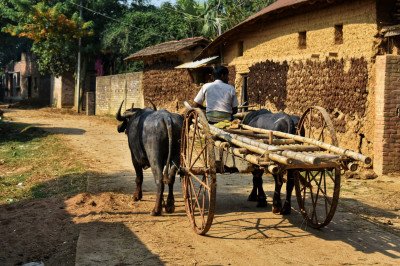
Haflong Lake stands as one of the largest and most picturesque natural water bodies in Assam, nestled at an altitude of approximately 1,683 feet (about 513 meters) above mean sea level. This pristine water body is the centerpiece of Haflong, the charming headquarters of the Dima Hasao district, which is often lovingly referred to as the "Switzerland of the East" due to its stunning natural beauty. The lake is naturally fed by streams flowing down from the surrounding Haflong Hill ridges and serves as a vital ecological and recreational hub for the town. The calm, often clear waters are encircled by tall, verdant hills and small patches of colonial-era architecture, offering a breathtaking panorama that changes beautifully with the daylight. The area is maintained and protected by the Dima Hasao Tourist/Forest Department, ensuring its pristine condition for both the local community and tourists. For the indigenous Dimasa tribes and other local residents, the lake is more than just a tourist spot; it is a source of serenity, a place for social gatherings, and historically, a source of water and livelihood. The cool, breezy climate throughout the year enhances the lake's appeal, making it an ideal destination for leisure travelers seeking tranquility away from the noise of city life. The combination of easy accessibility, natural beauty, and available activities like boating and walking trails firmly establishes Haflong Lake as the most popular attraction in the hill station. In essence, it captures the unspoiled, charming essence of the entire Haflong region.
Card image cap
Jatinga Bird Watching Tower and Samparidisa Village

Jatinga is a small village famous worldwide for a bizarre and mysterious phenomenon: the "bird suicides." Every year, primarily during the late monsoo...

Jatinga is a small village famous worldwide for a bizarre and mysterious phenomenon: the "bird suicides." Every year, primarily during the late monsoon months of September and October, a peculiar event occurs, usually between 6:00 PM and 9:30 PM on dark, foggy, and moonless nights. Flocks of various bird species, including local residents like the Little Egret, Tiger Bittern, and Green Pigeon, fly towards the lights of the village and become disoriented, crashing into buildings, trees, or the ground. For decades, locals and outsiders believed this was a mass suicide, but scientific studies, notably by ornithologists like Dr. Salim Ali, suggest the birds are disoriented by the unique weather conditions—high altitude, heavy fog, and high-velocity winds—which, combined with the village's lights, confuses them. The birds, mostly juveniles, fly towards the light for refuge, leading to their tragic fate. The Bird Watching Tower is perched on a ridge offering a vantage point to observe the valley and understand this phenomenon. The tower often contains photographic and textual information about the incident. The area is overseen by the District Forestry Office in Haflong. Samparidisa Village, located near Jatinga, is a contrastingly serene destination promoted as an Eco-Tourism Village. It is known for its natural beauty, lush greenery, and efforts towards sustainable tourism. The village offers a peaceful escape and is one of the cleanest villages in Assam. It is a great place to experience the traditional life of the local tribal communities, like the Khasi-Pnar and Dimasa people. The area is also famous for the scenic Bendao Baiglai Waterfalls, which offers a refreshing retreat amidst the hills. While Jatinga draws visitors for its mystery, Samparidisa attracts those seeking tranquility, nature walks, and an authentic rural experience in the Dima Hasao district.
Card image cap
Jatinga Bird Watching Tower

@@The Enigma of Bird Behavior: Jatinga is a globally famous village known for a mysterious phenomenon where birds appear to "commit suicide" during sp...

@@The Enigma of Bird Behavior: Jatinga is a globally famous village known for a mysterious phenomenon where birds appear to "commit suicide" during specific weather conditions. Between the months of September and November, on dark, moonless, and foggy nights, several species of local and migratory birds fly toward the village lights. Disoriented by the fog and the high-velocity winds of the Borail Range, these birds often crash into trees and buildings or fall to the ground in a daze. In the past, this was viewed as a supernatural event, but scientific studies now suggest that the birds become disoriented by the unique atmospheric conditions. The Jatinga Bird Watching Tower was constructed to allow scientists and tourists to observe this phenomenon without harming the birds. Today, the local community, primarily the Khasi-Pnar and Dimasa tribes, works with the Forest Department to protect these birds instead of hunting them. The village itself is incredibly scenic, perched on a ridge with orange orchards and pineapple plantations stretching across the slopes. It is a place where science and local folklore intersect, making it a must-visit for ornithologists and curious travelers alike. The tower provides a vantage point to see the birds as they glide through the mist on those eerie autumn nights. Beyond the mystery, Jatinga offers a peaceful rural life and a cool, pleasant climate year-round. It has become a symbol of conservation and mystery in the heart of the Dima Hasao district.
Card image cap
Jatinga Village

Jatinga is a picturesque, quiet village nestled on a ridge within the Dima Hasao district of Assam. It’s set amidst the stunning backdrop of the Bor...

Jatinga is a picturesque, quiet village nestled on a ridge within the Dima Hasao district of Assam. It’s set amidst the stunning backdrop of the Borail Hills, offering visitors a serene and lush green landscape year-round. However, its tranquility is famously—or infamously—eclipsed by the annual, unexplained phenomenon known globally as the "Bird Suicide Mystery." The village is inhabited primarily by the Khasi-Pnar and a few Dimasa tribal people. The mysterious event, which occurs specifically in the late monsoon months, primarily from September to November, involves local and local-migratory birds descending rapidly into the village, often colliding with structures or becoming disoriented. This phenomenon is confined to a very specific, narrow strip of the ridge, about 1.5 km long and 200 meters wide. Early theories by the local tribes attributed this to evil spirits, but ornithologists and scientists have since offered multiple theories involving a combination of high-altitude winds, dense fog, disorientation, and the birds' attraction to artificial lights, especially on moonless, dark nights. The spectacle generally occurs between 7 p.m. and 10 p.m., captivating the attention of global ornithologists, naturalists, and curious travelers. The continuous research and conservation efforts aim to understand the cause and, crucially, to educate the local populace against the historic practice of killing the confused birds for consumption, which has significantly reduced the scale of the unfortunate event in recent years. This unique blend of natural beauty and a persistent mystery makes Jatinga an extraordinary global destination.
Card image cap
Maibong

@@A Journey into the Past: Maibong, which means "plenty of rice" in the Dimasa language, was the historic capital of the Dimasa Kachari kingdom from t...

@@A Journey into the Past: Maibong, which means "plenty of rice" in the Dimasa language, was the historic capital of the Dimasa Kachari kingdom from the 16th to the 18th century. Situated on the banks of the Mahur River, this ancient town is a treasure trove for history buffs and archeology enthusiasts. After the fall of their capital in Dimapur, the Dimasa kings moved here, carving a civilization out of the rugged hills and river valleys. The town is famous for its stone inscriptions, ruins of ancient palaces, and monolithic structures that have survived centuries of weather and war. Walking through Maibong feels like stepping back in time, with the gentle river flowing past the remnants of a once-powerful dynasty. The surrounding hills are covered in thick forests and paddy fields, maintaining the fertile abundance that gave the town its name. It is now a regional headquarter but remains deeply connected to its royal roots. Visitors can explore the ruins scattered across the town, many of which are yet to be fully documented by historians. The people of Maibong are proud guardians of their heritage, often sharing folk tales about the brave kings and queens who ruled from this valley. The town also serves as a peaceful retreat, offering a slower pace of life compared to the more touristy Haflong. For anyone interested in the medieval history of Northeast India, Maibong is an indispensable destination that offers beauty and wisdom in equal measure.
Card image cap
Majangdzi Hading

Majangdzi Hading is a cherished local tourist spot in Haflong, the only hill station in the state of Assam. Nestled in the picturesque hills of the Di...
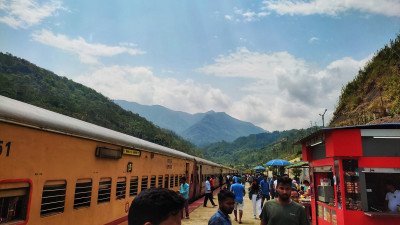
Majangdzi Hading is a cherished local tourist spot in Haflong, the only hill station in the state of Assam. Nestled in the picturesque hills of the Dima Hasao district, it offers a tranquil escape from the town's bustle. The place is often frequented by locals for picnics and short getaways, and it’s slowly gaining popularity among tourists seeking less crowded locations. The atmosphere here is one of peaceful simplicity, typical of the gentle hill life of Northeast India. Surrounded by lush, verdant greenery and pine forests, the air is crisp and refreshing. The name itself, Majangdzi Hading, hints at its local Dimasa cultural significance, though the exact meaning might be connected to a viewpoint or a traditional resting place. It serves as an excellent spot to appreciate the natural beauty that defines Haflong, often referred to as the "Switzerland of the East." Visitors can expect stunning views of the rolling hills and valleys characteristic of the Barail Range. The gentle slope and accessible nature make it suitable for families and individuals alike. It's a place to simply sit, relax, and soak in the magnificent landscape. The attraction provides a taste of the Dimasa tribal heartland's serene environment, offering a unique blend of natural splendor and local charm that makes any visit memorable and rejuvenating. The overall ambiance is calming, perfect for meditation or reading, away from modern-day distractions.
Card image cap
New Haflong Railway Station

New Haflong Railway Station (Station Code: NHLG) is the primary rail gateway serving the scenic hill station of Haflong in the Dima Hasao district of ...
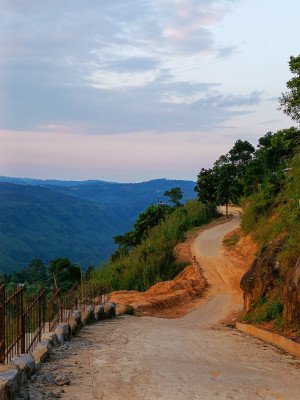
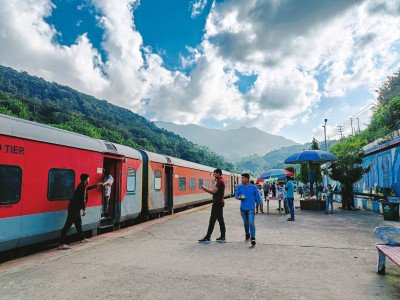
New Haflong Railway Station (Station Code: NHLG) is the primary rail gateway serving the scenic hill station of Haflong in the Dima Hasao district of Assam, India. It was inaugurated in 2014, replacing the old meter-gauge line and the former lower station to accommodate the new broad-gauge line, which is vital for connecting the Barak Valley and the states of Tripura, Mizoram, and parts of Manipur to the rest of the country. Located on the Lumding–Sabroom section of the Northeast Frontier Railway (NFR), this station is a crucial logistical and tourism hub. The construction of this line through the challenging Barail Range terrain involved immense engineering effort, passing through multiple tunnels, bridges, and deep cuts, making the route itself a spectacular journey. The station provides connectivity to major metropolitan areas like New Delhi, Kolkata (Sealdah), Bengaluru, Thiruvananthapuram, and Agartala, via important express trains like the Tejas Rajdhani Express and Kanchanjunga Express. It has become a symbol of modern development and improved accessibility for the hill people of Dima Hasao. The surroundings offer lush green views, characteristic of the Assam hills, immediately immersing visitors in the natural beauty of the area. The station operates under the Lumding railway division and is categorized as NSG-6.
Card image cap
Old Circuit House View Point

The Old Circuit House View Point in Haflong is a historical and scenic destination situated atop a hill, providing one of the most breathtaking vistas...

The Old Circuit House View Point in Haflong is a historical and scenic destination situated atop a hill, providing one of the most breathtaking vistas in the region. The Circuit House itself is a charming British-era heritage bungalow, which speaks of a bygone colonial time. The viewpoint is strategically positioned to offer visitors an unobstructed, sweeping view of the lush green valleys, the rolling foothills of the Borail Hills (the highest mountain range in Assam), and the serpentine path of the Diyung River below. It is particularly famous for showcasing the picturesque Diyung Railway Bridge and the abandoned old meter-gauge railway line that once traversed this difficult terrain. The serene ambiance, coupled with the cool hill station climate, makes it an ideal spot for relaxation and quiet contemplation. Visitors often spend time in the well-maintained gardens surrounding the Circuit House before heading to the viewing platform. This location perfectly captures the essence of Haflong, often referred to as the "White Ant Hillock," blending historical significance with immense natural beauty. The tranquil atmosphere is a perfect retreat from the hustle and bustle of city life, offering a truly immersive nature experience. The viewpoint provides a unique perspective, allowing one to appreciate the magnitude of the Barail Range Forest and the engineering marvel of the old railway tracks.
Card image cap
Orchid Garden Haflong

The Orchid Garden Haflong is a beautiful botanical sanctuary nestled in the heart of Haflong, the solitary hill station of Assam. It serves as a vital...
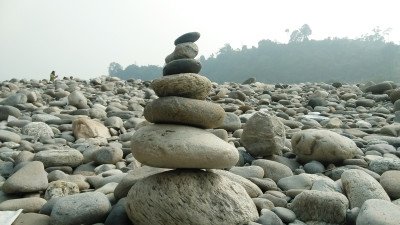
The Orchid Garden Haflong is a beautiful botanical sanctuary nestled in the heart of Haflong, the solitary hill station of Assam. It serves as a vital conservation and display centre for the region's rich orchid diversity. Haflong, known for its stunning natural beauty, with mist-kissed hills and lush green valleys, provides the perfect, serene backdrop for this garden. The garden is a treasure trove, housing an extensive collection of orchid species, many of which are native (endemic) to the North Cachar Hills and the broader Northeast Indian region. Visitors can take peaceful, winding walks along the garden's well-kept paths, immersing themselves in the tranquil atmosphere. Beyond its visual appeal, the garden plays a crucial educational role, raising public awareness about the importance of floral biodiversity and the need to conserve these delicate, exotic flowers. It is also an important site for botanists and horticulturists, acting as a research and study centre. The environment is not just defined by its flowers; the calm setting is enhanced by the sounds of various bird species, making it an excellent spot for bird-watching. The garden offers a refreshing break from city life, inviting one to relax and appreciate nature's artistry in a quiet, undisturbed setting. The vibrant colours and delicate structures of the orchids on display make it a paradise for nature lovers and photographers alike, reflecting the rich ecological wealth of the Dima Hasao district. The Orchid Garden Haflong is more than just a garden; it is a living museum dedicated to the preservation of a unique natural heritage.
Card image cap
Panimoor Waterfalls

@@The Majestic Kopili River: Panimoor Waterfalls is a breathtaking natural wonder located on the Kopili River. It is often referred to as the "Niagara...
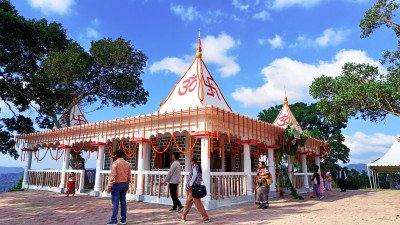
@@The Majestic Kopili River: Panimoor Waterfalls is a breathtaking natural wonder located on the Kopili River. It is often referred to as the "Niagara of Assam" due to its wide, powerful cascades and the sheer volume of water that thunders over the rocky terrain. The waterfall is not a single vertical drop but a series of roaring rapids and falls that create a mesmerizing spectacle of white foam and mist. Surrounded by dense forests and rugged rocks, the site offers a raw and untamed beauty that attracts nature lovers and adventure seekers from all over the region. The water changes color with the seasons, appearing a deep turquoise in the winter and a muddy, powerful brown during the monsoons. For the local Dimasa tribe, Panimoor is also a sacred site where they perform ritual baths during the Magh Purnima festival. The energy of the place is palpable, with the constant roar of the water drowning out all other sounds. It is a perfect spot for those looking to escape the hustle of city life and immerse themselves in the power of nature. The area around the falls has been developed with basic viewing platforms and pathways to allow visitors to experience the beauty safely. The journey to Panimoor takes you through some of the most remote and scenic parts of the Dima Hasao district, making the trip as rewarding as the destination itself. It remains one of the most iconic landmarks of the North Cachar Hills, symbolizing the wild and beautiful spirit of the Northeast.
Card image cap
Ramchandi Temple

@@Divine Artistry in Stone: The Ramchandi Temple, also known as the Ranachandi Temple, is an architectural marvel located on the banks of the Mahur Ri...
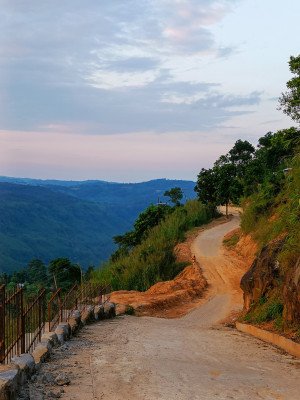
@@Divine Artistry in Stone: The Ramchandi Temple, also known as the Ranachandi Temple, is an architectural marvel located on the banks of the Mahur River in Maibong. This ancient temple is unique because it is a monolithic structure, meaning it was entirely carved out of a single massive granite boulder. Built in the 12th century by the Kachari kings, it is dedicated to Goddess Ranachandi, who is considered the tutelary deity of the Dimasa royalty. The temple stands as a testament to the sophisticated stone-cutting skills of the medieval era in Northeast India. It features two distinct roofs in the "Chala" style, which shows the cross-cultural architectural influence between the Ahom, Bengali, and Dimasa styles. The temple walls are adorned with ancient inscriptions in the Brahmi or early Assamese script, dating back to 1761 CE. For centuries, the temple has served as a place of worship and a symbol of the spiritual strength of the Dimasa people. It is situated in a serene location where the sound of the river provides a constant backdrop to the prayers. The temple is not just a religious site but a significant archeological landmark that has survived natural disasters and the passage of time. Visitors often feel a sense of awe at how such a detailed and symmetrical structure could be carved from a single rock without modern tools. It remains one of the most photographed and studied monuments in the Dima Hasao district, drawing pilgrims and history lovers alike to the ancient soil of Maibong.
Card image cap
Samparidisa Village

Samparidisa Village is a small, pristine village primarily inhabited by the Dimasa tribe, located amidst the lush greenery of the Dima Hasao district,...
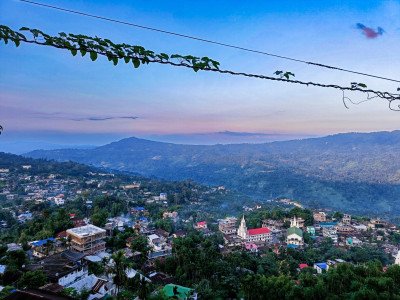
Samparidisa Village is a small, pristine village primarily inhabited by the Dimasa tribe, located amidst the lush greenery of the Dima Hasao district, the only hill station in Assam. It has gained recognition as one of the "Swachh" (cleanest) villages in Assam, embodying a model for sustainable eco-tourism. The village offers a genuine glimpse into the simple, traditional lifestyle of the Dimasa people, who live in harmony with nature. The community actively promotes ecological sustainability and operates its tourism initiatives, including homestays, to ensure the benefits are retained locally. The main attraction is the proximity to the Bendao Baiglai Waterfall, one of a string of three waterfalls nearby, which is reached through a picturesque trek through dense forests. The village itself is a tranquil, plastic-free zone, making it an ideal retreat for those seeking peace, natural beauty, and a deep dive into the local culture. It is an offbeat and less-explored gem, perfect for nature enthusiasts, trekkers, and cultural tourists looking for an authentic experience away from commercial crowds. The surrounding landscape, part of the Borail Range, offers breathtaking views of rolling hills and dense forests. Visitors can witness the rich flora and fauna of the region while enjoying the warm hospitality of the local community. The emphasis on cleanliness and eco-friendliness makes Samparidisa a standout destination in Northeast India's tourism landscape.
Card image cap
Star View Point

Star View Point, officially referred to by locals and some directories as Haflong Town View or Muolpong, is one of the most accessible and captivating...

Star View Point, officially referred to by locals and some directories as Haflong Town View or Muolpong, is one of the most accessible and captivating viewpoints in Haflong, the only hill station in Assam. It offers a breathtaking panoramic vista of the entire Haflong town nestled amidst the azure hills of the Dima Hasao district. Located merely 500 meters from the bustling main bazaar, it serves as a tranquil escape and a perfect spot to appreciate the region's natural splendour. The viewpoint provides a complete visual narrative of the town’s layout, surrounded by rolling hills and lush greenery. Visitors often describe the atmosphere here as profoundly serene, enhanced by a cool, refreshing breeze that sweeps across the hilltop. An observation tower, though simple in structure, provides an elevated vantage point for an even wider view. The sight is particularly enchanting during the early mornings, when the valley is often shrouded in mist, or late evenings, when the town lights begin to twinkle against the backdrop of a setting sun. The surrounding area is relatively undeveloped, maintaining a rustic charm that appeals to nature lovers and photographers. It’s a favorite spot for locals and tourists alike to relax, unwind, and soak in the majestic beauty of the North Cachar Hills. The simplicity of the place—just the view, the breeze, and the silence—is its greatest asset. Small local vendors sometimes set up stalls nearby, offering authentic local snacks, which adds a touch of local experience to the visit. The viewpoint embodies the nickname given to Haflong, the "Switzerland of the East," by showcasing its pristine, unadulterated natural landscape. It truly acts as a perfect introduction to the mesmerizing scenery that the Dima Hasao region has to offer to its visitors.
Show All

Note:-

Information provided here in good Faith and for reference only.

All information and pictures will be updated soon, please keep visiting.

Near Places
...
Agnigarh

Some quick example text to build on the card title and make up the bulk of the card's content.

Go somewhere
...
Barpeta

Some quick example text to build on the card title and make up the bulk of the card's content.

Go somewhere
...
Bhalukpong

Some quick example text to build on the card title and make up the bulk of the card's content.

Go somewhere
...
Dibrugarh

Some quick example text to build on the card title and make up the bulk of the card's content.

Go somewhere
...
Digboi

Some quick example text to build on the card title and make up the bulk of the card's content.

Go somewhere
...
Diphu

Some quick example text to build on the card title and make up the bulk of the card's content.

Go somewhere
...
Dispur

Some quick example text to build on the card title and make up the bulk of the card's content.

Go somewhere
...
Exploring Guwahati

Some quick example text to build on the card title and make up the bulk of the card's content.

Go somewhere
...
Goalpara

Some quick example text to build on the card title and make up the bulk of the card's content.

Go somewhere
...
Guwahati

Some quick example text to build on the card title and make up the bulk of the card's content.

Go somewhere
in Other Cities