
...

Place To Visit And Things To Do In Kumarakom

Kerala, India
Nature: Kumarakom is a cluster of little islands on the Vembanad Lake, which is the largest lake in Kerala. The village is part of the Kuttanad region and is famous for its lush greenery and calm backwaters. Visitors often see wide stretches of coconut groves and paddy fields that create a serene at mosphere. This place is an ideal retreat for nature lovers who want to experience the quiet village life of South India. The ecosystem here is rich with aquatic life and diverse flora that thrives in the brackish waters. Bird Life: The Kumarakom Bird Sanctuary is a major highlight located on the banks of the lake. It is spread across 14 acres and serves as a home to many migratory birds like the Siberian Stork. Bird watching is a popular activity here, especially during the early morning hours when birds are most active. You can spot species such as egrets, darters, herons, and teals among the dense mangroves. The sanctuary provides a peaceful walking trail through the woods for visitors to explore. Backwaters: The backwaters of Kumarakom offer a unique experience of cruising on traditional houseboats called Kettuvallams. These waters are much quieter than those in Alleppey, providing a more private and intimate experience. The network of canals and lagoons is lined with palm trees and local houses where people go about their daily lives. A houseboat stay allows you to watch the sunset over the lake while enjoying local Kerala cuisine. It is often considered one of the most romantic experiences in the state. Museums: The Bay Island Driftwood Museum is another unique attraction in Kumarakom showcasing artistic pieces. It houses a large collection of root sculptures and driftwood pieces recovered from the sea. These items have been shaped by the currents and polished to look like animals, birds, or abstract forms. The museum is a testament to the creativity that can be found in natural debris. It is a must-visit for art enthusiasts and those looking for something different from the natural scenery.

Things To Do

Card image cap
Kavanattinkara Boat Jetty

The Kavanattinkara Boat Jetty serves as a vital artery for the tourism landscape of Kumarakom, providing the primary boarding point for those looking ...

The Kavanattinkara Boat Jetty serves as a vital artery for the tourism landscape of Kumarakom, providing the primary boarding point for those looking to explore the vast expanse of the Vembanad Lake. Located near the entrance of the Kumarakom Bird Sanctuary, this jetty is a bustling hub where traditional houseboats, known as kettuvallams, and modern motorboats dock to pick up eager travelers. The area surrounding the jetty is characterized by the typical Kerala riverside charm, with tall coconut palms leaning over the water and small local shops selling snacks and handicrafts. For many visitors, their journey into the heart of the Kerala backwaters begins right here, as they step onto the wooden decks of their chosen vessel. The water here is relatively calm, reflecting the clear blue sky or the golden hues of the setting sun, making it an inviting sight for anyone seeking tranquility. The jetty is well-maintained and serves as a major coordination point for various boat operators and tour guides who facilitate backwater cruises. Beyond its functional role, the jetty offers a glimpse into the local lifestyle, as you can often see fishermen preparing their nets or traditional canoes gliding past with daily supplies. It is a place that captures the essence of rural Kerala life, blending the needs of modern tourism with the timeless traditions of a water-bound community. The proximity to major resorts like Coconut Lagoon makes it extremely accessible for luxury travelers as well as backpackers.
Card image cap
Kottathodu River

The Kottathodu River is more of a sprawling natural canal than a conventional river, acting as the primary waterway that bisects the heart of Kumarako...

The Kottathodu River is more of a sprawling natural canal than a conventional river, acting as the primary waterway that bisects the heart of Kumarakom. It serves as the main artery for the village's water-based transportation, connecting various small islands and residential pockets to the larger Vembanad Lake. Walking along the banks of Kottathodu, one can witness the authentic rhythm of Kerala's "backwater life" where the water is used for everything from washing to commuting. The river is lined with a dense canopy of coconut trees and tropical shrubs, providing a cool shade even during the peak of summer. It is common to see local residents navigating small wooden canoes, known as vallams, loaded with coconuts, fish, or grocery supplies. The water has a gentle flow, and the surface is often punctuated by the ripples of a jumping pearl spot fish or a diving cormorant. For tourists, the Kottathodu River offers a more intimate look at the region compared to the vastness of the lake, as the narrow width of the river allows for a closer view of the riverside houses and temples. Many small homestays are located right on the banks, offering guests a chance to wake up to the sound of water gently lapping against the stone walls. The river also plays a crucial role in the local ecology, acting as a drainage system for the surrounding paddy fields during the monsoon. During the festival of Onam, the river comes alive with the cheers of local youths participating in mini-boat races. It is a place where time seems to slow down, reflecting the quintessential "slow life" that Kerala is famous for globally.
Card image cap
Kumarakom Backwaters

The Kumarakom Backwaters are a part of the massive Vembanad Lake, which is the largest lake in Kerala and a Ramsar site of international importance. T...
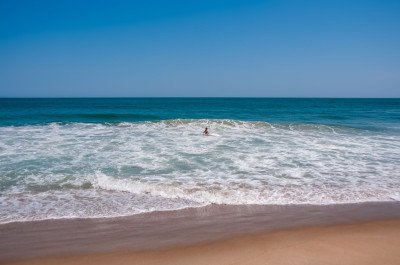
The Kumarakom Backwaters are a part of the massive Vembanad Lake, which is the largest lake in Kerala and a Ramsar site of international importance. These backwaters are not just a body of water but a complex ecosystem of lagoons, canals, and lakes that have shaped the culture and economy of the region for centuries. The water is a brilliant emerald green, bordered by lush paddy fields that are often below sea level—a unique geographical feature known as Kuttanad farming. A cruise through these backwaters is often described as a journey through a living museum of Kerala’s rural life. You will see people living in houses on narrow strips of land, children rowing to school, and vendors selling vegetables from boats. The tranquility of the backwaters is its biggest draw; the only sounds are the rhythmic splash of oars and the distant calls of water birds. The air is fresh and carries the scent of damp earth and blooming lilies. Many travelers opt for an overnight stay on a houseboat, where they can enjoy traditional Kerala meals like "Karimeen Pollichathu" while floating under the starlit sky. The backwaters also support a rich variety of aquatic life, including prawns, crabs, and the famous pearl spot fish. The interaction between the salt water from the sea and the fresh water from the rivers creates a unique brackish environment that sustains mangroves and diverse flora. It is a destination that appeals to the soul, offering a profound sense of peace and a connection to nature that is hard to find in the modern world. Whether you are on a luxury cruise or a simple canoe, the backwaters leave an indelible mark on your memory.
Card image cap
Kumarakom Beach

Kumarakom Beach is a unique destination because, unlike the typical salt-water ocean beaches of the Arabian Sea, this is a serene lakeside beach locat...

Kumarakom Beach is a unique destination because, unlike the typical salt-water ocean beaches of the Arabian Sea, this is a serene lakeside beach located on the banks of the Vembanad Lake. It offers a tranquil alternative to the crowded coastal beaches of Kerala, providing a peaceful environment where the gentle waves of the lake lap against golden sands. The beach is surrounded by lush greenery, including swaying coconut palms and dense mangroves, which create a tropical paradise atmosphere. It is an ideal spot for those who want to enjoy the sun and sand without the harsh salt spray and heavy tides. The water here is relatively shallow and calm, making it a safe place for a leisurely dip or for children to play. Visitors can often see local fishermen pulling in their nets or traditionally dressed women collecting shells. The beach area has been developed with small walkways and seating areas, allowing tourists to sit and enjoy the panoramic views of the lake. In the distance, one can see the silhouettes of houseboats and sails of small fishing boats crossing the water. The beach is also a popular spot for yoga and meditation, as the sound of the lake water and the rustle of the palm leaves provide a natural meditative soundtrack. During the evenings, the beach becomes a hub for locals and tourists alike who come to witness the spectacular sunsets that paint the sky in shades of orange, purple, and gold. Several lakeside resorts have private sections of the beach, but there are also public areas accessible to everyone. It is a place that combines the best of a beach vacation with the quiet charm of the backwaters, making it a must-visit spot in Kumarakom.
Card image cap
Kumarakom Bird Sanctuary

The Kumarakom Bird Sanctuary, historically known as Baker's Estate, is an absolute delight for nature lovers and birdwatchers. Spread over 14 acres, t...
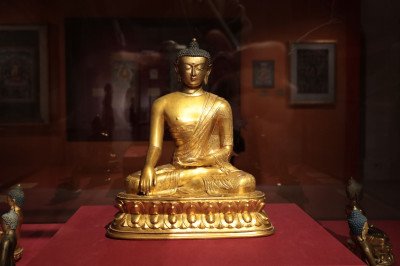
The Kumarakom Bird Sanctuary, historically known as Baker's Estate, is an absolute delight for nature lovers and birdwatchers. Spread over 14 acres, this serene sanctuary sits right on the eastern banks of the majestic Vembanad Lake. It was established by George Alfred Baker, an English missionary, who developed it from a rubber plantation into a protected habitat for birds. The sanctuary is home to a wide variety of both resident and migratory birds. Key resident species include the waterfowl, cuckoo, owl, egret, heron, and the water duck. However, the biggest draw is the annual visit of migratory birds. During the peak migratory season, which runs from November to February, you can spot majestic flocks of birds that fly in from places as far as the Himalayas and Siberia. These winter visitors include the Siberian stork, darter, and teal. The sanctuary offers quiet, shady walkways and paths that meander through the dense mangrove forests, allowing visitors to quietly observe the avian species in their natural environment. A visit here is a peaceful and educational experience, showcasing the rich biodiversity of Kerala's backwaters. The blend of lush greenery, the sounds of birdsong, and the distant view of the lake makes it a truly therapeutic spot.
Card image cap
Kumarakom Craft Museum

The Kumarakom Craft Museum, also known as the Travancore Heritage Museum, is a cultural treasure trove located in the heart of Kerala’s backwater p...
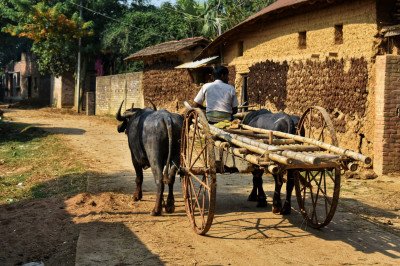
The Kumarakom Craft Museum, also known as the Travancore Heritage Museum, is a cultural treasure trove located in the heart of Kerala’s backwater paradise. This museum is dedicated to preserving the rich artistic legacy of the region, showcasing a vast array of antique items that range from household utensils to sacred figurines. Visitors can explore a world where history comes alive through meticulously preserved artifacts that once defined the daily lives of the local population. The museum serves as a bridge between the past and the present, offering an educational journey for those interested in the evolution of Kerala’s unique craftsmanship. From intricate wood carvings to rare paintings, every corner of the museum tells a story of skill and tradition. The collection includes a diverse range of items like traditional jewelry, weapons, and even handcrafted Kathakali masks. One of the most striking exhibits is a landscape painting created entirely with strands of hay on a black cloth, demonstrating the incredible ingenuity of local artists. The museum is not just a place for viewing; it is an immersive experience where knowledgeable guides like Ms. Urvashi provide detailed explanations, making the visit truly enriching. For anyone visiting Kumarakom, this museum is a must-visit destination to understand the soul of Kerala’s heritage. It stands as a testament to the enduring spirit of the craftsmen who have shaped the cultural identity of this beautiful coastal state.
Card image cap
Kumarakom Fishing Village

The Kumarakom Fishing Village offers a raw and authentic look into the lives of the people who have lived in harmony with the Vembanad Lake for gener...

The Kumarakom Fishing Village offers a raw and authentic look into the lives of the people who have lived in harmony with the Vembanad Lake for generations. This is not a man-made tourist attraction but a living, breathing community where fishing is both a livelihood and an art form. Visitors can observe the unique "Vellavali" method, where fishermen catch the famous Pearl Spot (Karimeen) fish with their bare hands or using simple traditional nets. The village is a network of small islands and narrow canals, where the houses are often built right on the water's edge. Life here moves at a slow, rhythmic pace, dictated by the tides and the seasons. Walking through the village, you will see men repairing their wooden canoes and women de-husking coconuts to make coir. The atmosphere is filled with the smell of fresh lake water and the sounds of splashing oars. This village is the perfect place to experience the true essence of "God's Own Country," away from the commercialized resort areas. It provides a unique opportunity for sustainable and responsible tourism, where travelers can interact with locals and learn about their sustainable fishing practices. The backwaters here are rich in biodiversity, and the village acts as a gateway to exploring the hidden corners of the lake. A visit to the fishing village is often a humbling experience, highlighting the simplicity and resilience of the local community. It is a place where every sunset brings the fishermen back to their homes with the day's catch, creating a picturesque scene that is synonymous with the beauty of Kumarakom.
Card image cap
Kumarakom Govt. Boat Jetty

The Kumarakom Govt. Boat Jetty is the central transportation hub for both locals and tourists wishing to explore the vastness of the Vembanad Lake. M...

The Kumarakom Govt. Boat Jetty is the central transportation hub for both locals and tourists wishing to explore the vastness of the Vembanad Lake. Managed by the State Water Transport Department (SWTD), this jetty provides an affordable and scenic alternative to the expensive private houseboats. It serves as a vital link between Kumarakom and other regions like Muhamma in Alleppey. For a few rupees, travelers can board a public ferry and enjoy the same breathtaking views of the lake that luxury tourists pay thousands for. The jetty is a bustling place, especially during peak hours, as school children, workers, and tourists all converge to catch their respective boats. The area around the jetty is filled with small shops selling snacks and local handicrafts. It is also the primary docking point for many private shikara boats and motorboats that offer short tours through the nearby canals. Standing at the jetty, one can witness the sheer scale of the Vembanad Lake, the longest lake in India. The arrival and departure of boats create a constant melody of engine hums and water splashes. It is an excellent spot for people-watching and understanding the importance of water transport in the daily life of Keralites. The government ferries are reliable and offer a unique "local" experience that allows travelers to interact with residents. During the Onam season, the jetty area becomes even more vibrant as it serves as a spectator point for various boat races and cultural processions. Whether you are looking for a cheap commute or a gateway to a sunset cruise, the Kumarakom Govt. Boat Jetty is the starting point of many backwater adventures.
Card image cap
Kumarakom Houseboat Backwater Cruises

The Kumarakom Houseboat Cruise, or the Kettuvallam experience, is perhaps the single most famous attraction of the region. A Kettuvallam is a traditio...
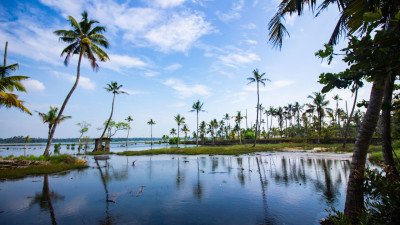
The Kumarakom Houseboat Cruise, or the Kettuvallam experience, is perhaps the single most famous attraction of the region. A Kettuvallam is a traditional rice barge that has been converted into a luxurious, floating hotel, complete with bedrooms, attached bathrooms, a living area, and a deck. These boats are constructed entirely using local, sustainable materials like wood, bamboo, and coir rope, tying them together ("kettu") without a single nail. The cruise offers a unique chance to slowly glide along the main Vembanad Lake and navigate the narrow, interconnected canals that wind through the heart of Kumarakom's villages and paddy fields. It is a slow, peaceful journey that provides an intimate view of the everyday life of the backwater communities. Guests are served delicious, freshly prepared Kerala cuisine, including local specialties like Karimeen Pollichathu. The experience is complete with the gentle rocking of the boat and the continuous, picturesque scenery, making it a perfect retreat for honeymooners and families alike. The cruise is designed for maximum relaxation, disconnecting you from the hustle of the modern world.
Card image cap
Kumarakom Lake Resort Area

The Kumarakom Lake Resort Area represents the luxurious side of Kerala’s backwater tourism. Set on a sprawling 25-acre estate, this area is home to...

The Kumarakom Lake Resort Area represents the luxurious side of Kerala’s backwater tourism. Set on a sprawling 25-acre estate, this area is home to one of India’s most acclaimed luxury resorts, famous for its heritage architecture and world-class amenities. This is the place where global celebrities and discerning travelers come to seek privacy and peace. The area is characterized by beautifully manicured gardens, winding swimming pools that resemble natural canals, and villas that are reconstructed from 16th-century traditional Kerala homesteads known as "Illums." Even if you are not staying at the resort, the surrounding area is a delight to explore, with quiet lanes lined with palm trees and glimpses of the lake at every turn. The resort area is famous for its fine dining options like Ettukettu, a multi-cuisine restaurant housed in an eight-sided mansion, and Vembanad, the seafood bar that offers stunning views of the sunset. The atmosphere here is one of refined elegance, blending the rustic charm of a village with the comfort of a five-star retreat. It is a hub for wellness, featuring the famous Ayurmana spa where traditional Ayurvedic treatments are practiced. The resort also plays a significant role in promoting local culture by organizing evening performances of Kathakali and Mohiniyattam. Exploring this area gives you a sense of how traditional aesthetics can be preserved in a modern luxury setting. It is often cited as one of the most romantic destinations in India, making it a popular choice for destination weddings and honeymoons. The area is a perfect example of how tourism can be integrated with nature without losing the essence of the local heritage.
Card image cap
Kumarakom Village Life Experience

The Kumarakom Village Life Experience is an award-winning initiative by the Responsible Tourism Mission of Kerala. This program is designed to give t...

The Kumarakom Village Life Experience is an award-winning initiative by the Responsible Tourism Mission of Kerala. This program is designed to give tourists a hands-on experience of rural life while ensuring that the benefits of tourism reach the local community directly. Unlike a standard sightseeing tour, this is a guided journey through the paddy fields, coconut groves, and small canal-side homes of Kumarakom. Visitors are encouraged to participate in daily activities such as climbing coconut trees, de-husking coconuts, and weaving palm leaves for thatched roofs. You can also witness the traditional method of toddy tapping, where sap is collected from coconut flowers to make a local fermented drink. The experience usually begins with a traditional welcome at a village home, followed by a walk or a small boat ride through the narrow canals. It is a fantastic way to see how every part of the coconut tree is utilized in the local economy. The guides are often local residents who share personal stories and deep insights into the culture and traditions of the region. The tour often concludes with a delicious "Sadhya" or traditional Kerala lunch served on a banana leaf, featuring locally grown vegetables and fresh lake fish. This initiative has been recognized globally for its sustainable approach, making it one of the most meaningful things to do in Kumarakom. It offers a stark but beautiful contrast to the luxury of the resorts, highlighting the dignity of labor and the richness of the local culture. By choosing this experience, travelers contribute directly to the livelihoods of the artisans and farmers they meet along the way.
Card image cap
Lake View Point

@@The Beauty of Kumarakom Lake View Point: The Lake View Point in Kumarakom is a mesmerizing destination that captures the true essence of Kerala’s ...

@@The Beauty of Kumarakom Lake View Point: The Lake View Point in Kumarakom is a mesmerizing destination that captures the true essence of Kerala’s backwaters. Located near the Kavanattinkara area, this spot offers an uninterrupted and panoramic view of the vast Vembanad Lake, which is the largest lake in Kerala. Visitors often flock here to witness the dramatic interplay of light and water, especially during the early mornings when the mist hangs low over the surface. The area is characterized by lush greenery, with swaying coconut palms lining the banks, creating a postcard-perfect setting. It serves as a vital hub for those looking to experience the tranquil lifestyle of the backwater region. The gentle ripples of the water combined with the distant sight of traditional houseboats (Kettuvallams) moving slowly across the horizon provide a sense of peace that is hard to find in urban life. The viewpoint is not just a place for sightseeing; it is an emotional experience that connects travelers with nature’s rhythm. The air here is fresh and carries the scent of the lake and tropical vegetation. It is a preferred spot for families, couples, and solo travelers who wish to sit quietly and observe the local fishermen casting their nets. The area around the viewpoint is well-maintained, allowing for comfortable walks along the water’s edge. For those interested in photography, the varying hues of the sky reflecting on the water provide endless opportunities to capture the beauty of the "God's Own Country." The proximity to the Kumarakom Bird Sanctuary makes it even more appealing, as one can often spot exotic birds flying across the lake. Whether you are looking for a romantic sunset or a quiet morning to meditate, this place fulfills every traveler’s dream of a peaceful retreat. The infrastructure around the viewpoint includes small benches and paved pathways, making it accessible for everyone. It is a place where time seems to slow down, allowing you to appreciate the small details of nature, from the blooming water lilies to the rhythmic sound of the waves hitting the shore. Overall, it is an essential part of the Kumarakom itinerary.
Card image cap
Mango Meadows Agricultural Theme Park

@@The Marvel of Mango Meadows: Mango Meadows Agricultural Theme Park is a unique and pioneering destination located in Kaduthuruthy, near Kumarakom. S...

@@The Marvel of Mango Meadows: Mango Meadows Agricultural Theme Park is a unique and pioneering destination located in Kaduthuruthy, near Kumarakom. Spread across a sprawling 30 acres of lush land, it holds the prestigious title of being the world's first agricultural theme park. This park is a testament to the vision of its founder, N.K. Kurian, who spent over two decades transforming this space into a biodiversity hotspot. It is home to more than 4,800 species of plants, including rare medicinal herbs, fruit-bearing trees, and exotic flowers. The park is designed to educate visitors about the importance of agriculture and nature conservation while providing a fun-filled environment. As you enter the park, you are greeted by a dense canopy of trees that immediately lowers the ambient temperature, providing a refreshing escape from the tropical heat. The park features various sections such as the Eden Garden, the Nakshatra Vriksha (star trees) junction, and a dedicated vegetable farm. It is not just a garden; it is a living museum of Kerala's rich botanical heritage. The park also focuses on sustainable practices and showcases traditional farming methods alongside modern ecological balance. Families love this place because it offers a wholesome experience that combines leisure with learning. Children can see how food is grown, interact with domestic animals at the farm, and understand the delicate balance of the ecosystem. The park also features several man-made water bodies and canals, adding to its aesthetic appeal. For those seeking relaxation, there are peaceful corners under ancient trees where one can sit and listen to the symphony of birds. The resort within the park allows guests to stay in eco-friendly cottages, providing a complete immersion into the agricultural lifestyle. The park has received numerous awards for its contribution to eco-tourism and environmental protection. It serves as a model for how tourism can be integrated with nature without causing harm. Every corner of Mango Meadows tells a story of passion and dedication toward the earth. It is a place where one can truly reconnect with their roots and appreciate the bounty of nature in a beautifully curated setting.
Card image cap
Naalupank

@@The Charm of Naalupank: Naalupank is a hidden treasure tucked away in the scenic backwaters of Kumarakom. It is a relatively quiet and less-commerci...

@@The Charm of Naalupank: Naalupank is a hidden treasure tucked away in the scenic backwaters of Kumarakom. It is a relatively quiet and less-commercialized spot that offers some of the most stunning views of the Vembanad Lake. The name itself suggests a place of gathering or a specific local landmark that has become synonymous with peace and tranquility. Unlike the more crowded tourist hubs, Naalupank retains a rustic charm that appeals to those looking for an authentic Kerala experience. The area is essentially a long, narrow stretch of land flanked by water on both sides or leading directly to the lake’s edge. It was originally conceptualized as a major houseboat station, and while it still serves that purpose to some extent, it has evolved into a popular evening getaway for locals and informed tourists. The path leading to Naalupank is lined with emerald-green paddy fields and traditional Kerala homes, giving you a glimpse into the local way of life. As you walk along the lakefront, the cool breeze from the water provides instant relief. The spot is famous for its long, tiled walkway that stretches alongside the lake, making it ideal for a leisurely stroll. You can see houseboats docked nearby, their intricate wooden structures reflecting in the still water. The atmosphere here is one of absolute stillness, interrupted only by the occasional call of a water bird or the sound of a boat engine in the distance. It is a place where you can watch the sky change colors from bright blue to fiery orange and then to a deep violet during sunset. The simplicity of Naalupank is its greatest strength. There are no loud music or flashy attractions; it is just you and the vast expanse of the lake. It is a preferred spot for morning joggers and yoga enthusiasts who find the early morning air here particularly rejuvenating. For travelers, it represents the "slow life" that Kerala is famous for. You can sit on the stone benches, watch the local "Vallams" (small boats) glide by, and lose track of time. It is a perfect spot for those who want to avoid the typical tourist traps and find a moment of solitude amidst nature’s grandeur.
Card image cap
Nalupank Houseboat Terminal

@@Deep Dive into Nalupank: The Nalupank Houseboat Terminal is a serene and somewhat rustic gateway to the famous backwaters of Kumarakom. Historically...
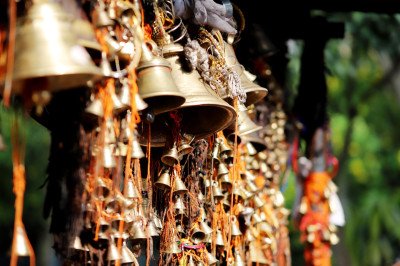
@@Deep Dive into Nalupank: The Nalupank Houseboat Terminal is a serene and somewhat rustic gateway to the famous backwaters of Kumarakom. Historically envisioned as a major hub for houseboats, it currently serves as a peaceful mooring point where travelers can witness the authentic lifestyle of the Kuttanad region. The area is characterized by a long, tiled walkway that stretches alongside the shimmering Vembanad Lake, offering uninterrupted views of the water. Unlike the busier jetties, Nalupank provides a more secluded atmosphere, making it a favorite for those who want to avoid the typical tourist rush. Visitors can watch the majestic Kettuvallams (traditional houseboats) glide slowly across the horizon while local fishermen cast their nets in the distance. The surrounding area is lush with coconut palms and tropical greenery, embodying the quintessential charm of rural Kerala. Although some of the planned infrastructure remains underutilized, the site has evolved into a popular spot for evening strolls and nature observation. The tranquility here is palpable, with the only sounds being the gentle lapping of waves and the distant calls of water birds. It is an excellent spot for those who appreciate the raw, unpolished beauty of the backwaters. The path is ideal for a leisurely walk, providing a 360-degree view of the vast lake expanse. Many tourists use this terminal as a starting point for customized private boat tours away from the crowded main docks. It represents the quiet side of Kumarakom, where time seems to slow down.
Card image cap
Pallippuram Sree Rama Temple

@@Divine Grace of Pallippuram Temple: The Pallippuram Sree Rama Temple is a significant religious and historical landmark located in Cherthala, a shor...
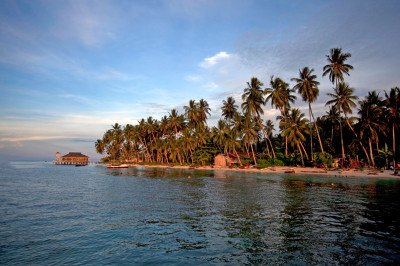
@@Divine Grace of Pallippuram Temple: The Pallippuram Sree Rama Temple is a significant religious and historical landmark located in Cherthala, a short distance from the heart of Kumarakom. Dedicated to Lord Rama, the seventh avatar of Lord Vishnu, this temple is a spiritual sanctuary that draws devotees from all over the state. The temple is steeped in ancient traditions and is believed to have a history that dates back several centuries. The presiding deity, Lord Rama, is worshipped here in a very serene and powerful form, often associated with the concept of "Maryada Purushottama" or the supreme man of virtue. The temple complex is a fine example of traditional Kerala temple architecture, characterized by its simplicity and spiritual vibrance. The atmosphere inside the temple is one of profound peace, with the scent of incense and the sound of Vedic chants filling the air. Devotees believe that praying at this temple brings mental peace and prosperity. The temple also houses sub-deities like Lord Ganesha, Lord Ayyappa, and the Goddess, making it a comprehensive spiritual center. The daily rituals are performed with great precision by the priests, following the ancient Tantric traditions of Kerala. One of the unique aspects of this temple is its connection to the local community, serving as a cultural hub for various traditional art forms and festivals. The temple's location in Pallippuram adds to its charm, as it is surrounded by lush greenery and traditional Kerala landscapes. For visitors to Kumarakom, a trip to this temple provides a deep insight into the religious fabric of the region. The temple is not just a place of worship but a repository of the area's heritage. The peaceful surroundings of the temple, away from the hustle of the main town, allow for a meditative experience. It is common to see people sitting in the "Pradakshina" path, lost in prayer or simply enjoying the divine energy of the space. The temple’s history is intertwined with local legends, and the elders of the village often share stories of the miracles associated with the deity. A visit here is a journey into the heart of Kerala’s spiritual soul, offering a sense of calm and clarity to all who enter its sacred gates.
Card image cap
Pathiramanal Island

@@Nature's Untouched Haven: Pathiramanal Island is a stunning, uninhabited strip of land floating in the middle of the massive Vembanad Lake. The name...
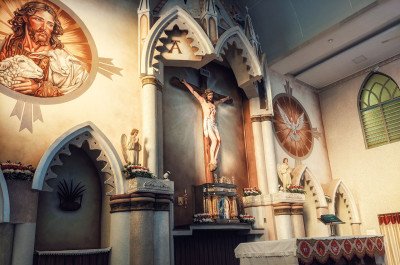
@@Nature's Untouched Haven: Pathiramanal Island is a stunning, uninhabited strip of land floating in the middle of the massive Vembanad Lake. The name "Pathiramanal" literally translates to "Sands of Night," a title that adds a layer of mystery to its emerald beauty. Spanning over 10 acres, this island is a sanctuary for nature lovers and a critical habitat for avian species. According to local legend, the island was created when a young Brahmin dived into the lake to perform his evening ablutions, and the water made way for the land. Today, it is a biodiversity hotspot, home to over 90 species of local birds and 50 species of migratory birds, including the rare Siberian Crane. The island is densely packed with tropical vegetation, including mangroves, coconut palms, and medicinal plants. There are no permanent residents or commercial shops on the island, ensuring that the environment remains pristine and quiet. A paved walkway allows visitors to trek through the heart of the island, shaded by a thick canopy of trees. As you walk, the air is filled with the chirping of birds and the rustle of leaves. It is a popular pit-stop for houseboat travelers who want to stretch their legs and explore a different side of the backwaters. The shores of the island are often dotted with Chinese Fishing Nets, adding to its picturesque appeal. The surrounding waters are shallow and clear, making it a perfect spot for observing aquatic life near the banks. Pathiramanal offers a rare sense of solitude, making it a must-visit for those seeking a deep connection with the natural world. It is a place where the ecosystem is the primary resident, and humans are merely silent observers.
Card image cap
St. Mary's Forane Church

@@The Soul of Kumarakom: St. Mary's Forane Church, also known as Kottayam Cheriapally, is one of the most significant and ancient religious sites in K...

@@The Soul of Kumarakom: St. Mary's Forane Church, also known as Kottayam Cheriapally, is one of the most significant and ancient religious sites in Kerala. Established in the 16th century, specifically around 1579, this church stands as a majestic testament to the enduring faith of the Syrian Christian community. The church is dedicated to the Virgin Mary and is revered by people of all faiths. Upon entering the premises, visitors are immediately struck by the spiritual aura and the weight of history that the walls carry. The interior of the church is a treasure trove of religious art, featuring vibrant murals that depict scenes from the Bible, the life of Christ, and the history of the early church in India. These paintings are unique because they utilize natural dyes and traditional Kerala artistic styles, creating a visual narrative that is both local and universal. The church has played a pivotal role in the socio-cultural development of Kumarakom, serving as a center for education and community service for centuries. One of the most touching stories associated with the church is its role as a granary during historical famines, where the church leadership distributed food to the starving population regardless of their caste or creed. The courtyard is spacious and often hosts vibrant festivals that bring the entire village together. The surrounding greenery and the proximity to the backwaters make it a peaceful place for meditation and prayer. It is not just a building; it is a living history book of the Christian heritage in the Malabar coast.
Card image cap
St. Thomas Church

@@A Testament to Tradition: St. Thomas Church in Kumarakom is a beautiful spiritual edifice that honors the legacy of St. Thomas the Apostle, who is b...

@@A Testament to Tradition: St. Thomas Church in Kumarakom is a beautiful spiritual edifice that honors the legacy of St. Thomas the Apostle, who is believed to have brought Christianity to India in 52 AD. This church serves as a vibrant center for the local Syro-Malabar Catholic community. Unlike the larger cathedrals, this church has a cozy, community-focused feel that makes visitors feel instantly welcome. The interior is characterized by its simplicity and elegance, with high ceilings and large windows that flood the space with natural light. The altar is beautifully decorated with flowers and features a prominent statue of St. Thomas. The church is surrounded by the lush backwaters and coconut groves that define the Kumarakom landscape, providing a serene backdrop for worship. It is particularly known for its active participation in local social causes and its role in preserving the traditional "Margam Kali" (a traditional Christian dance form). Visitors often find peace in the small grotto dedicated to Mother Mary located in the church courtyard. The church has undergone several renovations over the years, yet it retains a classic charm that reflects the local architecture of mid-20th century Kerala churches. It is a place where the sound of the backwaters meets the sound of prayer, creating a unique spiritual harmony. For travelers, it offers a moment of quietude away from the more commercialized tourist spots, allowing for a genuine look at the religious life of the villagers.
Card image cap
Thanneermukkom Bund

The Thanneermukkom Bund is a massive engineering marvel constructed across the Vembanad Lake, the largest lake in Kerala. Built in 1974 and fully ope...

The Thanneermukkom Bund is a massive engineering marvel constructed across the Vembanad Lake, the largest lake in Kerala. Built in 1974 and fully operational by 1976, it serves as a functional bridge and a salt water regulator to protect the low-lying Kuttanad paddy fields from saline intrusion. This barrier effectively divides the lake into two distinct zones: a freshwater side fed by rivers and a brackish water side influenced by the Arabian Sea. This unique separation has allowed farmers in the "Rice Bowl of Kerala" to cultivate multiple crops annually, significantly boosting the local economy. Beyond its agricultural utility, the bund has become a popular tourist attraction due to its scenic location. Visitors are treated to breathtaking views of the vast water expanse, dotted with traditional Kettuvallam houseboats and local fishermen casting their nets. The structure connects the villages of Thanneermukkom in Alappuzha and Vechoor in Kottayam, making it a vital transport link. The atmosphere here is peaceful, with cool breezes blowing across the lake, making it an ideal spot for a leisurely stroll or a sunset drive. The sight of the massive regulator shutters, which are opened during the monsoon to prevent flooding, is an impressive display of hydraulic engineering. Environmentalists often study this area to understand the impact of the barrier on the local aquatic ecosystem, as it is a major landmark within the Ramsar wetland site. Whether you are interested in modern engineering, agriculture, or simply looking for a quiet spot to admire Kerala's backwater beauty, the bund offers a unique and insightful experience. :
Card image cap
Vaikom Mahadeva Temple

The Vaikom Mahadeva Temple is one of the oldest and most revered Shiva temples in Kerala. Known affectionately as the "Kashi of the South," it holds ...

The Vaikom Mahadeva Temple is one of the oldest and most revered Shiva temples in Kerala. Known affectionately as the "Kashi of the South," it holds a unique position in Hindu mythology and history. The temple is dedicated to Lord Shiva, worshipped here as Vaikkathappan. Legend has it that the Shiva Lingam was installed by Lord Parasurama, and the temple is one of the three major Shiva shrines in the region, alongside Ettumanoor and Kaduthuruthy. A pilgrimage to all three in a single day is considered highly auspicious. The temple is not only a religious site but also a symbol of social reform; it was the center of the famous Vaikom Satyagraha in 1924-25, a non-violent movement against untouchability that eventually led to the Temple Entry Proclamation. The atmosphere inside the temple is deeply spiritual, characterized by the rhythmic chanting of mantras and the smell of incense and oil lamps. The temple is famous for its Annadana (offering of food), and it is believed that no one goes hungry here. The presiding deity is worshipped in three forms throughout the day: as Dakshinamurthy in the morning, Kirathamurthy at noon, and Sambashiva in the evening. The vast temple courtyard, covered in fine river sand, provides a sense of peace and timelessness. Visitors are required to follow a strict dress code to maintain the sanctity of the shrine. The temple's association with the legendary saint Vyaghrapada adds to its mystical charm. It is a must-visit for those seeking spiritual solace and a deeper understanding of Kerala's rich cultural and social history. :
Card image cap
Vayalar Boat Club

The Vayalar Boat Club is a prominent center for the traditional boat racing culture that defines the spirit of Alappuzha and the surrounding backwate...

The Vayalar Boat Club is a prominent center for the traditional boat racing culture that defines the spirit of Alappuzha and the surrounding backwaters. Located in the historic village of Vayalar, this club is more than just a sports organization; it is a community hub where the ancient art of building and rowing "Chundan Vallams" (Snake Boats) is preserved. The village of Vayalar itself is steeped in history, known for its revolutionary past, but the boat club brings a different kind of energy—one of camaraderie and athletic prowess. The club is actively involved in training rowers for prestigious events like the Nehru Trophy Boat Race. Visitors to the club can often see the long, majestic snake boats docked in their sheds (Vallappura), which are architectural wonders in themselves. The craftsmanship involved in maintaining these boats, made from "Anjili" wood, is a meticulous process passed down through generations. During the racing season, the atmosphere around the club becomes electric as hundreds of rowers practice in unison to the rhythmic beats of "Vanchippattu" (boat songs). This location offers a raw and authentic look at Kerala's backwater life, away from the highly commercialized tourist spots. It is a place where you can see the local youth dedicating their time to keeping a centuries-old tradition alive. For travelers, it provides an opportunity to learn about the physics of boat design and the intense physical training required to navigate these 100-foot-long vessels. The proximity to the Vayalar Rakthasakshi Mandapam also adds a layer of historical significance to the visit. :
Card image cap
Vembanad Lake

The Vembanad Lake, or Vembanad Kayal, is the longest lake in India and the largest lake in the state of Kerala. It is the breathtaking centerpiece of ...

The Vembanad Lake, or Vembanad Kayal, is the longest lake in India and the largest lake in the state of Kerala. It is the breathtaking centerpiece of the entire backwater ecosystem, spanning several districts including Kottayam, Alappuzha, and Ernakulam. The lake is a sprawling, tranquil expanse of brackish water fringed by lush green palms, paddy fields, and small villages. It plays a critical role in the local economy and ecology, serving as a major waterway for transporting goods and people, and as the lifeblood for fishing and farming communities. The lake's water levels fluctuate seasonally, which supports a unique biodiversity, including the famous Karimeen (Pearl Spot fish). Cruising the Vembanad Lake is the quintessential Kumarakom experience, offering mesmerizing views, especially during sunrise and sunset. It is here that the famous Nehru Trophy Boat Race takes place every year in Alappuzha, though the lake’s serene atmosphere near Kumarakom is its main draw. The tranquility and vastness of the water provide a deep sense of peace and a direct connection to the slow, traditional pace of life in Kerala.
Show All

Note:-

Information provided here in good Faith and for reference only.

All information and pictures will be updated soon, please keep visiting.

Near Places

...
Alleppey

Some quick example text to build on the card title and make up the bulk of the card's content.

Go somewhere
...
Athirappilly:

Some quick example text to build on the card title and make up the bulk of the card's content.

Go somewhere
...
Attingal

Some quick example text to build on the card title and make up the bulk of the card's content.

Go somewhere
...
Bekal

Some quick example text to build on the card title and make up the bulk of the card's content.

Go somewhere
...
Ernakulam

Some quick example text to build on the card title and make up the bulk of the card's content.

Go somewhere
...
Guruvayur

Some quick example text to build on the card title and make up the bulk of the card's content.

Go somewhere
...
Idukki

Some quick example text to build on the card title and make up the bulk of the card's content.

Go somewhere
...
Kannur

Some quick example text to build on the card title and make up the bulk of the card's content.

Go somewhere
...
Kasaragod

Some quick example text to build on the card title and make up the bulk of the card's content.

Go somewhere
...
Kochi

Some quick example text to build on the card title and make up the bulk of the card's content.

Go somewhere
in Other Cities