...

Place To Visit And Things To Do In Kuttanad

Kerala, India
Geography: Kuttanad is a unique geographical region famous for being one of the few places in the world where farming is done below sea level. It covers a large part of the Alappuzha and Kottayam districts and is crisscrossed by several rivers. The land was reclaimed from the lake over centuries by hardworking local farmers. Today, it stands as a testament to human ingenuity in adapting to a watery environment. The vast expanse of green paddy fields is a sight to behold during the growing season. Farming: The region is known as the "Rice Bowl of Kerala" because of its massive production of paddy. Farmers here use a unique system of bunds to keep the lake water out of the fields. During the harvest season, the fields turn from emerald green to a beautiful golden yellow. Agriculture is the backbone of the local economy and defines the culture of the people. Visitors can learn about the traditional methods of dewatering and sowing used for generations. Waterways: The life in Kuttanad revolves entirely around its intricate network of canals, rivers, and lagoons. Boats are the primary mode of transport for many villagers who live on narrow strips of land. You can see children going to school in canoes and vendors selling goods from small boats. The water is used for everything from washing clothes to transport and fishing. This "water world" offers a glimpse into a lifestyle that is rarely seen elsewhere in the world. Culture: The culture of Kuttanad is deeply tied to the land and the water, reflected in its food and festivals. The local cuisine is famous for its spicy fish curries and duck roast, usually served with rice or tapioca. Festivals like Onam are celebrated with great pomp, especially with the iconic boat races. The people are known for their resilience and deep connection to the environment. Folk songs called Vanchipattu are often sung by rowers during boat races to boost their morale.

Things To Do

Card image cap
Alappuzha Beach

Alappuzha Beach, also known as Alleppey Beach, is a spectacular stretch of golden sand located in the heart of Kerala. This coastal gem is famous for...
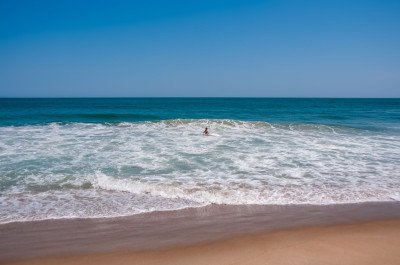
Alappuzha Beach, also known as Alleppey Beach, is a spectacular stretch of golden sand located in the heart of Kerala. This coastal gem is famous for its 150-year-old pier that extends into the Arabian Sea, offering a glimpse into its maritime history as a busy port. The beach is flanked by dense palm groves and beautifully landscaped gardens, providing a perfect spot for families and solo travelers alike to relax under the sun. Visitors can witness the remains of the old sea bridge, which stands as a hauntingly beautiful monument against the crashing waves and sunset sky. The shoreline is wide and spacious, allowing for various recreational activities such as beach volleyball, camel rides, and kite flying. During the evening, the beach transforms into a vibrant hub with local vendors selling spicy snacks like "Uuppilittathu" and fresh seafood delicacies. The proximity to the backwaters makes it a unique destination where the sea and inland canals almost meet, creating a diverse ecological landscape for nature lovers. Historically, it served as the gateway for trade with European nations, and today it remains a primary destination for those exploring the Kuttanad region. The beach also features the historic Alappuzha Lighthouse, which provides a panoramic view of the entire coastline and the town’s intricate canal network below. Whether you are looking for a quiet morning walk or an energetic evening festival vibe, this beach caters to every traveler's whim with its timeless coastal charm and serene atmosphere. :
Card image cap
Ambalappuzha Sree Krishna Swamy Temple

Ambalappuzha Sree Krishna Swamy Temple is a highly revered Hindu temple dedicated to Lord Krishna, located in the town of Ambalappuzha. Built between...
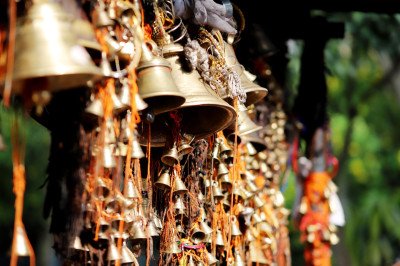
Ambalappuzha Sree Krishna Swamy Temple is a highly revered Hindu temple dedicated to Lord Krishna, located in the town of Ambalappuzha. Built between the 15th and 17th Centuries by the local ruler Chembakassery Pooradam Thirunal-Devanarayanan Thampuran, it is considered one of the seven greatest temples in Travancore. The temple is famous worldwide for its unique "Ambalappuzha Palpayasam," a sweet milk porridge offered to the deity every day. Legend says that the deity here is in the form of Parthasarthy, holding a whip in his right hand and a conch in his left, as he appeared during the Mahabharata war. The temple has a deep connection with the Guruvayoor Temple; it is believed that during the raids of Tipu Sultan in 1789, the idol from Guruvayoor was brought here for safekeeping. The temple premises are vast, featuring a large sacred pond where devotees take a ritual dip before entering the sanctum. The spiritual vibrations within the temple are palpable, especially during the morning "Nirmalyam" darshan. The temple also promotes traditional art forms like Velakali, a martial dance performed during the annual festival. The intricate mural paintings on the inner walls depict the various incarnations of Lord Vishnu and scenes from the Puranas. This temple is not just a place of worship but a center of cultural heritage that has preserved the traditions of Kerala for hundreds of years. :
Card image cap
Aymanam Village

Aymanam Village is a serene and picturesque hamlet that gained international fame as the setting for Arundhati Roy's Booker Prize-winning novel, 'The...
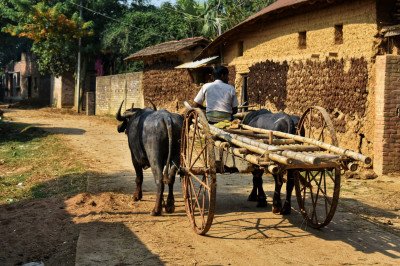
Aymanam Village is a serene and picturesque hamlet that gained international fame as the setting for Arundhati Roy's Booker Prize-winning novel, 'The God of Small Things'. Nestled between the Meenachil River and the Vembanad Lake, this village is the epitome of rural Kerala beauty. The name "Aymanam" is derived from two words, "Ay" (five) and "Vanam" (forest), referring to the five forests that once surrounded the region. Today, the village is a model for Responsible Tourism, where visitors can experience authentic village life without the artificiality of mass tourism. The landscape is dominated by emerald-green paddy fields, swaying coconut palms, and a network of narrow canals where locals can be seen fishing or washing clothes. Life here moves at a slow, rhythmic pace, governed by the tides and the agricultural seasons. Visitors often come here to see the ancestral home mentioned in the book and to soak in the atmosphere that inspired such a powerful literary work. The village is also rich in cultural heritage, being home to several ancient temples and churches that showcase the religious harmony of the region. Walking through the narrow lanes, one can hear the sound of temple bells and church hymns mingling with the chirping of birds. It is a place where nature and culture are inextricably linked, offering a soulful retreat for writers, artists, and those seeking peace away from the urban hustle. The local community is deeply involved in preserving their traditions, making a visit here an educational and heart-warming experience. :
Card image cap
Champakulam St. Mary's Forane Church

Champakulam Kalloorkadu St. Mary's Forane Church is one of the oldest Christian churches in India, believed to have been established in AD 427. Locat...

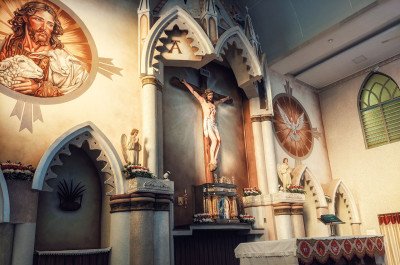
Champakulam Kalloorkadu St. Mary's Forane Church is one of the oldest Christian churches in India, believed to have been established in AD 427. Located on the banks of the Pampa River in the heart of Kuttanad, this church is a vital spiritual center for the Syro-Malabar community. Over the centuries, the church has been rebuilt several times, but it still retains several ancient artifacts and rock inscriptions that document its long history. The church is famous for its massive Open-air Rock Cross, which is said to date back to AD 1151. It is often referred to as the "Mother Church" of many other parishes in the Alappuzha district. The interior of the church is a sanctuary of peace, featuring a high altar decorated with gold leaf and beautiful murals depicting the life of Jesus Christ. The church has historically enjoyed a very friendly relationship with the local Hindu community, particularly the rulers of Chembakassery, who donated land for its expansion. This harmony is celebrated even today during the annual festivals. The location of the church is particularly scenic, surrounded by the typical backwater landscape of Kuttanad, with boats passing by on the river. It stands as a testament to the ancient roots of Christianity in Kerala and the enduring faith of the people in this water-bound region. For many, a visit to this church is a pilgrimage through time, offering a glimpse into the early centuries of the common era. :
Card image cap
Changanassery Boat Jetty

Changanassery Boat Jetty is a historic and functional water transport hub located at the eastern edge of the Kuttanad region. For decades, before the...

Changanassery Boat Jetty is a historic and functional water transport hub located at the eastern edge of the Kuttanad region. For decades, before the development of modern roads like the AC Road, this jetty was the primary lifeline for thousands of people traveling between the hill country of Kottayam and the coastal town of Alappuzha. The jetty is situated at the end of a scenic canal that connects to the vast network of the Vembanad Lake and the Pampa River. Today, it remains a bustling spot where SWTD (State Water Transport Department) boats operate regular services, offering one of the most affordable and authentic backwater experiences in Kerala. The journey from Changanassery to Alappuzha by boat is legendary, taking about 3 to 4 hours and passing through the very heart of the Kuttanad paddy fields, which are located below sea level. At the jetty, you can see a variety of vessels, from small country canoes to large passenger ferries and luxury houseboats. The atmosphere is one of busy local life, with students, office goers, and farmers using the boats as their daily commute. The area around the jetty is also a commercial center, with markets selling fresh produce from the water-bound villages. For a tourist, starting a journey here means seeing the "unfiltered" side of the backwaters, away from the typical tourist circuits. It is a place where you can witness the engineering marvel of the dykes that protect the land from the water. The jetty also serves as a starting point for exploring the nearby religious sites and historical landmarks of Changanassery, making it a versatile stop on any Kuttanad itinerary. :
Card image cap
Cheepunkal Village

Cheepunkal Village is a serene hamlet located on the fringes of the Kuttanad region, acting as a vital link between Kottayam and the vast Vembanad La...

Cheepunkal Village is a serene hamlet located on the fringes of the Kuttanad region, acting as a vital link between Kottayam and the vast Vembanad Lake. This village is renowned for its rustic charm, where the daily lives of the locals are inextricably tied to the network of canals and the emerald-green paddy fields that define the landscape. Visitors to Cheepunkal Village are greeted by the sight of traditional country boats gliding through the water and the rhythmic swaying of coconut palms that line the banks. The village offers a peaceful retreat from the hustle of urban life, allowing travelers to witness the unique below-sea-level farming practices that have made this region famous globally. Life here moves at a slow, meditative pace, making it an ideal spot for those looking to immerse themselves in the authentic culture of Kerala’s backwaters. The area is also a hub for houseboat boarding, providing a more localized and quiet alternative to the busier jetties in Alappuzha. Exploring the narrow lanes of Cheepunkal Village reveals a community that values tradition, with small tea shops and local markets serving as the social heart of the village. The air is fresh, carrying the scent of the moist earth and the blossoms of the tropical flora that grows in abundance. For nature lovers, the village serves as a vantage point for birdwatching, as many migratory species frequent the nearby wetlands and lake shores during the winter months. The hospitality of the villagers is legendary, often welcoming guests with stories of the land’s history and its transformation over the decades. Whether you are walking along the bunds or sitting by the water’s edge at sunset, Cheepunkal Village provides a soulful experience that captures the very essence of the Rice Bowl of Kerala. It is a place where nature and man exist in a delicate, beautiful balance, offering a glimpse into a world that remains largely untouched by modern commercialization.
Card image cap
Edathua St. George Forane Church

The Edathua St. George Forane Church is one of the most significant and visually stunning religious landmarks in the Kuttanad region. Established in ...
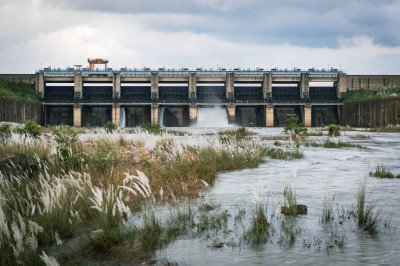
The Edathua St. George Forane Church is one of the most significant and visually stunning religious landmarks in the Kuttanad region. Established in 1810, this massive shrine is situated on the banks of a branch of the Pamba River, standing as a beacon of faith for thousands of devotees across South India. The church is dedicated to St. George, who is locally revered for his powers of healing, particularly for those suffering from mental ailments and skin diseases. The structure is so large and imposing that it can be seen from quite a distance across the flat paddy fields of Kuttanad. It serves as the spiritual heart of the local Christian community, but its influence extends far beyond, drawing pilgrims of all faiths. The church complex is vast, featuring a large courtyard that can accommodate thousands of people during the annual feast. Inside, the atmosphere is one of profound solemnity and peace, with the high ceilings and ornate decorations creating a sense of divine grandeur. The church has played a pivotal role in the social and cultural history of the region, often serving as a sanctuary during floods and a center for community gathering. The scenic location by the river adds a layer of natural beauty to the spiritual experience, with the reflection of the white walls in the blue water creating a picturesque scene. For visitors, the church offers not just a religious site but a historical journey into the evolution of Syrian Christian traditions in Kerala. The nearby river banks are often busy with local life, adding a vibrant backdrop to the tranquil church grounds. It is a place where history, architecture, and faith converge in a uniquely Kuttanadan setting, making it an essential stop for anyone exploring the Alappuzha district.
Card image cap
Kanjippadam Backwaters

Kanjippadam Backwaters represent the quieter, more pristine side of the famous Kuttanad water network. Located slightly away from the primary housebo...

Kanjippadam Backwaters represent the quieter, more pristine side of the famous Kuttanad water network. Located slightly away from the primary houseboat routes of Alappuzha, this area offers an intimate look at the traditional life of the backwaters without the overwhelming crowd of tourists. The landscape here is a mesmerizing tapestry of narrow canals, vast lakes, and lush green paddy fields that lie below sea level. The primary attraction of Kanjippadam is its sheer tranquility; the only sounds you are likely to hear are the ripples of water against the hulls of country boats and the occasional call of a water bird. The village of Kanjippadam itself is a typical agrarian community where the local economy revolves around rice cultivation and fishing. Visitors can witness the "Toddy" tapping process, where sap is collected from coconut palms, a practice that is central to the local culture and economy. The backwaters here are dotted with small islets where traditional houses stand surrounded by water, reachable only by boat. This creates a unique lifestyle where every household has its own small canoe for daily transport. The water in Kanjippadam is relatively cleaner and less congested than the main canal systems, making it a preferred spot for those looking for a relaxing shikhara boat ride or a peaceful sunset. The area is also known for its local fish variety, particularly the Pearl Spot (Karimeen), which thrives in these brackish waters. For a traveler, Kanjippadam offers a "slow travel" experience, encouraging one to sit back and observe the changing colors of the sky reflected in the vast expanse of water. It is a place that reminds one of the old Kerala, before the advent of mass tourism, where the beauty lies in the simplicity of the everyday.
Card image cap
Karumadikuttan Statue

The Karumadikuttan Statue is a fascinating historical relic that serves as a silent witness to the ancient Buddhist influence in Kerala. Located in t...

The Karumadikuttan Statue is a fascinating historical relic that serves as a silent witness to the ancient Buddhist influence in Kerala. Located in the small village of Karumady, this statue is a 11th-century black granite idol of Lord Buddha. It is uniquely known as "Karumadikuttan," which translates to the "Boy from Karumady." The statue is notable for being incomplete; the entire left half of the body is missing, leading to various legends and historical theories. Some believe it was damaged by an elephant, while others suggest religious conflict in the past. Despite its damaged state, the statue exudes a sense of profound serenity and wisdom. It was discovered in the 1930s by Sir Robert Bristow, a British engineer, who was instrumental in building a small shrine to protect it. Today, the site is under the protection of the Kerala State Archaeology Department. For locals, the statue is more than just a historical artifact; it is often credited with healing powers, and many people from the surrounding villages visit to offer prayers. The statue is seated in a meditative posture, and the craftsmanship of the granite work is evident even after centuries of erosion and damage. The site is located right by the side of a canal, and the surrounding area is typical of the Kuttanad landscape with coconut groves and narrow waterways. A visit to Karumadikuttan offers a quiet moment of reflection and a chance to learn about a chapter of Kerala's history that is often overlooked. The presence of such a significant Buddhist icon in the heart of a predominantly Hindu and Christian region highlights the diverse cultural tapestry of the state. The site is small but well-maintained, with a small garden and a walkway leading to the shrine. It is a must-visit for history enthusiasts and those looking for offbeat cultural landmarks in the Alappuzha region.
Card image cap
Kidangamparampu Sree Bhuvaneswari Temple

The Kidangamparampu Sree Bhuvaneswari Temple is one of the most prominent and spiritually vibrant temples in the Alappuzha city area, serving as a ga...

The Kidangamparampu Sree Bhuvaneswari Temple is one of the most prominent and spiritually vibrant temples in the Alappuzha city area, serving as a gateway for many entering the Kuttanad region. Dedicated to Goddess Bhuvaneswari, the fourth of the ten Mahavidyas, this temple is celebrated for its stunning architecture and the powerful energy that devotees claim to feel within its precincts. The temple has a rich history, with legends linking its establishment to the era of Marthanda Varma, the famous ruler of Travancore. It is said that the temple was built to appease the Goddess after some soldiers accidentally desecrated the land during a military campaign. The temple complex is quite large and serves as a major center for cultural and religious activities in the district. The inner sanctum houses a beautifully adorned idol of the Goddess, which is the focal point of devotion. The temple walls are a canvas of intricate carvings and vibrant paintings depicting various scenes from Hindu mythology, particularly the different forms of the Mother Goddess. The atmosphere is one of profound devotion, especially during the morning and evening "Deeparadhana" (lamp-lighting) ceremonies, when the sound of bells and the chanting of hymns fill the air. For a visitor, the temple offers a deep dive into the religious traditions of Kerala, showcasing the meticulous rituals and the communal spirit of the local devotees. The temple is also known for its "Rajagopuram," a majestic entrance tower that is rarely seen in such scale in South Kerala, except for the Padmanabhaswamy Temple in Thiruvananthapuram. The temple premises are well-maintained, providing a clean and peaceful environment for meditation and prayer. It is a place where one can seek "inner peace" and a sense of "salvation" away from the chaotic life of the city.
Card image cap
Krishnapuram Palace

The Krishnapuram Palace is a stunning 18th-century structure built by Anizham Thirunal Marthanda Varma after the annexation of Odanad. This palace is...

The Krishnapuram Palace is a stunning 18th-century structure built by Anizham Thirunal Marthanda Varma after the annexation of Odanad. This palace is a protected monument under the Archaeology Department and is a prime example of the traditional Kerala architectural style known as Pathinarukettu. It houses a vast museum filled with ancient sculptures, bronzes, and the legendary Gajendra Moksham mural, which is the largest of its kind in the state. The palace grounds once spanned 56 acres but are now reduced to about 2.5 acres, featuring a beautiful pond and landscaped gardens that offer a peaceful retreat for history buffs. Visiting this site provides a deep dive into the royal history of the Travancore kingdom and the artistic excellence of ancient South India. The palace remains a significant cultural landmark near the Kuttanad region, attracting thousands of tourists who wish to witness the regal charm of the past in its most authentic form. :
Card image cap
Kuppapuram

Kuppapuram is a serene village located in the heart of the Kuttanad backwaters, serving as a vital hub for water-based transport and tourism. This vi...

Kuppapuram is a serene village located in the heart of the Kuttanad backwaters, serving as a vital hub for water-based transport and tourism. This village is famous for its vast network of narrow canals and its proximity to the Vembanad Lake, making it a prime starting point for many houseboat cruises. Life in Kuppapuram revolves around the water, with villagers using small canoes for their daily commute, fishing, and transporting goods. The landscape is dominated by emerald-green paddy fields that sit below sea level, a unique geographical feature that has earned the region its fame. Visitors often flock here to experience the authentic rural lifestyle of Kerala, where coconut groves line the waterways and traditional wooden houses dot the banks. The village provides an immersive experience into the agrarian culture of the "Rice Bowl of Kerala," offering peace and tranquility away from the busy city life of Alappuzha. :
Card image cap
Kuttanad Backwaters

The Kuttanad Backwaters core area, encompassing regions like Nedumudi and Moncombu, represents the most authentic part of the Kerala backwater ecosys...

The Kuttanad Backwaters core area, encompassing regions like Nedumudi and Moncombu, represents the most authentic part of the Kerala backwater ecosystem. Known as the "Rice Bowl of Kerala," this area is globally famous for its unique system of agriculture where farming is done below sea level on reclaimed land. This process, known as 'Kayal' cultivation, involves creating massive bunds to keep out the water and pumping it out to create fertile land for rice. The backwaters here are a labyrinth of four major rivers—Pampa, Meenachil, Achankovil, and Manimala—which flow into the Vembanad Lake. Exploring the core area allows visitors to see the vast expanse of the 'Q', 'S', and 'T' block paddy fields, which are massive land tracts reclaimed from the lake. The area is a biodiversity hotspot, home to various species of fish and migratory birds. For travelers, it offers a peaceful, slow-paced environment where the only sounds are the ripples of water and the distant quacking of ducks being shepherded across the canals. :
Card image cap
Kuttanad Houseboat Cruise Routes

The Kuttanad Houseboat Cruise Routes offer a variety of itineraries that take travelers through the most scenic parts of the Kerala backwaters. These...

The Kuttanad Houseboat Cruise Routes offer a variety of itineraries that take travelers through the most scenic parts of the Kerala backwaters. These routes are carefully planned to showcase the diverse landscapes, including the vast Vembanad Lake, the narrow winding canals of Kainakary, and the sprawling paddy fields of the R-Block and C-Block. A typical cruise starts in the morning from Alappuzha, heading towards the interior of Kuttanad where the water levels are higher than the surrounding land. The houseboats, which were originally traditional rice barges called Kettuvallams, have been converted into floating luxury hotels with bedrooms, kitchens, and viewing decks. As the boat glides through the water, you can witness the daily chores of the locals, such as washing clothes, fishing, and transporting goods in small canoes. The routes often include stops at historical sites like ancient churches, local markets, and traditional toddy shops, providing a comprehensive cultural experience of the region. :
Card image cap
Kuttanad Photo Points

@@Scenic Landscapes of Kuttanad: The Kuttanad Photo Points represent a collection of breathtaking vistas located primarily along the AC Road. This are...

@@Scenic Landscapes of Kuttanad: The Kuttanad Photo Points represent a collection of breathtaking vistas located primarily along the AC Road. This area is a photographer's dream, offering panoramic views of the vast paddy fields that stretch toward the horizon, often framed by towering coconut palms and shimmering water channels. Visitors frequently stop here to capture the essence of the Kerala backwaters without needing a boat, as the road itself bisects the emerald green landscape. The interplay of light and shadow during the golden hours creates a magical atmosphere that is difficult to replicate elsewhere in the world. This spot provides a 400-word worthy visual narrative of the agrarian soul of South India, where the sky meets the water in a seamless blend of blues and greens. It is the perfect introductory point for tourists to understand the vastness of the Rice Bowl of Kerala and its unique geography.
Card image cap
Kuttanad Village Life Experience

@@Authentic Rural Immersion: The Village Life Experience in Kuttanad is a curated tourism initiative that allows visitors to step into the daily lives...

@@Authentic Rural Immersion: The Village Life Experience in Kuttanad is a curated tourism initiative that allows visitors to step into the daily lives of the local agrarian community. This is not a scripted show but a real-time interaction with the people who have lived in harmony with the water for centuries. You can witness the intricate process of coir making, where coconut husks are transformed into strong ropes using traditional spinning wheels. The experience includes visiting local homes, seeing how toddy is tapped from coconut trees, and understanding the unique social fabric of a village that is literally floating on water. This 400-word deep dive explains how the community manages transport, education, and trade using small canoes. It is an eye-opening journey that highlights the resilience and hospitality of the Malayali people, offering a stark contrast to the fast-paced urban life of modern India.
Card image cap
Marari Beach

@@The Quiet Coastal Retreat: Marari Beach is a secluded paradise located in the village of Mararikulam, serving as a peaceful alternative to the busy ...

@@The Quiet Coastal Retreat: Marari Beach is a secluded paradise located in the village of Mararikulam, serving as a peaceful alternative to the busy beaches of Kochi or Kovalam. This beach is known for its long stretches of golden sand, fringed by thick groves of coconut palms that provide natural shade. Unlike commercialized beaches, Marari offers a glimpse into the traditional fishing life of Kerala. You can see the colorful wooden boats lined up on the shore and watch the fishermen mend their nets in the afternoon sun. The 400-word description highlights the ecological sensitivity of the area, where many resorts follow sustainable practices. The water is generally clean and suitable for a refreshing swim, and the atmosphere is one of absolute tranquility, making it the perfect place for "slow travel" enthusiasts who want to disconnect from the world.
Card image cap
Nedumudi Village

@@The Cultural Hub of Kuttanad: Nedumudi Village is strategically located on the banks of the Pamba River and serves as a major entry point to the inn...

@@The Cultural Hub of Kuttanad: Nedumudi Village is strategically located on the banks of the Pamba River and serves as a major entry point to the inner backwaters. It is a place where the traditional lifestyle is perfectly preserved, offering visitors a chance to see the bustling river traffic of houseboats and country boats. The village is famous for its lush greenery and the way the river meanders through the landscape, creating small islands and peninsulas. A 400-word exploration of Nedumudi reveals its importance as a center for traditional arts and sports. Many famous boat racers and artists hail from this village. It is a place where you can sit on the riverbank and watch the world go by at a slow, rhythmic pace. The village market is a vibrant place where fresh river fish and local vegetables are traded directly from boats, showcasing a unique water-based economy that is central to the Kuttanad region.
Card image cap
Paddy Fields Below Sea Level

@@The Engineering Wonder of Kuttanad: The Paddy Fields Below Sea Level, specifically the Kayal lands like R Block, are a testament to human ingenuity....

@@The Engineering Wonder of Kuttanad: The Paddy Fields Below Sea Level, specifically the Kayal lands like R Block, are a testament to human ingenuity. This region is one of the few places in the world, similar to the Netherlands, where farming is conducted at elevations of 1.5 to 3 meters below the mean sea level. This was achieved by reclaiming land from the Vembanad Lake through an intricate system of dikes and continuous pumping. A 400-word detailed look into this system explains how the "Kayal Raja" Joseph Murickan pioneered this reclamation in the early 20th century. The fields are protected by massive bunds, and the sight of vast green expanses located lower than the surrounding canal water is truly surreal. This agricultural heritage system is recognized by the FAO (Food and Agriculture Organization) as a Globally Important Agricultural Heritage System (GIAHS) because of its unique biodiversity and traditional farming methods.
Card image cap
Pallathuruthy

Pallathuruthy is a stunning entry point to the Kuttanad region, acting as a vital bridge between the urban life of Alappuzha and the rustic charm of ...

Pallathuruthy is a stunning entry point to the Kuttanad region, acting as a vital bridge between the urban life of Alappuzha and the rustic charm of the deep backwaters. This location is synonymous with the houseboats that line its banks, waiting to take travelers into the labyrinth of canals that define this unique geography. The area is characterized by vast stretches of emerald green paddy fields that lie below sea level, a phenomenon that is rare across the globe. Visitors often stop here to witness the daily life of the local community, where water is the primary mode of transport for everything from groceries to schoolchildren. The air is filled with the scent of fresh water and the sound of ripples hitting the wooden hulls of traditional boats. As you stand on the bridge, you get a panoramic view of the Pamba River merging with the smaller channels, creating a liquid landscape that changes color with the sun. It is a place of transit that demands you slow down and observe the harmony between man and nature. The hospitality here is rooted in the "Illom" tradition, where every guest is treated with warmth and authentic Kerala meals. For those seeking a quiet escape before heading into the busier parts of Alappuzha, this village offers the perfect serene start.
Card image cap
Pamba River

The Pamba River is the lifeblood of the Kuttanad region and the third longest river in Kerala. Known spiritually as the Dakshina Ganga, it originates...

The Pamba River is the lifeblood of the Kuttanad region and the third longest river in Kerala. Known spiritually as the Dakshina Ganga, it originates in the Western Ghats and flows through the heart of the "Rice Bowl of Kerala." In Kuttanad, the river performs a dual role: it provides the necessary silt and water for the unique below-sea-level farming and serves as the main "highway" for the locals. The riverbanks are lined with ancient churches, traditional wooden homes, and vibrant markets that have existed for centuries. As you travel along its course, you see the famous "Fourteen Canals" branching out, watering the vast paddy fields that stretch as far as the eye can see. The water is generally calm, reflecting the deep blue of the sky and the bright green of the coconut palms. The river is also the stage for the world-renowned snake boat races, where the silence of the water is broken by the rhythmic splashing of oars and the chants of thousands. Living by the Pamba is a lesson in sustainability; the people here have mastered the art of co-existing with the seasonal floods. For a tourist, a journey down the Pamba is a journey into the soul of Kerala, where every turn of the river tells a story of myth, agriculture, and an enduring spirit.
Card image cap
Pathiramanal

Pathiramanal is a small, enchanting island floating in the middle of the vast Vembanad Lake. The name itself translates to "Sands of Midnight," a tit...

Pathiramanal is a small, enchanting island floating in the middle of the vast Vembanad Lake. The name itself translates to "Sands of Midnight," a title that evokes the mystical beauty of this uninhabited paradise. Spreading over 10 acres, the island is a sanctuary for bird watchers and nature enthusiasts. According to local legend, the island was created when a young Brahmin dived into the lake to perform his evening prayers, and the water made way for the land to rise. Today, it serves as a critical stopover for hundreds of rare migratory birds flying from as far as Siberia and Europe. The island is densely packed with tropical vegetation, including medicinal plants and towering coconut palms. Walking through the narrow, unpaved trails of Pathiramanal, one feels completely isolated from the modern world. There are no permanent residents, no shops, and no noise other than the rustling of leaves and the calls of the egrets. It is a place for quiet contemplation and observing the delicate ecosystem of the backwaters. The island provides a panoramic view of the lake, where the water meets the horizon in a hazy blue line. For many, it is the highlight of a houseboat trip, offering a physical destination to explore amidst the drifting waters of Kuttanad.
Card image cap
Ponnad Backwater Village

Ponnad is a quaint, lesser-known backwater village that offers a glimpse into the authentic "Kuttanadan" lifestyle away from the commercial hustle of...

Ponnad is a quaint, lesser-known backwater village that offers a glimpse into the authentic "Kuttanadan" lifestyle away from the commercial hustle of the main tourist tracks. Unlike the busy jetties of Alappuzha, Ponnad retains a slow, rhythmic pace of life where the main sounds are the ripples of water and the distant calls of farmers. The village is surrounded by vast paddy fields that appear like a green carpet stretching to the horizon. This area is famous for its traditional coir-making units, where local women skillfully transform coconut husks into strong fibers. The canals here are narrow and lined with hibiscus and ixora flowers, creating a colorful fringe to the waterways. Visitors can see the "Petty and Para" system of dewatering the fields, an indigenous engineering method used for centuries. Life in Ponnad revolves around the water; children learn to row before they can ride a bike, and every house has a small wooden boat moored at its front door. The village is also known for its traditional temple festivals that feature colorful processions. Exploring Ponnad is like walking through a live museum of Kerala's agrarian history. It is the perfect place for those who want to experience the true essence of the backwaters—peaceful, green, and deeply connected to the land.
Card image cap
Pulincunnoo

Pulincunnoo is an island village that serves as one of the most culturally significant spots in the Kuttanad region. It is famous for its majestic ri...
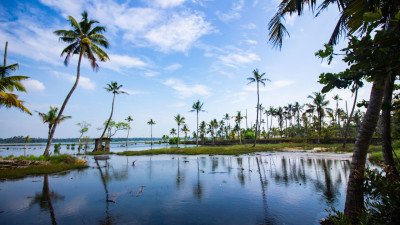
Pulincunnoo is an island village that serves as one of the most culturally significant spots in the Kuttanad region. It is famous for its majestic riverfront, dominated by the towering St. Mary's Church, which is a landmark for all passing houseboats. The village is unique because it is one of the few places in Kuttanad that feels like a mini-town, complete with an engineering college, hospitals, and schools, all accessible primarily by boat. The Pamba River flows wide and deep here, making it a major hub for houseboat traffic. The banks are lined with massive, century-old ancestral homes (Tharavads) that belong to the traditional Christian families of the region. These homes are a testament to the wealth generated by the spice trade and paddy cultivation in the early 20th century. Pulincunnoo is also known for its "Kovalam" or local ferry points, where the bustling activity of commuters provides a lively contrast to the quiet paddy fields. The village is a perfect blend of modern education and ancient traditions. Walking through its lanes, you see students in uniforms crossing the river in canoes, while elderly men sit in "Chayakkadas" (tea shops) discussing politics. It is a place where the history of Kuttanad's development is visible in every brick and every boat.
Card image cap
Punnamada Lake

Punnamada Lake is a stunning extension of the Vembanad Lake, the largest in Kerala. This water body is a central hub for backwater tourism where the ...

Punnamada Lake is a stunning extension of the Vembanad Lake, the largest in Kerala. This water body is a central hub for backwater tourism where the sky meets shimmering emerald waters. It serves as the starting point for most houseboat cruises that navigate the intricate web of canals in Kuttanad. The lake is surrounded by swaying coconut palms and lush green paddy fields that sit below the water level. During the day, you can see traditional fishermen casting nets and vast cargo boats carrying rice and spices. The tranquil atmosphere makes it a prime spot for relaxation and nature photography. It is also the iconic site of the Nehru Trophy Boat Race, attracting thousands of global visitors annually. The lake's vastness offers a sense of freedom that is rarely found in the narrow inland canals. Visitors often stay in luxury resorts lining the banks to soak in the sunrise over the water. The local life along the banks provides a glimpse into the traditional Keralite way of living. It is a place where every ripple tells a story of the region's rich maritime history.
Card image cap
R-Block Kayal

R-Block is a man-made marvel of engineering located in the heart of the Kuttanad backwaters. It is famous for being one of the few places in the worl...

R-Block is a man-made marvel of engineering located in the heart of the Kuttanad backwaters. It is famous for being one of the few places in the world where farming is practiced below sea level, ranging from 1.5 to 2 meters below the water's surface. These vast tracts of land were reclaimed from the lake by building massive dikes or "bunds" to keep the water out. The area is a sprawling patchwork of golden paddy fields, coconut groves, and crisscrossing canals. It offers a unique landscape where you can see boats sailing at a level higher than the people working in the fields. The reclamation project was pioneered by visionary local farmers like Murikkummoottil Thomman Joseph, often called the "Kayal Raja." Visiting R-Block provides a deep understanding of the resilience and ingenuity of the local agrarian community. The area is quiet, rural, and largely untouched by the heavy commercialization seen in the main town. It is accessible only by water, which adds an element of adventure to the visit. The air is fresh, and the views of the sunset over the dikes are unparalleled in their beauty.
Card image cap
T. V. Thomas Memorial

The T. V. Thomas Memorial is a significant historical and political landmark dedicated to one of Kerala's most revered leaders. T. V. Thomas was a pr...

The T. V. Thomas Memorial is a significant historical and political landmark dedicated to one of Kerala's most revered leaders. T. V. Thomas was a prominent figure in the Communist movement and played a vital role in the Punnapra-Vayalar uprising, a landmark struggle against the oppressive rule of the Travancore state. The memorial is situated in Punnapra, an area steeped in the history of labor movements and social reform. It serves as a place of pilgrimage for those interested in the political evolution of modern Kerala. The site is serene and well-maintained, featuring a bust of the leader and plaques detailing his contributions to the state's industrial and agricultural sectors. Visitors can learn about his efforts in organizing the coir workers and fishermen of the backwaters. The memorial also stands as a symbol of the "Rice Bowl's" revolutionary spirit. It is a quiet spot, often overshadowed by the backwaters, but it offers a profound look into the soul of the region's people. The surrounding area is quintessential Kuttanad, with small canals and traditional houses. It is a must-visit for history buffs and those looking to understand the socio-political fabric of Kerala.
Card image cap
Thakazhy Sree Dharma Sastha Temple

The Thakazhy Sree Dharma Sastha Temple is an ancient Hindu shrine dedicated to Lord Ayyappa. It is one of the most important religious sites in Kutta...

The Thakazhy Sree Dharma Sastha Temple is an ancient Hindu shrine dedicated to Lord Ayyappa. It is one of the most important religious sites in Kuttanad, believed to have been consecrated by the legendary sage Parasurama. The temple is shrouded in myths; one legend says the idol floated here during a massive flood and was recovered by Vilwamangalam Swamiyar. It is particularly famous for its "Valiyenna," a specially prepared medicinal oil that is said to have miraculous healing powers for skin diseases and internal ailments. The temple is located in Thakazhy, the birthplace of the famous Malayalam novelist Thakazhi Sivasankara Pillai. The temple complex is serene, featuring a traditional pond (Ambalakulam) where devotees take a ritual dip. The presiding deity, Lord Sastha, is depicted in a peaceful form. The atmosphere is thick with the scent of incense and the sound of traditional temple music. Unlike the crowded temples in cities, this shrine retains its rustic charm and spiritual purity. It serves as a vital cultural center for the local agricultural community, who pray here for a bountiful harvest. The temple's association with both divinity and traditional medicine makes it a unique destination in the heart of the backwaters.
Card image cap
Theerthapadapuram Sree Krishna Temple

@@ General Information: : The Theerthapadapuram Sree Krishna Temple is a serene spiritual sanctuary nestled in the heart of the Kuttanad region. This ...

@@ General Information: : The Theerthapadapuram Sree Krishna Temple is a serene spiritual sanctuary nestled in the heart of the Kuttanad region. This ancient temple is dedicated to Lord Krishna, who is worshipped here in his infant form, radiating peace and benevolence to all visitors. Surrounded by lush green paddy fields and winding canals, the temple offers a tranquil atmosphere that is perfect for meditation and prayer. It serves as a vital cultural hub for the local community, preserving age-old traditions and Vedic rituals that have been passed down through generations. The temple's history is deeply intertwined with the agrarian life of Kuttanad, often referred to as the Rice Bowl of Kerala. Devotees believe that the presiding deity protects the land from floods and ensures a bountiful harvest every year. The temple premises are exceptionally well-maintained, featuring a large pond known as the temple tank where ritualistic baths are performed. During the early morning hours, the air is filled with the scent of incense and the rhythmic chanting of mantras, creating a soul-stirring experience for anyone seeking spiritual solace. The temple also hosts several small shrines dedicated to other Hindu deities, making it a comprehensive site for pilgrimage. Visitors often remark on the "Poushalya" or the divine glow of the idol, which is specially decorated during festival seasons. This place is not just a religious site but a testament to the resilient spirit of the people of Kuttanad who live in harmony with water and nature.
Card image cap
Vembanad Lake

@@ General Information: : Vembanad Lake is the longest lake in India and the largest in Kerala, serving as the pulsating heart of the famous backwater...

@@ General Information: : Vembanad Lake is the longest lake in India and the largest in Kerala, serving as the pulsating heart of the famous backwater tourism. Spanning across several districts including Alappuzha, Kottayam, and Ernakulam, the lake is a sprawling expanse of emerald green water fringed by swaying coconut palms. In the Kuttanad region, the lake is particularly significant as it supports the unique below-sea-level farming practices that are world-renowned. The lake is a thriving ecosystem, home to a diverse range of aquatic life, migratory birds, and lush mangrove forests. It is a designated Ramsar site, highlighting its international ecological importance and the need for its conservation. For the people of Kuttanad, the lake is a lifeline, providing water for irrigation, a source of fish, and a primary mode of transportation via traditional boats and ferries. The vastness of the lake, coupled with the slow-moving houseboats called Kettuvallams, creates a picturesque landscape that looks like a painting come to life. As the sun sets over the horizon, the water reflects hues of orange and gold, offering a breathtaking view that attracts photographers and nature lovers from across the globe. The lake also hosts the legendary Nehru Trophy Boat Race, an event that showcases the incredible strength and spirit of the local boatmen. Exploring the lake allows travelers to witness the authentic rural life of Kerala, where houses are built on narrow strips of land between canals. It is a place where time seems to slow down, allowing one to reconnect with nature in its purest form.
Show All

Note:-

Information provided here in good Faith and for reference only.

All information and pictures will be updated soon, please keep visiting.

Near Places

...
Alappuzha (Alleppey)

Some quick example text to build on the card title and make up the bulk of the card's content.

Go somewhere
...
Alleppey

Some quick example text to build on the card title and make up the bulk of the card's content.

Go somewhere
...
Athirappilly:

Some quick example text to build on the card title and make up the bulk of the card's content.

Go somewhere
...
Attingal

Some quick example text to build on the card title and make up the bulk of the card's content.

Go somewhere
...
Bekal

Some quick example text to build on the card title and make up the bulk of the card's content.

Go somewhere
...
Ernakulam

Some quick example text to build on the card title and make up the bulk of the card's content.

Go somewhere
...
Guruvayur

Some quick example text to build on the card title and make up the bulk of the card's content.

Go somewhere
...
Idukki

Some quick example text to build on the card title and make up the bulk of the card's content.

Go somewhere
...
Kannur

Some quick example text to build on the card title and make up the bulk of the card's content.

Go somewhere
...
Kasaragod

Some quick example text to build on the card title and make up the bulk of the card's content.

Go somewhere
in Other Cities