
...

Place To Visit And Things To Do In Moreh

Manipur, India
Place Details: Commercial Hub: Moreh is a bustling international trade town that serves as a vital link between India and South East Asian nations through Myanmar. The town is a melting pot of cultures, where traders from various ethnic backgrounds like Meiteis, Kukis, Tamils, and Nepalis coexist an d conduct business. Strategic Importance: Historically, it has been the cornerstone of India's "Act East Policy," facilitating the movement of goods and people across the international boundary. The town's atmosphere is energetic, filled with the sounds of different languages and the sight of exotic goods being transported daily. Cultural Diversity: Unlike any other town in Manipur, Moreh has a significant Tamil population that settled here decades ago, leading to the construction of South Indian style temples. This unique cultural blend is reflected in the local food, architecture, and the diverse festivals celebrated with great fervor throughout the year. Cross-Border Experience: The proximity to the town of Tamu in Myanmar allows for a unique international experience where visitors can witness the daily interactions of two neighboring nations. The trade markets are the heart of the town, offering everything from electronics and clothing to traditional Burmese handicrafts and food.

Things To Do

Card image cap
Friendship Bridge

@@Gateway to Southeast Asia: This bridge over the Lokchao River is a vital symbol of India’s Act East Policy, connecting Moreh, India with Tamu, Mya...

@@Gateway to Southeast Asia: This bridge over the Lokchao River is a vital symbol of India’s Act East Policy, connecting Moreh, India with Tamu, Myanmar. It facilitates bilateral trade, tourism, and cultural exchange. It is the only feasible land route for commerce between the two nations, serving as a critical part of the proposed India-Myanmar-Thailand Trilateral Highway. The atmosphere is a vibrant mix of cultures. @@Strategic Importance: It has security checkpoints and is monitored to regulate the movement of goods and people. Visitors can witness the bustling cross-border activity, though crossing requires proper documentation. The bridge acts as an economic lifeline for the entire Northeastern region, driving the local economy of Moreh.
Card image cap
INA Memorial

The INA Martyr's Memorial in Moirang is a landmark of immense national pride and historical depth, marking the spot where the Indian National Army fi...

The INA Martyr's Memorial in Moirang is a landmark of immense national pride and historical depth, marking the spot where the Indian National Army first planted the tricolor on Indian soil on April 14, 1944. This sacred ground served as the headquarters for the INA under the visionary leadership of Netaji Subhas Chandra Bose during the World War II campaign in the Northeast. The complex is not just a monument but a living archive of the liberation struggle, housing a massive collection of wartime relics, photographs, and personal effects of the soldiers. Visitors feel a profound sense of patriotism as they walk through the galleries that detail the Battle of Imphal and the strategic movements of the Azad Hind Fauj. The memorial serves as a beacon of sacrifice, reminding every Indian of the heavy price paid for freedom. The serene gardens and the imposing statue of Netaji provide a space for quiet contemplation and respect. It is a place where history breathes, allowing people to connect with the fervor of the independence movement that changed the course of the nation. The complex also includes an auditorium and a specialized library dedicated to the history of the INA, making it a hub for researchers and history enthusiasts alike. Exploring the corridors, one can see the evolution of the Indian flag and the various insignias that defined the army of liberation. The site is meticulously maintained by the state government, ensuring that the legacy of the martyrs remains preserved for future generations to honor and learn from. Every corner of the memorial tells a story of courage, from the rare currency notes issued by the provisional government to the uniforms worn in the humid jungles of Burma. This place is an essential pilgrimage for anyone wishing to understand the soul of Indian nationalism. :
Card image cap
Indo-Myanmar Border Gate

The Indo-Myanmar Border Gate in Moreh is the most vital land link between India and the ASEAN countries, acting as a bustling hub of international co...

The Indo-Myanmar Border Gate in Moreh is the most vital land link between India and the ASEAN countries, acting as a bustling hub of international commerce and cultural exchange. Consisting of two primary gates, Gate No. 1 and Gate No. 2, this location marks the physical boundary between the Indian state of Manipur and the Sagaing region of Myanmar. Gate No. 1 is primarily used for heavy trade and commercial cargo, while Gate No. 2, often called the friendship gate, facilitates the movement of people and local traders. Walking towards the gate, one can sense the shift in atmosphere as the sounds of Indian languages mix with Burmese dialects. The area is a vibrant tapestry of different ethnicities including Meiteis, Tamils, Kukis, and Myanmarese people who have coexisted here for decades. For a tourist, the gate represents the thrill of standing at the edge of the nation, looking into a land that feels both exotic and familiar. The trade here is governed by the Border Trade Agreement, allowing locals to exchange goods like electronics, fabrics, and traditional Burmese food items. The sight of heavily loaded trucks and local "Kenbo" bikes crossing the line is a constant feature of the daily landscape. Security is managed by the Assam Rifles on the Indian side, ensuring a disciplined yet welcoming environment for visitors who come to witness this strategic junction. The gate is not just a barrier but a bridge of opportunity that embodies India's Act East Policy. It is a place of high energy where the pulse of international relations can be felt in the simple act of a cross-border handshake. :
Card image cap
Indo-Myanmar Border Gate No. 1 & 2

@@Historical Significance: Gate No. 1 is the older, less-used entry point, while Gate No. 2 (also known as the Friendship Gate) is the main modern cro...

@@Historical Significance: Gate No. 1 is the older, less-used entry point, while Gate No. 2 (also known as the Friendship Gate) is the main modern crossing point for both cargo and passengers, located near the Integrated Check Post (ICP) and the Friendship Bridge. These gates physically mark the international boundary, making them highly strategic locations. They were central to the now-terminated Free Movement Regime (FMR), which allowed border tribes to travel a short distance across the border without a visa. @@Daily Commute: Thousands of locals, traders, and authorized tourists pass through these gates daily, making the area one of the most vibrant human-border interactions globally. The gate structure symbolizes national sovereignty on both sides.
Card image cap
Indo-Myanmar Friendship Bridge

The Indo-Myanmar Friendship Bridge is a robust and symbolic structure spanning the Lokchao River, serving as the physical link between the Indian tow...

The Indo-Myanmar Friendship Bridge is a robust and symbolic structure spanning the Lokchao River, serving as the physical link between the Indian town of Moreh and the Burmese town of Tamu. This bridge is more than just a piece of engineering; it is a manifestation of India's commitment to its neighbors and a crucial component of the Asian Highway 1. As you walk or drive across this bridge, you are essentially traversing the threshold between South Asia and Southeast Asia. The river below marks the natural boundary, and the bridge provides a seamless path for the thousands of people who cross it daily for livelihood and travel. It was built with the cooperation of both governments to replace older, less reliable crossings and to support the heavy machinery and cargo trucks that drive the regional economy. For visitors, the bridge offers a panoramic view of the riverbanks where local life unfolds—women washing clothes, children playing, and small boats navigating the shallow waters. The security on the bridge is high but managed with a sense of "friendship," reflecting the name of the structure. It is a place of immense strategic value, guarded by the Assam Rifles on the Indian side and the Myanmar Border Guard Police on the other. Standing in the middle of the bridge, one can feel the historical weight of this route, which has seen centuries of migration and trade. The bridge is also a key part of the proposed Trilateral Highway that will connect India, Myanmar, and Thailand, making it a landmark of future global connectivity. :
Card image cap
Indo-Myanmar Friendship Gate

The Indo-Myanmar Friendship Gate is the most iconic landmark in Moreh. It is a symbolic and functional border crossing that connects Moreh, India, wit...

The Indo-Myanmar Friendship Gate is the most iconic landmark in Moreh. It is a symbolic and functional border crossing that connects Moreh, India, with the town of Tamu in Myanmar. The gate is a testament to the close relationship between the two nations and serves as a major entry point for trade and people. The area around the gate is always bustling with activity, with traders, travelers, and tourists crossing the border. The gate itself is a simple yet elegant structure, symbolizing the open and friendly relationship between India and Myanmar. Visitors can get a special permit from the local authorities to cross the border and visit Tamu for a day, experiencing a glimpse of Burmese culture and shopping at the local markets. The gate stands as a powerful symbol of connectivity and shared heritage, embodying the spirit of India's Act East policy.
Card image cap
Integrated Check Post

@@Modern Trade Hub: The ICP Moreh is a state-of-the-art facility built by the Land Ports Authority of India (LPAI) to provide a streamlined, single-wi...

@@Modern Trade Hub: The ICP Moreh is a state-of-the-art facility built by the Land Ports Authority of India (LPAI) to provide a streamlined, single-window system for customs, immigration, cargo handling, and security. It is a major infrastructure project under the Act East Policy to boost formal trade with Myanmar and eventually with Thailand. It replaces the old, scattered facilities, bringing all regulatory agencies under one roof. @@Functions: It manages the clearance of cargo, passenger movement, customs checks, and immigration processing for both Indians and foreign nationals. The facility is equipped with modern amenities and security features.
Card image cap
Khangkhui Cave

Khangkhui Cave, locally known as Khangkhui Mangsor, is a magnificent natural limestone cave system located in the Ukhrul district, about 210 kilomete...

Khangkhui Cave, locally known as Khangkhui Mangsor, is a magnificent natural limestone cave system located in the Ukhrul district, about 210 kilometers from Moreh. This prehistoric site gained international fame when archaeologists discovered stone tools and artifacts dating back to the Paleolithic period, proving that early humans inhabited these hills thousands of years ago. The cave is steeped in local folklore, with the Tangkhul Nagas believing it was the abode of a powerful king who lived with his wives in different chambers. During World War II, the cave served as a vital shelter for the local villagers who hid there to escape the heavy bombardment and the advancing Japanese and Allied forces. The interior of the cave is a world of its own, featuring massive stalactites and stalagmites that have formed over millions of years. The main hall is vast and cold, with several branching tunnels that lead deep into the heart of the mountain. For adventurous souls, exploring the darker reaches of the cave is a thrilling experience that requires flashlights and a bit of courage. The surrounding landscape is equally stunning, characterized by rolling green hills, pine forests, and the fresh mountain air of the Ukhrul highlands. Visiting Khangkhui is like stepping back in time, both geologically and historically. The site remains largely untouched by commercial tourism, offering an authentic and rugged experience for those willing to make the journey from the border town of Moreh. It is a testament to the natural beauty and the deep-rooted history of the North-eastern frontier. :
Card image cap
Lokchao River Banks

@@Natural Setting: The Lokchao River is a picturesque tributary that flows near Moreh, forming a part of the international border before meandering th...

@@Natural Setting: The Lokchao River is a picturesque tributary that flows near Moreh, forming a part of the international border before meandering through the landscape. The banks are often fringed by the dense, semi-evergreen forests of the nearby Yangoupokpi-Lokchao Wildlife Sanctuary. It offers a stark, tranquil contrast to the bustling trade hub of Moreh town. @@Ecological Importance: The river is crucial for the local ecosystem, supporting diverse flora and fauna, including rare bird species. The banks serve as natural public spaces for locals, providing water for irrigation and a peaceful retreat from town life.
Card image cap
Lokchao Wildlife Sanctuary

@@Ecological Importance: This is a major forest and riverine ecosystem near the border, covering 185 sq km. It is a key area for biodiversity and a de...
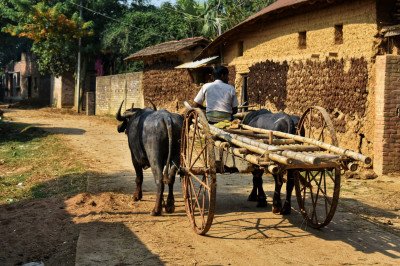
@@Ecological Importance: This is a major forest and riverine ecosystem near the border, covering 185 sq km. It is a key area for biodiversity and a declared Important Bird Area (IBA). The sanctuary is crucial for maintaining the ecological balance of the Indo-Burmese border region. @@Habitat: The sanctuary's forests are home to various species of mammals (like the Hoolock Gibbon), reptiles, and over 70 species of birds. The terrain is hilly and dense, typical of the Indo-Myanmar border. The river systems within the sanctuary are vital to its ecology.
Card image cap
Longpi Pottery Village

Longpi Pottery Village, nestled in the high altitudes of Ukhrul, is the home of the world-renowned black stone pottery, a craft that has remained unc...

Longpi Pottery Village, nestled in the high altitudes of Ukhrul, is the home of the world-renowned black stone pottery, a craft that has remained unchanged since the Neolithic period. The village is inhabited by the Tangkhul Naga tribe, who have perfected the art of making pottery without the use of a potter's wheel. Instead of clay, they use a unique mixture of ground black serpentinite stone and weathered rock, found only in this specific region. The process is incredibly labor-intensive, involving the manual shaping of the paste into elegant forms like kettles, cooking pots, and mugs. Once shaped, the pieces are sun-dried and then fired in a large open bonfire for several hours. The signature jet-black finish is achieved by polishing the hot pottery with a specific local leaf called "Chiron Ni," which leaves a natural, metallic-looking luster. These pots are highly prized for their durability and are said to enhance the flavor of food cooked in them, making them a favorite among chefs and eco-conscious consumers globally. Visiting the village allows you to see the artisans at work in their own homes, often with the whole family participating in the process. The village itself is a model of traditional Naga living, with wooden houses decorated with buffalo horns and beautiful views of the surrounding valleys. For a traveler coming from Moreh, the journey to Longpi is a transition from the bustling border trade to a serene, artistic retreat where time seems to stand still. It is a place that celebrates the dignity of manual labor and the preservation of an ancient heritage that refuses to be modernized. :
Card image cap
Lotte World, Moreh

@@Local Entertainment: Note: This is a small, local amusement or entertainment center that has adopted the name of the famous theme park in Seoul, Sou...
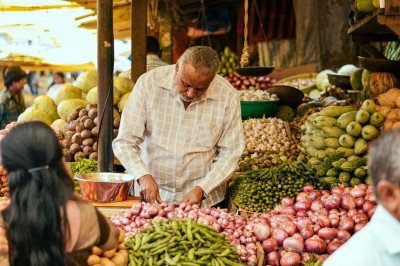
@@Local Entertainment: Note: This is a small, local amusement or entertainment center that has adopted the name of the famous theme park in Seoul, South Korea. It is not the actual Lotte World. It is a major local attraction providing fun and recreation for the town's residents and visitors. @@Attractions: It typically features basic rides like ferris wheels, merry-go-rounds, and other simple mechanical attractions, along with games, food stalls, and open spaces for families to relax. It offers a much-needed recreational space in the remote border town environment.
Card image cap
Moreh Christian Baptist Church

The Moreh Christian Baptist Church is a prominent religious site in the town and is a great place to visit for those who want to learn about the relig...

The Moreh Christian Baptist Church is a prominent religious site in the town and is a great place to visit for those who want to learn about the religious and spiritual beliefs of the local community. The church is a great place to simply sit and relax, enjoying the cool breeze and the peaceful atmosphere. The church is a testament to the region's rich cultural and historical heritage. A visit to the church is a great way to get a detailed knowledge of the traditional way of life of the locals. The church's serene environment and its close connection to nature make it a great place to visit.
Card image cap
Moreh Gurudwara

The Moreh Gurudwara is a prominent religious site in the town and is a great place to visit for those who want to learn about the religious and spirit...

The Moreh Gurudwara is a prominent religious site in the town and is a great place to visit for those who want to learn about the religious and spiritual beliefs of the local community. The gurudwara is a great place to simply sit and relax, enjoying the cool breeze and the peaceful atmosphere. The gurudwara is a testament to the region's rich cultural and historical heritage. A visit to the gurudwara is a great way to get a detailed knowledge of the traditional way of life of the locals. The gurudwara's serene environment and its close connection to nature make it a great place to visit.
Card image cap
Moreh Market

@@Economic Heart: The Moreh Market is the bustling commercial center of the town, acting as the primary point for the distribution of goods coming fro...

@@Economic Heart: The Moreh Market is the bustling commercial center of the town, acting as the primary point for the distribution of goods coming from Myanmar and other Southeast Asian countries, and for Indian goods moving the other way. It is characterized by its sheer diversity of products, from electronics and cosmetics to groceries and textiles. @@Cultural Blend: The market's vendors and customers are a microcosm of the entire region, with people speaking Meiteilon, Burmese, Tamil, Hindi, and local tribal languages, reflecting the town's unique status as a meeting point of cultures. The atmosphere is loud, colorful, and energetic.
Card image cap
Moreh Tamil Sangam

The Moreh Tamil Sangam is a prominent cultural organization in the town and is a great place to visit for those who want to learn about the religious ...

The Moreh Tamil Sangam is a prominent cultural organization in the town and is a great place to visit for those who want to learn about the religious and spiritual beliefs of the local community. The sangam is a great place to simply sit and relax, enjoying the cool breeze and the peaceful atmosphere. The sangam is a testament to the region's rich cultural and historical heritage. A visit to the sangam is a great way to get a detailed knowledge of the traditional way of life of the locals. The sangam's serene environment and its close connection to nature make it a great place to visit.
Card image cap
Moreh Trade Centre

@@Commercial Infrastructure: The Moreh Trade Centre is a formal commercial complex built to facilitate legitimate, organized trade between India and M...

@@Commercial Infrastructure: The Moreh Trade Centre is a formal commercial complex built to facilitate legitimate, organized trade between India and Myanmar. Unlike the informal market, it provides dedicated stalls, storage facilities, and a structured environment for large-scale, registered business transactions. It houses customs and other regulatory offices related to trade. @@Business Focus: It is a critical node for India’s official trade and economic engagement with Southeast Asia, offering traders modern facilities. The commodities exchanged here are often registered and taxed, differentiating it from the cash-based, informal Moreh Market nearby.
Card image cap
Namphalong Market

The Namphalong Market is a bustling market located in the town of Tamu, Myanmar, just across the border from Moreh. It is a major commercial hub and a...

The Namphalong Market is a bustling market located in the town of Tamu, Myanmar, just across the border from Moreh. It is a major commercial hub and a popular destination for Indian tourists who want to experience a glimpse of Burmese culture and to shop for a wide variety of goods. The market is known for its wide variety of goods, from traditional handicrafts to spices and herbs. The market is a great place to visit for those who want to explore a less-known natural wonder and for those who enjoy photography. The market's tranquil atmosphere and its close connection to nature make it a great place to visit.
Card image cap
Red Hill Lokpaching

@@Historical Narrative: Red Hill Lokpaching, also known as Maibam Lotpa Ching, is a site of immense historical gravity located on the Tiddim Road. Thi...

@@Historical Narrative: Red Hill Lokpaching, also known as Maibam Lotpa Ching, is a site of immense historical gravity located on the Tiddim Road. This small hillock was the scene of one of the most ferocious battles of World War II, specifically the Battle of Imphal in May 1944. During this conflict, the Japanese forces made their final, desperate push toward the capital of Manipur, resulting in a nine-day struggle that saw heavy casualties on both sides. The hill earned its name because the intense shelling stripped the greenery away, exposing the vibrant red laterite soil beneath, which locals often say was stained by the blood of fallen soldiers. Today, it stands as a serene sanctuary for peace and reflection, attracting visitors from across the globe, especially veterans and descendants from Japan and Britain. The site serves as a bridge between the painful memories of the past and the shared hope for a peaceful future. The lush greenery has since returned, covering the scars of war with a blanket of quiet dignity. Exploring the area allows travelers to connect with a pivotal moment in global history while enjoying the natural beauty of the Manipuri landscape. It is not just a destination for history buffs but also for those seeking a moment of quietude away from the bustling border town of Moreh. The site is managed with care to ensure the sacrifices made here are never forgotten by future generations.
Card image cap
Sri Angala Parameshwari Sri Muneeswarar Temple

@@Cultural History: This Hindu temple is a testament to the presence and historical significance of the Tamil community in Moreh, which migrated here ...

@@Cultural History: This Hindu temple is a testament to the presence and historical significance of the Tamil community in Moreh, which migrated here decades ago, often via Myanmar. It is dedicated to Sri Angala Parameshwari Amman (an incarnation of Goddess Parvati) and Sri Muneeswarar (a folk deity). It serves as the primary spiritual and cultural center for the local Tamil population. @@Religious Blend: The temple reflects the unique blend of South Indian temple traditions with the local North-Eastern and Burmese environments, representing a successful cultural transplantation. It's a focal point for all major Tamil festivals.
Card image cap
Tibetan Refugee Market

@@Community Hub: This market was established by the Tibetan refugee community settled in Moreh to sustain their livelihood. It is a specialized market...

@@Community Hub: This market was established by the Tibetan refugee community settled in Moreh to sustain their livelihood. It is a specialized market focusing on goods specific to their culture and trade, primarily woolens, shawls, carpets, and a variety of Chinese- and Tibetan-origin artifacts. @@Unique Products: It provides a unique contrast to the main Moreh Market by offering goods with a distinct Himalayan/Tibetan flavor, alongside some imported Chinese items. It is a testament to the resilience of the Tibetan diaspora in maintaining their culture and commerce in a distant land.
Show All

Note:-

Information provided here in good Faith and for reference only.

All information and pictures will be updated soon, please keep visiting.

Near Places
...
Bishnupur

Some quick example text to build on the card title and make up the bulk of the card's content.

Go somewhere
...
Chandel

Some quick example text to build on the card title and make up the bulk of the card's content.

Go somewhere
...
Churachandpur

Some quick example text to build on the card title and make up the bulk of the card's content.

Go somewhere
...
Ima Keithel

Some quick example text to build on the card title and make up the bulk of the card's content.

Go somewhere
...
Imphal

Some quick example text to build on the card title and make up the bulk of the card's content.

Go somewhere
...
Jiribam

Some quick example text to build on the card title and make up the bulk of the card's content.

Go somewhere
...
Kakching

Some quick example text to build on the card title and make up the bulk of the card's content.

Go somewhere
...
Kamjong

Some quick example text to build on the card title and make up the bulk of the card's content.

Go somewhere
...
Khongjom

Some quick example text to build on the card title and make up the bulk of the card's content.

Go somewhere
...
Lairok Maru

Some quick example text to build on the card title and make up the bulk of the card's content.

Go somewhere
in Other Cities