...

Place To Visit And Things To Do In Nalanda

Bihar, India
Historical Legacy:: Nalanda was the world's first residential international university, established in the 5th century CE. It served as a premier center of learning for over 800 years, attracting scholars from China, Korea, and Central Asia. The university flourished under the Gupta Empire and later under King Harshavardhana and the Pala monarchs. It was eventually destroyed in the 12th century by Bakhtiyar Khilji, yet its ruins remain a testament to India's intellectual golden age. Today, it is recognized as a UNESCO World Heritage Site, representing the pinnacle of Buddhist monastic education. Visitors can explore the vast complex that once housed 10,000 students and 2,000 teachers. The site reflects the deep-rooted cultural and spiritual history of the Magadha region. It remains an essential destination for history buffs and spiritual seekers alike. Cultural Significance:: The name Nalanda is derived from 'Na-alam-da', meaning 'insatiable giver of knowledge'. It played a crucial role in the development of Mahayana Buddhism and logic. Prominent scholars like Aryabhata and Nagarjuna are associated with this institution. The university’s library, known as Dharma Gunj, was so vast that it reportedly burned for six months after the invasion.

Things To Do

Card image cap
"Jain Temple, Kundalpur

Kundalpur is one of the most sacred pilgrimage sites for Jains, particularly the Shwetambar sect, who believe it to be the birthplace (Janmabhoomi) of...
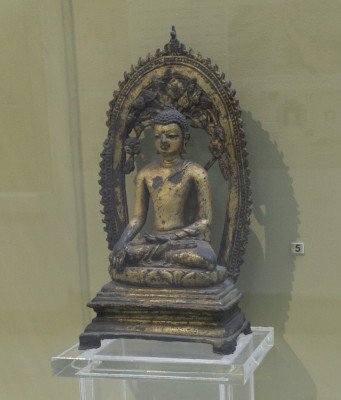
Kundalpur is one of the most sacred pilgrimage sites for Jains, particularly the Shwetambar sect, who believe it to be the birthplace (Janmabhoomi) of Bhagwan Mahavira, the 24th and last Tirthankara of Jainism. The present Shwetambar temple complex is a modern, magnificent structure built to honor this belief. It houses several temples and a large central temple dedicated to Lord Mahavira. The temple premises are characterized by white marble and stone, adhering to the traditional Shwetambar architectural style of temple building. The atmosphere is extremely peaceful, attracting thousands of pilgrims from across India and the world, especially during the annual Mahavir Jayanti festival. The complex includes a large, well-maintained compound, facilities for devotees (Dharamshala), and an area dedicated to the eleven Ganadharas (chief disciples) who are also believed to have been born here. The site provides a profound spiritual experience, connecting visitors with the historical and religious significance of the founder of Jainism. While there is a difference in belief between the Shwetambar and Digambar sects regarding the exact birthplace (the Digambar temple is located nearby), both temples in Kundalpur remain vital centers of Jain devotion and pilgrimage.
Card image cap
Ajatashatru Fort

Ajatashatru Fort is a historical monument located in Rajgir. The fort is believed to have been built by King Ajatashatru, a mythological figure from t...

Ajatashatru Fort is a historical monument located in Rajgir. The fort is believed to have been built by King Ajatashatru, a mythological figure from the Mahabharata, to protect the city from invaders. The fort is a great place to learn about the history of the region and its contribution to the world of engineering and architecture. The fort's spiritual and peaceful atmosphere provides a perfect setting for a quiet prayer or a moment of reflection. The fort is a great destination for those interested in the history of the region and its contribution to the world of art and architecture.
Card image cap
Bimbisar Jail

Bimbisar Jail is a significant historical site located in Rajgir, and it is a testament to the city's rich and complex past. According to Buddhist scr...

Bimbisar Jail is a significant historical site located in Rajgir, and it is a testament to the city's rich and complex past. According to Buddhist scriptures, this is the place where King Bimbisara, the contemporary and patron of Lord Buddha, was imprisoned by his son, Ajatashatru. The jail is a small, rectangular stone structure with a narrow, winding path. The site is a poignant reminder of the power struggles and political intrigues of ancient India. The jail is surrounded by a series of myths and legends, and it is a popular destination for tourists and pilgrims. The jail is a great place to learn about the history of the region and its contribution to the world of art and architecture. The jail is also a great place to take a moment to reflect on the importance of history and religion.
Card image cap
Black Buddha Temple

This modern temple, known locally as Telia Bhairav because the image of the Buddha is regularly anointed with oil, stands as a testament to the contin...
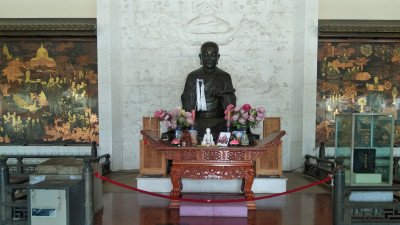
This modern temple, known locally as Telia Bhairav because the image of the Buddha is regularly anointed with oil, stands as a testament to the continuity of religious worship near the ancient Nalanda Mahavihara. The central object of veneration is a large, ancient black stone statue of Lord Buddha in the Bhumisparsha Mudra (earth-touching gesture). Locals have revered this image for centuries, suggesting a continuous tradition even after the destruction of the great university. The practice of applying oil is believed to be a protective coating, giving the statue its distinctive black and glossy appearance. Historians and archaeologists, including Alexander Cunningham in the 19th century, noted the presence and worship of this image, linking the site's modern religious identity to its profound ancient past. The temple is a serene place for both Buddhist devotees and tourists, representing an interesting blend of local Hindu traditions (calling it Bhairav) and Buddhist reverence. It offers a peaceful contrast to the vast archaeological ruins nearby, providing a living religious experience within a historical landscape. The simplicity of the structure highlights the significance of the sacred image within.
Card image cap
Ghora Katora Lake

Ghora Katora Lake is a picturesque lake located in Rajgir. The lake is a great place to learn about the history of the region and its contribution to ...

Ghora Katora Lake is a picturesque lake located in Rajgir. The lake is a great place to learn about the history of the region and its contribution to the world of art and architecture. The lake's spiritual and peaceful atmosphere provides a perfect setting for a quiet prayer or a moment of reflection. The lake is a great destination for those interested in the history of the region and its contribution to the world of art and architecture.
Card image cap
Ghorakatora Lake

Ghorakatora Lake is a picturesque lake located in Rajgir. The lake is a great place to learn about the history of the region and its contribution to t...

Ghorakatora Lake is a picturesque lake located in Rajgir. The lake is a great place to learn about the history of the region and its contribution to the world of art and architecture. The lake's spiritual and peaceful atmosphere provides a perfect setting for a quiet prayer or a moment of reflection. The lake is a great destination for those interested in the history of the region and its contribution to the world of art and architecture.
Card image cap
Hiuen Tsang Memorial Hall

This magnificent hall is a fitting tribute to the legendary Chinese Buddhist monk and scholar Xuanzang (also known as Hiuen Tsang or Hsuan-Tsang), who...
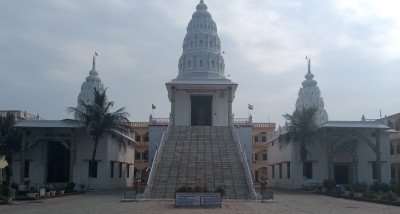
This magnificent hall is a fitting tribute to the legendary Chinese Buddhist monk and scholar Xuanzang (also known as Hiuen Tsang or Hsuan-Tsang), who visited India in the 7th century CE and spent several years studying and teaching at the ancient Nalanda Mahavihara. His detailed travelogue, Records on the Western Regions, is an invaluable historical resource for understanding the university and India of that era. The memorial hall was conceived to strengthen the cultural ties between India and China. The construction began in the 1960s and was completed in 1984. The hall showcases artifacts, manuscripts, and beautiful murals and imagery that vividly depict the life, journey, and scholarly contributions of the monk. It also contains a relic (a small skull bone) of the revered scholar, which was gifted by the Chinese government, though it is often kept securely and not always on public display. The serene environment, complete with well-maintained gardens and an impressive Chinese-influenced architecture, makes it a significant stop for both history lovers and Buddhist pilgrims, particularly those from East Asian countries. The memorial's location, very close to the ruins, emphasizes the strong intellectual link between the ancient university and its most famous foreign scholar.
Card image cap
Kundalpur Digambar Jain Temple

The Kundalpur Digambar Jain Temple is another significant pilgrimage center, standing very close to the Shwetambar temple. It is considered by the Dig...
The Kundalpur Digambar Jain Temple is another significant pilgrimage center, standing very close to the Shwetambar temple. It is considered by the Digambar sect to be the exact location of the palace (Nandyavart Mahal) where Lord Mahavira was born to King Siddartha and Queen Trishala about 2600 years ago. The current complex is modern and expansive, featuring a central temple with a majestic idol of Bhagwan Mahavira in the Padmasana (lotus) posture. The site is a complex of several temples, including shrines dedicated to other Tirthankaras, a magnificent Kirti Stambh (Pillar of Glory) with Mahavira's idols, and a museum and art gallery dedicated to his life. Furthermore, it marks the birthplace of three of his eleven chief disciples (Ganadhara). The complex emphasizes the historical narrative through its structures, including depictions of the sixteen auspicious dreams seen by his mother, Queen Trishala. The large campus, peaceful ambiance, and well-equipped pilgrim facilities (including a Dharamshala and Bhojanalaya) make it a vital stop on the Jain circuit in Bihar, offering a rich cultural and spiritual experience.
Card image cap
Maniyar Math

Maniyar Math is a historical and religious site in Rajgir. It is an ancient monastery that is believed to have been a center for learning and spiritua...

Maniyar Math is a historical and religious site in Rajgir. It is an ancient monastery that is believed to have been a center for learning and spiritual discourse. The monastery is a great place to learn about the history of the region and its contribution to the world of art and architecture. The monastery's spiritual and peaceful atmosphere provides a perfect setting for a quiet prayer or a moment of reflection. The monastery is a great destination for those interested in Buddhism and its contribution to the world of art and architecture.
Card image cap
Nalanda Archaeological Museum

Established in 1917, the Nalanda Archaeological Museum serves as the vital repository for the priceless artifacts unearthed from the excavations of th...

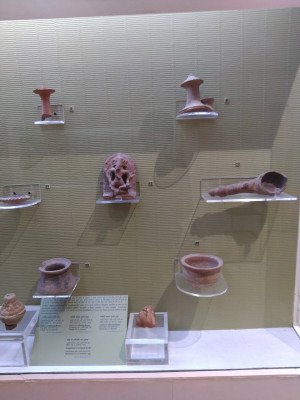
Established in 1917, the Nalanda Archaeological Museum serves as the vital repository for the priceless artifacts unearthed from the excavations of the adjacent Nalanda University Ruins. This museum is crucial for understanding the intellectual, cultural, and artistic life of the world's first residential university, which flourished from the 5th to the 12th centuries CE. The museum's collection is primarily divided into four main galleries and a main hall, showcasing a vast array of stone sculptures, bronzes, terracotta objects, inscriptions, coins, and seals. Key exhibits include exquisite stone images of Buddha, Avalokiteshvara, and other Buddhist and Hindu deities, reflecting the cosmopolitan and tolerant nature of the ancient university. The rare bronze sculptures from the Pala period are especially noteworthy for their sophisticated craftsmanship. By displaying these preserved remnants, the museum breathes life into the brick ruins, allowing visitors to visualize the grandeur and daily existence of the 10,000 students and 2,000 teachers who once resided there. It is an indispensable stop for anyone visiting Nalanda to gain context before or after exploring the extensive ruins site. The museum plays a key role in preserving this UNESCO World Heritage Site's legacy.
Card image cap
Nalanda International Cricket Stadium

The Nalanda International Cricket Stadium is a state-of-the-art stadium located in Rajgir. The stadium is a great place to learn about the history of ...

The Nalanda International Cricket Stadium is a state-of-the-art stadium located in Rajgir. The stadium is a great place to learn about the history of the region and its contribution to the world of sports and recreation. The stadium is a great place to take a moment to reflect on the importance of history and religion.
Card image cap
Nalanda University Archaeological Complex

The Nalanda University Archaeological Complex is the excavated site of the ancient Nalanda University, one of the oldest and most renowned universitie...

The Nalanda University Archaeological Complex is the excavated site of the ancient Nalanda University, one of the oldest and most renowned universities in the world. The complex is spread over a vast area and is a major place of tourist attraction. The university complex had red brick buildings hemmed by gardens. The complex is a great place to learn about the history of the region and its contribution to the world of art and architecture. The complex is also a great place to take a moment to reflect on the importance of history and religion.
Card image cap
Nalanda University Ruins

The Nalanda University Ruins represent the fragmented yet awe-inspiring remains of the ancient Nalanda Mahavihara, the world's first fully residential...

The Nalanda University Ruins represent the fragmented yet awe-inspiring remains of the ancient Nalanda Mahavihara, the world's first fully residential international university and a premier center of Buddhist learning that flourished from the 5th to the 12th centuries CE. This UNESCO World Heritage Site once hosted an estimated 10,000 students and 2,000 teachers from across Asia, including China, Korea, and Tibet, studying a diverse curriculum that included Buddhist scriptures (Mahayana and Hinayana), philosophy, logic, grammar, and medicine. The vast excavated area, covering about 14 hectares (only 10% of the total estimated site), reveals a meticulously planned campus. The architecture consists of a central path running North-South, flanked by a row of monasteries (Viharas) to the East and temples/stupas (Chaityas) to the West. The most prominent structure is Temple No. 3, a colossal stepped structure. The site's destruction in the 12th century by invaders, leading to the burning of its famous nine-story library (Dharmaganja), is a poignant event in global history. Walking through the red-brick ruins, one can still visualize the scale, discipline, and profound intellectual life that once defined this extraordinary institution. The ruins are a powerful symbol of India's ancient educational excellence.
Card image cap
Nav Nalanda Mahavihara

The Nav Nalanda Mahavihara (New Nalanda Great Monastery) is a modern, thriving educational institution established by the Government of Bihar in 1951 ...

The Nav Nalanda Mahavihara (New Nalanda Great Monastery) is a modern, thriving educational institution established by the Government of Bihar in 1951 with the visionary goal of reviving the intellectual glory and academic tradition of the ancient Nalanda University. It is a postgraduate research and teaching center primarily dedicated to Pali language, Buddhism, and ancient Indian philosophy, drawing scholars and students from India and other Buddhist nations like Thailand, Myanmar, and Sri Lanka. The institute initially focused on Pali and Buddhism but has since expanded its curriculum to include subjects like Sanskrit, Tibetan, Chinese, and Comparative Religion. It was granted the status of a Deemed to be University in 2006. The campus is characterized by modern academic buildings, a large library, hostels, and a peaceful environment conducive to research and study. It serves as a living legacy to the ancient university's spirit, promoting international scholarship and cultural exchange, ensuring that the light of learning, once extinguished in the 12th century, shines again in Nalanda. Visitors can feel the academic energy and see the continuation of Nalanda's intellectual mission.
Card image cap
Pandu Pokhar

Pandu Pokhar is a beautiful park and a historical site located in Rajgir. It is believed to be the place where the Pandavas, mythological figures from...

Pandu Pokhar is a beautiful park and a historical site located in Rajgir. It is believed to be the place where the Pandavas, mythological figures from the Mahabharata, used to stay during their exile. The park is a great place to learn about the history of the region and its contribution to the world of sports and recreation. The park's spiritual and peaceful atmosphere provides a perfect setting for a quiet prayer or a moment of reflection. The park is a great destination for those interested in the history of the region and its contribution to the world of art and architecture.
Card image cap
Pawapuri Jal Mandir

The Pawapuri Jal Mandir (Water Temple) is a breathtakingly beautiful and one of the holiest places for Jains worldwide, marking the spot where Lord Ma...

The Pawapuri Jal Mandir (Water Temple) is a breathtakingly beautiful and one of the holiest places for Jains worldwide, marking the spot where Lord Mahavira, the 24th Tirthankara, attained Nirvana (spiritual liberation) in 527 BCE. After his cremation, a large pond formed due to devotees taking soil as a relic. The current white marble temple, appearing to float on the center of this large sacred pond (Kamal Sarovar or Lotus Pond), is a modern masterpiece built in the late 19th century. The temple is accessed via a long, 600-foot stone bridge, which connects it to the mainland. Inside the main sanctum, the idol of Lord Mahavira is venerated. The serene, picturesque environment, with the temple's white structure reflecting perfectly in the surrounding water, creates an atmosphere of profound peace and spiritual contemplation. The site also includes the Samavasaran, the hall where Mahavira is said to have delivered his final sermon, and a small temple marking the spot of his cremation (Samosharan Temple). It is a vital and picturesque stop on the Jain pilgrimage circuit of Bihar and is highly renowned for its unique location and architectural beauty.
Card image cap
Pawapuri

Pawapuri is a sacred pilgrimage site for Jains, located approximately 19 kilometers from Nalanda. The town's name, which translates to "sinless town,"...

Pawapuri is a sacred pilgrimage site for Jains, located approximately 19 kilometers from Nalanda. The town's name, which translates to "sinless town," reflects its profound spiritual importance. This is the place where Lord Mahavira, the 24th and last Tirthankara of Jainism, attained nirvana (salvation) in 527 BCE. The central attraction of Pawapuri is the stunning Jal Mandir (Water Temple), which is set in the middle of a large, beautiful lotus pond. The temple is a serene white marble structure connected to the shore by a 600-foot-long stone bridge. The legend states that after Lord Mahavira's cremation, his followers took away so much of his ashes that a depression was formed, which later became the tank. The temple's tranquil setting, surrounded by the pond's calm waters and blooming lotus flowers, creates an atmosphere of deep peace and contemplation. Besides the main temple, there are other important Jain temples in the area, including the Gaon Mandir and the Samavasaran Temple, all of which are part of the larger pilgrimage circuit.
Card image cap
Rajgir

Rajgir, located about 15 kilometers from Nalanda, is a town of immense historical and religious significance for both Buddhists and Jains. It was the ...

Rajgir, located about 15 kilometers from Nalanda, is a town of immense historical and religious significance for both Buddhists and Jains. It was the first capital of the ancient kingdom of Magadha and a favorite retreat of Lord Buddha. The town is surrounded by seven hills, and many of the hills contain caves where both Buddha and Mahavira are believed to have meditated. The name Rajgir, meaning "House of the King," is a testament to its royal past. The town is a key part of the Buddhist Circuit, as it was here that Buddha delivered many of his sermons, and the first Buddhist Council was held after his death. The most famous sites in Rajgir include the Vishwa Shanti Stupa (World Peace Pagoda) on Ratnagiri Hill, the Gridhakuta Hill (Vulture's Peak) where Buddha gave many teachings, and the ancient ruins of the city itself. The town is also known for its hot springs, which are believed to have therapeutic properties, and the modern glass bridge that offers a unique view of the surrounding forests.
Card image cap
Saptaparni Cave

Saptaparni Cave is a significant Buddhist site located in Rajgir. It is a natural cave that is believed to be the place where the first Buddhist Counc...

Saptaparni Cave is a significant Buddhist site located in Rajgir. It is a natural cave that is believed to be the place where the first Buddhist Council was held after the death of Lord Buddha. The cave is a great place to learn about the history of the region and its contribution to the world of art and architecture. The cave's spiritual and peaceful atmosphere provides a perfect setting for a quiet prayer or a moment of reflection. The cave is a great destination for those interested in Buddhism and its contribution to the world of art and architecture.
Card image cap
Son Bhandar Caves

The Son Bhandar Caves are a pair of ancient rock-cut caves located in Rajgir, near the Vaibhar Hill. The caves are believed to date back to the 3rd an...

The Son Bhandar Caves are a pair of ancient rock-cut caves located in Rajgir, near the Vaibhar Hill. The caves are believed to date back to the 3rd and 4th centuries CE and are associated with both Jainism and Buddhism. The caves are a testament to the advanced architectural and engineering skills of the ancient artisans. The main cave is a rectangular structure with a polished interior and a beautiful facade. The second cave is smaller and has a series of carvings of various deities and figures. The caves are surrounded by a series of myths and legends, and they are a popular destination for tourists and pilgrims. The caves are a great place to learn about the history of the region and its contribution to the world of art and architecture.
Card image cap
Sone Bhandar Caves

The Sone Bhandar Caves, also known as Sonbhandar Caves, are a pair of artificial caves located in Rajgir. The caves are believed to be the place where...

The Sone Bhandar Caves, also known as Sonbhandar Caves, are a pair of artificial caves located in Rajgir. The caves are believed to be the place where a huge amount of gold was hidden by a king. The caves are a great place to learn about the history of the region and its contribution to the world of art and architecture. The caves' spiritual and peaceful atmosphere provides a perfect setting for a quiet prayer or a moment of reflection. The caves are a great destination for those interested in the history of the region and its contribution to the world of art and architecture.
Card image cap
Surya Mandir

The Surya Mandir (Sun Temple) in Bargaon is an ancient and highly revered Hindu temple dedicated to the Sun God, Surya. It is strategically located ne...

The Surya Mandir (Sun Temple) in Bargaon is an ancient and highly revered Hindu temple dedicated to the Sun God, Surya. It is strategically located near the Nalanda University Ruins and the sacred Surajpur Pond (or Surya Pokhar). While the current temple structure is relatively modern, the site itself has immense historical and religious significance, suggesting a long tradition of Sun worship in the Magadha region, possibly predating the flourishing of Nalanda as a major Buddhist center. The temple houses several ancient and intricately carved stone images of Hindu and Buddhist deities, recovered from the local area, suggesting a cultural and religious overlap. The temple is especially famous for being a major center for the celebration of the Chhath Puja, one of Bihar's most important and iconic festivals, dedicated entirely to the Sun God. Devotees flock here in large numbers twice a year, in the Kartik (October/November) and Chaitra (March/April) months, to offer prayers at the sacred pond and the temple. The visit offers a stark contrast between the academic atmosphere of the ruins and the vibrant, living tradition of local Hindu worship.
Card image cap
The Cyclopean Wall

The Cyclopean Wall is a massive stone structure that surrounds the old city of Rajgir. The wall is believed to be over 2,500 years old and is a prime ...

The Cyclopean Wall is a massive stone structure that surrounds the old city of Rajgir. The wall is believed to be over 2,500 years old and is a prime example of ancient engineering. The wall is built without mortar and is a testament to the advanced architectural and engineering skills of the ancient artisans. The wall is a great place to learn about the history of the region and its contribution to the world of art and architecture. The wall is a great place to take a moment to reflect on the importance of history and religion.
Card image cap
The Glass Bridge

The Glass Bridge is a unique and thrilling tourist attraction located in Rajgir. The bridge is a state-of-the-art structure that is a great place to l...

The Glass Bridge is a unique and thrilling tourist attraction located in Rajgir. The bridge is a state-of-the-art structure that is a great place to learn about the history of the region and its contribution to the world of engineering and architecture. The bridge is a great place to take a moment to reflect on the importance of history and religion.
Card image cap
The Great Stupa

The Great Stupa at Nalanda, also commonly referred to as the Sariputra Stupa, is one of the most significant and imposing structures within the Naland...

The Great Stupa at Nalanda, also commonly referred to as the Sariputra Stupa, is one of the most significant and imposing structures within the Nalanda University Ruins complex. Located prominently on the western side of the central path, opposite the long row of monasteries, this massive stepped pyramid structure is believed to have been built over the relics of Sariputra, one of the two chief disciples of the Buddha (Shakyamuni). The stupa's huge dimensions and unique architecture reflect its historical and religious importance. Like Temple No. 3, it was built in multiple phases over several centuries, each layer reflecting the architectural styles and artistic flourishes of the time, most notably the Gupta and Pala periods (5th-12th centuries CE). Its base is surrounded by smaller votive stupas donated by pilgrims and monks. The colossal structure is a key visual landmark of the ruins, symbolizing the monumental scale of patronage and the profound reverence for Sariputra and the Buddha's teachings at the great Mahavihara. Visitors often mistake it for Temple No. 3 due to its similar stepped, pyramidal form. It is an essential site for pilgrims and anyone seeking to grasp the monumental scale of Nalanda's ancient faith.
Card image cap
The Hot Springs

The Hot Springs, also known as Brahmkund, are a natural spring complex located in Rajgir. The springs are believed to have medicinal properties and ar...

The Hot Springs, also known as Brahmkund, are a natural spring complex located in Rajgir. The springs are believed to have medicinal properties and are a major draw for pilgrims and tourists. The springs are a beautiful and serene place that attracts a large number of devotees from all over the world. The springs' spiritual and peaceful atmosphere provides a perfect setting for a quiet prayer or a moment of reflection. The springs are a great destination for those interested in the history of the region and its contribution to the world of art and architecture.
Card image cap
The Ropeway

The Ropeway is a unique and thrilling tourist attraction located in Rajgir. It is an aerial chairlift that takes visitors to the top of Ratnagiri Hill...

The Ropeway is a unique and thrilling tourist attraction located in Rajgir. It is an aerial chairlift that takes visitors to the top of Ratnagiri Hill, where the Vishwa Shanti Stupa (World Peace Pagoda) is located. The ropeway is a great way to enjoy the panoramic views of the entire valley, including the surrounding hills and forests. The ropeway is a great place to learn about the history of the region and its contribution to the world of engineering and architecture. The ropeway is also a great place to take a moment to reflect on the importance of history and religion.
Card image cap
Tomb of Malik Ibrahim Vaya

The Tomb of Malik Ibrahim Vaya, also known as Bari Dargah, is a significant historical and religious site in Bihar Sharif. It is the mausoleum of Mali...

The Tomb of Malik Ibrahim Vaya, also known as Bari Dargah, is a significant historical and religious site in Bihar Sharif. It is the mausoleum of Malik Ibrahim Bayu, a revered Sufi saint and a military general who served under the Tughlaq dynasty in the 14th century. The tomb is an important pilgrimage site for both Muslims and Hindus, reflecting the syncretic spiritual traditions of the region. Malik Ibrahim Vaya was a notable figure who played a crucial role in the administration and military affairs of the Delhi Sultanate in the region. His tomb is a testament to the influence of Sufi saints in medieval India and their role in promoting peace and harmony among different communities. The site is a great place to experience the spiritual and cultural heritage of Nalanda.
Card image cap
Veerayatan

Veerayatan is a prominent Jain and spiritual center located in Rajgir. It was established by the revered Jain Acharya, Sadhvi Shri Chandana, and it is...

Veerayatan is a prominent Jain and spiritual center located in Rajgir. It was established by the revered Jain Acharya, Sadhvi Shri Chandana, and it is a unique blend of a spiritual center, a museum, and a center for social service. The center is a great place to learn about the history of the Jain community and its contribution to the world of art and architecture. The center's spiritual and peaceful atmosphere provides a perfect setting for a quiet prayer or a moment of reflection. The center is a great destination for those interested in Jainism and its contribution to the world of art and architecture.
Card image cap
Venu Van

Venu Van is an ancient park located in Rajgir. It is believed to be the place where Lord Buddha used to meditate and give sermons to his disciples. Th...

Venu Van is an ancient park located in Rajgir. It is believed to be the place where Lord Buddha used to meditate and give sermons to his disciples. The park is a beautiful and serene place that attracts a large number of devotees from all over the world. The park's spiritual and peaceful atmosphere provides a perfect setting for a quiet prayer or a moment of reflection. The park is a great destination for those interested in Buddhism and its contribution to the world of art and architecture.
Show All

Note:-

Information provided here in good Faith and for reference only.

All information and pictures will be updated soon, please keep visiting.

Near Places

...
Araria

Some quick example text to build on the card title and make up the bulk of the card's content.

Go somewhere
...
Arwal

Some quick example text to build on the card title and make up the bulk of the card's content.

Go somewhere
...
Banka

Some quick example text to build on the card title and make up the bulk of the card's content.

Go somewhere
...
Begusarai

Some quick example text to build on the card title and make up the bulk of the card's content.

Go somewhere
...
Bhagalpur

Some quick example text to build on the card title and make up the bulk of the card's content.

Go somewhere
...
Bhojpur

Some quick example text to build on the card title and make up the bulk of the card's content.

Go somewhere
...
Bihar Sharif

Some quick example text to build on the card title and make up the bulk of the card's content.

Go somewhere
...
Bodh Gaya

Some quick example text to build on the card title and make up the bulk of the card's content.

Go somewhere
...
Buxar

Some quick example text to build on the card title and make up the bulk of the card's content.

Go somewhere
...
Champaran

Some quick example text to build on the card title and make up the bulk of the card's content.

Go somewhere
in Other Cities