...

Place To Visit And Things To Do In Rajgir

Bihar, India
Place Details: Rajgir, anciently known as Rajagriha, was the first capital of the mighty Magadha Empire and is nestled in a lush valley surrounded by five majestic hills: Ratnagiri, Vipulachal, Vaibhagiri, Songiri, and Udaygiri. It is a major spiritual hub for Buddhists, Jains, and Hindus alike. Lor d Buddha spent many years here, delivering sermons on the Gridhakuta Hill, while Lord Mahavira also spent significant time in the region. The city is famous for its natural hot springs (Brahmakund), which are believed to have medicinal properties. Modern Rajgir has evolved into a top-tier tourist destination with the addition of the Glass Floor Bridge and Zoo Safari, making it a blend of ancient heritage and modern adventure. The historical ruins, such as the Cyclopean Wall and Bimbisara Jail, tell tales of ancient Indian royalty and the transition of power during the Mauryan era.

Things To Do

Card image cap
Ajatshatru Fort

The Ajatshatru Fort is an ancient historical monument in Rajgir, believed to have been constructed by King Ajatshatru of the Magadha Empire around the...

The Ajatshatru Fort is an ancient historical monument in Rajgir, believed to have been constructed by King Ajatshatru of the Magadha Empire around the 6th century BCE, making it over 2500 years old. It served as a strategic military outpost and possibly a royal residence. The fort's construction is contemporary to the time of Lord Buddha and is considered one of the oldest known forts in India. It is primarily a ruin now, but its foundational structure speaks volumes of the military engineering of the pre-Mauryan era. The fort is closely linked with the tragic tale of King Bimbisara's imprisonment, whose jail, Bimbisara's Jail, is situated within the fort complex, allowing him a final view of Lord Buddha on Griddhakuta Hill. The site is a major attraction for historians, archaeologists, and general tourists interested in the early history of India and the life of Buddha. The remaining structures are large, imposing stone walls that define the original rectangular perimeter. It offers a tangible connection to the powerful Magadha kingdom and the dynastic struggles of its rulers. The sheer scale of the original fortification, even in ruins, inspires awe and contemplation on the rise and fall of ancient empires. Visitors can walk through the remains and imagine the daily life and strategic importance of this historical stronghold, a place where India's political and religious history dramatically converged. The fort’s location was strategically chosen amidst the hills, giving it a natural defense advantage. The ruins primarily consist of massive stone foundation walls and remnants of the corner towers, offering a unique opportunity to study early Indian fortification techniques and political history. The site often hosts archaeological teams who study the various layers of history embedded in its ruins, providing continuous new insights into this pivotal period of history. This extensive ruin represents a significant chapter in the political landscape of ancient India when the Magadha empire was at its zenith, setting the stage for subsequent great empires like the Mauryas.
Card image cap
Bimbisara's Jail

Bimbisara's Jail is a deeply symbolic and poignant historical ruin located on a small hillock that is considered part of the Ajatshatru Fort complex i...

Bimbisara's Jail is a deeply symbolic and poignant historical ruin located on a small hillock that is considered part of the Ajatshatru Fort complex in Rajgir. It is the legendary spot where King Bimbisara (c. 558–491 BCE), a contemporary and great patron of Lord Buddha, was imprisoned by his own son, Ajatshatru. The historical accounts state that the captive king was allowed to choose the place of his confinement, and he deliberately selected this spot because it offered him a clear, distant view of Griddhakuta Hill (Vulture's Peak). This was the location where Lord Buddha often stayed and delivered his sermons. The ruin itself is a simple, rectangular stone structure, now mostly reduced to its foundation and lower walls, situated in an open, contemplative area. The view of Vulture's Peak remains unobstructed to this day, making the historical tale feel vividly real to the visitor. The site embodies the dramatic intersection of royal power struggles, historical tragedy, and profound spiritual devotion. It serves as a reminder of the fleeting nature of temporal power and the enduring strength of faith. Tourists visit not for grand architecture, but for the profound historical and spiritual narrative attached to the site, reflecting on the king's final, chosen act of devotion. The area is serene, offering a quiet space for contemplation away from the bustle of the main town. The surrounding hills contribute to the scenic beauty, enhancing the historical atmosphere. This place is significant in the history of both Magadha and early Buddhism.
Card image cap
Brahma Kund

@@Historical and Spiritual Essence: Brahma Kund is the most revered among the several hot springs in Rajgir. Legend says Lord Brahma himself created t...

@@Historical and Spiritual Essence: Brahma Kund is the most revered among the several hot springs in Rajgir. Legend says Lord Brahma himself created this spring, and it remains a focal point for Hindu, Buddhist, and Jain pilgrims. The water is consistently hot, around 45°C to 50°C, due to geothermal activity beneath the Vaibhava Hill. Devotees believe that a dip in these waters can wash away sins and cure chronic skin diseases and joint pains. It is a place where ancient faith meets natural wonder, nestled amidst the rugged beauty of the Seven Hills.
Card image cap
Brahmkund Hot Springs

The Brahmkund Hot Springs are a major attraction in Rajgir, known for their therapeutic and spiritual properties. The hot springs, also known as Brahm...

The Brahmkund Hot Springs are a major attraction in Rajgir, known for their therapeutic and spiritual properties. The hot springs, also known as Brahmkund, are a natural phenomenon where a series of thermal springs emerge from the Vebhar Hill. The water in these springs is believed to be rich in minerals with healing properties for various skin ailments and joint pain. The hot springs are revered by Hindus and are a popular pilgrimage site, with many visitors taking a holy dip to cleanse their bodies and souls. The springs are surrounded by temples and a flight of stairs that lead to the bathing area. The water flows from a small cave and is channeled into a series of open-air pools for public use. The site is a unique blend of natural wonder and religious tradition, attracting a large number of devotees and tourists. The hot springs are an excellent place to relax and unwind after a long day of sightseeing.
Card image cap
Chariot Tracks

The Chariot Tracks, locally known as Rath Ke Nishan, are a set of remarkable geological and archaeological features in Rajgir. They consist of two dee...

The Chariot Tracks, locally known as Rath Ke Nishan, are a set of remarkable geological and archaeological features in Rajgir. They consist of two deep, parallel ruts carved into a hard volcanic rock surface, extending for about 30 feet. Folklore strongly connects these marks to the epic Mahabharata period, specifically suggesting they were made by the chariot of Lord Krishna when he arrived in Rajgir to challenge Jarasandha, the powerful King of Magadha. The marks are incredibly precise and deeply impressed, leading to the legend that the speed and divine power of Krishna's chariot "burned" the tracks into the rock. The area is also significant for the presence of enigmatic, undeciphered inscriptions, sometimes referred to as 'shell script' or Shankhalipi, which are etched into the rock around the tracks. These inscriptions date roughly from the 1st to 5th centuries CE and add an extra layer of archaeological mystery to the site. The tracks are a significant point of interest for both Hindu devotees, who revere the link to the Mahabharata, and archaeologists/geologists, who debate their true origin—whether they are man-made ruts, geological formations, or indeed ancient cart tracks used for transportation. The site sits in a scenic, rugged area, often visited alongside Jarasandha's Akhara, making it a double attraction. The scientific mystery and the vivid folklore converge here, offering a unique historical debate.
Card image cap
Cyclopean Wall

The Cyclopean Wall of Rajgir is an imposing 40-kilometer-long stone fortification that once completely encircled the ancient city of Rajagriha, the ca...
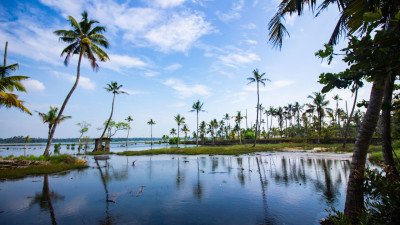
The Cyclopean Wall of Rajgir is an imposing 40-kilometer-long stone fortification that once completely encircled the ancient city of Rajagriha, the capital of the powerful Magadha kingdom. Built without any mortar, using colossal, undressed stones fitted together—a construction style known as cyclopean masonry—it is one of the oldest extant pre-Mauryan structures in India, dating back to between the 6th and 4th centuries BCE. The wall's primary purpose was to protect the capital city from external enemies and invaders, making it a masterpiece of ancient military engineering and urban planning. Though much of the original wall has succumbed to time and erosion, significant portions remain, particularly in the hilly areas surrounding Rajgir. These remaining sections stand as a powerful testament to the military and architectural capabilities of the early Magadha rulers, particularly King Bimbisara and his son, Ajatshatru. It is a proposed UNESCO World Heritage Site and a must-visit for anyone interested in ancient defensive structures and the history of the Magadha Empire. The scale is breathtaking, demonstrating an immense collective effort and strategic foresight in defending the city, which was crucial to the rise of the first great Indian empires. Walking along its remnants offers a literal journey through pre-classical Indian history, providing panoramic views of the entire valley.
Card image cap
Digambar Jain Temple

The Digambar Jain Temple is a temple located in Rajgir. It is a great place to learn about the history of the Jain community and its contribution to t...

The Digambar Jain Temple is a temple located in Rajgir. It is a great place to learn about the history of the Jain community and its contribution to the world of art and architecture. The temple's spiritual and peaceful atmosphere provides a perfect setting for a quiet prayer or a moment of reflection. The temple is a great destination for those interested in the history of the region and its contribution to the world of art and architecture. The temple is also home to a series of beautiful sculptures and paintings that are a testament to the high level of artistry and craftsmanship of the artisans. The temple is a unique blend of modern architecture and ancient spiritual traditions.
Card image cap
Ghora Katora Lake

Ghora Katora Lake is a stunning natural lake nestled in a valley surrounded by five picturesque hills of Rajgir. Its name, literally meaning "Horse Bo...

Ghora Katora Lake is a stunning natural lake nestled in a valley surrounded by five picturesque hills of Rajgir. Its name, literally meaning "Horse Bowl," is derived from its unique shape, which is said to resemble a horse's drinking trough, and the local legend that the war horses of the Magadha kings, including those of Bimbisara and possibly Jarasandha, were brought here to drink water. The lake is famous for its tranquil, pristine environment and is a designated 'pollution-free zone,' accessible only by horse-drawn carriages (tongas) or bicycles, which ensures a peaceful experience away from vehicular traffic noise. The centerpiece of the lake is a magnificent, towering statue of Lord Buddha standing on a small island, adding a profound spiritual dimension to the natural beauty. It has become a premier tourist destination for nature lovers, photographers, and those seeking quiet reflection. The surrounding lush greenery and the clear water reflecting the sky and the hills create a mesmerizing, postcard-perfect landscape. The lake is fed by natural water sources and is a hub for local recreational activities and picnics. The combined beauty of nature, history, and spirituality makes it a uniquely serene destination within the historical city of Rajgir.
Card image cap
Glass Bridge

@@Modern Engineering Marvel: The Glass Bridge in Rajgir is Bihar’s first and India’s second skywalk of its kind. Perched at a height of 250 feet, ...

@@Modern Engineering Marvel: The Glass Bridge in Rajgir is Bihar’s first and India’s second skywalk of its kind. Perched at a height of 250 feet, it offers a breathtaking view of the surrounding Nature Safari and the dense greenery of the Vaibhavgiri and Songiri mountains. It was built to boost eco-tourism and provide an adrenaline rush to visitors. Walking on the transparent floor makes you feel like you are floating over the valley, creating a unique mix of fear and excitement. The bridge is part of a larger 500-hectare safari park that protects the local wildlife and flora.
Card image cap
Griddhakuta Hill

Griddhakuta Hill, also famously known as Vulture's Peak or the Holy Eagle Peak, is arguably the most sacred and significant Buddhist site in Rajgir. I...

Griddhakuta Hill, also famously known as Vulture's Peak or the Holy Eagle Peak, is arguably the most sacred and significant Buddhist site in Rajgir. It is named for its shape, which resembles a perched vulture or eagle with folded wings. This hill was Lord Buddha's favorite retreat location in Rajagriha and the place where he spent many rainy seasons and delivered some of his most profound and pivotal sermons, including the Lotus Sutra and the Heart Sutra. The peak is a site of immense spiritual importance, considered the second most holy place of Buddhism after the Maha Bodhi Temple in Bodh Gaya. Access to the peak is an adventure itself, either via a thrilling single-seated aerial ropeway or by a steep, historically significant trekking path. At the top, in addition to the ruins of an ancient monastery and stupas, sits the stunning, pure white modern structure of the Vishwa Shanti Stupa (Peace Pagoda), built by the Japanese Nipponzan Myohoji order. The climb and the panoramic view from the summit offer a deeply moving and rewarding experience, combining strenuous effort with spiritual reflection. The site is a key destination for Buddhist pilgrims from across the globe, offering a powerful connection to the early life and teachings of Lord Buddha.
Card image cap
Hot Springs

The Hot Springs, also known as Saptadhara Kund or Brahmakund, are a cluster of natural thermal springs revered by Hindus, Buddhists, and Jains for the...

The Hot Springs, also known as Saptadhara Kund or Brahmakund, are a cluster of natural thermal springs revered by Hindus, Buddhists, and Jains for their medicinal and sacred properties. These springs are believed to have originated from the Saptaparni Caves and are said to contain minerals that can cure various skin ailments. Located at the base of Vaibhara Hill, the springs have been channeled into a series of open-air and enclosed bathing pools. The main spring, Brahmakund, is the most sacred and is believed to have been visited by Lord Buddha and Lord Mahavira. The site is a popular pilgrimage spot, with devotees taking a holy dip to cleanse their bodies and souls. The atmosphere is a unique blend of spiritual devotion and natural wellness. The area is bustling with pilgrims and tourists, yet it maintains a sense of tranquility and spiritual energy. The constant flow of hot, mineral-rich water is a natural marvel and a testament to the geological wonders of the region. The surrounding temples and shrines add to the religious significance, with vendors selling ritualistic articles and souvenirs. The hot springs offer a perfect opportunity for visitors to relax and rejuvenate after a day of exploring the ancient ruins. The site is a living example of how natural wonders have been woven into the spiritual fabric of the community for centuries.
Card image cap
Jalmandir

@@Sanctity in the Middle of Water: Jalmandir is a world-renowned Jain temple located in Pawapuri. It is built on the spot where Lord Mahavira, the 24t...

@@Sanctity in the Middle of Water: Jalmandir is a world-renowned Jain temple located in Pawapuri. It is built on the spot where Lord Mahavira, the 24th Tirthankara, attained Nirvana in 527 BCE. The name literally translates to "Water Temple" because it is situated in the middle of a vast lake filled with red lotuses. Legend says that the demand for the holy ashes of Lord Mahavira was so high that a large amount of soil was scooped out from around his funeral pyre, eventually creating this massive pond. It is a place of profound silence and spiritual purity.
Card image cap
Japanese Temple

The Japanese Temple, officially known as Indosan Nipponji Temple, is a beautiful and serene Buddhist temple located at the base of the Ratnagiri Hill,...

The Japanese Temple, officially known as Indosan Nipponji Temple, is a beautiful and serene Buddhist temple located at the base of the Ratnagiri Hill, near the ropeway station. It was built by the Japanese Buddhist organization Nipponzan-Myohoji to strengthen the cultural and spiritual ties between Japan and India. The temple's architecture is a striking blend of traditional Japanese and Indian styles, with a focus on simplicity and harmony with nature. It features a beautiful white marble statue of Lord Buddha, a small pagoda, and a lush green garden. The temple serves as a center for meditation, prayer, and cultural exchange. The peaceful atmosphere, coupled with the intricate details of the temple's design, offers a tranquil escape for visitors. It is an active monastery, and visitors can often see Japanese monks in their traditional robes. The temple's well-maintained surroundings, including a small pond and manicured lawns, add to its serene ambiance. The temple is a must-visit for those interested in Buddhism, Japanese culture, or simply seeking a peaceful place for quiet contemplation. The temple is a symbol of the enduring message of peace and compassion spread by Lord Buddha and the strong spiritual connection between Japan and India.
Card image cap
Jarasandha's Akhara

Jarasandha's Akhara, meaning "Wrestling Arena," is a site steeped in the mythology of the Hindu epic Mahabharata. This open, natural arena at the foot...

Jarasandha's Akhara, meaning "Wrestling Arena," is a site steeped in the mythology of the Hindu epic Mahabharata. This open, natural arena at the foothills of the Rajgir hills is traditionally identified as the training and battleground of King Jarasandha, the powerful, formidable King of Magadha and an ally of the Kauravas. The site is most famous as the legendary location of the epic wrestling duel between Jarasandha and the Pandava brother Bhima, a crucial event orchestrated by Lord Krishna that ultimately led to Jarasandha's death and a turning point in the epic's narrative. The actual 'akhara' is an open, roughly circular or rectangular patch of flat land, surrounded by slight natural slopes or remnants of stone structures, which might have served as spectator seating or a formal wrestling pit. Although much of the structure is ruined, the historical and mythological significance is immense, drawing visitors interested in the Mahabharata and ancient Indian martial traditions. The area is tranquil, offering a vivid contrast between the site's violent past and its current peaceful setting. Located in a scenic area, it complements the visit to the nearby Chariot Tracks, completing the mythical circuit.
Card image cap
Jivaka's Mango Garden

Jivaka's Mango Garden, also known by its Pali name Jivakameavan Vihara, is an immensely significant ancient Buddhist archaeological site in Rajgir. It...
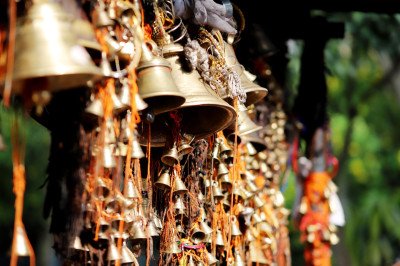
Jivaka's Mango Garden, also known by its Pali name Jivakameavan Vihara, is an immensely significant ancient Buddhist archaeological site in Rajgir. It was originally a mango orchard gifted to the Buddhist Sangha by Jivaka, the renowned royal physician who served King Bimbisara and was a contemporary of Lord Buddha. Jivaka constructed an early monastery (vihara) and a sanatorium on this land, which is historically famous as the place where Lord Buddha was treated after he sustained an injury, allegedly at the hands of his jealous cousin, Devadatta. This makes the garden a pivotal site in the history of medicine and early monasticism in India. The ruins are primarily the foundations of the ancient monastery, which is notable for its unique oblong communal halls (dormitories), a style very different from later quadrangular viharas. The site dates back to the 6th-5th century BCE and is one of the earliest known monastic complexes in the country. Today, the garden is a tranquil, peaceful spot marked by these low-lying brick and rubble foundations, offering a strong, tangible link to the Buddha's physical life and the development of the early Buddhist monastic order. It is an essential stop for pilgrims and archaeologists alike, appreciating its dual significance in religion and history.
Card image cap
Kundalpur Jain Temple

@@A Pilgrimage of Peace: This temple marks the birthplace of Lord Mahavira according to the Digambar tradition. The entire village of Kundalpur is con...

@@A Pilgrimage of Peace: This temple marks the birthplace of Lord Mahavira according to the Digambar tradition. The entire village of Kundalpur is considered holy, with several temples dotting the landscape. The main temple is a massive structure that serves as a center for meditation and spiritual discourse. It is surrounded by the ruins of the ancient past, giving it a unique historical context. Thousands of devotees visit this site to pay homage to the teacher who spread the message of Ahimsa (non-violence). The environment is incredibly serene, making it a perfect spot for those seeking mental peace.
Card image cap
Kundalpur

@@Birthplace of a Tirthankara: Kundalpur is believed by the Digambar Jain sect to be the birthplace of the 24th Tirthankara, Lord Mahavira. It is a se...

@@Birthplace of a Tirthankara: Kundalpur is believed by the Digambar Jain sect to be the birthplace of the 24th Tirthankara, Lord Mahavira. It is a serene village located very close to the ancient Nalanda University. The site is marked by a majestic temple complex that serves as a beacon of peace and spiritual learning. Historical texts suggest that this was the ancient "Kundagrama." The area is dotted with beautiful temples and a sacred pond, making it a vital stop on the Jain circuit of Bihar. It offers a glimpse into the early life of the great teacher.
Card image cap
Makhdum Kund

Makhdum Kund is a famous sacred hot spring and shrine in Rajgir, renowned for its perpetually hot, therapeutic water and its unique significance as a ...

Makhdum Kund is a famous sacred hot spring and shrine in Rajgir, renowned for its perpetually hot, therapeutic water and its unique significance as a place of harmony between different faiths. The kund (water tank) is named after the Sufi saint Hazrat Makhdum Shah, who is believed to have lived and meditated here in the 13th century. The shrine and the hot spring are revered by both Muslims and Hindus, who visit to pay their respects and, more importantly, to bathe in the water. The water of the kund, which is naturally warm year-round, is believed to possess medicinal and curative properties, attracting devotees seeking relief from various ailments. The source of the hot water is a natural underground fissure, a phenomenon common in the Rajgir hills. The site is a complex featuring a mosque, a dharamsala (rest house), and the main hot water reservoir, showcasing a beautiful blend of spiritual devotion, thermal geology, and historical Sufi influence in the region. The peaceful coexistence of faith and the curative nature of the water make it a special, frequently visited spot, offering both spiritual solace and physical therapy. It is a vital stop for pilgrims and a popular place for locals to take a ritual bath.
Card image cap
Maniyar Math

Maniyar Math is a historical and religious site located in Rajgir. It is an ancient well that is revered by both Hindus and Jains. The site is a great...

Maniyar Math is a historical and religious site located in Rajgir. It is an ancient well that is revered by both Hindus and Jains. The site is a great place to learn about the history of the region and its contribution to the world of art and architecture. The site's spiritual and peaceful atmosphere provides a perfect setting for a quiet prayer or a moment of reflection. The site is a great destination for those interested in the history of the region and its contribution to the world of art and architecture. The site is also home to a series of beautiful sculptures and paintings that are a testament to the high level of artistry and craftsmanship of the artisans.
Card image cap
Maniyar Matth

Maniyar Matth is a fascinating, historically layered site in Rajgir that stands out for its multi-faith history and unique architectural form. The sit...

Maniyar Matth is a fascinating, historically layered site in Rajgir that stands out for its multi-faith history and unique architectural form. The site is a deep, circular well or structure, upon which a modern-era Jain Temple has been partially constructed. Archaeologically, it dates back to the Gupta Period (4th-6th Century CE) and potentially earlier. It is believed to have been an ancient shrine dedicated to the worship of Naga Salibadra, a serpent deity, giving it a strong connection to ancient indigenous religious practices. Over centuries, the site has been significant to multiple religions: it is cited as the Nirmana Koop (well of salvation) for a Jain Queen and King, a Yajna (sacrificial) site during the Buddhist era, and later featured stucco images of Hindu deities like Shiva and Ganesha discovered during its excavation. The name 'Matth' suggests it was a monastery or religious complex. The ruins of the cylindrical brick structure are what remain of the Gupta-era construction, offering a unique example of that period's religious architecture. Today, it is a protected archaeological site, valued for its complex religious history and for bridging Hindu, Jain, and early Buddhist traditions.
Card image cap
Pandu Pokhar

Pandu Pokhar is a beautiful and historically significant tourist destination in Rajgir. It is a sprawling park and lake complex that combines historic...

Pandu Pokhar is a beautiful and historically significant tourist destination in Rajgir. It is a sprawling park and lake complex that combines historical legend with modern recreational facilities. The name "Pandu Pokhar" literally translates to "Pandu's Pond," and it is believed to be the place where the Pandavas, the legendary heroes of the Hindu epic Mahabharata, stayed during their exile. The park is spread over a vast area and is a great place to learn about the history of the region and its contribution to the world of sports and recreation. The park's spiritual and peaceful atmosphere provides a perfect setting for a quiet prayer or a moment of reflection. The park is a great destination for those interested in the history of the region and its contribution to the world of art and architecture. The park is also home to a series of beautiful sculptures and paintings that are a testament to the high level of artistry and craftsmanship of the artisans. The park is a unique blend of modern architecture and ancient spiritual traditions. The park is also a great place to take a leisurely stroll and to have a picnic with family and friends. The park is also a great place to take a moment to reflect on the importance of history and religion.
Card image cap
Pant Wildlife Sanctuary

The Pant Wildlife Sanctuary is a wildlife sanctuary located in Rajgir. It is a great place to learn about the history of the region and its contributi...

The Pant Wildlife Sanctuary is a wildlife sanctuary located in Rajgir. It is a great place to learn about the history of the region and its contribution to the world of wildlife and conservation. The sanctuary is spread over a vast area and is home to a variety of flora and fauna, including a variety of animals and birds. The sanctuary's spiritual and peaceful atmosphere provides a perfect setting for a quiet prayer or a moment of reflection. The sanctuary is a great destination for those interested in the history of the region and its contribution to the world of art and architecture. The sanctuary is also home to a series of beautiful sculptures and paintings that are a testament to the high level of artistry and craftsmanship of the artisans. The sanctuary is a unique blend of modern architecture and ancient spiritual traditions.
Card image cap
Pippala Cave

Pippala Cave is an ancient cave located on the slopes of Vaibhara Hill, near the hot springs. The cave is believed to be the place where Lord Buddha o...

Pippala Cave is an ancient cave located on the slopes of Vaibhara Hill, near the hot springs. The cave is believed to be the place where Lord Buddha often meditated after his midday meals. It is also believed to be the place where the First Buddhist Council was held after the death of Lord Buddha. The cave is a natural rock formation that has been carved to create a small, simple dwelling. The cave's spiritual and peaceful atmosphere provides a perfect setting for a quiet prayer or a moment of reflection. The cave is a great destination for those interested in the history of the region and its contribution to the world of art and architecture. The cave is also home to a series of beautiful sculptures and paintings that are a testament to the high level of artistry and craftsmanship of the artisans. The cave is a unique blend of modern architecture and ancient spiritual traditions. The cave is a great place to take a moment to reflect on the importance of history and religion.
Card image cap
Rajgir Nature Safari and Glass Bridge

The Rajgir Nature Safari and Glass Bridge is a modern tourist attraction that combines adventure with nature. The safari is spread over a vast area an...

The Rajgir Nature Safari and Glass Bridge is a modern tourist attraction that combines adventure with nature. The safari is spread over a vast area and is home to a variety of flora and fauna, including a variety of animals and birds. The glass bridge is a unique and thrilling experience that takes visitors to a height of 85 feet and offers a panoramic view of the surrounding hills and forests. The bridge is a great place to learn about the history of the region and its contribution to the world of engineering and architecture. The bridge is also a great place to take a moment to reflect on the importance of history and religion. The bridge is a unique blend of modern architecture and ancient spiritual traditions.
Card image cap
Rajgir Nature Safari

@@Sub Place Details: The Rajgir Nature Safari is a world-class eco-tourism destination that has quickly become the crown jewel of Bihar tourism. Launc...

@@Sub Place Details: The Rajgir Nature Safari is a world-class eco-tourism destination that has quickly become the crown jewel of Bihar tourism. Launched to provide a blend of thrill and environmental education, it is spread over a massive 500 hectares of lush forest land. The highlight of this place is the Glass Bridge, which is the first of its kind in India, offering visitors a spine-chilling yet exhilarating view of the valley below from a height of several hundred feet. Apart from the glass walk, the safari offers a range of adventure activities such as Zip-lining, Sky Biking, and Archery. The park is designed to be eco-friendly, using battery-operated vehicles to transport visitors, thereby minimizing the carbon footprint. The Nature Safari also features a Butterfly Park, an Aviary, and a Cactus Garden, making it a hit for families with children. The landscaping is done meticulously to showcase the native flora of the Rajgir hills. For those seeking peace, there are dedicated Meditation zones and wooden Cottages where one can stay overnight to experience the forest's nocturnal sounds. The safari serves as an interpretation center where tourists can learn about the local ecosystem and the importance of forest conservation. The staff is well-trained to ensure safety during adventure sports. The entire project was envisioned to boost international tourism in Rajgir, and it has succeeded in drawing crowds from all over the world. The combination of modern engineering like the Suspension Bridge and the raw beauty of the Rajgir wildlife makes it a must-visit. Visitors are encouraged to book tickets online in advance, as the popularity of the Glass Bridge often leads to long queues. It is not just an adventure park; it is a statement of Bihar's commitment to sustainable tourism and natural heritage preservation.
Card image cap
Rajgir Ropeway

@@Sub Place Details: The Rajgir Ropeway, often referred to as the Chairlift, is one of the oldest and most iconic ropeways in India. It serves as the ...

@@Sub Place Details: The Rajgir Ropeway, often referred to as the Chairlift, is one of the oldest and most iconic ropeways in India. It serves as the primary mode of transport for pilgrims and tourists heading to the Vishwa Shanti Stupa (World Peace Pagoda) located atop the Ratnagiri Hill. The ropeway offers a thrilling single-seater chairlift experience that takes you over the dense forests of the Pant Wildlife Sanctuary. As you ascend, the panoramic views of the five hills of Rajgir—Ratnagiri, Vipulgiri, Vaibhavgiri, Songiri, and Udaygiri—unfold in a breathtaking manner. The ride is approximately 7-10 minutes long and reaches a significant height, providing a bird's-eye view of the ancient city's ruins and the surrounding valley. Historically, the ropeway was a gift from the Japanese government to facilitate access to the Peace Pagoda, which was built to spread the message of non-violence. In recent years, a new cabin-style ropeway has also been introduced to accommodate more passengers and provide a more stable ride for the elderly. The chairlift remains a favorite for adventure lovers who enjoy the wind in their hair and the feeling of dangling above the trees. At the top, besides the stupa, there are several small temples and viewpoints. The experience is not just about the destination but the journey itself, offering a unique perspective on the geography of the Magadha region. The ropeway is managed by the Bihar State Tourism Development Corporation (BSTDC), ensuring regular maintenance and safety checks. It is a vital link in the Buddhist Circuit, connecting the valley to the sacred peaks where Lord Buddha once meditated. For anyone visiting Rajgir, the ropeway ride is considered a quintessential experience that combines religious devotion with a dash of adrenaline.
Card image cap
Saptaparni Caves

The Saptaparni Caves are a set of ancient caves located on the slopes of Vebhar Hill in Rajgir. The caves are an important pilgrimage site for Buddhis...

The Saptaparni Caves are a set of ancient caves located on the slopes of Vebhar Hill in Rajgir. The caves are an important pilgrimage site for Buddhists, as it is believed that the First Buddhist Council was held here after the death of Lord Buddha. The caves are a great place to learn about the history of the region and its contribution to the world of art and architecture. The caves' spiritual and peaceful atmosphere provides a perfect setting for a quiet prayer or a moment of reflection. The caves are a great destination for those interested in the history of the region and its contribution to the world of art and architecture. The caves are also home to a series of beautiful sculptures and paintings that are a testament to the high level of artistry and craftsmanship of the artisans. The caves are a unique blend of modern architecture and ancient spiritual traditions.
Card image cap
Shri Krishna Chariot Wheel Marks

The Shree Krishna Chariot Wheel Marks are a historical site located in Rajgir. It is believed to be the place where Lord Krishna and Arjuna, heroes fr...

The Shree Krishna Chariot Wheel Marks are a historical site located in Rajgir. It is believed to be the place where Lord Krishna and Arjuna, heroes from the Mahabharata, rode a chariot to meet the king of Magadha. The site is a great place to learn about the history of the region and its contribution to the world of sports and recreation. The site's spiritual and peaceful atmosphere provides a perfect setting for a quiet prayer or a moment of reflection. The site is a great destination for those interested in the history of the region and its contribution to the world of art and architecture. The site is also home to a series of beautiful sculptures and paintings that are a testament to the high level of artistry and craftsmanship of the artisans.
Card image cap
Son Bhandar Caves

The Son Bhandar Caves are a pair of artificial caves located in Rajgir. The caves are believed to be the place where a huge amount of gold was hidden ...

The Son Bhandar Caves are a pair of artificial caves located in Rajgir. The caves are believed to be the place where a huge amount of gold was hidden by a king. The caves are a great place to learn about the history of the region and its contribution to the world of art and architecture. The caves' spiritual and peaceful atmosphere provides a perfect setting for a quiet prayer or a moment of reflection. The caves are a great destination for those interested in the history of the region and its contribution to the world of art and architecture. The caves are also home to a series of beautiful sculptures and paintings that are a testament to the high level of artistry and craftsmanship of the artisans. The caves are a unique blend of modern architecture and ancient spiritual traditions.
Card image cap
Sone Bhandar Caves

@@Sub Place Details: The Sone Bhandar Caves, which literally translates to "Storehouse of Gold," are two artificial rock-cut caves dating back to the ...

@@Sub Place Details: The Sone Bhandar Caves, which literally translates to "Storehouse of Gold," are two artificial rock-cut caves dating back to the 3rd or 4th Century CE. These caves are shrouded in mystery and local folklore, as many believe they contain the hidden treasures of King Bimbisara. According to legend, the gold is hidden behind a sealed stone wall inside the main cave, and there is an ancient inscription in Brahmi script that supposedly contains the "password" to open the door. The British once tried to blow up the wall with a cannon, but only managed to leave a permanent mark on the rock, failing to penetrate it. Architecturally, the caves are similar to the Barabar Caves and represent an early stage of rock-cut architecture in India. The larger cave was built by a Jain saint named Vairadeva as a dwelling for monks, as evidenced by the inscriptions found inside. The walls of the caves are polished, showing the high level of craftsmanship during the Mauryan or Gupta period. Inside, you can see beautifully carved reliefs of Jain Tirthankaras, including Lord Mahavira. The second cave, which is partially damaged, contains more intricate carvings and depicts various scenes from religious life. The site is located at the foot of the Vaibhargiri Hill, making it easily accessible for tourists who cannot trek to higher altitudes. It serves as a fascinating example of the religious pluralism of ancient Rajgir, where Jainism and Buddhism flourished side-by-side. The mystery of the "Golden Door" continues to attract treasure hunters and curious travelers alike. The Archaeological Survey of India (ASI) maintains the site, preserving the ancient inscriptions and carvings from further decay. A visit here provides a deep sense of wonder about the lost secrets of the Magadha empire and the spiritual devotion of the monks who once called these cool, dark chambers their home.
Show All

Note:-

Information provided here in good Faith and for reference only.

All information and pictures will be updated soon, please keep visiting.

Near Places
...
Araria

Some quick example text to build on the card title and make up the bulk of the card's content.

Go somewhere
...
Arwal

Some quick example text to build on the card title and make up the bulk of the card's content.

Go somewhere
...
Banka

Some quick example text to build on the card title and make up the bulk of the card's content.

Go somewhere
...
Begusarai

Some quick example text to build on the card title and make up the bulk of the card's content.

Go somewhere
...
Bhagalpur

Some quick example text to build on the card title and make up the bulk of the card's content.

Go somewhere
...
Bhojpur

Some quick example text to build on the card title and make up the bulk of the card's content.

Go somewhere
...
Bihar Sharif

Some quick example text to build on the card title and make up the bulk of the card's content.

Go somewhere
...
Bodh Gaya

Some quick example text to build on the card title and make up the bulk of the card's content.

Go somewhere
...
Buxar

Some quick example text to build on the card title and make up the bulk of the card's content.

Go somewhere
...
Champaran

Some quick example text to build on the card title and make up the bulk of the card's content.

Go somewhere
in Other Cities