...

Place To Visit And Things To Do In Vaishali

Bihar, India
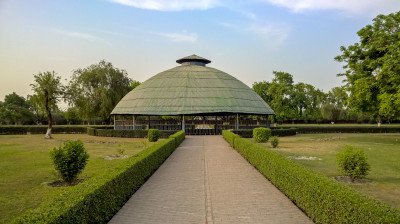
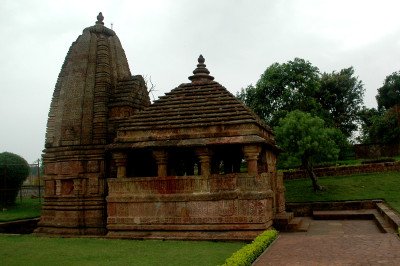
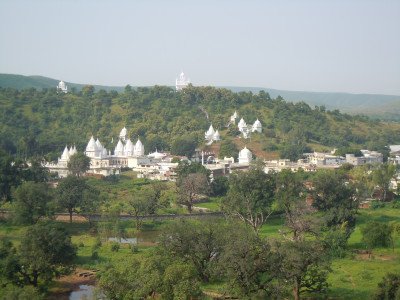
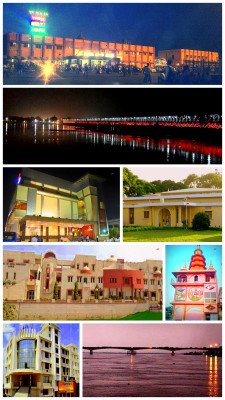
Vaishali is a city of immense historical and spiritual depth, recognized globally as the birthplace of the world’s first republic under the Licchavi clan in the 6th century BCE. This ancient land is deeply intertwined with the lives of two great spiritual leaders: Lord Buddha and Lord Mahavira. It is here that Lord Buddha delivered his last sermon and announced his impending Mahaparinirvana, and it is also the birthplace of the 24th Jain Tirthankara, Lord Mahavira, at Kundalpur. The city was a flourishing center of trade and culture, home to the famous courtesan Ambapali, who became a disciple of Buddha. Today, the ruins of Vaishali offer a serene atmosphere for pilgrims and history buffs alike, featuring sites like the Ashokan Pillar, ancient stupas, and the Abhishek Pushkarni. The archaeological excavations here have revealed a rich past, showing a society that practiced democratic governance long before it became a global standard. Visitors can feel the echoes of ancient chants and the weight of history while walking through the lush green landscapes that surround these sacred monuments. It remains a vital stop on the Buddhist Circuit, drawing people from all over the world seeking peace and enlightenment. The local culture still reflects the simplicity and hospitality of ancient Bihar, making it a soulful destination for any traveler.

Things To Do

Card image cap
Abhishek Pushkarini

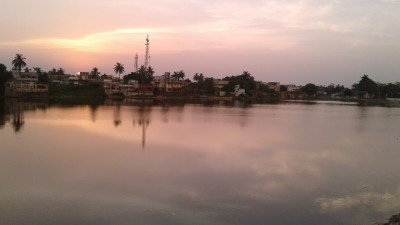
The Abhishek Pushkarini is a sacred tank of immense historical and religious importance. It is believed to be the ancient coronation tank where the el...

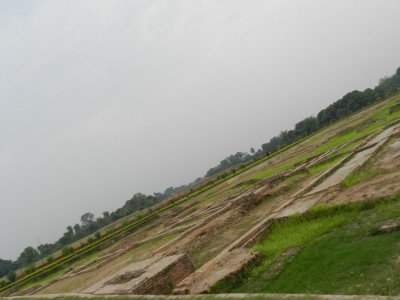
The Abhishek Pushkarini is a sacred tank of immense historical and religious importance. It is believed to be the ancient coronation tank where the elected representatives of the Vajjian confederacy, the Lichchavis, would anoint themselves before their coronation. The name "Abhishek Pushkarini" literally translates to "Coronation Tank," and it is mentioned in various ancient Buddhist and Jain texts. The tank's waters are considered holy, and its presence underscores the democratic traditions of Vaishali. The tank is a beautiful, serene, and well-maintained water body, surrounded by lush greenery, offering a peaceful and picturesque setting. It serves as a reminder of Vaishali's golden era as a political and cultural hub of ancient India.
Card image cap
Abhishek Pushkarn

@@Historical Significance: The Coronation Tank, or Abhishek Pushkarn, is an ancient and sacred water body with immense historical importance, particul...
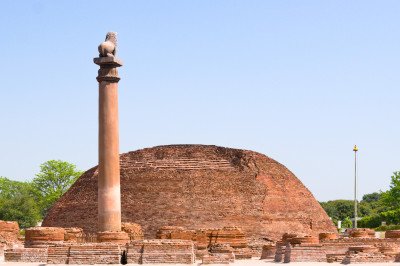
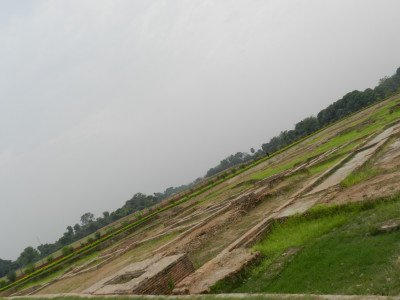
@@Historical Significance: The Coronation Tank, or Abhishek Pushkarn, is an ancient and sacred water body with immense historical importance, particularly as the central site of the world's first democratic republic, the Licchavi Republic. It is mentioned in ancient texts as the place where the elected representatives (Raja) of the Licchavi clan would be anointed with its sacred water before their coronation. This ritual underscores Vaishali's political prominence as a center of early republican governance, a concept far ahead of its time. The tank is a large, rectangular structure flanked by greenery, and it lies adjacent to the Vishwa Shanti Stupa and the Vaishali Archaeological Museum. It is believed that the water was considered purifying and essential for the political transition ceremony. The surrounding area has been excavated, revealing a continuous history of occupation and cultural significance from the Mahajanapada period onward, directly connecting visitors to the peak era of the Licchavis and the period of the Buddha and Mahavira. The serene environment today belies its former role as a hub of political and religious power, offering a perfect spot for reflection on ancient history and the birthplace of democratic ideals. @@Religious Importance: Though primarily political, the tank's water is also considered sacred in Buddhist and Jain traditions due to its proximity to sites where the Buddha delivered his final sermon and where Lord Mahavira was born. The presence of the Vishwa Shanti Stupa nearby reinforces its spiritual importance, attracting Buddhist pilgrims from around the globe.
Card image cap
Akshaya Vat

The Akshaya Vat, or the "immortal banyan tree," is a sacred banyan tree located near the Vishnupad Temple. The tree is a major pilgrimage site for Hin...

The Akshaya Vat, or the "immortal banyan tree," is a sacred banyan tree located near the Vishnupad Temple. The tree is a major pilgrimage site for Hindus and is believed to have been blessed by Goddess Sita, the wife of Lord Rama, to never shed its leaves. The tree's association with the epic Ramayana and its spiritual significance make it a revered site. The tree is a living testament to the legends and traditions of the region and is a crucial part of the Pind-Daan ritual.
Card image cap
Ananda Stupa Site

@@Historical Details: The Ananda Stupa Site is part of the larger Kolhua archaeological complex. It is believed to mark the spot near the Kutagarasala...
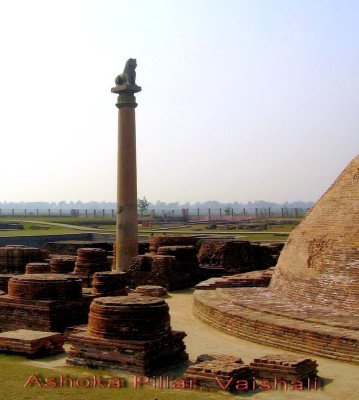
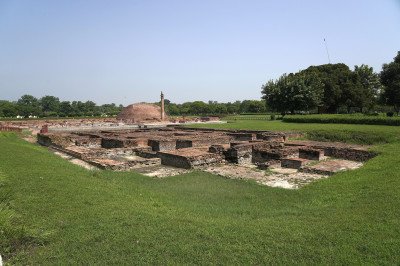
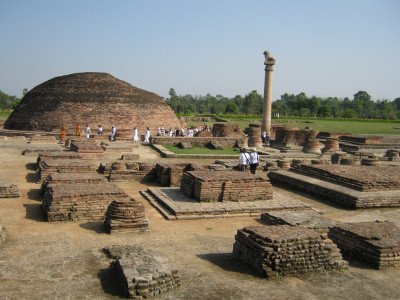
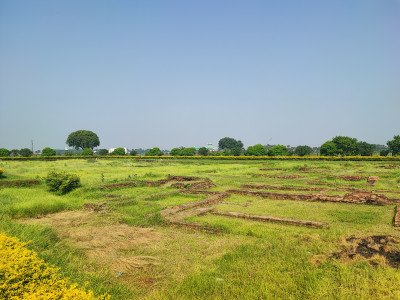
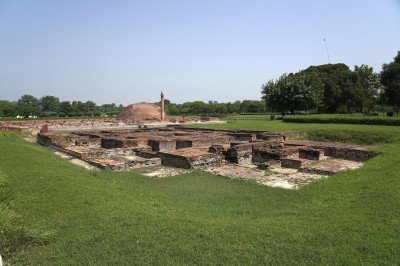
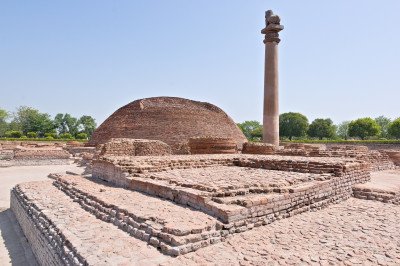
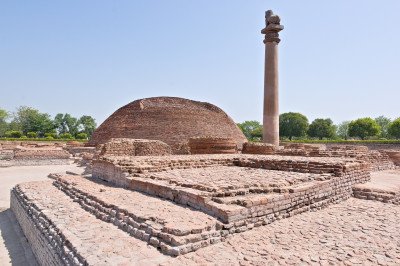
@@Historical Details: The Ananda Stupa Site is part of the larger Kolhua archaeological complex. It is believed to mark the spot near the Kutagarasala Vihara where Lord Buddha delivered his final sermon (Mahaparinirvana Sutta) and announced his approaching passing. The site's primary feature, the Ananda Stupa, is traditionally associated with Ananda, the Buddha's most devoted disciple, known for his incredible memory and for having recited the Buddhist scriptures after the Buddha's death. The ruins indicate a large monastic complex was once present here, making it a critical hub for the early Buddhist Sangha. Excavations have revealed layers of construction, suggesting continuous use and expansion from the Mauryan period onward. The proximity to the Ashoka Pillar strongly suggests a pilgrimage site consecrated by Emperor Ashoka himself. @@Religious Beliefs: Pilgrims visit to pay respects to the memory of Ananda and to reflect on the Buddha's last teachings. It holds profound significance in the Theravada tradition and is a mandatory stop on the complete Buddhist circuit pilgrimage.
Card image cap
Ananda Stupa

The Ananda Stupa is an important stupa located within the ruins of the Kutagarasala Vihara. It is believed to have been built to honor Ananda, one of ...

The Ananda Stupa is an important stupa located within the ruins of the Kutagarasala Vihara. It is believed to have been built to honor Ananda, one of Lord Buddha's chief disciples. Ananda was known for his incredible memory and for having recited the Buddhist scriptures after the Buddha's death. The stupa is a large brick structure, now mostly in ruins, but its presence signifies the importance of the Kutagarasala Vihara as a center of learning and monastic life during the Buddha's time. The stupa is a testament to the close bond between the Buddha and his disciples and the reverence they received from the community. The site is a key part of the larger Vihara complex and offers a deeper understanding of the organization and life of the early Buddhist Sangha.
Card image cap
Archaeological Museum

The Archaeological Museum in Bodh Gaya is a must-visit for anyone interested in the history of the region. The museum houses a vast collection of Budd...

The Archaeological Museum in Bodh Gaya is a must-visit for anyone interested in the history of the region. The museum houses a vast collection of Buddhist and Hindu artifacts and sculptures, dating from the 2nd century BCE to the 11th century CE. The museum's collection includes a variety of sculptures of the Buddha, Bodhisattvas, and other deities, as well as terracotta figures, beads, and ancient coins. The museum provides a fascinating glimpse into the rich history and culture of Gaya and Bodh Gaya.
Card image cap
Ashoka Pillar

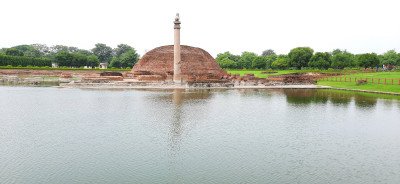
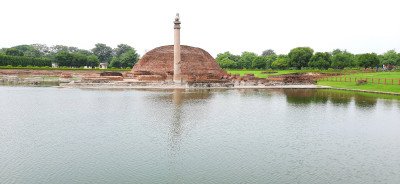
@@Historical Details: The Ashoka Pillar in Vaishali is one of the most famous and well-preserved pillars erected by Emperor Ashoka in the 3rd century ...
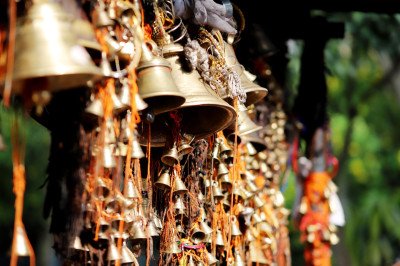
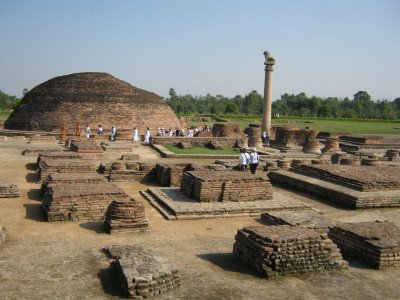
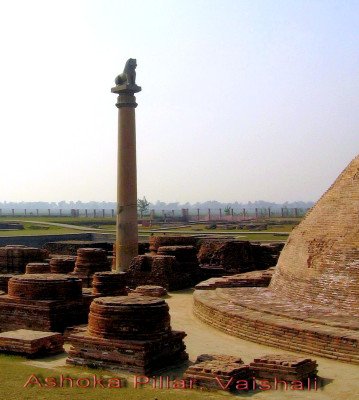
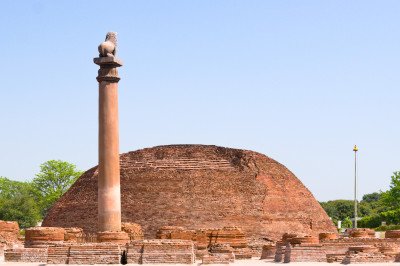
@@Historical Details: The Ashoka Pillar in Vaishali is one of the most famous and well-preserved pillars erected by Emperor Ashoka in the 3rd century BCE to commemorate the last sermon given by Gautama Buddha at this site. Unlike most of Ashoka's pillars, this one is uninscribed, which has sparked considerable scholarly debate. It is one of the few Ashoka Pillars to survive intact in its original location and orientation, standing as a solitary sandstone monolith topped by a magnificent seated Lion Capital facing north, towards Kushinagar, the site of the Buddha's final passing (Mahaparinirvana). The pillar's survival for over two millennia, despite being situated in a flood-prone plain, is a testament to the skill of the Mauryan engineers. It signifies Ashoka's deep devotion to Buddhism and his role in propagating the Dharma across his vast empire. The pillar is a powerful symbol of the transition of the site from a simple monastic retreat to a consecrated imperial pilgrimage destination. @@Archaeological Finds: Excavations around the base have revealed evidence of an earlier stupa which the pillar was likely built to consecrate, further validating its religious importance.
Card image cap
Baba Bateshwarnath Temple

The Baba Bateshwarnath Temple is a profound spiritual site located in the Jandaha block of Vaishali. This ancient temple is dedicated to Lord Shiva a...

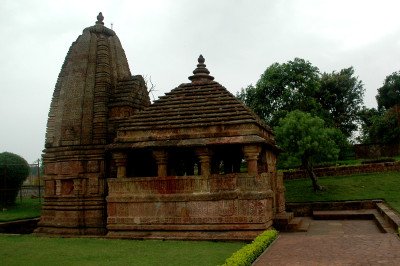
The Baba Bateshwarnath Temple is a profound spiritual site located in the Jandaha block of Vaishali. This ancient temple is dedicated to Lord Shiva and holds immense significance for the local population. According to local legends, the Shivalinga here is "Swayambhu," meaning it manifested itself naturally from within a Banyan tree at a certain height. Every year, especially during the month of Shravan, lakhs of devotees congregate here to perform Jalabhishek, pouring holy water over the deity. The temple serves as a cornerstone of faith in the region, bridging the gap between historical myth and modern-day devotion. Its location in a rural setting provides a peaceful atmosphere for meditation and prayer, away from the hustle of urban life. The spiritual energy felt here is said to grant peace and fulfill the wishes of the sincere. :
Card image cap
Baithakji Hajipur

Baithakji Hajipur is a highly revered site for the followers of the Pushtimarg sect of Hinduism. It is one of the 84 Baithaks (holy seats) establishe...
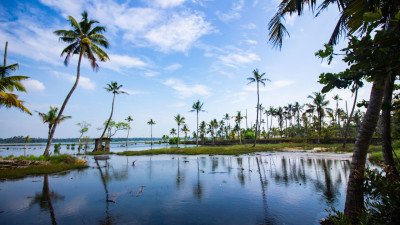
Baithakji Hajipur is a highly revered site for the followers of the Pushtimarg sect of Hinduism. It is one of the 84 Baithaks (holy seats) established across India where the great saint Shri Vallabhacharya Mahaprabhuji stayed and recited the Srimad Bhagwat. Located in the Helabazar area of Hajipur, this temple is dedicated to Lord Krishna. It is believed that during his nationwide tour on foot, Mahaprabhuji spent time here spreading the philosophy of "Shudhadwait Brahmawaad." The environment inside is deliberately kept simple and serene to reflect the ascetic nature of the saint. Devotees visit this place to feel the divine presence of their Acharyaji and to engage in "Seva" (service). The temple is a symbol of the deep-rooted Vaishnava culture in Bihar and serves as a major pilgrimage point for Gujarati and Rajasthani devotees traveling through the state. :
Card image cap
Barabar Caves

The Barabar Caves are the oldest surviving rock-cut caves in India, dating back to the Mauryan period (3rd century BCE). Located in the twin hills of ...

The Barabar Caves are the oldest surviving rock-cut caves in India, dating back to the Mauryan period (3rd century BCE). Located in the twin hills of Barabar and Nagarjuni, these caves were carved out of monolithic granite and were originally used as a retreat for the ascetic Ajivika sect. The caves were commissioned by Emperor Ashoka and his grandson Dasharatha. The site consists of four caves in the Barabar group and three in the Nagarjuni group. The caves are a testament to the incredible skill of ancient Indian artisans, who were able to polish the hard granite interiors to a mirror-like sheen. This remarkable finish, along with the precise geometric carving, has astounded archaeologists for centuries. The caves are a fascinating glimpse into the pre-Buddhist religious and architectural traditions of India and are a must-visit for anyone interested in ancient history and archaeology.
Card image cap
Baraila Bird Sanctuary

Located on the banks of Baraila Lake, the Baraila Bird Sanctuary is a haven for nature lovers and bird watchers. It is a vital wetland ecosystem that ...

Located on the banks of Baraila Lake, the Baraila Bird Sanctuary is a haven for nature lovers and bird watchers. It is a vital wetland ecosystem that serves as a temporary home for a variety of migratory birds during the winter season. The sanctuary is a picturesque spot with a large freshwater lake surrounded by lush vegetation and fields. Bird species that can be spotted here include various species of ducks, geese, cormorants, herons, and storks. The serene environment, far from the historical hustle and bustle of the main sites, offers a different kind of experience in Vaishali. It is a perfect place for a quiet escape, a leisurely picnic, or simply to enjoy the natural beauty of the region. The sight of thousands of birds in their natural habitat is a truly mesmerizing experience, making it a must-visit for anyone with an interest in ornithology or nature photography. The local community also values the sanctuary as a source of freshwater and a place of natural beauty.
Card image cap
Baraila Lake

The Baraila Lake Salim Ali-Jubba Sahni Bird Sanctuary is a sprawling freshwater wetland covering approximately 1.96 square kilometers. Named after th...

The Baraila Lake Salim Ali-Jubba Sahni Bird Sanctuary is a sprawling freshwater wetland covering approximately 1.96 square kilometers. Named after the legendary ornithologist Dr. Salim Ali and freedom fighter Jubba Sahni, this sanctuary is a vital ecosystem for both local and migratory birds. The lake is fed by local rivers like the Noon and eventually drains into the Budhi Gandak. It hosts over 106 species of resident birds and about 59 species of migratory birds that arrive from as far as Siberia and Central Asia during the winter months. The marshy landscape is dotted with aquatic plants like Hydrilla and Typha, providing a perfect nesting ground. For nature lovers and researchers, Baraila Lake offers a unique opportunity to witness the biodiversity of the Gangetic plains in an undisturbed setting. The sanctuary plays a crucial role in maintaining the local groundwater levels and supporting the livelihoods of nearby fishing communities. :
Card image cap
Bawan Pokhar Temple

@@Historical Details: The Bawan Pokhar Temple is a unique Hindu temple believed to have been constructed during the Pala period (8th to 12th century C...
@@Historical Details: The Bawan Pokhar Temple is a unique Hindu temple believed to have been constructed during the Pala period (8th to 12th century CE). Its name translates to "52 Ponds" or a name derived from the large pond on whose bank it is situated (Bawan Pokhar). The temple is historically significant for housing an extraordinary collection of ancient deities, primarily sculpted from black basalt stone. These images date back to various periods, including the Gupta and Pala dynasties, which were found during excavations in the area. The temple is notable for its inclusive nature, enshrining numerous Hindu gods and goddesses from different sects in one place, including a prominent four-headed Shivling made of black basalt. It stands as a testament to the religious synthesis and tolerance prevalent in the region during the medieval period, where Hindu, Buddhist, and Jain traditions co-existed and influenced each other. @@Significance of the Deities: The black basalt images are of high artistic and archaeological value, showcasing the distinct sculptural style of the Pala art, which was known for its dark stone figures and detailed craftsmanship.
Card image cap
Bodhgaya Multimedia Museum

The Bodhgaya Multimedia Museum is a modern museum that uses multimedia technology to tell the story of the life of Lord Buddha and the history of Budd...

The Bodhgaya Multimedia Museum is a modern museum that uses multimedia technology to tell the story of the life of Lord Buddha and the history of Buddhism. The museum is a great place to learn about the origins of Buddhism and its spread across the world. The museum has a collection of interactive displays, audio-visual presentations, and documentaries that bring the story of the Buddha to life. The museum's exhibitions cover a wide range of topics, including the life of the Buddha, the Four Noble Truths, the Eightfold Path, and the history of Buddhism in India and other countries. The museum also has a collection of artifacts and sculptures that are related to Buddhism. The museum is a great place to visit for both tourists and scholars. It provides a comprehensive and engaging overview of the history and teachings of Buddhism. The museum's modern and interactive approach makes it a great learning experience for all ages.
Card image cap
Bodhi Tree

The Bodhi Tree is not just a tree; it is a living symbol of enlightenment and one of the most revered sites in Buddhism. It is believed to be the desc...

The Bodhi Tree is not just a tree; it is a living symbol of enlightenment and one of the most revered sites in Buddhism. It is believed to be the descendant of the original sacred fig tree (Ficus religiosa) under which Prince Siddhartha meditated and attained supreme knowledge to become the Buddha. The current tree, which stands to the west of the Mahabodhi Temple, is likely the fifth in succession. The Bodhi Tree is a focal point of the Mahabodhi Temple complex, and its presence draws millions of pilgrims and devotees from all over the world. The serene atmosphere around the tree is charged with spiritual energy, and the constant presence of monks and followers chanting and meditating makes it a truly powerful place.
Card image cap
Brahmayoni Hill

Brahmayoni Hill is another sacred hill in Gaya, mentioned in ancient scriptures like the Vayu Purana. It is believed to be the spot where the Lord Bra...

Brahmayoni Hill is another sacred hill in Gaya, mentioned in ancient scriptures like the Vayu Purana. It is believed to be the spot where the Lord Brahma performed a yajna (ritual sacrifice) to create a pure and holy land. The hill is a major pilgrimage site for Hindus and has a temple at its summit dedicated to Goddess Gayatri, a form of Saraswati. The hill is a challenging climb of several hundred steps, and the top offers a breathtaking view of the city and the surrounding landscape. The hill also has a natural rock crevice, which is considered a sacred passage for pilgrims.
Card image cap
Buddh Stupa-II

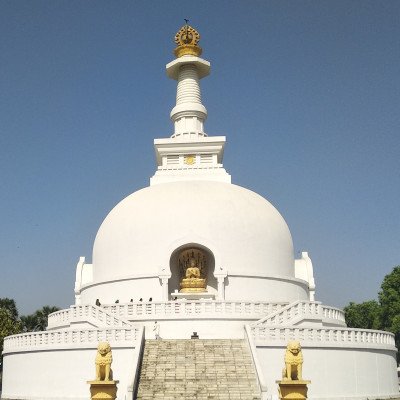
@@Historical Details: The Buddh Stupa-II is more commonly known as the Vishwa Shanti Stupa (World Peace Pagoda). Unlike the ancient ruins, this is a m...
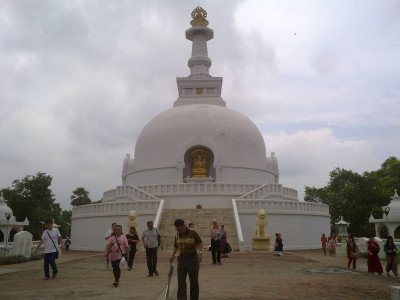
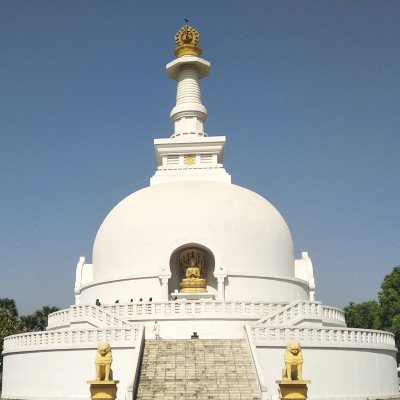
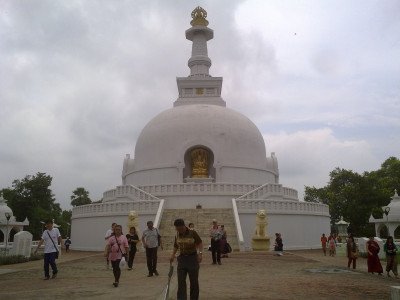
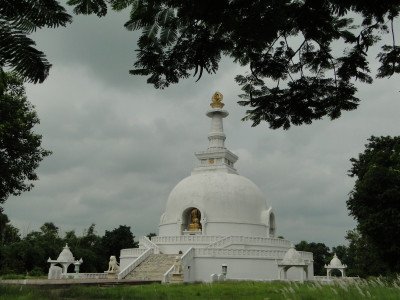
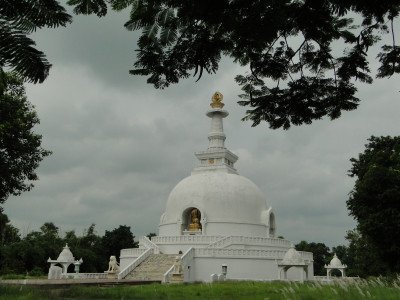
@@Historical Details: The Buddh Stupa-II is more commonly known as the Vishwa Shanti Stupa (World Peace Pagoda). Unlike the ancient ruins, this is a modern monument, built in 1969 by the Buddha Vihar Society in collaboration with the Japanese government (Nipponzan Myohoji order) as part of a global effort to promote peace. It is one of several Peace Pagodas built across the world, inspired by Gautama Buddha's message of non-violence and peace. The stupa is a towering, pure white structure that dramatically contrasts with the ancient brick ruins nearby. It serves as an active place of worship and a contemporary pilgrimage site, reinforcing the spiritual relevance of Vaishali in the modern world. The decision to build a Peace Pagoda here reaffirms Vaishali's status as a pivotal site where the Buddha gave his final sermon, making it a focal point for global peace movements and Buddhist devotees. @@Spiritual Significance: It is dedicated to world peace and acts as a beacon of hope and tranquility, a fitting tribute to the birthplace of non-violence in the region.
Card image cap
Buddha Peace Park

The Buddha Peace Park is a tranquil and beautifully landscaped garden located adjacent to the Vishwa Shanti Stupa. It is a relatively new addition to ...

The Buddha Peace Park is a tranquil and beautifully landscaped garden located adjacent to the Vishwa Shanti Stupa. It is a relatively new addition to Vaishali's tourist attractions, designed to provide a serene and peaceful environment for visitors. The park is a lush green space with manicured lawns, winding walkways, and a serene pond. It offers a perfect setting for relaxation, quiet reflection, and a leisurely stroll after visiting the historical ruins.
Card image cap
Buddha Relic Stupa

@@Historical Details: The Buddha Relic Stupa, also known as Stupa-I, is arguably the most sacred and historically important site in Vaishali. It is on...

@@Historical Details: The Buddha Relic Stupa, also known as Stupa-I, is arguably the most sacred and historically important site in Vaishali. It is one of the original eight stupas built by the Licchavis of Vaishali immediately after the Mahaparinirvana (death) of Gautama Buddha in the 5th century BCE. The Licchavis were one of the eight clans who received a portion of the Buddha's cremated remains (Relics) and enshrined them in this very stupa. Excavations in 1958 confirmed its authenticity, revealing a stone casket containing ash, a piece of gold leaf, glass beads, and a punch-marked copper coin. This relic casket is now housed in the Patna Museum. The stupa's multi-layered construction, with repeated enlargements over centuries, signifies its continuous reverence and importance from the pre-Mauryan era through the Ashokan and later periods. It stands as a profound, tangible link to the Buddha's physical presence and the very foundation of the Buddhist faith. @@Relic's Importance: The presence of the original relic makes it an A??amah?sth?na (one of the eight great places) for Buddhists worldwide.
Card image cap
Budhi Mai Temple

The Budhi Mai Temple is a legendary shrine dedicated to Goddess Durga, located near the Lalganj road in Vaishali. It is deeply intertwined with the c...
The Budhi Mai Temple is a legendary shrine dedicated to Goddess Durga, located near the Lalganj road in Vaishali. It is deeply intertwined with the cultural fabric of the region, attracting thousands of devotees, especially women, who seek blessings for their families. The temple is famous for the Budhi Mai Mela, a large fair held during the months of July and August. Unlike many other temples, the idol here is crafted uniquely for specific rituals, and the temple doors are opened with great ceremony on the day of Panchami. Historians and locals believe that the temple has been a center of worship since the time of the Lichchhavi republic, making it one of the oldest religious sites in the district. The atmosphere is filled with the scent of incense and the sound of traditional folk songs. It is a place where faith meets history, offering a glimpse into the ancient spiritual practices of Bihar. :
Card image cap
Chaturbhuj Temple

@@Historical Details: (Note: The prominent Chaturbhuj Temple is in Orchha, MP. The Vaishali mention likely refers to a smaller, local temple dedicated...
@@Historical Details: (Note: The prominent Chaturbhuj Temple is in Orchha, MP. The Vaishali mention likely refers to a smaller, local temple dedicated to Lord Vishnu (the four-armed deity) in the region.) This local temple, dedicated to Chaturbhuj (Vishnu), is significant to the local Hindu community. It symbolizes the strong presence of Vaishnavism in the ancient region, a tradition that flourished alongside Buddhism and Jainism. While lacking the monumental scale of the Orchha temple, the local Vaishali Chaturbhuj Temple is an active place of worship, with its origins potentially dating back to the late medieval period or the period of renewed Hindu patronage in the region. It is a testament to the continued devotional history of Vaishali, which is a place where every major Indian religion has left its mark. The temple’s importance lies in its role as a living tradition, maintaining the spiritual culture of the local populace for centuries. @@Local Patronage: The temple has been maintained primarily through the patronage of local families and villagers, giving it a deep, community-oriented spiritual life.
Card image cap
Chaumukhi Mahadev Temple

@@Historical Details: The Chaumukhi Mahadev Temple is an ancient and highly revered Hindu temple dedicated to Lord Shiva. Its name literally means "Fo...
@@Historical Details: The Chaumukhi Mahadev Temple is an ancient and highly revered Hindu temple dedicated to Lord Shiva. Its name literally means "Four-Faced Great God" and is famous for housing a rare Chaturmukhi Shivling (four-faced Shiva lingam) made of a single large piece of black stone. The lingam features four carved faces, traditionally representing the four aspects of Shiva (sometimes interpreted as Brahma, Vishnu, Maheshwara, and Surya). The temple is believed to have existed since the Gupta Period (4th century CE), with local legends even placing it in the time of Lord Rama's visit to the region. The discovery of a Gupta-era gold coin during excavations in 1945 suggests a deep history. It is a key Shaivite site that flourished in the region, countering the dominance of Buddhism and Jainism. The temple stands as a vital piece of the region's diverse religious history, drawing pilgrims for its unique lingam and deep antiquity. @@Legend of Rama: Local belief holds that Lord Rama and Lakshmana, along with Sage Vishwamithra, visited this shrine, a legend that elevates its spiritual significance for Hindu devotees.
Card image cap
Chaumukhi Mahadeva

The Chaumukhi Mahadeva temple is a sacred Hindu shrine dedicated to Lord Shiva. The temple is famous for its unique four-faced Shiva lingam (Chaumukhi...

The Chaumukhi Mahadeva temple is a sacred Hindu shrine dedicated to Lord Shiva. The temple is famous for its unique four-faced Shiva lingam (Chaumukhi means "four-faced"). The lingam was discovered when a reservoir was being dug in the area. The four faces of the lingam are said to represent the four aspects of Shiva. The temple is a revered site for Hindus and attracts a large number of devotees, particularly during the month of Sawan and on Maha Shivratri.
Card image cap
Chinese Temple and Monastery

The Chinese Temple and Monastery is a beautiful and serene temple built by Chinese monks. The temple houses a 200-year-old statue of the Buddha, which...

The Chinese Temple and Monastery is a beautiful and serene temple built by Chinese monks. The temple houses a 200-year-old statue of the Buddha, which was brought from China. The temple's serene environment and its beautiful Chinese artwork make it a major attraction for tourists and pilgrims. The temple is a center for Buddhist teachings and meditation and is a testament to the deep spiritual connection between China and India.
Card image cap
Dhamekh Stupa

The Dhamekh Stupa, located in Sarnath, Uttar Pradesh, is a major pilgrimage site for Buddhists. Sarnath is the place where Lord Buddha delivered his f...

The Dhamekh Stupa, located in Sarnath, Uttar Pradesh, is a major pilgrimage site for Buddhists. Sarnath is the place where Lord Buddha delivered his first sermon after attaining enlightenment. The Dhamekh Stupa is a massive cylindrical stupa that is believed to have been built on the exact spot where the Buddha delivered his first sermon. The stupa is a major landmark and a symbol of the Buddha's teachings. The stupa is a beautiful example of ancient Indian architecture, with intricate carvings on its walls. The stupa is a major attraction for tourists and pilgrims from all over the world. The stupa is believed to have been built in 249 BCE by the Mauryan emperor Ashoka. The present stupa, however, is believed to have been built in the 5th century CE. The stupa is a massive cylindrical structure with a height of 31.3 meters and a diameter of 28.3 meters. The stupa is a beautiful example of ancient Indian architecture, with intricate carvings on its walls. The carvings depict various geometric and floral patterns, as well as scenes from the life of the Buddha. The stupa is a powerful symbol of the Buddha's teachings and is a source of inspiration for Buddhists all over the world.
Card image cap
Dungeshwari Cave Temples

The Dungeshwari Cave Temples are a significant site for Buddhists, as they are believed to be the place where Prince Siddhartha spent several years of...

The Dungeshwari Cave Temples are a significant site for Buddhists, as they are believed to be the place where Prince Siddhartha spent several years of his ascetic life before attaining enlightenment. The caves, also known as the Mahakala Caves, are nestled in the Dungeshwari Hills, about 12 km from Bodh Gaya. The caves are a place of quiet contemplation, with several shrines dedicated to Lord Buddha and other deities. One of the caves houses a golden statue of the emaciated Buddha, reflecting his period of severe penance. The trek to the caves is a spiritual journey in itself, offering a glimpse into the hardships the Buddha endured.
Card image cap
Gandhi Setu Bridge

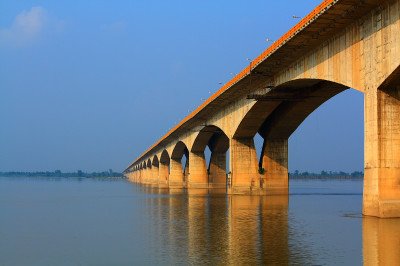
The Mahatma Gandhi Setu, also known as the Ganga Setu, is one of the longest river bridges in India, stretching over 5.75 kilometers. It spans the mi...
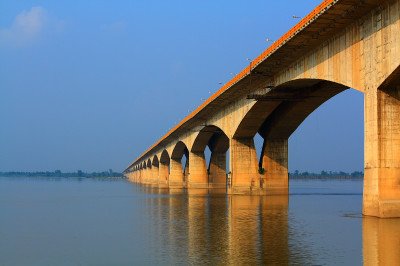
The Mahatma Gandhi Setu, also known as the Ganga Setu, is one of the longest river bridges in India, stretching over 5.75 kilometers. It spans the mighty Ganga river, linking the state capital Patna to the district of Vaishali at Hajipur. Inaugurated in 1982 by Prime Minister Indira Gandhi, it served as the longest bridge in the country for decades. For tourists, the bridge is not just a transport link but a spectacular viewpoint. From its height, one can see the vast expanse of the river, the bustling riverbanks, and the distant horizon. Recently, the bridge underwent a massive renovation where its concrete superstructure was replaced with a modern Steel Truss system, making it more durable and aesthetically striking. The view from the Hajipur side (the northern end) is particularly famous for sunset watchers and photographers who want to capture the scale of the Gangetic plains. :
Card image cap
Gaya Museum

The Gaya Museum, also known as the Gaya District Museum, is a treasure trove of artifacts and sculptures that shed light on the rich history and cultu...

The Gaya Museum, also known as the Gaya District Museum, is a treasure trove of artifacts and sculptures that shed light on the rich history and culture of the region. The museum has a vast collection of artifacts, including a variety of sculptures, coins, and manuscripts. The museum's collection includes a wide range of artifacts from the Maurya, Gupta, and Pala periods, which are a testament to the region's long and glorious history. The museum also has a collection of folk art and artifacts that are related to the local culture. The museum is a great place to learn about the history and culture of Gaya and the surrounding region. The museum's collection includes a variety of sculptures of the Buddha, Bodhisattvas, and other deities, as well as a collection of terracotta figures and ancient coins. The museum's exhibits are well-organized and are displayed in a clear and engaging manner. The museum is a great place to visit for both tourists and scholars.
Card image cap
Govindpur Singhara Shaktipeeth

The Govindpur Singhara Shaktipeeth is a revered spiritual center in the heart of Vaishali. Local lore suggests the temple was established after a div...
The Govindpur Singhara Shaktipeeth is a revered spiritual center in the heart of Vaishali. Local lore suggests the temple was established after a divine vision was received by a devotee named Leelku Singh. Originally a small hut, it evolved into a tiled structure and now stands as a magnificent temple. It is primarily dedicated to Maa Durga and is widely believed to be a place where sincere prayers are answered, earning it the title of Manokamna Siddhi Peeth. The idol is unique, featuring Brahma, Vishnu, and Mahesh at the top, and Lakshmi, Ganesh, and Saraswati in the middle. The spiritual energy here is palpable, especially during the morning aarti. Devotees from neighboring states like Uttar Pradesh and Jharkhand often visit to seek blessings. The temple plays a vital role in the local culture, acting as a focal point for village gatherings and traditional rituals. Its history is deeply intertwined with the rural heritage of the Vaishali district.
Card image cap
Great Buddha Statue

The Great Buddha Statue is a magnificent and imposing statue of Lord Buddha, unveiled in 1989 by the Dalai Lama. This statue, which stands at a toweri...

The Great Buddha Statue is a magnificent and imposing statue of Lord Buddha, unveiled in 1989 by the Dalai Lama. This statue, which stands at a towering height of 25 meters, is one of the tallest Buddha statues in India. It depicts the Buddha in a meditative posture on a lotus platform. The statue is a powerful symbol of peace and enlightenment, and its sheer size and grandeur leave a lasting impression on visitors. The statue is surrounded by a beautiful garden and is located near various international monasteries, making it a key part of the modern Buddhist pilgrimage circuit in Bodh Gaya.
Show All

Note:-

Information provided here in good Faith and for reference only.

All information and pictures will be updated soon, please keep visiting.

Near Places
...
Araria

Some quick example text to build on the card title and make up the bulk of the card's content.

Go somewhere
...
Arwal

Some quick example text to build on the card title and make up the bulk of the card's content.

Go somewhere
...
Banka

Some quick example text to build on the card title and make up the bulk of the card's content.

Go somewhere
...
Begusarai

Some quick example text to build on the card title and make up the bulk of the card's content.

Go somewhere
...
Bhagalpur

Some quick example text to build on the card title and make up the bulk of the card's content.

Go somewhere
...
Bhojpur

Some quick example text to build on the card title and make up the bulk of the card's content.

Go somewhere
...
Bihar Sharif

Some quick example text to build on the card title and make up the bulk of the card's content.

Go somewhere
...
Bodh Gaya

Some quick example text to build on the card title and make up the bulk of the card's content.

Go somewhere
...
Buxar

Some quick example text to build on the card title and make up the bulk of the card's content.

Go somewhere
...
Champaran

Some quick example text to build on the card title and make up the bulk of the card's content.

Go somewhere
in Other Cities