...

Place To Visit And Things To Do In Vikramshila

Bihar, India
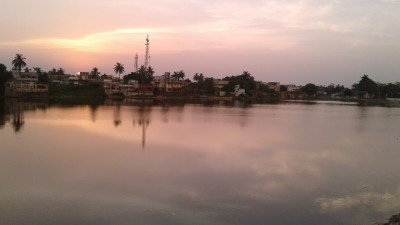
Vikramshila was one of the two most important centers of learning in India during the Pala Empire, alongside Nalanda. Established by King Dharmapala in the late 8th century, it was a premier residential university that attracted scholars from all over Asia, particularly Tibet. The university was fam ous for its curriculum which included Vajrayana Buddhism (Tantric studies), logic, and metaphysics. It is said that at its peak, over 3,000 monks resided here. The ruins, rediscovered in the 20th century, reveal a massive square monastery with a central stupa that dominates the landscape. The site is located on the banks of the holy river Ganga, providing a scenic and spiritual backdrop to the ancient stones. The university played a crucial role in the spread of Buddhist culture to other parts of the world, notably through the scholar Atisa Dipankara. Walking through the excavated cells of the monks, one can almost hear the echoes of ancient debates and the chanting of mantras. The site is much quieter than Nalanda, offering a more contemplative experience for those who make the journey to this corner of Eastern Bihar. The intricate terracotta plaques found on the walls of the stupa depict various deities, animals, and scenes from daily life, showcasing the artistic excellence of the Pala period. Today, Vikramshila stands as a silent witness to India's golden age of education and spiritual inquiry.

Things To Do

Card image cap
Ajgaibinath Temple

The Ajgaibinath Temple, also known as Gaibinath Mahadeo, is a significant and ancient Hindu temple dedicated to Lord Shiva, located in Sultanganj. Sit...

The Ajgaibinath Temple, also known as Gaibinath Mahadeo, is a significant and ancient Hindu temple dedicated to Lord Shiva, located in Sultanganj. Situated on a rocky outcrop in the middle of the holy Ganges River, the temple's unique location makes it a central point for pilgrims, especially during the Kanwar Yatra. According to local belief, the Shiva Lingam in the temple is Swayambhu, or self-manifested, a fact that adds to its sanctity and reverence. The temple is surrounded by the Uttaravahini Ganga, a unique geographical phenomenon where the river flows northward. This phenomenon makes a dip in the river at this location highly auspicious. The temple's serene and tranquil environment, with the gushing river as a backdrop, provides a perfect escape for those who wish to spend some time in spiritual contemplation. The temple is not just a place of worship but a living testimony to the region's ancient spiritual traditions. It is a major pilgrimage site for Hindus and a must-visit for anyone who wishes to experience the cultural and spiritual traditions of the region.
Card image cap
Ajgaivinath Temple

The Ajgaivinath Temple is one of the most revered Hindu shrines in the state of Bihar, dedicated to Lord Shiva. It is situated on a massive rock in t...
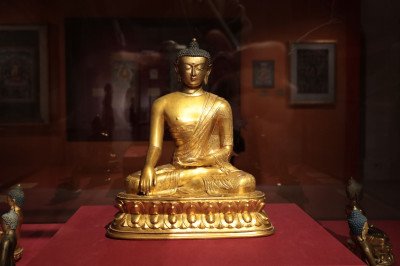
The Ajgaivinath Temple is one of the most revered Hindu shrines in the state of Bihar, dedicated to Lord Shiva. It is situated on a massive rock in the middle of the holy river Ganges in Sultanganj. The temple is deeply connected to the legends of the Mahabharata and the sage Jahnu Muni, from whose name the river Jahngira (another name for the site) is derived. According to mythology, Lord Shiva left his bow, named Ajgav, here, giving the temple its name. The site serves as the starting point for the famous Shravani Mela pilgrimage, where devotees collect water from the Uttar Vahini (northward flowing) Ganges to carry to Deoghar. The spiritual energy of the temple is palpable, as the waves of the Ganges constantly wash the rocky base. Historically, the site has been significant since the Gupta and Pala eras, with various relics found in the vicinity. Visitors are drawn not only by religious fervor but also by the stunning landscape of a temple emerging from the waters. It is a place where nature and divinity converge in a peaceful yet powerful manner.
Card image cap
Archaeological Museum Vikramshila

The Archaeological Museum Vikramshila is a treasure house of artifacts excavated from the ruins of the ancient Vikramshila University. Established to...

The Archaeological Museum Vikramshila is a treasure house of artifacts excavated from the ruins of the ancient Vikramshila University. Established to preserve the rich heritage of the Pala period, the museum houses a vast collection of Buddhist and Hindu sculptures, terracotta plaques, and everyday items used by monks centuries ago. The university was a premier seat of learning founded by King Dharmapala in the 8th century, and the museum acts as the bridge between that glorious past and the modern visitor. Inside, you will find masterfully crafted idols of Buddha, Avalokiteshvara, and various Hindu deities like Vishnu and Parvati. The terracotta plaques are particularly famous for depicting the social life, animals, and religious themes of the era. The museum is managed by the Archaeological Survey of India (ASI) and is essential for anyone wanting to understand the scale and sophistication of ancient Indian education. The galleries are well-organized, guiding visitors through chronological developments in art and culture. It is not just a building of stones; it is a repository of the intellectual and artistic spirit that once attracted scholars from across Asia, including Tibet.
Card image cap
Bateshwar Nath Caves

The Bateshwar Nath Caves are located on a rocky hillock at the confluence of the Ganges and Kosi rivers. This site is steeped in antiquity, with cave...

The Bateshwar Nath Caves are located on a rocky hillock at the confluence of the Ganges and Kosi rivers. This site is steeped in antiquity, with caves that have served as meditation retreats for monks and hermits for over a millennium. The hill is famous for the Bateshwar Nath Temple, dedicated to Lord Shiva, which dates back to the 7th Century. The caves are rock-cut and feature a variety of carvings representing Hindu, Buddhist, and Jain traditions, reflecting the religious synthesis of the Pala era. Legend says that the sage Vashishtha performed penance here. The site was once a major hub for Tantric Vidya, closely linked to the curriculum of the nearby Vikramshila University. The view from the caves over the northward-flowing Ganges is breathtaking and considered highly auspicious. Many of the cave walls are adorned with sculptures of deities, though some have weathered over time. The atmosphere is one of profound silence and spiritual mystery. It is often referred to as Gupta Kashi (Hidden Kashi) because it was almost chosen as the site for the city of Varanasi. Exploring these caves involves climbing rock-cut stairs, making it an adventurous and spiritual trek.
Card image cap
Bateshwar Nath Temple

The Bateshwar Nath Temple is a revered Hindu temple dedicated to Lord Shiva, located in the village of Bateshwar Sthan near Kahalgaon. This temple hol...

The Bateshwar Nath Temple is a revered Hindu temple dedicated to Lord Shiva, located in the village of Bateshwar Sthan near Kahalgaon. This temple holds a significant place in the spiritual landscape of the region, situated on a hillock overlooking the confluence of the Kosi and Ganga rivers. The unique geographical location of the temple, with the Ganga flowing in a northward direction (Uttaravahini Ganga) at this point, adds to its sanctity and makes it a highly auspicious pilgrimage site for Hindus. The temple is an ancient structure, believed to have been a popular Tantric site in the past, a fact that may have influenced the founder of Vikramshila, King Dharmapala, to establish the university nearby. The temple complex is a beautiful blend of natural beauty and spiritual serenity. The constant flow of the river, the lush greenery, and the panoramic views from the hillock create a peaceful and meditative environment. The temple is not just a place of worship but a living testimony to the ancient spiritual traditions of the region.
Card image cap
Bhimbandh Wildlife Sanctuary

Bhimbandh Wildlife Sanctuary is a sprawling natural haven located in the Kharagpur Hills of the Munger district. Covering an area of about 682 square...

Bhimbandh Wildlife Sanctuary is a sprawling natural haven located in the Kharagpur Hills of the Munger district. Covering an area of about 682 square kilometers, it is a vital ecological zone in eastern Bihar. The sanctuary's name is derived from a legendary dam (bandh) supposedly built by Bhima, the strongest of the Pandava brothers, during their exile. The terrain is characterized by undulating hills, dense deciduous forests, and numerous natural hot springs. These springs, such as Rishi Kund and Sita Kund, are famous for their medicinal properties due to the high sulfur content in the water. The sanctuary is home to a diverse range of fauna, including leopards, sloth bears, wild boars, sambar deer, and various species of monkeys. For bird watchers, it is a paradise with over 100 species of resident and migratory birds like the Indian Pitta and Grey Partridge. The flora is equally impressive, featuring a mix of grassland and forest biomes with trees like Sal, Kend, and Asan. Despite its beauty, the sanctuary remains a relatively offbeat destination, offering a raw and untouched wilderness experience. The combination of mythological lore, geothermal wonders, and rich biodiversity makes it a unique stop for travelers exploring the Vikramshila circuit. It provides a refreshing contrast to the historical ruins of the region.
Card image cap
Bilasi Dam

The Bilasi Dam is a beautiful and serene dam located near the village of Fullidumar in Bhagalpur district. The dam is a popular picnic spot and a majo...

The Bilasi Dam is a beautiful and serene dam located near the village of Fullidumar in Bhagalpur district. The dam is a popular picnic spot and a major draw for tourists who wish to spend some time in the lap of nature. The dam's lush greenery, with its dense forests, rolling hills, and a variety of flora and fauna, makes it a perfect place for nature lovers and wildlife enthusiasts. The dam's serene and tranquil environment, away from the noise and activity of the city, provides a perfect escape for those who wish to spend some time in the lap of nature. The dam is also a popular spot for fishing and boating. The dam's scenic beauty and its rich biodiversity make it a must-visit for anyone who wishes to explore the natural attractions of the region.
Card image cap
Budhanath Temple

The Budhanath Temple is one of the oldest and most revered Hindu temples in Bhagalpur, dedicated to Lord Shiva. Located on the banks of the Uttaravahi...

The Budhanath Temple is one of the oldest and most revered Hindu temples in Bhagalpur, dedicated to Lord Shiva. Located on the banks of the Uttaravahini Ganga (the northward-flowing Ganges), the temple holds immense spiritual significance for the local population. The temple is believed to have been built during the Treta Yuga, and its reference can be found in the Shiva Puranas. The Shiva Lingam in the temple is believed to be Swayambhu, or self-manifested, a fact that adds to its sanctity and reverence. The temple's serene and tranquil environment, with the gushing river as a backdrop, provides a perfect escape for those who wish to spend some time in spiritual contemplation. The temple is a major pilgrimage site for Hindus and a must-visit for anyone who wishes to experience the cultural and spiritual traditions of the region.
Card image cap
Champapur Digambar Jain Siddha Kshetra

Champapur Digambar Jain Siddha Kshetra is a highly revered and ancient pilgrimage site for Jains. It is believed to be the place where all five Kalyan...

Champapur Digambar Jain Siddha Kshetra is a highly revered and ancient pilgrimage site for Jains. It is believed to be the place where all five Kalyanaks (auspicious events) of the 12th Tirthankara, Lord Vasupujya, took place. The temple complex is a beautiful and serene place, with a number of small shrines, a magnificent spire, and two ancient columns of fame. The temple's peaceful and well-maintained courtyard, with a variety of trees and plants, provides a perfect escape for those who wish to spend some time in spiritual contemplation. The temple is not just a place of worship but a living testimony to the ancient spiritual traditions of the region. It is a great place to learn about the philosophy of Jainism and its emphasis on non-violence, truth, and spiritual enlightenment.
Card image cap
Champapur Digambar Jain Temple

The Champapur Digambar Jain Temple, located in the Nathnagar area of Bhagalpur, is an ancient and revered pilgrimage site for Jains. The temple is ded...

The Champapur Digambar Jain Temple, located in the Nathnagar area of Bhagalpur, is an ancient and revered pilgrimage site for Jains. The temple is dedicated to Lord Vasupujya, the 12th Tirthankara of Jainism, and is considered a Siddha Kshetra (place of salvation). It is believed that this is the only place in the world where all five auspicious events (Panch Kalyanaka) of Lord Vasupujya's life?conception (Garbha), birth (Janma), renunciation (Tapa), enlightenment (Gyan), and final liberation (Moksha)?occurred. The temple complex is a beautiful and serene place, with five altars representing the five Kalyanakas. The main temple houses a glorious idol of Lord Vasupujya. The temple's ancient and historic significance makes it a major draw for Jain pilgrims from all over the world. The temple complex is well-maintained and provides a peaceful environment for meditation and spiritual contemplation. The temple is a symbol of the region's long-standing connection with Jainism and a testament to its rich spiritual heritage. The tranquil atmosphere and the beautiful architecture of the temple make it a perfect place for a spiritual retreat.
Card image cap
Colganj Rock Cut Temple

The Colganj Rock Cut Temple, also known as the Kahalgaon Rock Temple, is a brilliant example of the rock-cut architecture that flourished during the ...

The Colganj Rock Cut Temple, also known as the Kahalgaon Rock Temple, is a brilliant example of the rock-cut architecture that flourished during the Gupta and Pala periods. These temples are carved directly into the granite boulders of a small hill overlooking the Ganges. Historically, they date back to the 5th and 6th Centuries AD, a time when the Gupta Empire reached its artistic peak. The complex consists of several small shrines dedicated to various deities including Shiva, Vishnu, and Surya. What makes this site exceptional is the synthesis of religious motifs; you can find carvings of Buddha alongside Hindu gods, showing the inclusive nature of ancient Indian society. The largest shrine houses a majestic figure of Lord Shiva in a meditative pose. The detail in the carvings—from the folds of the garments to the expressions on the faces—is remarkable given the hardness of the granite. The site is maintained by the Archaeological Survey of India (ASI) and offers a serene atmosphere far from the noise of the main town. From the top of the hill, one can see the famous three islands of Kahalgaon in the Ganges, which are said to be home to rare Gangetic Dolphins. It is a place where history is literally etched in stone.
Card image cap
Colganj Rock-Cut Temples

The Colganj Rock-Cut Temples are a series of ancient rock-cut caves and sculptures located near the town of Colganj, close to Vikramshila. These histo...

The Colganj Rock-Cut Temples are a series of ancient rock-cut caves and sculptures located near the town of Colganj, close to Vikramshila. These historical sites are a testament to the region's long and diverse religious history, showcasing a unique blend of Buddhist, Hindu, and Jain art and iconography. The caves, carved out of the rocky terrain, are believed to date back to the Gupta and Pala periods, which are renowned for their artistic and architectural achievements. The intricate carvings on the walls of these caves depict various deities and scenes from religious texts. Many of the sculptures are of Hindu gods such as Vishnu and Shiva, while others are of Buddhist and Jain figures, highlighting the syncretic nature of the religious environment during this period. The rock-cut temples are not as grand in scale as some of the larger archaeological sites in India, but their artistic quality and historical significance are immense. They serve as a crucial link in understanding the evolution of religious art in Eastern India and the influence of different dynasties on the region. The peaceful and secluded location of these temples, set against a backdrop of natural rock formations, adds to their charm and makes them an ideal spot for quiet contemplation and historical exploration.
Card image cap
Das Driftwood Museum & Park

The Das Driftwood Museum & Park is a unique and fascinating attraction that showcases the artistic potential of natural materials. The museum, located...

The Das Driftwood Museum & Park is a unique and fascinating attraction that showcases the artistic potential of natural materials. The museum, located within the core area of the Vikramshila Gangetic Dolphin Sanctuary, is the brainchild of a local artist who has transformed driftwood, roots, and branches into stunning sculptures and artworks. The museum's collection is a testament to the artist's creativity and ingenuity, with each piece telling a story. The sculptures are of various sizes and shapes, depicting animals, birds, and abstract forms. The museum's location in the heart of the dolphin sanctuary adds to its charm, as it provides a blend of artistic and natural splendor. The park, which surrounds the museum, is a beautiful and serene place, with a variety of trees and plants. The museum is a great place to learn about the importance of recycling and the artistic potential of natural materials.
Card image cap
Ganga Riverfront

@@The Gateway to the Holy River: The Ganga Riverfront in Kahalgaon is a picturesque stretch of land where the mighty river Ganga flows with a majestic...
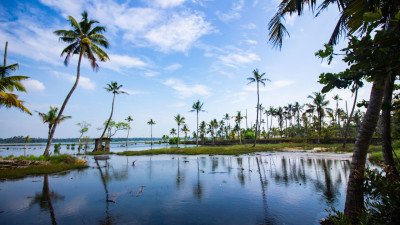
@@The Gateway to the Holy River: The Ganga Riverfront in Kahalgaon is a picturesque stretch of land where the mighty river Ganga flows with a majestic grace. This location is historically significant as it lies close to the ancient university of Vikramshila and the sacred Bateshwar Sthan. The river here is wide and calm, providing a sense of spiritual peace to the pilgrims and tourists who visit the ghats. In Hindu tradition, the Ganga is considered a mother goddess, and at Kahalgaon, her waters are believed to be especially pure and auspicious for ritual bathing. @@Scenic Beauty and the Three Islands: One of the most unique features of the Kahalgaon Riverfront is the view of the Three Islands (locally known as the three hillocks) situated in the middle of the river. These natural rock formations rising out of the water create a dramatic and beautiful landscape, especially during the golden hours of the day. Small boats take visitors close to these islands, where ancient rock-cut carvings of deities like Vishnu and Shiva can be seen. The sight of these islands standing firm against the flowing current of the Ganga is a symbolic representation of Bihar's enduring heritage. @@A Cultural and Spiritual Hub: The riverfront is a center for local life, where the rhythmic chanting of evening Aarti and the ringing of temple bells create a divine atmosphere. The nearby Budhanath Temple and the rock-cut temples of Colganj are closely linked to this riverfront, making it part of a larger spiritual circuit. During festivals like Chhath Puja, the entire riverfront is illuminated with thousands of lamps, and the air is filled with traditional songs, showcasing the deep-rooted cultural fabric of the region. It is a place where faith and nature are inextricably linked. @@Recreational and Visual Delight: For the casual traveler, the riverfront offers more than just religious significance; it is a place for relaxation and leisure. One can spend hours sitting on the steps of the ghats, watching the local fishermen cast their nets or the sunset painting the sky in shades of orange and pink. The riverfront has undergone recent beautification efforts, making it more accessible with paved walkways and seating areas. It serves as a perfect starting point for boat excursions to the Vikramshila Gangetic Dolphin Sanctuary, where lucky visitors might catch a glimpse of the rare river dolphins leaping out of the water.
Card image cap
Ghanta Ghar

The Ghanta Ghar, or Clock Tower, is an iconic landmark in the heart of Bhagalpur city. Built in the early 20th century by the British, the tower stand...

The Ghanta Ghar, or Clock Tower, is an iconic landmark in the heart of Bhagalpur city. Built in the early 20th century by the British, the tower stands as a symbol of the city's colonial past and its enduring history. The Ghanta Ghar is a beautiful piece of colonial architecture, with its red brick facade, intricate designs, and a large clock that still keeps time. The tower's elegant and stately design stands in stark contrast to the modern buildings that have sprung up around it, making it a prominent and easily recognizable landmark. The tower's clock, with its loud and clear chimes, has been a part of the city's soundscape for over a century, marking the rhythm of daily life for the people of Bhagalpur. The Ghanta Ghar is not just a historical monument but a living part of the city's heritage. It is a popular meeting point for locals and a must-visit for tourists who wish to get a glimpse of the city's history and architecture. The tower is located in a bustling market area, and its presence adds a sense of timelessness to the modern urban landscape.
Card image cap
Jagatpur Lake

@@A Hidden Wetland Sanctuary: Jagatpur Lake, located near the Naugachhia region of Bhagalpur, is a pristine freshwater wetland that serves as one of t...

@@A Hidden Wetland Sanctuary: Jagatpur Lake, located near the Naugachhia region of Bhagalpur, is a pristine freshwater wetland that serves as one of the most important birding hotspots in Bihar. Spanning a significant area, this lake becomes a vibrant mosaic of life during the winter months when thousands of migratory birds arrive from distant lands like Siberia and Central Asia. The local community and forest department have worked together to preserve this ecosystem, ensuring that the water remains clean and the habitat undisturbed. It is a place where nature remains largely untouched by the heavy footprints of mass tourism. @@Biodiversity and Avian Wealth: The lake is a haven for biodiversity, hosting over 200 species of birds throughout the year. Visitors can spot rare species such as the Garganey, Northern Pintail, and the Greater Adjutant Stork, which is globally endangered. The sight of these birds gliding over the water against the backdrop of the rising sun is a photographer’s dream. The lake’s ecosystem also supports a variety of aquatic flora and local fish, which in turn sustain the local fishing communities who have lived in harmony with the lake for generations. @@Community-Driven Conservation: What makes Jagatpur Lake truly special is the active involvement of the local "Wetland Mitras" or friends of the wetland. These villagers act as guardians of the lake, preventing poaching and raising awareness about the importance of migratory species. Educational campaigns led by the Mandar Nature Club have successfully turned the area into a model for community-led environmental protection. This grassroots effort has not only protected the birds but has also improved the local water quality and restored native tree species like Peepal and Jamun around the banks. @@A Serene Retreat for Nature Lovers: For those looking to escape the noise of urban life, Jagatpur Lake offers a tranquil environment characterized by fresh air and the soothing sounds of nature. There are no loud crowds or commercial establishments here; instead, you find small country boats and narrow paths perfect for a morning walk. It is an ideal spot for birdwatchers, environmental researchers, and families looking for a quiet picnic in the lap of nature. The lake represents the quiet beauty of rural Bihar and the incredible resilience of its natural landscapes when protected by its people.
Card image cap
Jahangira Island

Jahangira Island is a rocky island located in the middle of the holy Ganges River, near the town of Sultanganj. The island is a popular pilgrimage sit...

Jahangira Island is a rocky island located in the middle of the holy Ganges River, near the town of Sultanganj. The island is a popular pilgrimage site and a major draw for tourists who wish to spend some time in the lap of nature. The island is home to a number of small shrines and temples, which are a reflection of the region's ancient spiritual traditions. The island's serene and tranquil environment, with the gushing river as a backdrop, provides a perfect escape for those who wish to spend some time in spiritual contemplation. The island is also a major draw for birdwatchers, as it is home to a variety of migratory and resident bird species. The island's scenic beauty and its rich biodiversity make it a must-visit for anyone who wishes to explore the natural attractions of the region.
Card image cap
Khanqah-e-Shahbazia

Khanqah-e-Shahbazia is a revered Sufi shrine and a major pilgrimage site for Muslims in the region. The shrine is dedicated to the 18th-century Sufi s...

Khanqah-e-Shahbazia is a revered Sufi shrine and a major pilgrimage site for Muslims in the region. The shrine is dedicated to the 18th-century Sufi saint, Hazrat Maulana Shahbaz Muhammad, who was a renowned scholar and a spiritual guide. The shrine is a beautiful and serene place, with a beautiful white dome and intricate carvings. It is a living testimony to the region's long-standing connection with Sufism and its rich spiritual heritage. The shrine is a place of peace and tranquility, where people from all walks of life, regardless of their religion, come to seek blessings and find solace. The shrine's serene environment, coupled with its profound spiritual significance, makes it a must-visit for devotees and tourists alike. The shrine is not just a place of worship but a center for learning and spiritual discourse. It is a great place to learn about the philosophy of Sufism and its emphasis on love, compassion, and spiritual enlightenment.
Card image cap
Krishna Waterfall

The Krishna Waterfall is a scenic natural wonder located in the Banka district of Bihar. The waterfall is a major draw for tourists who wish to spend ...

The Krishna Waterfall is a scenic natural wonder located in the Banka district of Bihar. The waterfall is a major draw for tourists who wish to spend some time in the lap of nature. The waterfall's cascading waters, with its lush greenery and a variety of flora and fauna, make it a perfect place for nature lovers and wildlife enthusiasts. The waterfall's serene and tranquil environment, away from the noise and activity of the city, provides a perfect escape for those who wish to spend some time in the lap of nature. The waterfall is also a popular spot for a relaxing dip and a picnic. The waterfall's scenic beauty and its rich biodiversity make it a must-visit for anyone who wishes to explore the natural attractions of the region.
Card image cap
Kuppaghat Ashram

The Maharshi Mehi Ashram at Kuppaghat is a serene and spiritual retreat located on the banks of the holy Ganga river in Bhagalpur. The ashram is the n...

The Maharshi Mehi Ashram at Kuppaghat is a serene and spiritual retreat located on the banks of the holy Ganga river in Bhagalpur. The ashram is the national headquarters of the Akhila Bharatiya Santmat-Satsang and is a major pilgrimage site for the followers of Santmat, a spiritual path that emphasizes meditation and inner spiritual practices. The ashram is believed to have been the meditation spot of the great saint Maharshi Mehi Paramhans, who founded the Santmat tradition. The ashram is a tranquil and peaceful place, with a well-maintained garden, a beautiful orchard, and a number of sculptures and paintings depicting scenes from Hindu mythology and spiritual quotes. The ashram's serene environment, away from the noise and activity of the city, provides a perfect escape for spiritual seekers and tourists. The ashram is not just a place of worship but a center for learning and practicing meditation and other spiritual practices. It is a great place to learn about the philosophy of Santmat and its emphasis on meditation and self-discovery.
Card image cap
Manas Temple

The Manas Temple, also known as Mansa Temple, is a revered temple dedicated to Goddess Mansa (or Bishari), located in the old quarters of Champanagar ...

The Manas Temple, also known as Mansa Temple, is a revered temple dedicated to Goddess Mansa (or Bishari), located in the old quarters of Champanagar in Bhagalpur. This temple holds a significant place in the spiritual and cultural landscape of the city, especially for the local Tanti (weaver) community. The temple is believed to be the place where the legendary merchant Chandradhar Saudagar first offered prayers to the Goddess. The temple is a beautiful and serene place, with a unique blend of religious traditions and local folklore. The temple is a living testimony to the region's rich cultural heritage and its deep-rooted connection to the local traditions.
Card image cap
Mandar Hill

@@Mythological Significance of Samudra Manthan: Mandar Hill, also known as Mandar Parvat, is a 700-800 feet high granite hill that holds a central pla...

@@Mythological Significance of Samudra Manthan: Mandar Hill, also known as Mandar Parvat, is a 700-800 feet high granite hill that holds a central place in Indian mythology. It is famously believed to be the churning rod used by the Gods and Demons during the Samudra Manthan (Churning of the Ocean) to obtain the nectar of immortality. A distinct groove or mark around the hill is said to be the impression of the serpent Vasuki, who served as the rope during this cosmic event. This legend makes the hill a deeply revered site for Hindus, who flock here to pay homage to Lord Vishnu, the presiding deity of the mountain. @@Syncretic Religious Heritage: The hill is unique because it serves as a sacred destination for both Hindus and Jains. While Hindu temples dedicated to Lord Madhusudana (Vishnu) are located at the base and on the slopes, the summit is crowned by beautiful Jain temples. Jains believe that their 12th Tirthankara, Lord Vasupujya, attained Nirvana on this very hill, making it a "Siddha Kshetra." This coexistence of different faiths adds a layer of cultural richness to the site, symbolizing the pluralistic nature of Indian spirituality. @@Geological and Aesthetic Beauty: Geologically, Mandar Hill is a massive monolithic granite structure that rises abruptly from the plains of the Banka district. The climb to the top involves navigating several hundred steps carved into the rock, offering panoramic views of the surrounding green fields and water bodies. Along the way, several rock-cut sculptures and inscriptions dating back to the Gupta and Pala periods can be seen, providing evidence of the hill's long-standing historical importance. The panoramic landscape from the peak is especially breathtaking during sunrise and sunset, making the physical exertion of the climb well worth the effort. @@A Cultural Landmark of Bihar: Every year during Makar Sankranti in January, the area transforms into a vibrant hub for the Bounsi Mela, one of the most famous local fairs in Bihar. Thousands of pilgrims bathe in the sacred Paapharni pond at the foot of the hill before beginning their ascent. The introduction of a modern ropeway has made the summit accessible to elderly visitors and tourists who may find the trek challenging. Mandar Hill is more than just a trekking destination; it is a living museum of faith, history, and natural beauty that continues to inspire awe in everyone who visits.
Card image cap
Mandar Parvat

Mandar Parvat, or Mandar Hill, is a revered hill located in the Banka district of Bihar. It holds immense religious and mythological significance for ...

Mandar Parvat, or Mandar Hill, is a revered hill located in the Banka district of Bihar. It holds immense religious and mythological significance for both Hindus and Jains. According to Hindu mythology, the hill was used by the gods and demons to churn the ocean for the Amrit (nectar of immortality) during the Samudra Manthan. The serpent king Vasuki offered himself to be used as a rope, and it is believed that the impressions of his coils are still visible on the granite hill. The hill is also considered a sacred site for Jains, as it is believed that the 12th Tirthankara, Vasupujya, attained Nirvana on its summit. The hill is a beautiful blend of natural beauty and spiritual serenity, with a number of ancient temples, sculptures, and rock carvings. The panoramic views from the top of the hill are breathtaking and make it a popular spot for trekking and nature walks.
Card image cap
Rabindra Bhawan

Rabindra Bhawan is a cultural and community center in Bhagalpur, named after the legendary poet and Nobel laureate, Rabindranath Tagore. The bhawan is...

Rabindra Bhawan is a cultural and community center in Bhagalpur, named after the legendary poet and Nobel laureate, Rabindranath Tagore. The bhawan is a hub of artistic and cultural activities, showcasing diverse artistic expressions. It is a platform for local artists, musicians, and performers to showcase their talent. The bhawan hosts a variety of theatrical performances, cultural events, and art exhibitions throughout the year, which attract a large number of visitors from all over the city. The bhawan's serene and tranquil environment, with its lush garden and a beautiful pond, provides a perfect escape for those who wish to spend some time in the lap of culture and art. The bhawan is not just a place for entertainment but a center for learning and spiritual discourse. It is a great place to learn about the culture and traditions of the region and to interact with local artists and performers.
Card image cap
Surbhi Waterfall

The Surbhi Waterfall, also known as Jharna Waterfall, is a scenic natural wonder located in the Banka district of Bihar. The waterfall is a major draw...

The Surbhi Waterfall, also known as Jharna Waterfall, is a scenic natural wonder located in the Banka district of Bihar. The waterfall is a major draw for tourists who wish to spend some time in the lap of nature. The waterfall's cascading waters, with its lush greenery and a variety of flora and fauna, make it a perfect place for nature lovers and wildlife enthusiasts. The waterfall's serene and tranquil environment, away from the noise and activity of the city, provides a perfect escape for those who wish to spend some time in the lap of nature. The waterfall is also a popular spot for a relaxing dip and a picnic.
Card image cap
The Library Building

The ruins of the Library Building at Vikramshila provide a profound insight into the intellectual heart of this ancient university. Located to the sou...

The ruins of the Library Building at Vikramshila provide a profound insight into the intellectual heart of this ancient university. Located to the southwest of the Main Stupa, this structure was a crucial part of the Mahavihara's academic life. It is believed to have been a repository of thousands of priceless manuscripts, scriptures, and texts on various subjects, including Buddhism, philosophy, logic, grammar, and metaphysics. The Library Building was designed with meticulous care to protect the valuable manuscripts from moisture, a testament to the advanced architectural and engineering knowledge of the time. The structure had a unique design, including a large water reservoir to the rear, which was likely used to condition the back wall, keeping the manuscripts cool and dry. The destruction of this library, along with the rest of the university, was a significant loss to the intellectual heritage of India and the world. Exploring the remains of this building evokes a sense of both awe and sadness, as one contemplates the vast knowledge that was lost. It highlights the university's paramount importance as a center of learning and a hub for the preservation and dissemination of knowledge. The library was a place where scholars and students would have spent countless hours, seeking knowledge and engaging in intellectual discussions, making it a focal point of the university's academic life.
Card image cap
The Main Stupa

The Main Stupa is the most prominent and central structure within the ruins of the ancient Vikramshila University. It stands as a majestic testimony t...

The Main Stupa is the most prominent and central structure within the ruins of the ancient Vikramshila University. It stands as a majestic testimony to the architectural and spiritual significance of the Mahavihara. The stupa is cruciform in shape, rising from a two-terraced base and is believed to have been a place of worship and meditation. The main stupa is surrounded by a large number of votive stupas, each a miniature shrine, indicating the widespread devotion and ritualistic practices that were central to life at the monastery. The stupa's design, with its elaborate brickwork, reflects the architectural style of the Pala period. Inside the four chambers of the stupa, colossal stucco images of a seated Buddha were once placed, though they are now largely damaged. The presence of these images and the sheer scale of the structure point to its importance as a center for Buddhist devotion and learning. The stupa served as a focal point for the entire monastic complex, with its surrounding cells and structures for monks and scholars. It is not just a relic of the past but a powerful symbol of the intellectual and spiritual heritage of ancient India. The intricate details of the stupa, even in its ruined state, tell a story of a glorious past and the vibrant academic life that once thrived here. It is a place that inspires a sense of awe and reverence, making it the primary attraction for all visitors to Vikramshila.
Card image cap
The Monastic Cells

The Monastic Cells at Vikramshila form a vast and intricate network, providing a fascinating glimpse into the daily life of the ancient Buddhist monks...

The Monastic Cells at Vikramshila form a vast and intricate network, providing a fascinating glimpse into the daily life of the ancient Buddhist monks and scholars. The entire monastic complex is a huge square monastery, with the Main Stupa at its center, surrounded by numerous cells. These cells, numbering over 200, were the living quarters for the resident monks and students. Each cell was a simple, small room where a monk would live, study, and meditate. The layout of the cells, arranged in a quadrangle around the central courtyard, reflects the well-organized and disciplined lifestyle of the monastic community. The cells are a testament to the fact that Vikramshila was not just a place of academic pursuit but a residential university where a thousand students and over a hundred teachers lived and learned together. The cells, in their ruined state, evoke a sense of history and intellectual rigor. As you walk through the long corridors and see these individual rooms, you can almost visualize the scholars engrossed in their studies, debating philosophy, or quietly meditating. The sheer number of these cells signifies the university's large capacity and its role as a premier center of Buddhist education. The archaeological excavations have also revealed a library building, which would have held the manuscripts and texts for the scholars and students residing in these cells.
Card image cap
Tilha Waterfall

The Tilha Waterfall is another scenic natural wonder located in the Banka district of Bihar. The waterfall is a major draw for tourists who wish to sp...

The Tilha Waterfall is another scenic natural wonder located in the Banka district of Bihar. The waterfall is a major draw for tourists who wish to spend some time in the lap of nature. The waterfall's cascading waters, with its lush greenery and a variety of flora and fauna, make it a perfect place for nature lovers and wildlife enthusiasts. The waterfall's serene and tranquil environment, away from the noise and activity of the city, provides a perfect escape for those who wish to spend some time in the lap of nature. The waterfall is also a popular spot for a relaxing dip and a picnic. The waterfall's scenic beauty and its rich biodiversity make it a must-visit for anyone who wishes to explore the natural attractions of the region.
Card image cap
Tilka Manjhi Chowk

Tilka Manjhi Chowk is a historical landmark in Bhagalpur, named after the legendary freedom fighter, Tilka Manjhi. He was a Paharia leader who took up...

Tilka Manjhi Chowk is a historical landmark in Bhagalpur, named after the legendary freedom fighter, Tilka Manjhi. He was a Paharia leader who took up arms against the British in the 1780s, long before the 1857 uprising. He is considered the first freedom fighter of India. The chowk is a tribute to his heroic struggle against the British. A statue of Tilka Manjhi was erected at the spot where he was executed by the British in 1784. The chowk is a symbol of the city's heroic past and its enduring legacy. The chowk is a bustling intersection in the city, with a lot of shops and restaurants around it. It is a popular meeting point for locals and a must-visit for tourists who wish to get a glimpse of the city's history and its connection to the freedom struggle.
Show All

Note:-

Information provided here in good Faith and for reference only.

All information and pictures will be updated soon, please keep visiting.

Near Places
...
Araria

Some quick example text to build on the card title and make up the bulk of the card's content.

Go somewhere
...
Arwal

Some quick example text to build on the card title and make up the bulk of the card's content.

Go somewhere
...
Banka

Some quick example text to build on the card title and make up the bulk of the card's content.

Go somewhere
...
Begusarai

Some quick example text to build on the card title and make up the bulk of the card's content.

Go somewhere
...
Bhagalpur

Some quick example text to build on the card title and make up the bulk of the card's content.

Go somewhere
...
Bhojpur

Some quick example text to build on the card title and make up the bulk of the card's content.

Go somewhere
...
Bihar Sharif

Some quick example text to build on the card title and make up the bulk of the card's content.

Go somewhere
...
Bodh Gaya

Some quick example text to build on the card title and make up the bulk of the card's content.

Go somewhere
...
Buxar

Some quick example text to build on the card title and make up the bulk of the card's content.

Go somewhere
...
Champaran

Some quick example text to build on the card title and make up the bulk of the card's content.

Go somewhere
in Other Cities