

Pynursla
General information
-
Ideal Duration:
2 to 3 DaysPlace Type:
Adventure / Eco-TourismEntry Fees:
Place Entry Fees:
Community Fees: Most villages like Nohwet and Wahkhen charge a small maintenance fee of 20 to 50 INR for entry. This money goes directly to the local village council for the upkeep of the trails and bridges.Place Entry Fees:
Community Fees: Most villages like Nohwet and Wahkhen charge a small maintenance fee of 20 to 50 INR for entry. This money goes directly to the local village council for the upkeep of the trails and bridges.
Guide Charges: For treks like Mawryngkhang, hiring a local guide is mandatory and costs between 500 and 1000 INR. This ensures safety on the tricky bamboo paths and provides employment to the local youth.
:Timing:
Place Timings:
Trekking Hours: It is strictly recommended to start treks by 08:00 AM to ensure you are back before dark. Most village attractions close their entry gates by 04:30 PM or 05:00 PM to prevent tourists from getting lost in the fo...Place Timings:
Trekking Hours: It is strictly recommended to start treks by 08:00 AM to ensure you are back before dark. Most village attractions close their entry gates by 04:30 PM or 05:00 PM to prevent tourists from getting lost in the forest.
Best Time of Day: Early morning between 06:00 AM and 09:00 AM is the best for views as the mist is usually lower. Afternoon can be quite cloudy, which adds to the mystery but reduces long-distance visibility.
:Special Events:
Place Special Event:
Nongkrem Dance: Although primarily held in Smit, many locals from Pynursla participate in this grand festival in November. It is a thanksgiving ceremony to God for a powerful harvest and peace in the community.
<...Place Special Event:
Nongkrem Dance: Although primarily held in Smit, many locals from Pynursla participate in this grand festival in November. It is a thanksgiving ceremony to God for a powerful harvest and peace in the community.
Harvest Festivals: Local villages celebrate the end of the broom grass and betel nut harvest with community feasts and traditional music. These are informal but deeply cultural events that visitors can sometimes join.
:Best Photo Spots:
Place Best Photo Spots:
Mawryngkhang Bamboo Trail: The most photogenic and daring spot in the region. The narrow bamboo paths against the backdrop of massive grey rocks and green valleys provide world-class adventure photography opportunitie...Place Best Photo Spots:
Mawryngkhang Bamboo Trail: The most photogenic and daring spot in the region. The narrow bamboo paths against the backdrop of massive grey rocks and green valleys provide world-class adventure photography opportunities.
Pynursla Root Bridge: The intricate patterns of the roots and the surrounding mossy green environment create a mystical, "Lord of the Rings" style aesthetic. Use a long exposure to capture the flowing water of the stream beneath the bridge for a professional look.
Bangladesh Border View: From the heights of Pynursla, the flat plains of Bangladesh stretching into the horizon provide a unique contrast to the rugged hills of Meghalaya. This spot is best photographed during sunset.
:Photo Gallery
Things To Do
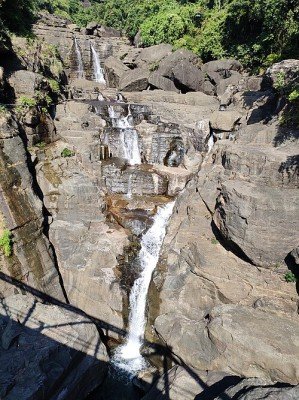 Borhill Falls is a majestic natural wonder located near the border of India and Bangladesh. The waterfall cascades down in a series of powerful tiers, creating a mist that often blankets the surrounding greenery in a dreamy atmosphere. Unlike the more commercialized falls in Sohra, Borhill Falls offers a raw and rugged experience that connects visitors directly with the untamed spirit of Meghalaya. The water flows from the high ridges of the East Khasi Hills and eventually feeds into the rivers of the plains below. The surrounding area is densely forested, providing a habitat for various bird species and rare orchids. Visitors often describe the sound of the falling water as a rhythmic roar that can be heard from a distance. The path to the falls is lined with limestone rocks and vibrant moss, making the trek as beautiful as the destination itself. It is a perfect spot for those seeking solitude and a break from the digital world. The local community holds the water source in high regard, often associating it with the purity of the mountains.
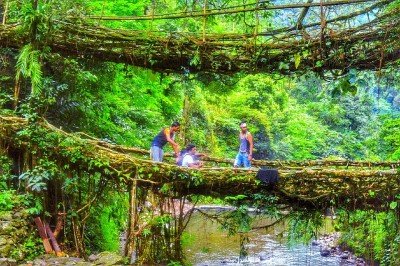 The Nongriat Double Decker Living Root Bridge is a world-renowned marvel of bio-engineering. Located in the remote village of Nongriat, it is created by training the aerial roots of the Ficus elastica tree across a river. Over decades, these roots grow thick and strong, eventually forming a sturdy bridge that can support dozens of people. What makes this bridge unique is its two-tier structure, one deck stacked above the other, a feat rarely seen elsewhere. The trek to reach Nongriat is legendary, involving a descent of over 3500 steps from the village of Tyrna. Along the way, hikers are treated to stunning views of the rainforest, crossing suspension bridges over turquoise rivers. The bridge itself is over 200 years old and continues to grow stronger with time. Below the bridge, the Umshiang River forms a beautiful pool where travelers often rest and swim. The atmosphere is mystical, with the bridge blending seamlessly into the giant trees and ferns. It is a symbol of the harmonious relationship between the Khasi people and nature. Visiting this bridge is not just a sightseeing trip but a pilgrimage for nature lovers and adventurers.
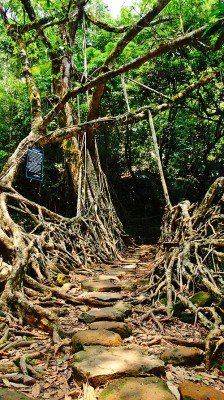 Jingmaham Living Root Bridge is a testament to the sustainable ingenuity of the Khasi tribe. Unlike modern bridges, this structure is "grown" rather than built. It is formed by training the aerial roots of the Ficus elastica (Rubber Tree) across a river. Over decades, these roots thicken and intertwine, eventually becoming strong enough to support the weight of dozens of people. The Jingmaham bridge is particularly famous for its length and the pristine river that flows beneath it. The surrounding forest is a "Sacred Grove," where local laws prohibit the harming of any flora or fauna. The walk to the bridge involves a descend through stone steps carved into the hillside. Along the way, you see traditional Khasi huts and small betel nut plantations. The air here is exceptionally clean, filled with the scent of wild ginger and orchids. This bridge is not just a crossing; it is a living organism that grows stronger with age. It represents a harmonious relationship between humans and nature that has lasted for centuries.
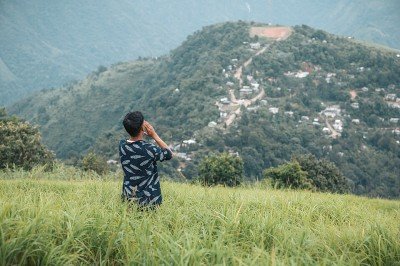 Kongthong Village is one of the most unique cultural spots in the world. It is famous for the tradition of Jingrwai Iawbei, where every resident is given a unique tune or "whistle name" by their mother at birth. Instead of calling out names in words, the villagers whistle specific melodies to communicate across the deep valleys. The village is perched on a ridge, offering breathtaking views of the surrounding canyons. The lifestyle here remains largely untouched by modernization. Houses are made of wood and bamboo, and the primary occupation is broom-grass farming and honey collection. The people of Kongthong are incredibly hospitable and proud of their musical heritage. Walking through the village, you will hear a constant symphony of whistles echoing through the hills. This tradition is a beautiful expression of a mother’s love, as each tune is composed specifically for her child. It is a place where silence and music coexist in perfect harmony.
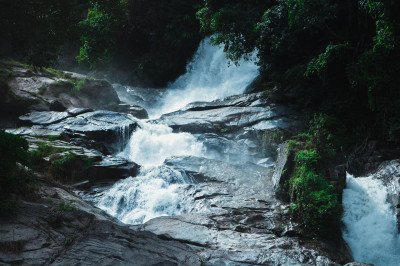 Bop Hill Falls (also known locally as Borhill Falls) is one of the most magnificent, yet relatively less-visited, waterfalls in the East Khasi Hills of Meghalaya, India. The falls are renowned not just for their gushing waters but, uniquely, for their geographical placement, which offers a breathtaking panoramic view that stretches down to the low-lying plains of neighboring Bangladesh. The water cascades dramatically down the steep, rocky cliff face, creating a milky-white curtain that is a spectacular sight, especially during and immediately after the monsoon months of June to September when the water volume is at its peak. The falls are easily viewed from the road connecting Pynursla and Dawki, making it a perfect, quick detour on the popular tourist circuit that includes Mawlynnong and the Umngot River. Unlike many other waterfalls in the region that require long, strenuous treks to reach their base, Bop Hill Falls are visible right from the roadside viewpoint, allowing for easy access for all types of travelers. The surrounding landscape is characterized by dense subtropical forest and the undulating topography typical of the region. Visitors often stop here for the dual experience: the sheer power and beauty of the waterfall itself, and the compelling contrast of the rugged Khasi Hills meeting the distant, flat, and often misty plains of the other country. This geographical perspective adds a layer of intrigue and significance to the natural beauty, reinforcing the area's nickname, "Scotland of the East." The sheer drop and the way the water disappears into the valley below before flowing into the river systems that eventually cross the international border make it a fascinating spot for geography enthusiasts. This pristine natural wonder embodies the raw, untamed beauty of Meghalaya, often catching tourists by surprise with its grandeur.
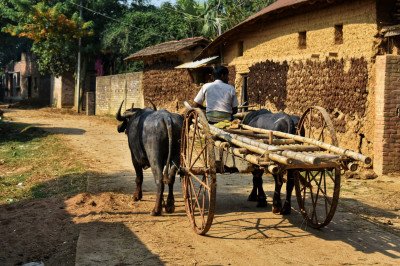 Laitkynsew Village is a picturesque hamlet situated on the edge of the plateau overlooking the deep gorges of Meghalaya. It is famous for being one of the oldest villages in the region and serves as a base for many famous treks, including the one to the Double Decker Living Root Bridge. The village is surrounded by citrus groves and pineapple plantations. The architecture here is a mix of colonial influence and traditional Khasi styles. Laitkynsew is known for its legendary hospitality and its proximity to some of the most dramatic viewpoints in the state. From here, one can see the Nohkalikai Falls from a unique angle. The village is often shrouded in mist, giving it a mystical appearance. It is a center for eco-tourism where visitors can learn about the flora and fauna of the Khasi Hills. The community is deeply involved in preserving the natural beauty of their surroundings, making it a clean and green destination for nature lovers.
Mawklot Village is a serene and picturesque hamlet located in the heart of the East Khasi Hills. The village is known for its lush green landscapes, traditional Khasi houses, and the warm hospitality of the local community. It serves as a perfect escape for those looking to experience the authentic rural life of Meghalaya. The village is surrounded by dense forests and rolling hills, providing a tranquil environment for nature lovers. Visitors can walk through the narrow lanes, interact with the locals, and learn about their unique matrilineal culture. The village also boasts several natural viewpoints that offer stunning views of the surrounding valleys. The air here is crisp and clean, making it a rejuvenating spot for travelers. Mawklot Village is also a great base for exploring nearby waterfalls and root bridges. The community is deeply involved in sustainable tourism and takes great pride in maintaining the cleanliness and beauty of their surroundings.Show All
Laitkynsew Village is a picturesque hamlet situated on the edge of the plateau overlooking the deep gorges of Meghalaya. It is famous for being one of the oldest villages in the region and serves as a base for many famous treks, including the one to the Double Decker Living Root Bridge. The village is surrounded by citrus groves and pineapple plantations. The architecture here is a mix of colonial influence and traditional Khasi styles. Laitkynsew is known for its legendary hospitality and its proximity to some of the most dramatic viewpoints in the state. From here, one can see the Nohkalikai Falls from a unique angle. The village is often shrouded in mist, giving it a mystical appearance. It is a center for eco-tourism where visitors can learn about the flora and fauna of the Khasi Hills. The community is deeply involved in preserving the natural beauty of their surroundings, making it a clean and green destination for nature lovers.
Mawklot Village is a serene and picturesque hamlet located in the heart of the East Khasi Hills. The village is known for its lush green landscapes, traditional Khasi houses, and the warm hospitality of the local community. It serves as a perfect escape for those looking to experience the authentic rural life of Meghalaya. The village is surrounded by dense forests and rolling hills, providing a tranquil environment for nature lovers. Visitors can walk through the narrow lanes, interact with the locals, and learn about their unique matrilineal culture. The village also boasts several natural viewpoints that offer stunning views of the surrounding valleys. The air here is crisp and clean, making it a rejuvenating spot for travelers. Mawklot Village is also a great base for exploring nearby waterfalls and root bridges. The community is deeply involved in sustainable tourism and takes great pride in maintaining the cleanliness and beauty of their surroundings.Show All Pynursla Cathedral is a significant religious landmark, serving as a powerful spiritual and architectural symbol for the large Catholic community in the Pynursla region of the East Khasi Hills. While not as globally famous as the cathedral in Shillong, this local church holds deep cultural and historical importance for the residents of Pynursla and the surrounding villages. The structure is typically dedicated to a patron saint, and its design reflects the blend of indigenous Khasi cultural elements with traditional Christian ecclesiastical architecture, which is common in Meghalaya. It acts as a central gathering place, not only for Sunday Mass but also for important community events, religious festivals like Christmas and Easter, and local ceremonies. The church often plays a vital role in the social services and education of the area, a common tradition established by the early missionaries. The presence of the cathedral underscores the strong faith and cultural identity of the Khasi people in this area, many of whom embraced Christianity through the efforts of early Welsh and Catholic missions. Visitors are often struck by the serene and devout atmosphere inside, which contrasts with the bustling activities of the town outside. The grounds are typically peaceful and well-maintained, offering a quiet space for reflection. The building's architecture, with its distinctive bell tower and sometimes stained-glass windows depicting religious scenes or local cultural motifs, provides a visual narrative of the region's history and its connection to the global Catholic Church. As a cornerstone of the local community, it represents stability, tradition, and faith. The church's design often uses local materials, contributing to a unique regional aesthetic.
Information
-
Why Famous:
Why Famous Place:
Longest Root Bridges: It is home to the Pynursla Longest Living Root Bridge, which is a marvel of bio-engineering. Unlike the famous double-decker in Nongriat, these are often more accessible and less crowded.Why Famous Place:
Longest Root Bridges: It is home to the Pynursla Longest Living Root Bridge, which is a marvel of bio-engineering. Unlike the famous double-decker in Nongriat, these are often more accessible and less crowded.
Gateway to the South: Pynursla serves as a vital stop for those heading towards Dawki and Mawlynnong. It is the last major town where travelers can find essential supplies and fuel before reaching the international border.
: -
Architecture:
Place Architecture:
Indigenous Engineering: The architecture of the living root bridges is the highlight here, with spans reaching up to 50 meters. These structures grow stronger over time as the roots thicken and intertwine, capable of carr...Place Architecture:
Indigenous Engineering: The architecture of the living root bridges is the highlight here, with spans reaching up to 50 meters. These structures grow stronger over time as the roots thicken and intertwine, capable of carrying the weight of dozens of people simultaneously. The bridges are often wide enough for two people to pass, with intricate mesh-like floorings made of interwoven secondary roots.
Village Dwellings: The houses in Pynursla and nearby Nohwet are traditionally built using limestone, wood, and thatch. Many modern homes now use tin roofs, but the layout remains functional with open porches to enjoy the mountain breeze. The dimensions of a standard traditional house are roughly 25x20 feet, often built on raised platforms to avoid moisture from the damp ground.
: -
How To Reach:
Place How to Reach:
By Air: Shillong Airport at Umroi is about 80 Kms away, but has limited flights. Most travelers fly into Guwahati Airport (150 Kms) and take a cab to Shillong, then change for a taxi to Pynursla.
Read MorePlace How to Reach:
By Air: Shillong Airport at Umroi is about 80 Kms away, but has limited flights. Most travelers fly into Guwahati Airport (150 Kms) and take a cab to Shillong, then change for a taxi to Pynursla.
By Train: Guwahati is the nearest major railway station. From there, one can take a shared sumo or private car to Pynursla, which is a journey of about 4 to 5 hours through beautiful winding roads.
By Road: Pynursla is located on the highway connecting Shillong to Dawki. Excellent road conditions make it a smooth drive, with regular bus services and shared taxis available from Anjalee stand in Shillong.
By Local Transport: Once in Pynursla, the best way to reach specific trekking points like Wahkhen is by hiring a local "Maruti 800" taxi. These small cars are experts at navigating the narrow and steep village roads.
:Weather and Best Time to Visit:
Place Best Time to Visit:
Post-Monsoon: October and November are the best months when the waterfalls are still active but the weather is clear. This is the peak time for trekking as the bamboo bridges are dry and less slippery.Place Best Time to Visit:
Post-Monsoon: October and November are the best months when the waterfalls are still active but the weather is clear. This is the peak time for trekking as the bamboo bridges are dry and less slippery.
Spring Season: March and April offer pleasant temperatures and the sight of blooming wild flowers. The valleys are clear, providing the best views of the plains of Bangladesh and the distant mountain ranges.
Monsoon Thrill: For those who love the rain, July and August offer the most dramatic scenery. However, be prepared for leeches on the trails and limited visibility due to the constant heavy mist and clouds.
:Near Tourist Places:
Mawlynnong (30 km), Dawki (35 km), Shillong (50 km), Mawryngkhang (15 km), Nohwet (28 km), Laitlum Canyons (40 km), Cherrapunji (60 km), Borhill Falls (25 km), Tamabil (36 km), Smit (45 km).Tourism Tips
-
Place Tourism Tips:
Health and Safety: Leeches are common in the forest; carry salt or tobacco to remove them. Ensure you have sturdy trekking shoes with excellent grip, as the stone steps and bamboo trails can be extremely slippery.Place Tourism Tips:
Health and Safety: Leeches are common in the forest; carry salt or tobacco to remove them. Ensure you have sturdy trekking shoes with excellent grip, as the stone steps and bamboo trails can be extremely slippery.
Packing Essentials: A high-quality rain jacket is essential even in the "dry" season. Carry a portable power bank as electricity can be intermittent in remote villages, and bring enough cash as ATMs are rare outside the main town.
Accommodation: Homestays in Pynursla and Nohwet provide an authentic experience. They are basic but clean, offering home-cooked local meals. It is a great way to support the local economy and learn about Khasi culture.
Sustainable Travel: Meghalaya takes cleanliness very seriously. Do not carry single-use plastics into the villages and never throw trash in the valleys. Follow the "Leave No Trace" principle to keep these hidden gems pristine for the future.
:
Reviews
FAQs
Pynursla Itineray And Cost:-
Other Places In Meghalaya :-
Other States In India :-
Information about New and Updated Locations() of Meghalaya Has Been Added :-
Card subtitle
Note:-
Information provided here in good Faith and for reference only.
Near Places
Amlarem
Some quick example text to build on the card title and make up the bulk of the card's content.
Go somewhere
Baghmara
Some quick example text to build on the card title and make up the bulk of the card's content.
Go somewhere
Cherrapunji
Some quick example text to build on the card title and make up the bulk of the card's content.
Go somewhere
Dawki
Some quick example text to build on the card title and make up the bulk of the card's content.
Go somewhere
Jowai
Some quick example text to build on the card title and make up the bulk of the card's content.
Go somewhere
Mairang
Some quick example text to build on the card title and make up the bulk of the card's content.
Go somewhere
Mawlynnong
Some quick example text to build on the card title and make up the bulk of the card's content.
Go somewhere
Mawryngkneng
Some quick example text to build on the card title and make up the bulk of the card's content.
Go somewhere
Mawsynram
Some quick example text to build on the card title and make up the bulk of the card's content.
Go somewhere
Nongpoh
Some quick example text to build on the card title and make up the bulk of the card's content.
Go somewhere
Pynursla
Some quick example text to build on the card title and make up the bulk of the card's content.
Go somewhere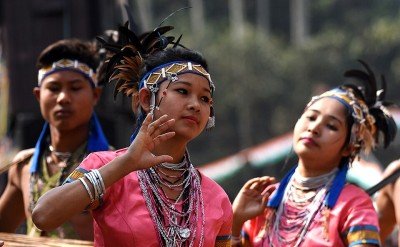
Rongram
Some quick example text to build on the card title and make up the bulk of the card's content.
Go somewhere
Shillong
Some quick example text to build on the card title and make up the bulk of the card's content.
Go somewhere
Tura
Some quick example text to build on the card title and make up the bulk of the card's content.
Go somewhere
Umsning
Some quick example text to build on the card title and make up the bulk of the card's content.
Go somewherein Other Cities