

Sasaram
General information
-
Ideal Duration:
2 to 3 HoursPlace Type:
Historical Monument / Heritage SiteEntry Fees:
Domestic Visitors: The entry fee for Indian citizens and visitors from SAARC/BIMSTEC countries is approximately 20 INR, making it highly accessible for the local general public.
International Tourists: Foreign nationals are required to pay a...Domestic Visitors: The entry fee for Indian citizens and visitors from SAARC/BIMSTEC countries is approximately 20 INR, making it highly accessible for the local general public.
International Tourists: Foreign nationals are required to pay a higher entry fee of approximately 250 INR, which contributes to the maintenance and preservation of this national heritage site.
Additional Charges: Photography for personal use is generally free, but professional videography or commercial filming requires prior permission and payment of additional fees to the ASI authorities.Timing:
Daily Visiting Hours: The monument is open every day of the week from 6:00 AM to 6:00 PM, allowing visitors plenty of time to explore the grounds during daylight hours.
Ideal Time for Sightseeing: The best time of day to visit is early morni...Daily Visiting Hours: The monument is open every day of the week from 6:00 AM to 6:00 PM, allowing visitors plenty of time to explore the grounds during daylight hours.
Ideal Time for Sightseeing: The best time of day to visit is early morning at 7:00 AM to avoid the afternoon heat and the large crowds that typically arrive after midday.
Monthly Availability: The tomb remains open throughout the year, including public holidays, though it is most comfortable during the cooler months from October to March.Special Events:
Suri Heritage Festival: Occasional cultural events organized by the state tourism department celebrate the history of the Suri dynasty with traditional music and dance performances at the site.
Navratri at Tara Chandi: The nearby Maa Tara Ch...Suri Heritage Festival: Occasional cultural events organized by the state tourism department celebrate the history of the Suri dynasty with traditional music and dance performances at the site.
Navratri at Tara Chandi: The nearby Maa Tara Chandi Temple hosts grand celebrations during the October and March Navratri festivals, drawing thousands of devotees to the city.
Chhath Puja at the Lake: During the auspicious Chhath festival, the banks of the artificial lake become a focal point for rituals, offering a vibrant and spiritual atmosphere for visitors.Best Photo Spots:
Golden Hour at the Stone Bridge: The best photos are taken during the "Golden Hour" (sunrise or sunset) when the red sandstone glows and the reflection in the lake is perfectly still.
Wide-Angle Plinth Shots: Use a wide-angle lens from the c...Golden Hour at the Stone Bridge: The best photos are taken during the "Golden Hour" (sunrise or sunset) when the red sandstone glows and the reflection in the lake is perfectly still.
Wide-Angle Plinth Shots: Use a wide-angle lens from the corners of the square plinth to capture the massive scale of the 122-foot high dome against the blue sky.
Symmetrical Archway Frames: The doorways and corridors of the tomb provide natural frames that are perfect for architectural photography, highlighting the geometric precision of the Afghan builders.Photo Gallery
Things To Do
 @@ Tutla Bhawani is a unique combination of a religious pilgrimage and a stunning natural attraction. It is a valley formed by two converging mountains that stretch for about a mile. In the center of this green valley flows the Kachuar River, ending in a magnificent waterfall. The site is home to the ancient Tutla Bhawani Temple, which is highly revered by locals. A hanging bridge (Sushasan Bridge) provides a thrilling way to cross the valley and view the falls. The ecosystem here is incredibly vibrant, with dense forests and a cool microclimate even during summer. It is considered one of the most beautiful "hidden gems" of Bihar. The waterfall drops from a height of nearly 200 meters during the peak Monsoon. Pilgrims come here to seek blessings and then enjoy the natural beauty. The site has been developed recently with better paths and facilities for tourists.
 @@The Essence of Nature: Belwai Waterfall is one of the most serene and untouched natural wonders located in the Rohtas district near Sasaram. This waterfall is nestled within the lush greenery of the Kaimur hill range and provides a perfect escape from the hustle and bustle of city life. The water cascades down from a significant height of approximately 122 feet, creating a refreshing pool at the bottom where visitors often enjoy a cool dip. Unlike the more commercialized spots, Belwai Waterfall offers a raw and authentic experience of Bihar's wilderness. The surrounding landscape is dominated by dense forests and rocky terrains that become vibrant green during the Monsoon season. It is a favorite spot for local nature enthusiasts and photographers who seek to capture the interplay of water and rock. The air here is remarkably fresh, filled with the sound of rushing water and chirping birds. Historically, these hills have been home to various tribal communities, and the waterfall remains a source of life for the local ecosystem. Visiting this place requires a short trek through the forest, which adds an element of adventure to the trip. The rocks around the fall are ancient and provide a glimpse into the geological history of the Kaimur range. Many people visit this spot for family picnics, especially after the rains when the flow is at its peak. The tranquility of the place is its biggest draw, allowing for meditation and relaxation. It is a place where one can truly connect with the elements without the distraction of modern infrastructure. The waterfall also plays a role in the local hydrology, feeding into smaller streams that support agriculture in the nearby villages. Overall, it is a must-visit for anyone looking for beauty in its simplest form.
The Babu Jagjivan Ram Smarak is a memorial dedicated to Babu Jagjivan Ram (April 5, 1908 – July 6, 1986), a towering figure in Indian politics, an independence activist, and one of the longest-serving Union Cabinet Ministers in the country's history. Affectionately known as Babuji, he was a key leader of the downtrodden and Dalit communities, advocating tirelessly for social equality and justice. Born in Chandwa village near Arrah (Bihar), he was instrumental in founding the All India Depressed Classes League in 1935 and played a crucial role in ensuring social justice was enshrined in the Constitution of India as a member of the Constituent Assembly. He was the youngest minister in Jawaharlal Nehru's interim government in 1946, holding the Labour portfolio, and later served in various high-profile roles, including Deputy Prime Minister. The Smarak (memorial) in Sasaram (a politically significant area in Bihar) serves as a place of public homage, celebrating his immense contribution to nation-building, his commitment to the rights of the marginalized, and his enduring political legacy that spanned over four decades. The structure is meant to inspire younger generations by reminding them of his dedication to secularism, social reform, and democratic values. It often hosts public functions on his birth and death anniversaries, serving as a focal point for political and social remembrance in the region.
@@The Essence of Nature: Belwai Waterfall is one of the most serene and untouched natural wonders located in the Rohtas district near Sasaram. This waterfall is nestled within the lush greenery of the Kaimur hill range and provides a perfect escape from the hustle and bustle of city life. The water cascades down from a significant height of approximately 122 feet, creating a refreshing pool at the bottom where visitors often enjoy a cool dip. Unlike the more commercialized spots, Belwai Waterfall offers a raw and authentic experience of Bihar's wilderness. The surrounding landscape is dominated by dense forests and rocky terrains that become vibrant green during the Monsoon season. It is a favorite spot for local nature enthusiasts and photographers who seek to capture the interplay of water and rock. The air here is remarkably fresh, filled with the sound of rushing water and chirping birds. Historically, these hills have been home to various tribal communities, and the waterfall remains a source of life for the local ecosystem. Visiting this place requires a short trek through the forest, which adds an element of adventure to the trip. The rocks around the fall are ancient and provide a glimpse into the geological history of the Kaimur range. Many people visit this spot for family picnics, especially after the rains when the flow is at its peak. The tranquility of the place is its biggest draw, allowing for meditation and relaxation. It is a place where one can truly connect with the elements without the distraction of modern infrastructure. The waterfall also plays a role in the local hydrology, feeding into smaller streams that support agriculture in the nearby villages. Overall, it is a must-visit for anyone looking for beauty in its simplest form.
The Babu Jagjivan Ram Smarak is a memorial dedicated to Babu Jagjivan Ram (April 5, 1908 – July 6, 1986), a towering figure in Indian politics, an independence activist, and one of the longest-serving Union Cabinet Ministers in the country's history. Affectionately known as Babuji, he was a key leader of the downtrodden and Dalit communities, advocating tirelessly for social equality and justice. Born in Chandwa village near Arrah (Bihar), he was instrumental in founding the All India Depressed Classes League in 1935 and played a crucial role in ensuring social justice was enshrined in the Constitution of India as a member of the Constituent Assembly. He was the youngest minister in Jawaharlal Nehru's interim government in 1946, holding the Labour portfolio, and later served in various high-profile roles, including Deputy Prime Minister. The Smarak (memorial) in Sasaram (a politically significant area in Bihar) serves as a place of public homage, celebrating his immense contribution to nation-building, his commitment to the rights of the marginalized, and his enduring political legacy that spanned over four decades. The structure is meant to inspire younger generations by reminding them of his dedication to secularism, social reform, and democratic values. It often hosts public functions on his birth and death anniversaries, serving as a focal point for political and social remembrance in the region.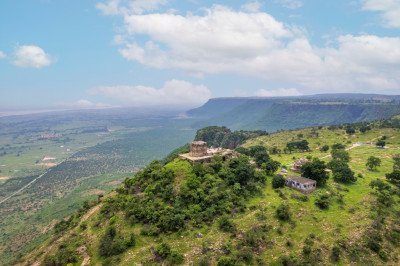 @@A Spiritual Legacy: Chaurasan Temple is an ancient and deeply revered shrine dedicated to Lord Shiva, situated near the majestic Rohtasgarh Fort. This temple is steeped in legend and is believed to have been established by the mythological King Harishchandra in honor of his son Rohitashwa. The temple's name is derived from its unique structure, specifically the 84 steps that lead to the sanctum, as "Chaurasi" means eighty-four in Hindi. These steps are said to represent the 8.4 million cycles of rebirth in Hindu philosophy, suggesting that climbing them is a symbolic journey toward liberation. The temple is perched on a hill, providing a vantage point that overlooks the vast plains of the Sone River valley. It is a site where history and spirituality converge, attracting both pilgrims and history buffs. The atmosphere is intensely peaceful, with the silence of the hills only broken by the ringing of temple bells. Devotees believe that prayers offered here with a pure heart are always answered by Mahadev. The temple remains a testament to the enduring Hindu heritage of the region, which flourished even during periods of various imperial rules. The architecture is simple yet evocative of ancient stone masonry. Over the centuries, the temple has witnessed the rise and fall of dynasties, from the Guptas to the Suris. It is especially crowded during the month of Shravan and on Mahashivratri. The climb to the temple is considered a form of penance and devotion. Despite being in a somewhat secluded location, the spiritual energy of the site draws people from far and wide. The surrounding ruins of the Rohtasgarh Fort add a layer of historical intrigue to the visit. It is not just a place of worship but a site of cultural pride for the people of Rohtas.
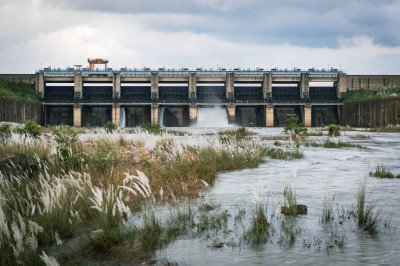 Indrapuri Dam, also known as the Sone Barrage, is a magnificent structure and a vital lifeline for agriculture in Bihar. Commissioned in 1968, it is the fourth longest barrage in the world, stretching over 1,407 meters. The dam was built to replace an older irrigation system from the British era and now feeds a massive network of canals that irrigate millions of hectares of land in Rohtas, Bhojpur, and Aurangabad. For tourists, the dam offers a breathtaking view of the vast Sone River, which looks like an ocean during the monsoon season. The surrounding area is serene, with cool breezes blowing off the water, making it a popular spot for evening walks and weekend getaways. Visitors can observe the intricate mechanism of the gates and the sheer force of water as it is diverted into the canals. It is a perfect example of modern engineering blending with natural beauty, providing a peaceful environment away from the city noise.
@@The Cascading Beauty of Dhankadha: Dhankadha Waterfall, often also known as Dhuwan Kund or Kaimur Hill Waterfall in some local contexts, is one of the most magnificent natural attractions in the Sasaram area, situated deep within the forested folds of the Kaimur hills, an extension of the Vindhya range; the waterfall gains its spectacular character primarily during and immediately after the Monsoon season (July to October), when the swollen streams of the plateau plunge down the sheer rock face into a deep, clear pool or kund below; the sheer force of the water creates a mist, or dhuaan (smoke), which gives it the name Dhuwan Kund and adds to the ethereal, refreshing atmosphere of the area; the surrounding area is characterized by dense, deciduous forest, offering a lush green canopy that makes the trek to the falls a refreshing experience in itself, with diverse biodiversity; the site is a hugely popular spot for local picnics, especially on Sundays and public holidays during the peak flow season, drawing crowds for its cooling spray and natural beauty; the path to the falls is usually a moderate trek over rocky, sometimes slippery terrain, demanding caution and sturdy footwear; the natural pool at the base is often used by visitors for a refreshing dip, though safety precautions must be observed due to the depth and strong currents, particularly when the flow is heavy.@@
Indrapuri Dam, also known as the Sone Barrage, is a magnificent structure and a vital lifeline for agriculture in Bihar. Commissioned in 1968, it is the fourth longest barrage in the world, stretching over 1,407 meters. The dam was built to replace an older irrigation system from the British era and now feeds a massive network of canals that irrigate millions of hectares of land in Rohtas, Bhojpur, and Aurangabad. For tourists, the dam offers a breathtaking view of the vast Sone River, which looks like an ocean during the monsoon season. The surrounding area is serene, with cool breezes blowing off the water, making it a popular spot for evening walks and weekend getaways. Visitors can observe the intricate mechanism of the gates and the sheer force of water as it is diverted into the canals. It is a perfect example of modern engineering blending with natural beauty, providing a peaceful environment away from the city noise.
@@The Cascading Beauty of Dhankadha: Dhankadha Waterfall, often also known as Dhuwan Kund or Kaimur Hill Waterfall in some local contexts, is one of the most magnificent natural attractions in the Sasaram area, situated deep within the forested folds of the Kaimur hills, an extension of the Vindhya range; the waterfall gains its spectacular character primarily during and immediately after the Monsoon season (July to October), when the swollen streams of the plateau plunge down the sheer rock face into a deep, clear pool or kund below; the sheer force of the water creates a mist, or dhuaan (smoke), which gives it the name Dhuwan Kund and adds to the ethereal, refreshing atmosphere of the area; the surrounding area is characterized by dense, deciduous forest, offering a lush green canopy that makes the trek to the falls a refreshing experience in itself, with diverse biodiversity; the site is a hugely popular spot for local picnics, especially on Sundays and public holidays during the peak flow season, drawing crowds for its cooling spray and natural beauty; the path to the falls is usually a moderate trek over rocky, sometimes slippery terrain, demanding caution and sturdy footwear; the natural pool at the base is often used by visitors for a refreshing dip, though safety precautions must be observed due to the depth and strong currents, particularly when the flow is heavy.@@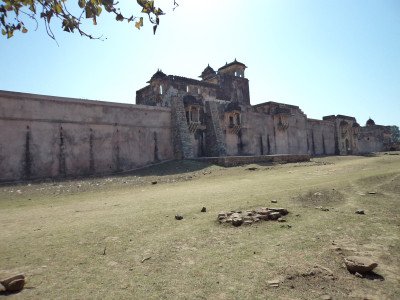 @@ Rohtasgarh Fort is one of the largest and most ancient forts in the world, spread over a massive plateau of 26 miles. It stands at an elevation of 1,500 feet, overlooking the Sone River. Historically, it is attributed to Rohitashva, the son of King Harishchandra. Later, it was captured by Sher Shah Suri in 1539 through a clever ruse. The fort served as a strategic military outpost for the Mughals and later the British. It contains several palaces, temples, and mosques within its crumbling walls. The ascent to the fort is a challenge, involving a steep trek or a rugged 4WD drive. The vastness of the fort means you can explore for days without seeing everything. It is a symbol of Hindu and Islamic architectural fusion. The fort remains a silent witness to centuries of Indian history, from the 7th-century rule of Sasanka to the modern era.Show All
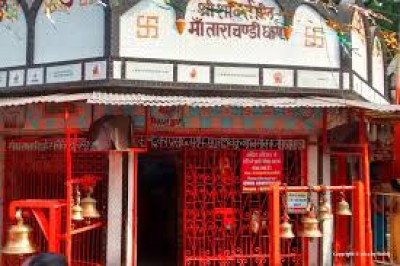 @@The Spiritual Energy of Mother Chandi: The Maa Tara Chandi Temple is one of the most revered Hindu pilgrimage sites in Bihar, dedicated to Goddess Chandi (a manifestation of Durga or Parvati), situated at the base of the sacred Chandan Shaheed Hill near Sasaram; the temple holds immense mythological importance, as it is believed to be one of the 52 Shakti Peethas, or at least a highly significant Up-Shakti Peetha, where a part of the body of Sati (the original form of Parvati) is said to have fallen, making the site a focal point for the worship of the Divine Feminine; the primary deity, Maa Tara Chandi, is worshipped in her fierce, protective form, attracting a massive number of devotees, particularly during the nine-night festival of Navaratri; the temple complex is a vibrant hub of religious activity, with priests, vendors, and pilgrims creating a constant, lively atmosphere; the proximity to the Chandan Shaheed Hill dargah highlights the region's strong tradition of syncretic worship and spiritual tolerance; the temple is built over or near a natural cave or rock formation, which is believed to house the original, self-manifested (Swayambhu) idol or symbol of the Goddess, giving the shrine its ancient, profound energy and its reputation for granting the wishes of the faithful.@@
Information
-
Why Famous:
The Architectural Marvel of Pathan Style: The tomb is famous for being one of the finest examples of Afghan architecture in India, showcasing a transition from the Lodi style to the Mughal grandeur.
Legacy of a Great Reformer: It is renowned...The Architectural Marvel of Pathan Style: The tomb is famous for being one of the finest examples of Afghan architecture in India, showcasing a transition from the Lodi style to the Mughal grandeur.
Legacy of a Great Reformer: It is renowned because it houses the remains of Sher Shah Suri, the "Lion King" who defeated Humayun and established administrative systems still visible in modern India.
The Floating Mausoleum Concept: Its unique location in the middle of a 22-acre lake makes it visually distinct and famous among photographers and architects worldwide for its reflection and scale.
Cultural Significance in Bihar: As one of the most prominent UNESCO-standard sites in the state, it serves as a point of pride for the local population and a primary cultural landmark. -
Architecture:
Indo-Islamic Design and Dimensions: The architecture of the tomb is a masterpiece of the Indo-Islamic style, specifically the Pathan school of design, characterized by its octagonal plan and massive dome.
Grand Structural Scale: The tomb ris...Indo-Islamic Design and Dimensions: The architecture of the tomb is a masterpiece of the Indo-Islamic style, specifically the Pathan school of design, characterized by its octagonal plan and massive dome.
Grand Structural Scale: The tomb rises to a height of 122 feet (37 meters) and is built on a high square stone plinth measuring 300 feet on each side.
Water-Based Setting: The mausoleum sits in the center of an artificial lake that measures 1130 feet in length and 865 feet in width, connected to the mainland by a wide stone bridge.
Ornamental Details: The main dome has a span of 22 meters and is surrounded by octagonal-domed chhatris (pavilions) at each corner, featuring intricate stone carvings and remnants of glazed tiles. -
How To Reach:
Reaching by Air: The nearest airport is Jay Prakash Narayan International Airport in Patna, located about 160 KMS away, from where one can hire a private taxi or take a train.
Reaching by Train: Sasaram Junction is a major railway station on...Reaching by Air: The nearest airport is Jay Prakash Narayan International Airport in Patna, located about 160 KMS away, from where one can hire a private taxi or take a train.
Reaching by Train: Sasaram Junction is a major railway station on the Mughalsarai-Gaya section, well-connected to Delhi, Kolkata, and Patna; the tomb is just a short rickshaw ride from the station.
Reaching by Road: Sasaram is located on the Grand Trunk Road (NH 19), making it easily accessible via long-distance buses and private cars from nearby cities like Varanasi or Patna.
Local Transport Options: Within the city, auto-rickshaws, cycle-rickshaws, and e-rickshaws are the most convenient and affordable ways to travel from the station or hotels to the tomb complex. -
Weather and Best Time to Visit:
Winter Season (October to March): This is the best time to visit Sasaram as the weather is cool and pleasant, with temperatures ranging between 8°C and 25°C, perfect for walking.
Monsoon Season (July to September): The rains bring a fresh ...Winter Season (October to March): This is the best time to visit Sasaram as the weather is cool and pleasant, with temperatures ranging between 8°C and 25°C, perfect for walking.
Monsoon Season (July to September): The rains bring a fresh green look to the surroundings and fill the lake, but high humidity can make long outdoor walks a bit uncomfortable for some.
Morning and Evening Visits: Early mornings (6:00 AM to 9:00 AM) offer the best light and calmest atmosphere, while late afternoons (4:00 PM to 6:00 PM) provide beautiful sunset views over the water. -
Near Tourist Places:
1. Tomb of Hasan Khan Suri (2 KMS), 2. Maa Tara Chandi Temple (5 KMS), 3. Rohtasgarh Fort (40 KMS), 4. Shergarh Fort (35 KMS), 5. Manjhar Kund (10 KMS), 6. Dhuan Kund (12 KMS), 7. Tutla Bhawani (30 KMS), 8. Indrapuri Dam (15 KMS), 9. Gupta Dham (45 KMS), 10. Dehri-on-Sone (18 KMS).
Tourism Tips
-
Health and Safety Measures: Carry bottled water as the walking areas are large; ensure you stay on the marked paths and avoid climbing on fragile parts of the historic masonry.
Packing Essentials: Wear comfortable walking shoes, carry a hat...Health and Safety Measures: Carry bottled water as the walking areas are large; ensure you stay on the marked paths and avoid climbing on fragile parts of the historic masonry.
Packing Essentials: Wear comfortable walking shoes, carry a hat or umbrella for sun protection, and bring a good quality camera to capture the intricate architectural details of the mausoleum.
Accommodation Advice: Stay in hotels located in the Khilanganj area for easy access to both the railway station and the tomb; budget to mid-range options are widely available in the city.
Cultural Etiquette: Since the tomb is a place of rest, maintain a respectful volume while inside the central chamber and dress modestly as per local customs in Bihar.
Reviews
FAQs
Sasaram Itineray And Cost:-
Information about New and Updated Locations() of Bihar Has Been Added :-
Card subtitle
Note:-
Information provided here in good Faith and for reference only.
All information and pictures will be updated soon, please keep visiting.
Near Places

Araria
Some quick example text to build on the card title and make up the bulk of the card's content.
Go somewhere
Arwal
Some quick example text to build on the card title and make up the bulk of the card's content.
Go somewhere
Banka
Some quick example text to build on the card title and make up the bulk of the card's content.
Go somewhere
Begusarai
Some quick example text to build on the card title and make up the bulk of the card's content.
Go somewhere
Bhagalpur
Some quick example text to build on the card title and make up the bulk of the card's content.
Go somewhere
Bhojpur
Some quick example text to build on the card title and make up the bulk of the card's content.
Go somewhere
Bihar Sharif
Some quick example text to build on the card title and make up the bulk of the card's content.
Go somewhere
Bodh Gaya
Some quick example text to build on the card title and make up the bulk of the card's content.
Go somewhere
Buxar
Some quick example text to build on the card title and make up the bulk of the card's content.
Go somewhere
Champaran
Some quick example text to build on the card title and make up the bulk of the card's content.
Go somewherein Other Cities