





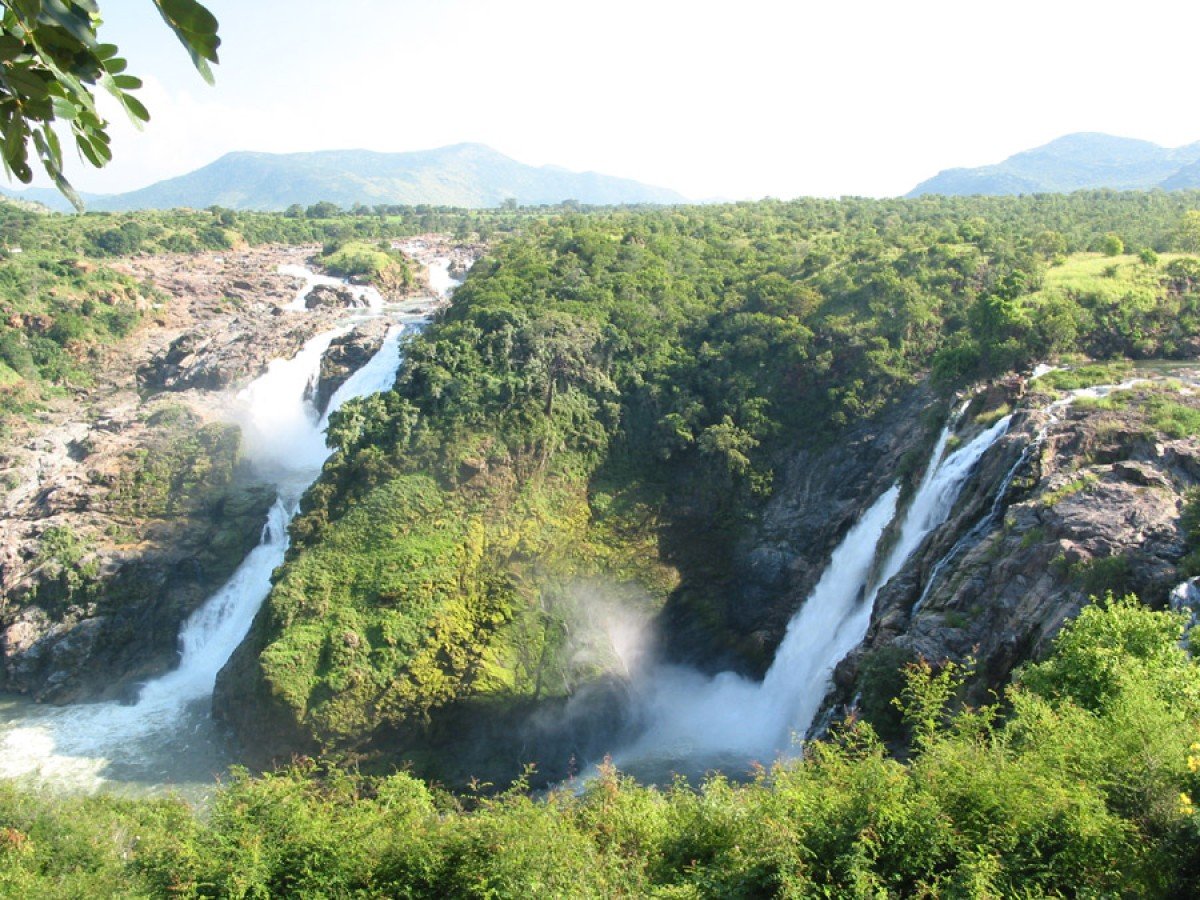
Shivanasamudra
General information
-
Ideal Duration:
1 DayPlace Type:
Nature & WaterfallEntry Fees:
Entry: There is no entry fee to view the waterfalls as they are public natural sites.
Parking: Expect to pay 30-50 INR for cars and 10-20 INR for two-wheelers at the designated lots.
Coracle Ride: Charges v...Entry: There is no entry fee to view the waterfalls as they are public natural sites.
Parking: Expect to pay 30-50 INR for cars and 10-20 INR for two-wheelers at the designated lots.
Coracle Ride: Charges vary between 100-200 INR per person depending on the water level and crowd.
:Timing:
Regular Timings: Public access is generally from 8:00 AM to 5:00 PM for safety reasons.
Best Visit Time: Arrive by 10:00 AM to beat the day-trippers coming from Bangalore.
:...Regular Timings: Public access is generally from 8:00 AM to 5:00 PM for safety reasons.
Best Visit Time: Arrive by 10:00 AM to beat the day-trippers coming from Bangalore.
:Special Events:
Kaveri Pushkaram: A major river festival held once in 12 years; smaller annual prayers occur during Tula Sankramana.
Dasara: Local celebrations in nearby Malavalli and Kollegal mirror the spirit of the Mysore festival.
Read MoreKaveri Pushkaram: A major river festival held once in 12 years; smaller annual prayers occur during Tula Sankramana.
Dasara: Local celebrations in nearby Malavalli and Kollegal mirror the spirit of the Mysore festival.
:Best Photo Spots:
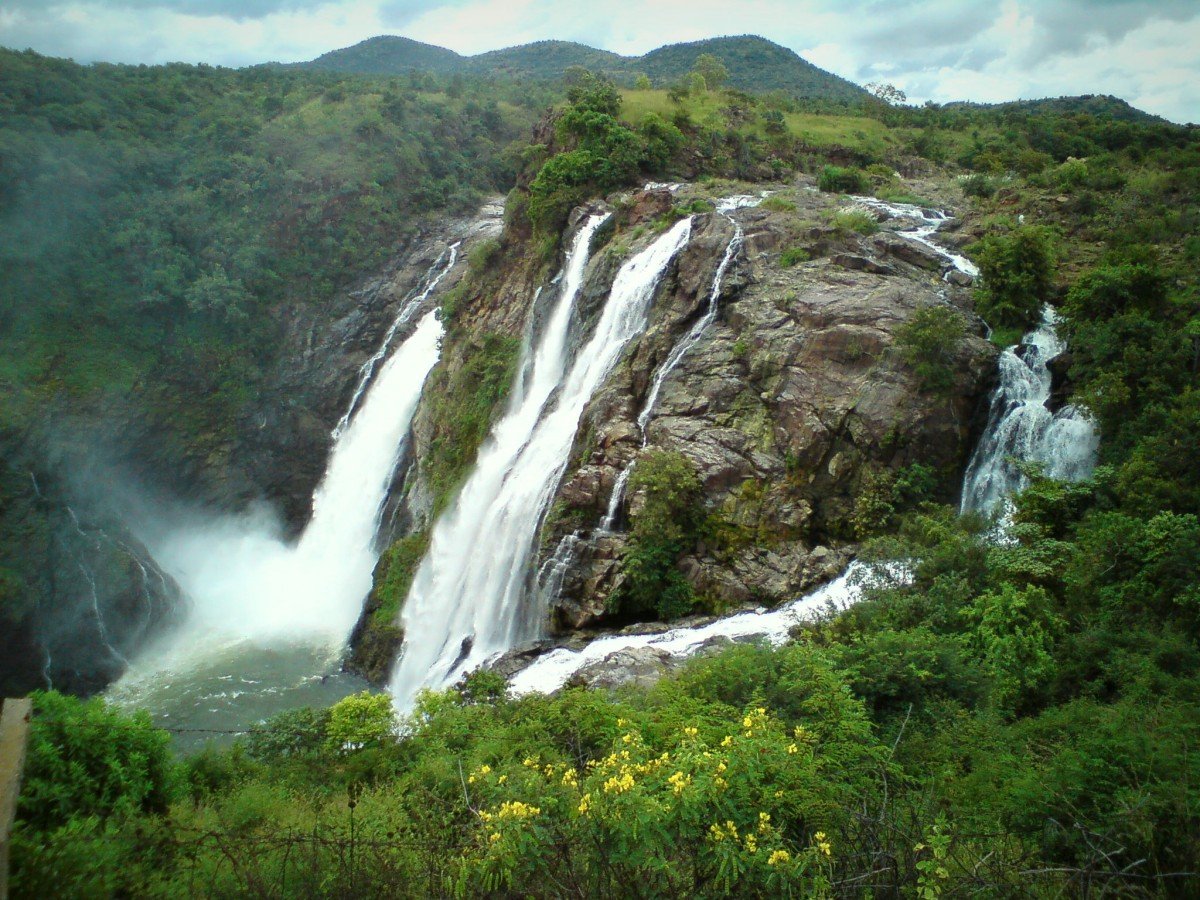
Gaganachukki Watchtower: Provides a safe and elevated view of the powerful horsetail fall.
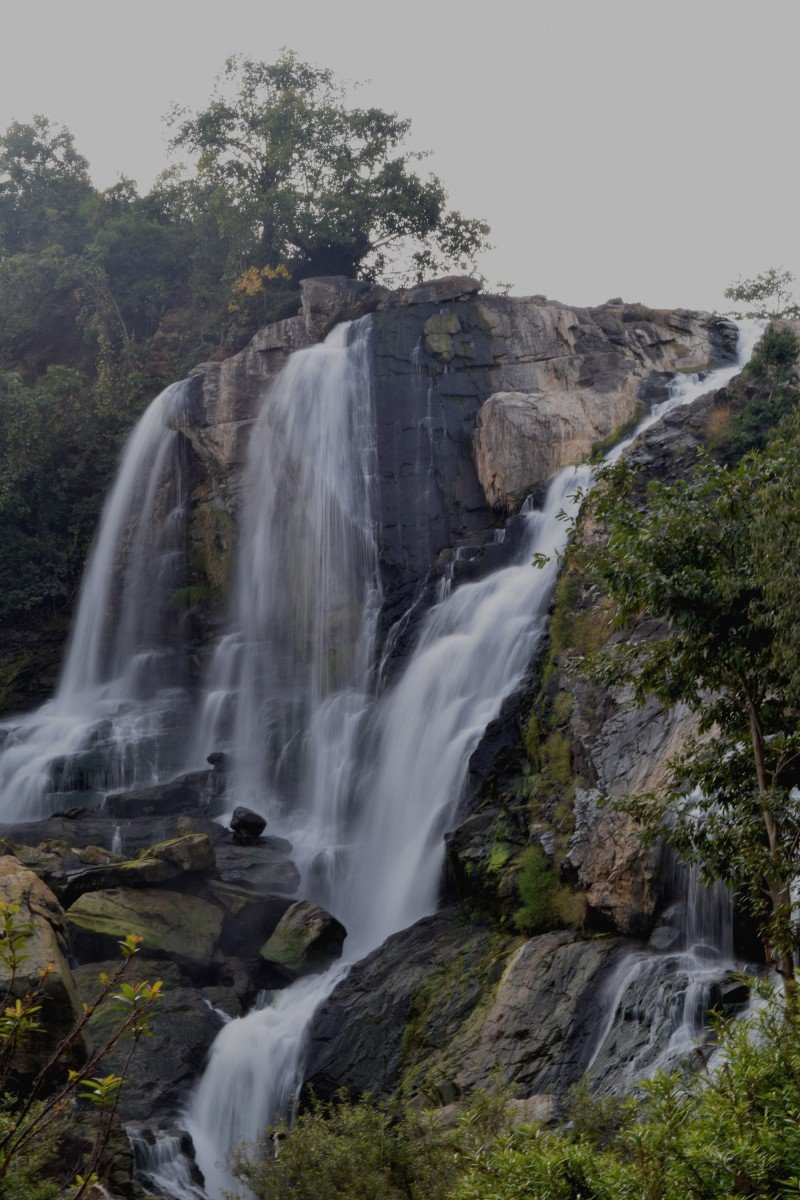
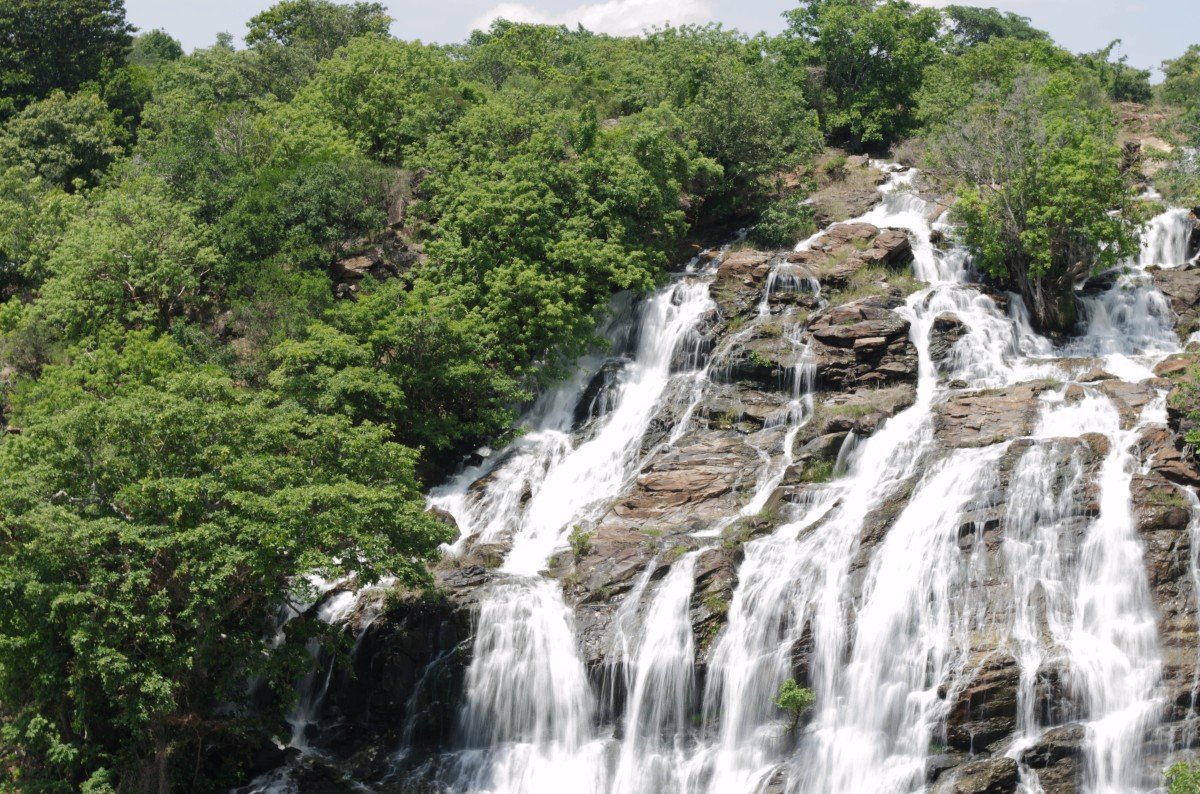
Bharachukki Steps: The flight of steps leading down offers multiple angles of the wide cascades.
Hydro Pipes: The g...Gaganachukki Watchtower: Provides a safe and elevated view of the powerful horsetail fall.
Bharachukki Steps: The flight of steps leading down offers multiple angles of the wide cascades.
Hydro Pipes: The giant green pipes against the hill provide an interesting industrial-nature contrast.
:Photo Gallery




Things To Do
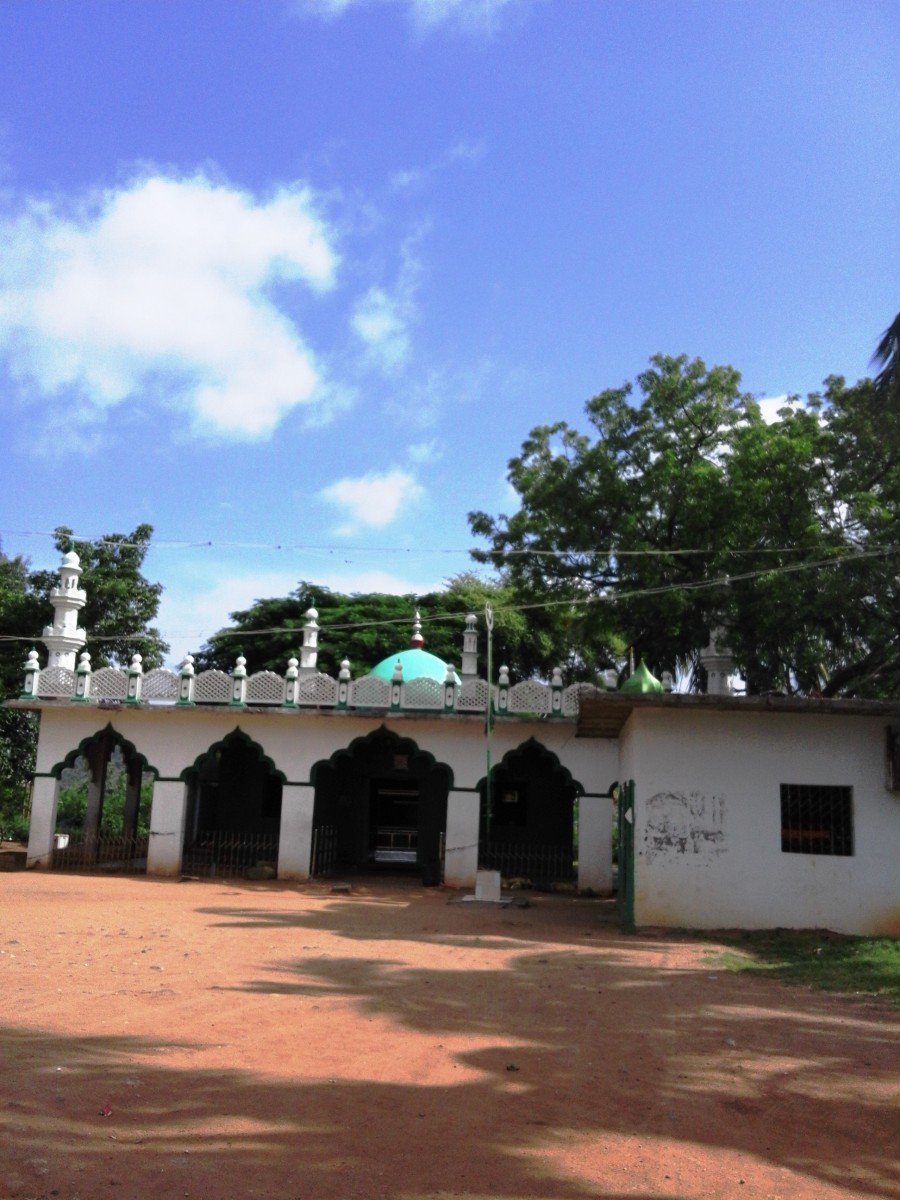
 The Darga Hazrath Mardane Gaib is a sacred Sufi shrine dedicated to the saint Hazrath Mardane Gaib, located on the rocky terrain overlooking the Kaveri river. This spiritual site has existed for over a millennium, drawing devotees from all faiths who seek peace and blessings amidst the thundering sound of the nearby waterfalls. The darga is perched on a cliff, providing a unique spiritual atmosphere where the roar of the water meets the silence of prayer. It is an integral part of the local culture, representing the communal harmony of the Mandya district. Visitors often feel a profound sense of serenity here, especially during the early morning hours when the mist from the falls blankets the shrine. The history of the darga is intertwined with the natural wonders of the island, making it a must-visit for those looking for a soulful experience beyond just sightseeing. Legend has it that the saint chose this spot for its seclusion and proximity to the holy river, and today it serves as a beacon of hope for thousands. The surrounding area is lush with greenery, and the path to the darga is lined with local vendors selling incense and flowers. It is not just a religious site but a historical landmark that has stood the test of time, witnessing the evolution of the hydroelectric projects and the changing seasons of the Kaveri. The shrine remains a quiet sentinel over the Gaganachukki falls, offering a panoramic view that is arguably the best in the region. Tourists often combine their visit to the falls with a prayer at the darga, seeking protection before venturing near the water.
 Bheemeshwari Wildlife Sanctuary, often referred to as the Bheemeshwari Adventure and Nature Camp, is a pristine stretch of wilderness located on the banks of the Kaveri River. It is world-renowned among fishing enthusiasts as the home of the Mahseer, particularly the Hump-backed Mahseer, often called the "Tiger with Fins" due to its incredible fighting spirit when hooked. Although fishing is now strictly "catch and release" or restricted for conservation, the area remains a sanctuary for both wildlife and adventure seekers. The sanctuary is part of the larger Cauvery Wildlife Sanctuary and is characterized by dry deciduous forests, rocky outcrops, and the life-giving river that meanders through the valley. Wildlife is abundant here; visitors frequently spot Spotted Deer, Wild Boars, and Grizzled Giant Squirrels. For those with a keen eye, sightings of Elephants and Leopards are possible, though they remain elusive. Birdwatchers find this place a paradise, with over 200 species including the Fish Eagle, Kingfisher, and the rare White-browed Bulbul. The camp is managed by Jungle Lodges & Resorts, providing a mix of rustic charm and modern comfort. It serves as a base for various eco-tourism activities that promote an appreciation for nature without disturbing the ecological balance. Whether you are looking to trek through the rugged hills, kayak on the gentle rapids, or simply sit by the riverbank and watch the sunset, Bheemeshwari offers a perfect escape from the concrete jungle of Bangalore, which is only 100 kilometers away. The atmosphere is one of profound peace, punctuated only by the chirping of birds and the rhythmic sound of the river flowing over the rocks. :
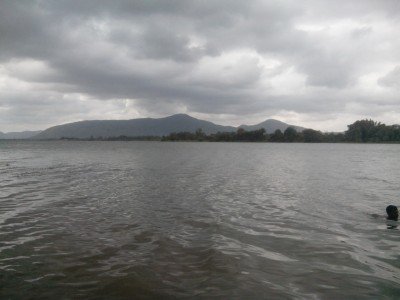 Malavalli Lake, also locally known as the Kere, is a vital water body located on the outskirts of Malavalli town. This lake is a lifeline for the local agricultural community, providing water for the vast sugarcane and paddy fields. The view point is a recently developed area that allows visitors to enjoy the cool breeze and scenic beauty of the reservoir. It is a popular evening hangout spot for locals and a refreshing break for travelers heading towards Shivanasamudra. The lake is often dotted with small fishing boats and surrounded by a rim of green trees. During the early mornings, a thick layer of mist covers the water, creating a mystical appearance. The lake ecosystem supports various local fish species and attracts several water birds like egrets and kingfishers. The walk along the bund of the lake offers a panoramic view of the town on one side and the vast water on the other. It is an excellent example of a traditional South Indian irrigation tank that has evolved into a recreational space. The sunset at Malavalli Lake is particularly beautiful, with the orange sky reflecting on the calm water. The area is being improved with seating arrangements and lighting to encourage tourism. It serves as a quiet alternative to the more commercialized tourist spots in the region. For a traveler, it offers a slice of the real Mandya—unpretentious, productive, and naturally beautiful. The proximity to the main road makes it an easy "stop-and-stroll" destination.
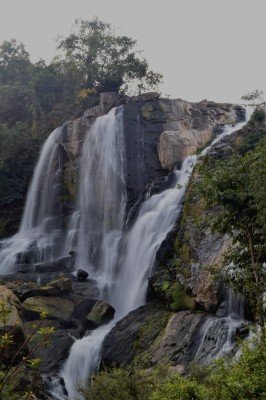 Ganalu Falls is a relatively undiscovered and pristine waterfall located a short drive away from the main Shivanasamudra circuit. Unlike its famous cousins, Ganalu offers a more rugged and "off-the-beaten-path" experience for those willing to navigate slightly tougher roads. The falls are formed by a tributary of the Kaveri, cascading over a series of rocky steps into a wide, shallow basin. The area is surrounded by dense scrub forest and agricultural lands, giving it a very rural and authentic Karnataka feel. Because it receives fewer tourists, the water is cleaner and the environment is much quieter, making it an ideal spot for those who find Gaganachukki too crowded. There are no formal viewing decks here, so visitors must find their own vantage points along the rocky banks. This lack of commercialization is exactly what attracts adventure seekers and trekkers. The path to the falls involves a short walk through fields, which is especially beautiful during the harvest season. During the monsoon, the falls gain significant volume and the surrounding landscape turns a brilliant emerald green. It is a place where you can sit on the rocks and dip your feet in the cool water safely in certain sections, though caution is always advised. Ganalu is a testament to the hidden natural beauty of the Mandya district, offering a peaceful retreat for those who appreciate solitude. It is often combined with a visit to the nearby Shimsha power house. Local villagers are friendly and often guide tourists to the best spots for a small tip.
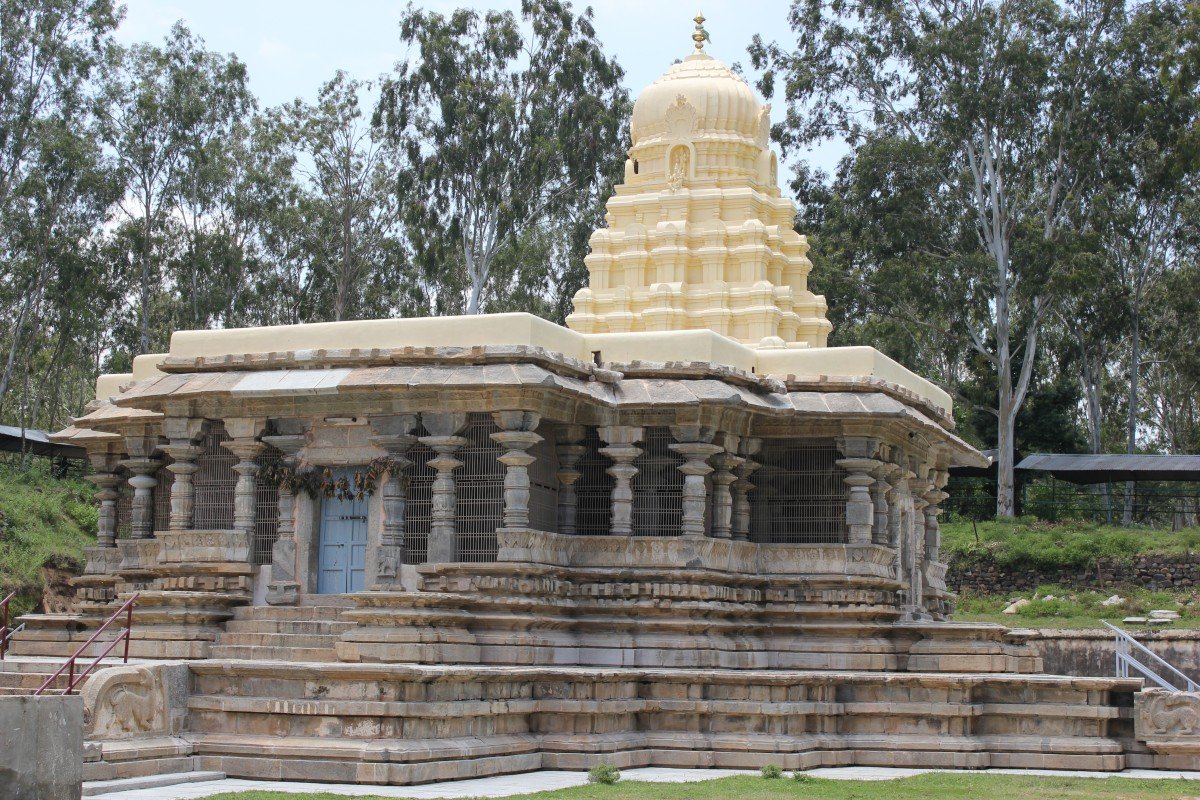
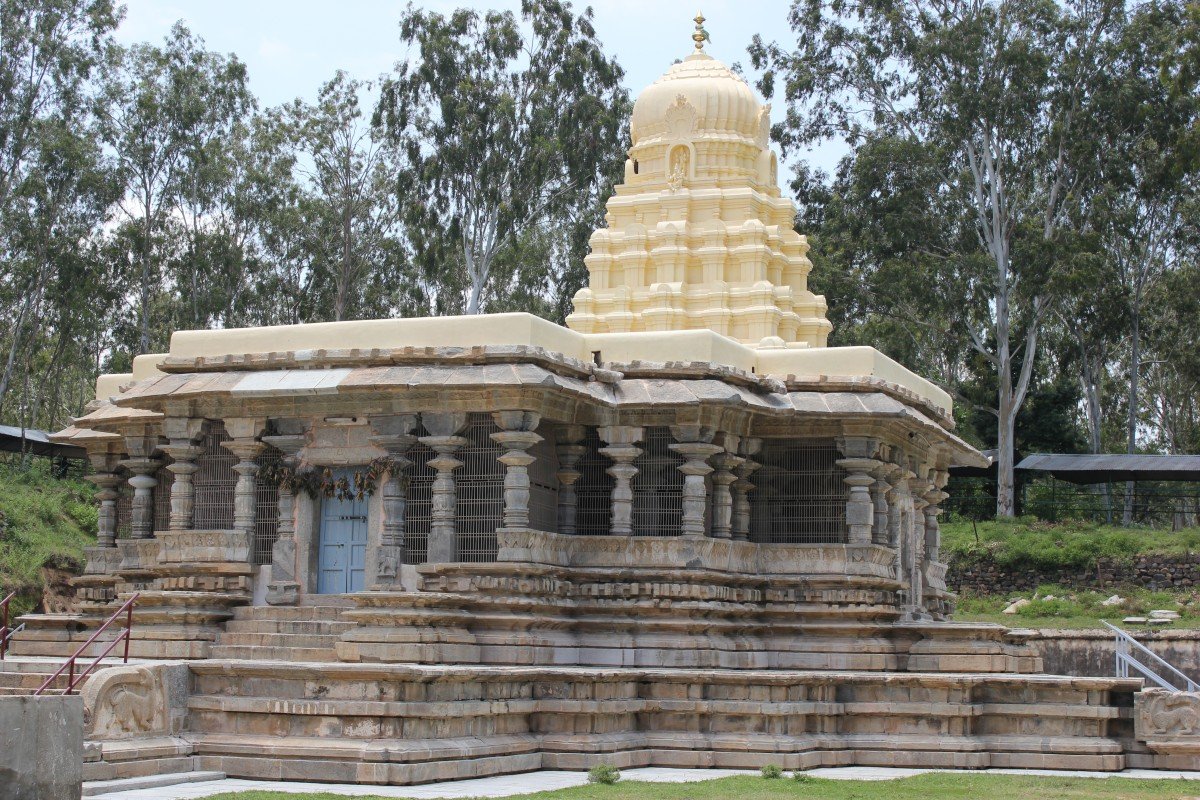
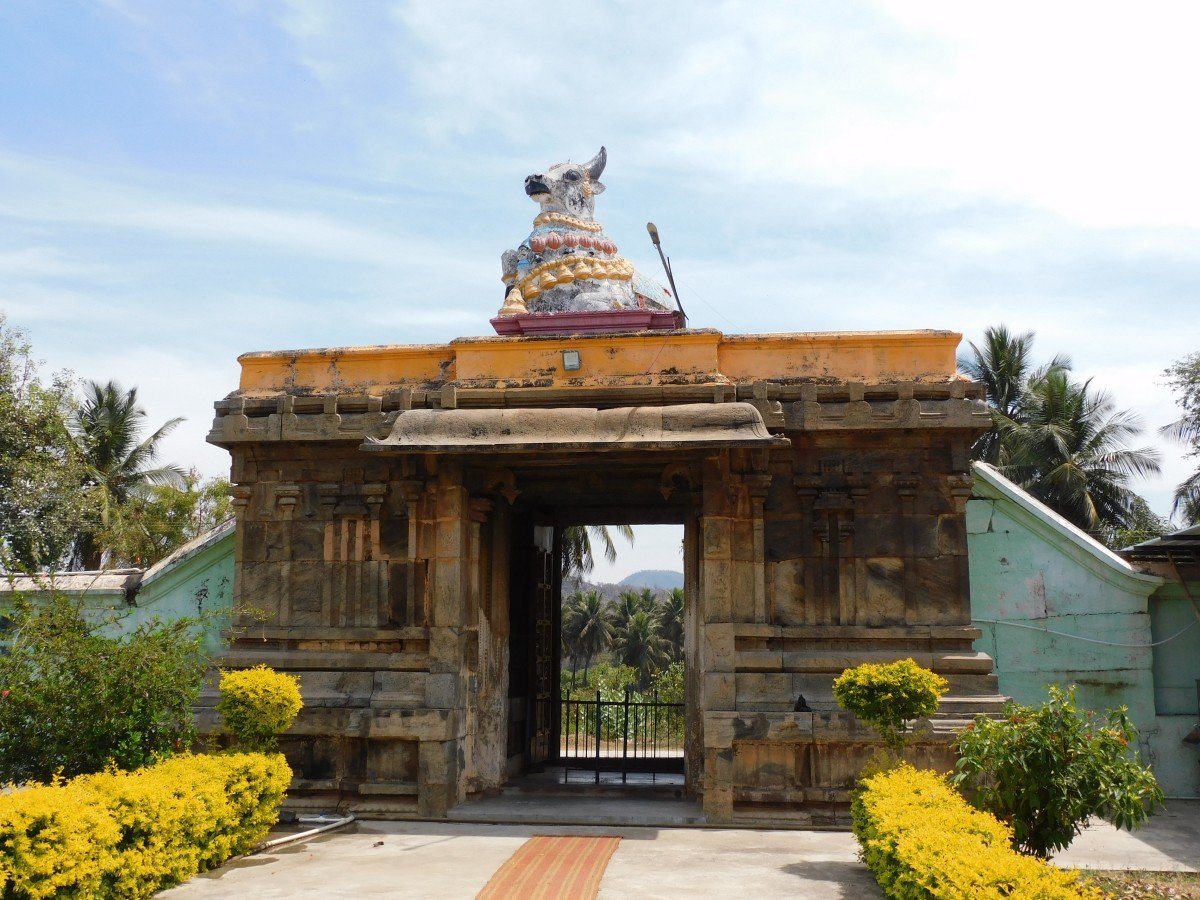
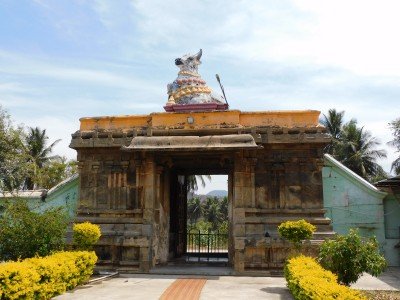 @@Place Overview: Sri Someshwara Temple is an ancient Hindu shrine situated near the Gaganachukki falls, dedicated to Lord Shiva. It is considered one of the oldest temples in the region, with its origins predating many of the surrounding structures. Local legends suggest that the Someshwara Linga was worshipped by the Saptarshis (seven sages) long before the Ranganatha idol was installed on the island. The temple holds immense religious value and is a focal point for devotees during festivals like Maha Shivaratri. The architecture reflects the classic Dravidian style with influences from the Chola and Hoysala dynasties. The temple complex is relatively small but exudes a powerful spiritual energy, enhanced by the sound of the nearby waterfalls echoing through the stone corridors. It is a place where pilgrims come to seek blessings for health and prosperity, often combining their visit with a trip to the Vanadurga Devi temple nearby. The serene environment and the historic carvings on the pillars make it a must-visit for anyone interested in the cultural heritage of Karnataka.
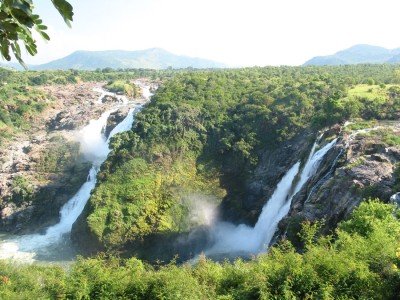 The Shivanasamudra Hydro-Electric Power Station is a monument to human ingenuity and a historic landmark that changed the industrial landscape of South India forever. Established in 1902, it holds the prestigious title of being the first major hydroelectric generating station in all of Asia. The project was born out of a desperate need for consistent energy at the Kolar Gold Fields (KGF), which were then among the deepest mines in the world. The idea was first proposed in 1898 by the visionary Alain Chartier Joly de Lotbiniere, a French engineer working for the British government, and was passionately supported by the Dewan of Mysore, Sir K. Seshadri Iyer. The station harnessed the mighty force of the Kaveri River at the Shivanasamudra Falls, specifically utilizing the 90-meter drop to generate electricity that was then transmitted over a distance of 147 kilometers to the mines—at the time, the longest power transmission line in the world. This feat of engineering not only powered the gold mines but also paved the way for the electrification of Bangalore in 1905, making it the first city in India to have electric streetlights. Even today, over a century later, the station remains operational under the Karnataka Power Corporation Limited (KPCL), maintaining its status as a living museum of colonial-era technology. Visitors can see the heritage structures, the old machinery, and the unique winch system that still transports personnel and equipment down the steep gorge to the power house. The site is not just a power plant but a symbol of the progress of Karnataka and a testament to the early adoption of renewable energy in the Indian subcontinent. It represents a bridge between the late Victorian era industrial spirit and modern sustainable practices, drawing historians, engineers, and curious travelers who wish to witness the roots of India's power grid. :
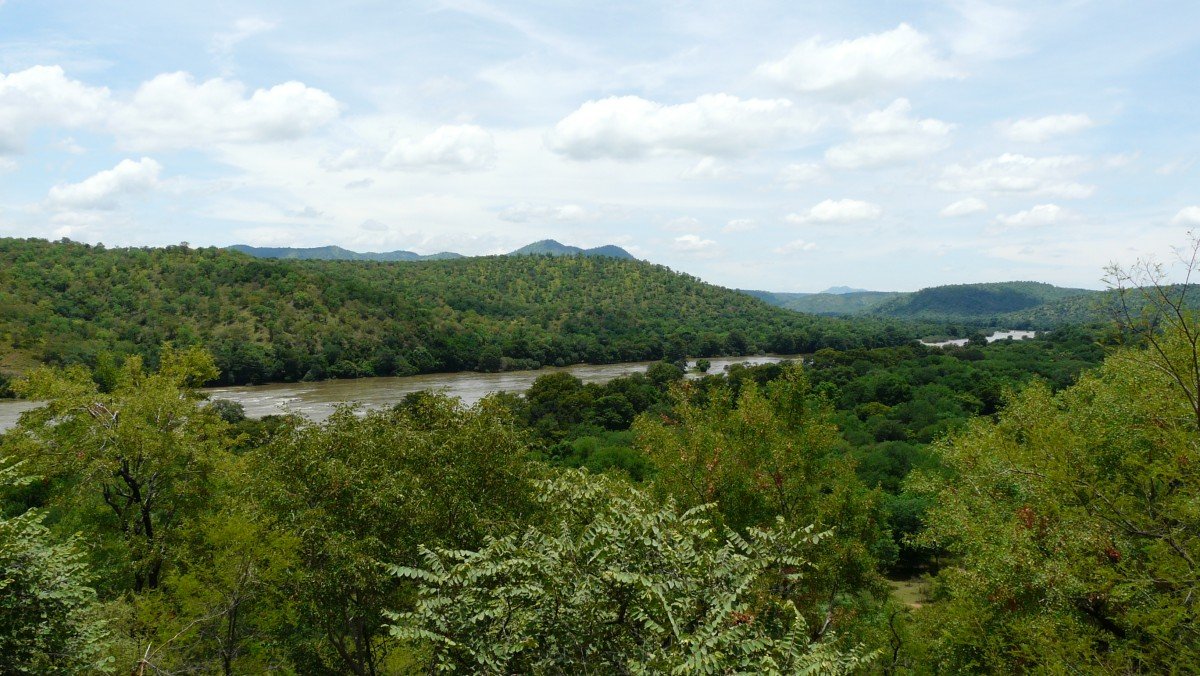
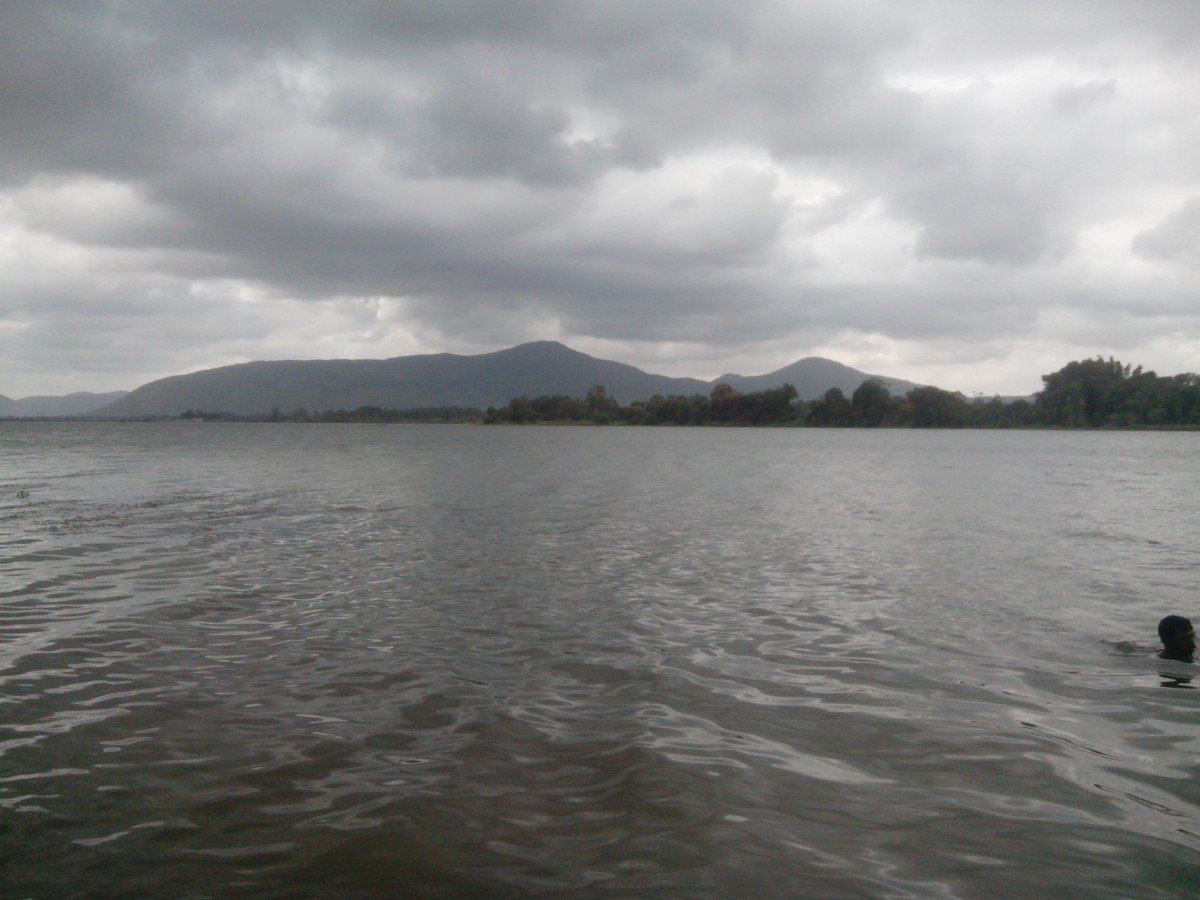
 Sathyagala is a picturesque location where the mighty Kaveri River flows in its most serene form before cascading down the cliffs of Shivanasamudra. The view point offers a wide, panoramic perspective of the river as it winds through lush greenery and rocky outcrops. This area is historically significant as it lies near the Madhya Ranga temple circuit. The river at Sathyagala is wide and calm, creating a mirror-like surface that reflects the changing colors of the sky. It is a favorite spot for travelers who want to witness the river without the roar of the falls. The surrounding landscape is characterized by ancient banyan trees and traditional stone steps (ghats) that lead down to the water. Local folklore suggests that the river's path here was carved by divine intervention to provide water to the local sages. Today, it serves as a peaceful retreat for those driving between Kollegala and Shivanasamudra. The air here is crisp and filled with the scent of fresh river water and agricultural fields. During the summer, the receding water reveals beautiful sandbanks where children often play. In the monsoon, the river swells to its full capacity, touching the edges of the viewing platforms. It is not just a scenic spot but a cultural hub where locals perform rituals and ceremonies. The bridge near the viewpoint provides a unique elevated perspective of the river's flow. It is a place that invites contemplation and offers a deep connection with the geography of South India. Visitors can spend hours sitting by the banks, watching the local coracles drift by.Show All
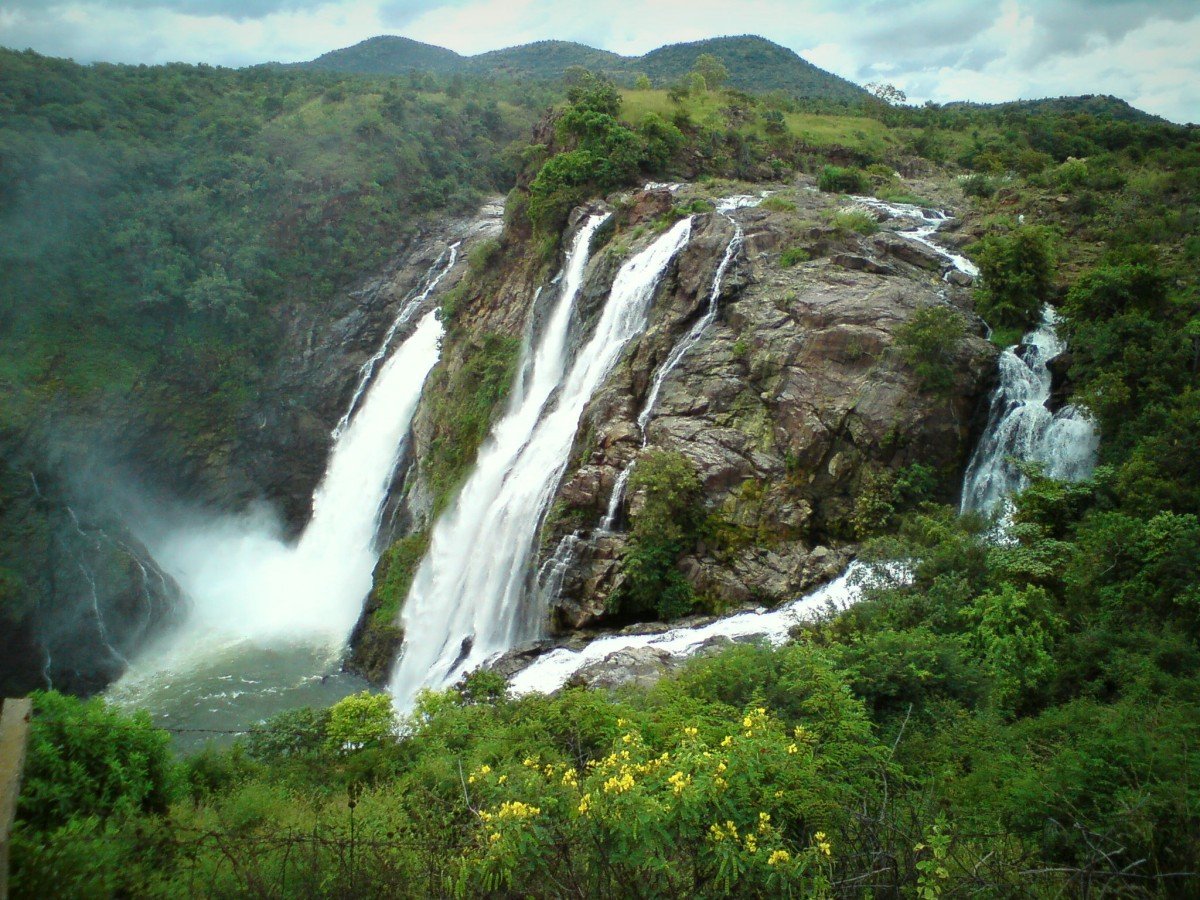
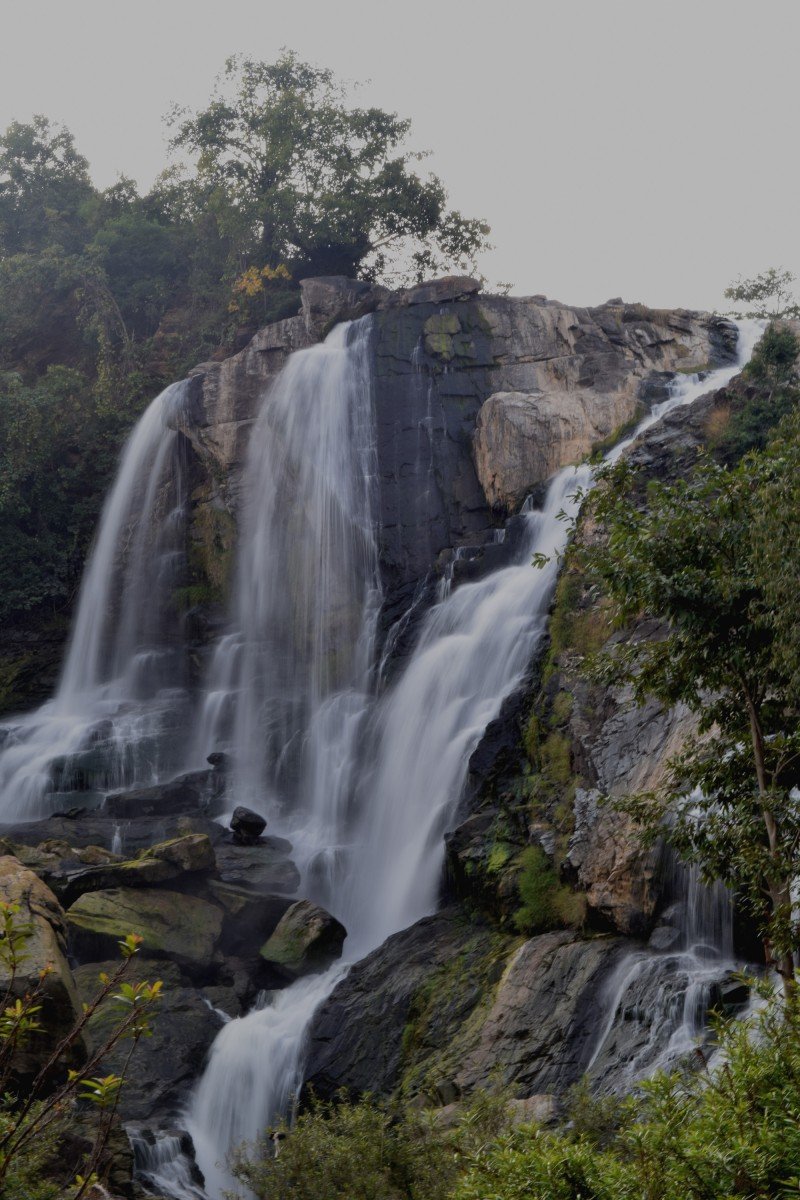
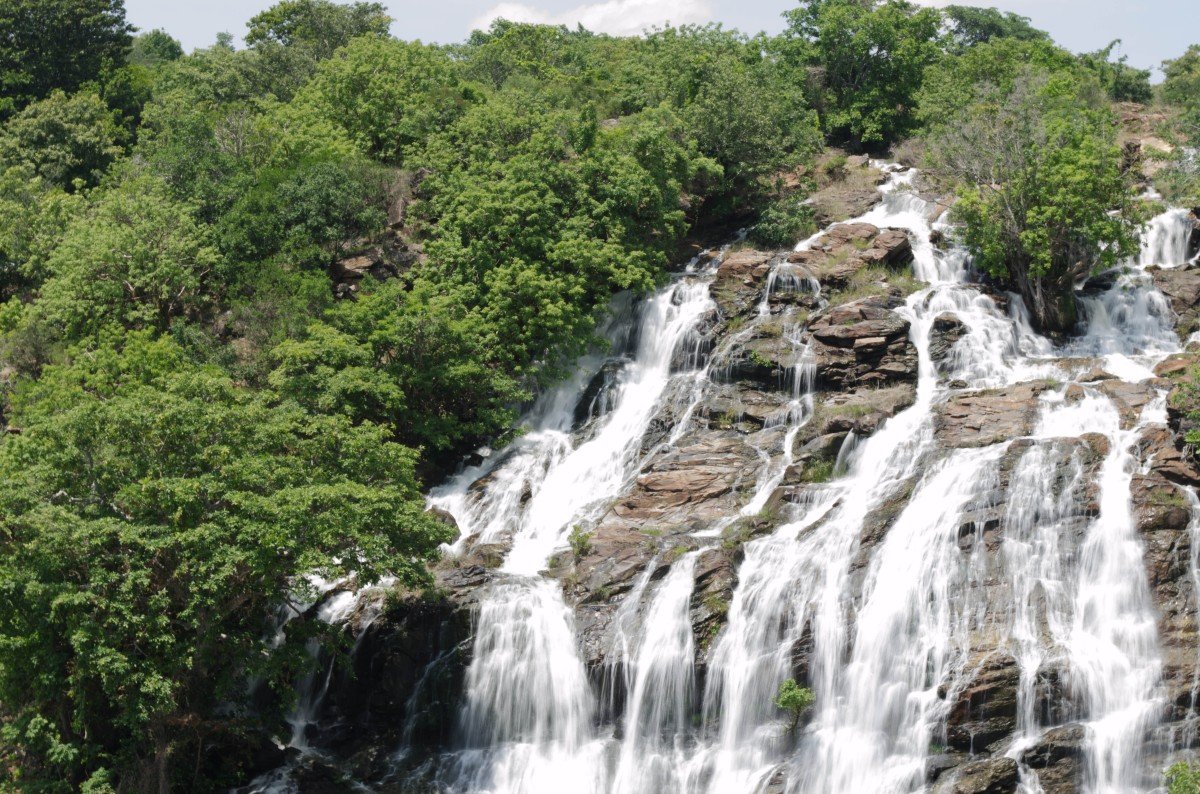
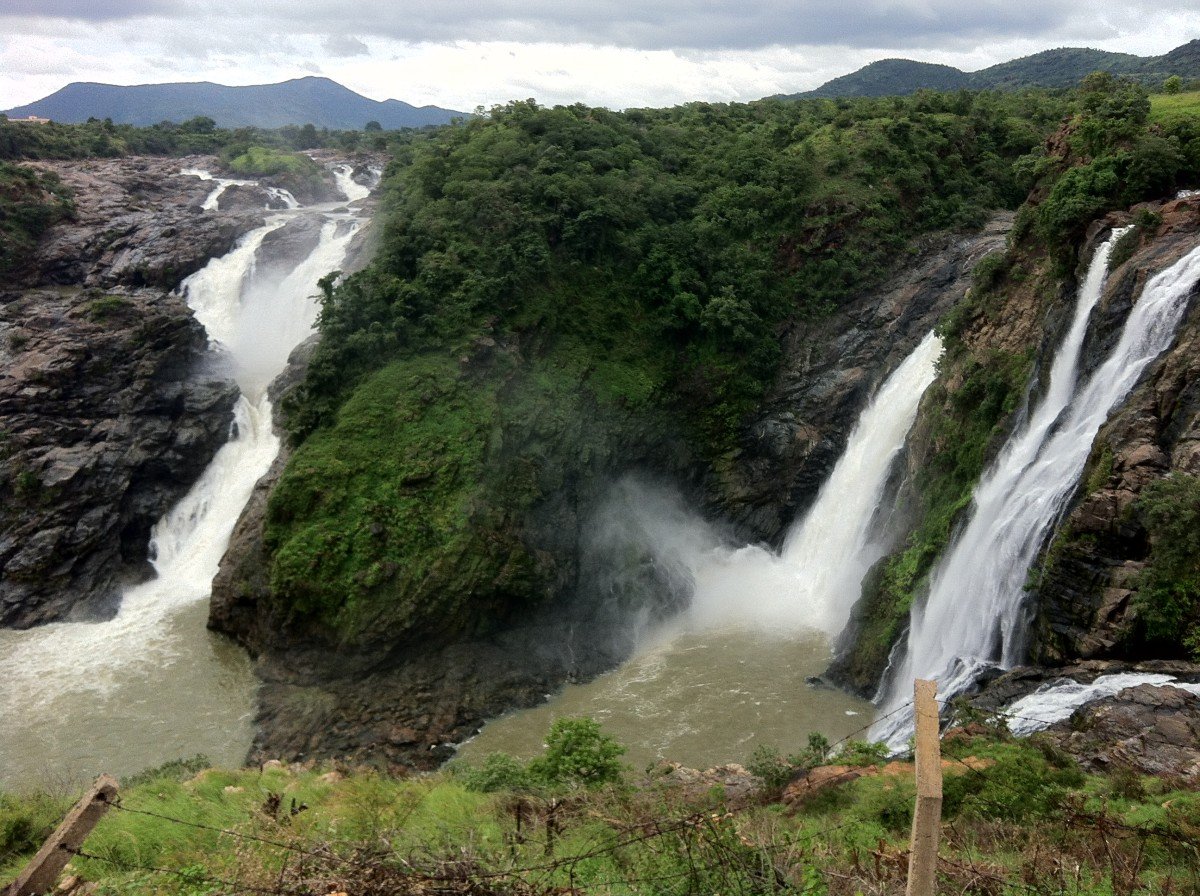
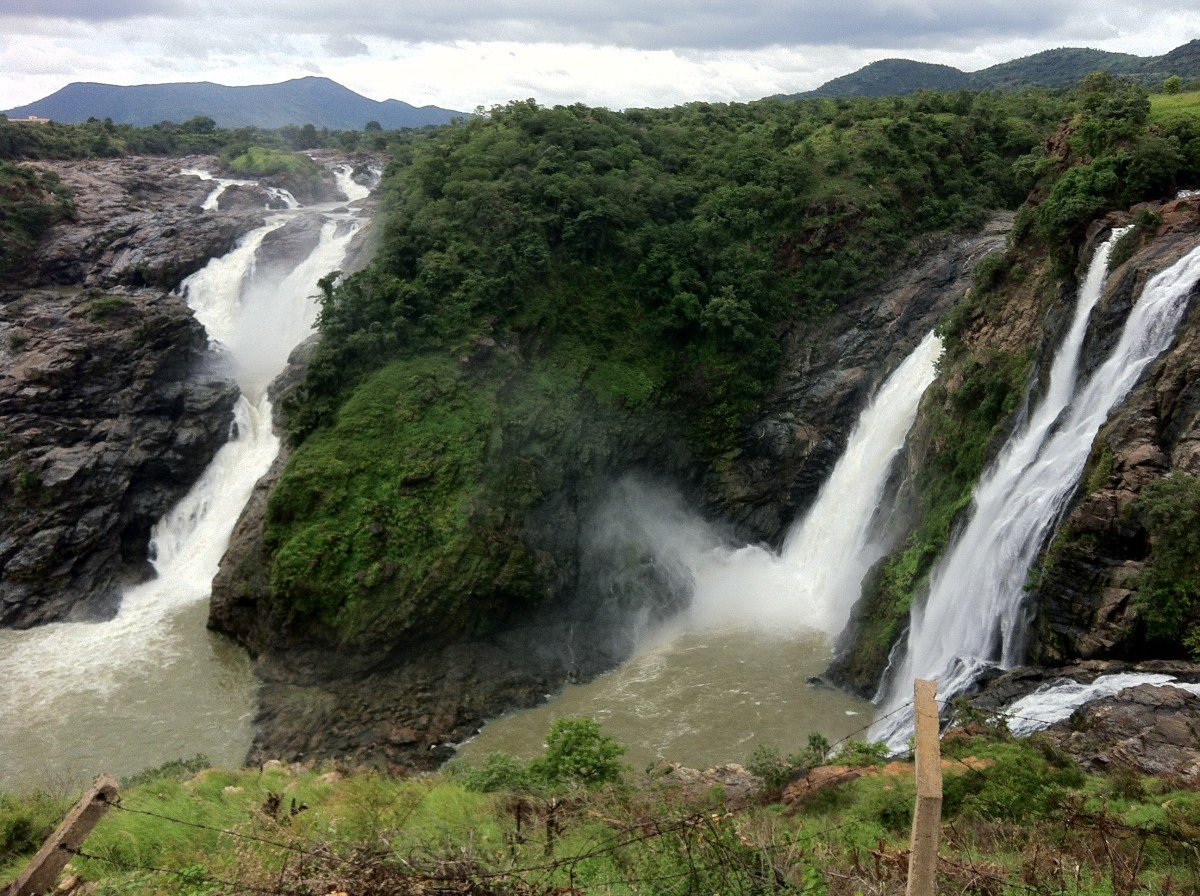
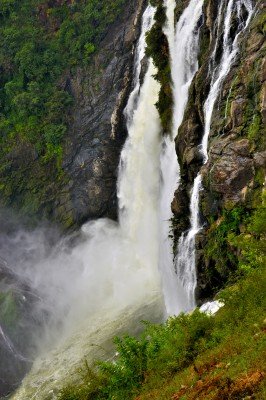 Gaganachukki Falls is one of the most powerful waterfalls in India, where the Kaveri river plunges down a rocky cliff from a height of about 90 meters. The water falls in a distinct "horsetail" shape, creating a massive cloud of mist that can be seen from several kilometers away. This site is not just a natural wonder but also the location of Asia's first hydroelectric power station, commissioned in 1902. The sheer volume of water during the monsoon is breathtaking, making it a top-tier destination for nature lovers. The falls are divided into two segments that converge at the bottom, creating a deep pool that is strictly off-limits for swimming due to dangerous undercurrents. The viewing deck provided by the tourism department offers a safe vantage point to witness the raw power of the river as it carves through the ancient Deccan plateau. Surrounded by the Cauvery Wildlife Sanctuary, the area is home to diverse flora and fauna, including playful monkeys that frequent the viewpoints. The sound of the waterfall is deafening during peak season, providing a sensory experience that is both humbling and exhilarating. History buffs will appreciate the vintage machinery visible near the power house, while photographers will find endless inspiration in the play of light and water. The falls have been featured in numerous regional films, adding to their local fame. Unlike many other falls, Gaganachukki maintains a significant flow even in late autumn, though it is at its most majestic when the KRS Dam releases water. It is a place where the industrial history of Karnataka meets the timeless beauty of the natural world.
Information
-
Why Famous:
Twin Waterfalls: The rare sight of a major river splitting into two distinct, massive falls side-by-side.
Asia's First Hydro Plant: A pioneer site in India's industrial history, established in 1902.
Religious S...Twin Waterfalls: The rare sight of a major river splitting into two distinct, massive falls side-by-side.
Asia's First Hydro Plant: A pioneer site in India's industrial history, established in 1902.
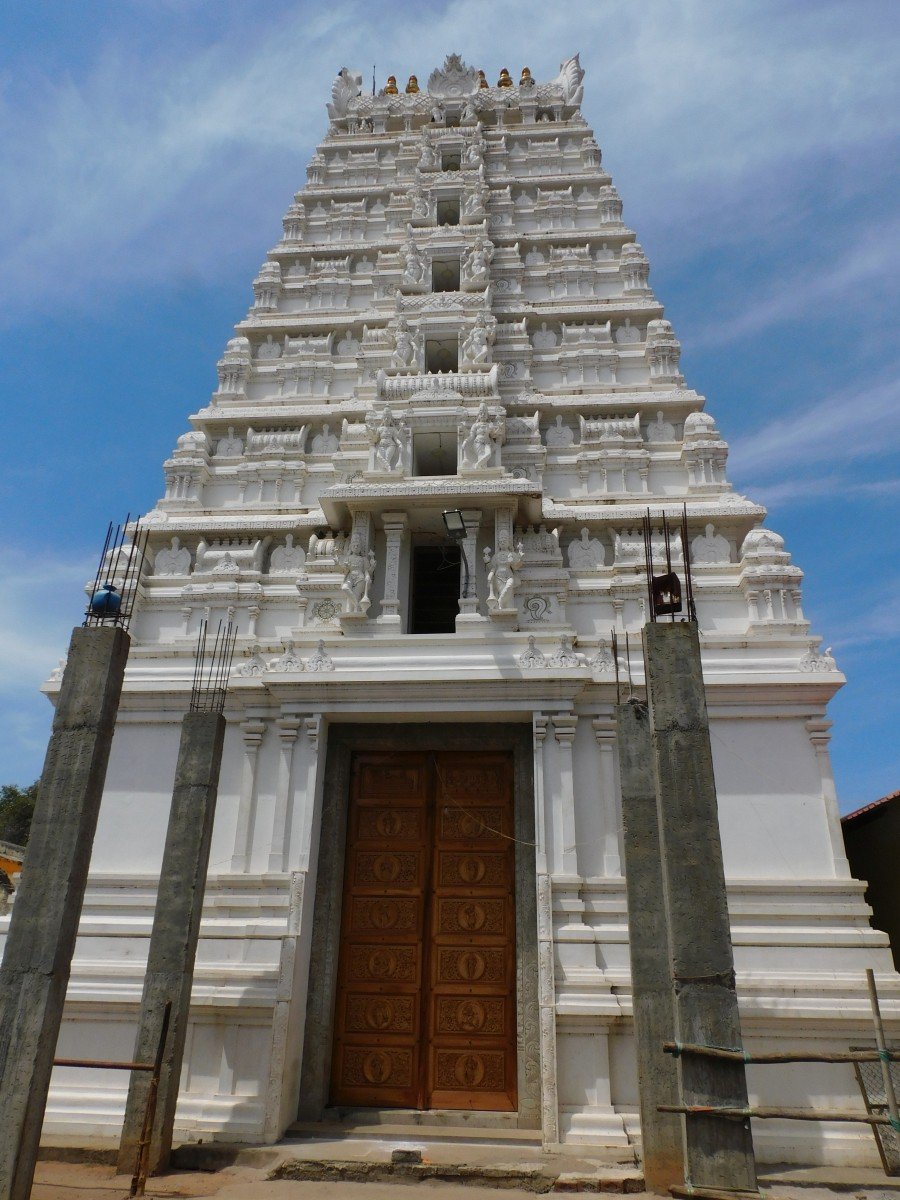
Religious Significance: One of the "Madhya Ranga" temples dedicated to Lord Ranganatha.
: -
Architecture:
Place Architecture:
Dimension: The Gaganachukki Falls drop from a height of about 320 feet. The nearby Ranganathaswamy Temple is built in the Dravidian style, featuring a traditional Gopuram and a reclining idol of Lord Vishnu. The hydroele...Place Architecture:
Dimension: The Gaganachukki Falls drop from a height of about 320 feet. The nearby Ranganathaswamy Temple is built in the Dravidian style, featuring a traditional Gopuram and a reclining idol of Lord Vishnu. The hydroelectric plant, commissioned in 1902, features colonial-era engineering with massive pipelines running down the hill. The architecture here is a mix of natural rock formations and early 20th-century industrial design.
: -
How To Reach:
By Air: Mysore Airport (75 km) is the closest; Bangalore Airport is 170 km away.
By Train: The nearest railway station is Maddur, about 50 km away, on the Bangalore-Mysore line.
By Road: Well-connected by ...By Air: Mysore Airport (75 km) is the closest; Bangalore Airport is 170 km away.
By Train: The nearest railway station is Maddur, about 50 km away, on the Bangalore-Mysore line.
By Road: Well-connected by state highways; it is a popular 3-hour drive from Bangalore via Kanakapura Road.
Local Transport: No direct city transport; hiring a private cab from Mysore or Bangalore is the best option.
: -
Weather and Best Time to Visit:
Best Time Visit:
Monsoon Season: July to September is the absolute best time when the falls are at their peak volume.
Post-Monsoon: October to December offers a more controlled flow, safer for coracle rides. ...Best Time Visit:
Monsoon Season: July to September is the absolute best time when the falls are at their peak volume.
Post-Monsoon: October to December offers a more controlled flow, safer for coracle rides.
: -
Near Tourist Places:
Talakadu (28km), Somnathpur (25km), Mysore (75km), Bheemeshwari (35km), Mudukuthore (20km), Kollegal (15km), Malavalli (12km), Chamarajanagar (60km), BR Hills (65km), Maddur (50km)
Tourism Tips
-
Health & Safety: Strictly avoid crossing barricades; the currents are extremely strong and have been fatal.
Packing: Carry a change of clothes if you plan to get near the spray; wear sturdy, non-slip footwear.Health & Safety: Strictly avoid crossing barricades; the currents are extremely strong and have been fatal.
Packing: Carry a change of clothes if you plan to get near the spray; wear sturdy, non-slip footwear.
Accommodation: Very limited options on-site; it is best to stay in Mysore or a jungle resort nearby.
Food: Carry your own snacks and water, as quality restaurants are scarce in the immediate vicinity.
:
Reviews
FAQs
Shivanasamudra Itineray And Cost:-
Other Places In Karnataka :-
Other States In India :-
Information about New and Updated Locations() of Karnataka Has Been Added :-
Card subtitle
Note:-
Information provided here in good Faith and for reference only.
Near Places
Badami
Some quick example text to build on the card title and make up the bulk of the card's content.
Go somewhere
Belagavi
Some quick example text to build on the card title and make up the bulk of the card's content.
Go somewhere
Belur
Some quick example text to build on the card title and make up the bulk of the card's content.
Go somewhere
Bengaluru
Some quick example text to build on the card title and make up the bulk of the card's content.
Go somewhere
Bidar
Some quick example text to build on the card title and make up the bulk of the card's content.
Go somewhere
Chamarajanagar
Some quick example text to build on the card title and make up the bulk of the card's content.
Go somewhere
Chikkaballapur
Some quick example text to build on the card title and make up the bulk of the card's content.
Go somewhere
Chikmagalur
Some quick example text to build on the card title and make up the bulk of the card's content.
Go somewhere
Coorg
Some quick example text to build on the card title and make up the bulk of the card's content.
Go somewhere
Dandeli
Some quick example text to build on the card title and make up the bulk of the card's content.
Go somewhere
Davangere
Some quick example text to build on the card title and make up the bulk of the card's content.
Go somewhere
Dharmasthala
Some quick example text to build on the card title and make up the bulk of the card's content.
Go somewhere
Gokarna
Some quick example text to build on the card title and make up the bulk of the card's content.
Go somewhere
Hampi
Some quick example text to build on the card title and make up the bulk of the card's content.
Go somewhere
Hubballi-Dharwad
Some quick example text to build on the card title and make up the bulk of the card's content.
Go somewhere
Kabini
Some quick example text to build on the card title and make up the bulk of the card's content.
Go somewherein Other Cities