




Thiruvananthapuram
General information
-
Ideal Duration:
4 to 7 days to cover the city and top surrounding attractions. --- Serial No. : 1Place Type:
City, Heritage, Coastal DestinationPhoto Gallery





Things To Do
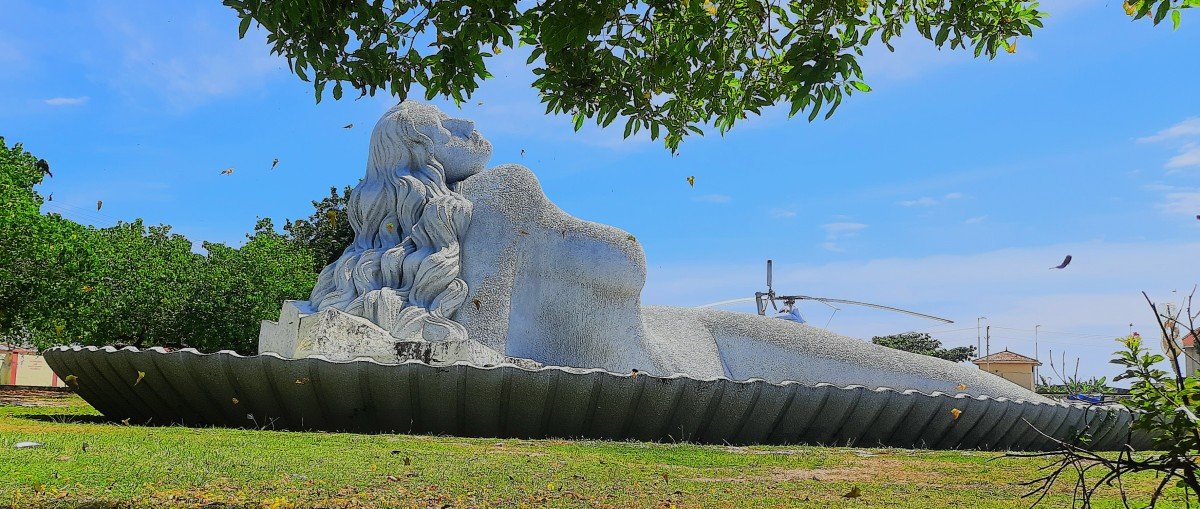
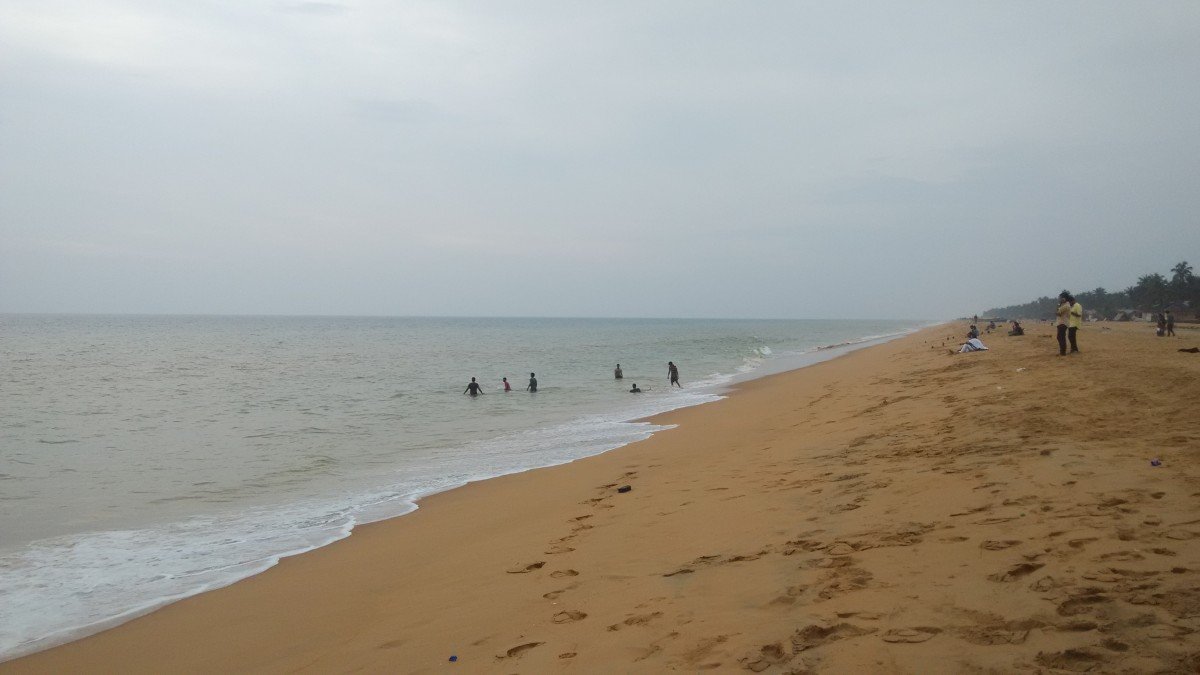
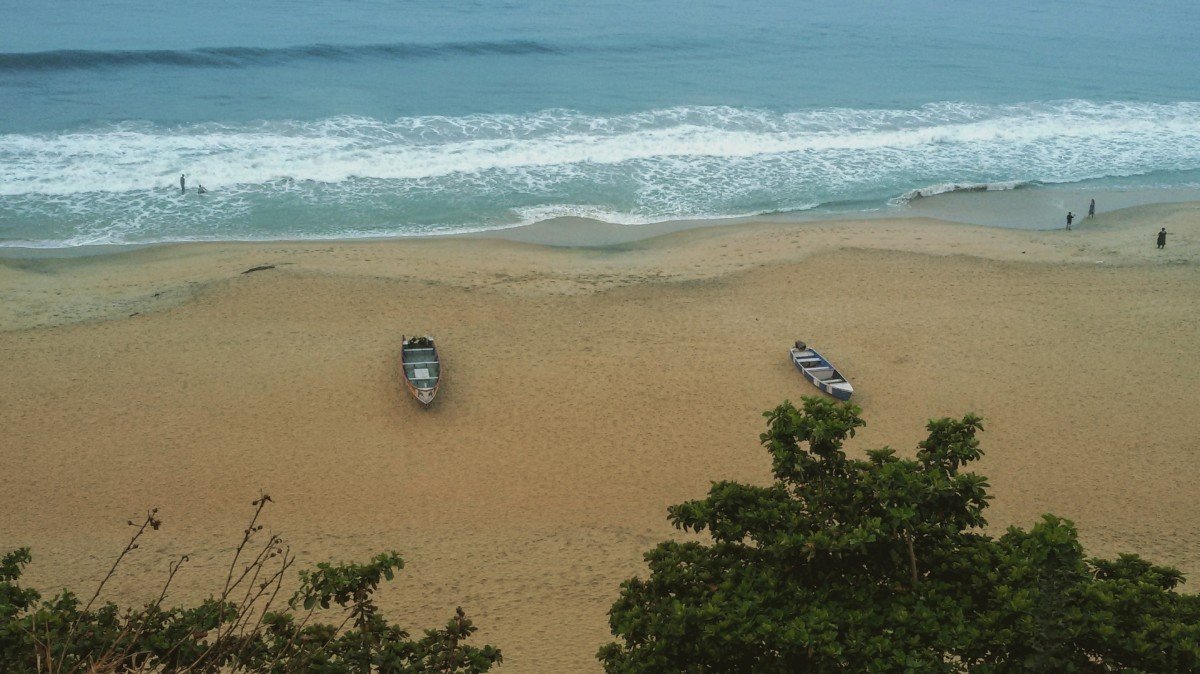
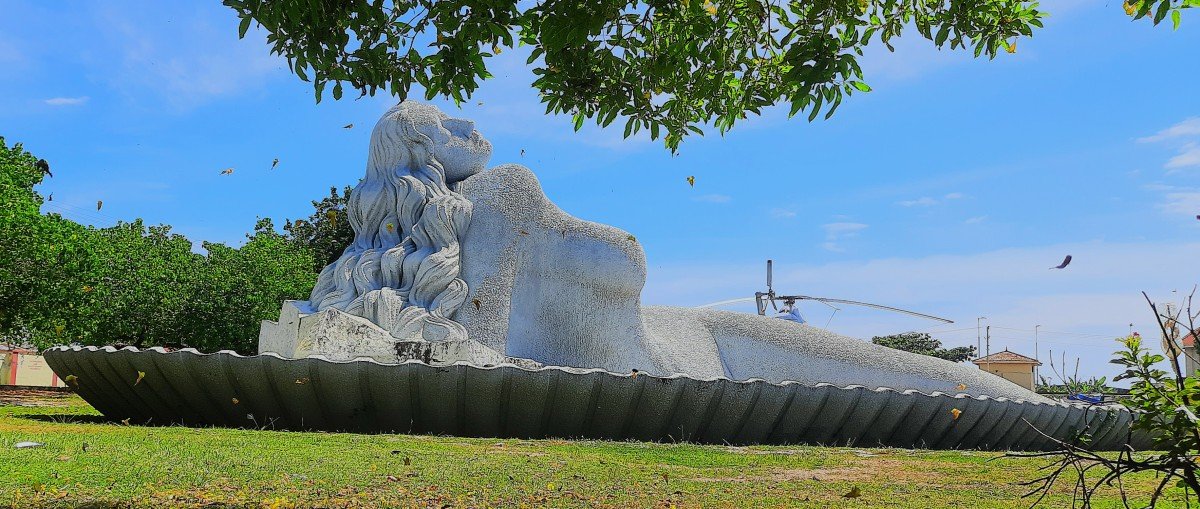
 Veli Tourist Village is a stunning picnic destination nestled at the estuary where the tranquil **Veli Lake** meets the mighty **Arabian Sea**. This unique geographical setting makes it one of the most picturesque spots in **Thiruvananthapuram**. It is expertly developed and maintained by the Kerala Tourism Development Corporation (KTDC), transforming it from a simple coastal area into a family-friendly recreational hub. The village is spread across a beautifully landscaped garden featuring unique stone sculptures, a dedicated children's park, and a network of walking paths. It is essentially a confluence of land, water, and art, offering a refreshing break from the city's hustle. The main attraction is the **floating bridge** that connects the mainland to the beach, allowing visitors to walk right over the merging waters and enjoy breathtaking views. The village also boasts a KTDC-run **floating restaurant**, which is a novelty in the region, offering delicious food with a spectacular view of the lagoon and the sea. The sheer variety of activities, from boating in the calm lagoon waters to simply relaxing on the manicured lawns, makes Veli an ideal spot for a day trip. Its proximity to the international airport further enhances its accessibility for both local and foreign tourists seeking a blend of natural beauty and recreational fun. The village embodies the serene coastal charm of **Kerala**, making it a must-visit for families, nature lovers, and photography enthusiasts. The clear waters of the lagoon are perfect for enjoying various water sports, which form a major part of the overall experience here. The overall environment is peaceful, offering plenty of shade and space for picnics.
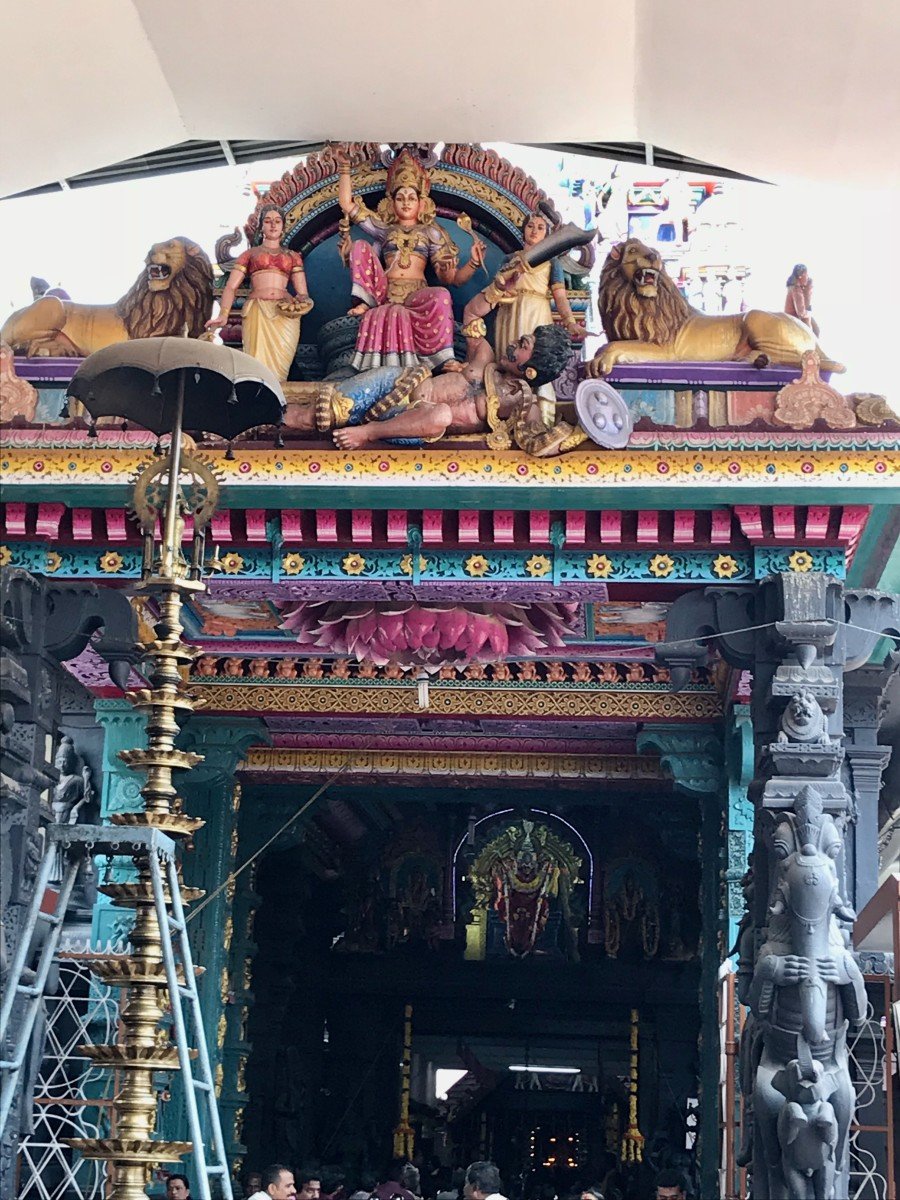
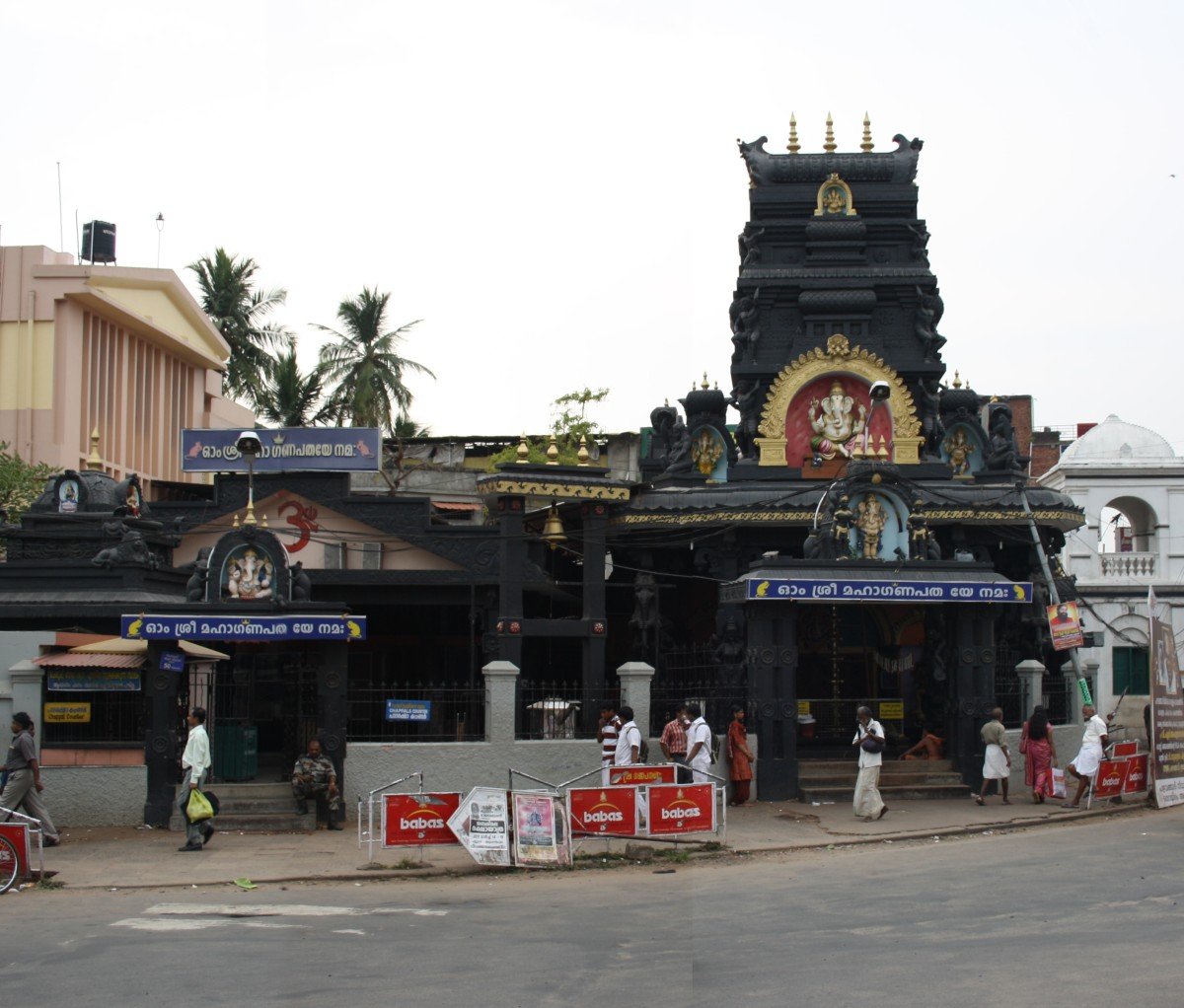
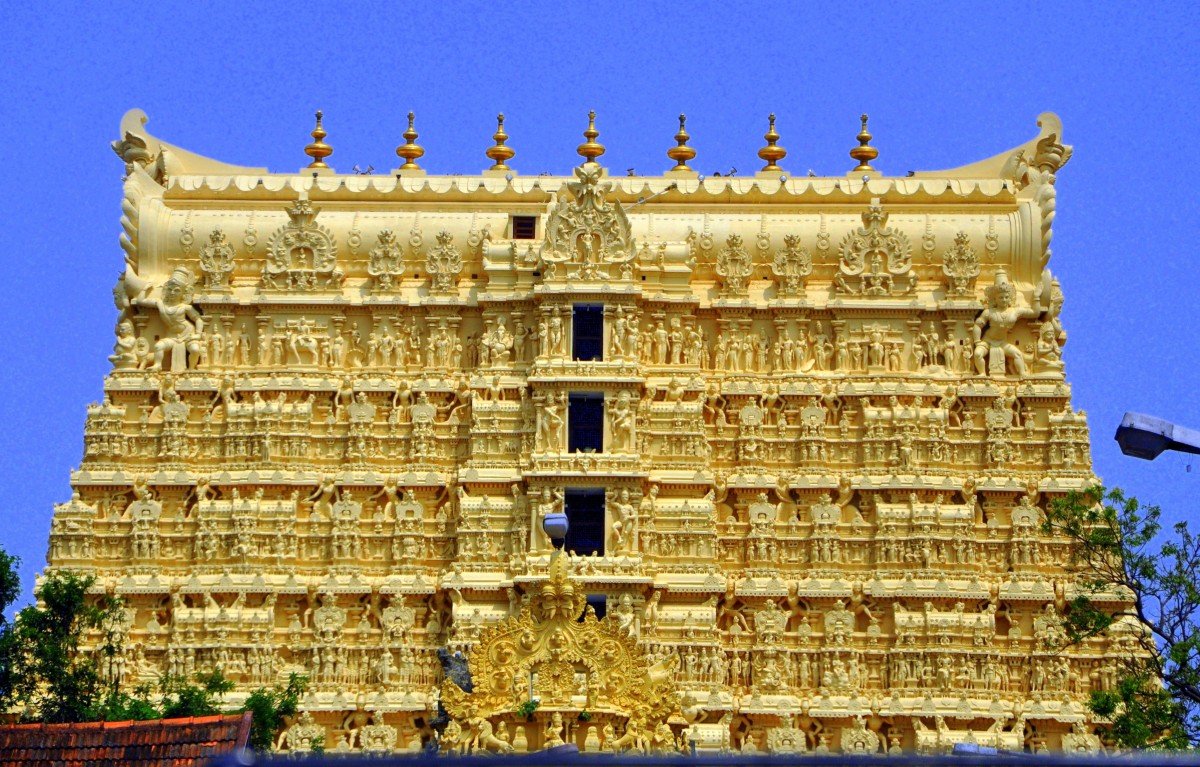
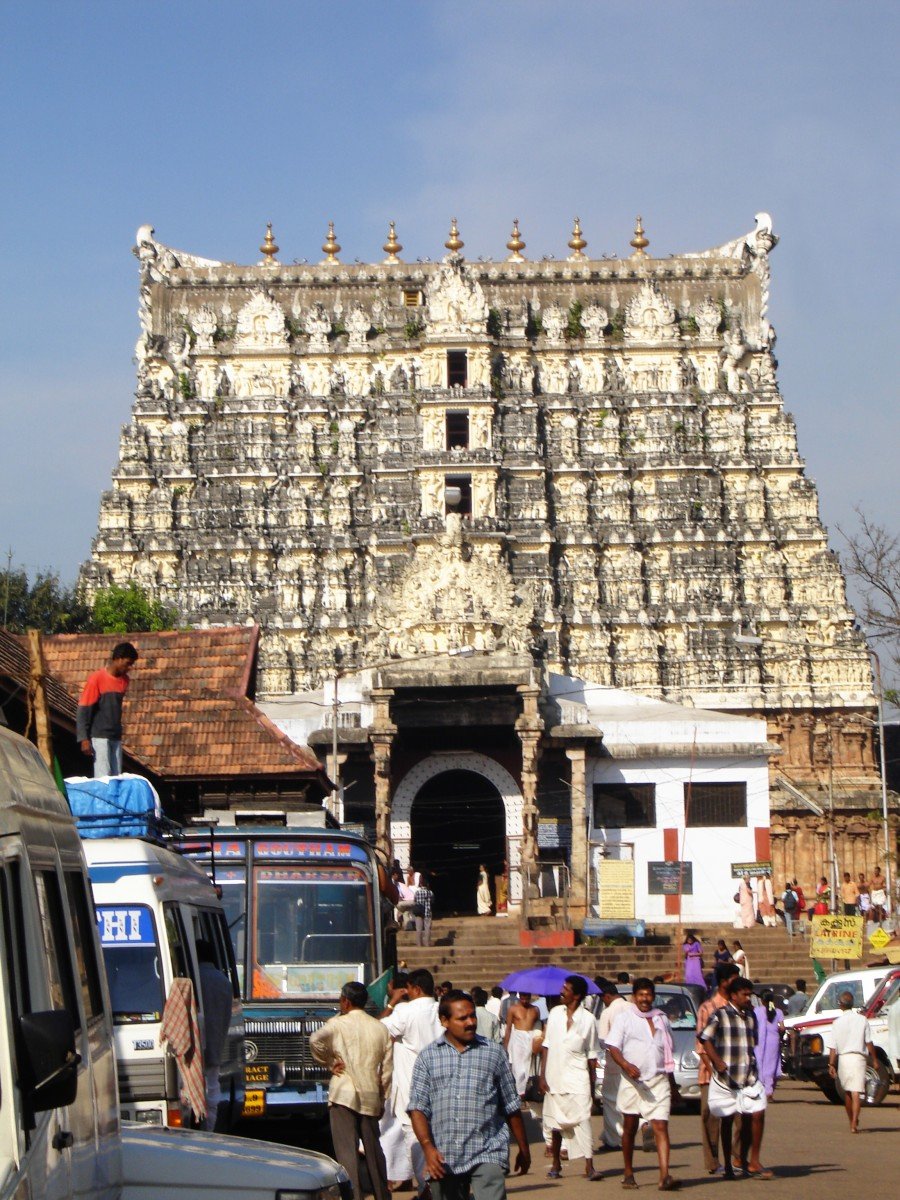
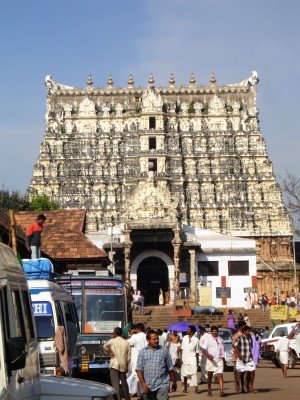 The Shri Padmanabhaswamy Temple is a magnificent Hindu shrine located in the heart of Thiruvananthapuram, dedicated to Lord Vishnu. The deity is depicted in the "Anantha Shayana" posture, reclining on the sacred serpent Adi Shesha. This temple is globally renowned for being one of the wealthiest religious institutions in the world, housing vast treasures in its ancient underground vaults. Historically, the temple's origins date back to the 8th century, and it has been closely guarded by the Travancore Royal Family for generations. Visitors must follow a strict dress code to enter the holy premises, where the atmosphere is filled with divine chants and the scent of incense. The temple serves as a spiritual anchor for the city, attracting millions of devotees who seek blessings and peace within its massive stone walls.
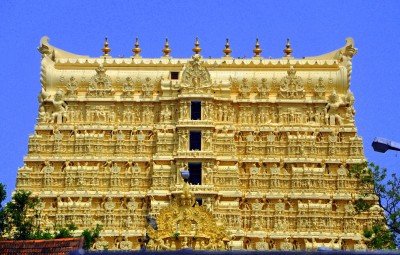 The **Sree Padmanabhaswamy Temple** is one of the most famous and revered Hindu temples in India, dedicated to Lord Vishnu, who is worshipped here in the posture of *Anantha Shayanam* (reclining on the serpent **Adi Shesha**). The temple's history dates back to the 8th century, though the present structure was largely renovated by the ruler **Marthanda Varma** of the Travancore Kingdom in the **18th century**. It holds an extraordinary place in Indian history and spiritual life, primarily because of the immense, multi-billion dollar treasure discovered in its secret vaults in **2011**, solidifying its title as the world's richest place of worship. This spiritual sanctuary is one of the 108 sacred *Divya Desams* of Lord Vishnu. The king dedicated his entire kingdom to the deity in **1750**, vowing to rule as *Padmanabha Dasa* (Servant of Lord Padmanabha), a tradition followed by his successors. The temple complex is a beautiful fusion of the indigenous Kerala style of architecture and the intricate Dravidian style, characterized by its towering *gopuram* (ornate entrance tower). The atmosphere inside is intensely spiritual and serene, a world away from the hustle of the city, demanding strict adherence to tradition and dress code. The main idol of the deity, an 18-foot long *murti*, is made of a unique composition called *katu-sharkara yogam* and can be viewed through three different doors in the sanctum. The sanctum and its surroundings are adorned with exquisite murals and stone carvings depicting various Hindu deities and mythological tales. The temple is not just a place of worship but a custodian of a magnificent cultural and historical legacy that continues to fascinate devotees and historians worldwide. Visitors are only permitted if they are Hindus.
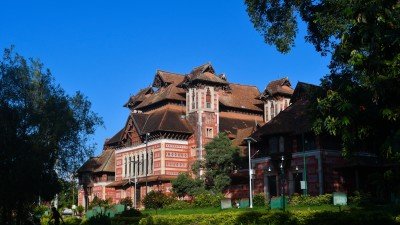 @@Scientific Exploration: The Natural History Museum is a specialized institution dedicated to the study of the earth’s biological and geological history. It is located within the same compound as the Napier Museum but offers a completely different perspective on the natural world. The museum features various galleries including mammals, birds, reptiles, and invertebrates, often displayed in life-like dioramas. These exhibits provide a detailed look at the fauna of Kerala and the Western Ghats. It is a vital educational resource for students and researchers interested in taxonomy and evolution. @@Educational Value: One of the highlights is the ethnology gallery, which showcases the life and culture of the indigenous tribes of Kerala. It houses a vast collection of skeletons, including a massive whale skeleton that always captures the attention of visitors. The geology section displays minerals and fossils that date back millions of years. The museum is designed to be informative, with detailed descriptions accompanying every specimen. It provides a quiet, intellectual environment for those who want to learn about the delicate balance of our ecosystem.
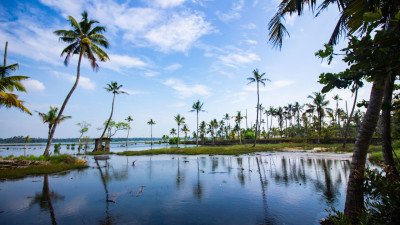 Akkulam Lake is a tranquil backwater extension of the Veli Lake, situated on the outskirts of Thiruvananthapuram city. It is one of the most popular picnic spots for locals and tourists alike, offering a perfect blend of natural beauty and man-made recreational facilities. The lake is surrounded by lush greenery and provides a peaceful escape from the urban hustle. The Akkulam Tourist Village, managed by the District Tourism Promotion Council (DTPC), is located on its banks and features a variety of attractions including a boat club, a children’s park, and a swimming pool. The lake is particularly famous for its boating facilities, where visitors can choose between pedal boats, rowboats, and speedboats to explore the calm waters. Over the years, the area has undergone several renovations to include a musical fountain and a well-lit walkway for evening strolls. It serves as a vital ecological lung for the city, supporting various aquatic life and bird species. The floating bridge at Akkulam is a major draw, allowing people to walk over the water and feel the gentle ripples beneath their feet. Whether you are looking for an adventurous speedboat ride or a quiet afternoon with family, this lake offers something for everyone.
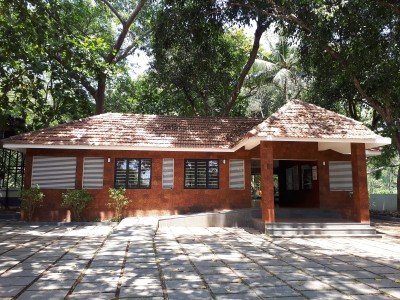 **Akkulam Lake & Tourist Village** is one of the most popular leisure destinations in **Thiruvananthapuram**, offering a unique blend of serene natural backwater beauty and a modern, fun-filled adventure and amusement park. It is situated on the banks of **Akkulam Lake**, which is an extension of the **Veli** backwaters, eventually connecting to the **Arabian Sea**. The locale is a favorite among local families and tourists seeking a peaceful retreat close to the city. The tranquil lake offers excellent **boating** options, allowing visitors to soak in the surrounding lush greenery and calm waters. The highlight is the **Tourist Village**, managed by the District Tourism Promotion Council (**DTPC**), which features a meticulously maintained **Children's Park**—reputed to be one of the largest in **Kerala**. In recent years, an **Adventure Tourism Park** has been added, significantly boosting its appeal with activities like zip-lining and rope courses. This transformation from a simple picnic spot to an adventure zone makes it a comprehensive package for a full day of family fun and relaxation. The cool breeze from the lake and the well-landscaped gardens create an ideal atmosphere for unwinding and leisurely strolls, making it a picturesque and refreshing escape from the urban hustle. The village also occasionally hosts cultural events, further enriching the visitor experience. Its location near major city points, including the airport and railway station, adds to its accessibility.
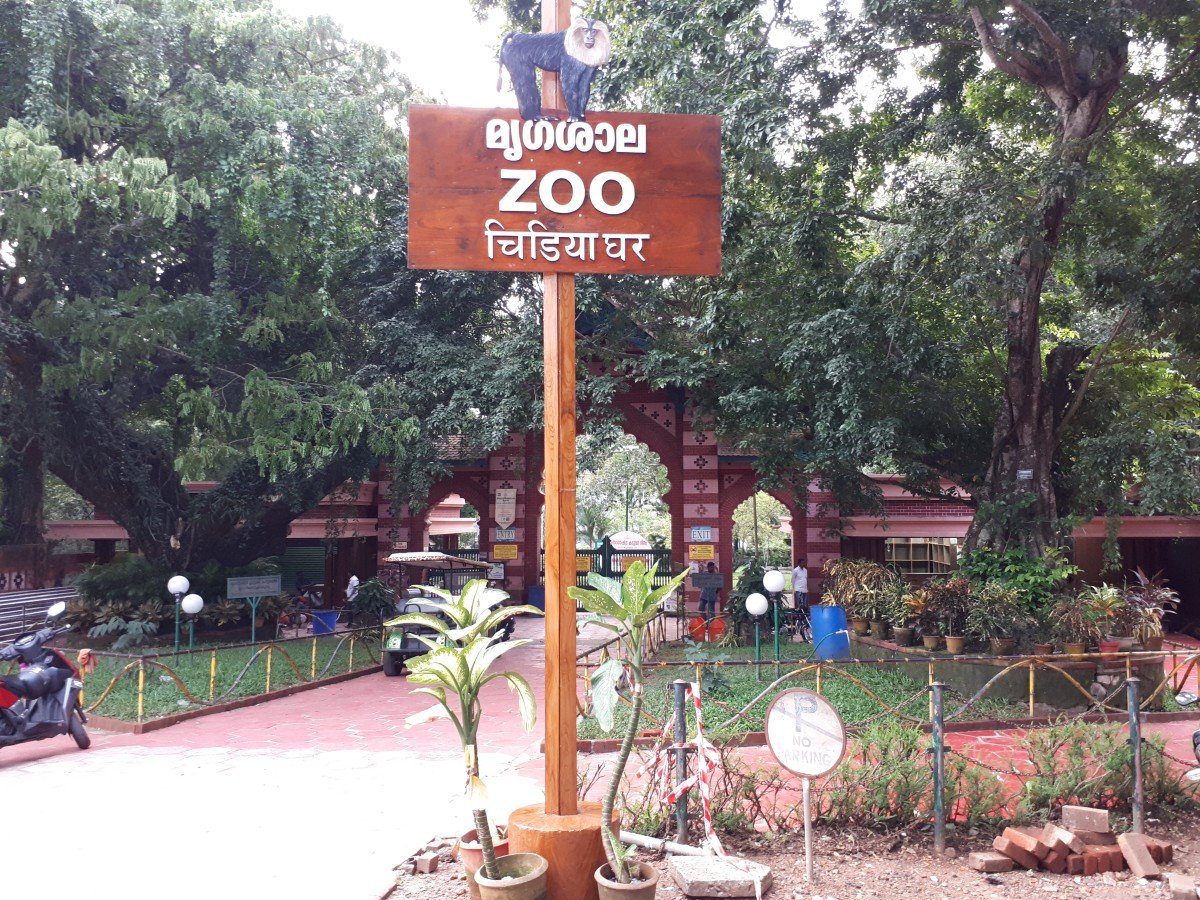
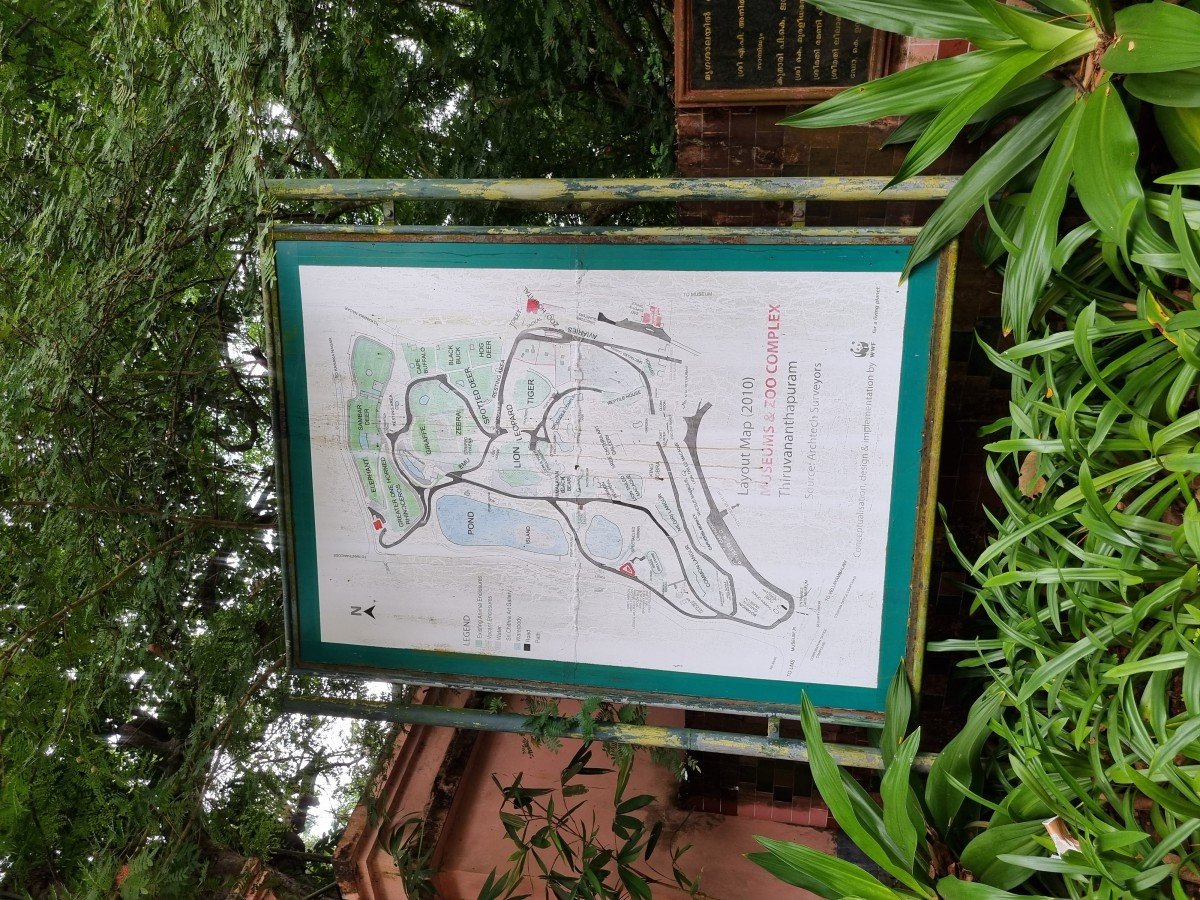
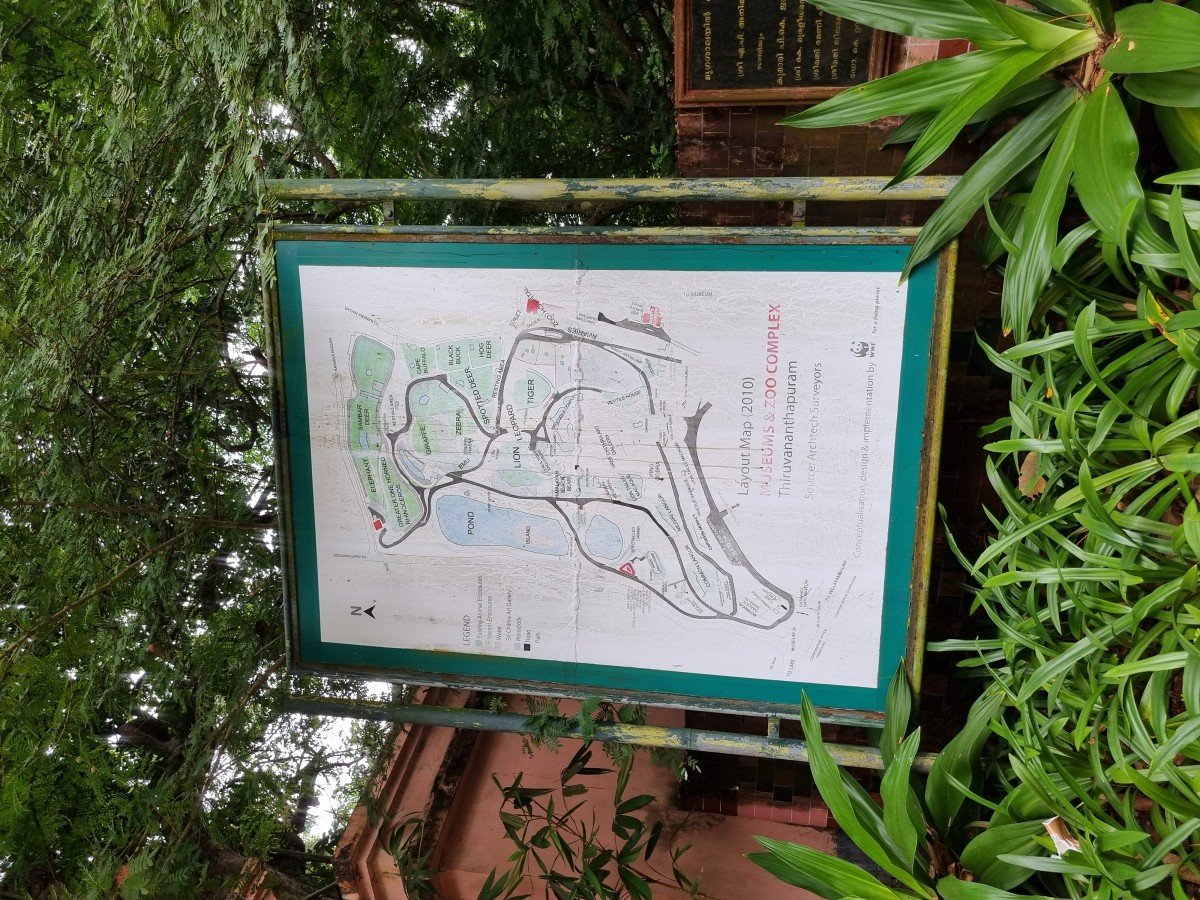
 The Thiruvananthapuram Zoological Park is one of the oldest and most well-maintained zoos in India, spanning over 55 acres of lush tropical forest land. Established in 1859 by the Maharaja of Travancore, it was originally designed as a royal leisure park but later evolved into a significant center for wildlife conservation. The zoo is home to a diverse range of animals, including the majestic Bengal Tiger, African Lions, Indian Rhinos, and the Nilgiri Langur. One of the biggest highlights is the reptile house, which features the massive Green Anaconda gifted from Sri Lanka. The park is designed with open-moat enclosures that mimic the natural habitats of the animals, providing a more humane environment compared to traditional cages. Walking through the zoo feels like a trek through a jungle, with ancient trees, hidden lakes, and the constant sound of birds chirping. It is a favorite spot for families, students, and nature lovers who want to escape the city's noise and reconnect with the animal kingdom in a serene setting.Show All
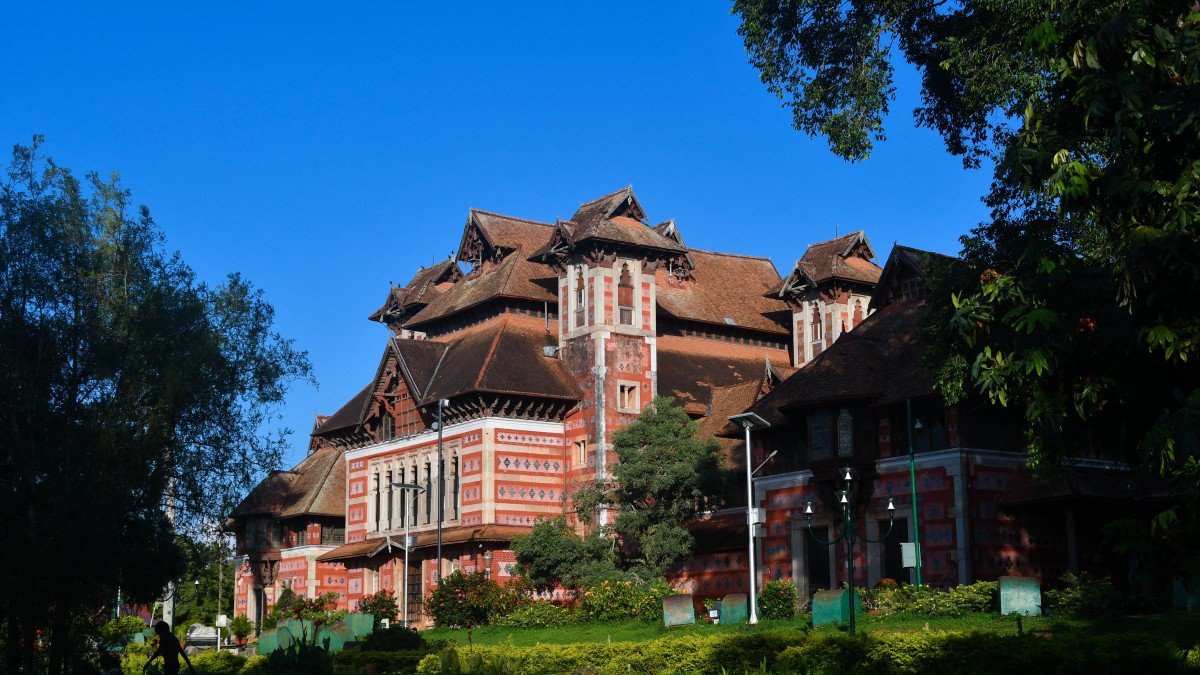
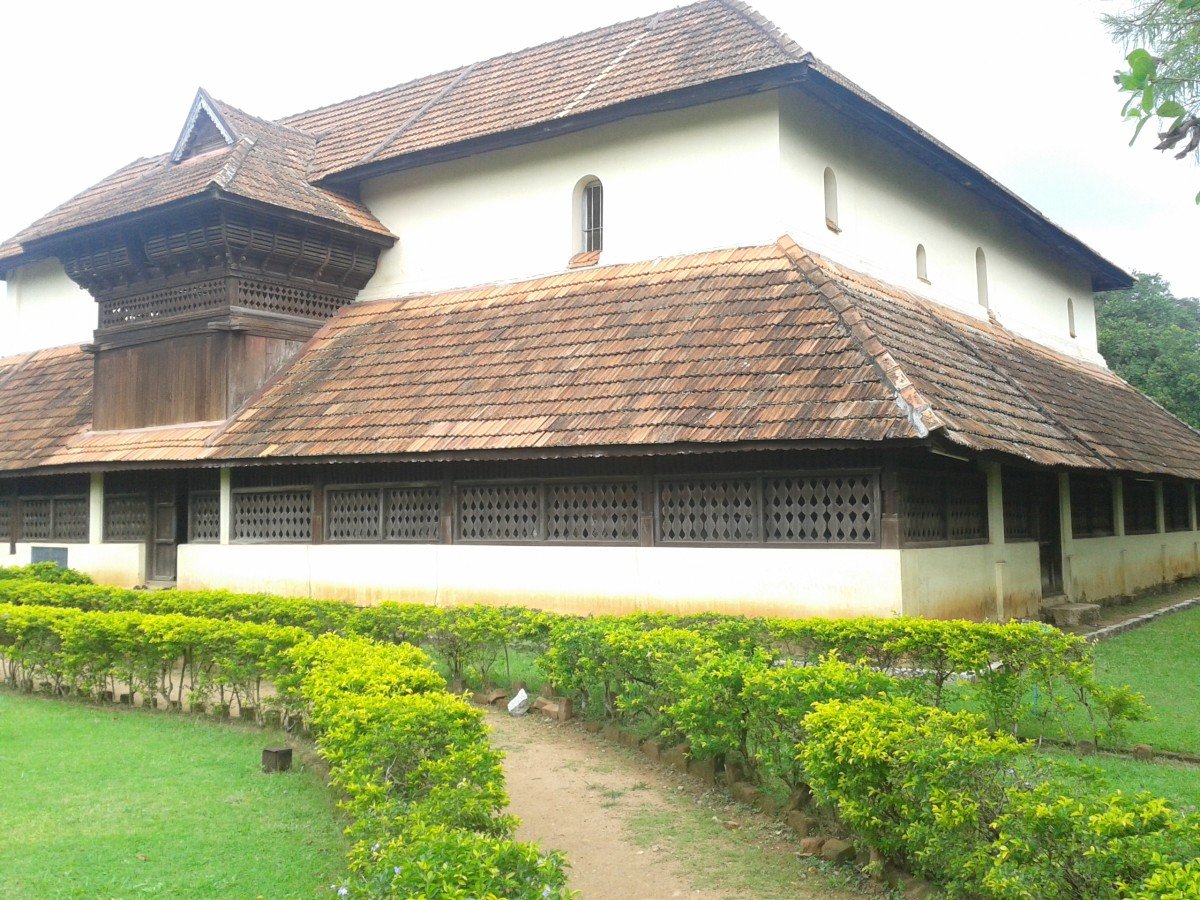
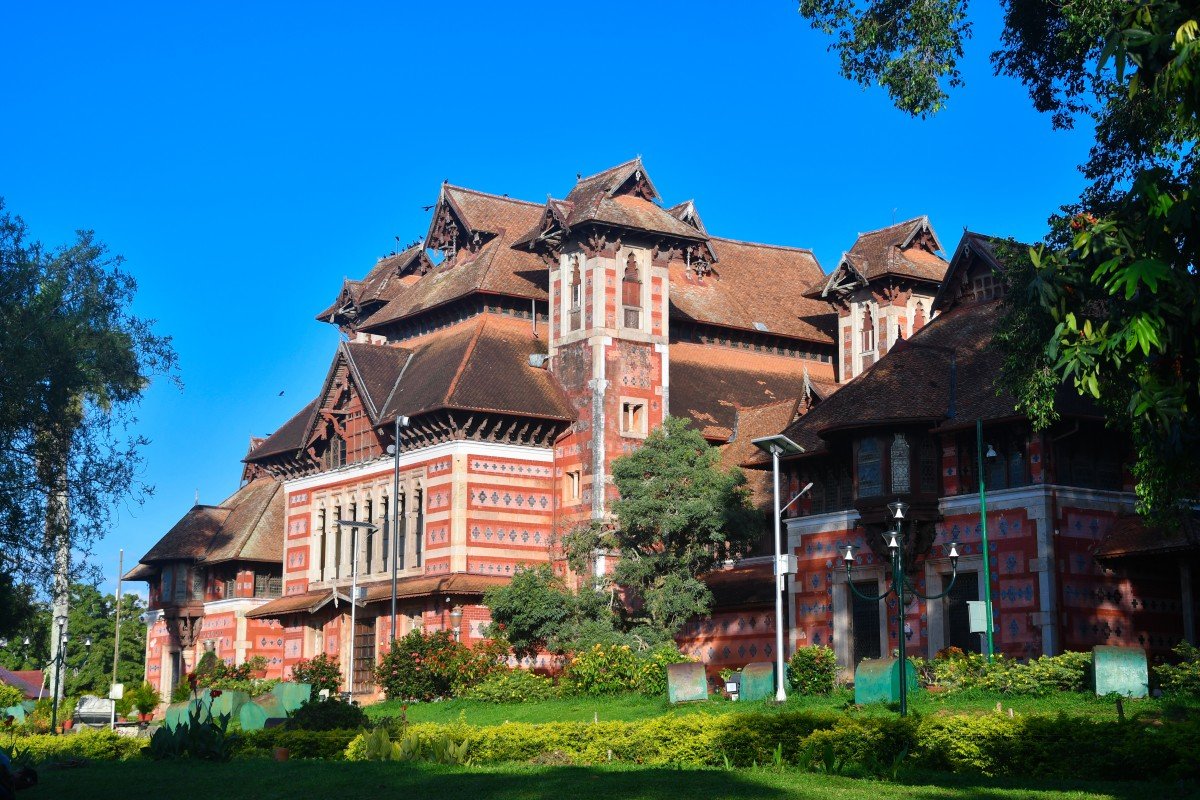
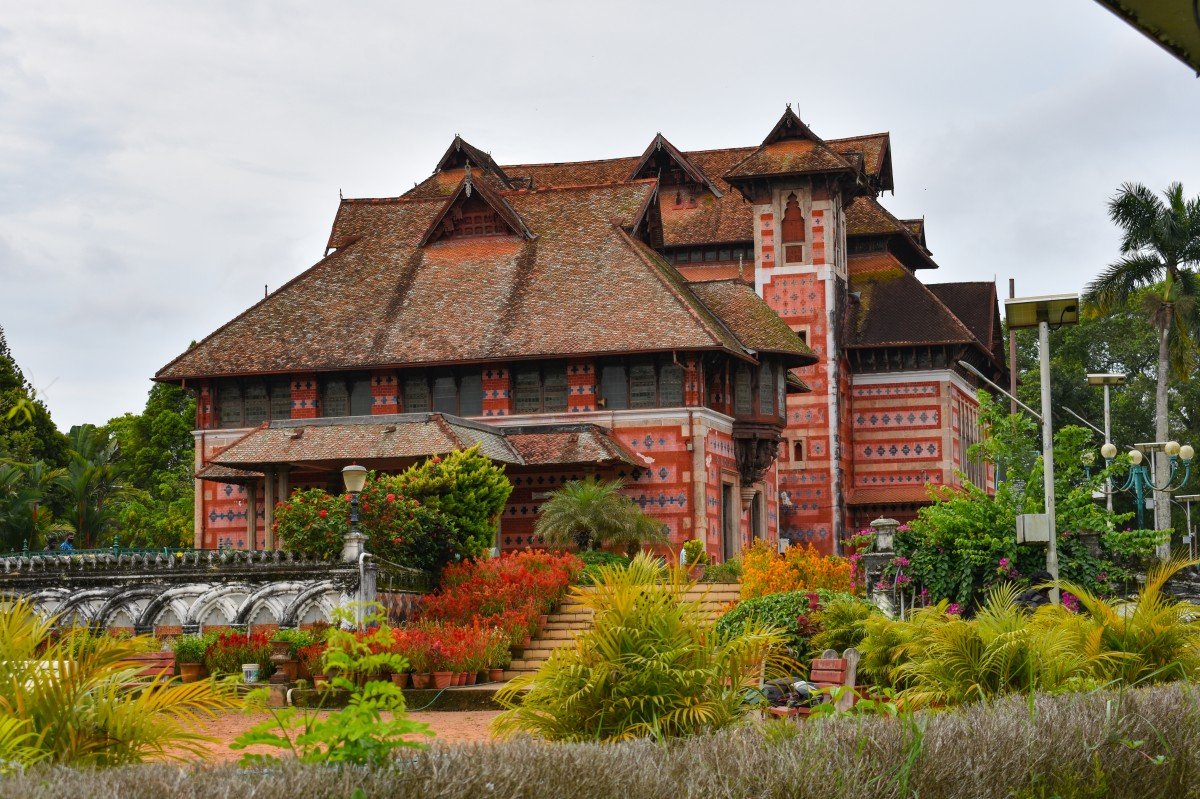
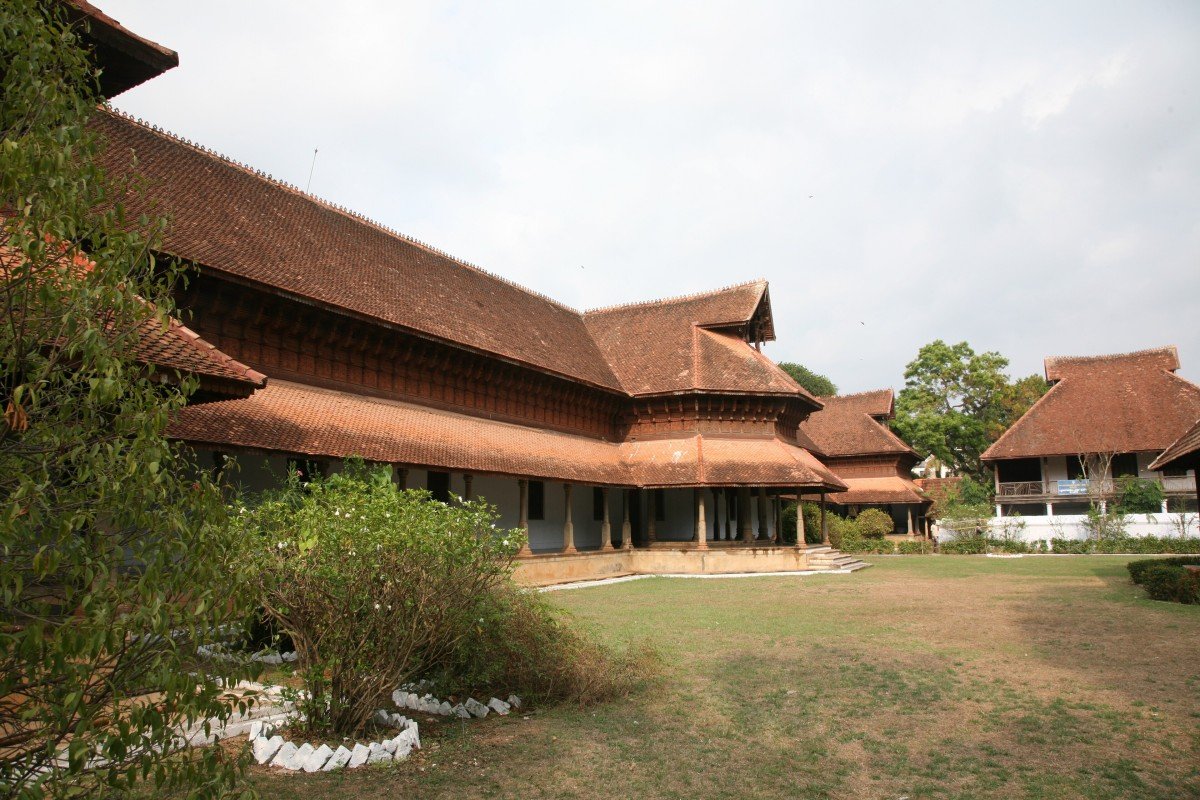
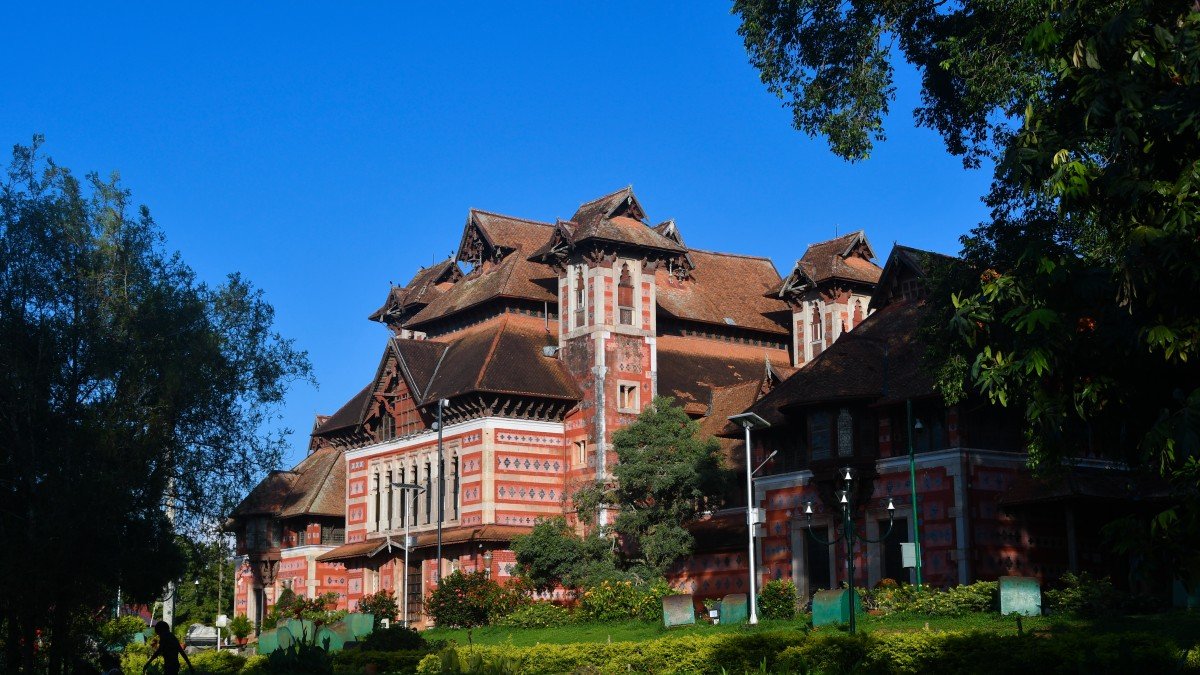
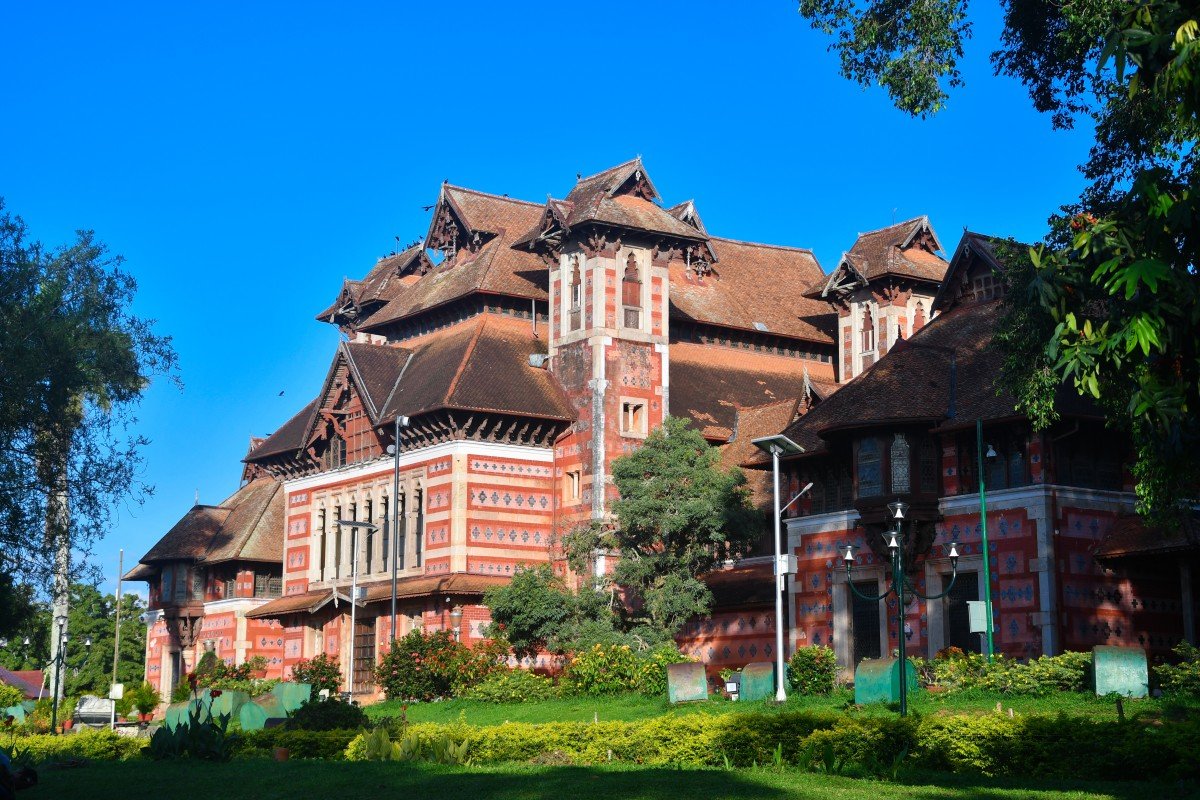
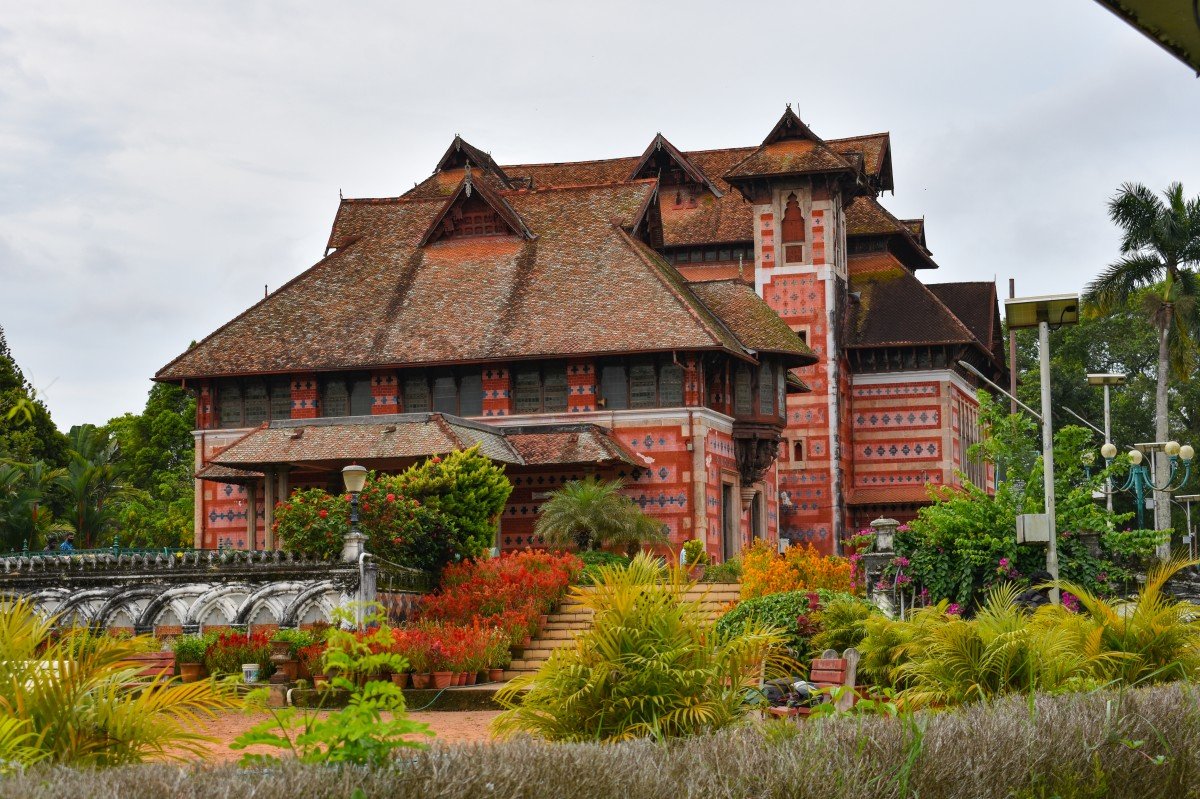
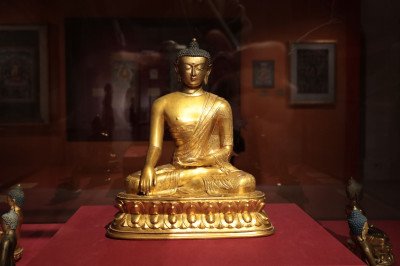 The **Napier Museum** is a historical and artistic treasure nestled in the heart of **Thiruvananthapuram**, the capital of **Kerala**. Established in **1855** by the erstwhile Maharaja of Travancore, **Uthram Thirunal**, the current magnificent structure was built in **1880** and named after the former Governor of **Madras**, **Lord Napier**. It stands as a unique cultural landmark, primarily for its architectural grandeur and its vast, rare collection of artifacts. The museum is a major highlight in the city's tourism circuit, often visited in conjunction with the adjacent **Thiruvananthapuram Zoo** and the **Sree Chitra Art Gallery**. The collections within the museum offer a profound journey into the artistic, cultural, and historical heritage of **Kerala** and South **India**. Visitors can marvel at an impressive array of ancient bronze idols, particularly those representing Hindu deities, showcasing the exceptional metal craftsmanship of the region. Furthermore, there are intricate ivory carvings that demonstrate the delicate artistry patronized by the Travancore royalty. The museum is also a repository for a wide variety of wooden sculptures, a majestic temple chariot, and a remarkable collection of ancient ornaments and coins, some dating back thousands of years. A unique exhibit is the set of **Javanese** shadow play leather puppets, which depict scenes from the Indian epics, the **Ramayana** and the **Mahabharata**. The building itself is an integral part of the exhibit, having been designed by the British architect **Robert Chisholm** in the distinctive Indo-Saracenic style, which seamlessly merges Indian, **Mughal**, and European architectural elements. Its unique architectural features, like the Gothic roof and minarets, make it a visually stunning structure. The complex serves as an important educational institution, providing scholars and enthusiasts with a rich resource for understanding the cultural evolution and artistic legacy of **Kerala**. Its location within a lush green compound enhances the experience, making it a peaceful and enriching destination.
Information
Reviews
FAQs
Thiruvananthapuram Itineray And Cost:-
Thiruvananthapuram Tourism:-
Other Places In Kerala :-
Other States In India :-
Information about New and Updated Locations() of Kerala Has Been Added :-
Card subtitle
Note:-
Information provided here in good Faith and for reference only.
Near Places
Athirappilly:
Some quick example text to build on the card title and make up the bulk of the card's content.
Go somewhere
Attingal
Some quick example text to build on the card title and make up the bulk of the card's content.
Go somewhere
Bekal
Some quick example text to build on the card title and make up the bulk of the card's content.
Go somewhere
Ernakulam
Some quick example text to build on the card title and make up the bulk of the card's content.
Go somewhere
Guruvayur
Some quick example text to build on the card title and make up the bulk of the card's content.
Go somewhere
Idukki
Some quick example text to build on the card title and make up the bulk of the card's content.
Go somewhere
Kannur
Some quick example text to build on the card title and make up the bulk of the card's content.
Go somewhere
Kasaragod
Some quick example text to build on the card title and make up the bulk of the card's content.
Go somewhere
Kollam
Some quick example text to build on the card title and make up the bulk of the card's content.
Go somewhere
Kottayam
Some quick example text to build on the card title and make up the bulk of the card's content.
Go somewhere
Kovalam
Some quick example text to build on the card title and make up the bulk of the card's content.
Go somewhere
Kozhikode
Some quick example text to build on the card title and make up the bulk of the card's content.
Go somewhere
Kumarakom
Some quick example text to build on the card title and make up the bulk of the card's content.
Go somewhere
Kuttanad
Some quick example text to build on the card title and make up the bulk of the card's content.
Go somewhere
Malappuram
Some quick example text to build on the card title and make up the bulk of the card's content.
Go somewhere
Marari Beach
Some quick example text to build on the card title and make up the bulk of the card's content.
Go somewherein Other Cities