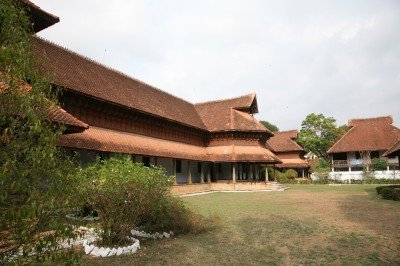
...

Place To Visit And Things To Do In Thiruvananthapuram

Kerala, India
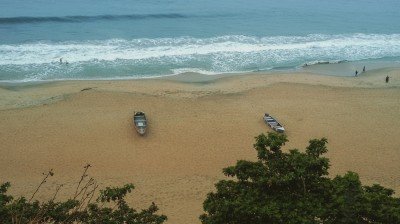
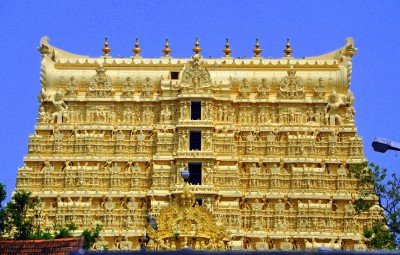
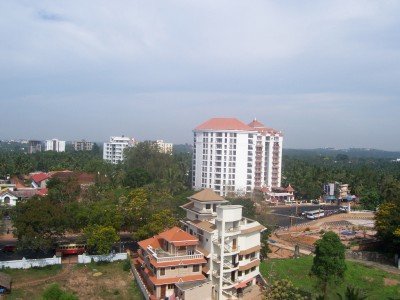
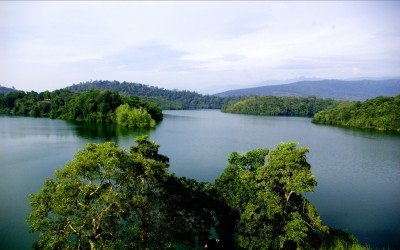
Thiruvananthapuram, the capital of Kerala, is a vibrant city known for its undulating terrain of low coastal hills and busy commercial streets. The city derives its name from the revered deity of the Sree Padmanabhaswamy Temple, meaning "City of Lord Ananta" (the serpent on which Lord Vishnu recline s). It is a major hub for information technology, education, and politics, while simultaneously preserving a rich cultural legacy of the Travancore Royal Kingdom. It offers a unique mix of historical landmarks like ancient temples and palaces, alongside picturesque beaches like Kovalam and Varkala, and serene backwater destinations. The city's location near the southernmost tip of India makes it a gateway to exploring the region's diverse natural beauty, from hill stations to wildlife sanctuaries.

Things To Do

Card image cap
Aazhimala Shiva Temple

The Aazhimala Shiva Temple is a magnificent spiritual sanctuary perched on a cliff edge overlooking the Arabian Sea. This ancient temple has recently...
The Aazhimala Shiva Temple is a magnificent spiritual sanctuary perched on a cliff edge overlooking the Arabian Sea. This ancient temple has recently gained global fame due to the installation of the Gangadhareshwara statue, which is the tallest Shiva sculpture in Kerala. The name Aazhimala is derived from two words: 'Aazhi' meaning the sea and 'Mala' meaning the hill, perfectly describing its unique geography where the waves crash against the rocks below the shrine. Historically, the temple is believed to date back to the 8th Century AD during the Pandya dynasty rule. It serves as a vital center for Shaivism and is frequented by devotees seeking peace and divine blessings. The atmosphere here is a blend of rhythmic Vedic chants and the roaring sound of the ocean, creating a meditative environment that is hard to find elsewhere. Visitors often spend hours sitting on the rocks, watching the sunset while the deity’s presence provides a sense of security. The temple is not just a religious site but a testament to the artistic brilliance of modern Kerala, bridging the gap between ancient traditions and contemporary structural engineering. It remains a must-visit destination for anyone exploring the southern coast of India.
Card image cap
Agasthyakoodam Peak

Agasthyakoodam, also known as Agastya Mala, is the second-highest peak in Kerala, standing at an altitude of 1,868 meters. The base camp at Bonacaud ...
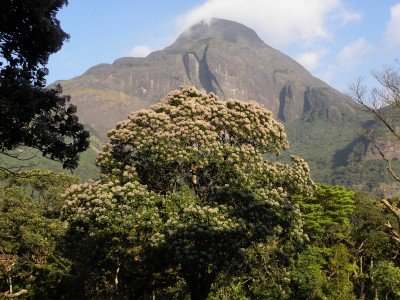
Agasthyakoodam, also known as Agastya Mala, is the second-highest peak in Kerala, standing at an altitude of 1,868 meters. The base camp at Bonacaud serves as the starting point for one of the most challenging and spiritually rewarding treks in Southern India. This peak is part of the Agasthyamala Biosphere Reserve, which is a UNESCO World Heritage site known for its immense biodiversity. The area is named after the legendary Vedic sage Agastya, who is believed to be a 'Siddha' and a pioneer of Ayurveda. At the peak, there is a small shrine dedicated to him where devotees offer prayers. The base at Bonacaud was once a thriving tea estate during the British era, and the ruins of the old factory still stand as a reminder of its colonial past. The trek from the base to the peak is usually a two-day journey through dense evergreen forests, grasslands, and rocky terrains. It is a haven for botanists as it houses over 2,000 species of medicinal plants, many of which are found nowhere else on earth. Due to its ecological sensitivity, the number of visitors is strictly controlled by the Forest Department, and trekking is only permitted during a specific window each year.
Card image cap
Akkulam Lake

Akkulam Lake is a tranquil backwater extension of the Veli Lake, situated on the outskirts of Thiruvananthapuram city. It is one of the most popular ...
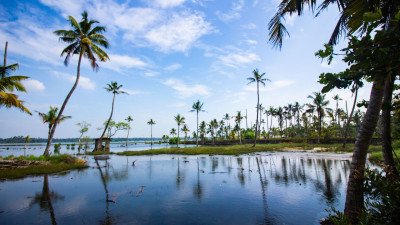
Akkulam Lake is a tranquil backwater extension of the Veli Lake, situated on the outskirts of Thiruvananthapuram city. It is one of the most popular picnic spots for locals and tourists alike, offering a perfect blend of natural beauty and man-made recreational facilities. The lake is surrounded by lush greenery and provides a peaceful escape from the urban hustle. The Akkulam Tourist Village, managed by the District Tourism Promotion Council (DTPC), is located on its banks and features a variety of attractions including a boat club, a children’s park, and a swimming pool. The lake is particularly famous for its boating facilities, where visitors can choose between pedal boats, rowboats, and speedboats to explore the calm waters. Over the years, the area has undergone several renovations to include a musical fountain and a well-lit walkway for evening strolls. It serves as a vital ecological lung for the city, supporting various aquatic life and bird species. The floating bridge at Akkulam is a major draw, allowing people to walk over the water and feel the gentle ripples beneath their feet. Whether you are looking for an adventurous speedboat ride or a quiet afternoon with family, this lake offers something for everyone.
Card image cap
Akkulam Lake & Tourist Village

Akkulam Lake & Tourist Village is one of the most popular leisure destinations in Thiruvananthapuram, offering a unique blend of serene natural backwa...

**Akkulam Lake & Tourist Village** is one of the most popular leisure destinations in **Thiruvananthapuram**, offering a unique blend of serene natural backwater beauty and a modern, fun-filled adventure and amusement park. It is situated on the banks of **Akkulam Lake**, which is an extension of the **Veli** backwaters, eventually connecting to the **Arabian Sea**. The locale is a favorite among local families and tourists seeking a peaceful retreat close to the city. The tranquil lake offers excellent **boating** options, allowing visitors to soak in the surrounding lush greenery and calm waters. The highlight is the **Tourist Village**, managed by the District Tourism Promotion Council (**DTPC**), which features a meticulously maintained **Children's Park**—reputed to be one of the largest in **Kerala**. In recent years, an **Adventure Tourism Park** has been added, significantly boosting its appeal with activities like zip-lining and rope courses. This transformation from a simple picnic spot to an adventure zone makes it a comprehensive package for a full day of family fun and relaxation. The cool breeze from the lake and the well-landscaped gardens create an ideal atmosphere for unwinding and leisurely strolls, making it a picturesque and refreshing escape from the urban hustle. The village also occasionally hosts cultural events, further enriching the visitor experience. Its location near major city points, including the airport and railway station, adds to its accessibility.
Card image cap
Anchuthengu Fort

Anchuthengu Fort, also popularly known as Anjengo Fort, is a historic coastal fortress built by the British East India Company in 1695. The name 'Anc...

Anchuthengu Fort, also popularly known as Anjengo Fort, is a historic coastal fortress built by the British East India Company in 1695. The name 'Anchuthengu' literally translates to 'Five Coconut Trees', signifying the small plot of land the British originally leased from the Queen of Attingal. This fort served as the first permanent British settlement on the Malabar Coast and played a strategic role during the Anglo-Mysore wars. The fort is built in a square shape with four bastions, each once housing heavy cannons to protect the trade of pepper and calico. Within its walls lies a cemetery containing the graves of British officers and their families, providing a somber glimpse into the colonial era's hardships. The structure has withstood numerous sieges and the test of time, now standing as a protected monument under the Archaeological Survey of India (ASI). Adjacent to the fort is the towering Anjengo Lighthouse, which offers a bird's eye view of the coastline. The surrounding village of Anchuthengu is a traditional fishing hamlet, and the walk from the fort to the beach provides a vibrant look at the local life. It is a place where history meets the sea, making it a favorite for history buffs and photographers.
Card image cap
Aruvikkara Dam

@@Nature's Serene Retreat: The Aruvikkara Dam is a picturesque spot located on the banks of the Karamana River. It serves as a major source of drinkin...
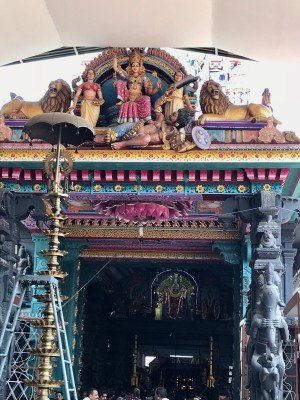
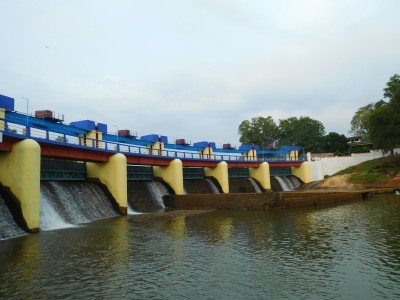
@@Nature's Serene Retreat: The Aruvikkara Dam is a picturesque spot located on the banks of the Karamana River. It serves as a major source of drinking water for the capital city. The area is surrounded by lush greenery and offers a peaceful escape from the urban chaos. Visitors often come here to enjoy the cool breeze and the rhythmic sound of flowing water. The dam is famous for its scenic beauty and the ancient Bhagavathy Temple located nearby. Feeding the fish in the river is a popular tradition here. The reservoir and the well-maintained garden make it a perfect picnic spot. It is a place where spirituality meets natural splendor. The site is especially beautiful during the monsoon season when the water levels are high. @@Historical Significance of the Dam: Built in the 1930s, the dam has been a cornerstone of the city's infrastructure. It represents the early engineering marvels of the Travancore kingdom. The project was initiated to ensure a steady water supply to the growing population. Over the decades, it has evolved into a popular tourist destination. The blend of historical utility and natural beauty is unique. Many locals visit the dam for morning walks and meditation. The quiet atmosphere provides a perfect setting for introspection. It remains one of the most cherished spots in the district.
Card image cap
Attukal Bhagavathy Temple

The Attukal Bhagavathy Temple is one of the most revered and ancient shrines in South India, dedicated to Goddess Bhagavathy, known locally as Attukal...
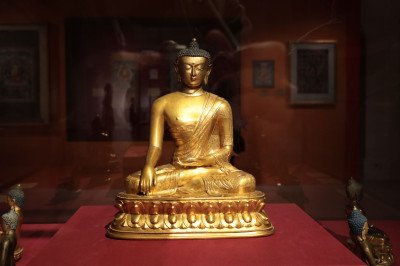
The **Attukal Bhagavathy Temple** is one of the most revered and ancient shrines in South **India**, dedicated to Goddess Bhagavathy, known locally as **Attukal Amma**. The Goddess is worshipped as a fierce yet nurturing manifestation of **Goddess Parvati** (or **Bhadrakali**). She is widely regarded as the ultimate source of power, prosperity, and salvation for her devotees. The temple is globally famous for its annual **Attukal Pongala** festival, an event that draws millions of women devotees, earning it a place in the **Guinness Book of World Records** for being the largest gathering of women for a religious activity. The spiritual atmosphere within the temple complex is intensely devout. Legend associates the Goddess with **Kannaki**, the heroine of the ancient Tamil epic **Silapathikaram**, who is believed to have rested at Attukal on her journey to Kodungallur. The temple is distinct for its focus on female devotion, which is why it is reverently called the **'Sabarimala of Women'**. Inside, the main deity is worshipped in three forms: **Maha Saraswathi** (Knowledge), **Maha Lakshmi** (Wealth), and **Maha Durga/Kali** (Power). The beautiful structure of the temple is a blend of traditional **Kerala** and **Tamil** architectural styles, featuring intricate carvings that depict various Hindu mythological figures and stories. A visit here is not just a religious trip; it is an immersion into the deep spiritual and cultural heritage of **Kerala**. The temple’s prominence highlights the matriarchal and feminine focus of worship in this region.
Card image cap
Chacha Nehru Children's Museum

@@Educational Wonderland: Established in 1980, the Chacha Nehru Children's Museum is a tribute to India's first Prime Minister, Jawaharlal Nehru. It i...

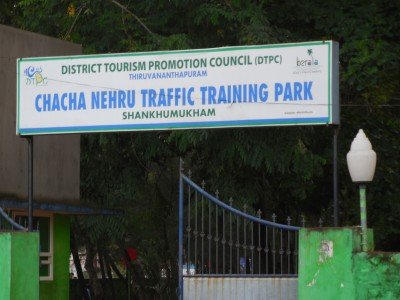
@@Educational Wonderland: Established in 1980, the Chacha Nehru Children's Museum is a tribute to India's first Prime Minister, Jawaharlal Nehru. It is a unique cultural center designed specifically to pique the curiosity of young minds. The museum houses a massive collection of over 2,000 dolls from across the globe. These dolls are dressed in traditional costumes representing various countries and Indian states. It serves as an educational hub where children can learn about global cultures and history. The museum also features a vast collection of masks and stamps. It is located in the heart of the city, making it easily accessible for school trips. The dioramas depicting scenes from Indian epics like the Ramayana and Mahabharata are a major highlight. @@Cultural Heritage: The museum plays a vital role in preserving the art of doll making and philately. It encourages children to take an interest in hobbies that are becoming rare in the digital age. The exhibits are arranged systematically to guide visitors through a journey of human diversity. It is not just a place for kids; adults also find the intricate craftsmanship of the dolls fascinating. The museum is managed by the Kerala State Council for Child Welfare. It stands as a symbol of the city's commitment to child development and education. The quiet, indoor setting provides a great learning environment away from the city's noise.
Card image cap
Kanakakunnu Palace

The Kanakakunnu Palace, whose name literally translates to 'Golden Hill', is a magnificent architectural vestige of the Travancore royal era. Built du...

The **Kanakakunnu Palace**, whose name literally translates to 'Golden Hill', is a magnificent architectural vestige of the Travancore royal era. Built during the reign of **Sree Moolam Thirunal Maharaja** (1885–1924), it originally served as a stately guesthouse for hosting the ceremonial banquets and entertainment for the royal visitors, especially the English elite. It is strategically situated on a small hill in the heart of the city, right next to the **Napier Museum** complex, and is surrounded by sprawling, lush green lawns and groves. Later, it was refurbished by **Chithira Thirunal Balarama Varma**, who added modern amenities like tennis courts, further enhancing its status. Today, the palace is not used as a royal residence but is protected by the **Kerala Tourism Development Corporation (KTDC)** and has been transformed into a vibrant cultural and social hub for the city. It houses two major auditoriums, the open-air **Nishagandhi** Auditorium and the covered **Sooryakanthi** Auditorium. It is a venue for numerous cultural programs, meetings, seminars, and arts festivals throughout the year, with the annual **Nishagandhi Dance Festival** being its most famous event. The **Indian National Trust for Art and Cultural Heritage (INTACH)** has officially listed the palace as a heritage monument, recognizing its vital role in preserving the state's architectural and cultural history, making it an important historical and contemporary landmark in **Thiruvananthapuram**.
Card image cap
Kanjiramkulam Junction

@@Educational and Commercial Hub: Kanjiramkulam Junction is a bustling transit point located on the way to the southern tip of India. It is known prim...

@@Educational and Commercial Hub: Kanjiramkulam Junction is a bustling transit point located on the way to the southern tip of India. It is known primarily as an educational center, housing several prominent colleges and schools. The junction serves as a vital link between the city of Thiruvananthapuram and the coastal towns of Vizhinjam and Poovar. The area is characterized by a mix of traditional village life and modern commercial development. It is a major stop for travelers heading towards Kanyakumari. The local market here is famous for fresh produce and traditional Kerala snacks. The junction is always alive with the movement of students, commuters, and tourists. It represents the hardworking spirit of the local community. @@Local Life and Landmarks: The junction is surrounded by lush coconut groves and small ponds. The Kunjukrishnan Nadar Memorial Government Arts & Science College is a landmark institution here. The area has a high literacy rate and a strong sense of community. Visitors often stop here for a quick break while traveling along the NH-66. The local eateries offer authentic Kerala meals that are both delicious and affordable. It is a place where you can experience the authentic "gramam" (village) vibe of Kerala while being close to the city. The junction also connects to the famous Lourdes Church in Lourdepuram.
Card image cap
Karamana River

@@Lifeline of the South: The Karamana River originates from the Agasthya Mala in the Western Ghats and flows through the heart of the district. It is ...
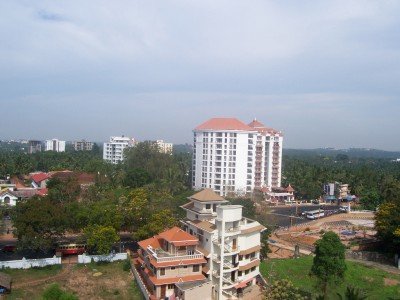
@@Lifeline of the South: The Karamana River originates from the Agasthya Mala in the Western Ghats and flows through the heart of the district. It is named after the suburb of Karamana, where it is most prominent. The river is steeped in history and was once known as the Vanamala (Garland of the Forest). It has been the inspiration for many legendary musicians of the Travancore royal court. The river provides water to the city via the Aruvikkara Dam. Along its banks, you can see lush mangroves, bamboo thickets, and coconut groves. It is a vital ecosystem supporting a variety of fish and bird species. The river's journey from the mountains to the sea at Thiruvallam is truly scenic. @@Cultural Connection: The river is deeply linked to the cultural fabric of Thiruvananthapuram. Many famous composers like Neelakanta Sivan lived on its banks. The "Agraharams" (Brahmin settlements) in Karamana are famous for their traditional architecture and musical heritage. Boating and canoeing in the quieter stretches of the river are popular tourist activities. It is also a site for traditional rituals and offerings. Despite the urban growth, certain sections of the river remain pristine and beautiful. Efforts are ongoing to preserve its water quality and protect its biodiversity. It is a must-visit for anyone wanting to see the natural side of the capital.
Card image cap
Kowdiar Palace

The Kowdiar Palace is a magnificent structure that serves as the official residence of the Travancore Royal Family. Built in 1934 by Maharaja Sree Ch...
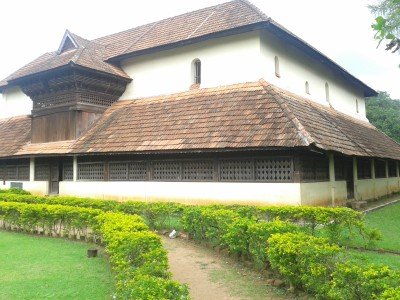
The Kowdiar Palace is a magnificent structure that serves as the official residence of the Travancore Royal Family. Built in 1934 by Maharaja Sree Chithira Thirunal Balarama Varma, it was constructed to mark the wedding of his sister, Maharani Karthika Thirunal Lakshmi Bayi. This palace is often considered one of the most beautiful buildings in Kerala, showcasing the regal lifestyle of the erstwhile rulers. Unlike many northern palaces, it focuses on elegance and functional beauty rather than sheer opulence. The palace is nestled amidst lush green gardens and sprawling lawns, providing a serene environment in the heart of the city. It remains a private residence, meaning the interiors are generally not open to the public, but its exterior beauty and historical significance make it a landmark for every traveler. The palace houses over 150 rooms and is a repository of royal history and heritage. It stands as a symbol of the transition from the princely state of Travancore to modern India. The area surrounding the palace is one of the most elite residential hubs in Thiruvananthapuram, known for its cleanliness and greenery. Visitors often admire the palace from the grand gates, capturing the essence of a bygone era. The tomb of the last ruling Maharaja is also located within the palace grounds. It is a place where history, tradition, and architectural brilliance meet.
Card image cap
Koyikkal Palace

Koyikkal Palace is an ancient palace located in Nedumangad, a suburb of Thiruvananthapuram. Built in the 17th Century for Umayamma Rani of the Venad R...
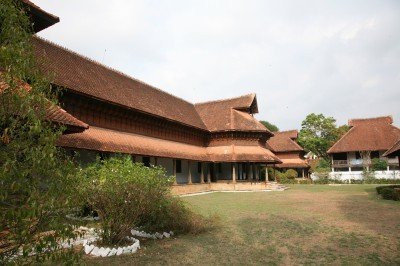
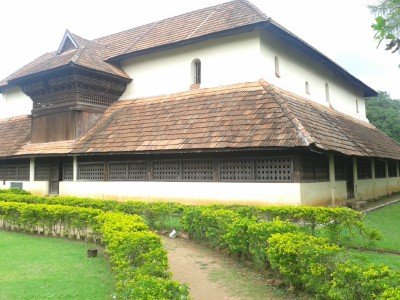
**Koyikkal Palace** is an ancient palace located in **Nedumangad**, a suburb of **Thiruvananthapuram**. Built in the **17th Century** for **Umayamma Rani** of the **Venad** Royal Family, the structure itself is a beautiful example of traditional **Kerala architectural style** (**Nalukettu** model). Its historical significance lies in its association with the powerful female ruler and its distinctive architectural pattern. Today, the palace has been converted into two fascinating museums under the State Archaeology Department: the **Folklore Museum** and the **Numismatics Museum**. The **Folklore Museum** showcases ancient musical instruments, household utilities, and models of traditional folk art, providing a deep insight into the cultural heritage of **Kerala**. The **Numismatics Museum** boasts a rare and extensive collection of coins and currencies from different periods and dynasties, including the **Roman Empire**, the ancient **Travancore** Kingdom, and various foreign powers, making it a paradise for history and coin enthusiasts. The peaceful setting of the palace and its unique cultural contents make it an enriching and quiet stop away from the busy capital city. It’s an ideal spot for those who appreciate history, art, and traditional architecture.
Card image cap
Kuthiramalika Palace Museum

Kuthiramalika Palace Museum, officially known as Puthen Malika, is an exquisite example of traditional Kerala architecture. Built in the 1840s by Mah...

Kuthiramalika Palace Museum, officially known as Puthen Malika, is an exquisite example of traditional Kerala architecture. Built in the 1840s by Maharaja Swathi Thirunal Rama Varma, the great composer-king, it is located right next to the famous Sree Padmanabhaswamy Temple. The name 'Kuthiramalika' translates to 'Mansion of Horses', derived from the 122 wooden horses carved into the brackets supporting the roof. The palace was built using teak, rosewood, marble, and granite, reflecting the artistic sensibilities of the Travancore kings. It remained closed for many years after the king's death and was later converted into a museum. Today, it houses a vast collection of royal artifacts, including Belgian glass mirrors, life-size Kathakali figures, and musical instruments. One of the most fascinating exhibits is the Bohemian crystal throne and another made of ivory. The museum offers a guided tour that explains the history and significance of each room. The palace is also the venue for the famous Swathi Sangeethotsavam, a music festival held every year in January. Walking through the pillared corridors, visitors can feel the cool breeze designed by ancient architectural techniques. The museum provides a deep dive into the cultural soul of Kerala, showcasing the transition from royalty to modernity. It is a must-visit for anyone interested in wood carvings and royal heritage. The atmosphere inside is peaceful, offering a stark contrast to the bustling East Fort area outside.
Card image cap
Kuthiramalika

The Kuthiramalika Palace Museum, officially known as Puthenmalika (meaning 'New Mansion'), is a magnificent testament to the opulence and artistic bri...

The **Kuthiramalika Palace Museum**, officially known as **Puthenmalika** (meaning 'New Mansion'), is a magnificent testament to the opulence and artistic brilliance of the Travancore Royal Family. This historic palace was constructed by the esteemed ruler **Maharaja Swathi Thirunal Rama Varma** in the **19th century** (specifically between **1840** and **1844**) adjacent to the iconic Sree Padmanabhaswamy Temple. The palace was built to serve as the residence of the Maharaja and to host the famous annual music festival, the Swathi Sangeethotsavam. The literal translation of **Kuthiramalika** is 'Mansion of Horses', a name derived from the 122 exquisitely carved wooden horses that adorn the wooden brackets supporting the southern roofline of the palace. These smiling, wooden equines are the palace's most distinguishing feature and a brilliant example of traditional **Kerala** craftsmanship. The palace was left largely unoccupied after the demise of **Maharaja Swathi Thirunal** in **1847** and fell into a state of neglect for over a century. A portion of this splendid structure was eventually restored and opened to the public as a museum on **April 1, 1995**, providing a rare peek into the life and collections of the erstwhile rulers. The museum today showcases a priceless collection of artifacts that belonged to the royal family. Inside the sixteen, now nineteen, rooms opened to the public, visitors can explore a vast array of possessions, including traditional furniture, exquisite wooden paintings, various Kathakali figures, antique ornaments, and a collection of weapons and armory. Highlights include two famous thrones: one made of shimmering **Bohemian crystal** gifted by the British, and another carved entirely from the **tusks of 32 elephants**, which underscores the royal family's extravagance and influence. The entire structure, built from materials like teakwood, rosewood, marble, and granite, is a spectacular fusion of indigenous **Kerala** architecture with subtle influences, offering a truly immersive historical and cultural experience in the heart of **Thiruvananthapuram**. It serves not just as a museum but as a living monument to the artistic patronage and cultural legacy of **Maharaja Swathi Thirunal**, who was a renowned musician and composer himself. The palace continues to preserve and promote the traditional arts, keeping the spirit of the Travancore era alive for contemporary visitors.
Card image cap
Magic Planet

Magic Planet is a one-of-a-kind theme park dedicated entirely to the art of magic and illusion. Founded by the world-renowned magician Gopinath Muthu...
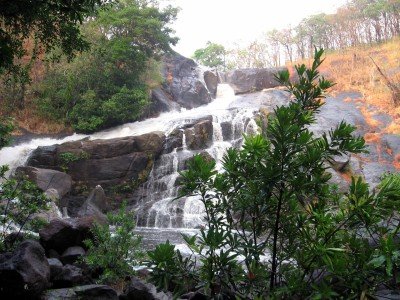
Magic Planet is a one-of-a-kind theme park dedicated entirely to the art of magic and illusion. Founded by the world-renowned magician Gopinath Muthukad in 2014, it aims to preserve and promote the traditional street magic of India while blending it with modern illusions. Spread over 1.5 acres, the park is designed to look like a mystical land where every corner holds a surprise. Unlike typical amusement parks with mechanical rides, Magic Planet focuses on performance-based entertainment and educational exhibits. It features various segments like the Street Magic Venue, the Cercle de Magique (the main theater), and the Museum of Magic. The park is also known for its social commitment, employing specially-abled children who perform incredible magic and music acts under the 'Different Art Centre' initiative. Visitors are greeted by magicians performing card tricks and levitation as they walk through the gates. The park provides a platform for traditional art forms like Gili Gili and the Indian Mango Trick, which are fast disappearing. It is an ideal destination for families with children, offering a mix of wonder, science, and history. The atmosphere is vibrant, with colorful structures and interactive displays that keep everyone engaged. Magic Planet has won several tourism awards for its unique concept and contribution to the performing arts. It is a place where science meets fantasy, making the impossible seem possible through skill and psychology.
Card image cap
Meenmutty Waterfalls

Meenmutty Waterfalls at Kallar is a hidden paradise located on the way to the Ponmudi hill station. The name 'Meenmutty' comes from the Malayalam wor...

Meenmutty Waterfalls at Kallar is a hidden paradise located on the way to the Ponmudi hill station. The name 'Meenmutty' comes from the Malayalam words 'meen' (fish) and 'mutty' (blocked), referring to the fact that fish cannot swim further up due to the rocky terrain. The waterfall is reached via a 2 KM trek through dense tropical forests starting from the Kallar bridge. The trek itself is a major attraction, offering a chance to see rare birds, butterflies, and diverse flora. The trail follows the path of the Vamanapuram River, with crystal clear water flowing over smooth pebbles and massive boulders. There are several small pools along the way where visitors can take a refreshing dip. The main waterfall is a three-tiered cascade that drops with great force, especially during the post-monsoon months. The forest department manages the area, ensuring it remains an eco-friendly zone. Plastic is strictly monitored, and the trail is well-maintained with signboards. The area is surrounded by the lush Western Ghats, providing a cool and misty atmosphere even during the summer. It is an ideal spot for nature lovers and adventure seekers who want to escape the city's noise. The sound of the rushing water combined with the chirping of birds creates a meditative environment. Unlike its namesake in Wayanad, this Meenmutty is more accessible for a day trip from the capital city. It remains one of the most pristine eco-tourism spots in Southern Kerala.
Card image cap
Napier Museum, also known as the Government Art Museum.

The Napier Museum is a historical and artistic treasure nestled in the heart of Thiruvananthapuram, the capital of Kerala. Established in 1855 by the ...

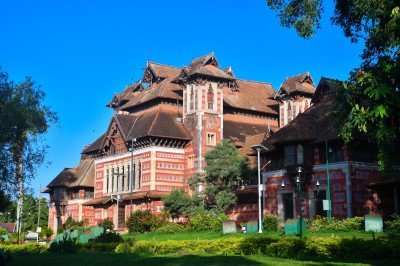
The **Napier Museum** is a historical and artistic treasure nestled in the heart of **Thiruvananthapuram**, the capital of **Kerala**. Established in **1855** by the erstwhile Maharaja of Travancore, **Uthram Thirunal**, the current magnificent structure was built in **1880** and named after the former Governor of **Madras**, **Lord Napier**. It stands as a unique cultural landmark, primarily for its architectural grandeur and its vast, rare collection of artifacts. The museum is a major highlight in the city's tourism circuit, often visited in conjunction with the adjacent **Thiruvananthapuram Zoo** and the **Sree Chitra Art Gallery**. The collections within the museum offer a profound journey into the artistic, cultural, and historical heritage of **Kerala** and South **India**. Visitors can marvel at an impressive array of ancient bronze idols, particularly those representing Hindu deities, showcasing the exceptional metal craftsmanship of the region. Furthermore, there are intricate ivory carvings that demonstrate the delicate artistry patronized by the Travancore royalty. The museum is also a repository for a wide variety of wooden sculptures, a majestic temple chariot, and a remarkable collection of ancient ornaments and coins, some dating back thousands of years. A unique exhibit is the set of **Javanese** shadow play leather puppets, which depict scenes from the Indian epics, the **Ramayana** and the **Mahabharata**. The building itself is an integral part of the exhibit, having been designed by the British architect **Robert Chisholm** in the distinctive Indo-Saracenic style, which seamlessly merges Indian, **Mughal**, and European architectural elements. Its unique architectural features, like the Gothic roof and minarets, make it a visually stunning structure. The complex serves as an important educational institution, providing scholars and enthusiasts with a rich resource for understanding the cultural evolution and artistic legacy of **Kerala**. Its location within a lush green compound enhances the experience, making it a peaceful and enriching destination.
Card image cap
Napier Museum

@@Museum Overview: The Napier Museum is a landmark institution established in 1855, serving as a premier destination for art and history enthusiasts i...
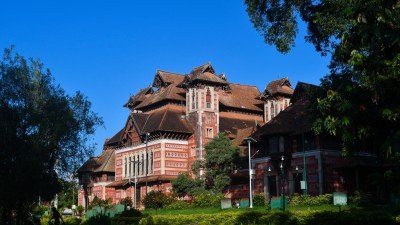
@@Museum Overview: The Napier Museum is a landmark institution established in 1855, serving as a premier destination for art and history enthusiasts in Kerala. It houses an extensive collection of rare archaeological and historical artifacts, including bronze idols, ancient ornaments, a temple chariot, and ivory carvings. The museum provides a deep dive into the cultural evolution of South India, showcasing the artistic brilliance of the Travancore era. It is set within a lush green park that also hosts a zoo and an art gallery, making it a comprehensive cultural hub. The meticulously preserved exhibits allow visitors to trace the timeline of traditional craftsmanship and royal heritage. @@Cultural Significance: This museum acts as a bridge between the past and present, preserving the artistic identity of the region. It is named after Lord Napier, the former Governor of Madras, reflecting the colonial influence on its establishment. The interiors are filled with natural lighting and cross-ventilation, which was ahead of its time for a 19th-century structure. Visitors can witness the intricate details of wood carvings and stone sculptures that highlight Kerala’s unique aesthetic. The surrounding gardens offer a peaceful environment for families and researchers alike to spend several hours exploring.
Card image cap
Natural History Museum

@@Scientific Exploration: The Natural History Museum is a specialized institution dedicated to the study of the earth’s biological and geological hi...
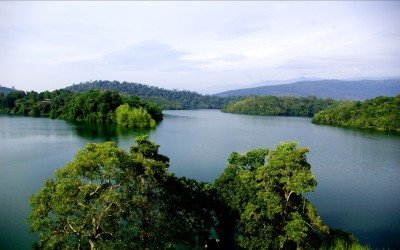
@@Scientific Exploration: The Natural History Museum is a specialized institution dedicated to the study of the earth’s biological and geological history. It is located within the same compound as the Napier Museum but offers a completely different perspective on the natural world. The museum features various galleries including mammals, birds, reptiles, and invertebrates, often displayed in life-like dioramas. These exhibits provide a detailed look at the fauna of Kerala and the Western Ghats. It is a vital educational resource for students and researchers interested in taxonomy and evolution. @@Educational Value: One of the highlights is the ethnology gallery, which showcases the life and culture of the indigenous tribes of Kerala. It houses a vast collection of skeletons, including a massive whale skeleton that always captures the attention of visitors. The geology section displays minerals and fossils that date back millions of years. The museum is designed to be informative, with detailed descriptions accompanying every specimen. It provides a quiet, intellectual environment for those who want to learn about the delicate balance of our ecosystem.
Card image cap
Neyyar Dam

@@Natural Retreat: Neyyar Dam is a picturesque gravity dam located on the Neyyar River, about 30 kilometers from the city. Established in 1958, it has...
@@Natural Retreat: Neyyar Dam is a picturesque gravity dam located on the Neyyar River, about 30 kilometers from the city. Established in 1958, it has become a major eco-tourism destination, surrounded by the lush greenery of the Western Ghats. The reservoir offers breathtaking views of the blue waters against the backdrop of the Agasthyakoodam peak. It is not just a scenic spot but also houses a safari park, a crocodile farm, and a deer park. The calm environment makes it a perfect getaway for those looking to escape the urban noise of Thiruvananthapuram. @@Adventure and Peace: The site is famous for its Lion Safari Park, where visitors can see lions in a naturalistic forest enclosure via a protected bus. Boating on the reservoir is a popular activity, providing a closer look at the forested islands and the surrounding hills. For the spiritually inclined, the Sivananda Yoga Vedanta Dhanwanthari Ashram is located nearby, offering a space for meditation and yoga. The area is also a gateway for trekking expeditions to the Agasthyakoodam peak. Whether you are looking for wildlife adventure or a quiet picnic, Neyyar Dam caters to all.
Card image cap
Padmanabhaswamy Temple

@@Spiritual Magnificence: The Sree Padmanabhaswamy Temple is a world-renowned Hindu temple dedicated to Lord Vishnu, who is depicted in the Anantha Sh...

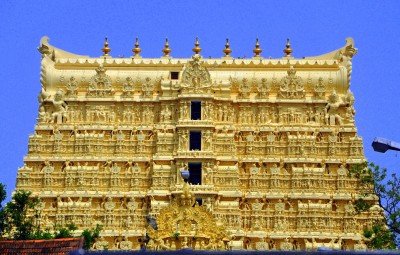
@@Spiritual Magnificence: The Sree Padmanabhaswamy Temple is a world-renowned Hindu temple dedicated to Lord Vishnu, who is depicted in the Anantha Shayana posture. Located in the heart of the city, it is considered one of the 108 Divya Desams of Lord Vishnu. The temple gained global attention after the discovery of immense treasures in its underground vaults, making it the wealthiest place of worship in the world. Only Hindus are permitted to enter the inner sanctum, and a strict dress code is enforced to maintain the traditional sanctity of the site. @@Royal Connection: The temple has been closely associated with the Royal Family of Travancore, who ruled as "Padmanabha Dasas" (servants of the Lord). The daily rituals and grand festivals are conducted with extreme precision and traditional pomp. The temple's architecture is a stunning blend of the indigenous Kerala style and the Dravidian style found in Tamil Nadu. The massive gopuram (gateway tower) and the intricate stone carvings are a testament to the artistic excellence of the medieval period. It remains the spiritual soul of the city, which is named after the deity.
Card image cap
Pazhavangadi Ganapathy Temple

The Pazhavangadi Ganapathy Temple is one of the most revered and strategically located temples in Thiruvananthapuram, dedicated to Lord Ganesha (Sri M...

The **Pazhavangadi Ganapathy Temple** is one of the most revered and strategically located temples in **Thiruvananthapuram**, dedicated to **Lord Ganesha** (Sri Maha Ganapathy). It is situated right inside the historically significant **East Fort** area, close to the iconic **Sree Padmanabhaswamy Temple**. The presiding deity, Lord Ganesha, is worshipped in a unique seated posture where the **right leg is folded**—a stance considered particularly auspicious and known as the **Varadayaka Maha Ganapathy** (the Giver of Boons). The temple holds special historical significance as it was originally managed by the military regiment of the erstwhile **Travancore Kingdom** and is currently maintained by the Indian Army (Madras Regiment), a rare distinction for a Hindu temple in **Kerala**. This military connection adds a layer of unique heritage to the shrine. The temple complex is not large but is packed with beautiful devotional art. Its walls and inner areas are adorned with sculptures representing the **32 different forms of Lord Ganesha**, offering a complete visual narrative of the deity's mythology. The main offering here is the breaking of **coconuts** (**Nalikeram Odakkal**), a ritual performed by devotees to remove obstacles and seek blessings. Its central location, historical legacy, and focused devotion to the remover of obstacles make it a compelling visit for both pilgrims and tourists.
Card image cap
Ponmudi Hill Station

Ponmudi Hill Station is a breathtaking retreat nestled in the Western Ghats of Kerala, offering a serene escape from urban chaos. This misty paradise ...

Ponmudi Hill Station is a breathtaking retreat nestled in the Western Ghats of Kerala, offering a serene escape from urban chaos. This misty paradise is renowned for its rolling hills, lush green tea plantations, and winding roads that feature 22 exhilarating hairpin bends. The name Ponmudi translates to "Golden Peak," reflecting the way the sun lights up the slopes during the early morning hours. Visitors are greeted by a refreshing climate that remains cool throughout the year, making it a favorite for nature lovers. The area is rich in biodiversity, housing rare orchids and a variety of mountain flowers. It serves as a base for many trekking expeditions and is famous for its panoramic views of the Arabian Sea. The mist often rolls in unexpectedly, covering the entire landscape in a white blanket, creating a mystical atmosphere. It is a perfect spot for those seeking solitude or an adventurous trek through dense forests. The local government maintains a well-kept garden and a cafeteria at the hilltop for the convenience of travelers. Many tourists visit Ponmudi to witness the sunrise and sunset, which are considered some of the most beautiful in the region. The drive itself is a major attraction, offering scenic vistas at every turn and a chance to spot local wildlife like Nilgiri langurs.
Card image cap
Priyadarshini Planetarium

Priyadarshini Planetarium is one of the most versatile and advanced planetariums in India, located within the Kerala State Science and Technology Muse...

Priyadarshini Planetarium is one of the most versatile and advanced planetariums in India, located within the Kerala State Science and Technology Museum complex. Opened in 1994, it has been a center for educational excellence and scientific wonder for decades. The planetarium features a state-of-the-art projection system that recreates the night sky with incredible accuracy. It is a favorite destination for students and families who wish to learn about astronomy, space exploration, and the mysteries of the cosmos. The main attraction is the sky theater, where various shows about the solar system and distant galaxies are screened daily. The facility aims to inspire the next generation of scientists and astronomers through interactive learning. Surrounding the planetarium is a science park with various exhibits that explain the laws of physics and biology in a fun way. The atmosphere is quiet and intellectual, making it a great place for a thought-provoking afternoon. It also hosts workshops and sky-watching sessions during special celestial events like eclipses or meteor showers. The planetarium is centrally located, making it easily accessible for anyone visiting the city. It remains a landmark of modern Trivandrum, blending education with high-tech entertainment.
Card image cap
Puthenmalika Palace

Puthenmalika Palace, popularly known as Kuthira Malika, is a stunning example of traditional Kerala architecture. Built in the 1840s by Maharaja Swath...
Puthenmalika Palace, popularly known as Kuthira Malika, is a stunning example of traditional Kerala architecture. Built in the 1840s by Maharaja Swathi Thirunal Balarama Varma, the King of Travancore, it stands as a testament to the royal family's patronage of arts and music. The palace gets its name from the 122 wooden horses that are carved into the brackets supporting the roof. Walking through the palace, visitors can see priceless collections of royal artifacts, including Belgian mirrors, ivory carvings, and crystal chandeliers. The palace was closed for over a century after the King's death because it was believed to be haunted by his spirit, but it was reopened as a museum in 1995. The floors are made of a unique mixture that keeps them cool even in the peak of summer. The rooms are filled with historical items like the royal thrones and traditional weapons. The courtyard hosts the famous Swathi Sangeethotsavam every year, drawing classical music lovers from across the globe. The palace offers a glimpse into the opulent yet disciplined life of the Travancore royals. It is located very close to the famous Padmanabhaswamy Temple, making it a key part of the city's heritage circuit. The guided tours provided are highly informative and take you through the various rooms and their significance.
Card image cap
Puthenthope Beach

Puthenthope Beach is a hidden treasure located on the outskirts of Thiruvananthapuram, offering a peaceful retreat far from the tourist crowds. Unlike...
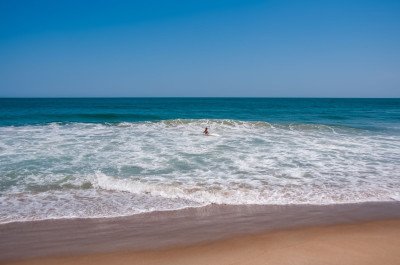
Puthenthope Beach is a hidden treasure located on the outskirts of Thiruvananthapuram, offering a peaceful retreat far from the tourist crowds. Unlike the more famous Kovalam or Shanghumugham, this beach is characterized by its quietude, golden sands, and rows of swaying coconut palms. It is primarily a fishing village, where you can watch local fishermen heading out to sea in traditional boats. The beach is pristine and relatively untouched by commercialization, making it perfect for those who want to experience the authentic coastal life of Kerala. The waves here can be quite strong, so it is more suited for long walks and sunset watching than for swimming. There are no large resorts or noisy shacks here, only the sound of the ocean and the rustle of palm leaves. It is an ideal spot for meditation, yoga, or a quiet family picnic. The local community is friendly, and the atmosphere is incredibly relaxing. Visitors often find themselves being the only ones on the long stretch of sand, providing a rare sense of privacy. The beach is particularly beautiful during the early morning hours when the sun rises over the groves. It is a place where time seems to slow down, allowing you to connect with nature deeply.
Card image cap
Shanghumugham Beach

Shanghumugham Beach is the city's favorite hangout spot, known for its vast white sands and cultural significance. It is located right next to the Tri...
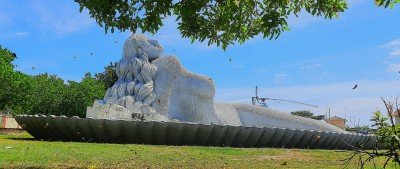
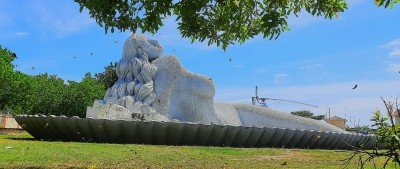
Shanghumugham Beach is the city's favorite hangout spot, known for its vast white sands and cultural significance. It is located right next to the Trivandrum International Airport, and visitors can often see planes taking off and landing from the shore. The beach is famous for its massive sculpture of a mermaid, known as Jalakanyaka, which is a landmark of the city. It also serves as the 'Arattukadavu' for the deities of the Padmanabhaswamy Temple, where the royal procession comes for a holy bath twice a year. The beach has a lively atmosphere with many food stalls selling local snacks like "Thattukada" style fish fry and spicy mango. There is a dedicated park for children and a skating school nearby, making it a complete family destination. In the evenings, the beach is crowded with locals and tourists who come to witness the spectacular sunset. The shoreline is long and wide, providing enough space for everyone despite the crowds. It is not just a place for leisure but also a center for cultural events and religious rituals. The proximity to the city makes it the most accessible beach for a quick evening getaway. The air is always filled with the smell of the sea and the sound of crashing waves.
Card image cap
Shangumugham Beach

Shangumugham Beach is a popular coastal getaway located near the airport, known for its long stretches of white sand and its role in religious ceremo...
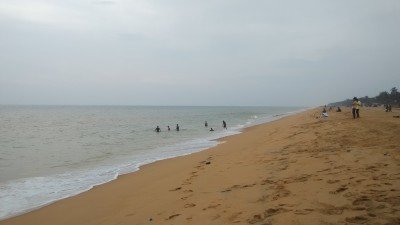
Shangumugham Beach is a popular coastal getaway located near the airport, known for its long stretches of white sand and its role in religious ceremonies. Unlike other beaches that focus on swimming, this beach is a cultural hub where locals gather to enjoy the cool breeze and watch the sunset. The beach is famous for its massive sculpture of a mermaid and a star-fish shaped restaurant that adds a unique charm to the landscape. During the evenings, the shoreline comes alive with food stalls selling spicy snacks like "Mulaku Bajji" and roasted corn. It is a place of deep spiritual significance as well, as it is the site for the holy immersion of temple idols during the Arattu festival. The vast open space makes it perfect for children to fly kites or for families to enjoy a peaceful picnic while listening to the crashing waves of the Arabian Sea.
Card image cap
Shankumugham Beach

Shankumugham Beach is one of the most popular and serene beaches in Thiruvananthapuram, offering a vast stretch of beautiful white sand and a tranquil...

**Shankumugham Beach** is one of the most popular and serene beaches in **Thiruvananthapuram**, offering a vast stretch of beautiful white sand and a tranquil atmosphere away from the city's immediate rush. The beach holds a significant religious and cultural place in the city's life. It is revered as the **'Arattukadavu'** (bathing ghat) for the sacred procession of the presiding deity of the famous **Sree Padmanabhaswamy Temple**. During the biannual **Arattu** festival, the idols of Lord **Padmanabhaswamy** and other accompanying deities are ceremoniously brought here for a ritualistic bath in the Arabian Sea, led traditionally by the head of the Travancore Royal Family. This beach is most famous for its iconic, colossal sculpture: the **'Sagarakanyaka'** (Mermaid, also called **Matsya Kanyaka**). This striking figure, a massive, approximately **35** feet long, reclining mermaid crafted in white concrete, was created by the renowned sculptor **Kanayi Kunhiraman**. Its presence makes the beach instantly recognizable. Additionally, the beach area is popular for its views of spectacular sunsets over the Arabian Sea and features a unique, starfish-shaped restaurant and the nearby **Veli Tourist Village**. It serves as a perfect spot for locals and tourists alike to relax, stroll, and witness both natural beauty and significant cultural ceremonies.
Show All

Thiruvananthapuram Itineray And Cost:-

Information about New and Updated Locations() of Kerala Has Been Added :-
Card subtitle

Note:-

Information provided here in good Faith and for reference only.

Near Places
...
Athirappilly:

Some quick example text to build on the card title and make up the bulk of the card's content.

Go somewhere
...
Attingal

Some quick example text to build on the card title and make up the bulk of the card's content.

Go somewhere
...
Bekal

Some quick example text to build on the card title and make up the bulk of the card's content.

Go somewhere
...
Ernakulam

Some quick example text to build on the card title and make up the bulk of the card's content.

Go somewhere
...
Guruvayur

Some quick example text to build on the card title and make up the bulk of the card's content.

Go somewhere
...
Idukki

Some quick example text to build on the card title and make up the bulk of the card's content.

Go somewhere
...
Kannur

Some quick example text to build on the card title and make up the bulk of the card's content.

Go somewhere
...
Kasaragod

Some quick example text to build on the card title and make up the bulk of the card's content.

Go somewhere
...
Kollam

Some quick example text to build on the card title and make up the bulk of the card's content.

Go somewhere
...
Kottayam

Some quick example text to build on the card title and make up the bulk of the card's content.

Go somewhere
...
Kovalam

Some quick example text to build on the card title and make up the bulk of the card's content.

Go somewhere
...
Kozhikode

Some quick example text to build on the card title and make up the bulk of the card's content.

Go somewhere
...
Kumarakom

Some quick example text to build on the card title and make up the bulk of the card's content.

Go somewhere
...
Kuttanad

Some quick example text to build on the card title and make up the bulk of the card's content.

Go somewhere
...
Malappuram

Some quick example text to build on the card title and make up the bulk of the card's content.

Go somewhere
...
Marari Beach

Some quick example text to build on the card title and make up the bulk of the card's content.

Go somewhere
in Other Cities
