
Orchid Garden Haflong
General information
-
Ideal Duration:
1 to 2 HoursPlace Type:
Botanical Garden / Nature Attraction / ConservatioEntry Fees:
General Entry for Adults: The typical entry fee is around INR 50 per adult. This fee is a nominal charge that contributes to the ongoing maintenance and conservation efforts of the garden. While the cost is low for tourists, it’s a necessary resource for the upkeep of th...General Entry for Adults: The typical entry fee is around INR 50 per adult. This fee is a nominal charge that contributes to the ongoing maintenance and conservation efforts of the garden. While the cost is low for tourists, it’s a necessary resource for the upkeep of the delicate ecosystem and the specialized structures like the shade houses and poly-houses required for the orchids.
Entry for Children: For children, the fee is often significantly reduced, perhaps to around INR 30. This lower rate is a common policy to encourage educational visits for families and schools, fostering an early appreciation for botany and nature conservation among the young generation.
Photography/Camera Fees: In many botanical gardens across India, a separate, additional fee might be charged for carrying a professional-grade camera or camcorder. This fee can range from INR 50 to INR 100. This rule is sometimes in place to regulate commercial photography, but it’s always best to inquire at the ticket counter as policies can vary. Using a mobile phone for photography is typically free.
Fee for Guided Tours: While a self-guided tour is included in the basic entry, a guided tour, if available, might incur an extra charge, possibly in the range of INR 100 to INR 200 per group. A guided tour is highly recommended for deeper understanding and to uncover the hidden gems and details about the rare orchid species. It is crucial to note that all fees are subject to change, especially due to local administrative decisions or special conservation drives, so it's advised to confirm the current price upon arrival.Timing:
Regular Timings (All Days Except Sunday): The garden generally operates from 8:00 AM to 5:00 PM on all days of the week from Monday to Saturday. It is important to remember that the garden is typically closed on Sundays for maintenance and staff rest, so plan your visit acc...Regular Timings (All Days Except Sunday): The garden generally operates from 8:00 AM to 5:00 PM on all days of the week from Monday to Saturday. It is important to remember that the garden is typically closed on Sundays for maintenance and staff rest, so plan your visit accordingly. The 9-hour window provides ample time for a thorough and relaxed visit.
Ideal Visit Time (The Golden Hours): The absolute best time to visit is during the early morning hours, specifically between 8:00 AM and 10:00 AM. During this time, the air is the coolest, the humidity is at its peak (which is when the orchids look their best), and the light is soft, making it perfect for photography. The scent of the flowers is also strongest in the cool morning air. This period also ensures fewer crowds, leading to a more personal and tranquil experience.
The Best Time for Bloom (Spring Season): The period from February to May marks the peak bloom season for many orchid species. While the garden is attractive year-round, these months offer the most colourful and spectacular display, making it the most rewarding time for a flower enthusiast to visit. The pleasant weather of the post-winter and spring months further enhances the experience.Special Events:
Annual Orchid Bloom Festivals/Exhibitions: While the garden is open year-round, its special event status is tied to the peak blooming season, typically spanning the late winter and spring months (February to May). This period often sees special exhibitions or a "Nature Walk...Annual Orchid Bloom Festivals/Exhibitions: While the garden is open year-round, its special event status is tied to the peak blooming season, typically spanning the late winter and spring months (February to May). This period often sees special exhibitions or a "Nature Walk" event focusing on the spectacular flush of new blooms. These unofficial or locally organized events are designed to showcase the full, colourful glory of the collection when the maximum number of species are flowering simultaneously. During this time, the garden is at its most vibrant and fragrant.
Workshops and Seminars on Orchid Conservation: The garden, being a research and conservation hub, occasionally hosts specialist workshops or seminars, particularly during the tourist-friendly months of October to April. These events are geared towards botanists, students, and serious enthusiasts and focus on topics like orchid propagation techniques, conservation strategies for Northeast Indian flora, and the ecological role of these plants. Details for such events are usually communicated through local forest or tourism department offices and are considered a special, educational opportunity for visitors.
Cultural Integration Events: The Haflong region is home to several tribes, including the Dimasa, Kuki, and Zeme Naga. Occasionally, the garden area might be used as a tranquil venue for small cultural performances or exhibitions of tribal arts and crafts, especially to coincide with major local festivals like Chavang Kut (a harvest festival, usually in November). These events provide a beautiful fusion of natural beauty and rich cultural heritage, where visitors can enjoy local music and dance amidst the flowers.Best Photo Spots:
The Shade House Interiors and Hanging Displays: This is perhaps the best spot for detailed macro-photography. The interior of the shade houses, with their controlled light and high humidity, makes the orchid colours look incredibly saturated. Focus on capturing the delicat...The Shade House Interiors and Hanging Displays: This is perhaps the best spot for detailed macro-photography. The interior of the shade houses, with their controlled light and high humidity, makes the orchid colours look incredibly saturated. Focus on capturing the delicate texture of the petals, the intricate structure of the labellum (lip), and the subtle gradients of colour. The hanging displays of epiphytic orchids, suspended on wooden rafts or wires, create stunning, multi-tiered compositions.
Winding Stone Pathways against Greenery: Capture the peaceful, atmospheric feel of the garden by focusing on the natural pathways. Frame a photo where the path winds gently upwards, flanked by dense green foliage, with just a few pops of vibrant orchid colour. Using the path to lead the eye into the frame adds depth and a sense of exploration to the landscape shots. Early morning, when the light is soft, is ideal for these shots.
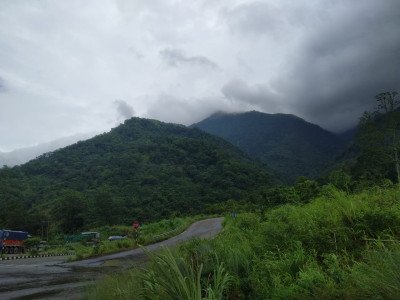
Panoramic Hill Viewpoints (if available): If the garden is situated on a slope, look for specific spots that offer a framed view of the Haflong hills and valleys in the distance, seen over the top of the garden's canopy. This shot perfectly juxtaposes the miniature, delicate beauty of the orchids in the foreground with the grand, misty scale of the surrounding landscape, providing context to the garden’s spectacular location within Assam's only hill station.
Reflective Water Features: Any small, still water bodies or shallow pools within the garden designed for humidity regulation can be used creatively. Capture the reflection of the vibrant flowers or the sky in the water, which can add a soft, mirror-like quality to the images. This spot is particularly good right after a light rain shower when the water is perfectly calm and the colours of the flowers are intensified by the dampness.Photo Gallery
Things To Do
-
Immersive Botanical Exploration and Study: Take a slow, deliberate walk through the garden to appreciate the sheer diversity of the orchid family. Spend time reading the labels (where available) to learn the scientific and common names of different species, like the famous Dendrobium and Cymbidium varieties. This is an excellent activity for anyone with a budding interest in botany or horticulture, turning a simple visit into an educational tour. Carry a notebook to sketch or write down observations about the most interesting or unusual flower structures.
Photography and Nature Capture: The garden is a haven for photographers. Focus on macro-photography to capture the intricate details, vibrant colours, and delicate textures of the individual orchid blooms. The soft light filtering through the shade nets and tree canopy crea...Immersive Botanical Exploration and Study: Take a slow, deliberate walk through the garden to appreciate the sheer diversity of the orchid family. Spend time reading the labels (where available) to learn the scientific and common names of different species, like the famous Dendrobium and Cymbidium varieties. This is an excellent activity for anyone with a budding interest in botany or horticulture, turning a simple visit into an educational tour. Carry a notebook to sketch or write down observations about the most interesting or unusual flower structures.
Photography and Nature Capture: The garden is a haven for photographers. Focus on macro-photography to capture the intricate details, vibrant colours, and delicate textures of the individual orchid blooms. The soft light filtering through the shade nets and tree canopy creates ideal conditions for stunning close-up shots. For landscape photography, capture the contrast of the bright flowers against the lush green, misty backdrop of the Haflong hills. The architectural elements like bamboo trellises also make for interesting compositions. The vibrant display provides an unparalleled opportunity to build a rich floral portfolio.
Relaxation and Tranquil Walks: Simply use the garden as a retreat from the noise and bustle of daily life. The air is fresh, often cool and humid, and the environment is exceptionally peaceful. Find a quiet bench or a shaded spot to sit, meditate, or read a book. The gentle, winding paths are perfect for a relaxing nature walk, where the focus is purely on the sounds of nature—the buzzing of insects, the chirping of birds, and the rustling of leaves—offering a true sensory escape.
Bird-Watching: As mentioned, the garden's rich foliage attracts various bird species. Bring a pair of binoculars and quietly observe the canopy and the surrounding trees. Look for small, colourful forest birds that feed on nectar or insects, or even listen for unique calls. Combining an orchid tour with bird-watching adds a rewarding layer of wildlife interaction to the visit. Early morning visits are usually the best time to spot avian life.
Learning from Local Staff: Engage with the garden staff, researchers, or local guides if they are available. They often have profound, first-hand knowledge about the specific orchid species, the challenges of their conservation, and traditional uses of the plants by local tribes. Asking questions can unlock stories and insights that are not available on any sign or guide book, enriching your understanding of the local ecology and culture significantly.
Picnicking (Check Local Rules): If local rules permit, the serene environment and the availability of open, grassy patches make it a perfect place for a quiet, small-scale picnic, especially for families. Ensure you carry all your waste out and maintain the pristine condition of the garden.
Shopping for Local Souvenirs: Check if the garden or an associated local cooperative runs a small stall selling local souvenirs, such as small bamboo crafts, postcards featuring the orchids, or local honey/spices. Supporting these local initiatives is a great way to take a piece of Haflong home while contributing to the local community's welfare.
Information
-
Why Famous:
Showcasing Rare and Endemic Orchids: The primary fame of the Orchid Garden Haflong comes from its impressive collection of orchids, particularly the species that are endemic (found only) to the Assam region and the North Cachar Hills. The garden acts as a genetic repository...Showcasing Rare and Endemic Orchids: The primary fame of the Orchid Garden Haflong comes from its impressive collection of orchids, particularly the species that are endemic (found only) to the Assam region and the North Cachar Hills. The garden acts as a genetic repository, conserving rare, and sometimes critically endangered, varieties that are unique to the local ecosystem. This focus on native flora draws botanists, researchers, and serious plant enthusiasts from across the country and the world, setting it apart from more general-purpose gardens.
Assam's Only Hill Station Attraction: Haflong is renowned as the sole hill station in the state of Assam. The Orchid Garden is one of the key natural attractions within this famous hill station, contributing significantly to its reputation as a haven for nature lovers. Visitors to Haflong seek out the garden as a tranquil, picturesque spot that perfectly embodies the area's rich biodiversity and cool, pleasant climate. It offers a contrasting experience to the adventure-focused activities like trekking or the cultural experience of local villages, providing a space for peaceful reflection and appreciation of delicate beauty.
Conservation and Educational Role: Its fame is amplified by its dedication to conservation. The garden is not merely a display site; it actively participates in the propagation and preservation of orchids. This crucial role in environmental education—teaching visitors about fragile ecosystems and the importance of plant life—makes it a landmark of ecological significance, attracting those interested in sustainable tourism and botany. The serene environment also makes it a popular spot for quiet, contemplative nature walks, adding to its peaceful notoriety. -
Architecture:
Focus on Natural Design and Landscape Architecture: The design of the Orchid Garden Haflong is primarily influenced by the principle of natural landscape architecture. Rather than imposing rigid, formal structures, the layout seamlessly integrates with the natural topograph...Focus on Natural Design and Landscape Architecture: The design of the Orchid Garden Haflong is primarily influenced by the principle of natural landscape architecture. Rather than imposing rigid, formal structures, the layout seamlessly integrates with the natural topography of the Haflong hills, which involves gentle slopes and terraced sections. The architecture is deliberately non-intrusive, focusing on creating a natural habitat where the orchids can thrive. This approach aims to provide a near-natural forest-like environment, essential for the growth of many epiphytic and terrestrial orchid varieties. Key features include naturally curving walking paths, often made of local stone or well-compacted earth, that guide visitors through the different display areas and shaded sections. The pathways are designed to maximize the viewing experience of the floral collection while minimizing disruption to the delicate ecosystem.
Structural Elements and Dimensions: The garden's structures are mainly functional, built to support the orchid displays and provide shelter. These typically include specialized shade houses and poly-houses for rarer or more delicate species that require controlled humidity and light. While exact architectural blueprints and precise overall dimensions (like total square meters) are often unavailable for such botanical sites, the essential architectural elements are:
Shade Houses: These structures are constructed using local materials, such as bamboo, timber, and nets, to filter the intense sunlight. The typical height of these houses would be around 8 to 12 feet to allow for air circulation and hanging displays.
Display Beds and Trellises: Orchids are often mounted on natural substrates like logs, tree fern pieces, or grown in raised beds. The beds may be rectangular or organically shaped, typically about 2 to 3 feet high for easy viewing and maintenance.
Water Features: Small, constructed water bodies or channels, integrated naturally, are used to maintain the high humidity levels crucial for orchid growth. The overall scale of the garden is moderate, ensuring that the approximate 1 to 2 hours ideal visit duration is comfortable and allows for a thorough exploration of its diverse collection. -
How To Reach:
By Air: The nearest major airport is Silchar's Kumbhirgram Airport (IXS), which is approximately 100 to 120 KMS away from Haflong. From the airport, you can hire a prepaid taxi or a shared cab to reach Haflong. The journey is scenic but can take 3 to 4 hours depending on r...By Air: The nearest major airport is Silchar's Kumbhirgram Airport (IXS), which is approximately 100 to 120 KMS away from Haflong. From the airport, you can hire a prepaid taxi or a shared cab to reach Haflong. The journey is scenic but can take 3 to 4 hours depending on road conditions and mountain driving. Alternatively, you can fly to Guwahati's Lokpriya Gopinath Bordoloi International Airport (GAU), which is about 350 KMS away. The journey from Guwahati is much longer but offers the option of a scenic train ride or an overnight bus/taxi.
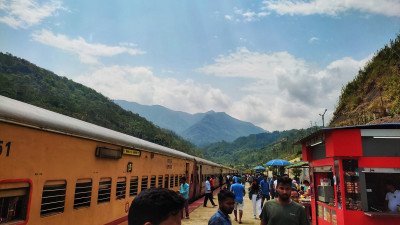
By Train: The nearest major railway station is New Haflong (NHLG). There is a very scenic Vistadome tourist train that runs from Guwahati to New Haflong, offering spectacular views of tunnels, hills, and viaducts. Regular train services also connect New Haflong to cities like Guwahati and Silchar. Once you arrive at New Haflong station, which is just a few kilometres from the main town centre, you can easily hire a local auto-rickshaw or taxi to reach the Orchid Garden.
By Road: Haflong is accessible by road, although the journey can be winding and occasionally challenging due to hilly terrain. It is connected by National Highway (NH) routes. You can take a shared taxi or a private cab from major nearby cities like Guwahati (approx. 8 to 10 hours) or Silchar (approx. 3 to 4 hours). The road trip is very scenic, passing through lush green landscapes of Assam.
By Local Transport: Once in Haflong town, the Orchid Garden is best reached by local transport. Given its proximity to the town centre (estimated 5-10 KMS), you can easily hire an auto-rickshaw or a local taxi (often shared jeeps or SUMOs) from the Haflong Lake area or the main market square. Negotiate the fare before starting the journey. The locals are familiar with the garden and can guide you. -
Weather and Best Time to Visit:
Different Types of Seasons:
The Winter Season (October to February): This is widely considered the Best Time to Visit. The weather is cool and very pleasant, with daytime temperatures ranging comfortably from 10°C to 24°C. The skies are o...Different Types of Seasons:
The Winter Season (October to February): This is widely considered the Best Time to Visit. The weather is cool and very pleasant, with daytime temperatures ranging comfortably from 10°C to 24°C. The skies are often clear, offering excellent visibility of the surrounding hills. This season is perfect for long, comfortable walks and outdoor photography.
The Spring Season (February to May): This period is also an excellent time, particularly for flower enthusiasts, as it marks the Peak Blooming Season for many orchid varieties. The garden is at its most colourful. The weather remains pleasant before the onset of the monsoon.
The Monsoon Season (June to September): The region experiences heavy rainfall, which can make travel difficult and trails muddy. However, the hills are at their greenest, and the increased humidity is excellent for the foliage. This time is suitable only for visitors who enjoy the rain and misty atmosphere.
Different Parts of the Day: Early Morning (8:00 AM to 10:00 AM) As detailed in the timings, this is the most Ideal Time for a visit. The light is soft, the air is cool, and the garden is quiet, offering the best conditions for photography and a peaceful experience before other tourists arrive. Late Afternoon (3:00 PM to 5:00 PM) This is the second-best time. The heat of the day subsides, and the setting sun casts a beautiful, warm glow on the orchids, offering unique photographic opportunities before the garden closes. -
Near Tourist Places:
1. Haflong Lake (approx.
5 KMS): The central and most popular attraction, ideal for boating and a quiet evening stroll. 2. Haflong Hill (approx.
7 KMS): Offers panoramic views of the town and surrounding valleys, great for sunrises and sunsets. 3. Jatinga Village (approx.
9 KMS): Famous for the mysterious and controversial "bird suicide" phenomenon, best visited between August and November around dusk. 4. Panimoor Falls (approx.
50 KMS): A mesmerizing natural waterfall, excellent for a day trip. 5. Maibong (approx.
50 KMS): The historical capital of the Dimasa Kachari Kingdom, known for its monolithic stone ruins and the Ramchandi Temple. 6. Fiangpui Garden (approx.
6 KMS): Another beautiful, tranquil garden spot located at the top of a hill. 7. Old Circuit House Viewpoint (approx.
4 KMS): Provides a stunning, wide-angle view of the valley and the Borail Range. 8. Bendao Baglai Waterfalls (approx.
18 KMS): A good spot for a moderate trek and a dip in the cool waters. 9. N. Leikul Village (approx.
7 KMS): A nearby tribal village offering a glimpse into local life and culture, often a starting point for short treks. 10.
Borail Wildlife Sanctuary (Distance Varies): A large protected area nearby, offering trekking and opportunities to spot rare wildlife like the Himalayan Black Bear (requires proper permits and guides).
Tourism Tips
-
Health & Safety:
Comfortable Footwear and Hydration: Wear comfortable, closed walking shoes with good grip, as the paths may involve gentle slopes and sometimes damp earth, especially after rain. Carry a refillable water bottle to stay hydra...Health & Safety:
Comfortable Footwear and Hydration: Wear comfortable, closed walking shoes with good grip, as the paths may involve gentle slopes and sometimes damp earth, especially after rain. Carry a refillable water bottle to stay hydrated, though the cool climate might deceive you.
Insect Repellent: Given the lush, humid environment of a botanical garden, it is strongly advised to carry and apply good insect repellent, particularly to guard against mosquitoes and other biting insects.
Packing:
Photography Gear and Magnification: Bring your best camera gear—lenses for both macro (close-ups) and wide-angle (landscapes). A small, portable magnifying glass can enhance the experience by allowing you to appreciate the tiny, intricate details of the miniature orchid species.
Light Layering: The weather in Haflong can be unpredictable. Pack light layers, including a light rain jacket or umbrella, even outside the monsoon season, as the weather in the hills changes quickly. A light sweater or shawl will be comfortable in the mornings and evenings.
Accommodation:
Booking in Advance: Haflong is a small hill station, and good accommodation options (hotels, guesthouses, and homestays) are limited. Especially during the peak tourist season (October to April), it is crucial to book your stay well in advance to secure a comfortable and well-located room.
Other Different Topics:
Local Etiquette: Always walk on the marked paths and never touch or pluck the flowers or plants. Orchids are delicate, and many are endangered. Respect the garden's conservation efforts.
Local Language: While English is spoken in tourist circles, learning a few phrases in local languages like Dimasa or Assamese or even Hindi can enhance your interactions with the local staff and community.
Cash: Carry enough cash (Indian Rupees), as small vendors, local transport drivers, and sometimes even the entry gate may not accept digital payments or cards. ATMs can be scarce or sometimes out of service.
Reviews
FAQs
Haflong Itineray And Cost:-
Orchid Garden Haflong Tourism:-
Information about New and Updated Locations() of Assam Has Been Added :-
Card subtitle
Note:-
Information provided here in good Faith and for reference only.
All information and pictures will be updated soon, please keep visiting.
Near Places
Barail Range Forest
Some quick example text to build on the card title and make up the bulk of the card's content.
Go somewhere
Bendao Baglai Waterfalls
Some quick example text to build on the card title and make up the bulk of the card's content.
Go somewhere
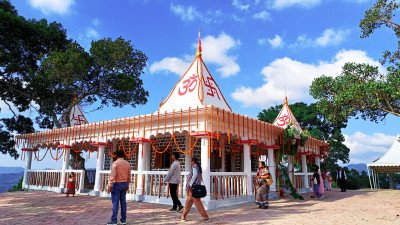
Devi Mandir View Point
Some quick example text to build on the card title and make up the bulk of the card's content.
Go somewhere
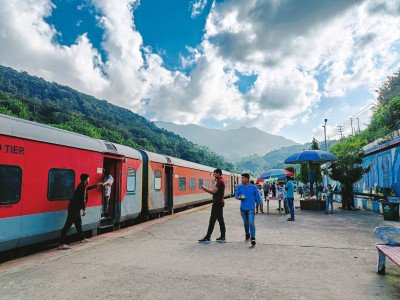
Dima Hasao Town
Some quick example text to build on the card title and make up the bulk of the card's content.
Go somewhere
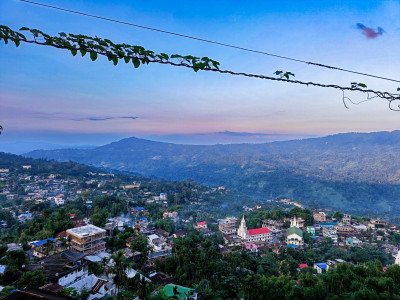
Dima Hasao View Point
Some quick example text to build on the card title and make up the bulk of the card's content.
Go somewhere
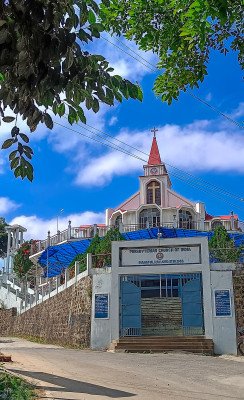
Fiangpui Presbyterian Church
Some quick example text to build on the card title and make up the bulk of the card's content.
Go somewhere
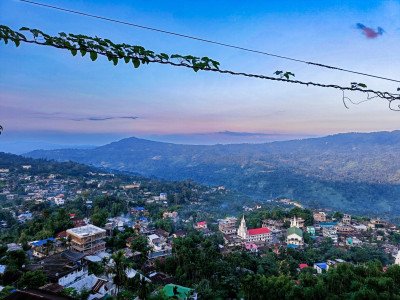
Full Town View
Some quick example text to build on the card title and make up the bulk of the card's content.
Go somewhere
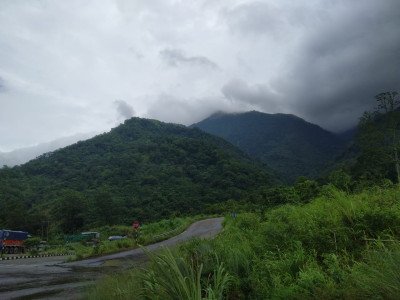
Haflong Hill
Some quick example text to build on the card title and make up the bulk of the card's content.
Go somewhere
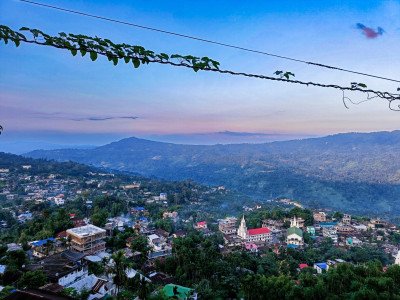
Haflong Hill View Point
Some quick example text to build on the card title and make up the bulk of the card's content.
Go somewhere
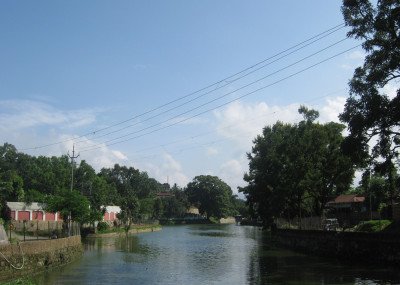
Haflong Lake
Some quick example text to build on the card title and make up the bulk of the card's content.
Go somewherein Other Cities