
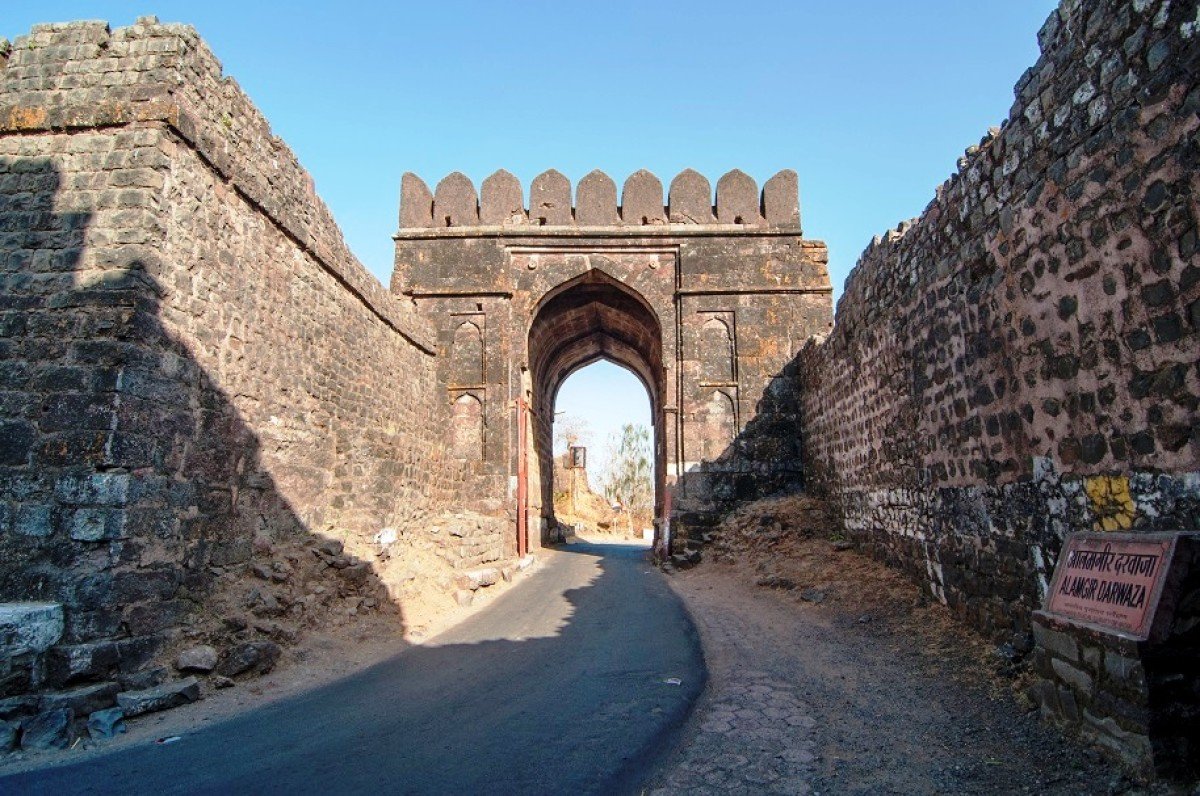
Alamgir Darwaza
General information
-
Ideal Duration:
30 Minutes:Place Type:
Historical Gateway/Fortification:Entry Fees:
Ticket Requirement: The gateway itself generally does not have a separate entry fee, as it is part of the larger city wall complex:
ASI Group Ticket: Access to the main group of monuments (Royal Enclave/Village Group) requires a consolidated ...Ticket Requirement: The gateway itself generally does not have a separate entry fee, as it is part of the larger city wall complex:
ASI Group Ticket: Access to the main group of monuments (Royal Enclave/Village Group) requires a consolidated ticket from the Archaeological Survey of India (ASI), which must be purchased for subsequent sites:
Guide Fees: Budget for an official guide if you desire detailed historical explanations:
Parking Fees: There may be minor parking or road toll fees to enter the main Mandu area, which is separate from monument entry fees:Timing:
Regular Timings: Open from Sunrise to Sunset, typically 7:00 AM to 6:
00 PM, allowing ample time for exploration:
Ideal Visit Time: The best time is during the early morning (8:00 AM to 10:00 AM) to enjoy the c...Regular Timings: Open from Sunrise to Sunset, typically 7:00 AM to 6:
00 PM, allowing ample time for exploration:
Ideal Visit Time: The best time is during the early morning (8:00 AM to 10:00 AM) to enjoy the cooler weather and the best natural light for photography without the harsh midday sun:
Peak Hours: Midday (11:00 AM - 3:00 PM) should be avoided due to heat, especially between April and June:
Photography Timing: Visit around 4:00 PM to 6:00 PM for the evening's golden hour lighting on the stone architecture:Special Events:
Fortress Anniversaries: Events related to Mandu's founding or significant historical dates might occasionally be celebrated near a main gate like this, though it is not a regular event venue:
Mandu Festival: During the annual Mandu Festival, ...Fortress Anniversaries: Events related to Mandu's founding or significant historical dates might occasionally be celebrated near a main gate like this, though it is not a regular event venue:
Mandu Festival: During the annual Mandu Festival, the gate, as a primary entrance, is often specially illuminated or marked, signifying the beginning of the journey into the festive city:
Historical Re-enactments: Though rare, some heritage groups may use a location like the gate for small-scale historical re-enactments, bringing the ancient military history to life:Best Photo Spots:
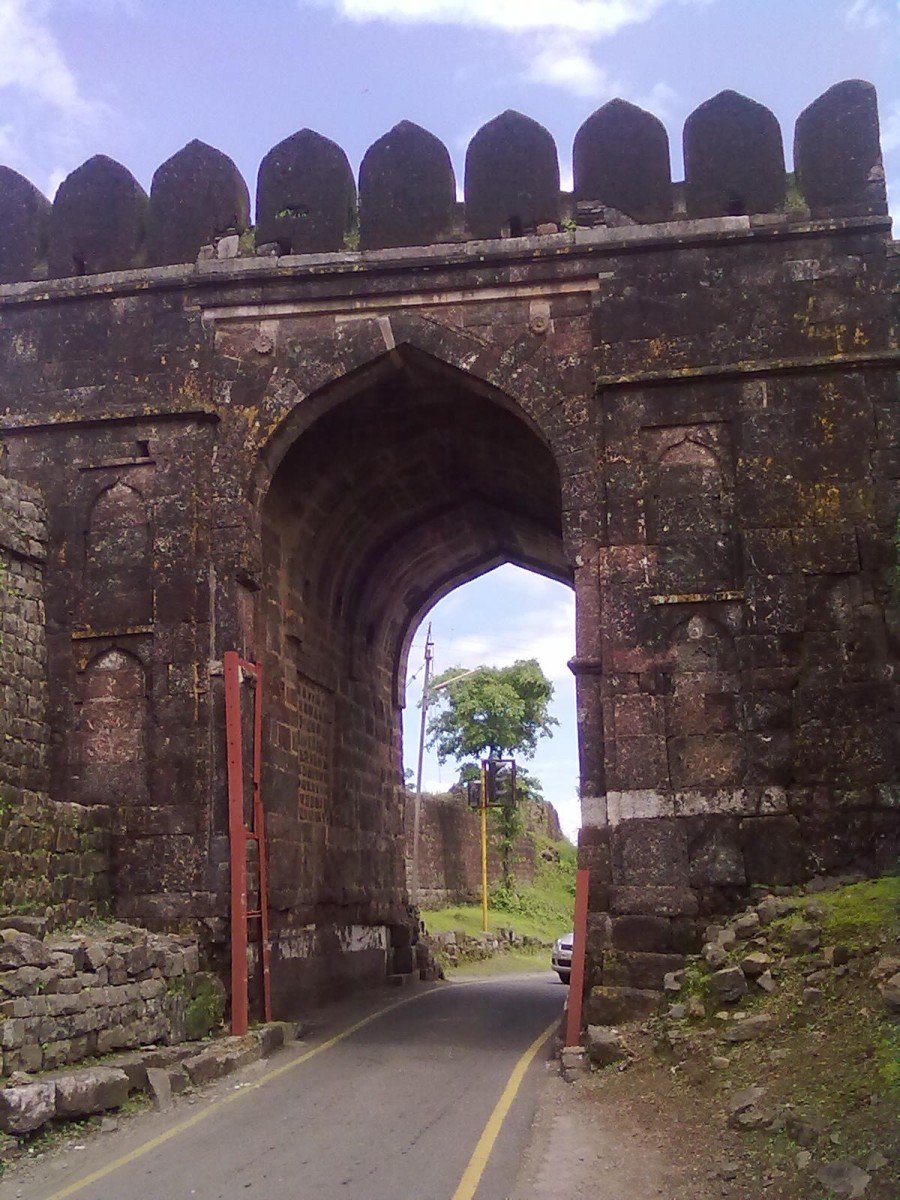
The Archway Framing: Frame the ruined archway itself against the sky for a dramatic shot of the weathered stone structure:
Wall Perspective: Capture the gate with a long stretch of the massive fortress wall receding into the distance to empha...The Archway Framing: Frame the ruined archway itself against the sky for a dramatic shot of the weathered stone structure:
Wall Perspective: Capture the gate with a long stretch of the massive fortress wall receding into the distance to emphasize the scale:
Sunrise/Sunset: The gate's position often allows for a stunning silhouette against the warm colors of a sunrise or sunset over the plateau:
Detail Shots: Focus on the thick masonry, any remaining defensive loops or carvings, and the sheer height of the structure for powerful close-ups:Photo Gallery

Things To Do
-
Gate Exploration: Carefully explore the structure's remnants, noting the heavy stonework and defensive features of this principal gateway:
Fortress Wall Walk: Walk a short distance along the adjacent stretch of the ancient fortification wall to grasp the sheer scale of the Mandu citadel's defenses:
Photography: Capture the imposing, weathered look of the gate, especially during the soft light of early morning or late afternoon:
Historical Imagination: Stand at the entrance and imagine the processions of armies, traders, and royalty that must have passed through this portal over the centuries:
Study Military Design: Observe how the gate is recessed and perhaps flanked by towers (as typical for such fort gates) to create a 'killing gro...Gate Exploration: Carefully explore the structure's remnants, noting the heavy stonework and defensive features of this principal gateway:
Fortress Wall Walk: Walk a short distance along the adjacent stretch of the ancient fortification wall to grasp the sheer scale of the Mandu citadel's defenses:
Photography: Capture the imposing, weathered look of the gate, especially during the soft light of early morning or late afternoon:
Historical Imagination: Stand at the entrance and imagine the processions of armies, traders, and royalty that must have passed through this portal over the centuries:
Study Military Design: Observe how the gate is recessed and perhaps flanked by towers (as typical for such fort gates) to create a 'killing ground' for attackers:
Connect the Gates: Use this as the starting point to understand the entire network of 12 main gates of the Mandu fort, such as the Delhi Darwaza and Bhangi Darwaza:
Learn Local Stories: Engage a local guide to hear folklore and specific military tales associated with the defense of this specific entryway into the royal city:
Information
-
Why Famous:
Strategic Importance: It is famous as one of the major entry points to the ancient city and fort of Mandu, marking the boundary of the vast fortress complex:
Mughal Connection: The name Alamgir directly links it to the powerful Mughal era, sp...Strategic Importance: It is famous as one of the major entry points to the ancient city and fort of Mandu, marking the boundary of the vast fortress complex:
Mughal Connection: The name Alamgir directly links it to the powerful Mughal era, specifically to Emperor Aurangzeb, adding a layer of historical significance related to the empire's control over the Malwa region:
Defensive Architecture: It represents the formidable defense system of Mandu, highlighting the city's strategic importance as a virtually impregnable citadel for centuries against numerous invasions: -
Architecture:
Architectural Style: The architecture of Alamgir Darwaza reflects the typical strong, utilitarian military architecture prevalent in fortress construction:
Materials and Construction: Built primarily from local stone and rubble masonry, it fe...Architectural Style: The architecture of Alamgir Darwaza reflects the typical strong, utilitarian military architecture prevalent in fortress construction:
Materials and Construction: Built primarily from local stone and rubble masonry, it features heavy, solid construction designed for defense, with high walls and perhaps rooms for guards, though much is in ruins. The gate likely used the simpler trabeate (post and beam) style in its original form, later influenced by the arcuate (arch) style of the Indo-Islamic period. Its design emphasizes function over lavish ornamentation, focusing on strength and strategic defense to withstand sieges, contrasting with the more ornate palaces and tombs within the fort complex:
Dimension: While specific measurements are often lost or unpublished for the gates, it would have been large enough to permit the passage of elephants and armies, likely featuring high, imposing archways and deep recesses for enhanced defensive capabilities, consistent with other major fort gates like Delhi Darwaza: -
How To Reach:
By Air: The nearest airport is Devi Ahilya Bai Holkar Airport in Indore (IDR), approximately 100 km away. From the airport, one can hire a pre-paid taxi or a private cab directly to Mandu. The drive takes about 2.
5 to 3 hours:By Air: The nearest airport is Devi Ahilya Bai Holkar Airport in Indore (IDR), approximately 100 km away. From the airport, one can hire a pre-paid taxi or a private cab directly to Mandu. The drive takes about 2.
5 to 3 hours:
By Train: The nearest major railway station is Ratlam Junction (RTM), about 124 km away, or Indore Junction (INDB), about 99 km away, both well-connected to major Indian cities. From either station, hiring a taxi or taking a local bus is the best option to reach Mandu:
By Road: Mandu is well-connected by good state highways. Regular bus services (both state-run and private) are available from cities like Indore, Dhar (35 km), and Ratlam. Driving one's own vehicle or hiring a private taxi provides the most comfort and flexibility for exploring the spread-out ruins:
By Local Transport: Within Mandu, the ruins are spread out. For the gate, which is on the outskirts, an auto-rickshaw or hired bicycle is the best local transport. Full-day auto-rickshaw hire is recommended for covering all major sites including the gate: -
Weather and Best Time to Visit:
Different Seasons: Winter (October to March) is the ideal time, offering pleasant, cool weather perfect for extensive walking and exploration of the massive complex: Monsoon (July to September) offers a lush green landscape, making the ruins particularly picturesque, though ...Different Seasons: Winter (October to March) is the ideal time, offering pleasant, cool weather perfect for extensive walking and exploration of the massive complex: Monsoon (July to September) offers a lush green landscape, making the ruins particularly picturesque, though occasional heavy rain can disrupt plans: Summer (April to June) is extremely hot, making midday visits difficult and is best avoided for extensive sightseeing:
Different Parts of the Day: Early morning (8 AM) for soft light and cool temperatures, or late afternoon (4 PM) for the golden hour, are best for photography and comfort: -
Near Tourist Places:
Delhi Darwaza (1 km), Bhangi Darwaza (1. 5 km), Hathi Darwaza (2 km), Jami Masjid (4 km), Hoshang Shah's Tomb (4 km), Ashrafi Mahal (4 km), Jahaz Mahal (5 km), Hindola Mahal (5 km), Champa Baoli (5 km), Hathi Mahal (3 km):
Tourism Tips
-
Health & Safety: Wear comfortable walking shoes, as the terrain around the fort is uneven. Carry adequate drinking water, especially if visiting between March and October.
Be mindful of the high walls and ruined sections:
Read MoreHealth & Safety: Wear comfortable walking shoes, as the terrain around the fort is uneven. Carry adequate drinking water, especially if visiting between March and October.
Be mindful of the high walls and ruined sections:
Packing: Carry a hat, sunglasses, and sunscreen. A good camera with a wide-angle lens is essential for capturing the scale of the fortification:
Accommodation: Stay at the MP Tourism resorts like Malwa Resort or Malwa Retreat in Mandu for good proximity, or opt for simpler local guesthouses. Bookings are essential, especially during the peak winter season:
Other Different Topics: Hire a knowledgeable official guide at the Delhi Darwaza or main complex entrance to understand the gate's context within the entire defense system. Do not climb on the delicate ruins for safety and preservation reasons:Reviews
FAQs
Mandu Itineray And Cost:-
Other Places In Mandu :-
Other States In India :-
Information about New and Updated Locations() of Madhya Pradesh Has Been Added :-
Card subtitle
Note:-
Information provided here in good Faith and for reference only.
Near Places
Alamgir Darwaza
Some quick example text to build on the card title and make up the bulk of the card's content.
Go somewhere
Ashrafi Mahal
Some quick example text to build on the card title and make up the bulk of the card's content.
Go somewhere
Bagh Caves
Some quick example text to build on the card title and make up the bulk of the card's content.
Go somewhere
Baz Bahadur's Palace
Some quick example text to build on the card title and make up the bulk of the card's content.
Go somewhere
Bhangi Darwaza
Some quick example text to build on the card title and make up the bulk of the card's content.
Go somewhere
Champa Baoli
Some quick example text to build on the card title and make up the bulk of the card's content.
Go somewhere
Dai ka Mahal
Some quick example text to build on the card title and make up the bulk of the card's content.
Go somewhere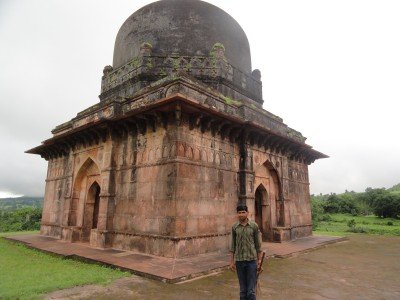
Dai ki Chhoti Bahen ka Mahal
Some quick example text to build on the card title and make up the bulk of the card's content.
Go somewhere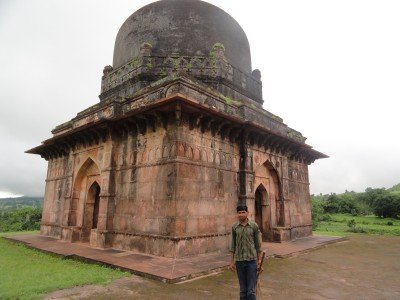
Dai ki Chhoti Behan ka Mahal
Some quick example text to build on the card title and make up the bulk of the card's content.
Go somewhere
Darya Khan's Tomb
Some quick example text to build on the card title and make up the bulk of the card's content.
Go somewhere
Delhi Darwaza
Some quick example text to build on the card title and make up the bulk of the card's content.
Go somewhere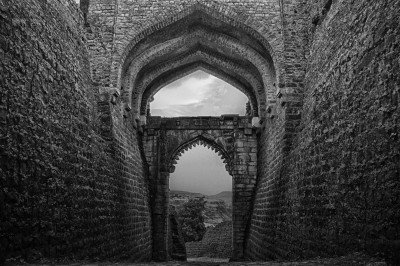
Delhi Gate
Some quick example text to build on the card title and make up the bulk of the card's content.
Go somewhere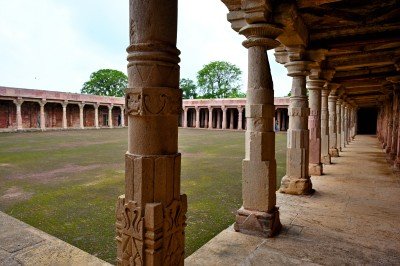
Dharampuri
Some quick example text to build on the card title and make up the bulk of the card's content.
Go somewhere
Dilawar Khan's Mosque
Some quick example text to build on the card title and make up the bulk of the card's content.
Go somewhere
Echo Point
Some quick example text to build on the card title and make up the bulk of the card's content.
Go somewhere
Eco Point
Some quick example text to build on the card title and make up the bulk of the card's content.
Go somewherein Other Cities