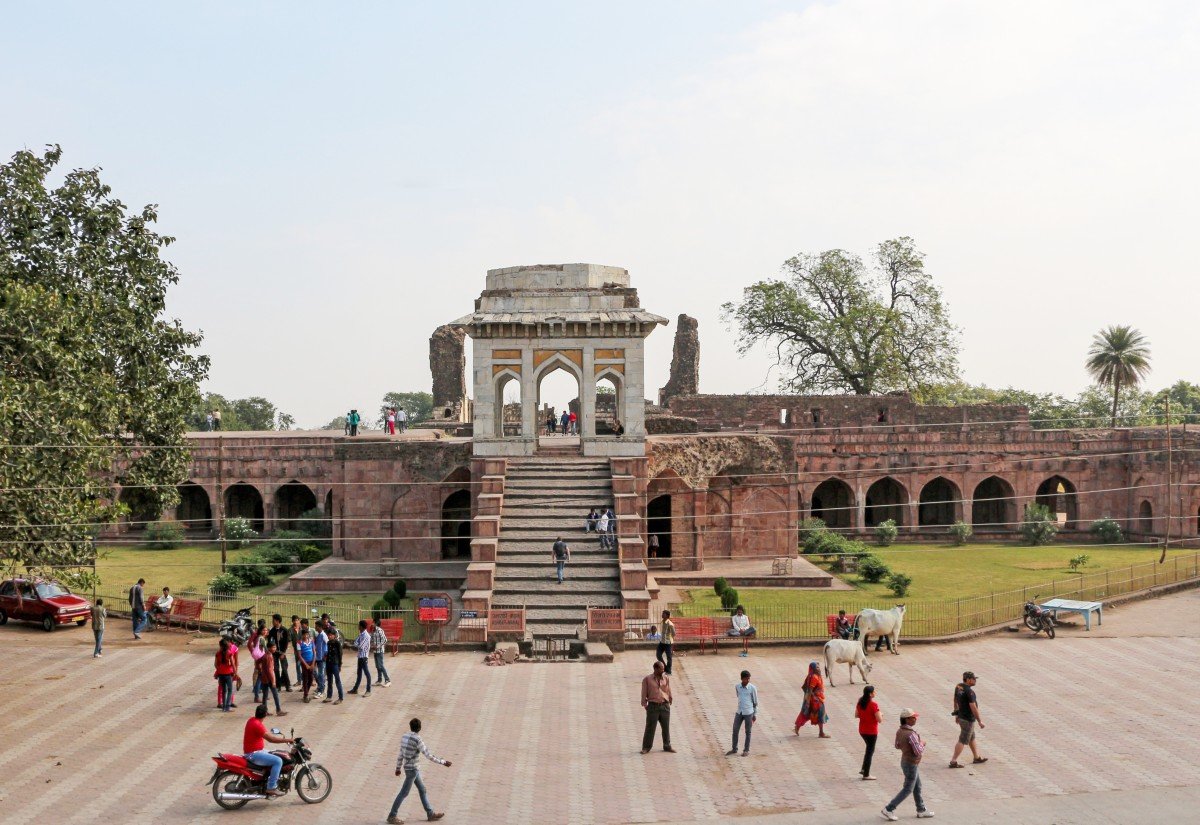
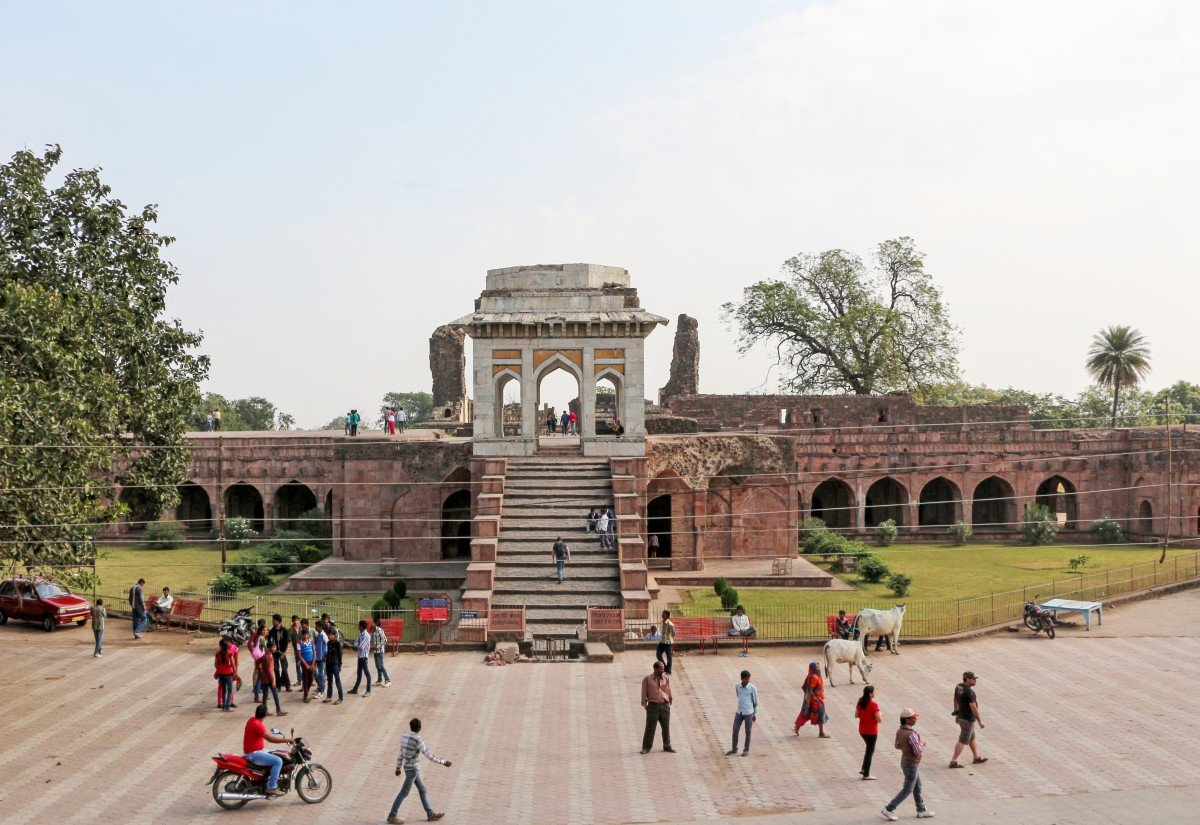
Ashrafi Mahal
General information
-
Ideal Duration:
1 Hour 30 Minutes:Place Type:
Educational / Religious Complex and Royal MausoleuEntry Fees:
Ticket Requirement: A common ticket is required to enter the major sites in the Village Group which includes Ashrafi Mahal, Jami Masjid, and Hoshang Shah's Tomb:
Indian Nationals: The current ASI consolidated ticket fee is typically around Rs.2...Ticket Requirement: A common ticket is required to enter the major sites in the Village Group which includes Ashrafi Mahal, Jami Masjid, and Hoshang Shah's Tomb:
Indian Nationals: The current ASI consolidated ticket fee is typically around Rs.25 to Rs.40 per person for Indian citizens, covering the main clusters of monuments:
Foreign Tourists: Foreign visitors pay a significantly higher fee, usually around Rs.300 to Rs.500 per person:
Video Camera Fee: A separate fee may be charged for carrying a video camera, while still photography is usually free:Timing:
Regular Timings: Open daily from Sunrise to Sunset, typically 7:00 AM to 6:
00 PM, as a protected monument site:
Ideal Visit Time: Early morning, between 8:00 AM and 10:00 AM, is best to avoid crowds and the he...Regular Timings: Open daily from Sunrise to Sunset, typically 7:00 AM to 6:
00 PM, as a protected monument site:
Ideal Visit Time: Early morning, between 8:00 AM and 10:00 AM, is best to avoid crowds and the heat, providing soft light for photography:
Midday Caution: Avoid the midday hours (11:00 AM to 3:00 PM) during summer and even during the day in November to March for comfortable walking around the exposed ruins:
Photography Timing: The late afternoon light (4:00 PM to 6:00 PM) is excellent for illuminating the structure's intricate stone texture:Special Events:
Mandu Festival: The open grounds in front of the Ashrafi Mahal and Jami Masjid are often used as central venues for cultural performances, light-and-sound shows, and heritage walks during the annual
Mandu Festival:Mandu Festival: The open grounds in front of the Ashrafi Mahal and Jami Masjid are often used as central venues for cultural performances, light-and-sound shows, and heritage walks during the annual
Mandu Festival:
Historical Commemoration: Occasional small ceremonies or events may be organized by the ASI or local bodies to mark significant historical dates related to Mahmud Khilji or the Malwa Sultanate, though these are not regularly scheduled for tourists:
Academic Gatherings: As a former madrasa, it sometimes hosts small academic or architectural study groups and talks, leveraging its historical context as a center of learning:Best Photo Spots:
The Great Steps: The remaining grand flight of steps leading up to the main platform provides a fantastic visual line for photography, especially with people climbing them to show scale:
Framing the Jami Masjid: Use the ruined arches and pill...The Great Steps: The remaining grand flight of steps leading up to the main platform provides a fantastic visual line for photography, especially with people climbing them to show scale:
Framing the Jami Masjid: Use the ruined arches and pillars of the Mahal to frame the majestic dome and facade of the Jami Masjid across the road:
Remnants of the Tower: Focus on the massive, weathered stonework of the Victory Tower base to capture its monumental and ruined quality:
Pillar Silhouettes: Capture the surviving pillars against the sky, especially during the soft light of the early morning or late evening golden hour:Photo Gallery
Things To Do
-
Explore the Ruins: Spend time examining the ruins of the madrasa cells, the massive base of the Victory Tower, and the remains of the mausoleum platform:
Contrast the Styles: Compare the simple, functional architecture of the original madrasa with the monumental scale and strategic placement of the later additions:
Photography: The large ruined columns and the elevated platform offer excellent opportunities for dramatic and artistic photography, especially with the Jami Masjid as a backdrop:
Historical Insight: Read the official signboards or hire a guide to understand the three distinct phases of construction (Madrasa, Victory Tower, Tomb) that make up this complex:
Walk the Terrace: Walk around the raised terrace (originally the co...Explore the Ruins: Spend time examining the ruins of the madrasa cells, the massive base of the Victory Tower, and the remains of the mausoleum platform:
Contrast the Styles: Compare the simple, functional architecture of the original madrasa with the monumental scale and strategic placement of the later additions:
Photography: The large ruined columns and the elevated platform offer excellent opportunities for dramatic and artistic photography, especially with the Jami Masjid as a backdrop:
Historical Insight: Read the official signboards or hire a guide to understand the three distinct phases of construction (Madrasa, Victory Tower, Tomb) that make up this complex:
Walk the Terrace: Walk around the raised terrace (originally the courtyard) to appreciate the view and the scale of the monument:
Architectural Study: Look closely at the surviving arches and vaulted ceilings for traces of the intricate stucco work and colored tile decorations that once adorned the structure:
Meditate on Time: Reflect on the transition of the building from a place of learning to a symbol of victory and ultimately a place of rest for the Sultan, encapsulating the entire arc of a royal life:
Information
-
Why Famous:
Mahmud Khilji's Legacy: It is famous as the site of Sultan Mahmud Khilji's ambitious building projects—first a grand college, then a towering Victory Monument (the Sapt Manzil), and finally his own royal mausoleum:
The Victory Tower: The re...Mahmud Khilji's Legacy: It is famous as the site of Sultan Mahmud Khilji's ambitious building projects—first a grand college, then a towering Victory Monument (the Sapt Manzil), and finally his own royal mausoleum:
The Victory Tower: The remnants of the colossal base of the seven-storey tower, built to commemorate the victory over the Rana of Chitor, are a powerful symbol of the sultanate's power and a key historical landmark:
Architectural Evolution: It showcases a fascinating architectural evolution from an academic quadrangle (Madrasa) to a triumphal tower and a burial site, offering a unique study in Malwa Sultanate architecture: -
Architecture:
Architectural Style: The structure initially showcased a simple, utilitarian Indo-Islamic style typical of a madrasa, featuring a quadrangle surrounded by small cells for students:
Victory Tower: The addition of the Tower of Victory introduce...Architectural Style: The structure initially showcased a simple, utilitarian Indo-Islamic style typical of a madrasa, featuring a quadrangle surrounded by small cells for students:
Victory Tower: The addition of the Tower of Victory introduced an impressive, monumental scale. This tower was a massive, multi-tiered structure, demonstrating advanced engineering for the time. Only the massive 9.
8 m high base survives:
Mausoleum: The final phase involved constructing a royal mausoleum on the filled-in madrasa courtyard. The structure's ruins reveal the use of arches and vaulted ceilings, with indications of original tile decoration. It is a striking contrast to the imposing Jami Masjid it faces:
Dimension: The entire complex is a great quadrangle, with the base of the massive Victory Tower being a key feature. The overall grandeur is defined by its strategic alignment opposite the great mosque and the scale of the tower's preserved basement: -
How To Reach:
By Air: The closest airport is Indore's Devi Ahilya Bai Holkar Airport (IDR), about 100 km away. Taxis are the most convenient way to complete the roughly 3-hour journey to Mandu:
By Train: The major rail hubs are Ratlam Junction (RTM) at 12...By Air: The closest airport is Indore's Devi Ahilya Bai Holkar Airport (IDR), about 100 km away. Taxis are the most convenient way to complete the roughly 3-hour journey to Mandu:
By Train: The major rail hubs are Ratlam Junction (RTM) at 124 km and Indore Junction (INDB) at 99 km. From the railway station, one must hire a taxi or take a bus to Mandu:
By Road: Frequent bus services (State Transport and private) connect Mandu to nearby towns like Dhar (35 km) and major cities like Indore. The road journey is scenic and well-maintained for private vehicles:
By Local Transport: Within Mandu, the Ashrafi Mahal is centrally located in the Village Group. Renting a bicycle or hiring a full-day auto-rickshaw is the most practical way to reach it from other parts of Mandu: -
Weather and Best Time to Visit:
Different Seasons: Winter (October to March) is the peak tourist season, offering pleasant, cool weather perfect for exploring the open ruins without the strain of heat: Monsoon (July to September) transforms the surrounding area into a lush green landscape, adding a unique,...Different Seasons: Winter (October to March) is the peak tourist season, offering pleasant, cool weather perfect for exploring the open ruins without the strain of heat: Monsoon (July to September) transforms the surrounding area into a lush green landscape, adding a unique, romantic beauty to the ruins, though you should expect rain: Summer (April to June) is very hot and should be avoided for comfortable sightseeing:
Different Parts of the Day: Morning is preferable for a calm, reflective experience, while the late afternoon provides dramatic shadows that highlight the ruined architecture: -
Near Tourist Places:
Jami Masjid (Opposite), Hoshang Shah's Tomb (100 meters), Dilawar Khan's Mosque (3 km), Hindola Mahal (5 km), Jahaz Mahal (5 km), Champa Baoli (5 km), Taveli Mahal (5 km), Darya Khan's Tomb (2.
5 km), Hathi Mahal (3 km), Lohani Caves (6 km):
Tourism Tips
-
Health & Safety: Wear sturdy walking shoes, as the ground is uneven and includes climbing ruined staircases. Be cautious of steep drops and loose stones around the Victory Tower base:
Packing: Carry a hat, water bottle, and sunglasses. For ...Health & Safety: Wear sturdy walking shoes, as the ground is uneven and includes climbing ruined staircases. Be cautious of steep drops and loose stones around the Victory Tower base:
Packing: Carry a hat, water bottle, and sunglasses. For photography, a zoom lens can help capture details of the tower ruins:
Accommodation: Stay near the Village Group or central Mandu village for easy access.
MP Tourism's Malwa Resort is a good option:
Other Different Topics: Visit the site after or before the Jami Masjid to appreciate the deliberate architectural contrast and alignment between the two monumental structures. Do not deface the ruins or attempt to climb where barricaded:
Reviews
FAQs
Mandu Itineray And Cost:-
Other Places In Mandu :-
Other States In India :-
Information about New and Updated Locations() of Madhya Pradesh Has Been Added :-
Card subtitle
Note:-
Information provided here in good Faith and for reference only.
Near Places
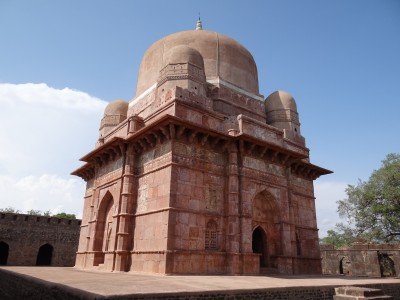
Alamgir Darwaza
Some quick example text to build on the card title and make up the bulk of the card's content.
Go somewhere
Ashrafi Mahal
Some quick example text to build on the card title and make up the bulk of the card's content.
Go somewhere
Bagh Caves
Some quick example text to build on the card title and make up the bulk of the card's content.
Go somewhere
Baz Bahadur's Palace
Some quick example text to build on the card title and make up the bulk of the card's content.
Go somewhere
Bhangi Darwaza
Some quick example text to build on the card title and make up the bulk of the card's content.
Go somewhere
Champa Baoli
Some quick example text to build on the card title and make up the bulk of the card's content.
Go somewhere
Dai ka Mahal
Some quick example text to build on the card title and make up the bulk of the card's content.
Go somewhere
Dai ki Chhoti Bahen ka Mahal
Some quick example text to build on the card title and make up the bulk of the card's content.
Go somewhere
Dai ki Chhoti Behan ka Mahal
Some quick example text to build on the card title and make up the bulk of the card's content.
Go somewhere
Darya Khan's Tomb
Some quick example text to build on the card title and make up the bulk of the card's content.
Go somewhere
Delhi Darwaza
Some quick example text to build on the card title and make up the bulk of the card's content.
Go somewhere
Delhi Gate
Some quick example text to build on the card title and make up the bulk of the card's content.
Go somewhere
Dharampuri
Some quick example text to build on the card title and make up the bulk of the card's content.
Go somewhere
Dilawar Khan's Mosque
Some quick example text to build on the card title and make up the bulk of the card's content.
Go somewhere
Echo Point
Some quick example text to build on the card title and make up the bulk of the card's content.
Go somewhere
Eco Point
Some quick example text to build on the card title and make up the bulk of the card's content.
Go somewherein Other Cities