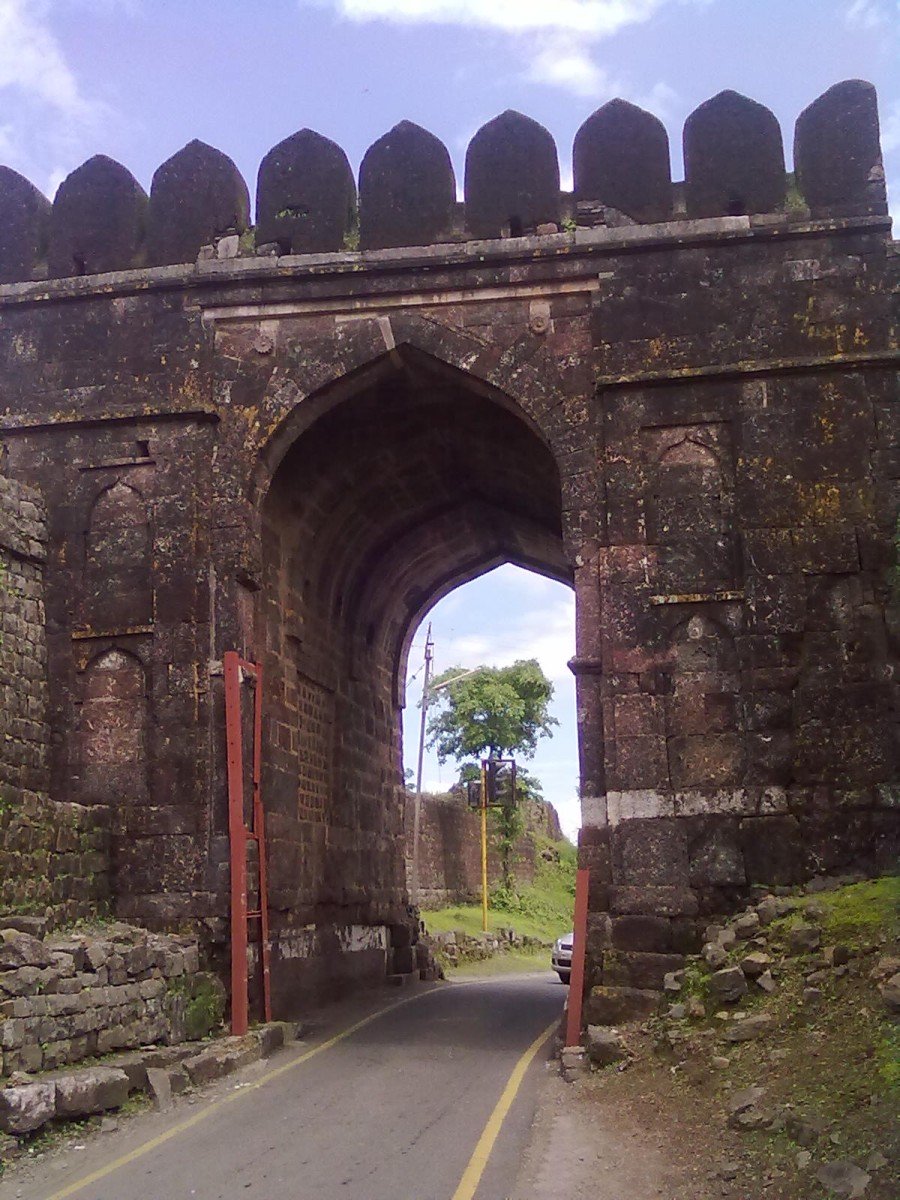

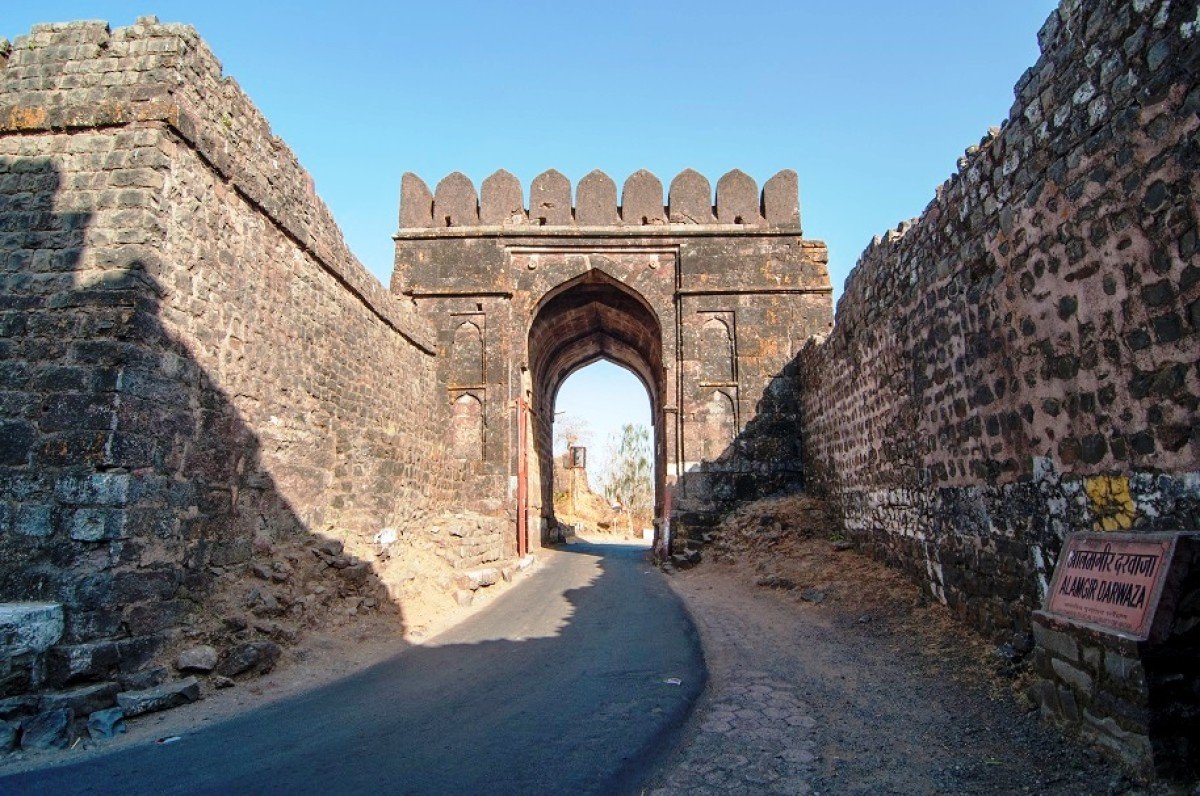
Bhangi Darwaza
General information
-
Ideal Duration:
20 Minutes:Place Type:
Historical Gateway/Fortification:Entry Fees:
Ticket Requirement: As a standalone gate on the defensive perimeter, the Bhangi Darwaza typically does not have a separate entry fee:
ASI Group Ticket: Access to the main group of monuments requires the ASI consolidated ticket, but this gate ...Ticket Requirement: As a standalone gate on the defensive perimeter, the Bhangi Darwaza typically does not have a separate entry fee:
ASI Group Ticket: Access to the main group of monuments requires the ASI consolidated ticket, but this gate is usually freely accessible on the road:
Guide Fees: A guide is essential to fully appreciate the gate's age and unique architectural significance compared to the other fort entrances:Timing:
Regular Timings: Accessible from Sunrise to Sunset, typically 7:00 AM to 6:
00 PM, as it is an open fort gate structure:
Ideal Visit Time: Early morning, between 7:00 AM and 9:00 AM, is best for a quiet, contem...Regular Timings: Accessible from Sunrise to Sunset, typically 7:00 AM to 6:
00 PM, as it is an open fort gate structure:
Ideal Visit Time: Early morning, between 7:00 AM and 9:00 AM, is best for a quiet, contemplative visit and to escape the heat as the ruin offers little shade:
Midday Caution: Avoid the hot hours of the day (11:00 AM to 3:00 PM) as the sun exposure on the exposed ruins is severe:
Seasonal View: The area is particularly evocative during the Monsoon when the rain emphasizes the ancient stone and green moss:Special Events:
Archaeological Studies: Due to its age and unique architectural style, it occasionally serves as a point of interest for academic tours and archaeological study groups, though no general public events are hosted here:
Heritage Walks: Certain ...Archaeological Studies: Due to its age and unique architectural style, it occasionally serves as a point of interest for academic tours and archaeological study groups, though no general public events are hosted here:
Heritage Walks: Certain specialized heritage walks or history tours of Mandu often begin or include this gate as a starting point for the narrative of the city's ancient origins and defenses:
Local Observances: On rare occasions, local social groups may hold small observances here, given the social history tied to its controversial naming, but these are not tourist events:Best Photo Spots:
The Ruined Arch: Capture the solitary, weathered archway against the sky, symbolizing the passage of time and the history of Mandu:
Detail Shots: Focus on the joinery and rough-hewn texture of the original pre-Islamic era stone blocks:The Ruined Arch: Capture the solitary, weathered archway against the sky, symbolizing the passage of time and the history of Mandu:
Detail Shots: Focus on the joinery and rough-hewn texture of the original pre-Islamic era stone blocks:
The Contextual Frame: Photograph the gate from a distance, including the adjacent natural terrain and sections of the fort wall, to emphasize its defensive context:
Shadow and Light: Visit during the early morning or late afternoon to capture the dramatic shadows cast by the large stone blocks and the remaining structure:Photo Gallery
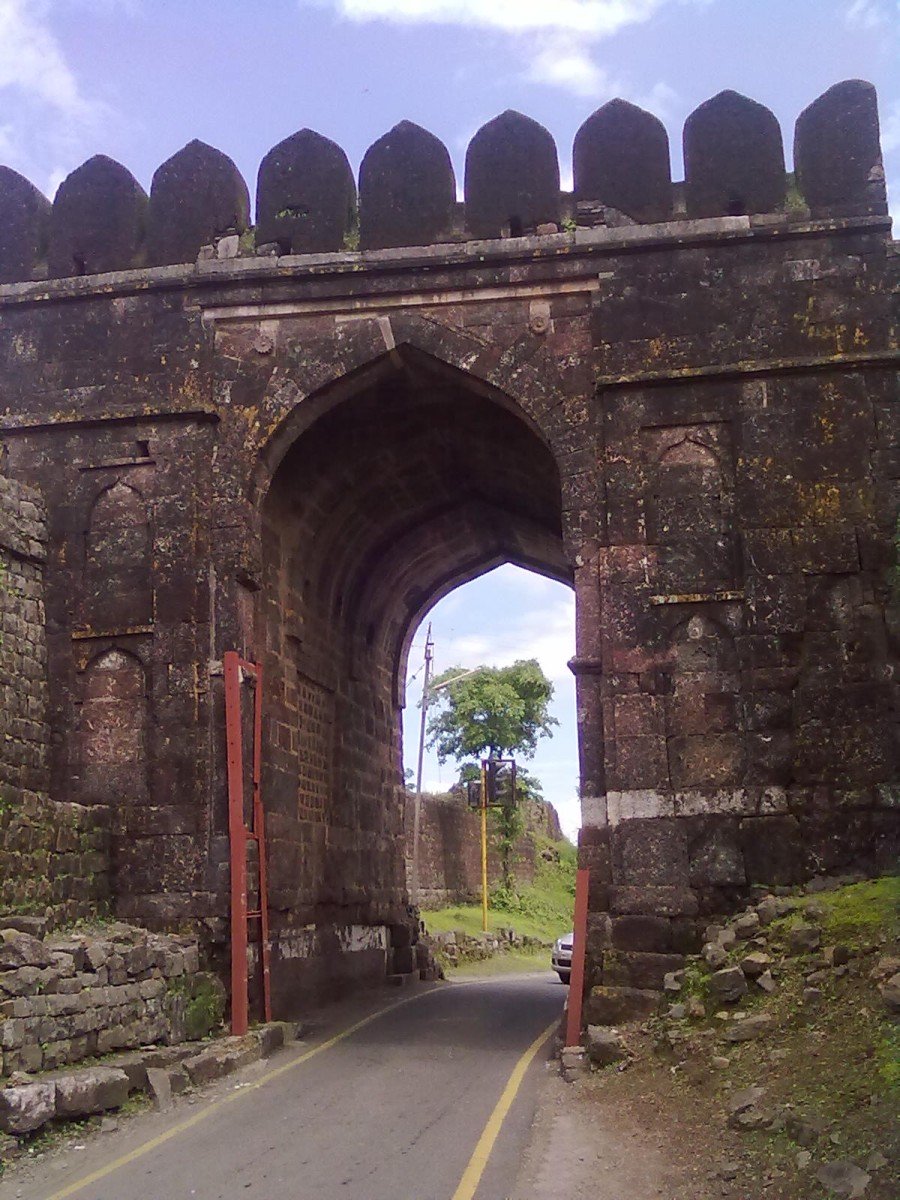
Things To Do
-
Observe the Ancient Style: Closely examine the construction technique to identify the trabeate (post and beam) elements that distinguish it from the arched gates:
Contemplate History: Spend time reflecting on the multiple centuries of history the gate has witnessed, and the social history associated with its controversial name:
Photography: Capture the dramatic ruin of the collapsed roof and the exposed ancient stonework, emphasizing its age and battle-worn appearance:
Study the Walls: Look at the sections of the massive fort wall near the gate to understand its defensive role as part of a much larger, cohesive military perimeter:
Identify its Place: Use a map to see how the Bhangi Darwaza fits into the network of 12 main gates that ...Observe the Ancient Style: Closely examine the construction technique to identify the trabeate (post and beam) elements that distinguish it from the arched gates:
Contemplate History: Spend time reflecting on the multiple centuries of history the gate has witnessed, and the social history associated with its controversial name:
Photography: Capture the dramatic ruin of the collapsed roof and the exposed ancient stonework, emphasizing its age and battle-worn appearance:
Study the Walls: Look at the sections of the massive fort wall near the gate to understand its defensive role as part of a much larger, cohesive military perimeter:
Identify its Place: Use a map to see how the Bhangi Darwaza fits into the network of 12 main gates that protected the entire Mandu fort:
Walk the Approach Road: Imagine the entry of ancient armies and travelers as you walk the road leading to the gate, grasping its historical function as a passage marker:
Read the Tablet: Study the official information tablet provided by the ASI to get the official archaeological perspective on its structure and history:
Information
-
Why Famous:
Pre-Islamic Roots: It is famous as one of the few surviving structures in Mandu that possibly date back to the pre-Sultanate or early Paramara period, representing the earliest defensive architecture of the site:
Architectural Transition: Its...Pre-Islamic Roots: It is famous as one of the few surviving structures in Mandu that possibly date back to the pre-Sultanate or early Paramara period, representing the earliest defensive architecture of the site:
Architectural Transition: Its use of the trabeate system makes it a key landmark for understanding the transition in building styles from indigenous Hindu to subsequent Indo-Islamic or Malwa Sultanate architecture:
Historical Mystery: The controversy and mystery surrounding its name and the associated sacrifice myths have made it a topic of deep historical and social interest and debate: -
Architecture:
Architectural Style: It is characterized by the trabeate style of architecture, which uses horizontal beams supported by vertical columns, a hallmark of pre-Islamic and early Hindu construction in India:
Structural Ruin: The structure is note...Architectural Style: It is characterized by the trabeate style of architecture, which uses horizontal beams supported by vertical columns, a hallmark of pre-Islamic and early Hindu construction in India:
Structural Ruin: The structure is noted for its severely ruined condition, with the roof having largely collapsed. This state, however, exposes the underlying construction methods and materials:
Dimension: Like other major gateways, it was constructed to be large and imposing, though perhaps simpler in design than later Islamic gateways. It would have featured thick walls, a relatively simple, solid archway or lintel entrance, and guard rooms, all designed to secure a crucial entry point along the extensive defense perimeter of the Mandu plateau: -
How To Reach:
By Air: The nearest air travel hub is Devi Ahilya Bai Holkar Airport in Indore (IDR), about 100 km away. A pre-arranged taxi is the most direct and comfortable means of transport to Mandu:
By Train: Major railway junctions nearby are Ratlam ...By Air: The nearest air travel hub is Devi Ahilya Bai Holkar Airport in Indore (IDR), about 100 km away. A pre-arranged taxi is the most direct and comfortable means of transport to Mandu:
By Train: Major railway junctions nearby are Ratlam Junction (RTM) at 124 km and Indore Junction (INDB) at 99 km. From these points, taxis or public/private buses are required to reach the Mandu plateau:
By Road: Bhangi Darwaza is on the main road route leading into the fort complex, easily accessible from Dhar (35 km) and Indore. Driving or hiring a private cab is straightforward due to good road connectivity:
By Local Transport: The gate is one of the first sites you encounter upon entering Mandu. A hired auto-rickshaw or a private vehicle used for a full-day tour of Mandu will easily cover this stop: -
Weather and Best Time to Visit:
Different Seasons: Winter (October to March) is the most comfortable season for visiting, allowing for leisurely time to inspect the ruin: Monsoon (July to September) offers the best visual context, as the natural defense of the deep surrounding ravines and the greening of t...Different Seasons: Winter (October to March) is the most comfortable season for visiting, allowing for leisurely time to inspect the ruin: Monsoon (July to September) offers the best visual context, as the natural defense of the deep surrounding ravines and the greening of the plateau are at their best: Summer (April to June) is extremely hot, and the exposed nature of the ruins makes a visit during this time challenging:
Different Parts of the Day: Early morning provides the best combination of cool weather and atmospheric lighting to photograph the ancient stone structure: -
Near Tourist Places:
Delhi Darwaza (1 km), Alamgir Darwaza (1. 5 km), Hathi Darwaza (2. 5 km), Jami Masjid (4 km), Hoshang Shah's Tomb (4 km), Ashrafi Mahal (4 km), Jahaz Mahal (5 km), Hindola Mahal (5 km), Lohani Caves (4 km), Sagar Talao Group (6 km):
Tourism Tips
-
Health & Safety: Be careful of uneven ground and loose stones around the ruin; the integrity of the structure is compromised.
Wear sturdy footwear:
Packing: Carry an extra layer of clothing during winter mor...Health & Safety: Be careful of uneven ground and loose stones around the ruin; the integrity of the structure is compromised.
Wear sturdy footwear:
Packing: Carry an extra layer of clothing during winter mornings as the exposed plateau can be chilly:
Accommodation: No accommodation is near the gate itself;
stay in the main Mandu village area:
Other Different Topics: Combine the visit with other fort gates like Delhi Darwaza and Alamgir Darwaza to understand the complete defensive perimeter. Consider using a historical map to orient yourself at this entry point:
Reviews
FAQs
Mandu Itineray And Cost:-
Other Places In Mandu :-
Other States In India :-
Information about New and Updated Locations() of Madhya Pradesh Has Been Added :-
Card subtitle
Note:-
Information provided here in good Faith and for reference only.
Near Places
Alamgir Darwaza
Some quick example text to build on the card title and make up the bulk of the card's content.
Go somewhere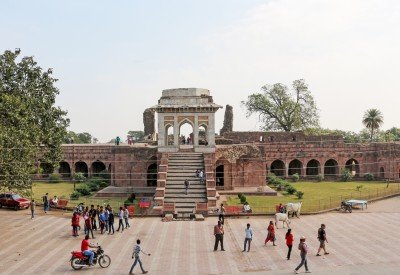
Ashrafi Mahal
Some quick example text to build on the card title and make up the bulk of the card's content.
Go somewhere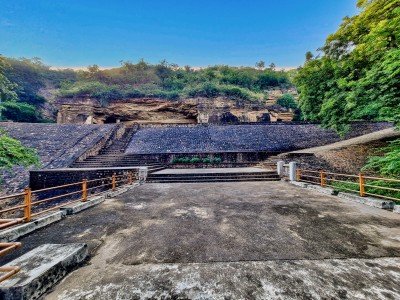
Bagh Caves
Some quick example text to build on the card title and make up the bulk of the card's content.
Go somewhere
Baz Bahadur's Palace
Some quick example text to build on the card title and make up the bulk of the card's content.
Go somewhere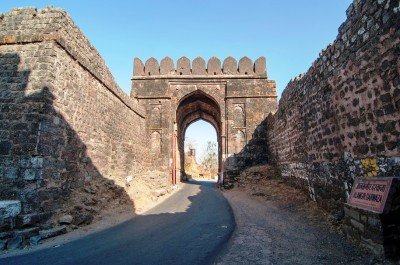
Bhangi Darwaza
Some quick example text to build on the card title and make up the bulk of the card's content.
Go somewhere
Champa Baoli
Some quick example text to build on the card title and make up the bulk of the card's content.
Go somewhere
Dai ka Mahal
Some quick example text to build on the card title and make up the bulk of the card's content.
Go somewhere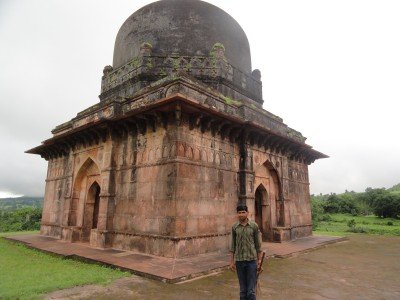
Dai ki Chhoti Bahen ka Mahal
Some quick example text to build on the card title and make up the bulk of the card's content.
Go somewhere
Dai ki Chhoti Behan ka Mahal
Some quick example text to build on the card title and make up the bulk of the card's content.
Go somewhere
Darya Khan's Tomb
Some quick example text to build on the card title and make up the bulk of the card's content.
Go somewhere
Delhi Darwaza
Some quick example text to build on the card title and make up the bulk of the card's content.
Go somewhere
Delhi Gate
Some quick example text to build on the card title and make up the bulk of the card's content.
Go somewhere
Dharampuri
Some quick example text to build on the card title and make up the bulk of the card's content.
Go somewhere
Dilawar Khan's Mosque
Some quick example text to build on the card title and make up the bulk of the card's content.
Go somewhere
Echo Point
Some quick example text to build on the card title and make up the bulk of the card's content.
Go somewhere
Eco Point
Some quick example text to build on the card title and make up the bulk of the card's content.
Go somewherein Other Cities