

Baz Bahadur's Palace
General information
-
Ideal Duration:
1 Hour 30 Minutes:Place Type:
Royal Palace / Romantic Landmark:Entry Fees:
Ticket Requirement: A common ticket is required for the monuments in the Rewa Kund Group, which includes Baz Bahadur's Palace and Rani Roopmati's Pavilion:
Indian Nationals: The ASI consolidated ticket fee is typically around Rs.25 to Rs.40 per p...Ticket Requirement: A common ticket is required for the monuments in the Rewa Kund Group, which includes Baz Bahadur's Palace and Rani Roopmati's Pavilion:
Indian Nationals: The ASI consolidated ticket fee is typically around Rs.25 to Rs.40 per person:
Foreign Tourists: Foreign visitors pay a higher fee, usually around Rs.300 to Rs.500 per person for the cluster:
Local Transport Fee: Budget for the cost of an auto-rickshaw or taxi to reach this site, as it is far from the central village cluster:Timing:
Regular Timings: Open daily from Sunrise to Sunset, generally 7:00 AM to 6:
00 PM:
Ideal Visit Time: The best time to visit is in the late afternoon, around 3:00 PM to 5:00 PM, when the light is warm and soft, ...Regular Timings: Open daily from Sunrise to Sunset, generally 7:00 AM to 6:
00 PM:
Ideal Visit Time: The best time to visit is in the late afternoon, around 3:00 PM to 5:00 PM, when the light is warm and soft, perfect for photography and enjoying the pleasant breeze on the terraces:
Crowd Timing: The site can get crowded between 10:00 AM and 1:
00 PM, especially on weekends and public holidays:
Sunrise Photography: Visiting at sunrise is highly rewarding for soft lighting and a quiet atmosphere before the crowds arrive:Special Events:
Mandu Festival: The location, being part of the Rewa Kund Group, often hosts musical and cultural performances, light-and-sound shows, or evening heritage walks that leverage the palace's romantic history:
Local Baz Bahadur Celebrations: Smal...Mandu Festival: The location, being part of the Rewa Kund Group, often hosts musical and cultural performances, light-and-sound shows, or evening heritage walks that leverage the palace's romantic history:
Local Baz Bahadur Celebrations: Smaller, informal local cultural events or singing performances related to the palace's history of music patronage might occasionally take place, though they are not a part of the official calendar:
Heritage Weddings/Shoots: Due to its romantic and picturesque setting, the palace is a popular, though exclusive, venue for pre-wedding photography shoots and occasionally, smaller cultural wedding ceremonies:Best Photo Spots:
The Grand Steps: The impressive, wide flight of steps leading to the entrance offers a superb perspective for capturing the palace's grandeur:
The Arched Halls: Use the repeating arches within the main halls to create depth and frame other vi...The Grand Steps: The impressive, wide flight of steps leading to the entrance offers a superb perspective for capturing the palace's grandeur:
The Arched Halls: Use the repeating arches within the main halls to create depth and frame other visitors or architectural details:
View of the Pavilion: Frame the palace with the distant Roopmati's Pavilion visible on the nearby hill to capture the essence of the love story in a single shot:
Upper Terrace Vistas: The upper terraces are excellent for panoramic landscape shots of the surrounding greenery and the plains below:Photo Gallery
Things To Do
-
Explore the Courtyards: Wander through the large, serene open courtyards, imagining courtly life, music, and festivities:
Climb to the Terrace: Ascend the broad steps and staircases to the upper terrace for panoramic views of the surrounding landscape and the nearby Roopmati's Pavilion:
Reflect on Romance: Visit the palace along with the Rewa Kund and Roopmati's Pavilion to fully immerse in the legendary love story of Baz Bahadur and Rani Roopmati:
Photography: Capture the elegant arches, the spacious halls, and the overall picturesque setting of the palace, especially the central water tank:
Observation: Note the blend of architectural styles, such as the curved roof elements often associated with Rajput influence and the arched ope...Explore the Courtyards: Wander through the large, serene open courtyards, imagining courtly life, music, and festivities:
Climb to the Terrace: Ascend the broad steps and staircases to the upper terrace for panoramic views of the surrounding landscape and the nearby Roopmati's Pavilion:
Reflect on Romance: Visit the palace along with the Rewa Kund and Roopmati's Pavilion to fully immerse in the legendary love story of Baz Bahadur and Rani Roopmati:
Photography: Capture the elegant arches, the spacious halls, and the overall picturesque setting of the palace, especially the central water tank:
Observation: Note the blend of architectural styles, such as the curved roof elements often associated with Rajput influence and the arched openings of the Malwa Sultanate:
Relaxation: Find a quiet spot in one of the pillared loggias on the upper level to enjoy the cool breeze and the tranquil atmosphere, as the royalty once did:
Guide Narratives: Hire a local guide specifically at this site to hear the detailed, romantic folklore and historical accounts associated with the palace and its residents:
Information
-
Why Famous:
Love Story of Baz Bahadur and Rani Roopmati: It is the central monument in the romantic legend of Mandu, making it a place of pilgrimage for lovers and romantics, symbolizing eternal love:
Aesthetic Architecture: Its picturesque setting and t...Love Story of Baz Bahadur and Rani Roopmati: It is the central monument in the romantic legend of Mandu, making it a place of pilgrimage for lovers and romantics, symbolizing eternal love:
Aesthetic Architecture: Its picturesque setting and the harmonious blend of Rajput and Afghan architectural styles make it one of the most aesthetically pleasing monuments in Mandu:
Proximity to Roopmati's Pavilion: Its location in the Rewa Kund Group, close to the pavilion that offers a breathtaking view of the Narmada river, enhances its romantic appeal and tourist popularity: -
Architecture:
Architectural Style: The palace exhibits a harmonious and highly picturesque blend of indigenous Indian (Rajput) and Indo-Islamic (Malwa Sultanate) architectural styles:
Key Features: The entrance is impressive, approached by a broad flight o...Architectural Style: The palace exhibits a harmonious and highly picturesque blend of indigenous Indian (Rajput) and Indo-Islamic (Malwa Sultanate) architectural styles:
Key Features: The entrance is impressive, approached by a broad flight of steps. The structure features large, airy halls, elegant arches, and spacious courtyards. The second court is notable for its exquisite arched doorways. On the terrace, there are pillared loggias with scenic views, designed for relaxation and enjoyment of the landscape:
Dimension: The palace is a substantial complex built on a sloping site, utilizing the natural terrain. The structure is spread around two large courtyards. The grand entrance is particularly notable, leading up through a series of broad steps and landing to the main complex, giving it a majestic appearance: -
How To Reach:
By Air: The nearest airport is Indore's Devi Ahilya Bai Holkar Airport (IDR), roughly 100 km away. The journey to the palace is about a 3-hour drive by pre-booked taxi or cab, which is the most efficient option:
By Train: The closest major r...By Air: The nearest airport is Indore's Devi Ahilya Bai Holkar Airport (IDR), roughly 100 km away. The journey to the palace is about a 3-hour drive by pre-booked taxi or cab, which is the most efficient option:
By Train: The closest major railheads are Ratlam Junction (RTM) at 124 km and Indore Junction (INDB) at 99 km. Direct taxi or bus service is needed from the station to reach Mandu:
By Road: Mandu is well-connected to major cities. The palace is easily accessible by road from the central Mandu village, although it is an 8 km journey, necessitating transport:
By Local Transport: Due to its distant location in the Rewa Kund Group, hiring an auto-rickshaw for the entire day is strongly recommended. Alternatively, a taxi or private vehicle provides maximum comfort and speed for reaching this far-flung site: -
Weather and Best Time to Visit:
Different Seasons: Winter (October to March) is the optimal period, with cool and dry conditions ideal for enjoying the terraces and the romantic atmosphere: Monsoon (July to September) offers a magical experience, as the surrounding hills turn vibrant green, enhancing the p...Different Seasons: Winter (October to March) is the optimal period, with cool and dry conditions ideal for enjoying the terraces and the romantic atmosphere: Monsoon (July to September) offers a magical experience, as the surrounding hills turn vibrant green, enhancing the picturesque beauty of the palace: Summer (April to June) should be avoided due to severe heat, especially as the monument is exposed to the sun:
Different Parts of the Day: Late afternoon provides the most romantic and pleasant atmosphere, while the early morning is best for a quiet, reflective visit: -
Near Tourist Places:
Rani Roopmati's Pavilion (1 km), Rewa Kund (500 meters), Darya Khan's Tomb (5 km), Hathi Mahal (5. 5 km), Jahaz Mahal (8 km), Hindola Mahal (8 km), Jami Masjid (8 km), Hoshang Shah's Tomb (8 km), Lohani Caves (7 km), Nilkanth Palace (4 km):
Tourism Tips
-
Health & Safety: Wear good non-slip shoes for climbing the broad, often worn, stone steps. Carry plenty of water as this group is slightly isolated from the main village:
Packing: A powerful camera/phone is a must for capturing the views. B...Health & Safety: Wear good non-slip shoes for climbing the broad, often worn, stone steps. Carry plenty of water as this group is slightly isolated from the main village:
Packing: A powerful camera/phone is a must for capturing the views. Binoculars are great for viewing the distant Narmada river from the nearby pavilion:
Accommodation: It's best to stay in the central Mandu area and travel here.
The palace does not offer direct accommodation:
Other Different Topics: Do not forget to visit Roopmati's Pavilion immediately after, as the two sites are intrinsically linked by the love story. The ground can be slippery during the Monsoon season, so exercise caution:
Reviews
FAQs
Mandu Itineray And Cost:-
Baz Bahadur's Palace Tourism:-
Other Places In Mandu :-
Other States In India :-
Information about New and Updated Locations() of Madhya Pradesh Has Been Added :-
Card subtitle
Note:-
Information provided here in good Faith and for reference only.
Near Places
Alamgir Darwaza
Some quick example text to build on the card title and make up the bulk of the card's content.
Go somewhere
Ashrafi Mahal
Some quick example text to build on the card title and make up the bulk of the card's content.
Go somewhere
Bagh Caves
Some quick example text to build on the card title and make up the bulk of the card's content.
Go somewhere
Baz Bahadur's Palace
Some quick example text to build on the card title and make up the bulk of the card's content.
Go somewhere
Bhangi Darwaza
Some quick example text to build on the card title and make up the bulk of the card's content.
Go somewhere
Champa Baoli
Some quick example text to build on the card title and make up the bulk of the card's content.
Go somewhere
Dai ka Mahal
Some quick example text to build on the card title and make up the bulk of the card's content.
Go somewhere
Dai ki Chhoti Bahen ka Mahal
Some quick example text to build on the card title and make up the bulk of the card's content.
Go somewhere
Dai ki Chhoti Behan ka Mahal
Some quick example text to build on the card title and make up the bulk of the card's content.
Go somewhere
Darya Khan's Tomb
Some quick example text to build on the card title and make up the bulk of the card's content.
Go somewhere
Delhi Darwaza
Some quick example text to build on the card title and make up the bulk of the card's content.
Go somewhere
Delhi Gate
Some quick example text to build on the card title and make up the bulk of the card's content.
Go somewhere
Dharampuri
Some quick example text to build on the card title and make up the bulk of the card's content.
Go somewhere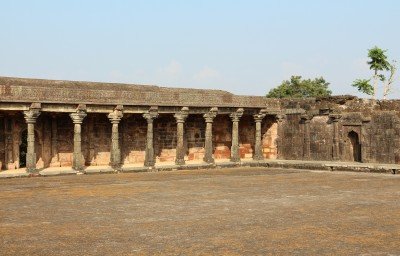
Dilawar Khan's Mosque
Some quick example text to build on the card title and make up the bulk of the card's content.
Go somewhere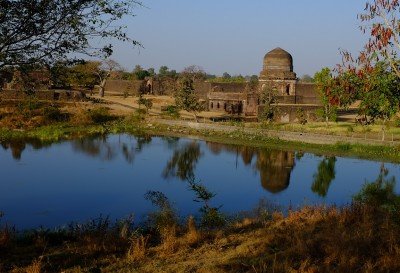
Echo Point
Some quick example text to build on the card title and make up the bulk of the card's content.
Go somewhere
Eco Point
Some quick example text to build on the card title and make up the bulk of the card's content.
Go somewherein Other Cities