
...

Place To Visit And Things To Do In Araria

Bihar, India
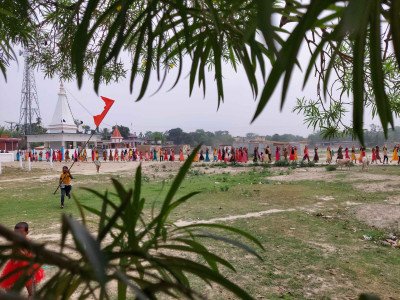
Araria is a fascinating district in northeastern Bihar that serves as a vital link between India and Nepal. Historically, the name is said to have evolved from "R-Area," referring to the residential area of a British officer named Mr. Forbes. The town is nestled on the banks of the Kosi and Panar r ivers, creating a lush green landscape that is rare in the plains. It is a melting pot of Bihari and Bengali cultures, which is reflected in the local dialect and culinary habits. Visitors are often surprised by the peaceful coexistence of different communities and the rustic charm of the local markets. The district is primarily agrarian, known for its production of jute and makhana, which can be seen in the vast fields surrounding the town. Araria is not just a transit point to Nepal but a destination that offers a glimpse into the soul of rural Bihar. The local lifestyle is slow-paced, allowing travelers to unwind and appreciate the natural beauty of the Kosi riverbanks. The town itself has developed significantly in recent years, with better roads and facilities for tourists. Whether you are exploring the historical ruins or the biodiversity parks, Araria offers a unique blend of history, nature, and culture. The hospitality of the locals is legendary, making every visitor feel like a guest in a large, extended home. Exploring the narrow lanes of the main market provides a sensory experience filled with the aroma of local sweets and the vibrant colors of traditional textiles.

Things To Do

Card image cap
Araria Fort

Araria Fort refers less to a traditional defensive military structure and more to the historical location of the administrative headquarters during th...
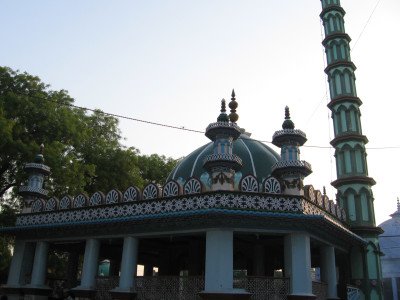
Araria Fort refers less to a traditional defensive military structure and more to the historical location of the administrative headquarters during the British Raj, which locals called "Residential Area" or "R. Area," giving the town its name, as per local lore. This site, believed to contain the remnants of a significant colonial bungalow belonging to a British official named Mr. Forbes, serves as a poignant reminder of Araria's transformation from a rural settlement to a key administrative center in the erstwhile Purnia district. The current structure is largely in ruins, often just a patch of land or foundation with some surviving old walls, now enveloped by modern development and the greenery of the region. This area is historically significant as a symbol of colonial authority and the point of origin for the modern town of Araria. The local history of Araria is intertwined with this location, representing a period of significant economic and administrative activity, particularly related to the region's rich agricultural produce like jute and paddy. The area around the 'fort' site now provides a quiet, reflective space to contemplate the deep, layered history of the district, which also saw the growth of anti-colonial movements and the birth of renowned literary figures like Phanishwar Nath Renu. The focus here is on historical imagination rather than a grand, intact fortification, making it a unique historical marker in Bihar.
Card image cap
Badi Dargah

Badi Dargah in Araria is a highly revered Sufi shrine and a major center of spiritual importance for the local Muslim community, and also attracts dev...

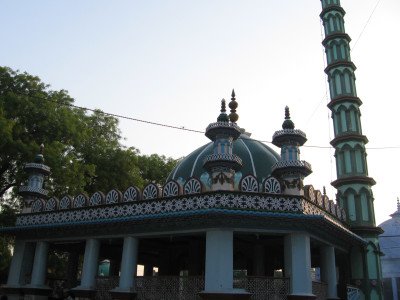
Badi Dargah in Araria is a highly revered Sufi shrine and a major center of spiritual importance for the local Muslim community, and also attracts devotees from other faiths, embodying the region's strong tradition of communal harmony. The Dargah houses the tomb of a respected local Sufi saint, though specific historical records of its founding are localized, the architecture and importance suggest a structure dating back to a significant period, potentially the Mughal or pre-colonial era, serving as a beacon of Sufi wisdom and peaceful worship. The complex functions as more than just a place of prayer; it is a community nucleus where social and religious gatherings take place, particularly during important Islamic festivals. Visitors are drawn to the peaceful and serene atmosphere, seeking blessings (Dua) and spiritual solace. The shrine's continuing popularity highlights the deep-rooted influence of Sufism in Bihar, a region historically known for its syncretic culture. The Dargah is a living monument where faith is actively practiced, and the simple, devout lifestyle of the Sufi tradition is preserved. It plays a crucial role in the cultural landscape of Araria, providing a historical and spiritual link to the past. The generous open spaces and community structures surrounding the main tomb area facilitate large gatherings, particularly during the annual celebrations, making it a focal point of cultural life.
Card image cap
Bio-Diversity Park

@@Nature’s Paradise in Araria: This park is spread over 400 acres and serves as a major research and conservation hub. It was established to protect...

@@Nature’s Paradise in Araria: This park is spread over 400 acres and serves as a major research and conservation hub. It was established to protect the local flora and fauna of the Seemanchal region. Visitors can enjoy the lush greenery and peaceful atmosphere. It is a perfect spot for students to learn about ecology. The park promotes environmental awareness among the local public. Researchers often visit here for botanical studies. It features a wide variety of trees and medicinal plants. Families find it an ideal location for weekend outings. The park is a significant step towards sustainable tourism. @@Green Lung of the District: The landscape is dotted with several water bodies and manicured gardens. It provides a natural habitat for various bird species. The air quality here is significantly better than the main city. It is a pride of the Araria district. Tourists from across Bihar visit this eco-park. The infrastructure is designed to be eco-friendly and minimal. It offers a refreshing break from the urban noise. The park is well-maintained by the forest department.
Card image cap
Fanishwar Nath Renu Jungle

@@Home of the Great Writer: This place is named after the legendary Hindi novelist Fanishwar Nath Renu. It is situated near his birthplace, Aurahi Hin...

@@Home of the Great Writer: This place is named after the legendary Hindi novelist Fanishwar Nath Renu. It is situated near his birthplace, Aurahi Hingna, giving it deep cultural roots. The jungle represents the rustic landscape described in his world-famous novels like 'Maila Anchal'. It is a mix of natural forest and plantation areas. Literature enthusiasts visit here to feel the environment that inspired Indian literature. The area is filled with local trees and wild shrubs. It serves as a memorial to the writer's love for nature. The silence of the jungle reflects the soul of rural Bihar. It is a unique destination where nature meets literature. @@Preserving Rural Heritage: The government has taken steps to develop this area as a literary tourism site. Many scholars come here to conduct research on Renu's life and works. The local community holds the writer in very high regard. The jungle provides a glimpse into the geography of the Kosi region. It is a quiet escape from the busy life of Forbesganj. The biodiversity here is typical of the Indo-Nepal border plains. Visitors can see the simplicity of the village life surrounding the jungle. It is a must-visit for anyone who loves Hindi poetry and prose.
Card image cap
Forbesganj Mela Ground

@@Center of Festivity: This massive open ground is the heart of all cultural and commercial events in Forbesganj. It has been the site of traditional ...

@@Center of Festivity: This massive open ground is the heart of all cultural and commercial events in Forbesganj. It has been the site of traditional fairs for decades, attracting people from nearby villages. During festivals, the ground transforms into a vibrant marketplace with stalls and rides. It plays a crucial role in the local economy by hosting seasonal markets. The ground is a witness to the historical growth of the town. People from across the Indo-Nepal border come here for shopping during fairs. It is a symbol of communal harmony as all festivals are celebrated here. The space is used for sports and public gatherings throughout the year. @@A Historical Venue: The ground is named after the British officer A.J. Forbes, who founded the town. It reflects the colonial history of the region. Many political rallies and social awareness programs are held here. The sheer size of the ground is impressive to first-time visitors. It is surrounded by old shops and traditional eateries. The atmosphere here is always energetic and full of life. It provides a platform for local artisans to showcase their crafts. For many locals, the Mela Ground is a nostalgic place filled with childhood memories.
Card image cap
Jama Masjid

The Jama Masjid (Friday Mosque) in Araria serves as the primary and most significant mosque in the district, where the largest congregation of the loc...

The Jama Masjid (Friday Mosque) in Araria serves as the primary and most significant mosque in the district, where the largest congregation of the local Muslim community gathers for the weekly Jumma (Friday) prayers. Its presence signifies the substantial Islamic heritage of the region, which, as per the 2011 census, is a minority concentration district. While details on its precise founding date are locally held, its architectural style suggests a design that likely evolved over time, blending traditional Islamic elements with practical regional materials suited for the humid Bihari climate. The mosque complex is a hub of religious education, community welfare, and social interaction, extending its function beyond mere prayer. The spacious courtyard is central to its design, accommodating thousands of worshippers, especially during Eid celebrations. The atmosphere is one of profound peace and devotion, providing a welcoming space for prayer and reflection. The mosque's daily operations, governed by the local Waqf Board, are a testament to the enduring religious commitment of Araria's residents. It is a vital institution that anchors the cultural and religious life of the town, standing as a prominent landmark and a symbol of faith.
Card image cap
Jogbani

@@A Strategic Border Town: Jogbani is a bustling municipal town located right on the international border with Nepal. It serves as a major transit poi...

@@A Strategic Border Town: Jogbani is a bustling municipal town located right on the international border with Nepal. It serves as a major transit point for goods and passengers moving between the two countries. The town has a unique blend of Indian and Nepalese cultures. Markets here are famous for imported items and local agricultural produce. The railway station at Jogbani is one of the last points of the Indian rail network. People from both sides of the border interact daily, creating a vibrant social fabric. It is a commercial hub where trade never stops. The town offers a glimpse into the complexities of international border life. @@Economic Significance: Jogbani is vital for the economy of the Araria district and eastern Bihar. Many businesses depend on the cross-border trade of textiles and grains. The streets are always filled with trucks, rickshaws, and shoppers. It is a gateway to the Nepalese city of Biratnagar, a major industrial center. Travelers often stay here before heading deeper into the Himalayan foothills. The local cuisine reflects the influence of both Mithila and Nepal. Despite the crowd, the town has a certain charm of a frontier outpost. It is a place where two nations meet and coexist peacefully.
Card image cap
Jokihat Mosque

@@Symbol of Faith: The Jokihat Mosque is one of the most prominent religious sites in the Araria district. It serves as a spiritual center for the lar...
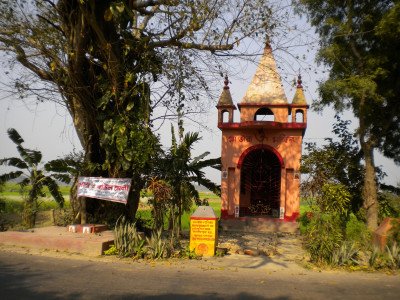
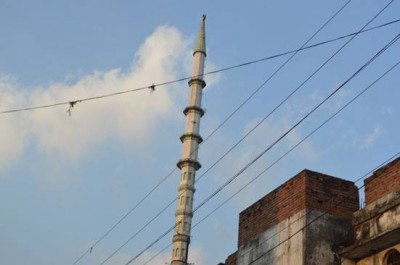
@@Symbol of Faith: The Jokihat Mosque is one of the most prominent religious sites in the Araria district. It serves as a spiritual center for the large Muslim community in the Jokihat region. The mosque is known for its serene atmosphere and beautiful call to prayer. It hosts thousands of worshippers during Friday prayers and Eid celebrations. The building is a fine example of modern Islamic architecture in rural Bihar. It also functions as a center for religious education and community service. The mosque stands as a testament to the deep-rooted religious traditions of the area. It is a place of peace and reflection for all visitors. @@Community and Culture: The mosque is surrounded by a lively local market that sells traditional items. It plays a central role in the social life of the Jokihat block. Many local festivals are organized around the mosque’s calendar. The architecture features tall minarets that can be seen from a distance. The interiors are simple yet elegant, designed to facilitate mass prayer. It is a hub for philanthropic activities like feeding the poor. The mosque’s presence has shaped the identity of the Jokihat area. It is a landmark that represents the religious diversity and harmony of the district.
Card image cap
Kali Mandir

The Kali Mandir in Araria is a prominent and visually striking temple dedicated to Maa Khargeshwari Kali, a fierce form of Goddess Durga, and is widel...

The Kali Mandir in Araria is a prominent and visually striking temple dedicated to Maa Khargeshwari Kali, a fierce form of Goddess Durga, and is widely known for its unusually towering height in a region of generally smaller temples. It is a six-story structure with domes reaching a height of 152 feet, making it a distinctive landmark in the skyline of Araria. Although local history suggests the temple was originally built in 1884, the current imposing structure is the result of significant renovation and reconstruction that began in 1987, financed and supported by the devout local community. The temple is not just a place of worship; it is the spiritual heart of the local Hindu populace, particularly during the festival of Durga Puja and Kali Puja, when devotees flock in large numbers. The temple is central to the cultural and religious identity of the town, symbolizing the unwavering faith of the people. Visitors are drawn by the spiritual energy, the unique architecture, and the chance to witness the elaborate rituals and prayers dedicated to the Goddess Kali. The temple complex is well-maintained and provides facilities for the hundreds of pilgrims who visit daily, reflecting the strong organizational structure of the temple trust. The sheer scale and modern construction of the temple make it stand out from the older, more rustic temples of the region.
Card image cap
Maata Aasawar Mandir

The Maata Aasawar Mandir is one of the most revered and ancient shrines located in the serene village of Gidwas. This temple is dedicated to Goddess ...

The Maata Aasawar Mandir is one of the most revered and ancient shrines located in the serene village of Gidwas. This temple is dedicated to Goddess Aasawar, a manifestation of the divine mother who is believed to fulfill the desires of her true devotees. The temple holds immense significance for the local Hindu community and serves as a major center for folk religious practices in the Araria district. Historically, the temple has been a silent witness to the changing cultural landscape of the region, yet it has maintained its spiritual aura through centuries. Legend has it that the idol was discovered in a miraculous manner, leading to the construction of a formal temple by local kings and devotees. The atmosphere inside the temple complex is deeply meditative, filled with the aroma of incense and the rhythmic sound of bells. Devotees from distant villages trek to this site to offer prayers for health and prosperity, making it a vibrant hub of local faith. The surrounding landscape of Gidwas adds a rustic charm to the spiritual experience, offering a glimpse into the traditional life of North Bihar. This temple is not just a building; it is the heartbeat of the local community and a symbol of unwavering faith in the divine.
Card image cap
Mahadev Chowk

Mahadev Chowk is the undisputed commercial, social, and geographical heart of Araria town. Serving as a major intersection and a perpetually busy mark...

Mahadev Chowk is the undisputed commercial, social, and geographical heart of Araria town. Serving as a major intersection and a perpetually busy market square, the Chowk is named after a small but significant local shrine dedicated to Lord Shiva (Mahadev) which is the focal point of the area, embodying a blend of commerce and spirituality. This central hub is where local residents and people from surrounding villages converge for daily necessities, trade, and social interaction. It is a vibrant, chaotic, and authentic slice of Bihari life, characterized by a continuous stream of rickshaws, auto-rickshaws, vendors selling everything from vegetables to electronics, and small tea stalls. The Chowk is not a historical monument but a living, breathing landmark that showcases the town's economic energy and local culture. The surrounding area is packed with essential services, banks, small restaurants, and local businesses, making it the most important reference point for navigation in Araria. Experiencing the energy of Mahadev Chowk is essential to understanding the pulse of the town, offering a stark contrast to the quiet religious sites.
Card image cap
Rampur Over Bridge

The Rampur Over Bridge is a significant infrastructural marvel that connects the main parts of Araria with the expanding suburbs of Rampur. Spanning ...

The Rampur Over Bridge is a significant infrastructural marvel that connects the main parts of Araria with the expanding suburbs of Rampur. Spanning over a busy railway line and intersecting key roadways, this bridge has drastically reduced travel time for residents and travelers passing through the district. It serves as a vital link for trade, allowing smooth movement of agricultural goods from the rural heartlands to the markets of North Bihar. Beyond its utility, the bridge has become a popular evening hangout spot for locals who come to enjoy the panoramic views of the city and the surrounding greenery. From the elevated height, one can see the sprawling fields and the distant horizon, especially during the monsoon when the landscape turns lush green. The bridge is also a symbol of the urban development taking place in Araria, representing the transition from a traditional agrarian society to a more connected modern hub. It is often bustling with activity, from early morning commuters to evening walkers who appreciate the cool breeze at this height. For a traveler, it offers a unique vantage point to observe the daily rhythm of life in this part of India.
Card image cap
Raniganj Vriksh Vatika

Raniganj Vriksh Vatika, also known as the Tree Garden, is a sprawling 289-acre natural forest area that serves as a vital ecological lung for the Ara...

Raniganj Vriksh Vatika, also known as the Tree Garden, is a sprawling 289-acre natural forest area that serves as a vital ecological lung for the Araria district. Originally known as Hasanpur Balu Dhima, this site was developed by the Bihar government to protect biodiversity and provide a recreational space for nature lovers. It is one of the largest man-made forests in the state, featuring thousands of indigenous tree species, medicinal plants, and a rich variety of fauna. The park is a sanctuary for migratory birds and small animals like the Hog Deer, making it a paradise for wildlife enthusiasts and researchers. The tranquil environment, away from the noise of the city, offers a perfect retreat for those seeking mental peace and physical rejuvenation. The presence of water bodies within the park adds to its scenic beauty, reflecting the dense canopy of trees. It is also an educational hub where students can learn about different plant species and the importance of forest conservation. The paths inside the park are well-maintained, allowing visitors to explore the deep sections of the forest safely. This "Tree Garden" is a testament to successful reforestation efforts in North Bihar.
Card image cap
Shiva Mandir

The Shiva Mandir, located in the historic Thakurbari area, is the most prominent religious site in the heart of Araria city. This temple is dedicated...
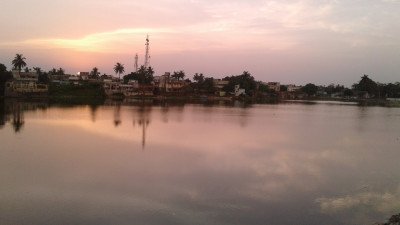
The Shiva Mandir, located in the historic Thakurbari area, is the most prominent religious site in the heart of Araria city. This temple is dedicated to Lord Shiva and is believed to be one of the oldest structures in the district. It serves as a central place of worship where people from all walks of life gather to seek blessings. The temple complex is not just a religious site but also a cultural hub where festivals are celebrated with great pomp and show. The history of this temple is intertwined with the growth of the city itself, and it has undergone several renovations to accommodate the increasing number of devotees. The sanctum sanctorum houses a beautiful Shiva Lingam that is worshipped with milk, water, and Bel leaves daily. The atmosphere here is electric during religious festivals, yet remarkably peaceful on regular afternoons. The temple also houses smaller shrines dedicated to other Hindu deities, making it a comprehensive spiritual destination. For many residents, a visit to this temple is a daily ritual that brings peace and focus to their lives. Its location in the center of the city makes it easily accessible for everyone, serving as a reminder of the region's deep-rooted spiritual heritage.
Card image cap
Sultan Phokher

Sultan Phokher is a large, historic water tank located in the town of Forbesganj within the Araria district. This place is unique because it holds si...

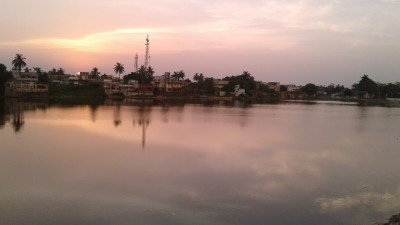
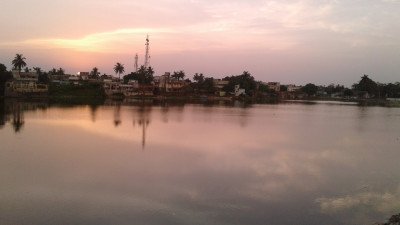
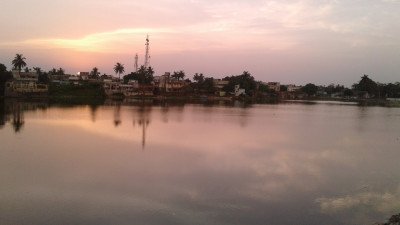
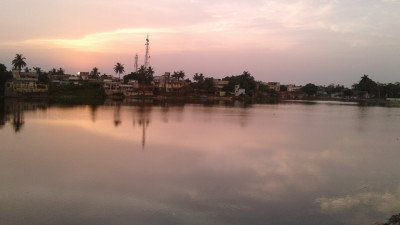
Sultan Phokher is a large, historic water tank located in the town of Forbesganj within the Araria district. This place is unique because it holds significant religious and cultural value for both the Hindu and Muslim communities of the region. Traditionally, it has been used for various religious rituals, including the Chhath Puja and various Islamic ceremonies. The "Phokher" (pond) is surrounded by ancient trees and small shrines, creating a peaceful oasis in the middle of the bustling town. Historians believe that the pond was constructed during the medieval period to serve as a water reservoir for the local population and travelers. Over time, it evolved into a symbol of communal harmony and a central meeting point for the residents. The water remains relatively clean throughout the year, and the stone-paved banks provide a space for people to sit and reflect. During festivals, the entire area around the pond is transformed into a vibrant fairground, reflecting the diverse culture of North Bihar. For a traveler, Sultan Phokher offers a quiet spot to observe local life, from children playing near the water to elderly men discussing politics under the shade of Banyan trees. It is a true "Hidden Gem" that encapsulates the soul of Forbesganj.
Card image cap
Thakurbari Shiva Mandir

The Thakurbari Shiva Mandir is an ancient and highly revered Hindu temple dedicated to Lord Shiva, located very close to the center of Araria town, ne...

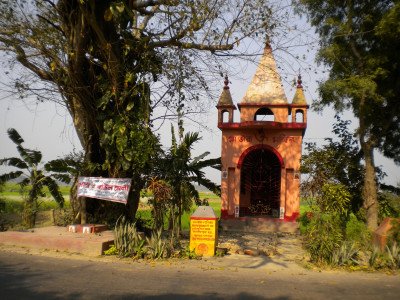
The Thakurbari Shiva Mandir is an ancient and highly revered Hindu temple dedicated to Lord Shiva, located very close to the center of Araria town, near Mahadev Chowk. Often simply referred to as Thakurbari, this temple is considered one of the oldest and most historically significant places of worship in the area, pre-dating much of the town's modern development. The term 'Thakurbari' literally translates to the 'Lord's Residence,' indicating its high spiritual status. Unlike the towering, modern Kali Mandir, this temple embodies a simpler, traditional, and rustic architectural style, reflecting the older religious structures of the Mithila/Seemanchal region of Bihar. The central deity is a revered Shiva Lingam, which attracts a continuous flow of devotees who perform daily worship, especially on Mondays (sacred to Shiva) and during the holy month of Sawan. The complex usually includes smaller shrines dedicated to other deities, such as Goddess Parvati, Lord Ganesh, and Lord Hanuman, making it a comprehensive center for Hindu devotion. The atmosphere is profoundly peaceful and devout, providing a quiet sanctuary from the bustle of the nearby Mahadev Chowk.
Show All

Note:-

Information provided here in good Faith and for reference only.

All information and pictures will be updated soon, please keep visiting.

Near Places
...
Araria

Some quick example text to build on the card title and make up the bulk of the card's content.

Go somewhere
...
Arwal

Some quick example text to build on the card title and make up the bulk of the card's content.

Go somewhere
...
Banka

Some quick example text to build on the card title and make up the bulk of the card's content.

Go somewhere
...
Begusarai

Some quick example text to build on the card title and make up the bulk of the card's content.

Go somewhere
...
Bhagalpur

Some quick example text to build on the card title and make up the bulk of the card's content.

Go somewhere
...
Bhojpur

Some quick example text to build on the card title and make up the bulk of the card's content.

Go somewhere
...
Bihar Sharif

Some quick example text to build on the card title and make up the bulk of the card's content.

Go somewhere
...
Bodh Gaya

Some quick example text to build on the card title and make up the bulk of the card's content.

Go somewhere
...
Buxar

Some quick example text to build on the card title and make up the bulk of the card's content.

Go somewhere
...
Champaran

Some quick example text to build on the card title and make up the bulk of the card's content.

Go somewhere
in Other Cities