Ashoka Pillar
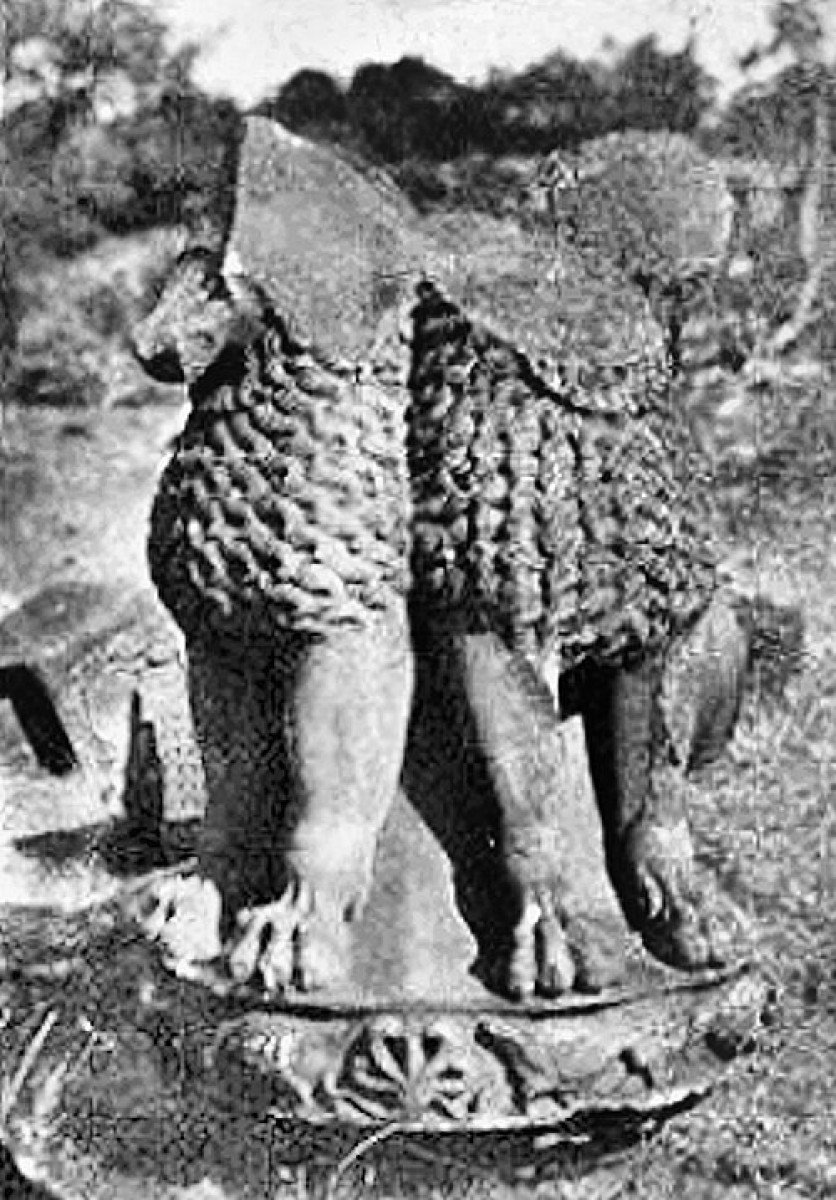
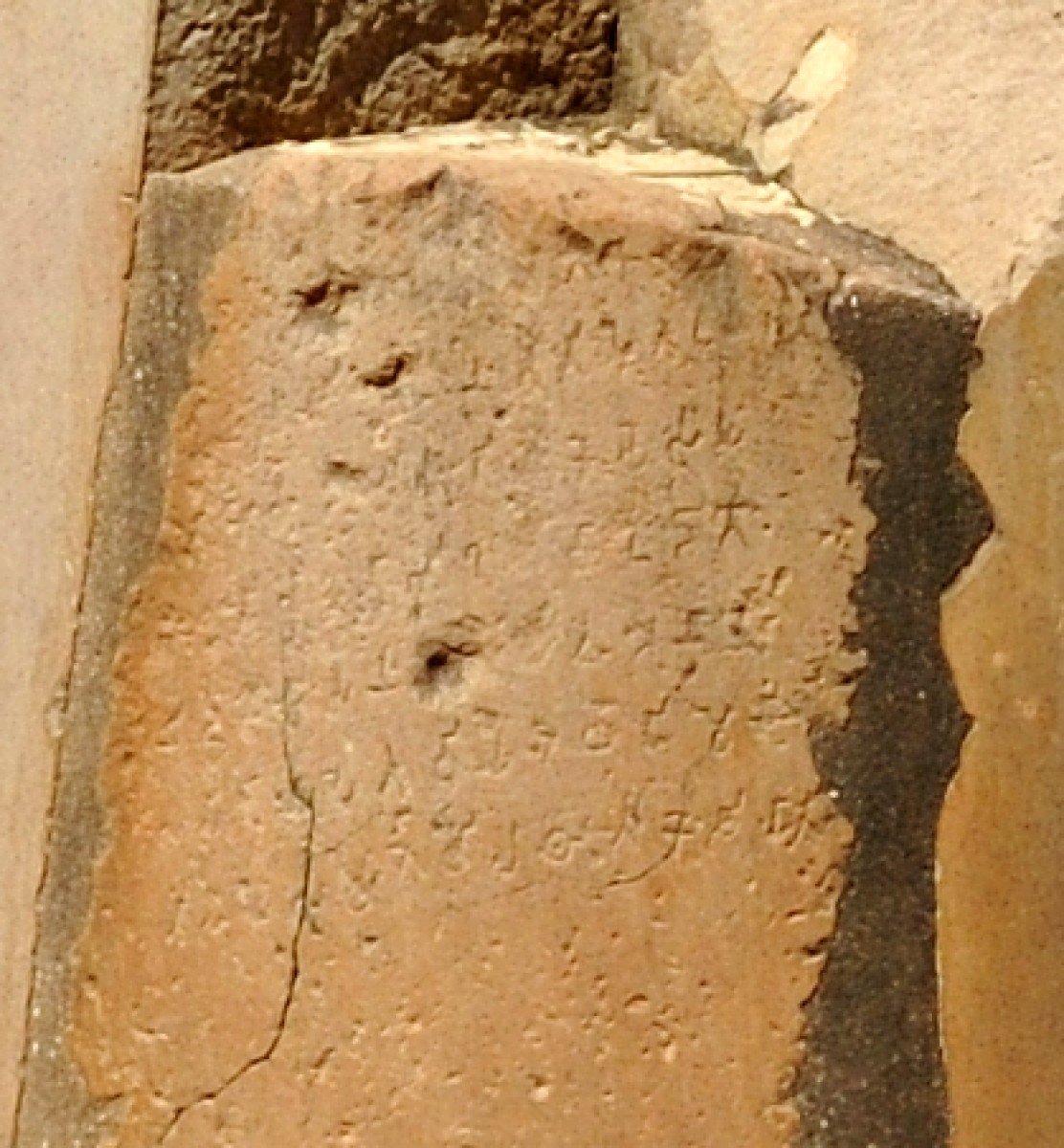
Historical Significance of the Pillar: The Ashoka Pillar is one of the most famous of the pillars erected by Emperor Ashoka in the 3rd century BCE to spread the message of Buddhism and his edicts (the Schism Edict). Originally, the complete pillar, including the famous four-lion capital, stood here. Its presence indicates that the Great Stupa was a central religious site from the very start of the Mauryan Empire. It represents the height of Mauryan art and engineering, showcasing a monolithic shaft made of polished Chunar sandstone. This highly polished finish, known as 'Mauryan Polish,' is a distinctive and sophisticated feature that has lasted over two millennia. Present Condition and Display: Today, only the lower, broken shaft remains at its original site near the Southern Gateway. The magnificent capital, consisting of the four back-to-back lions (which is the basis for the National Emblem of India), is now preserved and displayed at the nearby Sanchi Museum (ASI). The Schism Edict inscription on the pillar warned monks and nuns against creating divisions (schism) within the Buddhist Sangha. The pillar is a testament to the powerful administrative and religious zeal of Ashoka and the technical expertise of his artisans.
General information
-
Ideal Duration:
30 minutesPlace Type:
Pillar: Monolithic Structure, Historical MonumenEntry Fees:
Monuments Complex Ticket: The fee is the same as the main monuments complex ticket.
For Indian Citizens: Rs.40 per person.
For Foreign Nationals: Rs.600 per person. This ticket covers the Great Stupa, all the g...Monuments Complex Ticket: The fee is the same as the main monuments complex ticket.
For Indian Citizens: Rs.40 per person.
For Foreign Nationals: Rs.600 per person. This ticket covers the Great Stupa, all the gateways, temples, monasteries, and the standing pillar shaft.
Sanchi Museum (ASI) Fee: To see the original Lion Capital, you must pay an additional fee for the museum: Rs.5 for Indian Citizens and Rs.100 for Foreign Nationals. The combined entry ensures full appreciation of the pillar.
Free Entry Categories: Children below the age of 15 years are granted free entry to the entire monument complex. SAARC and BIMSTEC country nationals also have a reduced fee of Rs.40.Timing:
Regular Timings: The monument complex is open from Sunrise to Sunset (approx. 6:30 AM to 6:30 PM), every day of the week.
Ideal Visit Time: The best time to visit the pillar specifically is the Early Morning (6:30 AM - 9:00 AM) or Late Afte...Regular Timings: The monument complex is open from Sunrise to Sunset (approx. 6:30 AM to 6:30 PM), every day of the week.
Ideal Visit Time: The best time to visit the pillar specifically is the Early Morning (6:30 AM - 9:00 AM) or Late Afternoon (4:30 PM - 6:30 PM). Early morning provides the best light to see the polish and is cooler. Visit the Sanchi Museum (ASI) during the late morning (9:00 AM - 12:00 PM) to see the capital indoors.
Avoid Midday: Avoid visiting between 11:00 AM and 3:00 PM due to the intense Madhya Pradesh sun and heat, which makes walking and appreciation difficult.Special Events:
Ashoka Jayanti Celebrations: The site does not host a frequent, unique event specific to the pillar, but it becomes the ceremonial focal point during Ashoka Jayanti (April) and Buddha Purnima (May). These days involve official ceremonies, wreath-laying at the base, and spec...Ashoka Jayanti Celebrations: The site does not host a frequent, unique event specific to the pillar, but it becomes the ceremonial focal point during Ashoka Jayanti (April) and Buddha Purnima (May). These days involve official ceremonies, wreath-laying at the base, and special prayers by local monks and dignitaries, specifically highlighting the pillar as a symbol of Ashoka’s conversion and promotion of Dharma.
National Significance Observances: The pillar, being a direct reference to the National Emblem, occasionally features in national observances on Republic Day (January) and Independence Day (August), with local administration or the ASI organizing small, respectful flag-related or cultural programs near the base.Best Photo Spots:
View with Southern Gateway: The best composition is standing slightly to the side, capturing the pillar's massive shaft against the backdrop of the intricately carved Southern Gateway, creating a powerful image of Mauryan power preceding Satavahana art.
Read MoreView with Southern Gateway: The best composition is standing slightly to the side, capturing the pillar's massive shaft against the backdrop of the intricately carved Southern Gateway, creating a powerful image of Mauryan power preceding Satavahana art.
Focus on the Polish: A close-up shot of the lower shaft, especially in the early morning light, to highlight the incredible, surviving Mauryan polished luster of the sandstone—a truly unique texture.
Framing through the Torana: Use the stone railings or the openings in the nearby Southern Gateway (Torana) to frame the pillar's base, adding depth and architectural context to the photograph, symbolizing its role as a key historical marker.
Monochromatic View: A black and white photograph of the shaft can dramatically emphasize the sheer scale and smooth texture of the single stone, giving it a timeless, monumental feel.Photo Gallery

Things To Do
-
Reflecting on the Edict: Spend time reading and reflecting on the significance of the Ashokan Edict (Schism Edict) on the remaining pillar shaft, understanding its message of unity for the Buddhist Sangha.
Walking the Vihara Trail: The pillar is a gateway to the entire complex; begin your clockwise (pradakshina) tour here, acknowledging its place as the starting point of Ashoka’s project.
Photography of the Base: Focus your camera on the remaining base and the surrounding stonework to capture the contrast between the polished Mauryan stone and the rougher Shunga/Satavahana work, illustrating the site's timeline.
Visiting the Sanchi Museum (ASI): The most crucial "thing to do" is to visit the nearby Sanchi Museum (ASI) to see the original, spectacular Lion Capi...Reflecting on the Edict: Spend time reading and reflecting on the significance of the Ashokan Edict (Schism Edict) on the remaining pillar shaft, understanding its message of unity for the Buddhist Sangha.
Walking the Vihara Trail: The pillar is a gateway to the entire complex; begin your clockwise (pradakshina) tour here, acknowledging its place as the starting point of Ashoka’s project.
Photography of the Base: Focus your camera on the remaining base and the surrounding stonework to capture the contrast between the polished Mauryan stone and the rougher Shunga/Satavahana work, illustrating the site's timeline.
Visiting the Sanchi Museum (ASI): The most crucial "thing to do" is to visit the nearby Sanchi Museum (ASI) to see the original, spectacular Lion Capital itself. This is the National Emblem and an essential part of the pillar.
Contemplation and Silence: The area around the pillar is less crowded than the stupa itself. Use the spot for a few moments of quiet contemplation, appreciating the monumental scale of Ashoka’s vision.
Engaging a Guide: Hire a site-certified guide here to explain the intricate details of the pillar’s construction, the significance of the Chunar sandstone, and the story of the capital’s removal, enriching the experience far beyond a simple photo opportunity.
Sketching and Observation: Bring a small notepad and sketch the pillar's remaining form, paying attention to the bell-shaped base design and the quality of the stone, engaging more deeply with the monument's art and history.
Information
-
Why Famous:
Symbol of India's Sovereignty: The pillar is famous because its lion capital was adopted as the National Emblem of India, symbolizing the nation's commitment to peace and goodwill (Dharma Chakra). This instantly connects the ancient monument to modern national identity.Symbol of India's Sovereignty: The pillar is famous because its lion capital was adopted as the National Emblem of India, symbolizing the nation's commitment to peace and goodwill (Dharma Chakra). This instantly connects the ancient monument to modern national identity.
Architectural Marvel: It is renowned as one of the finest surviving examples of the Ashokan pillar tradition, noted for its extraordinary 'Mauryan Polish'—a mirror-like finish that is scientifically hard to replicate, showcasing the advanced stone polishing techniques of the 3rd century BCE. It is a prime example of freestanding, monolithic sculpture and architecture that later influenced Indian art. -
Architecture:
Mauryan Monolithic Art: The pillar was a single, tapering, monolithic shaft made of Chunar sandstone. It stood approximately 12. 8 meters (42 feet) high when intact.
Capital and Abacus: The capital, now in the museum, consists of a bell-sha...Mauryan Monolithic Art: The pillar was a single, tapering, monolithic shaft made of Chunar sandstone. It stood approximately 12. 8 meters (42 feet) high when intact.
Capital and Abacus: The capital, now in the museum, consists of a bell-shaped lotus, a circular abacus, and the four Ashokan lions. The abacus features four geese separated by four flame palmette designs, symbolizing the flock of the Buddha's disciples. The column was famed for its seamless transition from a smooth, polished surface to the intricate, detailed carving of the capital. The four lions, representing power, courage, pride, and confidence, originally supported the Dharma Chakra (Wheel of Law). The pillar’s technical perfection, achieved by transporting a massive stone block over hundreds of kilometers, is a marvel of ancient engineering. -
How To Reach:
By Air: The nearest major airport is Raja Bhoj Airport, Bhopal (BHO), approximately 55-60 km away. From the airport, one can hire a pre-paid taxi or a private cab. The drive takes about 1. 5 hours.
By Train: The nearest station is Sanchi R...By Air: The nearest major airport is Raja Bhoj Airport, Bhopal (BHO), approximately 55-60 km away. From the airport, one can hire a pre-paid taxi or a private cab. The drive takes about 1. 5 hours.
By Train: The nearest station is Sanchi Railway Station (SCI), only about 1. 5-2 km from the monument site. However, the best-connected major railhead is Vidisha Railway Station (BHS), just 10 km away, or Bhopal Junction (BPL), about 50 km away, offering broader connectivity. From Vidisha or Sanchi station, auto-rickshaws and taxis are readily available.
By Road: Sanchi is well-connected by National Highway 146 to Bhopal (46 km) and Vidisha (10 km). State buses (MP Tourism and others) run regularly from Bhopal and Vidisha. Private taxis and cabs are the most comfortable option.
By Local Transport: From the town center or railway station, auto-rickshaws and cycle-rickshaws are the primary local transport options to reach the hilltop complex. -
Weather and Best Time to Visit:
Different Types of Seasons: Winter (October to March) is the absolute Best Time to Visit. Temperatures are mild (10°C to 25°C), making exploration pleasant. Monsoon (July to September) is also good, offering a lush green landscape, but expect occasional heavy rain. Summ...Different Types of Seasons: Winter (October to March) is the absolute Best Time to Visit. Temperatures are mild (10°C to 25°C), making exploration pleasant. Monsoon (July to September) is also good, offering a lush green landscape, but expect occasional heavy rain. Summer (April to June) is extremely hot (30°C to 45°C) and should be avoided for extensive daytime sightseeing.
Different Parts of the Day: Sunrise is the most ideal. The soft, golden light highlights the carvings and the pillar's polish beautifully. The second best time is Late Afternoon as the site closes, offering tranquility and cooler temperatures. Visit the outdoor sites like the pillar first, then head to the museum. -
Near Tourist Places:
Great Stupa (Stupa No. 1) (<100m)Southern Gateway (Torana) (10m)Stupa No. 3 (150m)Sanchi Museum (ASI) (1 km)Udayagiri Caves (13 km)Vidisha (10 km)Bhopal (46 km)Bhojpur Temple (65 km)Bhimbetka Rock Shelters (90 km)Islamnagar Palace (50 km):
Tourism Tips
-
Health & safety: Carry a well-stocked first-aid kit, especially for cuts and blisters from walking. Stay hydrated by drinking ample bottled water. Apply high-SPF sunscreen and mosquito repellent, especially during Monsoon.
Packing: Essenti...Health & safety: Carry a well-stocked first-aid kit, especially for cuts and blisters from walking. Stay hydrated by drinking ample bottled water. Apply high-SPF sunscreen and mosquito repellent, especially during Monsoon.
Packing: Essential items include a wide-brimmed hat, sunglasses, light cotton clothing (particularly in summer), and comfortable walking shoes for the uneven pathways of the hill complex. Bring a good camera.
Accommodation: Sanchi offers limited accommodation; better options are available in nearby Vidisha (10 km) or the state capital, Bhopal (46 km). Consider booking a hotel in Bhopal for a wider choice.
Other Different Topics:
Respect the Site: Remember that the site is a UNESCO World Heritage area and a sacred Buddhist place. Do not climb on any structures.
Guide: Hire an Archaeological Survey of India (ASI)-certified guide at the entrance for detailed historical context.
Photography: Drone use is strictly prohibited.
Reviews
FAQs
Sanchi Itineray And Cost:-
Other Places In Sanchi :-
Other States In India :-
Information about New and Updated Locations() of Madhya Pradesh Has Been Added :-
Card subtitle
Note:-
Information provided here in good Faith and for reference only.
Near Places

Mata Mandir
Some quick example text to build on the card title and make up the bulk of the card's content.
Go somewhere
Sanchi Museum
Some quick example text to build on the card title and make up the bulk of the card's content.
Go somewhere
The Great Bowl
Some quick example text to build on the card title and make up the bulk of the card's content.
Go somewhere
Turtle Rock
Some quick example text to build on the card title and make up the bulk of the card's content.
Go somewhere
Western Gateway
Some quick example text to build on the card title and make up the bulk of the card's content.
Go somewhere
Zoo Rock
Some quick example text to build on the card title and make up the bulk of the card's content.
Go somewherein Other Cities