

Buddhist Vihara
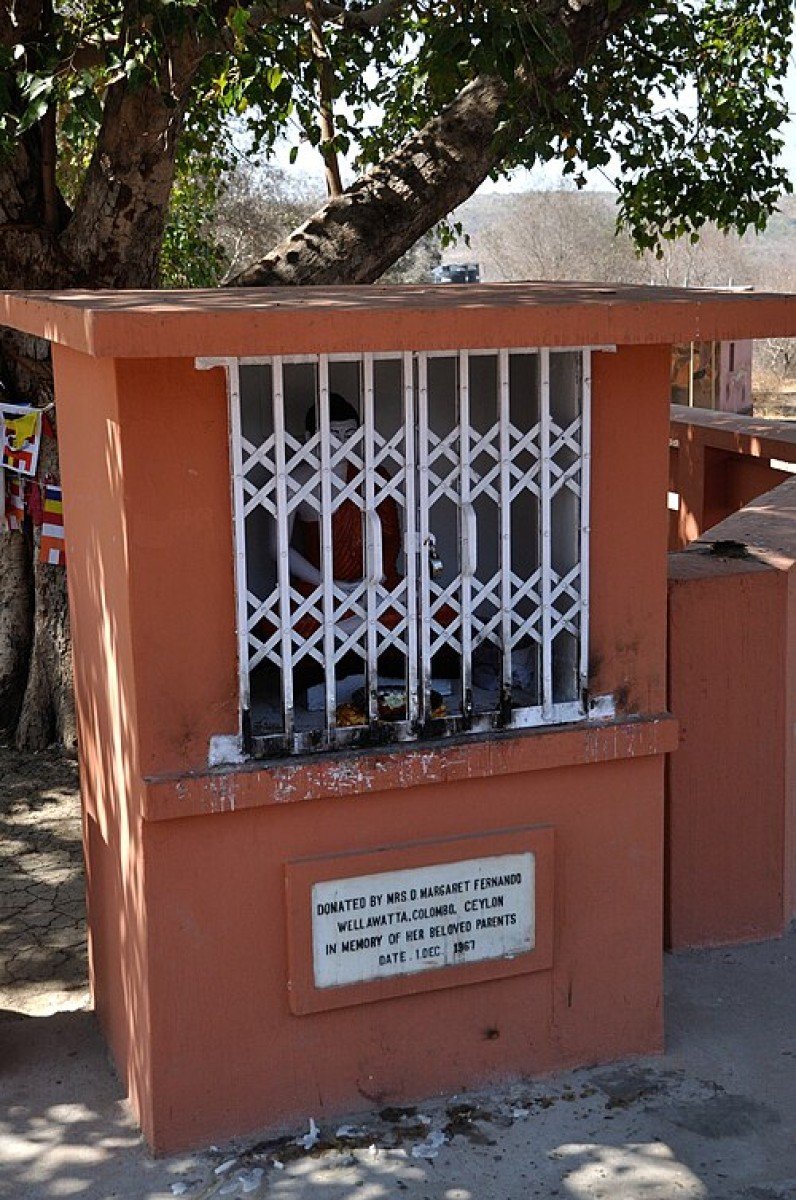
Modern Relevance and Function: The Modern Buddhist Vihara is a relatively new structure built to serve as a living center for Buddhist monks and a place for contemporary worship, contrasting sharply with the ancient ruins atop the hill. It was constructed by the Maha Bodhi Society of Sri Lanka and l ater expanded, often serving as a hub for international Buddhist pilgrims. It ensures that Sanchi remains not just an archaeological site but also an active place of religious devotion and scholarship. The architecture is a blend of modern Indian and traditional Sri Lankan Buddhist styles. Relics of Sariputta and Maudgalyayana: The Vihara is most significant because it holds the sacred relics of the Buddha’s two principal disciples: Sariputta and Maha Moggallana (Maudgalyayana). These relics were originally enshrined in Stupa No. 3, excavated in 1851, and have been moved and periodically displayed here. This makes the Vihara a major pilgrimage site for Buddhists worldwide, especially from Sri Lanka and Southeast Asia. It hosts prayer halls, a library, and accommodation for visiting monks, fostering international Buddhist relations.
General information
-
Ideal Duration:
1 hourPlace Type:
Religious Center, Vihara, Pilgrimage SiteEntry Fees:
No Separate Fee: Generally, there is no separate entry fee to enter the Modern Buddhist Vihara. It relies on donations for its maintenance and activities.
Donation is Encouraged: While entry is free, pilgrims and tourists are strongly encou...No Separate Fee: Generally, there is no separate entry fee to enter the Modern Buddhist Vihara. It relies on donations for its maintenance and activities.
Donation is Encouraged: While entry is free, pilgrims and tourists are strongly encouraged to make a small, voluntary donation to support the monks, maintenance of the Vihara, and the sacred relics.
Relic Viewing Fee: During the brief annual display of the sacred relics, there might be a small, formal or informal fee/contribution requested for maintenance and crowd management. It is important to treat this as a sacred offering rather than a ticket price.Timing:
Regular Timings: Open daily, typically from 6:00 AM to 7:00 PM. The prayer hall and main areas are generally accessible throughout the day, but timings are more flexible than the ASI-protected site.
Ideal Visit Time: Visit during the Late A...Regular Timings: Open daily, typically from 6:00 AM to 7:00 PM. The prayer hall and main areas are generally accessible throughout the day, but timings are more flexible than the ASI-protected site.
Ideal Visit Time: Visit during the Late Afternoon (4:00 PM - 6:00 PM) to potentially witness the evening chanting ceremony, which offers a beautiful, peaceful atmosphere. Check local notices for exact prayer times.
Special Timings: The Vihara closes its gates slightly later than the hill-top monuments, making it a good final stop for the day.Special Events:
Relic Exposition Day (Karthik Purnima): The most significant annual event is the exposition of the sacred relics, usually around Karthik Purnima (November). This draws tens of thousands of pilgrims, especially from Sri Lanka. The event includes a grand procession, ceremoni...Relic Exposition Day (Karthik Purnima): The most significant annual event is the exposition of the sacred relics, usually around Karthik Purnima (November). This draws tens of thousands of pilgrims, especially from Sri Lanka. The event includes a grand procession, ceremonial worship, and international dignitaries, making it a powerful spiritual spectacle.
Buddha Purnima Celebration: Like the main site, the Vihara holds extensive celebrations on Buddha Purnima (May), featuring all-day chanting, special discourses by senior monks, and a community meal (Dana), providing a highly immersive cultural and religious experience.Best Photo Spots:
The Stupa Dome View: The best spot is a slightly elevated position within the Vihara complex that allows you to frame the Vihara's modern, white Stupa dome against the backdrop of the clear Madhya Pradesh sky, symbolizing the continuity of the tradition.
Read MoreThe Stupa Dome View: The best spot is a slightly elevated position within the Vihara complex that allows you to frame the Vihara's modern, white Stupa dome against the backdrop of the clear Madhya Pradesh sky, symbolizing the continuity of the tradition.
Entrance Gate: The main entrance gate, often decorated with vibrant flags and banners, provides a colorful photograph, especially if framed with the saffron robes of a passing monk.
The Bodhi Tree Clone: The Vihara complex may contain a sapling or clone of the sacred Bodhi Tree. This spot is excellent for a serene photograph that signifies enlightenment and spiritual connection, best captured with soft morning light.
Pilgrims in Prayer: During special events like Relic Exposition, the courtyard is ideal for capturing the atmosphere of deep reverence and the colorful attire of international pilgrims, focusing on the human element of faith.Photo Gallery


Things To Do
-
Attending a Prayer Ceremony: Witnessing or participating in a daily or weekly prayer/chanting ceremony (puja) by the resident monks offers a profound spiritual experience and insight into current Buddhist rituals.
Viewing the Relics: If visiting during a special display period (usually in November), the primary goal is to pay homage to the holy relics of Sariputta and Maha Moggallana.
Meditation and Reflection: Utilize the Vihara's quiet gardens and main prayer hall for personal meditation, taking advantage of the tranquil atmosphere created by the monastic environment.
Learning about Buddhism: Talk to the Vihara staff or, respectfully, to one of the resident monks about the tenets of Buddhism and the history of the Maha Bodhi Society’s work in India.
<...Attending a Prayer Ceremony: Witnessing or participating in a daily or weekly prayer/chanting ceremony (puja) by the resident monks offers a profound spiritual experience and insight into current Buddhist rituals.
Viewing the Relics: If visiting during a special display period (usually in November), the primary goal is to pay homage to the holy relics of Sariputta and Maha Moggallana.
Meditation and Reflection: Utilize the Vihara's quiet gardens and main prayer hall for personal meditation, taking advantage of the tranquil atmosphere created by the monastic environment.
Learning about Buddhism: Talk to the Vihara staff or, respectfully, to one of the resident monks about the tenets of Buddhism and the history of the Maha Bodhi Society’s work in India.
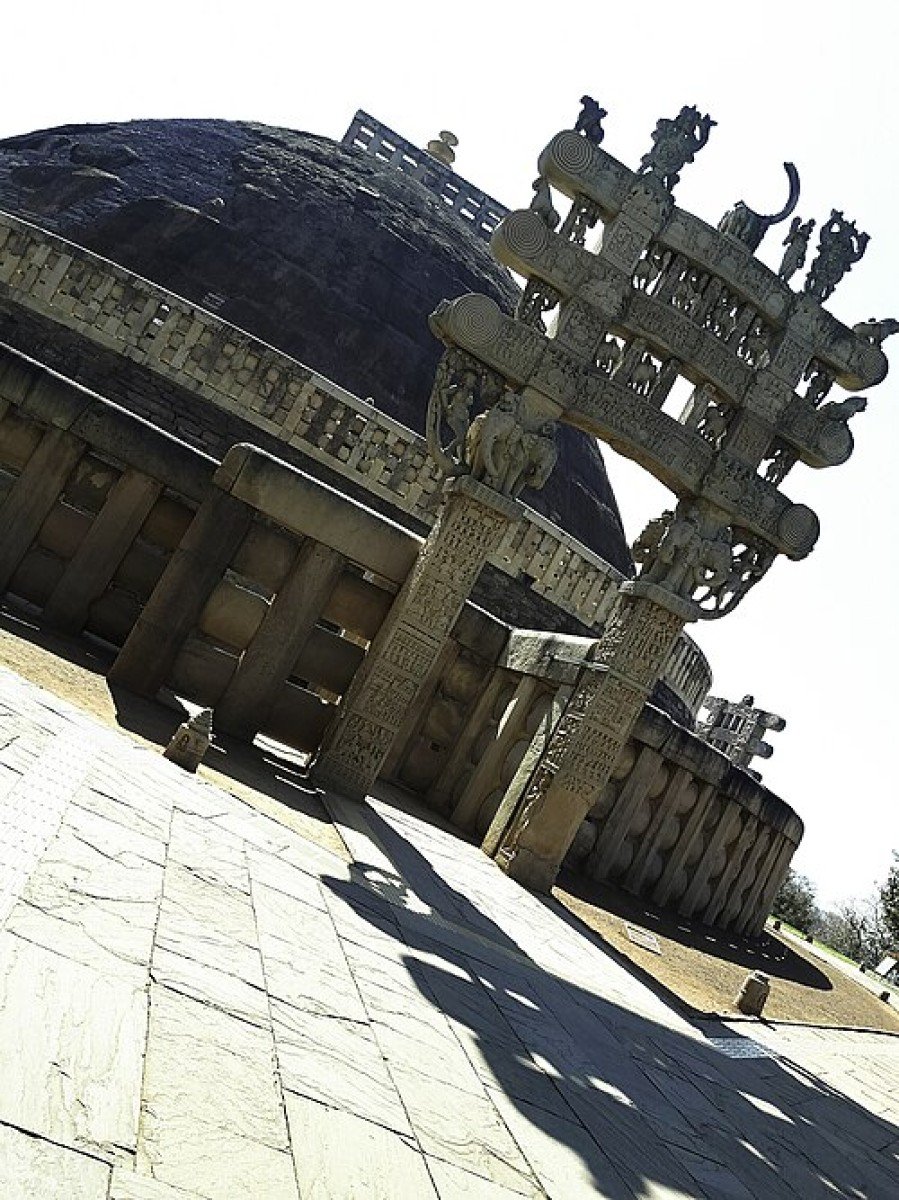
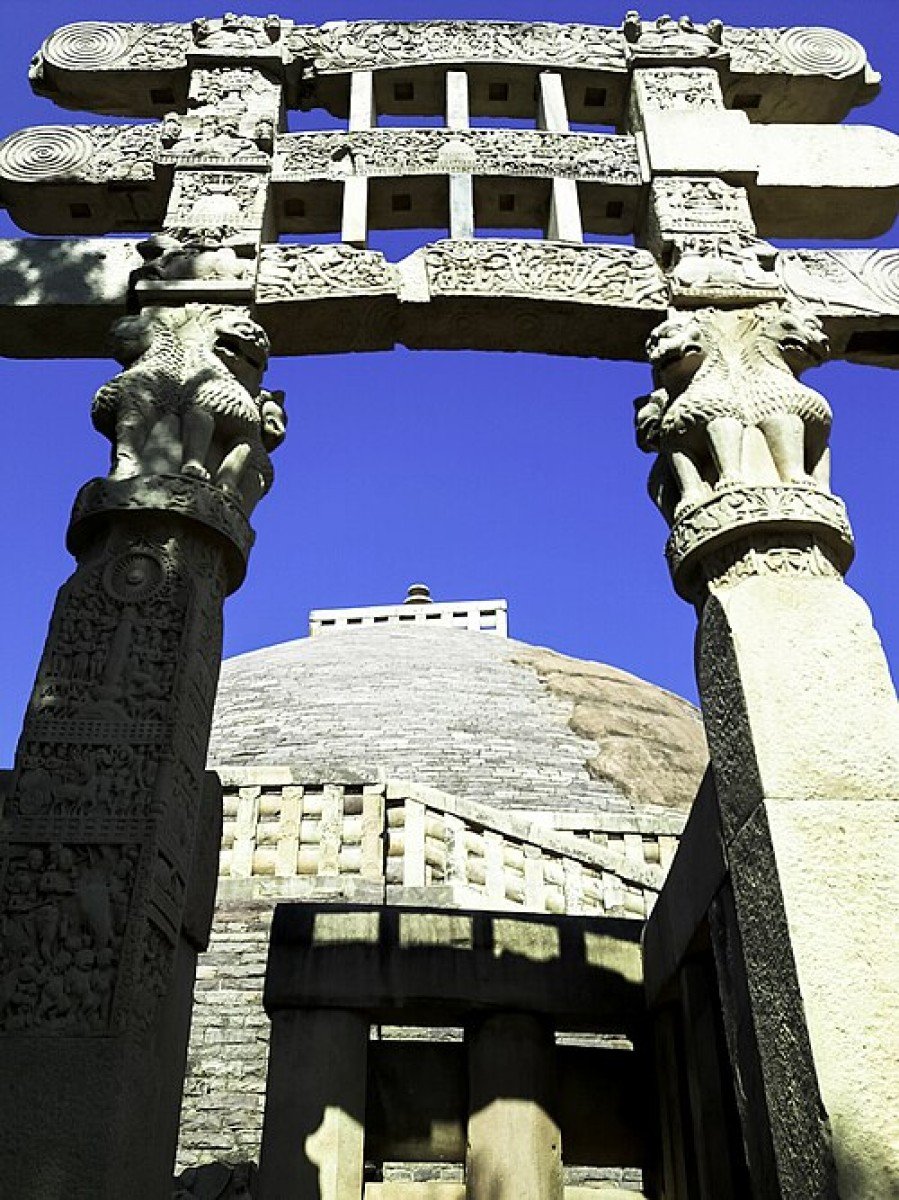
Studying the Architecture: Compare the simple, functional architecture of the Modern Vihara with the highly ornate, ancient stone monuments on the hill, appreciating the evolution of Buddhist architecture over two millennia.
Browsing the Book Shop: The Vihara often has a small shop selling Buddhist literature, prayer beads, and cultural artifacts, which is a great place to pick up meaningful souvenirs and support the monastic community.
Participating in Seva (Service): On specific days, visitors may have the opportunity to participate in voluntary service, such as cleaning the premises or assisting with food preparation, offering a deeper connection to the principles of monastic life.
Information
-
Why Famous:
Relics of the Chief Disciples: Its fame rests almost entirely on the presence of the relics of Sariputta and Maha Moggallana. The relics are a key spiritual draw, transforming the Vihara into one of the most sacred pilgrimage destinations in the Buddhist world outside of th...Relics of the Chief Disciples: Its fame rests almost entirely on the presence of the relics of Sariputta and Maha Moggallana. The relics are a key spiritual draw, transforming the Vihara into one of the most sacred pilgrimage destinations in the Buddhist world outside of the original sites of the Buddha’s life. Their presence provides a tangible link to the earliest days of Buddhism.
International Buddhist Hub: It is a vibrant center for the Maha Bodhi Society, symbolizing the enduring international connection of Buddhism with countries like Sri Lanka, Myanmar, and Thailand. It represents the revival of Buddhism in India and the global spiritual community. -
Architecture:
Contemporary Buddhist Architecture: The structure exhibits a simpler, functional architecture typical of 20th-century religious buildings, designed for monastic life. It often incorporates white walls, large windows, and a relatively flat or slightly sloped roof, in contras...Contemporary Buddhist Architecture: The structure exhibits a simpler, functional architecture typical of 20th-century religious buildings, designed for monastic life. It often incorporates white walls, large windows, and a relatively flat or slightly sloped roof, in contrast to the heavily carved stone of the ancient stupas.
Design Elements: It usually features a central shrine room or meditation hall (Vihara), surrounding cells (monasteries) for the monks, and a prominent Chaitya or Dagoba-style dome structure visible from the exterior, reflecting Sri Lankan influence. The compound includes gardens and prayer flags, creating a tranquil atmosphere. The primary dimension is the large, open prayer hall required to accommodate international pilgrims, often built on a large, walled campus to provide a serene, secluded environment for the resident monks. -
How To Reach:
By Air: Located roughly 55 km from Raja Bhoj Airport, Bhopal (BHO). The Vihara is situated directly at the base of the hill, making it the first stop upon reaching Sanchi town via the main road from Bhopal.
By Train: The closest rail access...By Air: Located roughly 55 km from Raja Bhoj Airport, Bhopal (BHO). The Vihara is situated directly at the base of the hill, making it the first stop upon reaching Sanchi town via the main road from Bhopal.
By Train: The closest rail access is Sanchi Railway Station (SCI), less than 1 km away. An auto-rickshaw from the station will reach the Vihara in minutes. Vidisha (10 km) and Bhopal (50 km) are the main junctions.
By Road: The Vihara is right beside the main road leading up the hill to the archaeological site. It is a landmark easily reached by state bus or hired taxi from Bhopal and Vidisha.
By Local Transport: It's easily accessible by foot or a quick cycle-rickshaw/auto-rickshaw ride from any point in Sanchi town, being a primary local landmark. -
Weather and Best Time to Visit:
Different Types of Seasons: Winter (October to March) is perfect due to the pleasant weather, ideal for the spiritual tranquility of the open campus. Monsoon also offers beautiful, lush green surroundings, enhancing the quietude of the Vihara, though meditation might be int...Different Types of Seasons: Winter (October to March) is perfect due to the pleasant weather, ideal for the spiritual tranquility of the open campus. Monsoon also offers beautiful, lush green surroundings, enhancing the quietude of the Vihara, though meditation might be interrupted by rain. Summer is challenging due to the intense heat in the open grounds.
Different Parts of the Day: Late Afternoon is highly recommended for the possible presence of the monastic community during prayer. Early Morning is also a very tranquil time for personal reflection and a quiet walk around the grounds before the main influx of pilgrims. -
Near Tourist Places:
Sanchi Railway Station (SCI) (1 km)Great Bowl (Mahaparinirvana) (500m)Sanchi Stupa Complex Entrance (500m)Vidisha (10 km)Udayagiri Caves (13 km)Bhopal (46 km)Islamnagar Palace (50 km)Bhojpur Temple (65 km)Bhimbetka Rock Shelters (90 km)Hoshangabad (120 km):
Tourism Tips
-
Health & safety: Remove your footwear before entering the shrine area, as is the custom. Dress respectfully by covering your shoulders and knees, especially when entering the main prayer hall.
Packing: Carry a small water bottle and try to ...Health & safety: Remove your footwear before entering the shrine area, as is the custom. Dress respectfully by covering your shoulders and knees, especially when entering the main prayer hall.
Packing: Carry a small water bottle and try to maintain silence within the Vihara premises, adhering to the spiritual sanctity of the location. A small notebook for reflection is useful.
Accommodation: The Vihara offers basic guesthouse/dharamshala facilities for visiting pilgrims, particularly those from international Buddhist societies. Booking well in advance is essential. Bhopal offers luxury options.
Other Different Topics:
Etiquette: Always maintain a quiet and respectful demeanor. Do not interrupt a monk in prayer or conversation without permission.
Photography: Ask permission before taking pictures inside the main shrine or of the resident monks, showing cultural respect.
Reviews
FAQs
Sanchi Itineray And Cost:-
Other Places In Sanchi :-
Other States In India :-
Information about New and Updated Locations() of Madhya Pradesh Has Been Added :-
Card subtitle
Note:-
Information provided here in good Faith and for reference only.
Near Places

Mata Mandir
Some quick example text to build on the card title and make up the bulk of the card's content.
Go somewhere
Sanchi Museum
Some quick example text to build on the card title and make up the bulk of the card's content.
Go somewhere
The Great Bowl
Some quick example text to build on the card title and make up the bulk of the card's content.
Go somewhere
Turtle Rock
Some quick example text to build on the card title and make up the bulk of the card's content.
Go somewhere
Western Gateway
Some quick example text to build on the card title and make up the bulk of the card's content.
Go somewhere
Zoo Rock
Some quick example text to build on the card title and make up the bulk of the card's content.
Go somewherein Other Cities