

Bhopal
General information
-
Ideal Duration:
2 to 3 DaysPlace Type:
Heritage / UrbanEntry Fees:
Museum Entry: Entry to the Tribal Museum and Manav Sangrahalaya is around Rs.50 for Indians; Van Vihar vehicle entry starts from Rs.200 for cars.
Mosque Entry: Entry to the major mosques is free for all, but visitors must dress modestly and fol...Museum Entry: Entry to the Tribal Museum and Manav Sangrahalaya is around Rs.50 for Indians; Van Vihar vehicle entry starts from Rs.200 for cars.
Mosque Entry: Entry to the major mosques is free for all, but visitors must dress modestly and follow the religious protocols of the premises.Timing:
Museum Timings: Most museums are open from 10:30 AM to 5:30 PM and remain closed on Mondays and national holidays throughout the year.
Lakeside Hours: The Upper Lake area is vibrant from 6:00 AM (for walkers) until 10:00 PM, offering a safe ...Museum Timings: Most museums are open from 10:30 AM to 5:30 PM and remain closed on Mondays and national holidays throughout the year.
Lakeside Hours: The Upper Lake area is vibrant from 6:00 AM (for walkers) until 10:00 PM, offering a safe and lively environment for evening visitors.Special Events:
Ijtema: One of the world's largest Islamic congregations held annually at the Ghashipura grounds, attracting millions of pilgrims for spiritual discourse and prayers.
Lokrang: A five-day folk festival celebrated in January that showcases the...Ijtema: One of the world's largest Islamic congregations held annually at the Ghashipura grounds, attracting millions of pilgrims for spiritual discourse and prayers.
Lokrang: A five-day folk festival celebrated in January that showcases the diverse tribal dances, music, and crafts of Madhya Pradesh and other Indian states.Best Photo Spots:
Upper Lake Viewpoint: The promenade near the Boat Club is the best place to capture the vast expanse of water and the statue of Raja Bhoj against the horizon.
Taj-ul-Masajid: The massive red sandstone courtyard and the white marble domes pro...Upper Lake Viewpoint: The promenade near the Boat Club is the best place to capture the vast expanse of water and the statue of Raja Bhoj against the horizon.
Taj-ul-Masajid: The massive red sandstone courtyard and the white marble domes provide a perfect setting for architectural and symmetrical photography.Photo Gallery
Things To Do
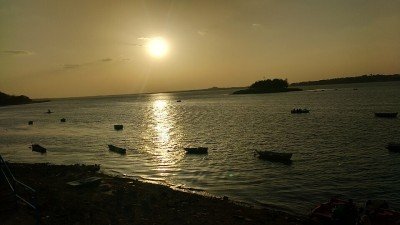 @@A Historical Water Body: Also known as Bhojtal, this massive water body is one of India's oldest man-made lakes, constructed in the 11th century by the illustrious Paramara King Raja Bhoj. Legend says the King had it built to cure a skin ailment with its holy waters. It is the largest artificial lake in Madhya Pradesh, spanning about 31 square kilometers, and remains a vital source of drinking water for the city. @@Urban Oasis: The lake is the centerpiece of Bhopal, which is famously known as the "City of Lakes." It is surrounded by hills on one side and the Van Vihar National Park on the other, providing a stunning contrast of blue water, green hills, and the urban skyline. @@Symbol of Bhopal: The lake's significance is cemented by the colossal statue of Raja Bhoj in the middle of the water, a constant reminder of its historical legacy and its importance to the city's ecosystem and culture.
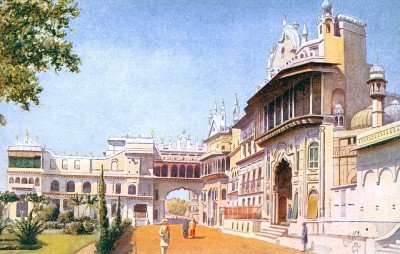 @@History and Construction: The Shaukat Mahal was built in the early 19th century (around the 1830s) by Nawab Sikandar Jahan Begum for her beloved husband, Nawab Waqar-ul-Mulk, standing as a unique symbol of love and architectural fusion in Bhopal. It is part of the royal quadrangle around Iqbal Maidan and sits next to Sadar Manzil. The structure has witnessed the glorious history and the administrative life of the Begums of Bhopal and is currently partially under the control of the Municipal Corporation, reflecting its past royal and present civic importance. @@A Blend of Cultures: The palace is notable for its exceptional blend of Indo-Islamic and European architectural styles, a rarity in the region. The facade and columns showcase this blend beautifully, giving it a distinctive and picturesque appearance that sets it apart from the more traditional Islamic structures in the city. The palace's current slightly dilapidated condition adds a sense of ancient, romantic decay.
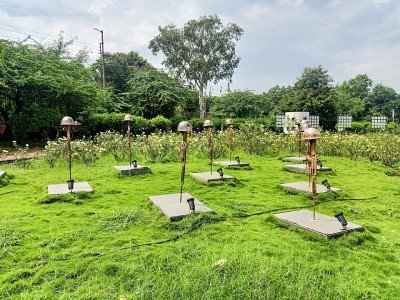 Chinar Park is one of the most prominent and popular public parks located in the heart of New Bhopal, nestled near the bustling Vyapam Square on Link Road 1. It serves as an essential green lung for the city's inhabitants, providing a much-needed retreat from the urban sprawl and traffic. The park is characterized by its expansive open lawns, well-maintained gardens, and numerous towering Chinar trees, which give the park its name and offer ample shade, especially during the hot summer months. It's a favorite destination for morning walkers, joggers, and fitness enthusiasts, as it features well-laid, long walking and running tracks. The park has a simple yet functional design, focusing on open space and natural beauty rather than elaborate structures. Over the years, it has become a central social and recreational hub for the residents of nearby areas like Arera Colony and Malviya Nagar. Families frequently visit the park for leisurely picnics and children's playtime, thanks to the dedicated play areas. The park's central location makes it easily accessible, contributing to its high footfall. Though not a historical site, its history is tied to the city's urban planning, as it was developed to ensure public access to open green space amidst rapid development. Its tranquility and natural splendor provide a refreshing experience for all who visit, enchanting both locals and visitors with its blend of natural serenity and simple artistic installations. It often hosts local events and gatherings due to its open spaces and central location.
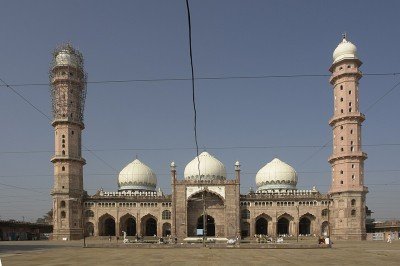 @@Architectural Grandeur: The name literally translates to "Crown Among Mosques," and it is one of the largest mosques in India and Asia, with a capacity for approximately 175,000 worshippers. The foundation of its construction was laid during the reign of Nawab Shah Jahan Begum in the late 19th century (c. 1870s), but the work was halted due to a lack of funds and was finally completed much later in 1971. @@The Pink Facade: The striking pink exterior facade sets it apart from many other mosques and provides a magnificent visual spectacle. The sheer scale and meticulous detailing of the structure are breathtaking, reflecting a commitment to grand Islamic architecture. It is an active place of worship and also serves as a madrasa (Islamic school). @@Annual Congregation: For many years, the mosque hosted the annual Bhopal Tablighi Ijtema, one of the largest Muslim congregations in the world, though this event has now been shifted to a larger location outside the city.
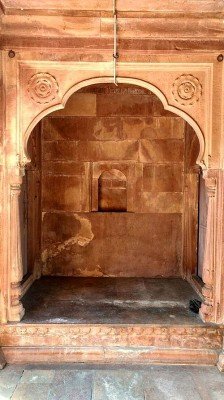 @@Architectural Marvel of the Begum Era: The Moti Masjid (Pearl Mosque) is a stunning 19th-century mosque located in the heart of Bhopal's Old City. It was built in 1860 by Sikander Jahan Begum (ruler of Bhopal from 1860–1868), one of the city's four powerful female rulers. The mosque is often compared to Delhi's famous Jama Masjid due to its similar design, albeit on a smaller scale. Its pristine white marble facade, contrasting red towers, and black domes give it a distinct and graceful appearance. It stands as a powerful symbol of the progressive and sophisticated architectural vision of the Begums of Bhopal. It remains an active place of worship and a key heritage landmark.
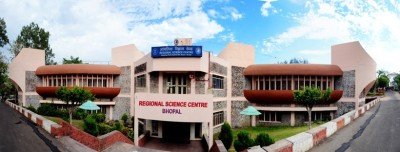 @@Centre for Scientific Education and Fun: The Regional Science Centre (RSC) Bhopal is a unit of the National Council of Science Museums (NCSM), Ministry of Culture, Government of India. It serves as a popular educational and recreational destination, especially for students and families. The center is dedicated to promoting science and technology through engaging and interactive exhibits. It features permanent galleries on various themes (like Energy, Fun Science, Information Technology) and a massive outdoor science park with large working models and exhibits that demonstrate scientific principles in a fun, hands-on manner. It plays a vital role in fostering scientific temper and curiosity in the region.
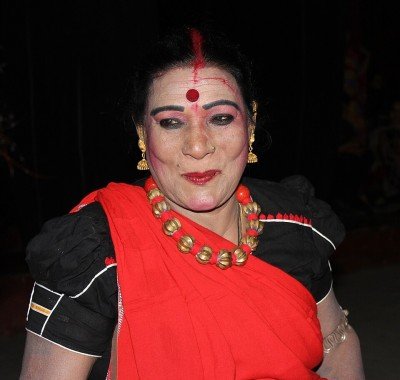 Bharat Bhavan is an autonomous multi-arts complex and museum established and funded by the Government of Madhya Pradesh, inaugurated on February 13, 1982, by then Prime Minister Indira Gandhi. It is an iconic institution designed by the internationally renowned architect Charles Correa. The complex is strategically situated on the slopes of Shamla Hills, overlooking the scenic Upper Lake (Bhojtal), providing a beautiful and serene backdrop for artistic endeavors. The Bhavan is a unique institution in India, dedicated to the preservation, promotion, and dissemination of various forms of art, including visual, performing, and literary arts. It houses several distinct wings: Roopankar (Museum of Fine and Tribal Art), Rangmandal (Repertory Theatre), Vagarth (Centre of Indian Poetry and Literature), Anhad (A Library of Classical and Folk Music), and various workshops and galleries. The institution grew rapidly in its initial decade, attracting a large number of artists, scholars, and cultural enthusiasts from across India and the world, cementing its status as a major cultural landmark. The entire complex is a celebration of Indian artistic tradition, ranging from contemporary fine arts to indigenous tribal and folk expressions. It serves as a meeting ground for established and emerging artists, offering them a platform through workshops, exhibitions, and performance spaces. The architecture itself is considered a masterpiece, blending modern aesthetics with traditional Indian concepts of open courtyards and terraces. It is a non-profit organization managed by an autonomous trust, ensuring its independence and focus on artistic integrity.Show All
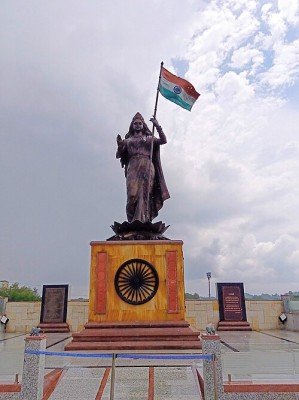 @@Dedication to Martyrs: Shaurya Smarak is a state-of-the-art national war memorial and museum dedicated to the valor and sacrifice of the Indian Armed Forces (Army, Navy, and Air Force). It was inaugurated by Prime Minister Narendra Modi on October 14, 2016. The Smarak is a symbol of gratitude and respect for the soldiers who have protected the nation. @@The Design Concept: Spread over 12.6 acres on Arera Hills, the design is deeply symbolic. The central feature is the 'Shaurya Stambh' (Column of Valor), an artistic rendition of a rising flame representing the immortal spirit of the martyrs. The complex features an underground museum, a Wall of Valor, and beautifully landscaped gardens for a serene, contemplative experience. @@Patriotism and Education: The Smarak is a major educational site, featuring installations and exhibits that trace the history of the Indian military, famous battles, and the life and hardship of a soldier, including an area that simulates the harsh conditions of the Siachen Glacier. It is a must-visit to instill a sense of national pride.
Information
-
Why Famous:
City of Begums: It is historically unique for being ruled by a succession of four powerful Begums who modernised the city's administration and infrastructure.
Bhojtal: The massive 11th-century lake is a marvel of ancient hydraulic engineerin...City of Begums: It is historically unique for being ruled by a succession of four powerful Begums who modernised the city's administration and infrastructure.
Bhojtal: The massive 11th-century lake is a marvel of ancient hydraulic engineering and serves as the primary source of water and beauty for the city. -
Architecture:
Indo-Islamic Blend: The city's architecture features a mix of Mughal and European styles, seen in structures like the Shaukat Mahal, which has Gothic and Post-Renaissance elements.
Dimensions: The Taj-ul-Masajid is the largest mosque in Indi...Indo-Islamic Blend: The city's architecture features a mix of Mughal and European styles, seen in structures like the Shaukat Mahal, which has Gothic and Post-Renaissance elements.
Dimensions: The Taj-ul-Masajid is the largest mosque in India, featuring three enormous marble domes and two 18-story tall octagonal minarets that dominate the city's skyline. -
How To Reach:
By Air: Raja Bhoj International Airport has frequent flights from Delhi, Mumbai, Bangalore, and other major cities with easy taxi access to the center.
By Train: Bhopal Junction and Rani Kamlapati (RKMP) are top-tier stations with Vande Bhar...By Air: Raja Bhoj International Airport has frequent flights from Delhi, Mumbai, Bangalore, and other major cities with easy taxi access to the center.
By Train: Bhopal Junction and Rani Kamlapati (RKMP) are top-tier stations with Vande Bharat and Shatabdi connectivity to all parts of India.
By Road: It is the central hub of the state, with excellent bus services from Indore (190 km), Ujjain (190 km), and Gwalior (420 km) via highways.
By Local Transport: The city has an efficient BRTS bus system; app-based cabs like Ola and Uber are widely available along with traditional auto-rickshaws. -
Weather and Best Time to Visit:
Winter Season: October to March is the most pleasant time for sightseeing, as the weather is mild and perfect for exploring the outdoor museums and parks.
Monsoon Season: July to September makes the lakes overflow and the surrounding hills t...Winter Season: October to March is the most pleasant time for sightseeing, as the weather is mild and perfect for exploring the outdoor museums and parks.
Monsoon Season: July to September makes the lakes overflow and the surrounding hills turn neon green, creating a romantic and refreshing atmosphere for travelers. -
Near Tourist Places:
Sanchi Stupa (46 km), Bhimbetka Caves (45 km), Bhojpur Temple (28 km), Islamnagar Fort (12 km), Raisen Fort (45 km), Kerwa Dam (15 km), Ratapani Sanctuary (50 km), Manuabhan ki Tekri (5 km), Udayagiri Caves (55 km), Vidisha (56 km).
Tourism Tips
-
Health & Safety: Bhopal is generally very safe for tourists; however, be cautious of heavy traffic in the old city areas and stick to bottled water for drinking.
Packing Essentials: Pack comfortable walking shoes for the vast museum grounds...Health & Safety: Bhopal is generally very safe for tourists; however, be cautious of heavy traffic in the old city areas and stick to bottled water for drinking.
Packing Essentials: Pack comfortable walking shoes for the vast museum grounds and a camera with extra memory cards to capture the stunning architecture and sunsets.
Accommodation: Choose a hotel in the Shyamla Hills area for the best lake views or near MP Nagar for proximity to shopping malls and business centers.
Respect Culture: In the old city and mosques, ensure shoulders and knees are covered; remove shoes before entering religious sites and avoid loud talking.
Reviews
FAQs
Bhopal Itineray And Cost:-
Other Places In Madhya Pradesh :-
Other States In India :-
Information about New and Updated Locations() of Madhya Pradesh Has Been Added :-
Card subtitle
Note:-
Information provided here in good Faith and for reference only.
Near Places
Amarkantak
Some quick example text to build on the card title and make up the bulk of the card's content.
Go somewhere
Bhedaghat
Some quick example text to build on the card title and make up the bulk of the card's content.
Go somewhere
Bhopal
Some quick example text to build on the card title and make up the bulk of the card's content.
Go somewhere
Burhanpur
Some quick example text to build on the card title and make up the bulk of the card's content.
Go somewhere
Chanderi
Some quick example text to build on the card title and make up the bulk of the card's content.
Go somewhere
Chitrakoot
Some quick example text to build on the card title and make up the bulk of the card's content.
Go somewhere
Gwalior
Some quick example text to build on the card title and make up the bulk of the card's content.
Go somewhere
Indore
Some quick example text to build on the card title and make up the bulk of the card's content.
Go somewhere
Jabalpur
Some quick example text to build on the card title and make up the bulk of the card's content.
Go somewhere
Khajuraho
Some quick example text to build on the card title and make up the bulk of the card's content.
Go somewhere
Mandu
Some quick example text to build on the card title and make up the bulk of the card's content.
Go somewhere
Omkareshwar
Some quick example text to build on the card title and make up the bulk of the card's content.
Go somewhere
Orchha
Some quick example text to build on the card title and make up the bulk of the card's content.
Go somewhere
Pachmarhi
Some quick example text to build on the card title and make up the bulk of the card's content.
Go somewhere
Sagar
Some quick example text to build on the card title and make up the bulk of the card's content.
Go somewhere
Sanchi
Some quick example text to build on the card title and make up the bulk of the card's content.
Go somewherein Other Cities