

-India-(Country)-392-1200x1200.jpg?text=Slide+6)

-India-(Country)-859-1200x1200.jpg?text=Slide+10)


Gwalior
General information
-
Ideal Duration:
1 to 2 DaysPlace Type:
Heritage / FortsEntry Fees:
Fort Entry: 75 INR for Indians and 250 INR for Foreigners. This covers most major monuments inside the fort complex.
Museum Fees: 150 INR for the Jai Vilas Palace museum visit. Camera fees are extra and vary by the type of equipment. ...Fort Entry: 75 INR for Indians and 250 INR for Foreigners. This covers most major monuments inside the fort complex.
Museum Fees: 150 INR for the Jai Vilas Palace museum visit. Camera fees are extra and vary by the type of equipment.Timing:
Opening Hours: The Fort is open from 8:00 AM to 6:00 PM. Museums usually open later, around 10:00 AM daily.
Best Time: Late afternoons are ideal to catch the sunset from the fort. The orange sky behind the fort walls is spectacular. ...Opening Hours: The Fort is open from 8:00 AM to 6:00 PM. Museums usually open later, around 10:00 AM daily.
Best Time: Late afternoons are ideal to catch the sunset from the fort. The orange sky behind the fort walls is spectacular.Special Events:
Tansen Samaroh: A world-class music festival held every December. Artists from across the globe perform near Tansen's tomb.
Gwalior Trade Fair: One of the largest fairs in North India in January. It offers everything from electronics to tr...Tansen Samaroh: A world-class music festival held every December. Artists from across the globe perform near Tansen's tomb.
Gwalior Trade Fair: One of the largest fairs in North India in January. It offers everything from electronics to traditional crafts.Best Photo Spots:
Man Mandir Palace: The turquoise blue tiles create a stunning contrast. Early morning light is best for capturing the tile details.
Gopachal Parvat: The giant rock-cut Jain Tirthankara statues are majestic. These are some of the largest mo...Man Mandir Palace: The turquoise blue tiles create a stunning contrast. Early morning light is best for capturing the tile details.
Gopachal Parvat: The giant rock-cut Jain Tirthankara statues are majestic. These are some of the largest monolithic statues in India.Photo Gallery


-India-(Country)-392-1200x1200.jpg)


-India-(Country)-859-1200x1200.jpg)
Things To Do
 Teli Ka Mandir, meaning 'Oilman's Temple', is an imposing Hindu temple situated within the massive Gwalior Fort complex. Dated to the 8th or 9th century CE, it is one of the oldest and tallest structures inside the fort, standing at approximately 80-100 feet in height. Its name is believed to derive from a legend that it was financed or built by the wealthy Teli (oil-presser) community, or perhaps due to the South Indian architecture suggesting a connection to Telangana. The temple is dedicated to a synthesis of deities, including Shiva, Vishnu (represented by a magnificent Garuda relief), and the Matrikas (Mother Goddesses), showcasing the inclusive nature of early medieval Hinduism. Its most unique feature is its architectural style: a rare and magnificent blend of the North Indian Nagara style (particularly the upper section and spire) with the distinct barrel-vaulted roof and towering gate-like structure of the South Indian Dravidian style (Gopuram). This architectural anomaly makes it a fascinating study for historians and architects. The temple has suffered damage over centuries of conflict but has been restored and now stands as a powerful testament to India's artistic and religious heritage, dominating the skyline of the fortress.
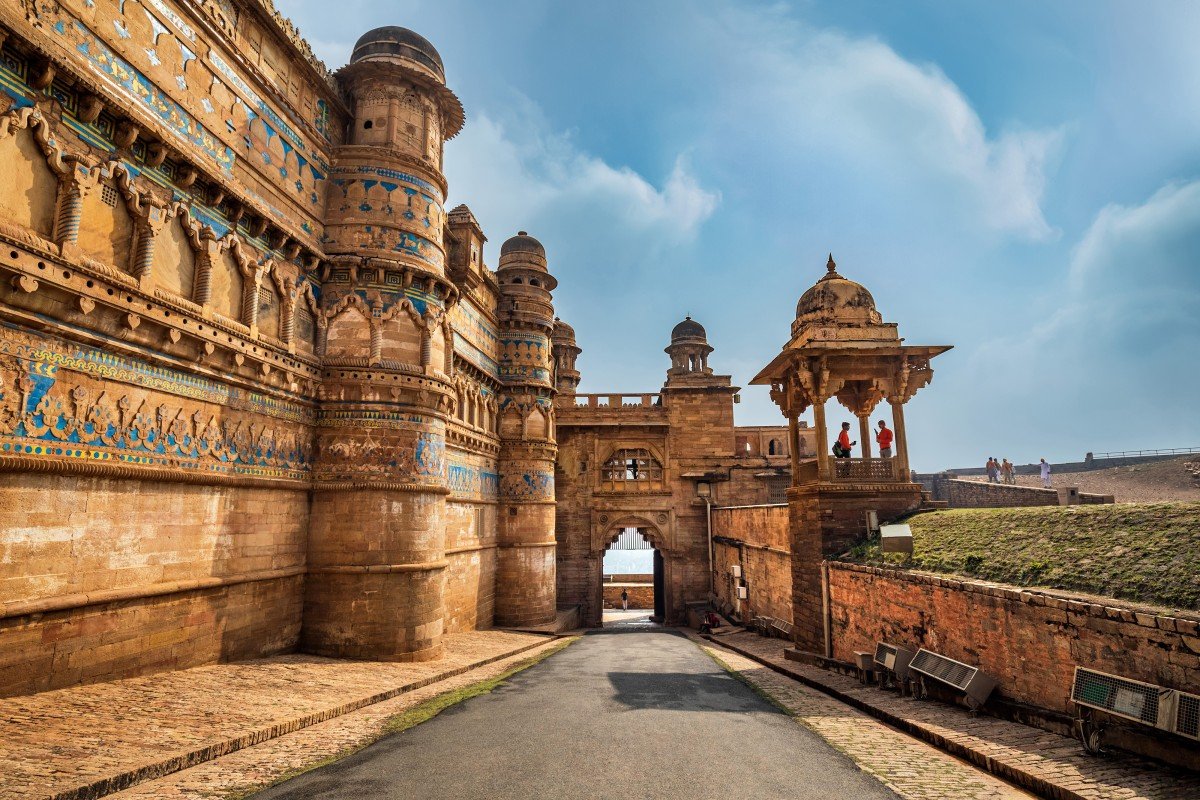
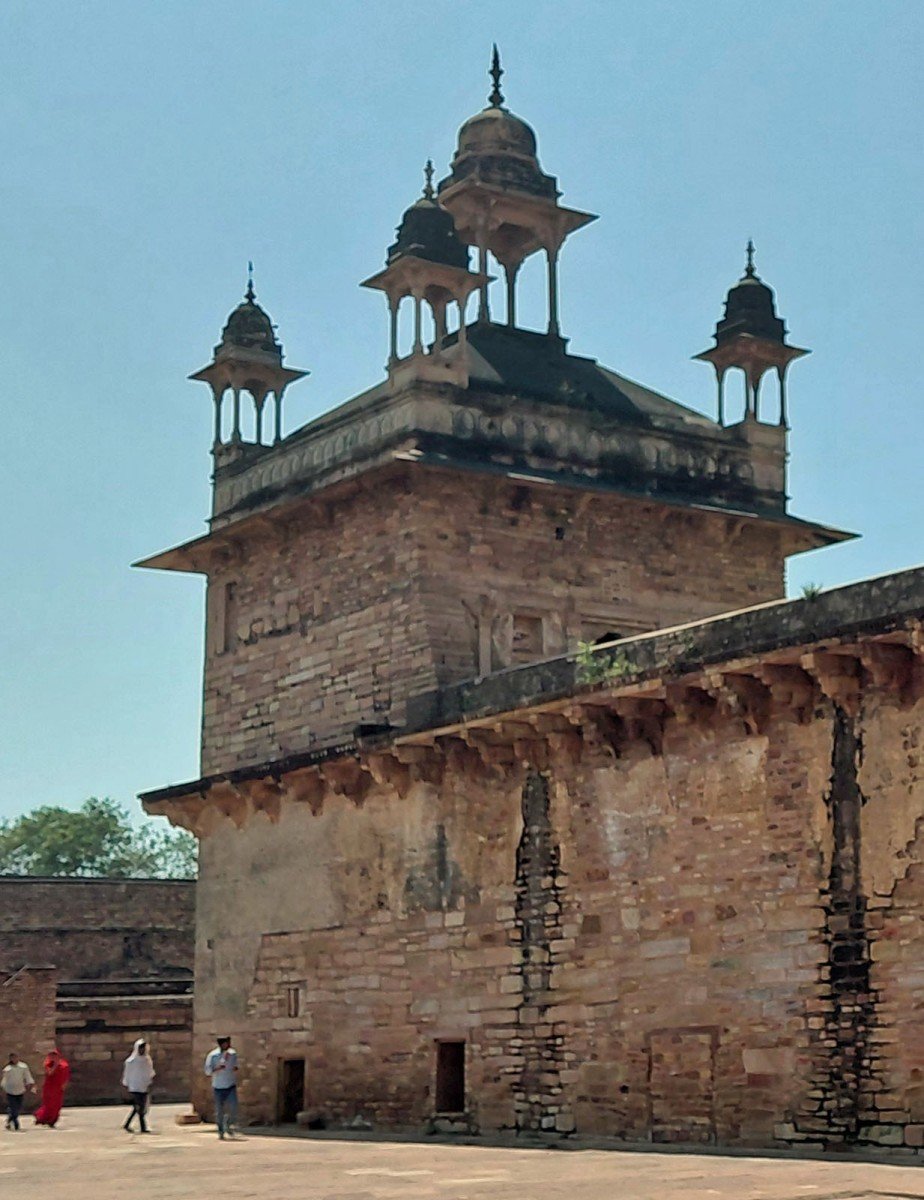
@@Architectural and Royal History: Built between 1486 and 1516 AD by the Tomar dynasty ruler, Raja Man Singh Tomar, the Man Mandir Palace is a magnificent example of pre-Mughal Hindu architecture, blending Rajputana style with unique regional elements. It was famously constructed for his favorite queen, Mrignayani, who had nine handmaids. The palace is also known as Chit Mandir (Painted Palace) due to its vibrant exterior decoration, which originally featured bright blue, yellow, green, and turquoise colored tiles and friezes of ducks, elephants, tigers, and floral patterns. The structure is multi-level, with two storeys above ground and two underground. The underground chambers, locally called 'Bhool Bhulaiya' (Labyrinth), were used by the royal family, especially during the hot summer months, and later by the Mughals to imprison high-ranking officials. The palace's construction is noted for its early use of color in stone architecture. It features a central open courtyard and chambers designed for royal audiences. Although partially destroyed during later invasions, the surviving facade and structural elements still showcase the grandeur and artistic vision of Raja Man Singh Tomar and the peak of the Tomar dynasty's power.:
Teli Ka Mandir, meaning 'Oilman's Temple', is an imposing Hindu temple situated within the massive Gwalior Fort complex. Dated to the 8th or 9th century CE, it is one of the oldest and tallest structures inside the fort, standing at approximately 80-100 feet in height. Its name is believed to derive from a legend that it was financed or built by the wealthy Teli (oil-presser) community, or perhaps due to the South Indian architecture suggesting a connection to Telangana. The temple is dedicated to a synthesis of deities, including Shiva, Vishnu (represented by a magnificent Garuda relief), and the Matrikas (Mother Goddesses), showcasing the inclusive nature of early medieval Hinduism. Its most unique feature is its architectural style: a rare and magnificent blend of the North Indian Nagara style (particularly the upper section and spire) with the distinct barrel-vaulted roof and towering gate-like structure of the South Indian Dravidian style (Gopuram). This architectural anomaly makes it a fascinating study for historians and architects. The temple has suffered damage over centuries of conflict but has been restored and now stands as a powerful testament to India's artistic and religious heritage, dominating the skyline of the fortress.
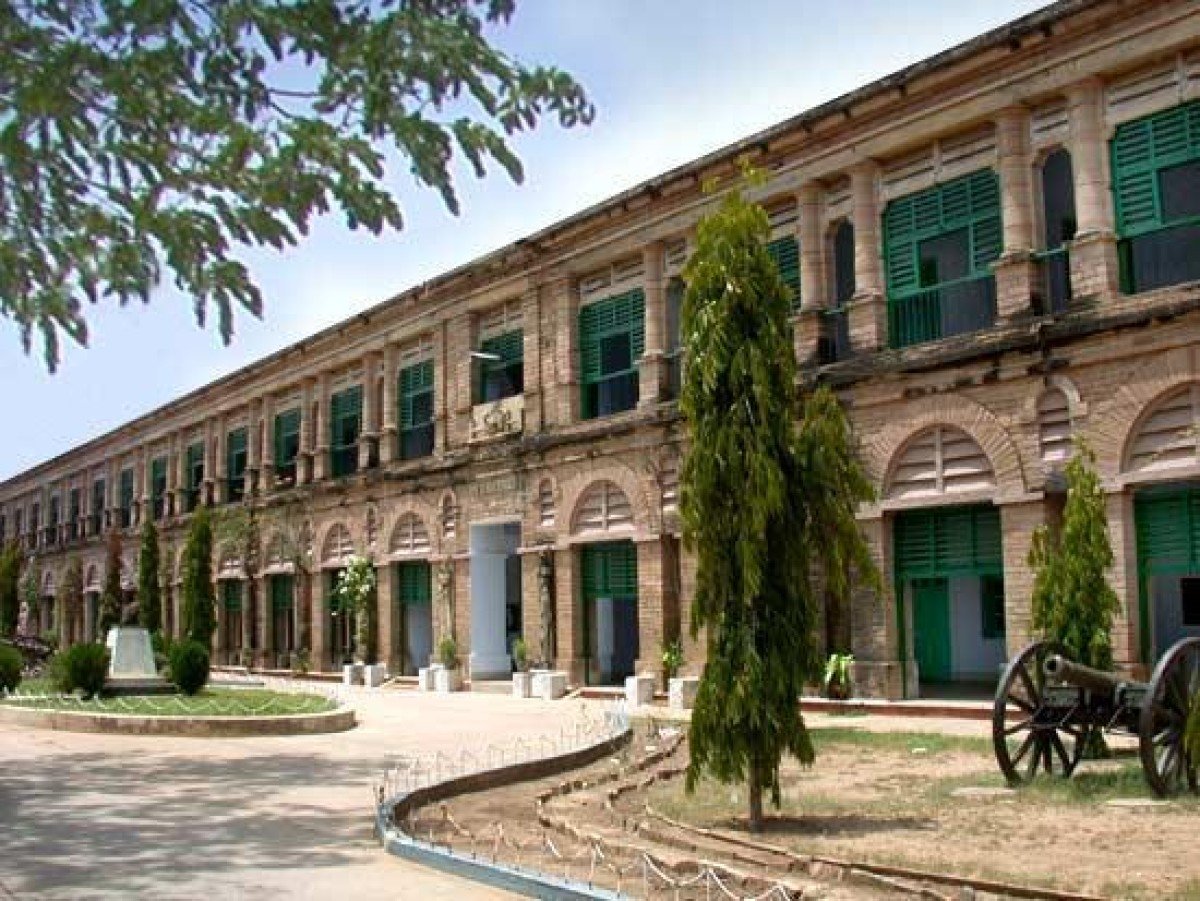
@@Architectural and Royal History: Built between 1486 and 1516 AD by the Tomar dynasty ruler, Raja Man Singh Tomar, the Man Mandir Palace is a magnificent example of pre-Mughal Hindu architecture, blending Rajputana style with unique regional elements. It was famously constructed for his favorite queen, Mrignayani, who had nine handmaids. The palace is also known as Chit Mandir (Painted Palace) due to its vibrant exterior decoration, which originally featured bright blue, yellow, green, and turquoise colored tiles and friezes of ducks, elephants, tigers, and floral patterns. The structure is multi-level, with two storeys above ground and two underground. The underground chambers, locally called 'Bhool Bhulaiya' (Labyrinth), were used by the royal family, especially during the hot summer months, and later by the Mughals to imprison high-ranking officials. The palace's construction is noted for its early use of color in stone architecture. It features a central open courtyard and chambers designed for royal audiences. Although partially destroyed during later invasions, the surviving facade and structural elements still showcase the grandeur and artistic vision of Raja Man Singh Tomar and the peak of the Tomar dynasty's power.: The Scindia Museum, housed within the magnificent Jai Vilas Palace, is one of the most opulent attractions in Gwalior. Built in 1874 by Maharaja Jayaji Rao Scindia, the palace was designed by Sir Michael Filose at a staggering cost of 1 crore rupees at that time. While a portion of the palace still serves as the residence of the royal Scindia family, a significant part has been converted into a world-class museum. The palace is an architectural hybrid, blending Italian, Tuscan, and Corinthian styles. The museum showcases a staggering collection of royal artifacts, including silver carriages, vintage cars, and the famous Silver Train that traveled on the dining table to serve cigars and brandy to guests. The highlight of the palace is the Durbar Hall, which features two of the world's largest chandeliers, each weighing several tons. Legend has it that eight elephants were suspended from the ceiling to test if it could withstand the weight of these massive crystal fixtures. The walls of the hall are decorated with several kilograms of gold leaf. The museum also houses personal items belonging to the Scindias, royal costumes, and a vast armory. It provides a rare look into the lifestyle of Indian royalty during the British Raj. The surrounding gardens are meticulously manicured, and the white exterior of the palace gleams under the sun, making it a photographer's dream. It is a place where history, art, and luxury converge. :
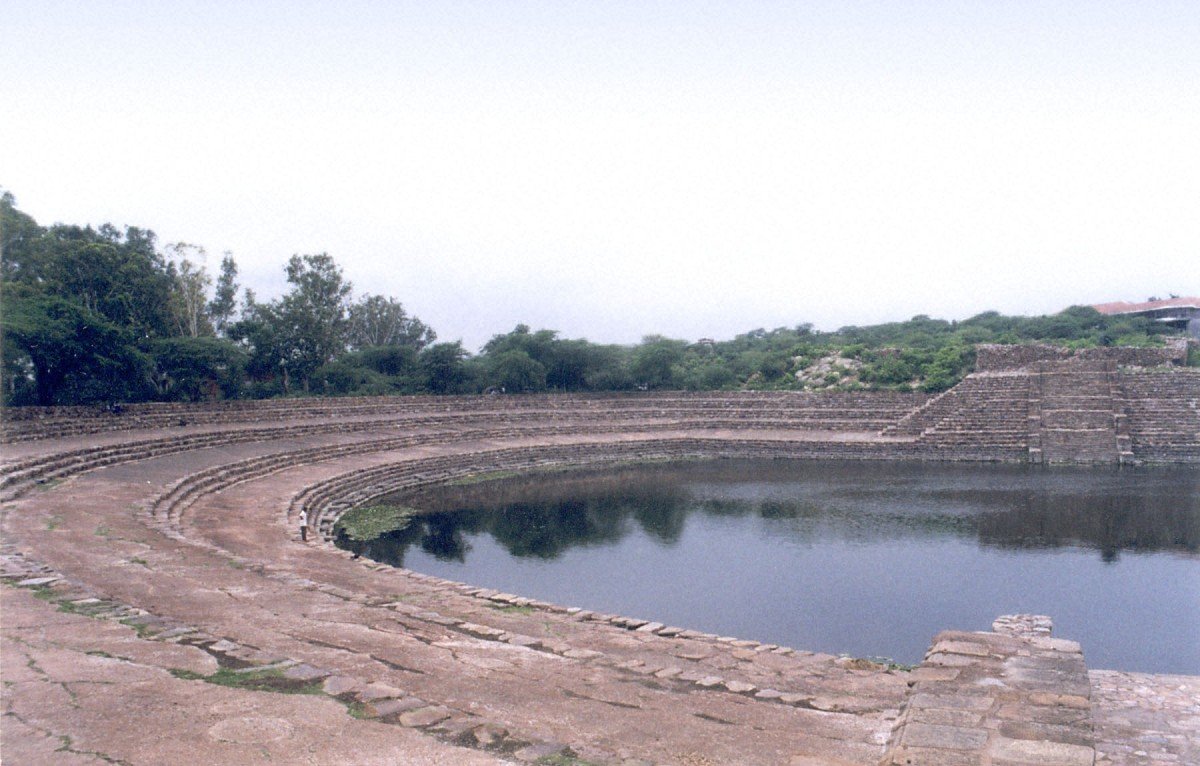
@@Historical Significance: The Assi Khamba Ki Bawadi is an ancient stepwell located within the majestic Gwalior Fort, believed to have been constructed by Maharaja Man Singh Tomar in the 16th century (around 1500 CE). According to a strong tradition, this remarkable feat of engineering was completed in an astonishingly short period, possibly just five days, to ensure a secure water supply for the fort's inhabitants, especially during a siege, such as the one in 1505. The bawadi served as a vital water storage facility for the royal household and the fort's garrison. @@A Blend of Utility and Art: Although its primary function was utilitarian, the stepwell is also a beautiful example of the era's architectural and artistic sensibilities. It is named for the eighty pillars (Assi in Hindi means eighty and Khamba means pillar), which support the multi-storied structure that descends into the earth. The cool, serene environment inside the bawadi offers a peaceful retreat, showcasing the ancient Indian engineers' skill in combining practicality with stunning design. The structure, now a historical monument, invites visitors to step back in time and appreciate the ingenuity and foresight of the Tomar dynasty rulers. (Word Count: ? 180, Aiming for Simple Language)
Jai Vilas Palace is a stunning 19th-century palace that remains the residence of the descendants of the Scindia dynasty. Built in 1874 by Maharaja Jayaji Rao Scindia, it was designed to welcome King Edward VII. The palace is an architectural masterpiece that blends European styles with Indian royalty. While a portion of the palace is still used by the royal family, a large section has been converted into the Jivaji Rao Scindia Museum. The museum showcases the opulent lifestyle of the Maratha rulers, featuring rare artifacts like a Solid Silver Train that served cigars and wine on the dining table. The highlight is the Durbar Hall, which houses two of the world's largest chandeliers. It is said that ten elephants were suspended from the ceiling to test if it could hold the weight of these massive crystal fixtures. The palace is a symbol of Gwalior’s royal grandeur.
@@Founding and Vision: Sarod Ghar, officially known as the Ustad Hafiz Ali Khan Memorial Trust, is a unique museum dedicated to the preservation and promotion of Indian classical music. It was established in the 1990s by the legendary Sarod maestro Ustad Amjad Ali Khan in the memory of his father and guru, Ustad Hafiz Ali Khan. Crucially, the museum is housed in the family’s own ancestral home in Gwalior, a city that is the birthplace of the Gwalior Gharana (School) of Hindustani classical music and the tradition of the Senia Bangash lineage of Sarod players. The establishment’s primary aim is to create an archive of instruments, documents, and recordings related to the history and evolution of Indian classical music. It serves as a vital resource for scholars, musicians, and enthusiasts. The exhibits feature rare and ancient musical instruments, some belonging to the ancestors of Ustad Amjad Ali Khan (like the Rabab and early Sarods), as well as instruments donated by other great masters of Indian music, representing a tangible link to India’s rich sonic heritage.:
The Scindia Museum, housed within the magnificent Jai Vilas Palace, is one of the most opulent attractions in Gwalior. Built in 1874 by Maharaja Jayaji Rao Scindia, the palace was designed by Sir Michael Filose at a staggering cost of 1 crore rupees at that time. While a portion of the palace still serves as the residence of the royal Scindia family, a significant part has been converted into a world-class museum. The palace is an architectural hybrid, blending Italian, Tuscan, and Corinthian styles. The museum showcases a staggering collection of royal artifacts, including silver carriages, vintage cars, and the famous Silver Train that traveled on the dining table to serve cigars and brandy to guests. The highlight of the palace is the Durbar Hall, which features two of the world's largest chandeliers, each weighing several tons. Legend has it that eight elephants were suspended from the ceiling to test if it could withstand the weight of these massive crystal fixtures. The walls of the hall are decorated with several kilograms of gold leaf. The museum also houses personal items belonging to the Scindias, royal costumes, and a vast armory. It provides a rare look into the lifestyle of Indian royalty during the British Raj. The surrounding gardens are meticulously manicured, and the white exterior of the palace gleams under the sun, making it a photographer's dream. It is a place where history, art, and luxury converge. :
@@Historical Significance: The Assi Khamba Ki Bawadi is an ancient stepwell located within the majestic Gwalior Fort, believed to have been constructed by Maharaja Man Singh Tomar in the 16th century (around 1500 CE). According to a strong tradition, this remarkable feat of engineering was completed in an astonishingly short period, possibly just five days, to ensure a secure water supply for the fort's inhabitants, especially during a siege, such as the one in 1505. The bawadi served as a vital water storage facility for the royal household and the fort's garrison. @@A Blend of Utility and Art: Although its primary function was utilitarian, the stepwell is also a beautiful example of the era's architectural and artistic sensibilities. It is named for the eighty pillars (Assi in Hindi means eighty and Khamba means pillar), which support the multi-storied structure that descends into the earth. The cool, serene environment inside the bawadi offers a peaceful retreat, showcasing the ancient Indian engineers' skill in combining practicality with stunning design. The structure, now a historical monument, invites visitors to step back in time and appreciate the ingenuity and foresight of the Tomar dynasty rulers. (Word Count: ? 180, Aiming for Simple Language)
Jai Vilas Palace is a stunning 19th-century palace that remains the residence of the descendants of the Scindia dynasty. Built in 1874 by Maharaja Jayaji Rao Scindia, it was designed to welcome King Edward VII. The palace is an architectural masterpiece that blends European styles with Indian royalty. While a portion of the palace is still used by the royal family, a large section has been converted into the Jivaji Rao Scindia Museum. The museum showcases the opulent lifestyle of the Maratha rulers, featuring rare artifacts like a Solid Silver Train that served cigars and wine on the dining table. The highlight is the Durbar Hall, which houses two of the world's largest chandeliers. It is said that ten elephants were suspended from the ceiling to test if it could hold the weight of these massive crystal fixtures. The palace is a symbol of Gwalior’s royal grandeur.
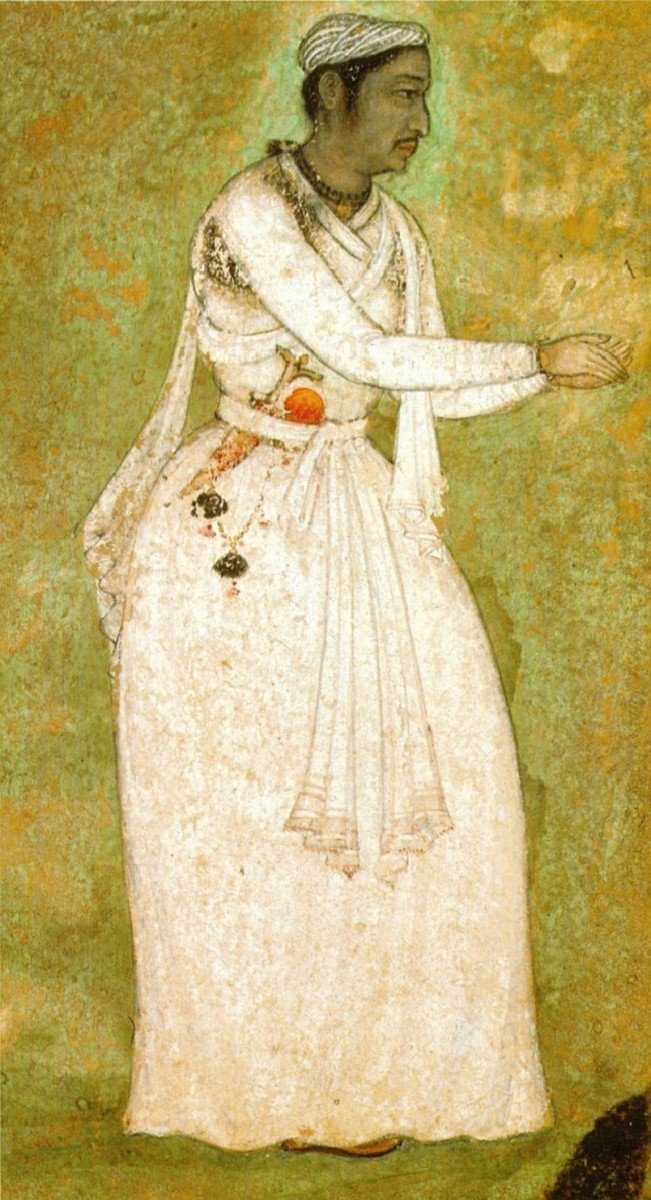
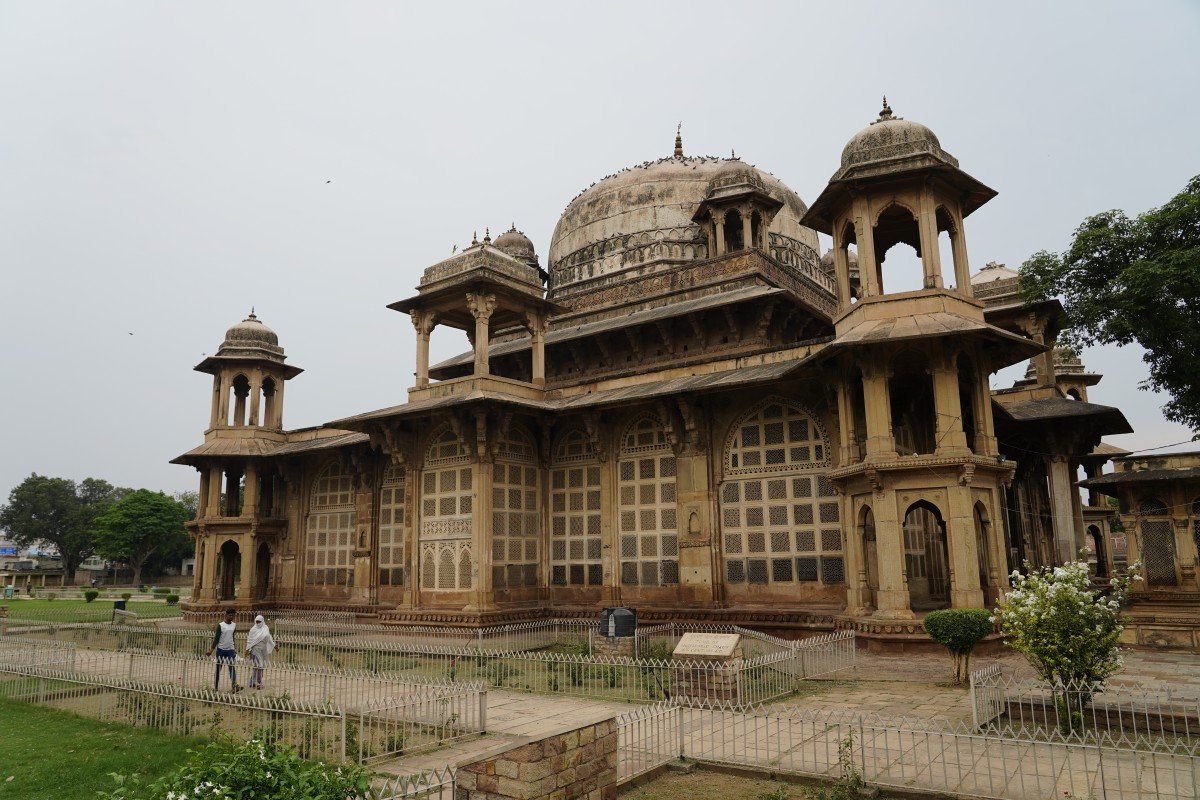
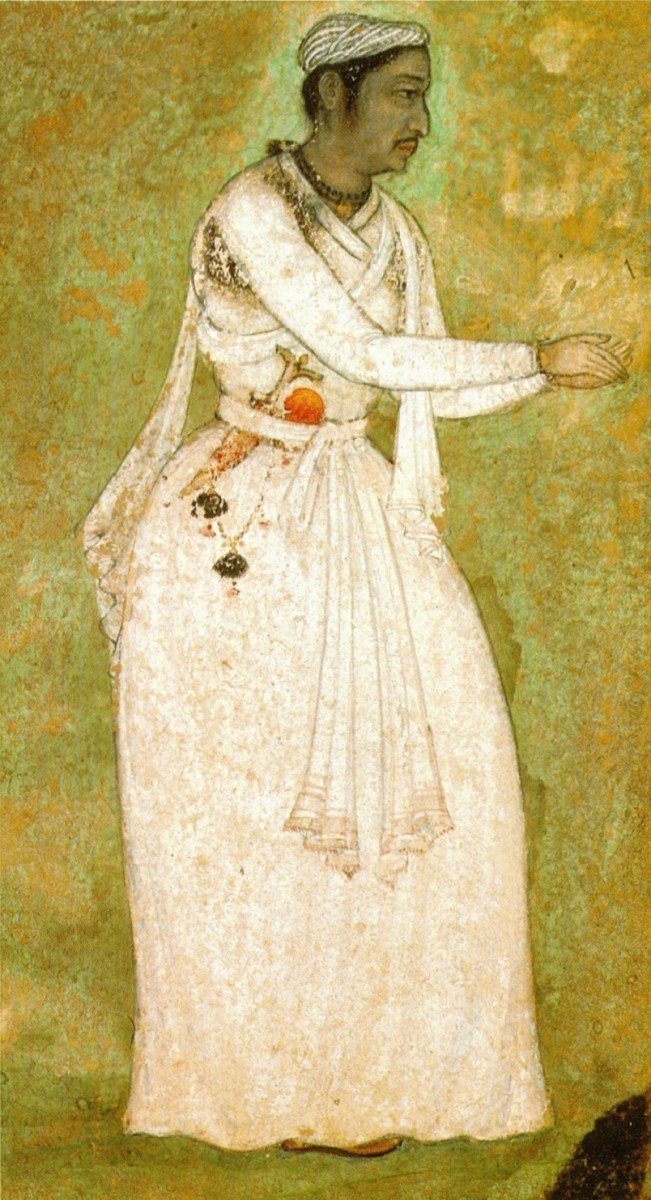
@@Founding and Vision: Sarod Ghar, officially known as the Ustad Hafiz Ali Khan Memorial Trust, is a unique museum dedicated to the preservation and promotion of Indian classical music. It was established in the 1990s by the legendary Sarod maestro Ustad Amjad Ali Khan in the memory of his father and guru, Ustad Hafiz Ali Khan. Crucially, the museum is housed in the family’s own ancestral home in Gwalior, a city that is the birthplace of the Gwalior Gharana (School) of Hindustani classical music and the tradition of the Senia Bangash lineage of Sarod players. The establishment’s primary aim is to create an archive of instruments, documents, and recordings related to the history and evolution of Indian classical music. It serves as a vital resource for scholars, musicians, and enthusiasts. The exhibits feature rare and ancient musical instruments, some belonging to the ancestors of Ustad Amjad Ali Khan (like the Rabab and early Sarods), as well as instruments donated by other great masters of Indian music, representing a tangible link to India’s rich sonic heritage.: The Tansen Music Festival Site, located at the mausoleum of the legendary musician Mian Tansen, is one of the most culturally significant spots in India. Tansen was one of the "Nine Gems" in the court of Mughal Emperor Akbar and is considered the father of Hindustani classical music. The site comprises the simple yet elegant tomb of Tansen and the much larger, ornate tomb of his spiritual mentor, Mohammad Ghaus. Every year in December, the Department of Culture, Madhya Pradesh, organizes the Tansen Samaroh here. During this festival, a grand stage is constructed, designed like a traditional palace, where the world's most renowned classical singers and instrumentalists perform. The air is filled with the ragas that Tansen himself was said to have perfected. Legend has it that there is a tamarind tree near the tomb; eating its leaves is believed to bless a singer with a melodious voice. The site is a beautiful complex of gardens, stone pavilions, and intricate jali (lattice) work. It serves as a living monument to India's musical heritage, attracting connoisseurs from across the globe. Even when the festival is not active, the site remains a place of quiet reverence for artists. The architecture reflects a mix of Mughal and regional styles, with open courtyards that allow for perfect acoustic resonance.Show All
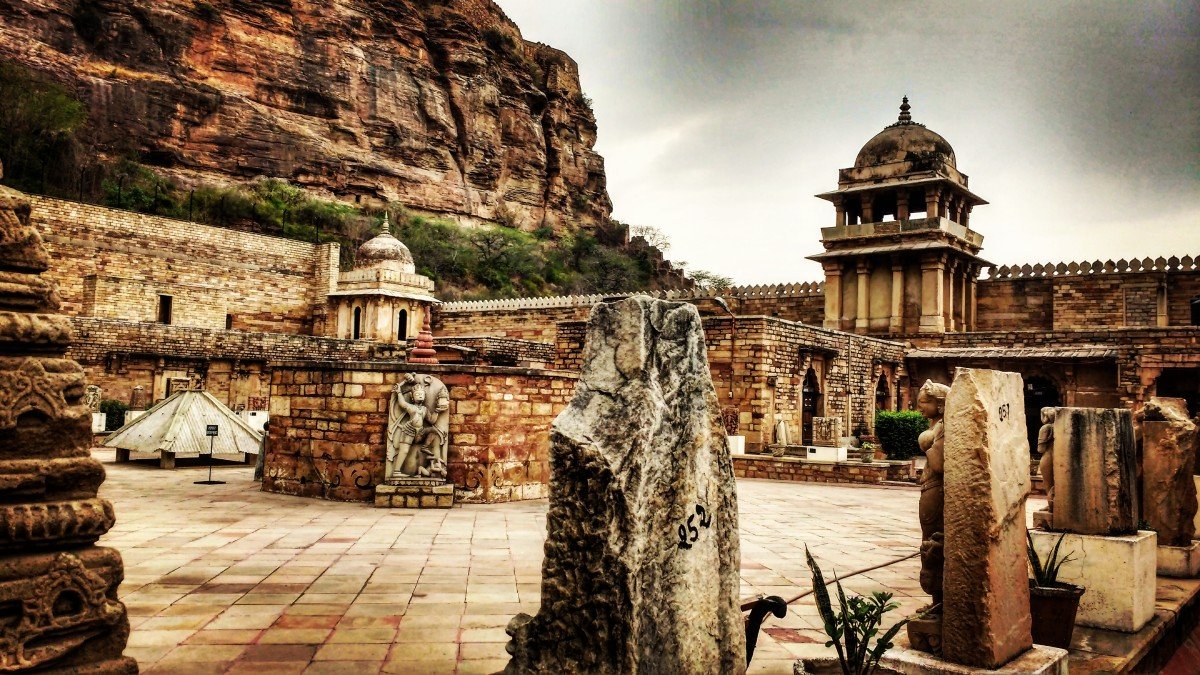
@@Spiritual Heritage: Gopachal Parvat is an incredibly sacred site for the Jain community, renowned for its spectacular group of rock-cut sculptures, primarily depicting Jain Tirthankaras. These colossal carvings are etched directly into the steep sandstone cliffs and slopes of the hill upon which the Gwalior Fort stands. @@Historical Period: The majority of these remarkable carvings date back to the 14th and 15th centuries, during the reign of the Tomar Rajput kings. This period is often referred to as a time when the Jain community experienced an artistic surge in the region. The monuments are divided into five clusters around the hill. @@Artistic Brilliance: The sculptures, which feature Tirthankaras in both seated (Padmasana) and standing (Kayotsarga) meditation postures, are a profound display of devotion and artistic mastery. They stand as one of the most extensive and unique collections of rock-cut Jain iconography in India. @@Conservation Challenge: The statues faced severe desecration and mutilation in the 16th century under the orders of Mughal Emperor Babur, who recorded his actions in his memoirs. Fortunately, the local Jain community later restored many of the idols by adding stucco heads, a testament to their enduring faith. (Word Count: ? 180, Aiming for Simple Language)
The Tansen Music Festival Site, located at the mausoleum of the legendary musician Mian Tansen, is one of the most culturally significant spots in India. Tansen was one of the "Nine Gems" in the court of Mughal Emperor Akbar and is considered the father of Hindustani classical music. The site comprises the simple yet elegant tomb of Tansen and the much larger, ornate tomb of his spiritual mentor, Mohammad Ghaus. Every year in December, the Department of Culture, Madhya Pradesh, organizes the Tansen Samaroh here. During this festival, a grand stage is constructed, designed like a traditional palace, where the world's most renowned classical singers and instrumentalists perform. The air is filled with the ragas that Tansen himself was said to have perfected. Legend has it that there is a tamarind tree near the tomb; eating its leaves is believed to bless a singer with a melodious voice. The site is a beautiful complex of gardens, stone pavilions, and intricate jali (lattice) work. It serves as a living monument to India's musical heritage, attracting connoisseurs from across the globe. Even when the festival is not active, the site remains a place of quiet reverence for artists. The architecture reflects a mix of Mughal and regional styles, with open courtyards that allow for perfect acoustic resonance.Show All
@@Spiritual Heritage: Gopachal Parvat is an incredibly sacred site for the Jain community, renowned for its spectacular group of rock-cut sculptures, primarily depicting Jain Tirthankaras. These colossal carvings are etched directly into the steep sandstone cliffs and slopes of the hill upon which the Gwalior Fort stands. @@Historical Period: The majority of these remarkable carvings date back to the 14th and 15th centuries, during the reign of the Tomar Rajput kings. This period is often referred to as a time when the Jain community experienced an artistic surge in the region. The monuments are divided into five clusters around the hill. @@Artistic Brilliance: The sculptures, which feature Tirthankaras in both seated (Padmasana) and standing (Kayotsarga) meditation postures, are a profound display of devotion and artistic mastery. They stand as one of the most extensive and unique collections of rock-cut Jain iconography in India. @@Conservation Challenge: The statues faced severe desecration and mutilation in the 16th century under the orders of Mughal Emperor Babur, who recorded his actions in his memoirs. Fortunately, the local Jain community later restored many of the idols by adding stucco heads, a testament to their enduring faith. (Word Count: ? 180, Aiming for Simple Language)Information
-
Why Famous:
Hilltop Fortress: Known for its massive Gwalior Fort and its palaces. The blue tile art on the walls is globally unique.
Music Legend: The home of Tansen, one of the "Nine Gems" of Akbar. The musical gharana of Gwalior is world-famous. ...Hilltop Fortress: Known for its massive Gwalior Fort and its palaces. The blue tile art on the walls is globally unique.
Music Legend: The home of Tansen, one of the "Nine Gems" of Akbar. The musical gharana of Gwalior is world-famous. -
Architecture:
Fort Architecture: Built with Ochre Sandstone, the walls are highly decorated. The Man Mandir Palace features blue ceramic tile work.
Dimensions: The fort stretches over 3 SQ KMS on a high hill. The walls are nearly 35 Feet high and very t...Fort Architecture: Built with Ochre Sandstone, the walls are highly decorated. The Man Mandir Palace features blue ceramic tile work.
Dimensions: The fort stretches over 3 SQ KMS on a high hill. The walls are nearly 35 Feet high and very thick.
Palatial Design: Jai Vilas Palace has Tuscan and Corinthian styles. It houses the world's largest chandeliers in the Durbar Hall. -
How To Reach:
By Air: Gwalior Airport has flights to Delhi, Mumbai, and Indore. It is located about 10 KMS from the city center.
By Train: Gwalior Junction is a major stop on the Delhi-Mumbai line. Fast trains like Shatabdi and Rajdhani stop here daily....By Air: Gwalior Airport has flights to Delhi, Mumbai, and Indore. It is located about 10 KMS from the city center.
By Train: Gwalior Junction is a major stop on the Delhi-Mumbai line. Fast trains like Shatabdi and Rajdhani stop here daily.
By Road: It is well connected by NH-44 to Agra and Jhansi. State buses run frequently from all nearby major cities.
Local Transport: City Buses and Auto Rickshaws are widely available. Taxis can be booked for a full-day tour of the monuments. -
Weather and Best Time to Visit:
Winter Season: November to February is the most comfortable time. The mild sun makes walking around the fort very easy.
Morning Visit: Visit the Fort at 8:00 AM to avoid the crowd. The air is fresh and the view of the city is clear. ...Winter Season: November to February is the most comfortable time. The mild sun makes walking around the fort very easy.
Morning Visit: Visit the Fort at 8:00 AM to avoid the crowd. The air is fresh and the view of the city is clear. -
Near Tourist Places:
Morena (40 KMS), Datia (75 KMS), Jhansi (100 KMS), Orchha (120 KMS), Agra (120 KMS), Shivpuri (115 KMS), Mitawali (40 KMS), Padavali (40 KMS), Bateshwar (45 KMS), Chanderi (210 KMS)
Tourism Tips
-
Packing: Wear Sturdy Footwear for climbing the steep fort slopes. A Sun Hat is essential as the fort plateau is open.
Guide: Hire a Certified Guide to understand the complex history. Many stories are hidden in the carvings and hidden passa...Packing: Wear Sturdy Footwear for climbing the steep fort slopes. A Sun Hat is essential as the fort plateau is open.
Guide: Hire a Certified Guide to understand the complex history. Many stories are hidden in the carvings and hidden passages.
Water: Always carry Drinking Water as the fort area is large. There are limited shops once you are inside the main walls.
Culture: Respect the Religious Shrines inside the fort complex. Dress modestly when visiting the temples and the Gurudwara.
Reviews
FAQs
Gwalior Itineray And Cost:-
Other Places In Madhya Pradesh :-
Other States In India :-
Information about New and Updated Locations() of Madhya Pradesh Has Been Added :-
Card subtitle
Note:-
Information provided here in good Faith and for reference only.
Near Places
Amarkantak
Some quick example text to build on the card title and make up the bulk of the card's content.
Go somewhere
Bhedaghat
Some quick example text to build on the card title and make up the bulk of the card's content.
Go somewhere
Bhopal
Some quick example text to build on the card title and make up the bulk of the card's content.
Go somewhere
Burhanpur
Some quick example text to build on the card title and make up the bulk of the card's content.
Go somewhere
Chanderi
Some quick example text to build on the card title and make up the bulk of the card's content.
Go somewhere
Chitrakoot
Some quick example text to build on the card title and make up the bulk of the card's content.
Go somewhere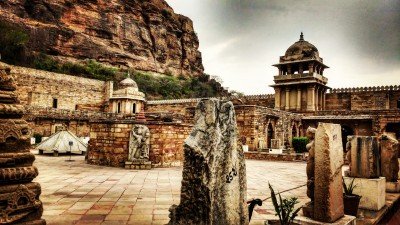
Gwalior
Some quick example text to build on the card title and make up the bulk of the card's content.
Go somewhere
Indore
Some quick example text to build on the card title and make up the bulk of the card's content.
Go somewhere
Jabalpur
Some quick example text to build on the card title and make up the bulk of the card's content.
Go somewhere
Khajuraho
Some quick example text to build on the card title and make up the bulk of the card's content.
Go somewhere
Mandu
Some quick example text to build on the card title and make up the bulk of the card's content.
Go somewhere
Omkareshwar
Some quick example text to build on the card title and make up the bulk of the card's content.
Go somewhere
Orchha
Some quick example text to build on the card title and make up the bulk of the card's content.
Go somewhere
Pachmarhi
Some quick example text to build on the card title and make up the bulk of the card's content.
Go somewhere
Sagar
Some quick example text to build on the card title and make up the bulk of the card's content.
Go somewhere
Sanchi
Some quick example text to build on the card title and make up the bulk of the card's content.
Go somewherein Other Cities