




Amarkantak
General information
-
Ideal Duration:
2 to 3 DaysPlace Type:
Pilgrimage / NatureEntry Fees:
General Entry: Most temples and natural sites have no entry fee; however, small parking charges of Rs.30 to Rs.50 may apply at major waterfall locations.
Photography Charges: Professional filming or commercial photography in restricted heritage...General Entry: Most temples and natural sites have no entry fee; however, small parking charges of Rs.30 to Rs.50 may apply at major waterfall locations.
Photography Charges: Professional filming or commercial photography in restricted heritage zones might require special permission and a fee of approximately Rs.500 per day.Timing:
Temple Hours: Open from 6:00 AM to 9:00 PM; the best time for darshan is during the morning aarti at 7:00 AM or evening at 7:30 PM.
Nature Sites: Waterfalls and gardens are best visited between 9:00 AM and 5:00 PM for safety and visibility ...Temple Hours: Open from 6:00 AM to 9:00 PM; the best time for darshan is during the morning aarti at 7:00 AM or evening at 7:30 PM.
Nature Sites: Waterfalls and gardens are best visited between 9:00 AM and 5:00 PM for safety and visibility during forest treks.Special Events:
Narmada Jayanti: Celebrated in January or February, this festival involves grand prayers and lighting of thousands of lamps along the river banks to honor Goddess Narmada.
Shivratri: A major event where thousands of devotees gather at the an...Narmada Jayanti: Celebrated in January or February, this festival involves grand prayers and lighting of thousands of lamps along the river banks to honor Goddess Narmada.
Shivratri: A major event where thousands of devotees gather at the ancient Shiva temples to offer prayers and participate in vibrant fairs and cultural processions.Best Photo Spots:
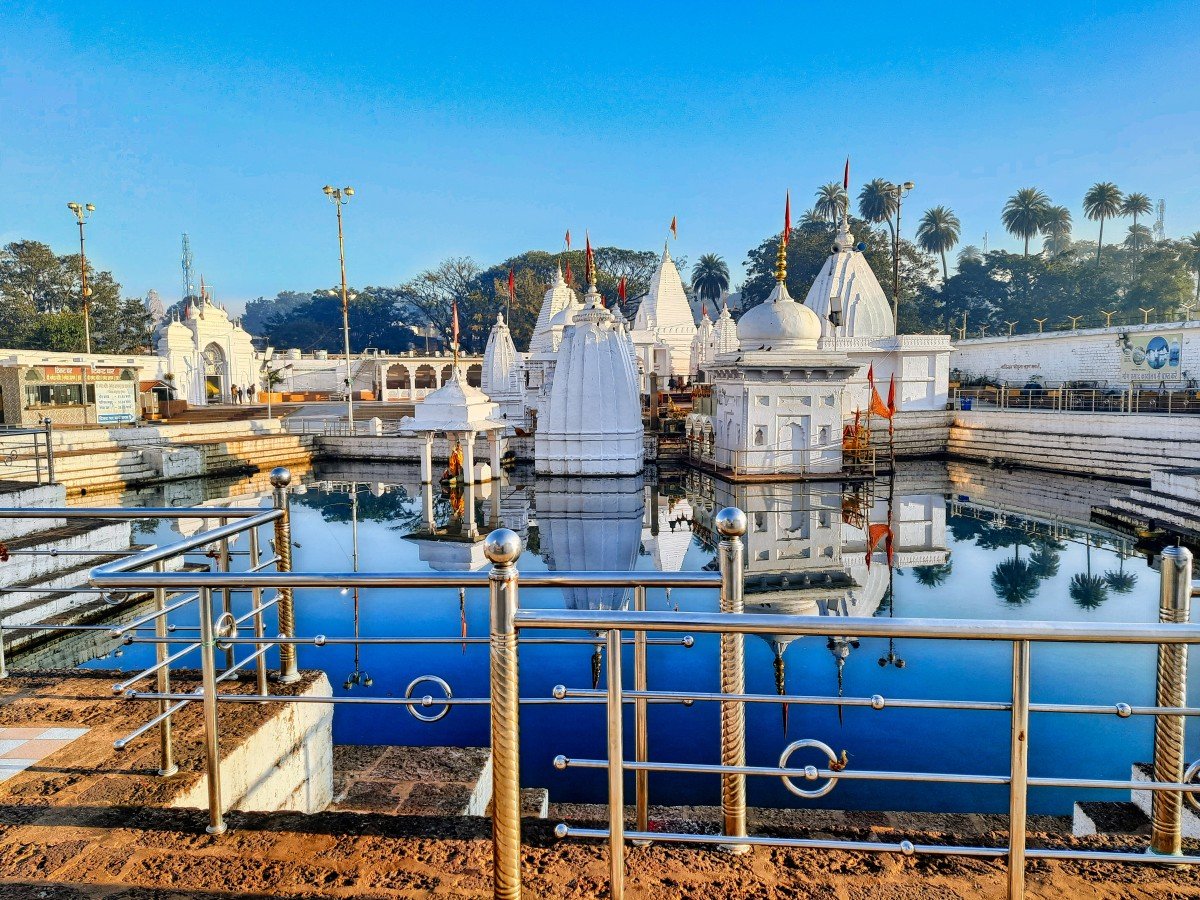
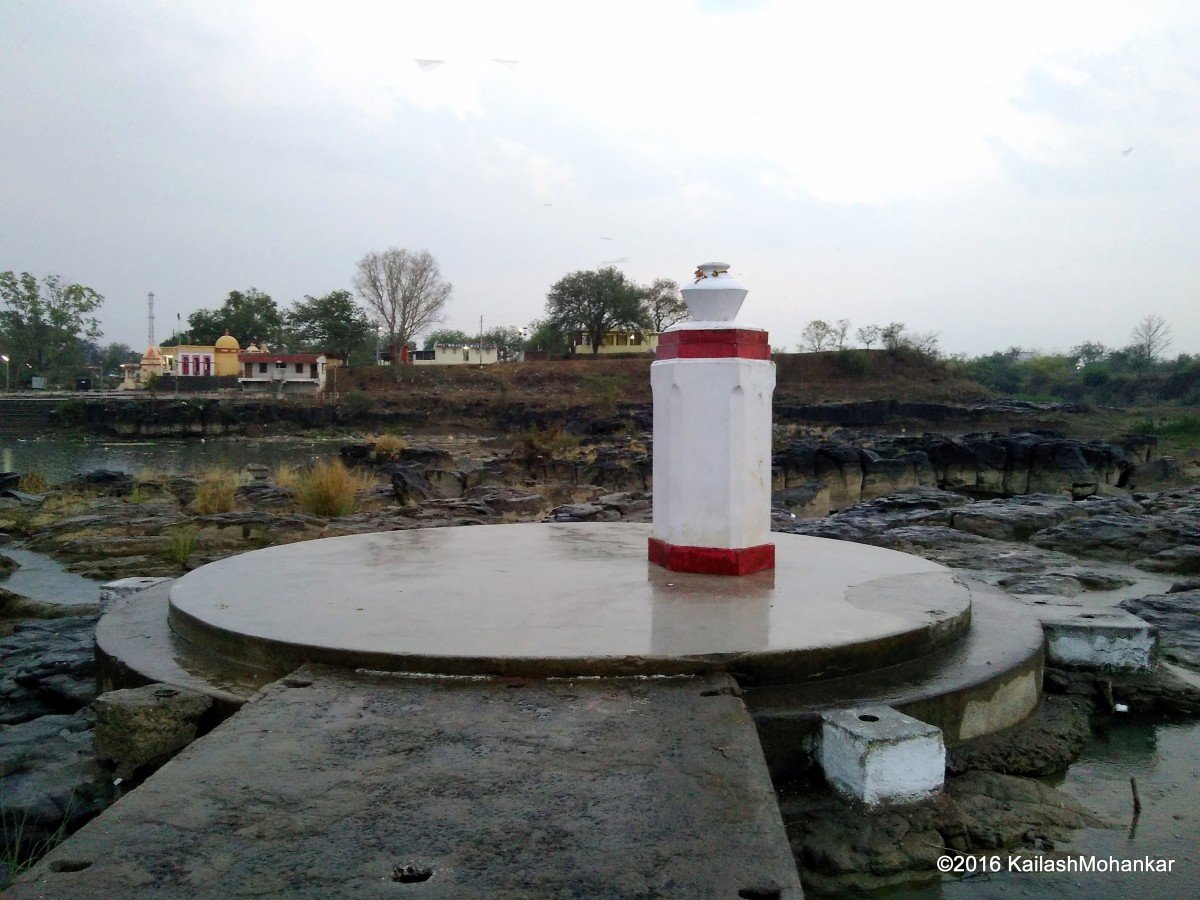
Narmada Kund: The white temple complex provides a stunning contrast for photography, especially during the evening aarti when the oil lamps create a golden glow.
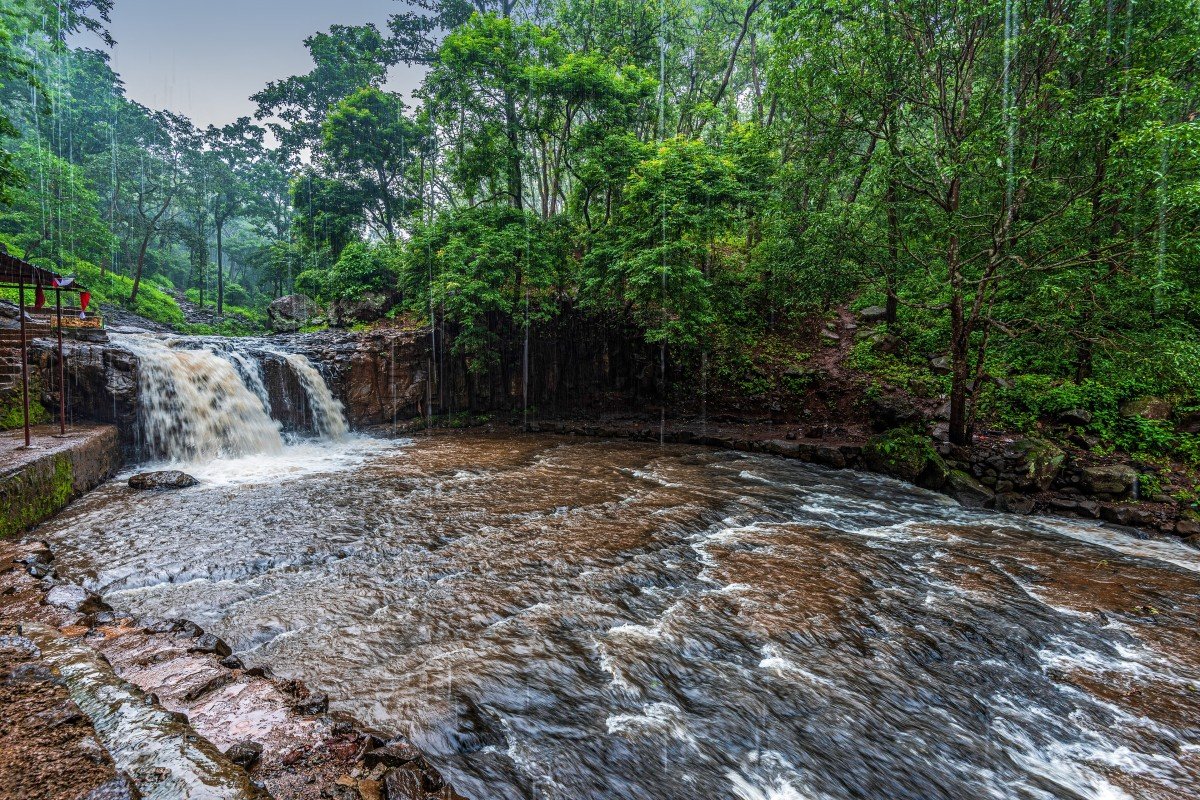
Kapil Dhara: The 100-foot drop of the river into the green valley offers a dram...Narmada Kund: The white temple complex provides a stunning contrast for photography, especially during the evening aarti when the oil lamps create a golden glow.
Kapil Dhara: The 100-foot drop of the river into the green valley offers a dramatic natural landscape perfect for wide-angle landscape shots and long-exposure water photography.Photo Gallery




Things To Do
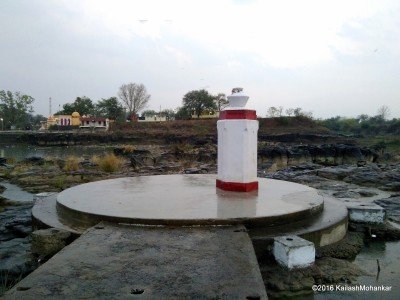 The Acharya Vinoba Bhave Ashram, though not his main center, stands as a spiritual and philosophical landmark in Amarkantak, a town revered as Teerthraj. It is dedicated to the ideals of Sarvodaya (universal uplift) and Bhoodan (land gift) movements pioneered by Mahatma Gandhi's spiritual successor, Acharya Vinoba Bhave. The ashram reflects the simplicity and non-violent revolutionary spirit of its founder, focusing on self-reliance, physical labor, and community service. Visitors come here seeking tranquility and an understanding of Gandhian and Vinoba's principles. It serves as a living institution rather than a mere memorial, emphasizing action and inner peace. The atmosphere is serene, encouraging contemplation and a deeper connection with the social and moral fabric of India's freedom struggle and post-independence development. The ashram continues to promote constructive programs for the welfare of the local communities. This location is particularly significant for followers of the Sarvodaya ideology, offering a quiet retreat from the busy pilgrim circuit, allowing a genuine connection to the ethical life prescribed by Acharya Bhave. The small, humble structure is a testament to the powerful philosophy it represents, making it an essential visit for those interested in social and spiritual reform movements. The focus remains on collective spiritual devotion and community welfare, continuing the legacy of simplicity and selfless service in the heart of the Maikal range. (Word Count: 405)
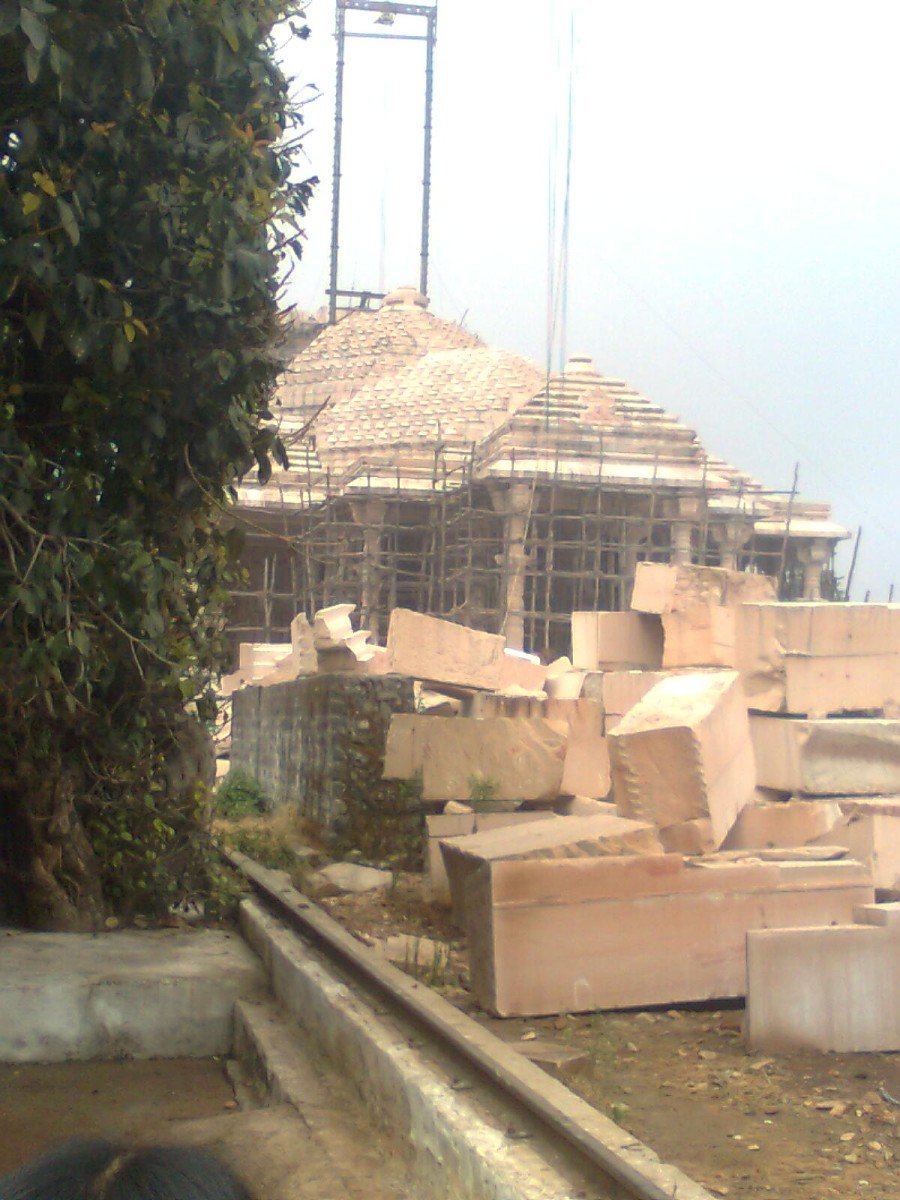
 The Shri Sarvodaya Digamber Jain Temple is a monumental project that has become a symbol of modern Jain devotion and architectural prowess in Amarkantak. Spread over 4 acres, this temple is dedicated to Lord Adinath, the first Tirthankara of Jainism. The temple stands as a beacon of non-violence and universal welfare, reflecting the 'Sarvodaya' philosophy. One of the most striking features of this temple is that it is being constructed without the use of cement or iron, relying entirely on ancient interlocking stone techniques. This ensures the longevity of the structure for thousands of years. The temple houses a massive 'Ashtadhatu' (eight-metal alloy) idol of Lord Adinath, which is among the largest of its kind in the world. The serene environment of the temple, located on a hillock, provides a panoramic view of the surrounding Maikal Hills. Pilgrims from all over the country visit this site to offer prayers and marvel at the craftsmanship of the artisans from Rajasthan and Odisha who have been working on this site for decades. The project was inspired by the late Acharya Shri Vidyasagar Ji Maharaj, whose vision was to create a temple that rivals the ancient wonders of India. The temple complex also includes a 'Manastambha' (pillar of pride) and residential facilities for visiting pilgrims. It is a place where spirituality meets incredible engineering, offering a quiet space for contemplation. The use of pink sandstone gives the temple a divine glow, especially during sunrise and sunset. This temple is not just a place of worship but a massive cultural undertaking that showcases the richness of Jain heritage.
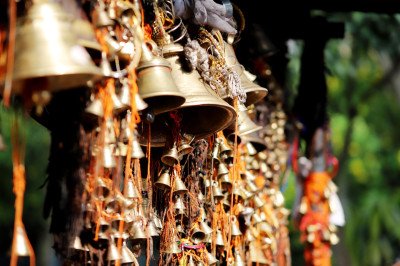 @@Deity: This temple is dedicated to the Hindu deities Lord Rama and his consort Sita (Janaki), a rare sight in a region predominantly dedicated to Lord Shiva and Goddess Narmada. @@Location: It is one of the many smaller temples located within the periphery of the main Narmada Kund complex, easily accessible after visiting the source of the river. @@Patronage: It is a relatively newer structure compared to the ancient Kalachuri temples and was built to complete the circuit of pilgrimage and honor the Vaishnavite tradition alongside the Shaivite and Shakt traditions of Amarkantak. The construction and current upkeep reflect modern temple management.
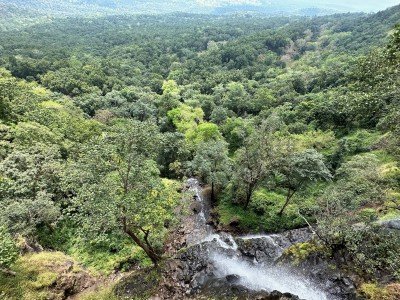 Kabir Chabutra, literally meaning Kabir's Platform, is a sacred site revered by followers of Sant Kabir (Kabirpanthis) and Hindus alike. Legend holds that the great 15th-century mystic poet and saint, Sant Kabir, spent a significant amount of time here meditating, composing his devotional poetry, and eventually attained enlightenment or salvation (Mukti). The site is also historically significant as the supposed meeting point between Sant Kabir and Guru Nanak Dev Ji, the founder of Sikhism, where they are believed to have exchanged philosophical ideas on the path to righteous living. The Chabutra itself is a simple, elevated platform or a small pond, symbolizing the saint's humble life and teachings. The place, located in a remote and peaceful forested area, is imbued with an atmosphere of profound serenity and spiritual calm, attracting devotees who seek to follow the path of universal love, non-violence, and unity that Kabir espoused. It stands as a powerful reminder of the rich syncretic spiritual traditions of India.
 @@The source of the holy Sone River or Sonbhadra is located here. It is a natural site where a thin stream of water emerges from a small pool, often described as a confluence of two legendary ponds, Sona and Bhadra. The stream then flows north-east, eventually forming a massive 300-foot waterfall before continuing its long journey to join the Ganges near Patna. Historically, the name Sone comes from the belief that gold dust (Sona) was found in its water. The site is revered for its tranquil and scenic beauty, being positioned on the crest of the Maikal hills, offering a stunning vista of the deep forest and valley below. It's a key spot for those interested in geography and Hindu mythology, especially concerning the origins of Central India's major rivers. The atmosphere is serene and perfect for quiet contemplation amidst nature, marking the division between the waters flowing west (Narmada) and north-east (Sone).
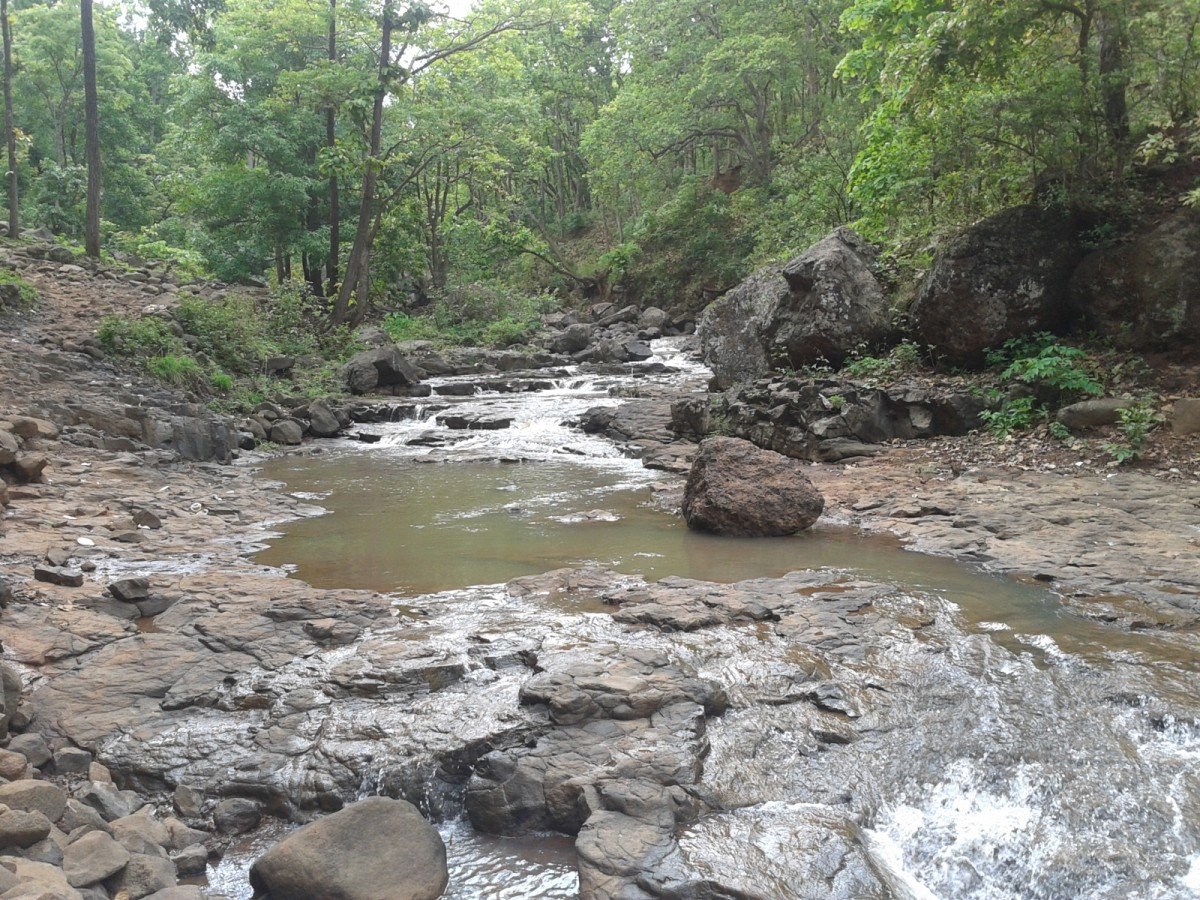
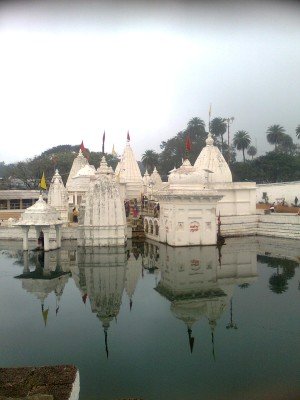 Amarkantak is a revered Hindu pilgrimage town and a Nagar Panchayat in the Anuppur district of Madhya Pradesh, India. Its profound significance lies in its unique geography—it is the meeting point of the Vindhya and Satpura mountain ranges, with the Maikal Hills as the fulcrum. Most importantly, it is the sacred origin point (Udgam Sthal) of two major Indian rivers: the holy Narmada River, considered one of the seven sacred rivers of India, and the Son River. Because of the sheer number of temples, its natural beauty, and the triple confluence of mountain ranges and river sources, it is famously known as Tirthraj, the King of Pilgrimages. The region is steeped in mythology, having been mentioned in ancient scriptures like the Puranas, where it is said to be a place where celestial beings and sages attained spiritual powers. The town features a cluster of ancient Kalachuri temples, the central Narmadakund complex, and natural wonders like waterfalls, offering a blend of history, spirituality, and nature. Its elevation of about 1,048 meters makes it a pleasant hill destination, drawing tourists throughout the year, especially pilgrims.
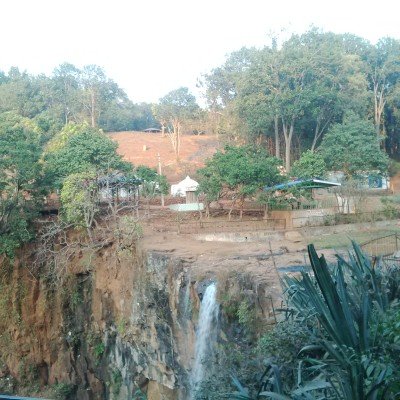 Dhuni Pani is a unique and spiritually significant natural hot water spring nestled amidst the dense forests of the Maikal range in Amarkantak. The name translates to 'Burning Water (Dhuni Pani)' in Hindi, referring to the unexpectedly warm or hot water that emerges from the earth. The site is revered as a sacred confluence of the Vindhya and Satpura ranges and is considered a place of immense spiritual power. The heat of the water is believed to be a manifestation of the ancient spiritual practice (tapasya) of the sages who meditated here, hence the term Dhuni. Visitors come to experience the therapeutic benefits of the mineral-rich, warm water and to connect with the raw, untamed nature of the spot. The area is tranquil and pristine, requiring a small walk or trek from the main road, making it a favorite destination for both nature lovers and those seeking the healing touch of the warm spring. It is a vital part of the overall pilgrimage circuit of Amarkantak, often visited in conjunction with the major waterfalls and temples. (Word Count: 402)Show All
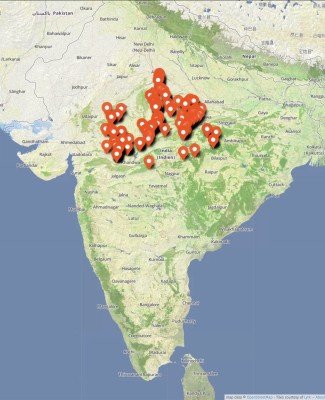 Sonakshi Shaktipeeth Temple is one of the 51 revered Shaktipeeths in India, making it a site of immense spiritual power for Hindus. According to mythology, it is here that the 'right buttock' of Goddess Sati fell after Lord Vishnu used his Sudarshana Chakra on her body. The temple is dedicated to Goddess Sonakshi (the one with golden eyes). Situated near the Sonmuda viewpoint, the temple offers a perfect blend of religious fervor and natural beauty. The temple is relatively small compared to others in Amarkantak, but its importance in the Shakta tradition is unparalleled. Devotees believe that prayers offered here with a pure heart are always answered by the Mother Goddess. The temple complex is surrounded by dense forests and provides a stunning view of the Satpura and Vindhya ranges. Inside the sanctum, the idol of the Goddess is beautifully adorned with traditional jewelry and silk sarees. The atmosphere during the morning and evening aarti is electric, with the sound of bells and conches echoing through the hills. Many pilgrims visit this temple after witnessing the sunrise at Sonmuda, as both are in close proximity. The temple also serves as a center for various religious rites and rituals. The history of this site is deeply rooted in the Tantric traditions of central India, and it remains a key stop for anyone on a spiritual circuit of Madhya Pradesh.
Information
-
Why Famous:
Holy River Source: It is the unique geographical point where the Narmada River begins its journey, a site considered most auspicious for Hindu rituals and holy dips.
Heritage Sites: The town houses a cluster of Kalachuri era temples that are...Holy River Source: It is the unique geographical point where the Narmada River begins its journey, a site considered most auspicious for Hindu rituals and holy dips.
Heritage Sites: The town houses a cluster of Kalachuri era temples that are protected by the Archaeological Survey of India for their historical and structural importance. -
Architecture:
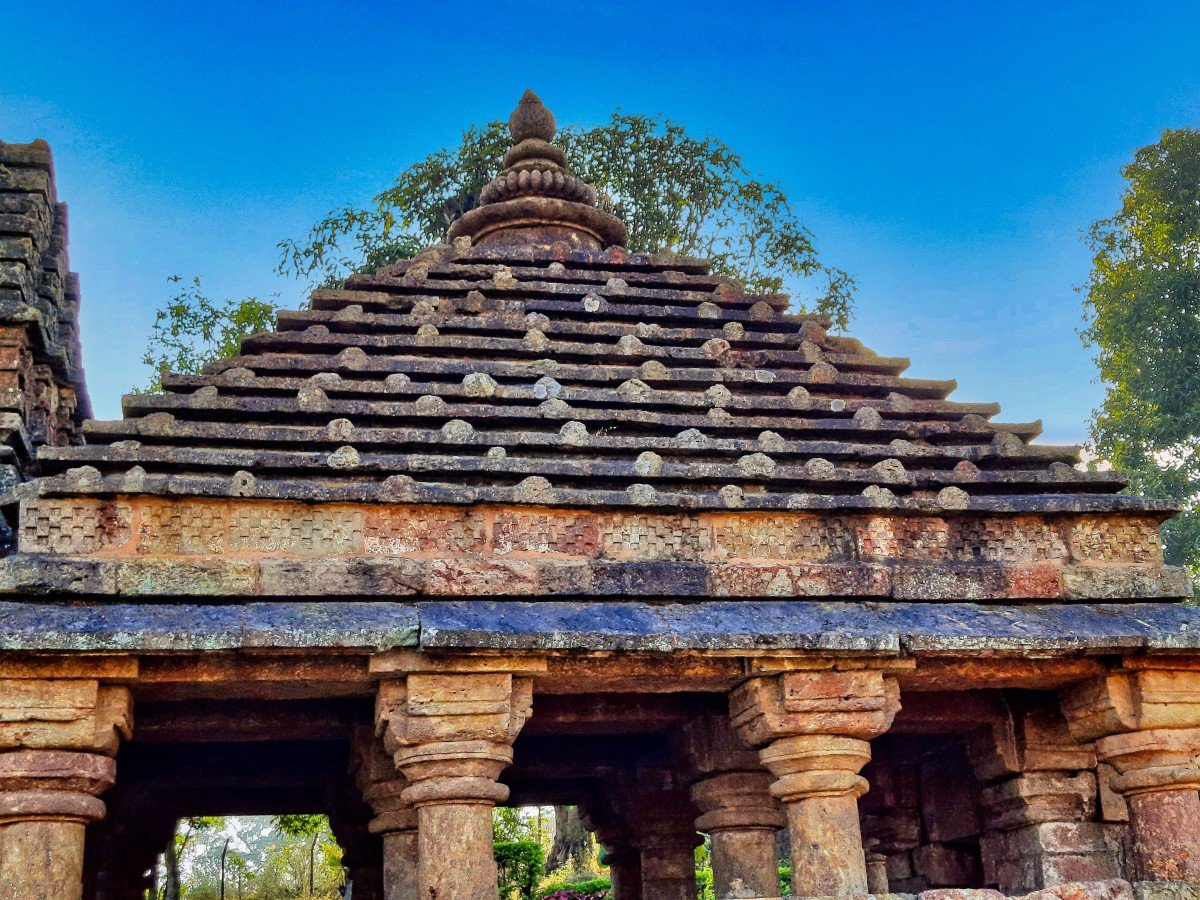
Ancient Temples: The Kalachuri period temples are the architectural highlights, featuring Nagara-style spires and intricate stone carvings that reflect the craftsmanship of the 10th century.
Dimensions: The main Narmada Kund temple complex i...Ancient Temples: The Kalachuri period temples are the architectural highlights, featuring Nagara-style spires and intricate stone carvings that reflect the craftsmanship of the 10th century.
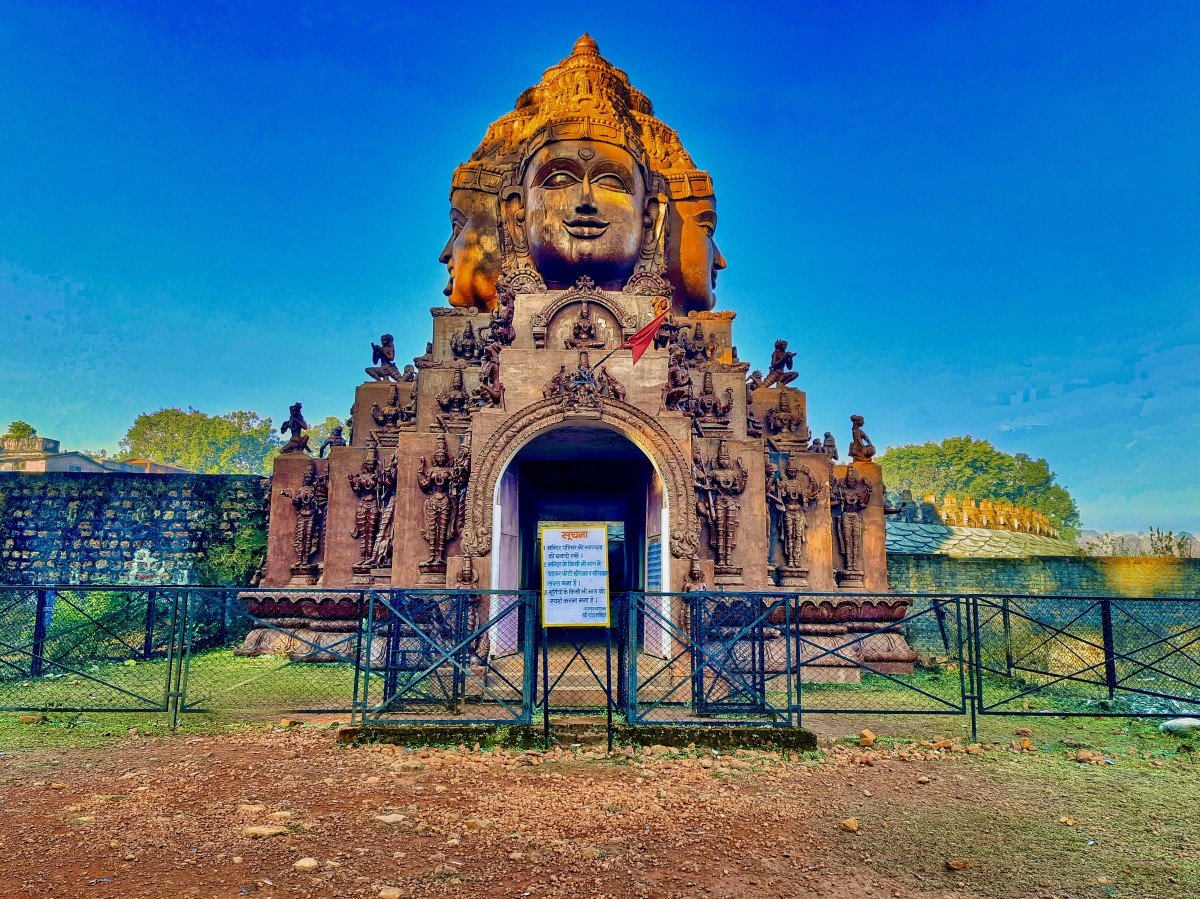
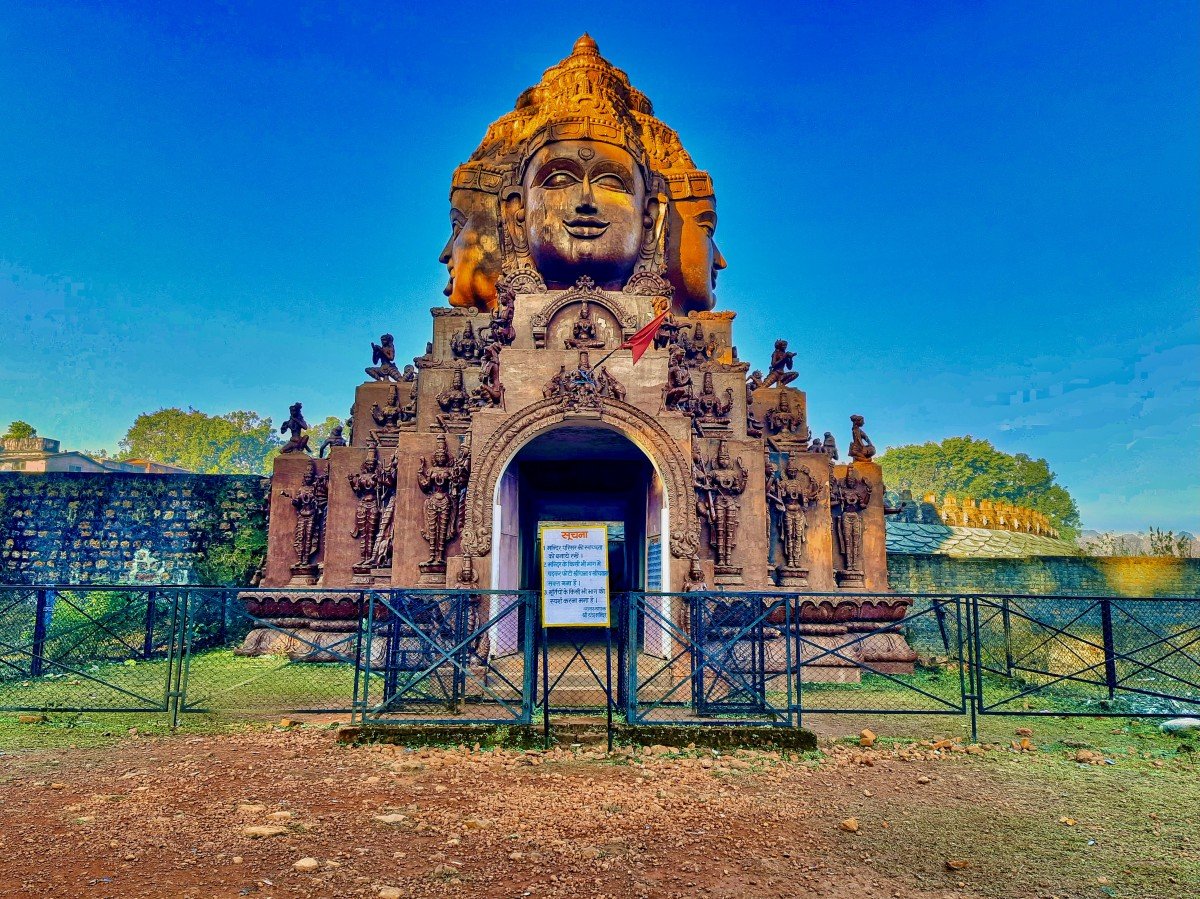
Dimensions: The main Narmada Kund temple complex is spread over a large paved area with white-washed shrines; the Shri Yantra Mandir features a massive 4-faced goddess sculpture at the entrance. -
How To Reach:
By Air: The nearest airport is Bilaspur (120 km) or Jabalpur (230 km), from where taxis are readily available for a scenic drive through the hills.
By Train: Pendra Road (42 km) is the closest railway station on the Bilaspur-Katni section, w...By Air: The nearest airport is Bilaspur (120 km) or Jabalpur (230 km), from where taxis are readily available for a scenic drive through the hills.
By Train: Pendra Road (42 km) is the closest railway station on the Bilaspur-Katni section, well-connected to major Indian cities like Delhi and Mumbai.
By Road: Regular bus services operate from Jabalpur, Rewa, and Bilaspur; the roads are well-maintained and offer beautiful views of the Achanakmar Wildlife Sanctuary.
Local Transport: The town is small and can be explored on foot; however, auto-rickshaws and taxis are available for visiting distant spots like the waterfalls. -
Weather and Best Time to Visit:
Winter Season: October to March is the ideal time as the weather is cool and pleasant, making it perfect for long walks and temple visits without the heat.
Monsoon Season: July to September brings out the lush greenery and makes the waterfal...Winter Season: October to March is the ideal time as the weather is cool and pleasant, making it perfect for long walks and temple visits without the heat.
Monsoon Season: July to September brings out the lush greenery and makes the waterfalls roar with full force, though trekking paths can be slippery and risky. -
Near Tourist Places:
Kapil Dhara (7 km), Dugdha Dhara (8 km), Sonmuda (2 km), Mai ki Bagiya (1 km), Jwaleshwar Mahadev (10 km), Kabir Chabutra (5 km), Shri Yantra Mandir (2 km), Achanakmar Sanctuary (40 km), Pendra Road (42 km), Mritunjay Ashram (3 km).
Tourism Tips
-
Health & Safety: Carry basic medicines as the town is remote; ensure you stay hydrated during treks and avoid venturing into deep forest areas after sunset.
Packing Essentials: Pack comfortable walking shoes for trekking and modest clothing...Health & Safety: Carry basic medicines as the town is remote; ensure you stay hydrated during treks and avoid venturing into deep forest areas after sunset.
Packing Essentials: Pack comfortable walking shoes for trekking and modest clothing for temples; carry a light sweater even in summer as evenings can be cool.
Accommodation: Stay at MP Tourism hotels or reputable ashrams for a clean and authentic experience; book in advance during peak festival seasons to avoid last-minute hassles.
Respect Local Customs: Always remove footwear before entering temple premises and seek permission before photographing local tribes or sacred rituals to maintain decorum.
Reviews
FAQs
Amarkantak Itineray And Cost:-
Other Places In Madhya Pradesh :-
Other States In India :-
Information about New and Updated Locations() of Madhya Pradesh Has Been Added :-
Card subtitle
Note:-
Information provided here in good Faith and for reference only.
Near Places
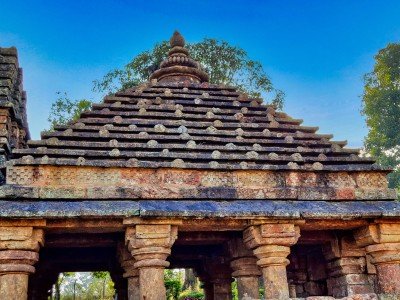
Amarkantak
Some quick example text to build on the card title and make up the bulk of the card's content.
Go somewhere
Bhedaghat
Some quick example text to build on the card title and make up the bulk of the card's content.
Go somewhere
Bhopal
Some quick example text to build on the card title and make up the bulk of the card's content.
Go somewhere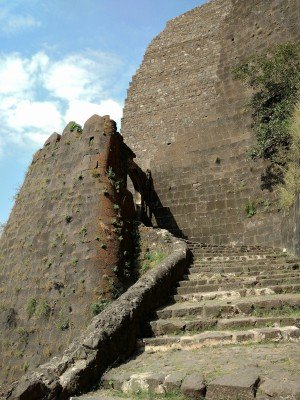
Burhanpur
Some quick example text to build on the card title and make up the bulk of the card's content.
Go somewhere
Chanderi
Some quick example text to build on the card title and make up the bulk of the card's content.
Go somewhere
Chitrakoot
Some quick example text to build on the card title and make up the bulk of the card's content.
Go somewhere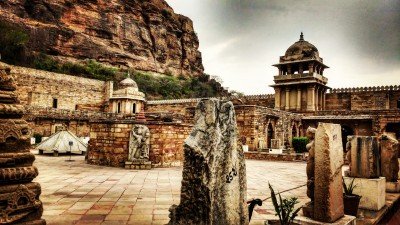
Gwalior
Some quick example text to build on the card title and make up the bulk of the card's content.
Go somewhere
Indore
Some quick example text to build on the card title and make up the bulk of the card's content.
Go somewhere
Jabalpur
Some quick example text to build on the card title and make up the bulk of the card's content.
Go somewhere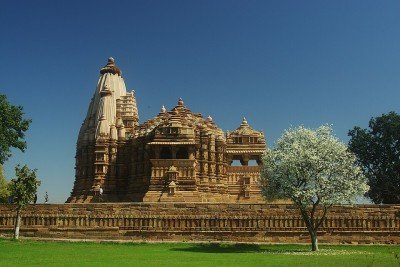
Khajuraho
Some quick example text to build on the card title and make up the bulk of the card's content.
Go somewhere
Mandu
Some quick example text to build on the card title and make up the bulk of the card's content.
Go somewhere
Omkareshwar
Some quick example text to build on the card title and make up the bulk of the card's content.
Go somewhere
Orchha
Some quick example text to build on the card title and make up the bulk of the card's content.
Go somewhere
Pachmarhi
Some quick example text to build on the card title and make up the bulk of the card's content.
Go somewhere
Sagar
Some quick example text to build on the card title and make up the bulk of the card's content.
Go somewhere
Sanchi
Some quick example text to build on the card title and make up the bulk of the card's content.
Go somewherein Other Cities