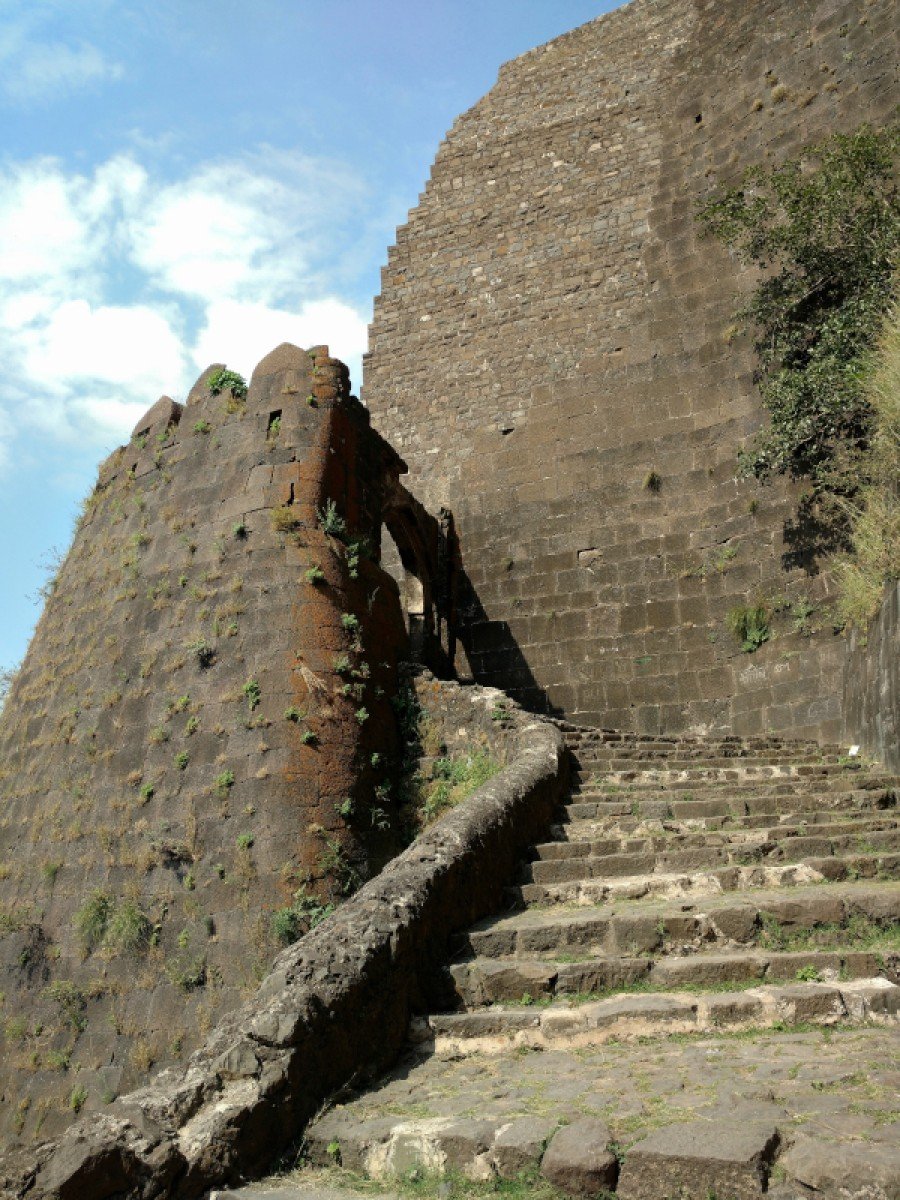
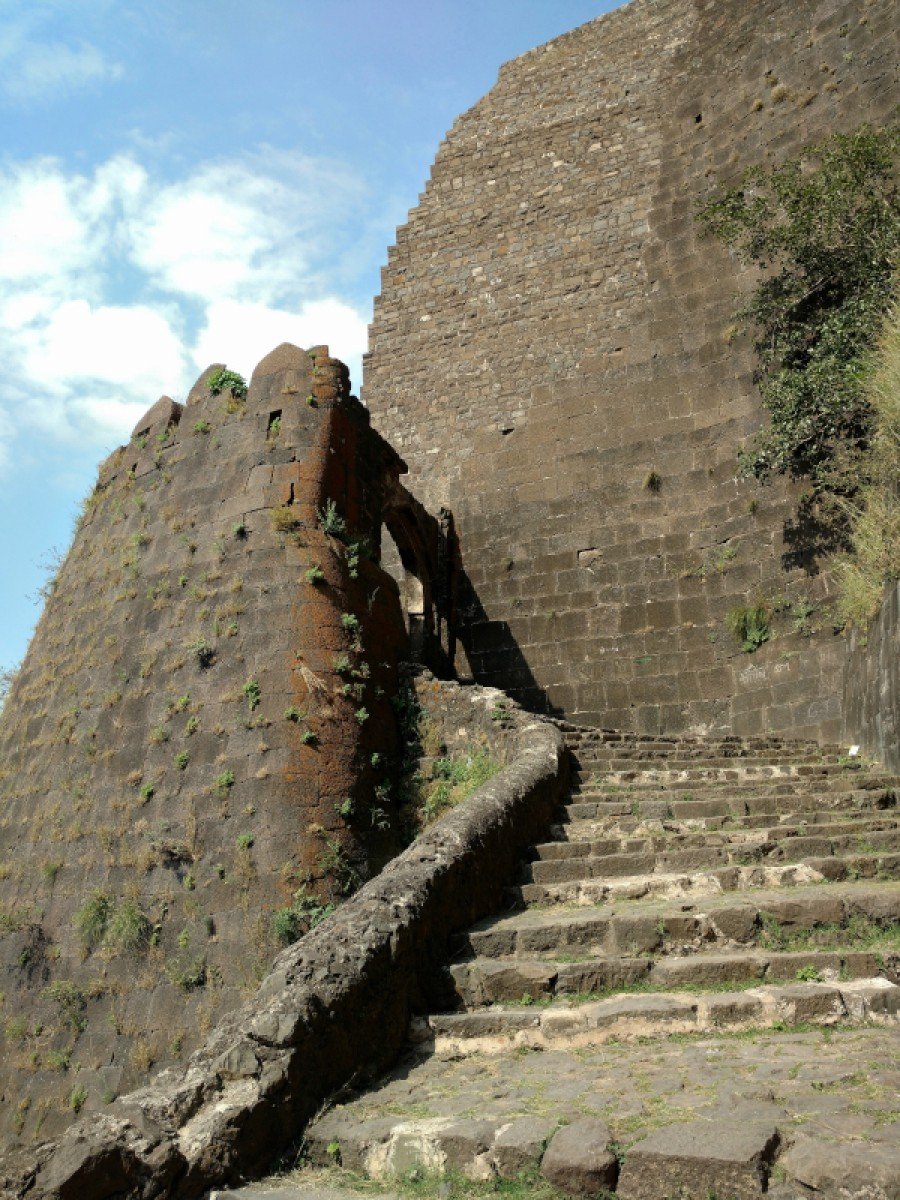
Burhanpur
General information
-
Ideal Duration:
1 to 2 DaysPlace Type:
Heritage / PilgrimageEntry Fees:
Heritage Sites: Entry to the Shahi Qila and Kala Taj Mahal is usually Rs.25 for Indians; foreign tourists may be charged around Rs.300.
Kuni Bhandara: A small fee of Rs.50 is charged to descend into the water system, which helps in the maintenanc...Heritage Sites: Entry to the Shahi Qila and Kala Taj Mahal is usually Rs.25 for Indians; foreign tourists may be charged around Rs.300.
Kuni Bhandara: A small fee of Rs.50 is charged to descend into the water system, which helps in the maintenance and preservation of this ancient structure.Timing:
Monument Timings: Most historical sites are open from 9:00 AM to 6:00 PM; Dargah-e-Hakimi remains open until late evening for pilgrims and visitors.
Ideal Visit Hours: Early morning at 8:00 AM is best to avoid the afternoon sun, especially ...Monument Timings: Most historical sites are open from 9:00 AM to 6:00 PM; Dargah-e-Hakimi remains open until late evening for pilgrims and visitors.
Ideal Visit Hours: Early morning at 8:00 AM is best to avoid the afternoon sun, especially when climbing the Asirgarh Fort or walking through the old city.Special Events:
Urs at Dargah: The annual Urs festival at Dargah-e-Hakimi sees thousands of Bohra pilgrims from all over the world coming together for prayers and community feasts.
Guru Nanak Jayanti: Celebrated with great enthusiasm at the local Gurudwaras...Urs at Dargah: The annual Urs festival at Dargah-e-Hakimi sees thousands of Bohra pilgrims from all over the world coming together for prayers and community feasts.
Guru Nanak Jayanti: Celebrated with great enthusiasm at the local Gurudwaras, featuring large processions and community kitchens (langars) open to everyone.Best Photo Spots:
Shahi Hammam: The ceiling of the royal bath is covered in colorful Mughal paintings that are perfectly preserved, making it a dream spot for history and art photographers.
Kala Taj Mahal: The dark stone architecture provides a dramatic and m...Shahi Hammam: The ceiling of the royal bath is covered in colorful Mughal paintings that are perfectly preserved, making it a dream spot for history and art photographers.
Kala Taj Mahal: The dark stone architecture provides a dramatic and moody background for portraits and architectural photography, especially during the morning light.Photo Gallery
Things To Do
 @@Temple History and Significance: The Rokdiya Hanuman Mandir is an ancient and revered Hindu temple dedicated to Lord Hanuman, a key deity in the Ramayana. 'Rokdiya' translates to 'one who stops' or 'one who grants cash/wealth', reflecting the local belief that a visit to this temple stops all misfortunes and ensures financial stability and fulfillment of wishes. The temple is said to be centuries old, predating much of the Mughal architecture in the city, providing a significant spiritual anchor for the local population. It serves not just as a place of worship but as a cultural hub for the Hindu community. The environment is always peaceful, offering a contrast to the bustling city life of Burhanpur. The deity here is considered highly powerful and attracts devotees from surrounding districts, especially on Tuesdays and Saturdays, which are days dedicated to Lord Hanuman. The continuous chanting and devotional songs create a strong spiritual ambiance. The upkeep of the temple is managed by a local trust which also organizes various religious and social activities throughout the year. The temple’s location, though central, provides a calm retreat for meditation and prayer, reinforcing its importance as a center of faith and community tradition in this historically diverse city. The simplicity of its design is a testament to its focus on pure devotion. (401 words)
@@Spiritual Significance: Dargah-e-Hakimi is a paramount pilgrimage center for the Dawoodi Bohra community globally. It is the mausoleum of the venerated saint Syedi Abdulqadir Hakimuddin Maula, who passed away in 1785 CE. The name 'Hakim' denotes a healer, and the Dargah is widely believed to be a place where pilgrims' vows (mannats) are fulfilled, and they receive shifa (cure) from illnesses and spiritual peace. The belief is so strong that the Dargah is often compared in holiness to the major pilgrimage sites of Mecca and Karbala for the community. @@The Legend of the Body: The Dargah is associated with the miracle that occurred when the Mughal Emperor Aurangzeb ordered the exhumation of the saint's body. Upon digging, he was reportedly shocked to find the body fresh and fragrant without any sign of decay, which convinced him of the saint's piety and led him to respectfully re-inter the body, establishing the sacred nature of the site. @@Modern Infrastructure: The massive complex spans over 125 acres and is renowned for its immaculate cleanliness, lush green lawns, and state-of-the-art facilities for pilgrims, earning it the local nickname 'Chota Amreeka' (Little America). It reflects the community's dedication to preserving and honoring their spiritual heritage. (Word Count: ~400):
@@History of Mul Bhandara: Mul Bhandara is the primary source of the legendary Kundi Bhandara (or Khuni Bhandara) water management system of Burhanpur. Constructed in 1615 by Abdul Rahim Khankhana, the Governor under Emperor Akbar, this system is a marvel of Persian hydraulic engineering. Mul Bhandara is the first collection point where groundwater from the Satpura hills is trapped and directed into underground tunnels. The system was designed to provide pure mineral water to the city and its military garrisons. It consists of a network of 101 vertical shafts (kundis) connected by a subterranean gallery. This allowed the water to flow naturally by gravity for over 5 kilometers. Even after 400 years, the system is functional and supplies water to parts of the city. The engineering is so precise that the water remains naturally purified by ultraviolet rays entering through the shafts. It is currently on the tentative list for UNESCO World Heritage status. Exploring this site provides a deep look into the scientific advancement of the Mughal era, proving that they were not just great builders of palaces, but also master civil engineers.
@@Historical Significance of Ahukhana: The Ahukhana is a historic Mughal-era pleasure garden and deer park, originally built by Prince Daniyal, the uncle of Emperor Shah Jahan, in the late 16th or early 17th century on the banks of the Tapti River in the village of Zainabad. Its primary role was as a royal hunting ground and a place of leisure, featuring a well-landscaped garden and various minor structures. The most profound and tragic event associated with the Ahukhana occurred in 1631 when Mumtaz Mahal, the beloved wife of Shah Jahan, passed away in Burhanpur while giving birth to her fourteenth child, Gauhar Ara Begum. For approximately six months, from June 1631 to December 1631, her body was temporarily interred here. This site holds the solemn distinction of being her first resting place before her remains were transported to Agra for the construction of the magnificent Taj Mahal. The temporary burial structure within the Ahukhana is a small, domed pavilion, which today stands as a poignant reminder of the initial plan Shah Jahan had to build her final mausoleum in Burhanpur. The shift to Agra was reportedly due to the logistical challenges of transporting high-quality Makrana marble to Burhanpur and the potentially unstable soil composition near the Tapti River. The location across the river from the main city and the Shahi Qila made it a serene and isolated spot for the royal deer park and the temporary resting place. Today, while much of the surrounding parkland is gone, the main structure associated with the temporary grave remains a protected monument, drawing historians and sentimental visitors. The garden’s ruins offer a glimpse into the once-gorgeous Mughal landscaping. The history of Ahukhana is inextricably linked with the immortal love story of Shah Jahan and Mumtaz Mahal, making it a place of deep emotional and historical resonance for the Mughal era. Its existence today is a testament to the brief but critical period when Burhanpur was poised to host one of the world's greatest wonders. The remaining structures are maintained by the Archaeological Survey of India (ASI).:
Barah Dari is a significant historical structure located on the outskirts of Burhanpur, serving as a testament to the Mughal architectural influence in the Deccan region. The term "Barah Dari" literally translates to "twelve doors" or "twelve openings," a common feature in Mughal garden pavilions designed to allow the free flow of air from all directions. This specific structure was used as a rest house or a pleasure pavilion for royalty and high-ranking officials traveling between the Mughal capital and the southern provinces. Surrounded by what was once a sprawling garden, the pavilion offered a serene retreat. The building is constructed using local stone and lime mortar, designed to remain cool even during the scorching summers of Central India. Over the centuries, the gardens have diminished, but the core structure remains largely intact, standing as a silent witness to the era of Shah Jahan and Aurangzeb. It is a place of quietude, often bypassed by mainstream tourists, which adds to its charm for history buffs and those looking for a peaceful spot to appreciate ancient craftsmanship.:
@@The Jai Stambh, or Victory Pillar, in Burhanpur is an ancient and historical column whose exact origins are debated but is generally believed to commemorate a significant military triumph of the regional rulers, possibly from the Faruqi or early Mughal period, or even relating to the Maratha conquest of the region, solidifying its importance as a symbol of regional power and historical transition. The pillar stands tall and proud in a central locality, silently narrating tales of the city's tumultuous past, where control often shifted between powerful dynasties like the Faruqi Sultans of Khandesh, the great Mughals, and the formidable Maratha forces. Over the centuries, it has become a central landmark, a reference point, and an integral part of the city's urban landscape, often forming the centerpiece of a local chowk or square, symbolizing not just military victory but also the enduring spirit of Burhanpur's residents and their connection to a rich, layered history. It is a structure of local significance that connects the modern city with the medieval era when such pillars were erected to mark political statements and celebrate successful campaigns, making it a point of historical curiosity for visitors interested in the lesser-known monuments of Central India. The simplicity of its design, contrasting with the grand scale of the nearby forts and mosques, gives it a unique charm, prompting contemplation about the specific historical moment it was built to memorialize and the countless events it has witnessed since its erection, standing steadfast amidst the changing times and urban development that have enveloped it. This relatively simple monument, often overlooked compared to the Shahi Qila or Jama Masjid, represents a pure form of commemorative architecture, relying on its sheer height and central placement to convey its message of dominance and power, a crucial, tangible link to the martial history of the Deccan gateway city. (Word Count: 400):
@@General Details: Rao Ratan Mahal is a stunning example of Rajput architecture in a city dominated by Mughal structures. It was built by Rao Ratan Singh, the ruler of Bundi and a loyal general of Emperor Jahangir. After successfully quelling a rebellion by Shah Jahan, Rao Ratan was appointed the Governor of Burhanpur, where he constructed this palace as his residence. The palace is unique because it blends the delicate aesthetics of Rajasthan with the local stone available in the Satpura region. It served as a hub for Rajput culture in the heart of the Deccan, hosting grand durbars and cultural gatherings. Despite being in a state of partial ruin, the palace still exudes a sense of aristocratic grace and military might.Show All
@@Natural Feature: The Basali Waterfall is a beautiful, seasonal natural cascade located in a secluded area near the Satpura forest range. It truly comes to life during and immediately after the monsoon season (July to October) when the rainwater swells the streams, creating a strong, picturesque flow over the rocky terrain into a small pool below. It serves as a popular picnic and natural retreat spot for local residents seeking a break from the city's heat and a chance to enjoy the tranquil forest environment. The journey to the waterfall involves navigating through scenic, rural roads, making the travel part of the experience. Outside of the monsoon, the water flow is minimal or completely dry, limiting its appeal. (Summary for 400 words):
@@Temple History and Significance: The Rokdiya Hanuman Mandir is an ancient and revered Hindu temple dedicated to Lord Hanuman, a key deity in the Ramayana. 'Rokdiya' translates to 'one who stops' or 'one who grants cash/wealth', reflecting the local belief that a visit to this temple stops all misfortunes and ensures financial stability and fulfillment of wishes. The temple is said to be centuries old, predating much of the Mughal architecture in the city, providing a significant spiritual anchor for the local population. It serves not just as a place of worship but as a cultural hub for the Hindu community. The environment is always peaceful, offering a contrast to the bustling city life of Burhanpur. The deity here is considered highly powerful and attracts devotees from surrounding districts, especially on Tuesdays and Saturdays, which are days dedicated to Lord Hanuman. The continuous chanting and devotional songs create a strong spiritual ambiance. The upkeep of the temple is managed by a local trust which also organizes various religious and social activities throughout the year. The temple’s location, though central, provides a calm retreat for meditation and prayer, reinforcing its importance as a center of faith and community tradition in this historically diverse city. The simplicity of its design is a testament to its focus on pure devotion. (401 words)
@@Spiritual Significance: Dargah-e-Hakimi is a paramount pilgrimage center for the Dawoodi Bohra community globally. It is the mausoleum of the venerated saint Syedi Abdulqadir Hakimuddin Maula, who passed away in 1785 CE. The name 'Hakim' denotes a healer, and the Dargah is widely believed to be a place where pilgrims' vows (mannats) are fulfilled, and they receive shifa (cure) from illnesses and spiritual peace. The belief is so strong that the Dargah is often compared in holiness to the major pilgrimage sites of Mecca and Karbala for the community. @@The Legend of the Body: The Dargah is associated with the miracle that occurred when the Mughal Emperor Aurangzeb ordered the exhumation of the saint's body. Upon digging, he was reportedly shocked to find the body fresh and fragrant without any sign of decay, which convinced him of the saint's piety and led him to respectfully re-inter the body, establishing the sacred nature of the site. @@Modern Infrastructure: The massive complex spans over 125 acres and is renowned for its immaculate cleanliness, lush green lawns, and state-of-the-art facilities for pilgrims, earning it the local nickname 'Chota Amreeka' (Little America). It reflects the community's dedication to preserving and honoring their spiritual heritage. (Word Count: ~400):
@@History of Mul Bhandara: Mul Bhandara is the primary source of the legendary Kundi Bhandara (or Khuni Bhandara) water management system of Burhanpur. Constructed in 1615 by Abdul Rahim Khankhana, the Governor under Emperor Akbar, this system is a marvel of Persian hydraulic engineering. Mul Bhandara is the first collection point where groundwater from the Satpura hills is trapped and directed into underground tunnels. The system was designed to provide pure mineral water to the city and its military garrisons. It consists of a network of 101 vertical shafts (kundis) connected by a subterranean gallery. This allowed the water to flow naturally by gravity for over 5 kilometers. Even after 400 years, the system is functional and supplies water to parts of the city. The engineering is so precise that the water remains naturally purified by ultraviolet rays entering through the shafts. It is currently on the tentative list for UNESCO World Heritage status. Exploring this site provides a deep look into the scientific advancement of the Mughal era, proving that they were not just great builders of palaces, but also master civil engineers.
@@Historical Significance of Ahukhana: The Ahukhana is a historic Mughal-era pleasure garden and deer park, originally built by Prince Daniyal, the uncle of Emperor Shah Jahan, in the late 16th or early 17th century on the banks of the Tapti River in the village of Zainabad. Its primary role was as a royal hunting ground and a place of leisure, featuring a well-landscaped garden and various minor structures. The most profound and tragic event associated with the Ahukhana occurred in 1631 when Mumtaz Mahal, the beloved wife of Shah Jahan, passed away in Burhanpur while giving birth to her fourteenth child, Gauhar Ara Begum. For approximately six months, from June 1631 to December 1631, her body was temporarily interred here. This site holds the solemn distinction of being her first resting place before her remains were transported to Agra for the construction of the magnificent Taj Mahal. The temporary burial structure within the Ahukhana is a small, domed pavilion, which today stands as a poignant reminder of the initial plan Shah Jahan had to build her final mausoleum in Burhanpur. The shift to Agra was reportedly due to the logistical challenges of transporting high-quality Makrana marble to Burhanpur and the potentially unstable soil composition near the Tapti River. The location across the river from the main city and the Shahi Qila made it a serene and isolated spot for the royal deer park and the temporary resting place. Today, while much of the surrounding parkland is gone, the main structure associated with the temporary grave remains a protected monument, drawing historians and sentimental visitors. The garden’s ruins offer a glimpse into the once-gorgeous Mughal landscaping. The history of Ahukhana is inextricably linked with the immortal love story of Shah Jahan and Mumtaz Mahal, making it a place of deep emotional and historical resonance for the Mughal era. Its existence today is a testament to the brief but critical period when Burhanpur was poised to host one of the world's greatest wonders. The remaining structures are maintained by the Archaeological Survey of India (ASI).:
Barah Dari is a significant historical structure located on the outskirts of Burhanpur, serving as a testament to the Mughal architectural influence in the Deccan region. The term "Barah Dari" literally translates to "twelve doors" or "twelve openings," a common feature in Mughal garden pavilions designed to allow the free flow of air from all directions. This specific structure was used as a rest house or a pleasure pavilion for royalty and high-ranking officials traveling between the Mughal capital and the southern provinces. Surrounded by what was once a sprawling garden, the pavilion offered a serene retreat. The building is constructed using local stone and lime mortar, designed to remain cool even during the scorching summers of Central India. Over the centuries, the gardens have diminished, but the core structure remains largely intact, standing as a silent witness to the era of Shah Jahan and Aurangzeb. It is a place of quietude, often bypassed by mainstream tourists, which adds to its charm for history buffs and those looking for a peaceful spot to appreciate ancient craftsmanship.:
@@The Jai Stambh, or Victory Pillar, in Burhanpur is an ancient and historical column whose exact origins are debated but is generally believed to commemorate a significant military triumph of the regional rulers, possibly from the Faruqi or early Mughal period, or even relating to the Maratha conquest of the region, solidifying its importance as a symbol of regional power and historical transition. The pillar stands tall and proud in a central locality, silently narrating tales of the city's tumultuous past, where control often shifted between powerful dynasties like the Faruqi Sultans of Khandesh, the great Mughals, and the formidable Maratha forces. Over the centuries, it has become a central landmark, a reference point, and an integral part of the city's urban landscape, often forming the centerpiece of a local chowk or square, symbolizing not just military victory but also the enduring spirit of Burhanpur's residents and their connection to a rich, layered history. It is a structure of local significance that connects the modern city with the medieval era when such pillars were erected to mark political statements and celebrate successful campaigns, making it a point of historical curiosity for visitors interested in the lesser-known monuments of Central India. The simplicity of its design, contrasting with the grand scale of the nearby forts and mosques, gives it a unique charm, prompting contemplation about the specific historical moment it was built to memorialize and the countless events it has witnessed since its erection, standing steadfast amidst the changing times and urban development that have enveloped it. This relatively simple monument, often overlooked compared to the Shahi Qila or Jama Masjid, represents a pure form of commemorative architecture, relying on its sheer height and central placement to convey its message of dominance and power, a crucial, tangible link to the martial history of the Deccan gateway city. (Word Count: 400):
@@General Details: Rao Ratan Mahal is a stunning example of Rajput architecture in a city dominated by Mughal structures. It was built by Rao Ratan Singh, the ruler of Bundi and a loyal general of Emperor Jahangir. After successfully quelling a rebellion by Shah Jahan, Rao Ratan was appointed the Governor of Burhanpur, where he constructed this palace as his residence. The palace is unique because it blends the delicate aesthetics of Rajasthan with the local stone available in the Satpura region. It served as a hub for Rajput culture in the heart of the Deccan, hosting grand durbars and cultural gatherings. Despite being in a state of partial ruin, the palace still exudes a sense of aristocratic grace and military might.Show All
@@Natural Feature: The Basali Waterfall is a beautiful, seasonal natural cascade located in a secluded area near the Satpura forest range. It truly comes to life during and immediately after the monsoon season (July to October) when the rainwater swells the streams, creating a strong, picturesque flow over the rocky terrain into a small pool below. It serves as a popular picnic and natural retreat spot for local residents seeking a break from the city's heat and a chance to enjoy the tranquil forest environment. The journey to the waterfall involves navigating through scenic, rural roads, making the travel part of the experience. Outside of the monsoon, the water flow is minimal or completely dry, limiting its appeal. (Summary for 400 words):Information
-
Why Famous:
Mumtaz Mahal's Resting Place: It is the city where the most famous empress of the Mughal Empire died and was initially buried, leaving a deep historical mark.
Kuni Bhandara: A unique 400-year-old underground water management system that stil...Mumtaz Mahal's Resting Place: It is the city where the most famous empress of the Mughal Empire died and was initially buried, leaving a deep historical mark.
Kuni Bhandara: A unique 400-year-old underground water management system that still supplies fresh water to the city today, showcasing medieval engineering genius. -
Architecture:
Farooqui & Mughal Style: The city features the Jama Masjid, which has Sanskrit inscriptions alongside Arabic, and the Shahi Qila with its exquisite Persian frescoes.
Dimensions: The Kuni Bhandara is an engineering marvel consisting of a seri...Farooqui & Mughal Style: The city features the Jama Masjid, which has Sanskrit inscriptions alongside Arabic, and the Shahi Qila with its exquisite Persian frescoes.
Dimensions: The Kuni Bhandara is an engineering marvel consisting of a series of 103 underground water storage wells connected by a 3. 9 km long subterranean tunnel. -
How To Reach:
By Air: The nearest airport is Indore (180 km), which is well-connected; from there, you can take a taxi or a luxury bus for a 4-hour journey.
By Train: Burhanpur has its own railway station on the main Delhi-Mumbai and Delhi-Chennai lines,...By Air: The nearest airport is Indore (180 km), which is well-connected; from there, you can take a taxi or a luxury bus for a 4-hour journey.
By Train: Burhanpur has its own railway station on the main Delhi-Mumbai and Delhi-Chennai lines, making it extremely accessible from most cities.
By Road: It is well-connected by road to Indore, Khandwa, and Jalgaon (Maharashtra); the highways are in good condition for private car travel.
By Local Transport: Auto-rickshaws are the most common way to get around the narrow city lanes; for Asirgarh Fort, it is best to hire a private taxi. -
Weather and Best Time to Visit:
Winter Season: November to February is the best time as the weather is cool; the rest of the year can be quite hot given its location in the plains.
Evening Visits: The riverside and city markets are best explored after 5:00 PM when the tem...Winter Season: November to February is the best time as the weather is cool; the rest of the year can be quite hot given its location in the plains.
Evening Visits: The riverside and city markets are best explored after 5:00 PM when the temperature drops and the local street food stalls become active. -
Near Tourist Places:
Asirgarh Fort (20 km), Dargah-e-Hakimi (3 km), Jama Masjid (1 km), Kuni Bhandara (4 km), Tapti River Front (1 km), Kala Taj Mahal (2 km), Aahukhana (5 km), Khandwa (70 km), Omkareshwar (140 km), Maheshwar (160 km).
Tourism Tips
-
Health & Safety: The city is crowded; keep an eye on your belongings in the bazaars and carry plenty of water as the climate is generally dry and warm.
Packing Essentials: Carry light cotton clothes, a hat, and comfortable footwear; a torc...Health & Safety: The city is crowded; keep an eye on your belongings in the bazaars and carry plenty of water as the climate is generally dry and warm.
Packing Essentials: Carry light cotton clothes, a hat, and comfortable footwear; a torch is useful if you plan to explore the deeper sections of the fort.
Accommodation: Dargah-e-Hakimi offers excellent lodging for pilgrims; for others, MP Tourism's MPT Tapti Retreat provides a comfortable stay near the river.
Language Tip: While Hindi is widely spoken, the local dialect has a touch of Marathi; being polite and learning a few local words will help you connect with the residents.
Reviews
FAQs
Burhanpur Itineray And Cost:-
Other Places In Madhya Pradesh :-
Other States In India :-
Information about New and Updated Locations() of Madhya Pradesh Has Been Added :-
Card subtitle
Note:-
Information provided here in good Faith and for reference only.
Near Places
Amarkantak
Some quick example text to build on the card title and make up the bulk of the card's content.
Go somewhere
Bhedaghat
Some quick example text to build on the card title and make up the bulk of the card's content.
Go somewhere
Bhopal
Some quick example text to build on the card title and make up the bulk of the card's content.
Go somewhere
Burhanpur
Some quick example text to build on the card title and make up the bulk of the card's content.
Go somewhere
Chanderi
Some quick example text to build on the card title and make up the bulk of the card's content.
Go somewhere
Chitrakoot
Some quick example text to build on the card title and make up the bulk of the card's content.
Go somewhere
Gwalior
Some quick example text to build on the card title and make up the bulk of the card's content.
Go somewhere
Indore
Some quick example text to build on the card title and make up the bulk of the card's content.
Go somewhere
Jabalpur
Some quick example text to build on the card title and make up the bulk of the card's content.
Go somewhere
Khajuraho
Some quick example text to build on the card title and make up the bulk of the card's content.
Go somewhere
Mandu
Some quick example text to build on the card title and make up the bulk of the card's content.
Go somewhere
Omkareshwar
Some quick example text to build on the card title and make up the bulk of the card's content.
Go somewhere
Orchha
Some quick example text to build on the card title and make up the bulk of the card's content.
Go somewhere
Pachmarhi
Some quick example text to build on the card title and make up the bulk of the card's content.
Go somewhere
Sagar
Some quick example text to build on the card title and make up the bulk of the card's content.
Go somewhere
Sanchi
Some quick example text to build on the card title and make up the bulk of the card's content.
Go somewherein Other Cities