







Mangan
General information
-
Ideal Duration:
1 DayPlace Type:
TownEntry Fees:
Generally free, but some monasteries ask for a small donation of INR 50.
Permit: Not required for the town itself, only for further travel north. ...Generally free, but some monasteries ask for a small donation of INR 50.
Permit: Not required for the town itself, only for further travel north.Special Events:
Mangan Music Festival: A 3-day event in December featuring local bands and food stalls.
Pang Lhabsol: A festival honoring the guardian deity of Sikkim. ...Mangan Music Festival: A 3-day event in December featuring local bands and food stalls.
Pang Lhabsol: A festival honoring the guardian deity of Sikkim.Best Photo Spots:
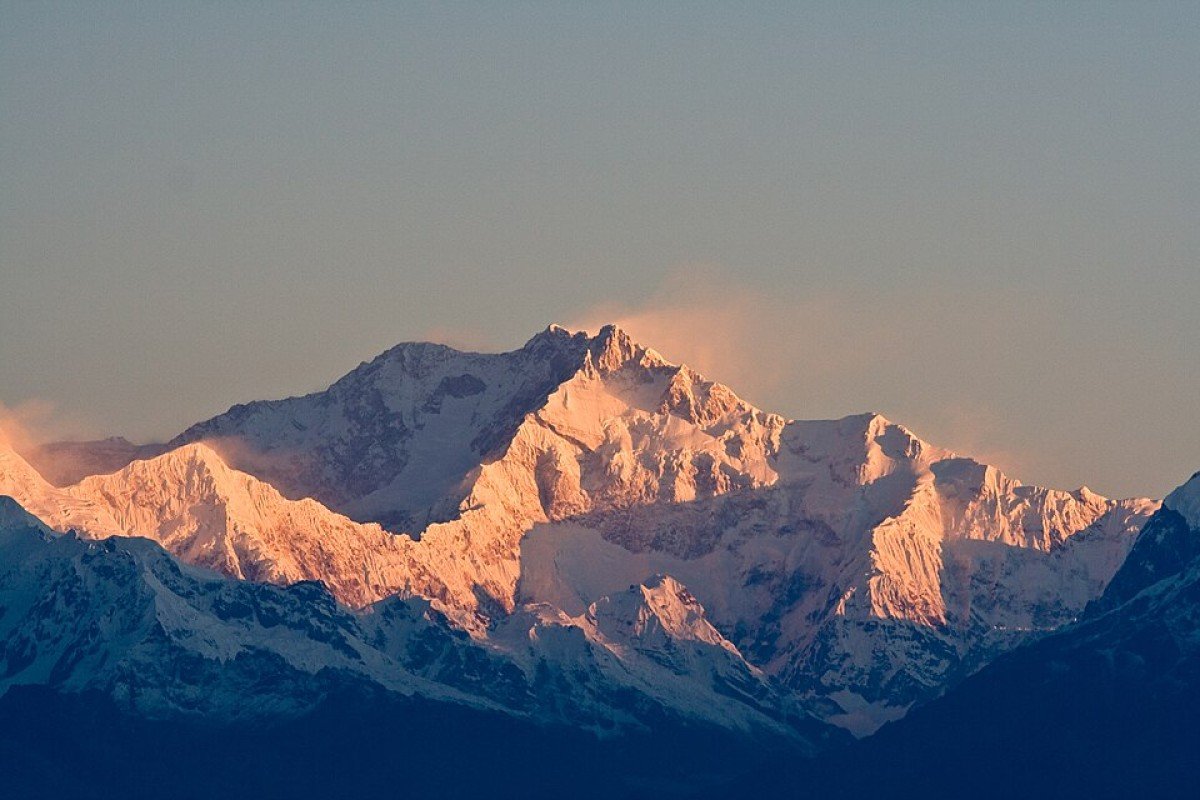
Singhik Point: The majestic view of the third highest peak in the world.
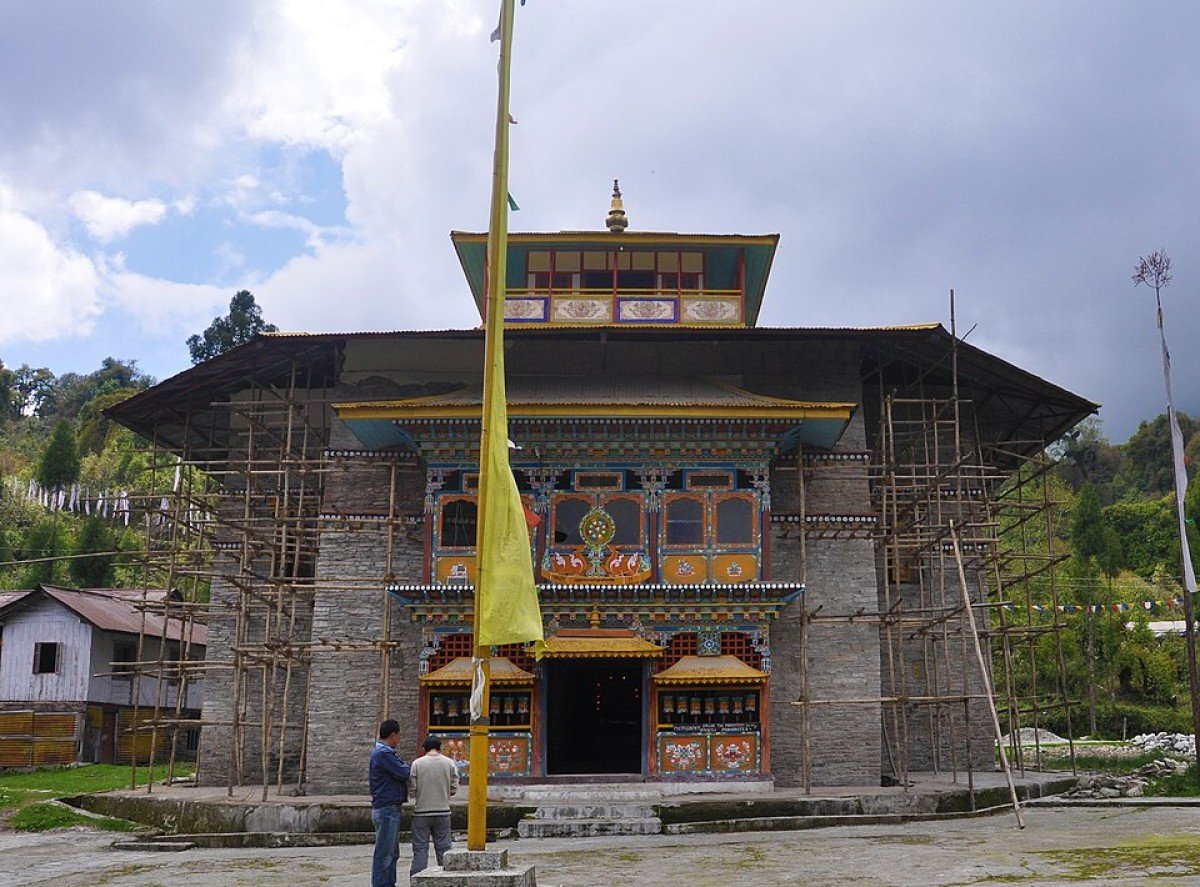
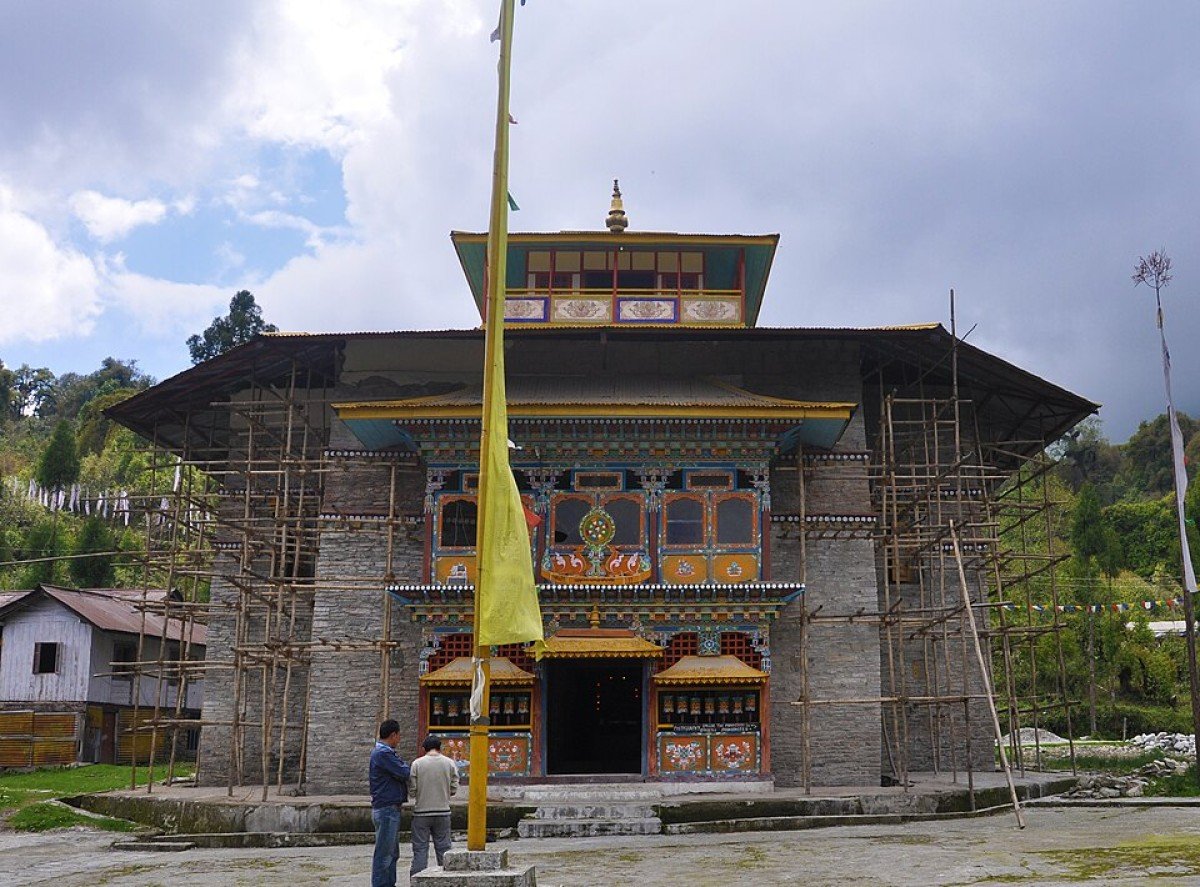
Phodong Monastery: The grand facade of one of Sikkim's major monasteries. ...Singhik Point: The majestic view of the third highest peak in the world.
Phodong Monastery: The grand facade of one of Sikkim's major monasteries.Photo Gallery





Things To Do
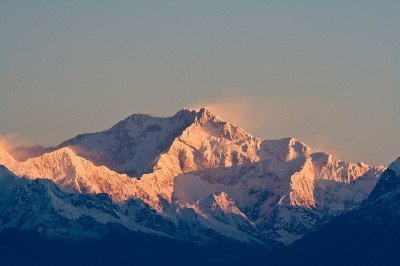 The Kanchenjunga View Point in Singhik is widely considered the best spot in all of Sikkim to witness the majesty of the world's third-highest peak. Unlike other viewpoints that require long treks or high-altitude travel, this point is located right on the wayside of the main highway, making it accessible to everyone. On a clear day, the view is staggering: Mount Kanchenjunga (8,586m) stands center stage, flanked by Mount Siniolchu—often called the most beautiful snow mountain in the world—and Mount Pandim. The viewpoint offers a vertical perspective that is rare; you can see the emerald green Teesta valley thousands of feet below and the white icy peaks piercing the sky above. The contrast between the deep V-shaped valleys and the towering massifs is a photographer's dream. The air at this height is crisp and thin, carrying the scent of pine from the surrounding forests. Small gazebos and benches have been constructed for visitors to sit and soak in the vista. As the sun moves across the sky, the colors on the snow faces change from a cold blue-white to a brilliant gold during sunrise and a soft pink during sunset (Alpenglow). This spot serves as a psychological gateway for travelers heading to the rugged north; it is here that the true scale of the Himalayas first becomes apparent. Even when the peaks are hidden by clouds, the panoramic view of the river confluence and the terraced fields of the Dzongu valley makes the stop worthwhile.
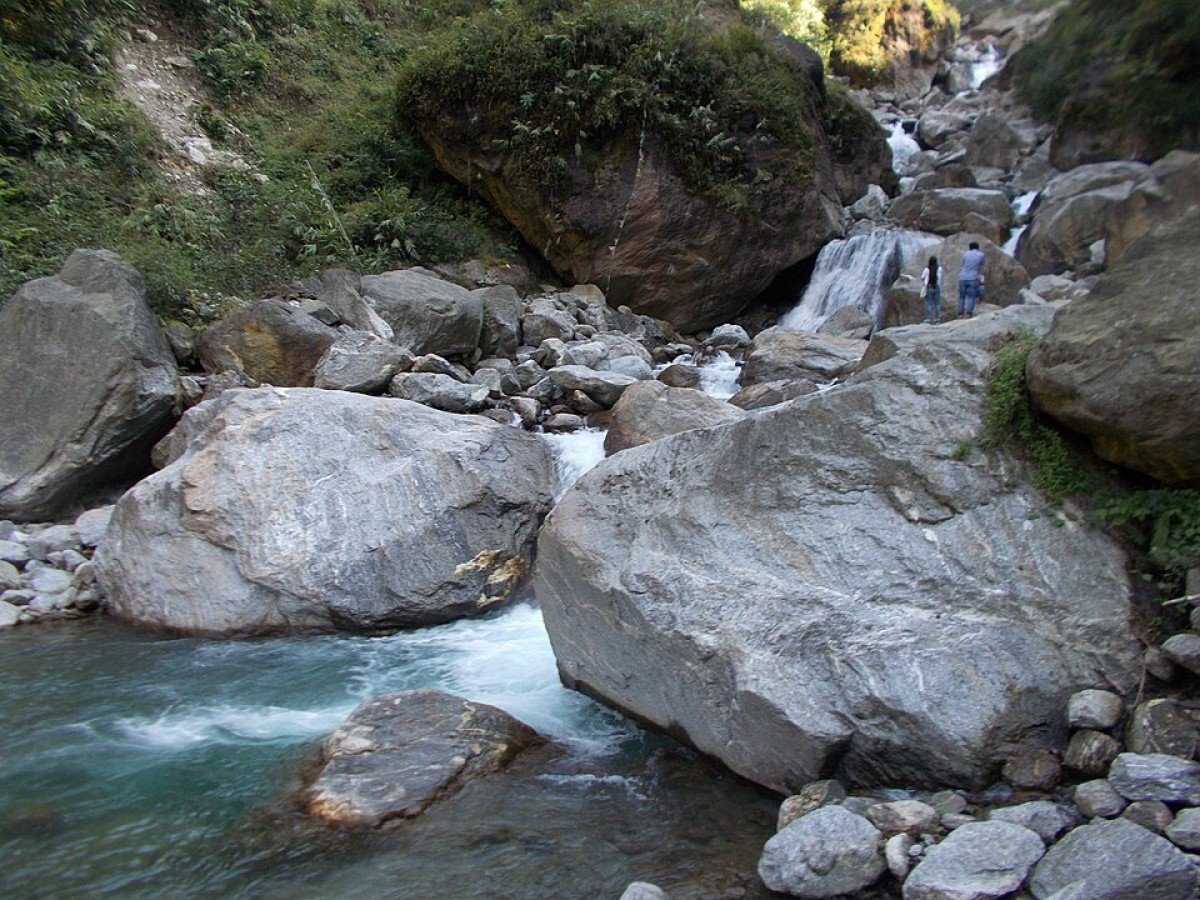
 @@Place Overview: Bhewma Falls is a majestic natural wonder tucked away in the lush greenery of the North Sikkim mountains. This perennial waterfall cascades from a significant height, creating a misty aura that refreshes every traveler. The falls are particularly voluminous during the monsoon, though their crystal-clear waters remain a sight to behold throughout the year. Surrounded by dense broad-leaved forests, the area is a sanctuary for local bird species and butterflies, making it a dream for nature enthusiasts. Travelers often stop here on their way to Lachen or Lachung to stretch their legs and breathe in the pure mountain air. The sound of the crashing water resonates through the valley, providing a rhythmic backdrop to the serene environment. Unlike more commercialized spots, Bhewma Falls maintains a raw and untouched charm that appeals to those looking for tranquility. The surrounding rocks are covered in vibrant moss and ferns, adding to the fairytale-like atmosphere of the location. Visiting this place offers a profound sense of connection with nature, away from the hustle of urban life.
 Singhik Village is a small, picturesque hamlet that offers one of the most stunning views of Mt. Khangchendzonga and Mt. Siniolchu. Located at an altitude of about 5,000 feet, it serves as a perfect transit point for those traveling further into North Sikkim. The village is known for its peaceful atmosphere, far away from the commercial hustle of larger towns. It provides a unique opportunity to witness the traditional lifestyle of the Lepcha and Bhutia communities. The Singhik Viewpoint is the primary attraction here, attracting thousands of travelers who wish to see the sunrise over the snow-capped peaks. The village is surrounded by dense forests and cardamom plantations, which are the main source of income for the locals. Many visitors choose to stay in homestays here to experience the warm hospitality and local cuisine of Sikkim. The air is crisp and clean, and the silence of the mountains is only broken by the sound of prayer flags fluttering in the wind. Singhik is also a starting point for several short treks into the nearby hills. It is a place where one can truly connect with nature and find inner peace. The panoramic vista of the Teesta and Kanaka rivers meeting in the valley below is another highlight of this village. It is a must-visit for anyone seeking a quiet retreat in the Himalayas.
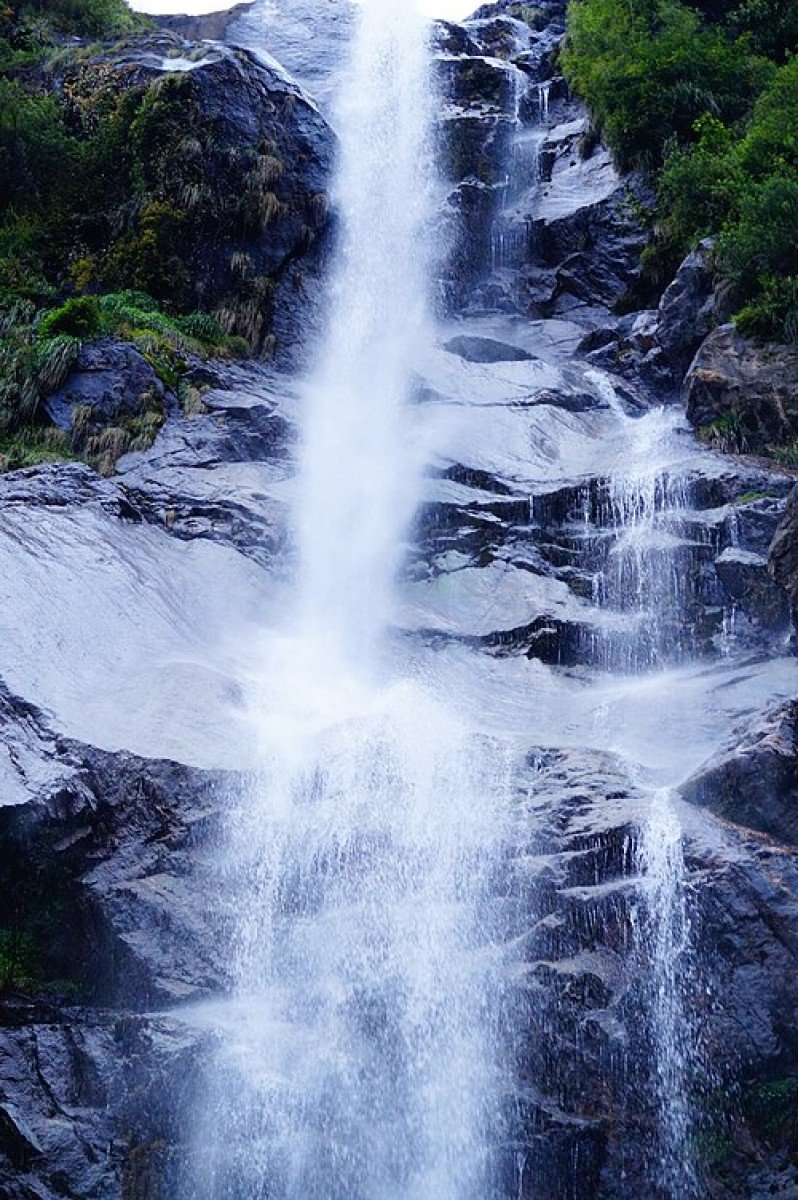
 Naga Waterfalls is one of the most stunning and powerful natural attractions in North Sikkim. Situated along the main highway between Mangan and Chungthang, it is a multi-tiered waterfall that drops from a great height. The sheer volume of water cascading over the rugged rocks creates a thunderous sound that can be heard from a distance. The water is ice-cold and crystal clear, originating from the high-altitude glaciers of the Himalayas. During the monsoon season, the falls transform into a roaring giant, spraying mist across the road. A sturdy steel bridge spans the stream at the base, providing an excellent vantage point for travelers. Many tourists stop here to stretch their legs and enjoy the refreshing spray of the falls. The surrounding landscape is characterized by steep cliffs and dense tropical vegetation. It is a popular pit-stop for those traveling towards Lachung or Lachen. The sight of the white water foaming against the dark rocks is a visual treat. Legend has it that the water possesses healing properties, and locals often consider it sacred. The area is also prone to landslides, which adds a sense of raw adventure to the visit. It is a place where one can truly feel the power of nature.
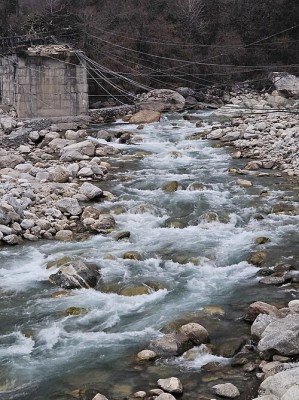 @@Place Overview: Dikchu River View Point marks the entry point into the Mangan district and offers a stunning view of the Dikchu River merging with the Teesta. The town of Dikchu is nestled in a deep valley, surrounded by steep hills that seem to touch the sky. This viewpoint is particularly famous for its sight of the Teesta V Dam and the suspension bridges that span across the emerald-green waters. The atmosphere here is subtropical, making it significantly warmer than the higher reaches of North Sikkim. Travelers often stop here to admire the engineering of the hydroelectric tunnels that disappear into the mountainside. The river banks are dotted with massive boulders, and the sound of the flowing water is a constant companion. It is a place where one can truly appreciate the ruggedness of the terrain and the resilience of the people living in these steep valleys. The view point provides a perfect vantage for seeing the winding roads that lead up to the higher Himalayas. During the rainy season, the river becomes a raging torrent, showcasing the raw power of the Himalayan drainage system. For many, this is the first real taste of the dramatic landscapes that define North Sikkim.
 Zero Point Waterfall, also known as the Yumesamdong Falls, is a spectacular high-altitude waterfall located at the edge of civilization in North Sikkim. Situated at an elevation of over 15,000 feet, this waterfall is one of the highest in the region. It is often surrounded by snow for most of the year, creating a unique "frozen" appearance during the winter months. The water originates from the melting glaciers of the surrounding Himalayan peaks and cascades down in a powerful stream. The journey to the waterfall is as exciting as the destination, passing through the Yumthang Valley and rugged mountain terrain. The air at this altitude is thin, and the landscape is stark yet beautiful, with patches of alpine flowers blooming in the short summer. Visitors are often struck by the raw and untouched beauty of the site, where the sound of the falling water is the only thing that breaks the silence. It is a place where one can truly feel the majesty of the Great Himalayas. Due to its proximity to the Indo-China border, it is the last point accessible to tourists. The waterfall serves as a testament to the extreme conditions and breathtaking scenery of North Sikkim.
 The Hanging Bridge on Kanakha Khola is a masterpiece of mountain engineering, serving as a vital link for the local Lepcha communities. Spanning across the roaring Kanakha Khola, a tributary that eventually joins the Teesta River, this bridge is one of the longest suspension bridges in the region. As you walk across, the bridge sways gently, offering a thrill that is both terrifying and exhilarating. The river below crashes over massive boulders, creating a white-water spectacle that can be viewed through the gaps in the wooden planks. The bridge is constructed using heavy-duty steel cables anchored deep into the rocky banks on either side. It is decorated with hundreds of colorful Buddhist prayer flags that flutter vigorously in the mountain breeze, sending prayers into the valley. For the locals, it is a daily commute path; for tourists, it is a vantage point to witness the raw power of Sikkim's river systems. The surrounding vegetation is lush and subtropical, with ferns and orchids clinging to the trees. The sound of the water is deafeningly beautiful, masking all other noises and creating an immersive nature experience. The bridge offers a 360-degree view of the surrounding hills, which are often draped in low-hanging clouds. It is a favorite spot for those heading towards the Dzongu reserve, as it represents the transition from the modern world into the ancestral lands of the Lepchas. The structural integrity of the bridge is tested every monsoon, yet it stands as a resilient symbol of connectivity in a challenging terrain.Show All
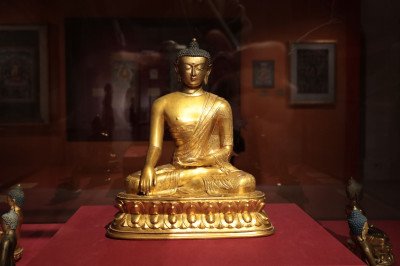 Rong Lungten Lee Museum is a unique cultural center located in Namprikdang, near the confluence of the Teesta and Kanaka rivers. It is a faithful replica of a traditional Lepcha house, built to preserve and showcase the heritage of Sikkim's indigenous community. The museum consists of three main rooms and an attic, each filled with artifacts that tell the story of the Lepcha people. Visitors can see traditional costumes, bamboo crafts, ancient musical instruments, and agricultural tools. The architecture of the museum itself is a marvel, constructed using traditional techniques without the use of modern nails. The site is surrounded by lush greenery and offers a peaceful environment to learn about local history. The museum plays a crucial role in keeping the dying traditions of the Lepcha community alive for future generations. It is not just a display of objects but a window into a lifestyle that is deeply connected to nature. The local guides are often Lepcha themselves, providing authentic stories and insights. During the annual Namsoong festival, the area around the museum becomes a vibrant hub of cultural activity. It is a must-visit for anyone interested in anthropology and tribal cultures.
Information
-
Why Famous:
Singhik Viewpoint: Famous for offering one of the closest and clearest views of Mt. Kanchenjunga.
Cultural Festivals: It is a center for major ethnic celebrations and music festivals. ...Singhik Viewpoint: Famous for offering one of the closest and clearest views of Mt. Kanchenjunga.
Cultural Festivals: It is a center for major ethnic celebrations and music festivals. -
Architecture:
Modern & Traditional: The town features a mix of modern concrete buildings and traditional wooden shops. The district office is a large colonial-style structure.
Singhik Viewpoint: The architecture here is minimalist, designed to provide un...Modern & Traditional: The town features a mix of modern concrete buildings and traditional wooden shops. The district office is a large colonial-style structure.
Singhik Viewpoint: The architecture here is minimalist, designed to provide unobstructed 360-degree views of the mountain ranges. It covers an area of about 20×20 feet. -
-
Weather and Best Time to Visit:
-
Near Tourist Places:
Phodong Monastery (22 km), Singhik (4 km), Seven Sisters Fall (30 km).
Tourism Tips
-
Accommodation: There are several decent mid-range hotels and homestays.
Transport: Always book your vehicle for the onward journey to Lachen/Lachung a day in advance. ...Accommodation: There are several decent mid-range hotels and homestays.
Transport: Always book your vehicle for the onward journey to Lachen/Lachung a day in advance.
Reviews
FAQs
Mangan Itineray And Cost:-
Other Places In Sikkim :-
Other States In India :-
Information about New and Updated Locations() of Sikkim Has Been Added :-
Card subtitle
Note:-
Information provided here in good Faith and for reference only.
Near Places
Chungthang
Some quick example text to build on the card title and make up the bulk of the card's content.
Go somewhere
Gangtok
Some quick example text to build on the card title and make up the bulk of the card's content.
Go somewhere
Geyzing
Some quick example text to build on the card title and make up the bulk of the card's content.
Go somewhere
Jorethang
Some quick example text to build on the card title and make up the bulk of the card's content.
Go somewhere
Lachen
Some quick example text to build on the card title and make up the bulk of the card's content.
Go somewhere
Lachung
Some quick example text to build on the card title and make up the bulk of the card's content.
Go somewhere
Mangan
Some quick example text to build on the card title and make up the bulk of the card's content.
Go somewhere
Namchi
Some quick example text to build on the card title and make up the bulk of the card's content.
Go somewhere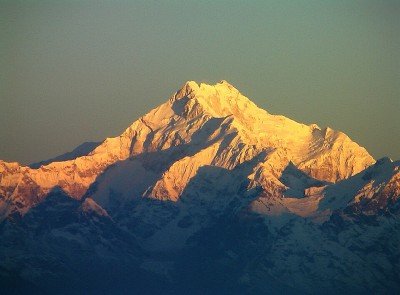
Pakyong
Some quick example text to build on the card title and make up the bulk of the card's content.
Go somewhere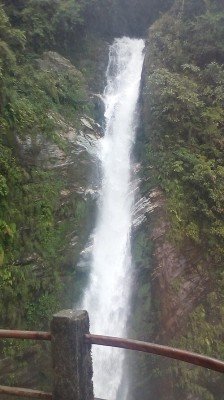
Pelling
Some quick example text to build on the card title and make up the bulk of the card's content.
Go somewhere
Ravangla
Some quick example text to build on the card title and make up the bulk of the card's content.
Go somewhere
Rumtek
Some quick example text to build on the card title and make up the bulk of the card's content.
Go somewhere
Singtam
Some quick example text to build on the card title and make up the bulk of the card's content.
Go somewhere
Soreng
Some quick example text to build on the card title and make up the bulk of the card's content.
Go somewhere
Yuksom
Some quick example text to build on the card title and make up the bulk of the card's content.
Go somewhere
Zuluk
Some quick example text to build on the card title and make up the bulk of the card's content.
Go somewherein Other Cities