


Lachung
General information
-
Ideal Duration:
2 DaysPlace Type:
VillageSpecial Events:
Best Photo Spots:
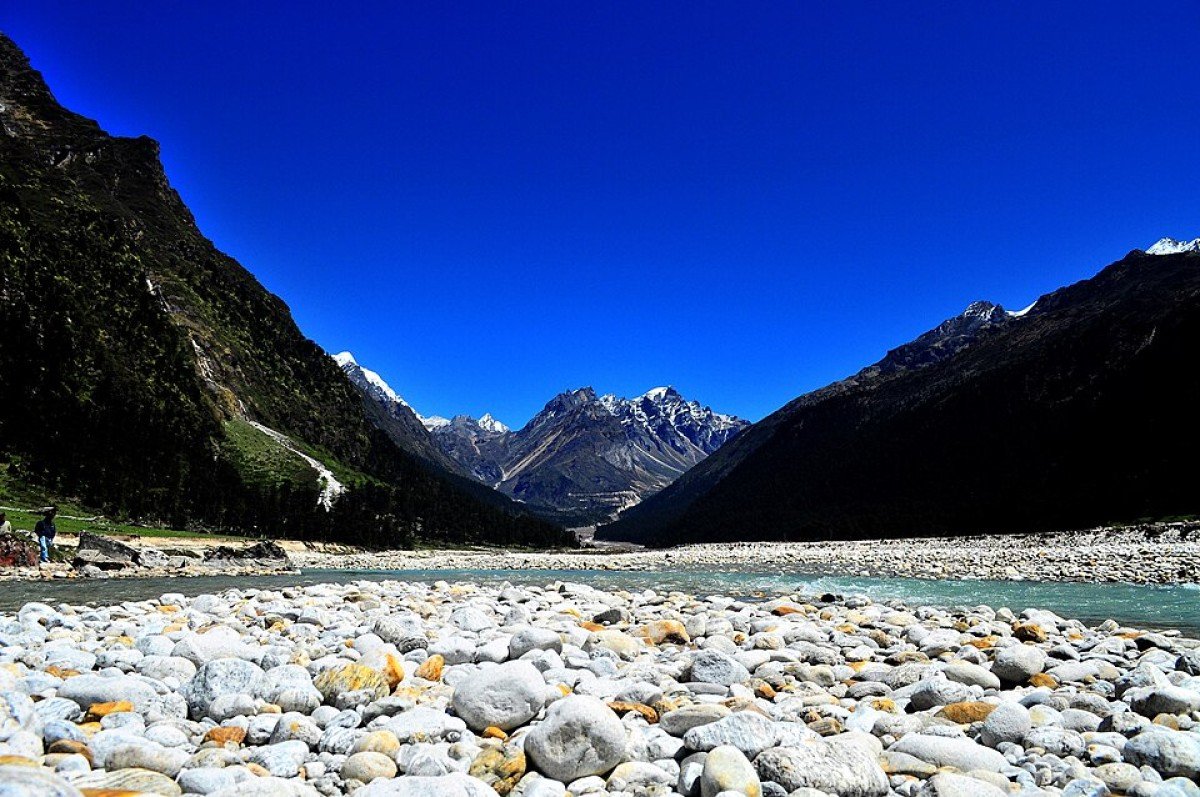
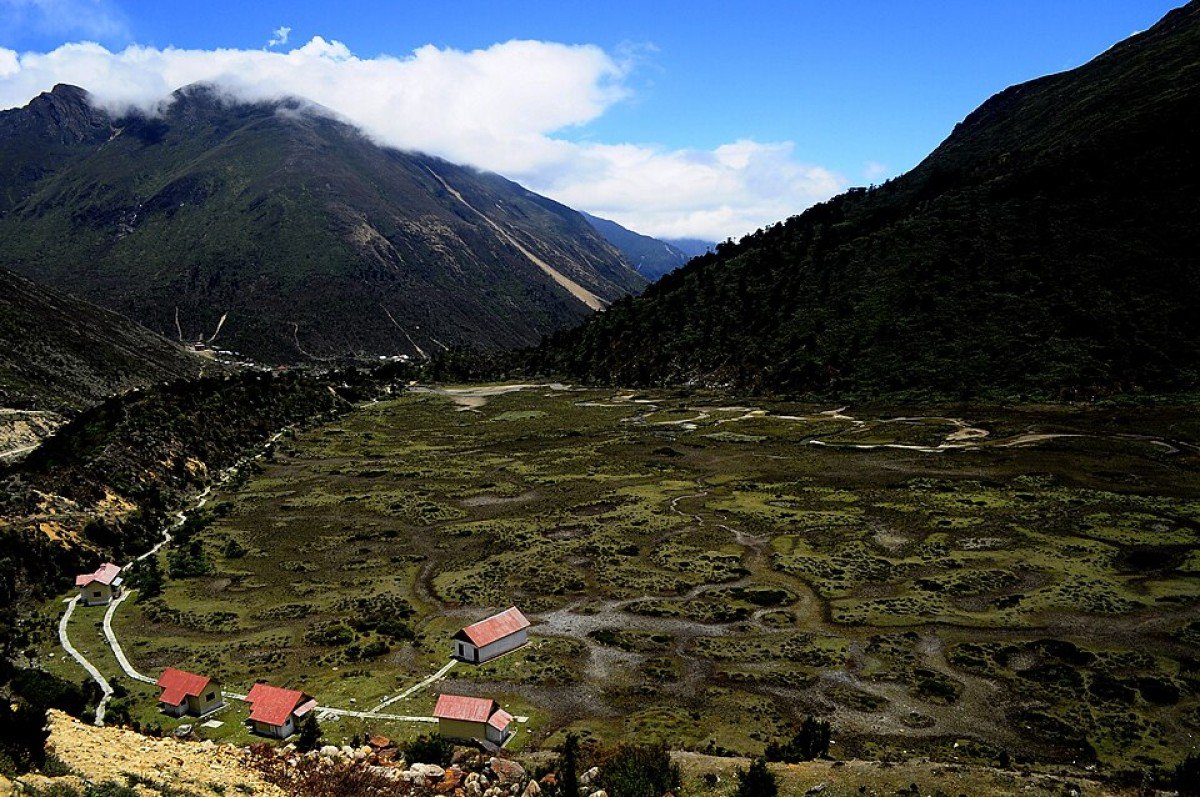
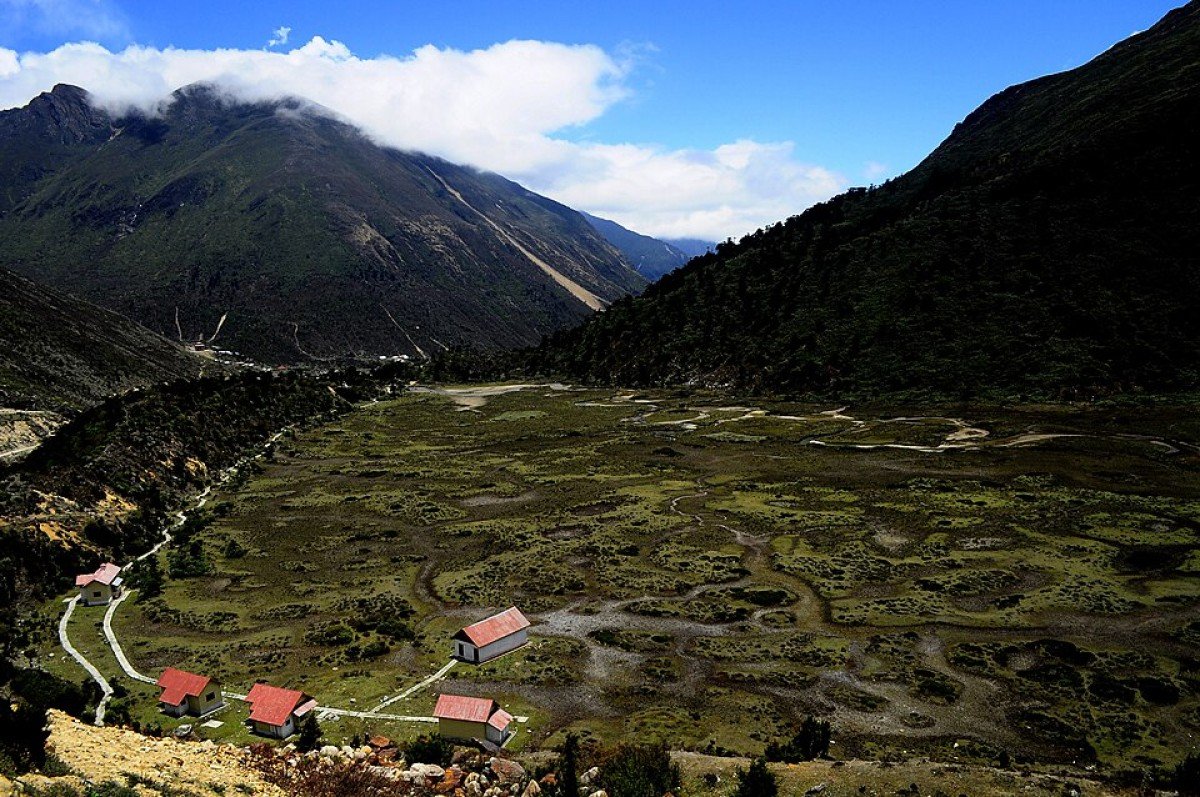
Yumthang Meadows: The panoramic view of the valley with the river winding through.
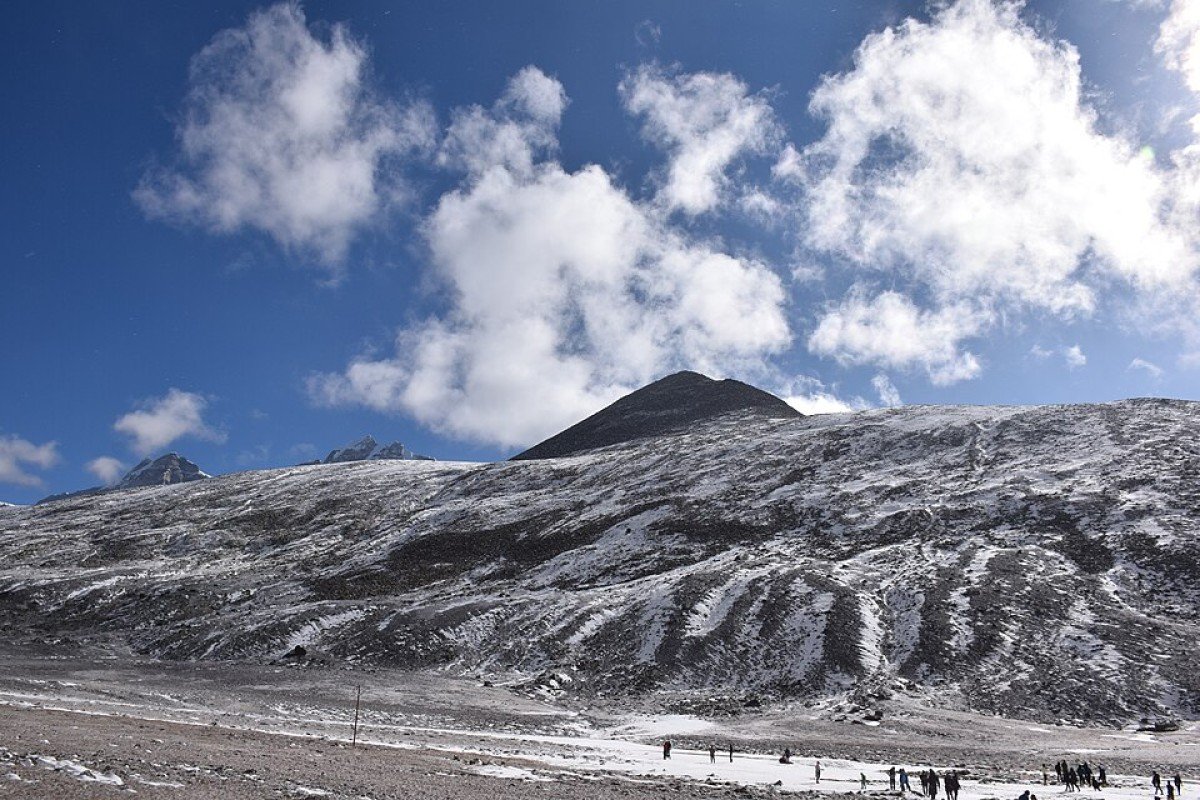
Zero Point: The vast white expanse of snow against the deep blue sky. ...Yumthang Meadows: The panoramic view of the valley with the river winding through.
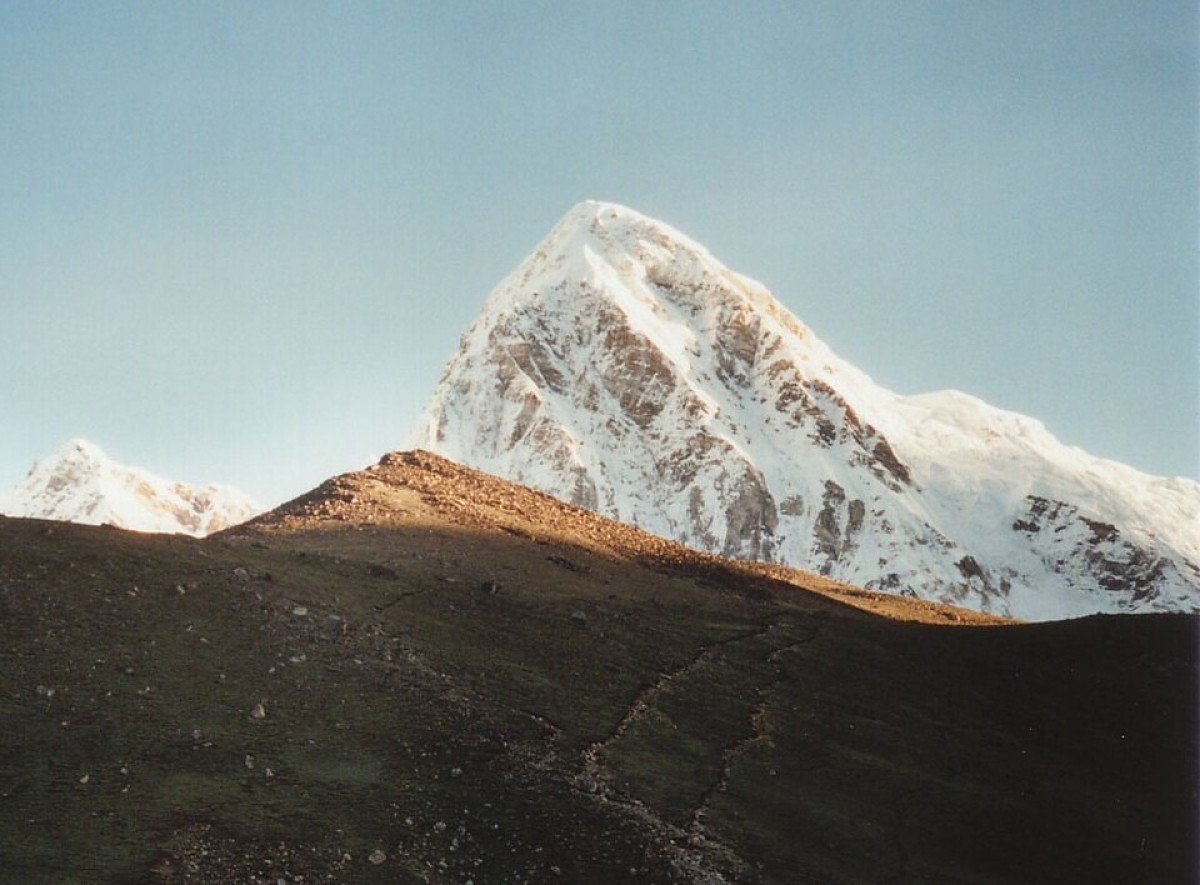
Zero Point: The vast white expanse of snow against the deep blue sky.Photo Gallery


Things To Do
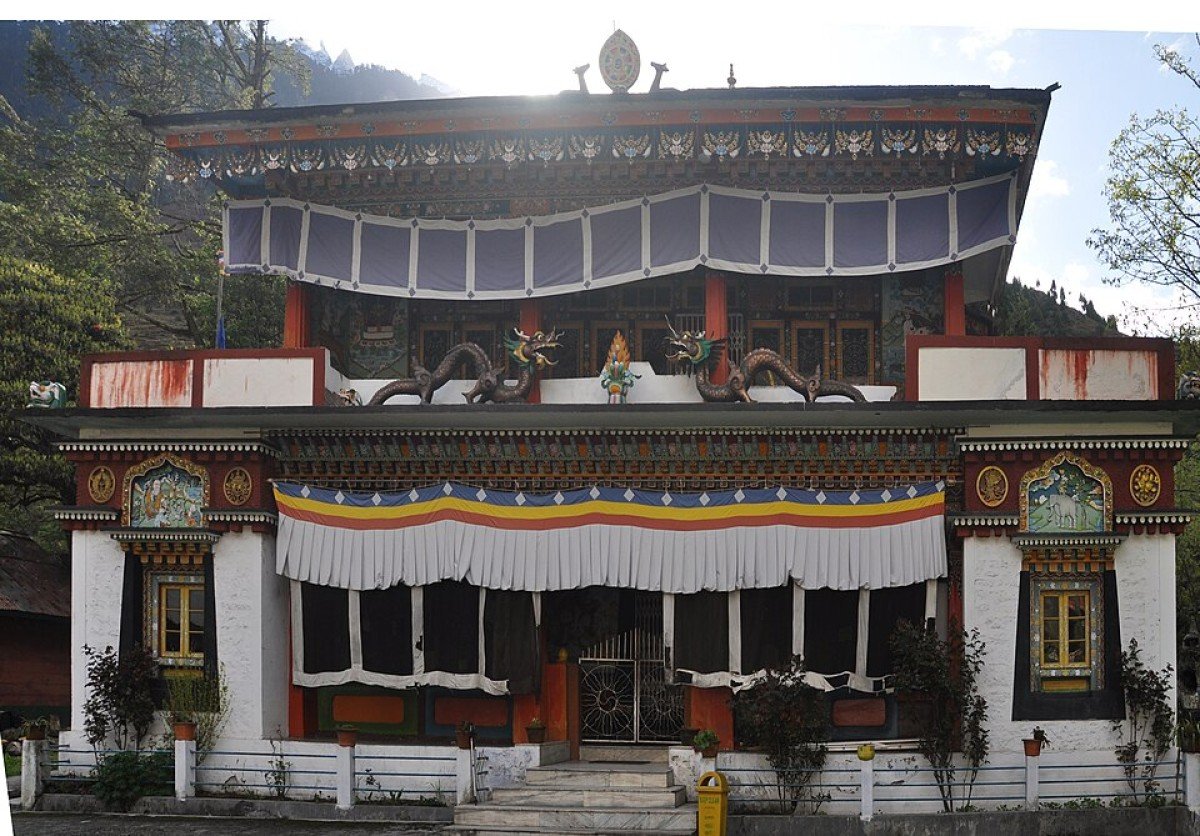
 @@A Beacon of Nyingma Buddhism: Also known as Samten Cheoling Gompa, the Lachung Monastery is one of the oldest and most important Buddhist monasteries of the Nyingma sect in North Sikkim. Established in 1880, it is perched on an elevated spur overlooking the confluence of the Lachen and Lachung rivers, offering a stunning panoramic view of the entire valley. @@Historical Significance: The monastery plays a crucial role in the spiritual and social life of the local Lachungpas. It houses ancient Buddhist scriptures (Kangyur and Tengyur Texts) and precious statues, some of which were brought from Tibet prior to the Chinese annexation. It acts as a major center for religious teaching and community gatherings. @@Art and Murals: Inside the main assembly hall (Dukhang), the walls are covered with vibrant and intricate murals (frescoes) depicting stories from Buddhist mythology, the lives of various Gurus, and benevolent deities. The artwork is a vital part of its cultural heritage. @@Tranquil Atmosphere: The monastery grounds are exceptionally peaceful, with the air filled with the gentle fluttering of prayer flags and the rhythmic chanting of the resident monks (Lamas). Visitors often find the atmosphere deeply spiritual and calming, a perfect contrast to the strenuous mountain drives.
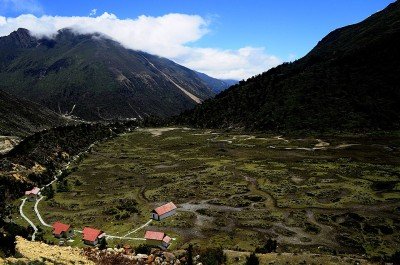 @@Location and Overview: Chopta Valley is a breathtaking alpine valley in North Sikkim, situated at an altitude of approximately 13,200 feet (4,023 meters). It is a vital stop on the route to the sacred Gurudongmar Lake, offering one of the last patches of rich green vegetation before the landscape transitions into the cold, rugged, high-altitude desert. The valley is the summer residence of the nomadic Lachenpas tribe, making it a culturally rich and naturally pristine destination. Its stunning panoramic view, hence the "View Point" designation, is defined by lofty, snow-capped peaks, meandering streams, and vast meadows. The region is renowned for its incredible floral diversity, particularly during the spring months (primarily March to May) when the entire valley floor becomes a vibrant carpet of rhododendrons, primulas, and other high-altitude flowers. This spectacular transformation makes the valley an ideal spot for nature lovers and photographers seeking dramatic, untouched Himalayan scenery. Chopta Valley serves as a base for several interesting and challenging treks, including the trail towards the revered Gurudongmar Lake and the remote Muguthang Valley. The crisp, clean mountain air and the profound sense of peace draw visitors who seek solitude and a deep connection with the Himalayas. Due to its proximity to the international border, a Special Protected Area Permit (PAP/ILP) is mandatory for all visitors, which adds to the sense of an exclusive, remote adventure. This valley embodies the raw, unadulterated charm of the highest regions of Sikkim, making it a destination of spiritual, ecological, and adventurous importance. The journey to Chopta itself is an experience, winding through dramatic gorges and past towering waterfalls, setting the stage for the magnificent views awaiting at the destination. The "view point" generally refers to the vantage from the road where travelers stop to absorb the vastness of the valley, the high cliffs, and the scattered streams.:
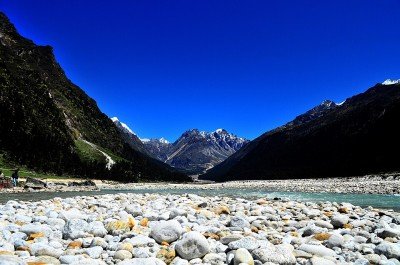 @@An Alpine Wonderland: The Yumthang Valley is a breathtaking alpine meadow located at a high altitude, often called the 'Valley of Flowers' due to the incredible floral diversity, particularly the surrounding Shingba Rhododendron Sanctuary. It is a vast, open valley where the tree line ends, and the landscape is defined by rolling meadows, yaks grazing, and the Lachung Chu river flowing through its center. @@Flora and Fauna: Beyond the rhododendrons, the valley floor itself is carpeted in seasonal alpine flowers like primulas, poppies, and cobra lilies from March to June. The valley is also the grazing ground for yaks and local cattle and is a part of a larger biodiversity hotspot. @@Hot Spring: The valley is also home to a natural hot spring (Yumthang Hot Spring) a short distance from the main meadow, where visitors can take a therapeutic dip in the sulfurous water, though facilities are rustic. @@The Gateway: Yumthang serves as the main entry point and base for the further ascent to the snowy heights of Zero Point (Yumesamdong). Its stunning, lush green landscape in summer provides a vivid contrast to the stark white of the higher regions. @@Serene Beauty: The sheer scale of the valley, surrounded by imposing, snow-capped mountains on all sides, creates a feeling of overwhelming natural beauty and serenity.
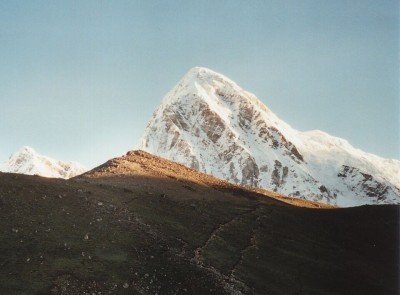 @@The Black Rock Altitude: This high-altitude spot translates to 'Black Rock' and is a pristine, snowy landscape, often compared to a 'Mini Switzerland.' It offers a stunning contrast of black peaks and white snow, providing a rugged, desolate beauty unlike the flowery valleys. Kala Patthar is usually part of the extended North Sikkim circuit, often done as a diversion on the way to/from Gurudongmar Lake or sometimes offered as an alternative to Zero Point from Lachung. The air is thin, requiring acclimatization. @@Pristine High-Altitude Experience: It's situated above the Thangu Valley and Chopta Valley. The high elevation ensures snow cover for most of the year, making it a spectacular viewpoint for the surrounding Himalayan ranges. The environment is extremely fragile, and visitors must adhere to strict environmental protection rules. Its remoteness contributes to its tranquil and less-crowded atmosphere compared to other major spots. @@Nature and Geology: Geologically, the area is characterized by exposed black metamorphic rocks that create a dramatic visual against the permanent snowline, giving the peak its name. It is located close to the Indo-Tibetan border, making it a sensitive area requiring special permits. The journey is an adventure in itself, with challenging, rugged roads that climb steeply through alpine forests and meadows to the tree line and beyond.
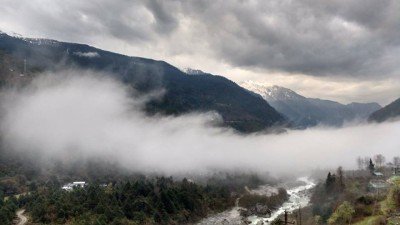 @@The Roadside Attraction: Khanda Waterfalls is a spectacular, multi-tiered waterfall that cascades down rugged cliffs into the Teesta River basin (via the Lachung Chu). It is a popular and mandatory stop for tourists traveling from Lachung to Yumthang Valley or Zero Point. It's renowned for the sheer volume of water, especially during the post-monsoon and early summer months. @@The Three-Tiered Beauty: The fall is often described as a three-stage cascade, where the water tumbles down from a great height over natural rock formations, creating a misty spray that cools the air around it. The sight and sound of the gushing, milky-white water are incredibly refreshing and a welcome break during the long, bumpy road journey. @@Photography Spot: A small viewing platform or roadside area has been developed, often featuring an "I LOVE KHANDA WATERFALLS" sign or similar setup, making it a perfect spot for tourists to take memorable photographs. @@A Pause in the Journey: The waterfall's consistent flow and easy accessibility from the main road make it a favorite stop for travelers, offering a blend of natural beauty and tranquility away from the hotel rush. It exemplifies the raw, untamed beauty of the Himalayan landscape that defines Sikkim.
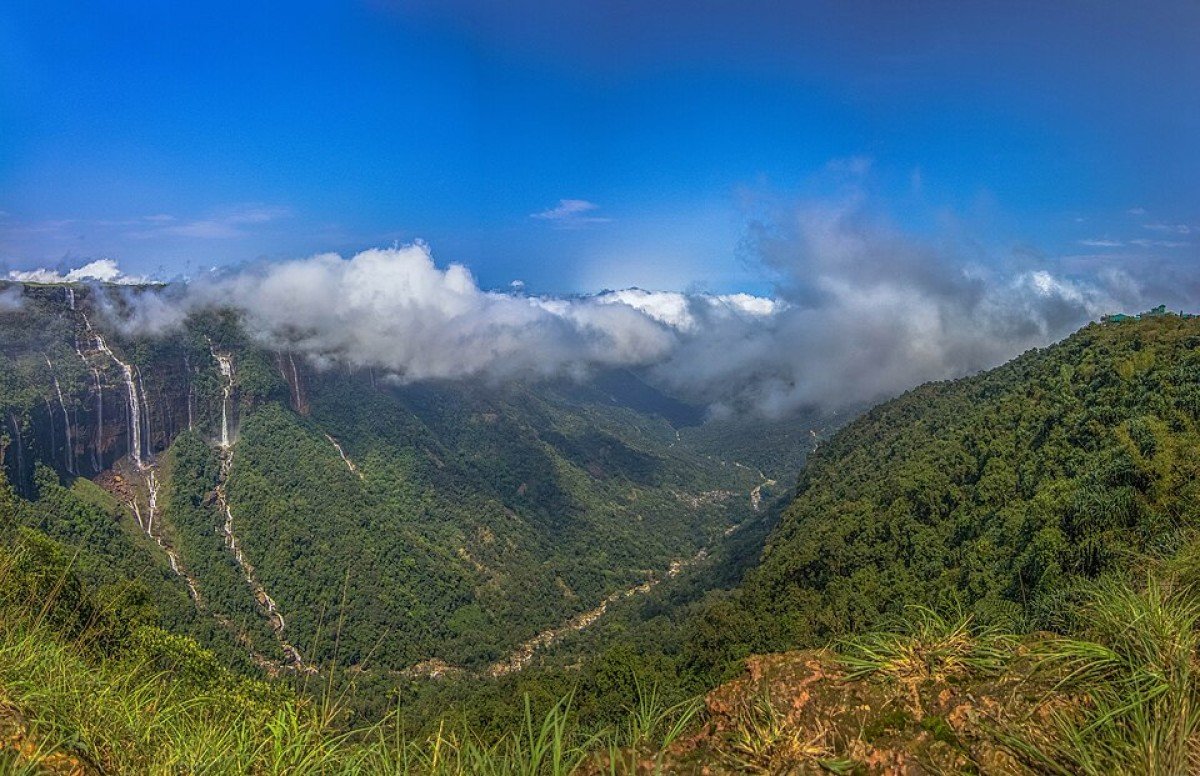
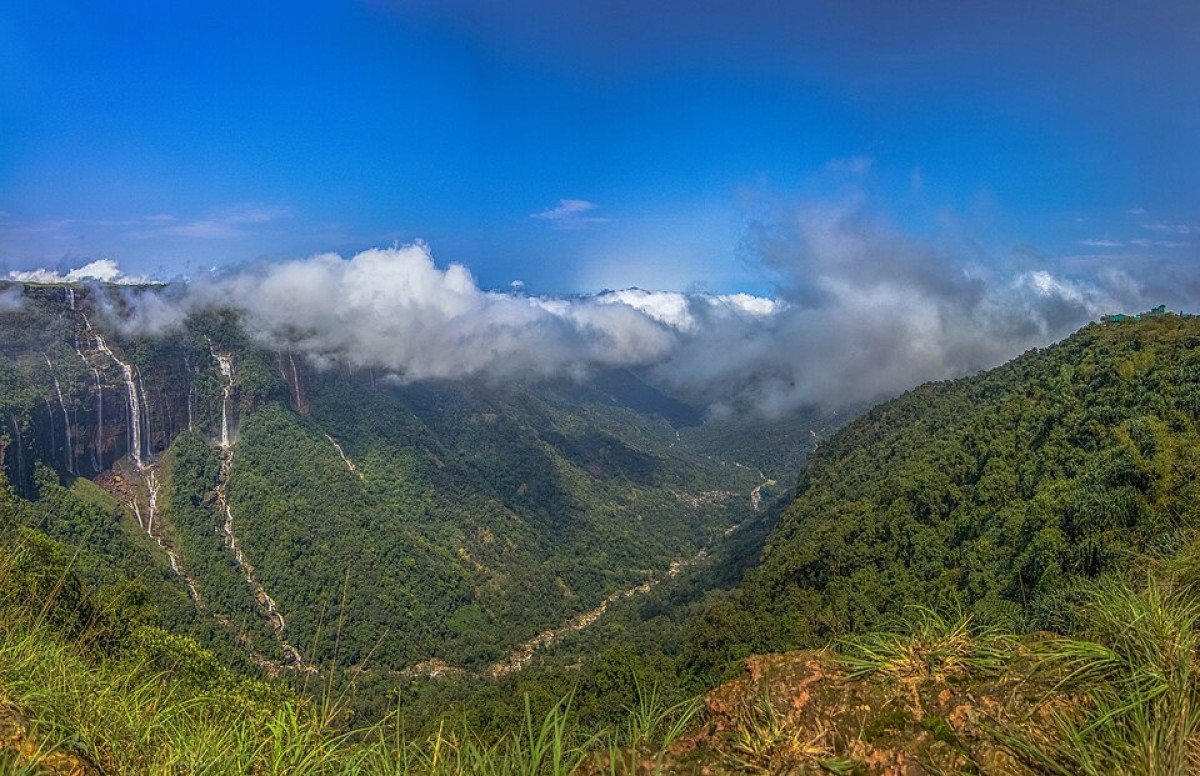
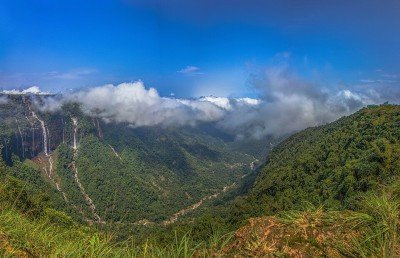 The Seven Sisters Waterfall is one of the most iconic natural landmarks in Sikkim, famous for its unique structure where the water cascades down in seven distinct stages. Located on the rugged cliffs of the North Sikkim Highway, this waterfall is a sight to behold, especially during the monsoon when the volume of water increases dramatically. The name "Seven Sisters" is derived from the seven different streams that flow down the mountain side-by-side, creating a wide and majestic curtain of water. As the water hits the rocks at different levels, it creates a misty spray that cools the surrounding air, making it a refreshing break for travelers. The Tourism Department of Sikkim has developed this site by building viewing platforms and a small footbridge that allows visitors to get a closer look at the cascading layers. Surrounded by dense alpine forests and lush greenery, the waterfall offers a serene environment where the only sound is the roar of the water. It is a popular spot for photography, with the green mountains providing a perfect contrast to the white foamy water. Many legends are associated with the falls, with locals often considering the waters to be pure and blessed. The site also features a small cafeteria where you can enjoy hot tea and snacks while watching the waterfall. It is not just a place to see, but a place to experience the raw power and beauty of the Himalayan springs. Whether you are a nature lover or just a traveler looking for a scenic stop, the Seven Sisters Waterfall never fails to enchant its visitors with its multi-tiered brilliance and tranquil surroundings.
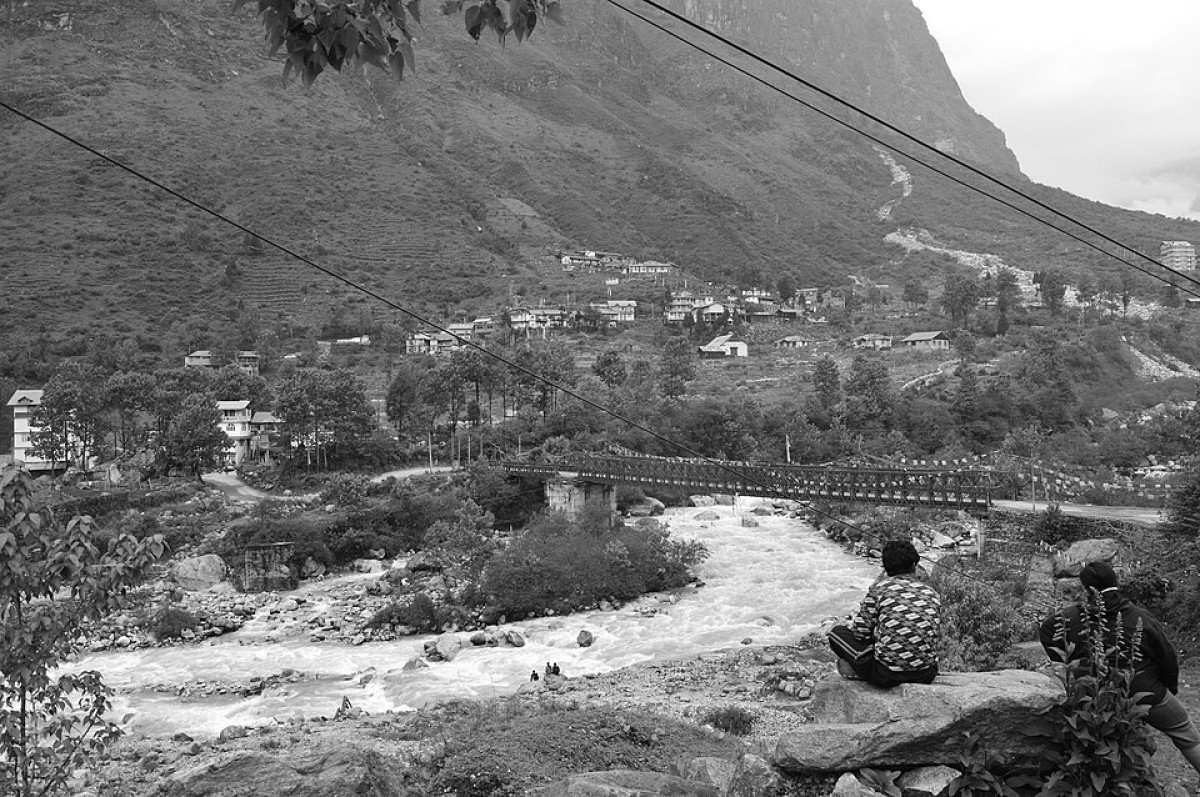
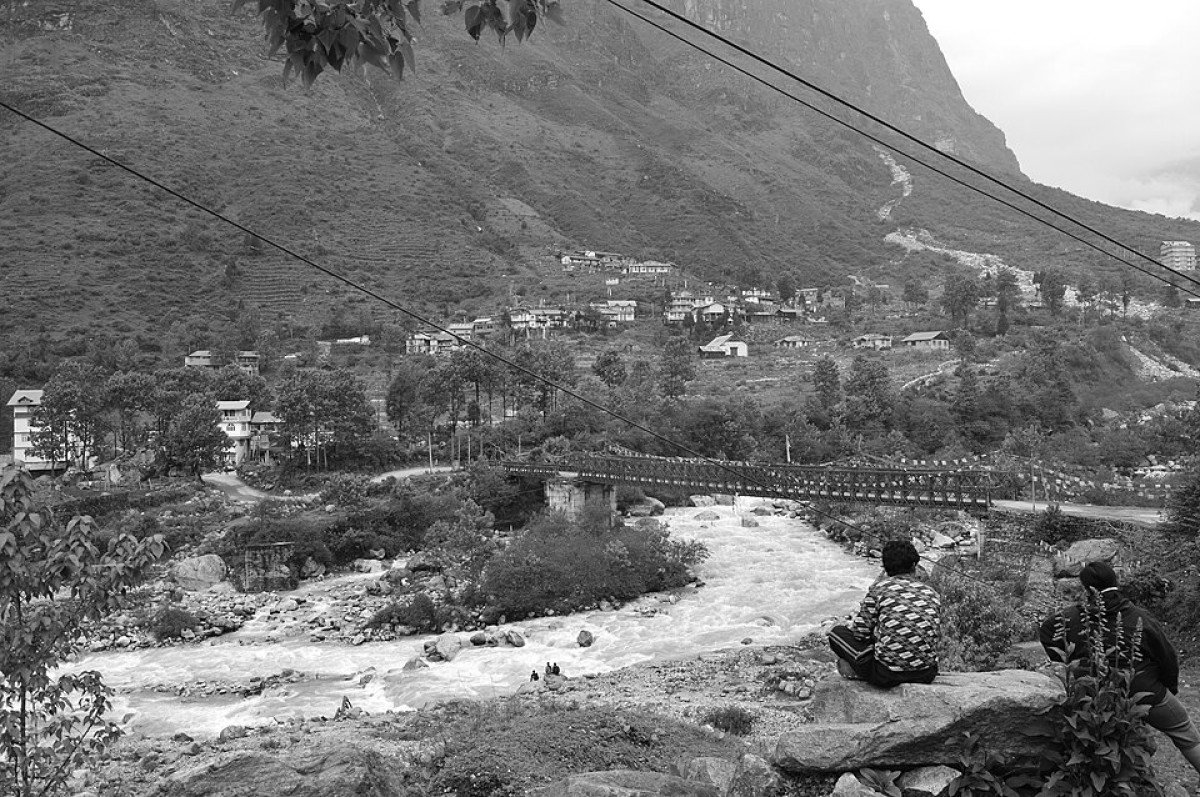
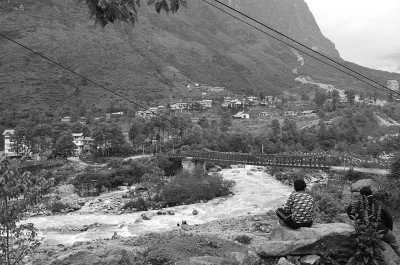 @@The Power of Glacial Melt: The Lachung Chu (river) is a roaring tributary of the Teesta River, fed by glacial melt from the high Himalayan peaks around Yumthang and Zero Point. The Viewpoint provides a safe, elevated vantage point to witness the sheer force of this gushing, turbulent water as it rushes through a deep, narrow gorge. The river water is typically a milky-white or light turquoise color due to the fine silt carried from the glaciers. @@A Dramatic Contrast: The Viewpoint offers a dramatic contrast between the massive, immovable surrounding mountains, the steep, pine-covered slopes, and the chaotic, fast-moving river below. The sound of the water is a powerful, constant roar, symbolizing the wild, untamed nature of the Himalayan landscape. @@Rest Stop and Acclimatization: It serves as an easy and accessible stop for tourists in Lachung, especially those who want a quick, scenic break without the strenuous drive to the upper valleys. Its location near the town makes it ideal for a gentle evening stroll. @@Bridge View: Often, the best viewpoint is near an old or a newly constructed bridge that spans the gorge, allowing visitors to see the river from directly above and appreciate the depth of the valley.Show All
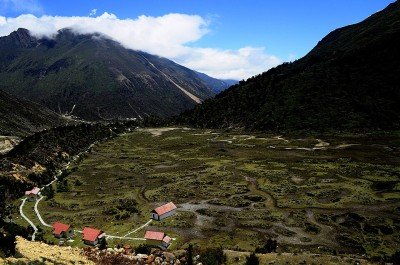 @@The Green Lake Trek Base refers to the starting point of one of the most challenging and high-altitude treks in Sikkim, ultimately leading to the serene Green Lake at an altitude of approximately 5,000 meters (16,400 feet), nestled at the base of the massive Zemu Glacier. This is not a direct tourist viewpoint but a logistical starting area for a multi-day expedition. The trek typically begins from Lachen and proceeds towards the initial camping sites like Tallem and Jakthang via the road-head at Zema Bridge. The route is renowned for offering unparalleled, panoramic views of the entire Kanchenjunga range, including peaks like Mount Siniolchu, Mt. Simvo, and the Nepal Peaks. The surrounding landscape is characterised by thick rhododendron forests, dense alpine vegetation, and numerous waterfalls in the initial stages, which gradually give way to rugged, rocky terrain and vast moraine deposits at higher altitudes. This expedition is a serious commitment, lasting around 10 to 15 days round trip, and requires extensive preparation, specialized gear, and a high level of physical fitness, making it primarily a domain for experienced trekkers and mountaineers. The sheer beauty and isolation of the region make it one of the most rewarding wilderness experiences in the entire Himalayan range, offering true solitude far from the standard tourist trail. Access is strictly controlled with permits and only organized trekking groups are allowed. The base, therefore, signifies the beginning of a profound journey into the very heart of the remote Sikkim Himalayas, following the banks of the Zemu Chu river. The area is part of the Khangchendzonga National Park (KNP) buffer zone.:
Information
-
Why Famous:
Yumthang Valley: It is the base for visiting the "Valley of Flowers" of the East.
Hot Springs: Famous for the natural sulfur springs near the river that have medicinal properties. The springs are a popular stop for weary travelers. ...Yumthang Valley: It is the base for visiting the "Valley of Flowers" of the East.
Hot Springs: Famous for the natural sulfur springs near the river that have medicinal properties. The springs are a popular stop for weary travelers. -
Architecture:
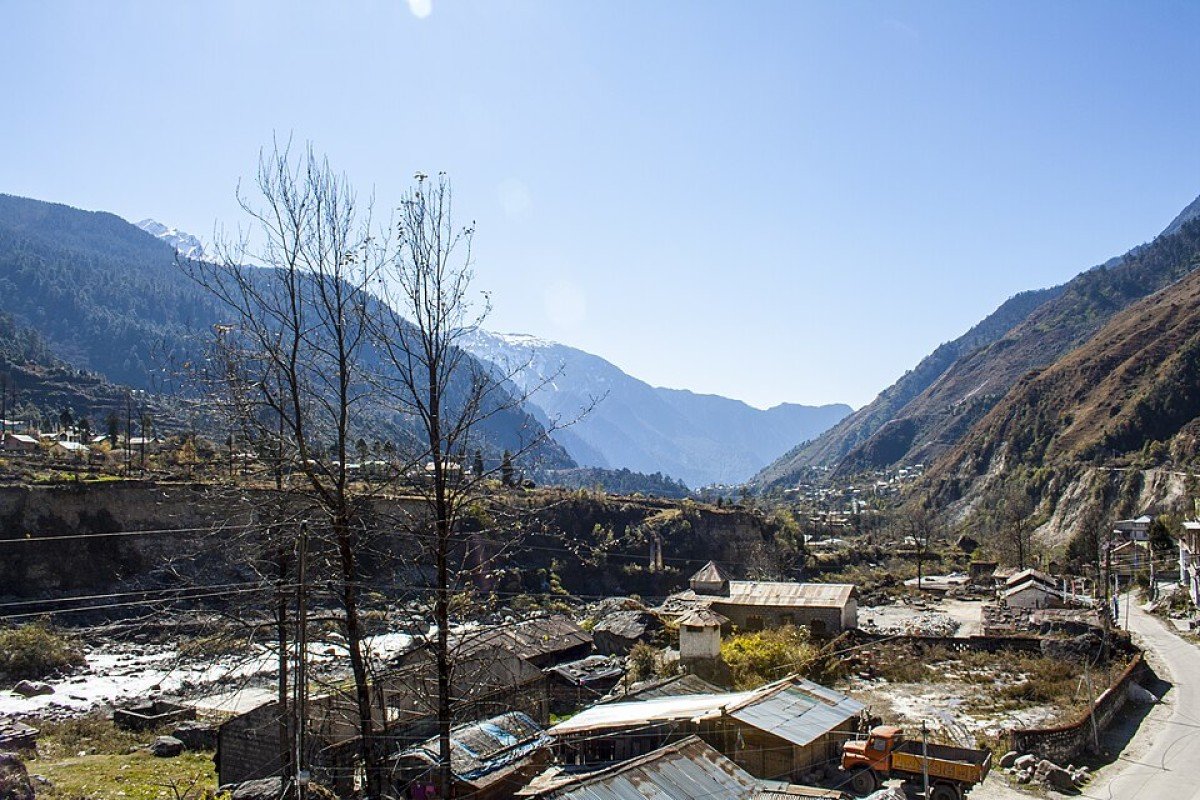
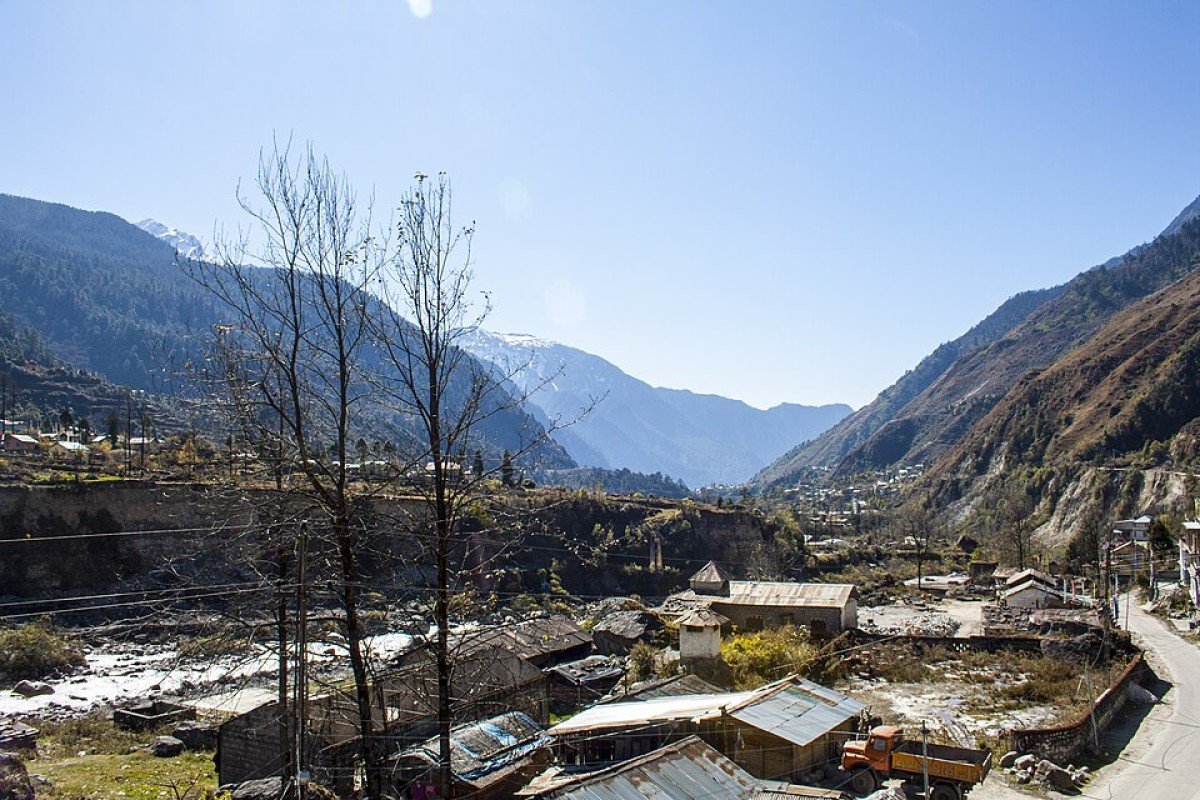
Tibetan Influence: The buildings feature colorful window frames and intricate woodwork on the eaves. Typical dimensions for community halls are 30×50 feet. Most houses are made of timber and stone, designed to endure the heavy monsoon rains.
...Tibetan Influence: The buildings feature colorful window frames and intricate woodwork on the eaves. Typical dimensions for community halls are 30×50 feet. Most houses are made of timber and stone, designed to endure the heavy monsoon rains.
The Monastery: The Lachung Monastery is a fine example of Buddhist architecture, renovated to preserve its old-world charm. It contains two-story prayer halls with a height of roughly 25 feet. The wall paintings depict various deities in the Vajrayana tradition. -
-
-
Near Tourist Places:
Yumthang Valley (25 km), Zero Point (50 km), Katao (28 km).
Tourism Tips
-
Packing: Layered clothing is a must as temperatures fluctuate wildly.
Health: Carry light snacks and water as there are few shops on the way to Zero Point. ...Packing: Layered clothing is a must as temperatures fluctuate wildly.
Health: Carry light snacks and water as there are few shops on the way to Zero Point.
Reviews
FAQs
Lachung Itineray And Cost:-
Other Places In Sikkim :-
Other States In India :-
Information about New and Updated Locations() of Sikkim Has Been Added :-
Card subtitle
Note:-
Information provided here in good Faith and for reference only.
Near Places
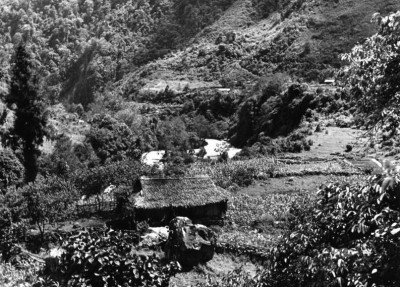
Chungthang
Some quick example text to build on the card title and make up the bulk of the card's content.
Go somewhere
Gangtok
Some quick example text to build on the card title and make up the bulk of the card's content.
Go somewhere
Geyzing
Some quick example text to build on the card title and make up the bulk of the card's content.
Go somewhere
Jorethang
Some quick example text to build on the card title and make up the bulk of the card's content.
Go somewhere
Lachen
Some quick example text to build on the card title and make up the bulk of the card's content.
Go somewhere
Lachung
Some quick example text to build on the card title and make up the bulk of the card's content.
Go somewhere
Mangan
Some quick example text to build on the card title and make up the bulk of the card's content.
Go somewhere
Namchi
Some quick example text to build on the card title and make up the bulk of the card's content.
Go somewhere
Pakyong
Some quick example text to build on the card title and make up the bulk of the card's content.
Go somewhere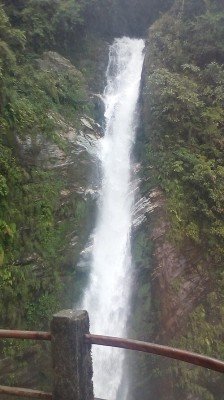
Pelling
Some quick example text to build on the card title and make up the bulk of the card's content.
Go somewhere
Ravangla
Some quick example text to build on the card title and make up the bulk of the card's content.
Go somewhere
Rumtek
Some quick example text to build on the card title and make up the bulk of the card's content.
Go somewhere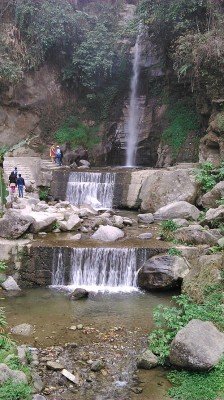
Singtam
Some quick example text to build on the card title and make up the bulk of the card's content.
Go somewhere
Soreng
Some quick example text to build on the card title and make up the bulk of the card's content.
Go somewhere
Yuksom
Some quick example text to build on the card title and make up the bulk of the card's content.
Go somewhere
Zuluk
Some quick example text to build on the card title and make up the bulk of the card's content.
Go somewherein Other Cities