...

Place To Visit And Things To Do In Mangan

Sikkim, India
Strategic Hub: Mangan is the administrative headquarters of North Sikkim and serves as the gateway to Lachen and Lachung. It is situated at an elevation that offers a perfect balance between the tropical heat of the valleys and the freezing heights of the north. The town is a melting pot of Lepcha, Bhutia, and Nepali cultures. Cardamom Trade: This town is globally recognized as the "Cardamom Capital of India" due to its large-scale production of high-quality large cardamom. The terraced fields surrounding the town are lush and green, contributing significantly to the local economy. Visitors can often smell the drying spice in the air during harvest season. Gateway to Adventure: For trekkers and mountaineers, Mangan is the point where they stock up on supplies and finalize permits. The town offers stunning views of the Khangchendzonga range on clear days. It is less a destination for leisure and more a base for exploration and cultural immersion. Local Life: The town has a bustling market where locals from remote villages come to trade. It is the best place to find authentic Sikkimese goods and local agricultural produce. The vibe is friendly and energetic, reflecting the hardworking nature of the Himalayan people. It is a town that bridges the gap between the modern world and the ancient hills.

Things To Do

Card image cap
Bhewma Falls

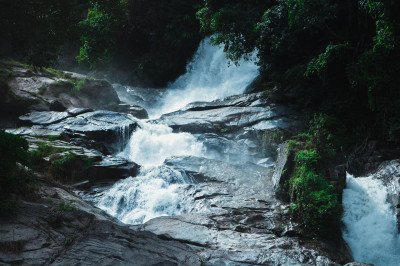
@@Place Overview: Bhewma Falls is a majestic natural wonder tucked away in the lush greenery of the North Sikkim mountains. This perennial waterfall c...

@@Place Overview: Bhewma Falls is a majestic natural wonder tucked away in the lush greenery of the North Sikkim mountains. This perennial waterfall cascades from a significant height, creating a misty aura that refreshes every traveler. The falls are particularly voluminous during the monsoon, though their crystal-clear waters remain a sight to behold throughout the year. Surrounded by dense broad-leaved forests, the area is a sanctuary for local bird species and butterflies, making it a dream for nature enthusiasts. Travelers often stop here on their way to Lachen or Lachung to stretch their legs and breathe in the pure mountain air. The sound of the crashing water resonates through the valley, providing a rhythmic backdrop to the serene environment. Unlike more commercialized spots, Bhewma Falls maintains a raw and untouched charm that appeals to those looking for tranquility. The surrounding rocks are covered in vibrant moss and ferns, adding to the fairytale-like atmosphere of the location. Visiting this place offers a profound sense of connection with nature, away from the hustle of urban life.
Card image cap
Bhim Nala Falls

@@Place Overview: Bhim Nala Falls, popularly known as the Amitabh Bachchan Falls, is one of the tallest and most spectacular waterfalls in Sikkim. The...
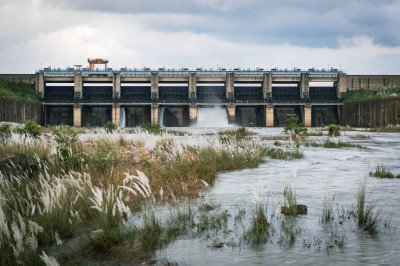
@@Place Overview: Bhim Nala Falls, popularly known as the Amitabh Bachchan Falls, is one of the tallest and most spectacular waterfalls in Sikkim. The nickname comes from its towering height, which locals humorously compare to the legendary Indian actor's tall stature. The water descends in three distinct stages, creating a thunderous roar that can be heard from a distance. Located on the Chungthang-Lachung road, it serves as a mandatory stop for tourists who are mesmerized by the sheer volume of water plunging down the rugged cliffs. The site is equipped with a small wooden bridge and a tea stall where travelers can enjoy hot snacks while soaking in the misty spray. The surrounding mountains are often draped in clouds, adding a mystical element to the landscape. It is not just a visual treat but an auditory experience of nature's raw power. The lush vegetation around the falls remains evergreen, providing a sharp contrast to the white foamy water. For many, this is the highlight of their journey into the high-altitude regions of North Sikkim, offering a perfect blend of accessibility and grand natural beauty.
Card image cap
Chungthang Dam View Point

@@Place Overview: Chungthang Dam View Point offers a panoramic view of the massive Teesta III Hydroelectric Project, one of the largest engineering ma...

@@Place Overview: Chungthang Dam View Point offers a panoramic view of the massive Teesta III Hydroelectric Project, one of the largest engineering marvels in Sikkim. This point is located at the strategic confluence of the Lachen Chu and Lachung Chu rivers, which merge here to form the mighty Teesta River. The view of the turquoise water held back by the concrete dam against the backdrop of rugged mountains is breathtaking. Beyond the industrial scale, Chungthang is a place of deep spiritual significance. It is believed that Guru Padmasambhava (Guru Rinpoche) visited this spot and blessed it, leaving his footprints on a rock. Legend says he even grew paddy here, a miracle in such a cold climate. The view point allows visitors to see the harmony between modern infrastructure and ancient religious heritage. The area is a hub for travelers moving towards Lachen or Lachung, making it a bustling junction. The air is crisp, and the sight of the water gushing through the spillways during the summer is a powerful display of energy. It is a place that tells the story of Sikkim's transition into the future while keeping its soul rooted in tradition.
Card image cap
Dikchu River View Point

@@Place Overview: Dikchu River View Point marks the entry point into the Mangan district and offers a stunning view of the Dikchu River merging with t...
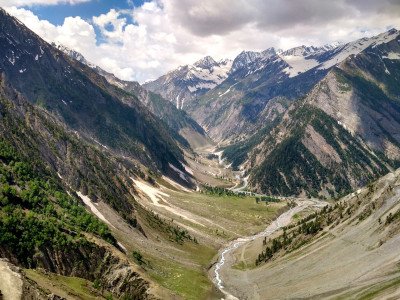
@@Place Overview: Dikchu River View Point marks the entry point into the Mangan district and offers a stunning view of the Dikchu River merging with the Teesta. The town of Dikchu is nestled in a deep valley, surrounded by steep hills that seem to touch the sky. This viewpoint is particularly famous for its sight of the Teesta V Dam and the suspension bridges that span across the emerald-green waters. The atmosphere here is subtropical, making it significantly warmer than the higher reaches of North Sikkim. Travelers often stop here to admire the engineering of the hydroelectric tunnels that disappear into the mountainside. The river banks are dotted with massive boulders, and the sound of the flowing water is a constant companion. It is a place where one can truly appreciate the ruggedness of the terrain and the resilience of the people living in these steep valleys. The view point provides a perfect vantage for seeing the winding roads that lead up to the higher Himalayas. During the rainy season, the river becomes a raging torrent, showcasing the raw power of the Himalayan drainage system. For many, this is the first real taste of the dramatic landscapes that define North Sikkim.
Card image cap
Dzongu Valley

@@Place Overview: Dzongu Valley is a hidden paradise and a protected area exclusively reserved for the indigenous Lepcha community of Sikkim. Lower Dz...

@@Place Overview: Dzongu Valley is a hidden paradise and a protected area exclusively reserved for the indigenous Lepcha community of Sikkim. Lower Dzongu serves as the gateway to this mystical land, characterized by its deep valleys, untouched forests, and cascading waterfalls like the Lingzya Falls. The valley is bounded by the Teesta and Rongyung Chu rivers and offers an unparalleled glimpse into a culture that lives in complete harmony with nature. To enter Dzongu, a special permit is required, which helps preserve its pristine environment and traditional lifestyle. The landscape is a mix of terraced rice fields, cardamom plantations, and dense bamboo groves. Staying in a local homestay is the best way to experience the warmth of Lepcha hospitality and taste their traditional millet beer, known as Chi. The valley is also a spiritual center, with the ancient Tholung Monastery housing precious relics. For those seeking silence and a break from the commercial tourist circuit, Dzongu offers a soul-stirring experience where the only sounds are the chirping of birds and the rustle of leaves. It is a place where time seems to stand still, and the ancient spirits of the mountains are still revered.
Card image cap
Flower Valley

The Flower Valley in Singhik is a seasonal paradise that transforms into a vibrant carpet of colors during the spring months. Located at an altitude ...

The Flower Valley in Singhik is a seasonal paradise that transforms into a vibrant carpet of colors during the spring months. Located at an altitude of approximately 5,200 feet, this valley is a subset of the larger Himalayan flora belt that defines North Sikkim. While the Yumthang Valley is the primary "Valley of Flowers," the local valley in Singhik offers a more accessible and intimate experience for those staying in Mangan. The valley is characterized by its rolling meadows, dense clusters of rhododendrons, and various Himalayan wildflowers like primulas and poppies. It serves as a vital ecological zone, providing a habitat for numerous bird species and rare butterflies. Visitors often find themselves lost in the sheer tranquility of the landscape, where the only sounds are the rustling of leaves and the distant roar of the Teesta River. The valley's proximity to Mangan makes it an ideal spot for nature walks and botanical exploration without the need for high-altitude permits required for deeper North Sikkim regions. The mist-laden mornings here create a mystical atmosphere, with the aroma of damp earth and fresh blooms filling the air. During the peak bloom season, the landscape looks like an impressionist painting, with shades of crimson, yellow, and violet dotting the verdant greenery. It is a place of profound silence and beauty, offering a stark contrast to the bustling markets of Mangan. For those looking for a quiet retreat to meditate or simply breathe in the crisp mountain air, this valley is unparalleled in its charm and simplicity.
Card image cap
Hanging Bridge on Kanakha Khola

The Hanging Bridge on Kanakha Khola is a masterpiece of mountain engineering, serving as a vital link for the local Lepcha communities. Spanning acro...

The Hanging Bridge on Kanakha Khola is a masterpiece of mountain engineering, serving as a vital link for the local Lepcha communities. Spanning across the roaring Kanakha Khola, a tributary that eventually joins the Teesta River, this bridge is one of the longest suspension bridges in the region. As you walk across, the bridge sways gently, offering a thrill that is both terrifying and exhilarating. The river below crashes over massive boulders, creating a white-water spectacle that can be viewed through the gaps in the wooden planks. The bridge is constructed using heavy-duty steel cables anchored deep into the rocky banks on either side. It is decorated with hundreds of colorful Buddhist prayer flags that flutter vigorously in the mountain breeze, sending prayers into the valley. For the locals, it is a daily commute path; for tourists, it is a vantage point to witness the raw power of Sikkim's river systems. The surrounding vegetation is lush and subtropical, with ferns and orchids clinging to the trees. The sound of the water is deafeningly beautiful, masking all other noises and creating an immersive nature experience. The bridge offers a 360-degree view of the surrounding hills, which are often draped in low-hanging clouds. It is a favorite spot for those heading towards the Dzongu reserve, as it represents the transition from the modern world into the ancestral lands of the Lepchas. The structural integrity of the bridge is tested every monsoon, yet it stands as a resilient symbol of connectivity in a challenging terrain.
Card image cap
Kabi Lungchok

Kabi Lungchok is perhaps the most historically significant site in all of Sikkim. It is the hallowed ground where the 'Treaty of Blood Brotherhood' w...

Kabi Lungchok is perhaps the most historically significant site in all of Sikkim. It is the hallowed ground where the 'Treaty of Blood Brotherhood' was signed in the 13th century between the Lepcha Chief, Thekong Tek, and the Bhutia Prince, Khye Bumsa. This pact laid the foundation for the harmonious co-existence of these two major ethnic groups. The site is located within a dense, ancient forest that is considered a "Sacred Grove." Here, nature and history are inextricably linked. The grove is filled with massive trees, including Alnus and Michelia, which have stood for centuries. The actual spot of the treaty is marked by stone pillars (Lungchok) and life-sized statues of the two leaders. The atmosphere is solemn and deeply spiritual, as it is believed that the spirits of the ancestors still guard this place. Visitors walk through a stone-paved path flanked by mossy trees and fluttering prayer flags. The silence of the forest is only broken by the occasional chirp of a bird or the rustle of leaves. Kabi Lungchok is not just a monument; it is a living symbol of peace. Every year, rituals are performed here to honor the treaty and the guardian deities of Sikkim, specifically Mount Kanchenjunga. The site offers a profound insight into the tribal roots of the state and the spiritual practices that predate modern organized religion. It is a must-visit for history buffs and those seeking a deeper connection with the cultural soul of the Eastern Himalayas.
Card image cap
Kanchenjunga View Point

The Kanchenjunga View Point in Singhik is widely considered the best spot in all of Sikkim to witness the majesty of the world's third-highest peak. ...

The Kanchenjunga View Point in Singhik is widely considered the best spot in all of Sikkim to witness the majesty of the world's third-highest peak. Unlike other viewpoints that require long treks or high-altitude travel, this point is located right on the wayside of the main highway, making it accessible to everyone. On a clear day, the view is staggering: Mount Kanchenjunga (8,586m) stands center stage, flanked by Mount Siniolchu—often called the most beautiful snow mountain in the world—and Mount Pandim. The viewpoint offers a vertical perspective that is rare; you can see the emerald green Teesta valley thousands of feet below and the white icy peaks piercing the sky above. The contrast between the deep V-shaped valleys and the towering massifs is a photographer's dream. The air at this height is crisp and thin, carrying the scent of pine from the surrounding forests. Small gazebos and benches have been constructed for visitors to sit and soak in the vista. As the sun moves across the sky, the colors on the snow faces change from a cold blue-white to a brilliant gold during sunrise and a soft pink during sunset (Alpenglow). This spot serves as a psychological gateway for travelers heading to the rugged north; it is here that the true scale of the Himalayas first becomes apparent. Even when the peaks are hidden by clouds, the panoramic view of the river confluence and the terraced fields of the Dzongu valley makes the stop worthwhile.
Card image cap
Karmapa View Point

Karmapa View Point is a serene and relatively less-crowded spot located in the upper reaches of Mangan town. Named in honor of the Karmapa, the head ...
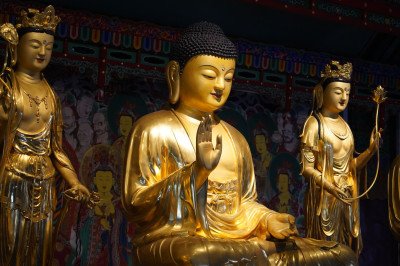
Karmapa View Point is a serene and relatively less-crowded spot located in the upper reaches of Mangan town. Named in honor of the Karmapa, the head of the Karma Kagyu school of Tibetan Buddhism, this point offers a panoramic view that combines spiritual serenity with natural splendor. From here, one can look down upon the entire Mangan bazaar, which appears like a miniature toy town nestled in the lap of the mountains. To the north, the snowy peaks of the Kanchenjunga range provide a constant, divine presence. This viewpoint is particularly favored by locals for evening strolls and morning prayers. The area is adorned with a large number of white prayer flags, known as 'Gyalten', which signify peace and the overcoming of obstacles. The viewpoint is situated near the administrative heart of the district, yet it maintains a quiet, detached atmosphere. It is an excellent place to observe the geographical layout of North Sikkim, including the deep gorges carved by the Teesta River. The surrounding slopes are covered in thick forests and cardamom plantations, which are the main source of income for the region. On a clear day, one can even spot distant monasteries perched on neighboring ridges. The Karmapa View Point is not just about the distance peaks; it's about the feeling of being "above it all." It provides a space for reflection, away from the commercial noise, making it a favorite for those who wish to connect with the quiet energy of the Himalayas.
Card image cap
Labrang Monastery

Labrang Monastery is a premier spiritual center located uphill from the Phodong Monastery in Mangan, Sikkim. Established in 1844, it stands as a test...

Labrang Monastery is a premier spiritual center located uphill from the Phodong Monastery in Mangan, Sikkim. Established in 1844, it stands as a testament to the Nyingmapa school of Tibetan Buddhism. The monastery was built to honor Latsun Chembo of Kongpu, who played a vital role in the history of Sikkim. Surrounded by dense, impassable forests, the monastery retains its ancient charm and original structure. The site is a repository of immense spiritual energy and is considered one of the most significant monasteries in the entire state. Visitors often feel a profound sense of peace as they walk through the quiet corridors. The monastery complex is quite large and serves as a residential school for young monks. It houses nearly 60,000 ancient sutras and a vast collection of religious artifacts. The atmosphere is consistently filled with the sound of prayer wheels and distant chants. It is a place where time seems to stand still, offering a deep dive into the mystical world of Buddhist practices. The panoramic views of the surrounding hills from this elevation are truly breathtaking. Exploring the grounds reveals beautiful gardens and smaller shrines dedicated to various deities. The monastery is not just a building but a living entity that breathes the ancient traditions of the Himalayan region. It is highly recommended for those seeking a quiet retreat from the bustling tourist trails of Sikkim.
Card image cap
Naga Waterfalls

Naga Waterfalls is one of the most stunning and powerful natural attractions in North Sikkim. Situated along the main highway between Mangan and Chun...
Naga Waterfalls is one of the most stunning and powerful natural attractions in North Sikkim. Situated along the main highway between Mangan and Chungthang, it is a multi-tiered waterfall that drops from a great height. The sheer volume of water cascading over the rugged rocks creates a thunderous sound that can be heard from a distance. The water is ice-cold and crystal clear, originating from the high-altitude glaciers of the Himalayas. During the monsoon season, the falls transform into a roaring giant, spraying mist across the road. A sturdy steel bridge spans the stream at the base, providing an excellent vantage point for travelers. Many tourists stop here to stretch their legs and enjoy the refreshing spray of the falls. The surrounding landscape is characterized by steep cliffs and dense tropical vegetation. It is a popular pit-stop for those traveling towards Lachung or Lachen. The sight of the white water foaming against the dark rocks is a visual treat. Legend has it that the water possesses healing properties, and locals often consider it sacred. The area is also prone to landslides, which adds a sense of raw adventure to the visit. It is a place where one can truly feel the power of nature.
Card image cap
Phoding Forest View Point

Phoding Forest View Point is a serene destination located near Mangan that offers some of the most spectacular views of the Kanchenjunga range. It is...

Phoding Forest View Point is a serene destination located near Mangan that offers some of the most spectacular views of the Kanchenjunga range. It is situated in the Men Rong Rong area, surrounded by thick temperate forests. This spot is a favorite for nature lovers who wish to escape the more crowded viewpoints in the state. From here, one can see the deep valleys carved by the Teesta and Kanaka rivers. The air is incredibly fresh, scented with the aroma of pine and wild orchids. On a clear day, the snow-capped peaks appear so close that one might feel they could touch them. The viewpoint is also a great place to observe the local birdlife, including several rare Himalayan species. It serves as an ideal spot for a quiet picnic or a meditative break during a long drive. The forest surrounding the viewpoint is part of a protected area, ensuring that the natural beauty remains untouched. Small trails lead away from the main road into the woods, perfect for short nature walks. The changing light of the day creates different moods, from the golden hues of sunrise to the soft blues of twilight. It is a place that highlights the raw, rugged beauty of North Sikkim's landscape.
Card image cap
Phodong Monastery

Phodong Monastery is one of the six most important Buddhist monasteries in Sikkim. It belongs to the Karma Kagyu sect and was founded by the Chogyal ...
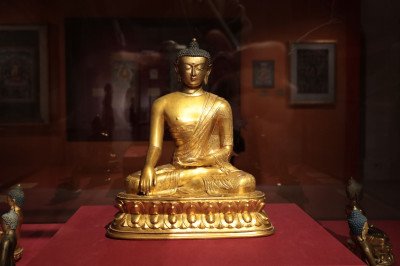
Phodong Monastery is one of the six most important Buddhist monasteries in Sikkim. It belongs to the Karma Kagyu sect and was founded by the Chogyal Gyurmed Namgyal in the 18th century. Situated at an altitude of about 4,500 feet, the monastery offers a commanding view of the surrounding valleys and mountains. The monastery is famous for its exquisite murals and ancient frescoes that adorn the interior walls. It serves as a major center for religious education and houses approximately 260 monks. The peaceful environment is enhanced by the sound of gongs and the sight of prayer flags fluttering in the wind. The main temple is a massive structure that reflects the grandeur of Tibetan religious architecture. Visitors can observe the daily rituals and prayers, which provide a deep insight into the spiritual life of the region. The monastery is also a hub for cultural festivals that draw crowds from all over the state. The intricate wood carvings on the doors and pillars are masterpieces of local craftsmanship. The surrounding area is beautifully landscaped with gardens and flowering plants. It is a place where history, art, and spirituality converge in a spectacular Himalayan setting.
Card image cap
Rong Lungten Lee Museum

Rong Lungten Lee Museum is a unique cultural center located in Namprikdang, near the confluence of the Teesta and Kanaka rivers. It is a faithful rep...

Rong Lungten Lee Museum is a unique cultural center located in Namprikdang, near the confluence of the Teesta and Kanaka rivers. It is a faithful replica of a traditional Lepcha house, built to preserve and showcase the heritage of Sikkim's indigenous community. The museum consists of three main rooms and an attic, each filled with artifacts that tell the story of the Lepcha people. Visitors can see traditional costumes, bamboo crafts, ancient musical instruments, and agricultural tools. The architecture of the museum itself is a marvel, constructed using traditional techniques without the use of modern nails. The site is surrounded by lush greenery and offers a peaceful environment to learn about local history. The museum plays a crucial role in keeping the dying traditions of the Lepcha community alive for future generations. It is not just a display of objects but a window into a lifestyle that is deeply connected to nature. The local guides are often Lepcha themselves, providing authentic stories and insights. During the annual Namsoong festival, the area around the museum becomes a vibrant hub of cultural activity. It is a must-visit for anyone interested in anthropology and tribal cultures.
Card image cap
Seven Sister Waterfall

The Seven Sister Waterfall is a majestic natural wonder located on the way to Lachung from Mangan. It derives its name from the seven distinct stages...
The Seven Sister Waterfall is a majestic natural wonder located on the way to Lachung from Mangan. It derives its name from the seven distinct stages of water cascading down the rugged mountain cliffs. This site is particularly mesmerizing during the monsoon when the volume of water increases, creating a thunderous sound and a misty atmosphere. The waterfall is surrounded by lush green forests that enhance its beauty, making it a favorite stopover for travelers. It represents the unity of the seven northeastern states of India according to local lore. Visitors often find themselves spellbound by the sheer height and the pristine white water crashing against dark rocks. The area is well-maintained by the tourism department with designated viewing spots. It serves as an ideal place for nature lovers to witness the raw power of Himalayan streams. The air here is filled with fresh mountain mist that revitalizes the soul. Many tourists spend hours here simply soaking in the tranquil environment. The waterfall is a symbol of the natural rhythm of the Himalayan landscape. It is not just a visual treat but a sensory experience involving the cool spray and the rhythmic sound of falling water. This spot is essential for any North Sikkim itinerary.
Card image cap
Singhik Village

Singhik Village is a small, picturesque hamlet that offers one of the most stunning views of Mt. Khangchendzonga and Mt. Siniolchu. Located at an alt...

Singhik Village is a small, picturesque hamlet that offers one of the most stunning views of Mt. Khangchendzonga and Mt. Siniolchu. Located at an altitude of about 5,000 feet, it serves as a perfect transit point for those traveling further into North Sikkim. The village is known for its peaceful atmosphere, far away from the commercial hustle of larger towns. It provides a unique opportunity to witness the traditional lifestyle of the Lepcha and Bhutia communities. The Singhik Viewpoint is the primary attraction here, attracting thousands of travelers who wish to see the sunrise over the snow-capped peaks. The village is surrounded by dense forests and cardamom plantations, which are the main source of income for the locals. Many visitors choose to stay in homestays here to experience the warm hospitality and local cuisine of Sikkim. The air is crisp and clean, and the silence of the mountains is only broken by the sound of prayer flags fluttering in the wind. Singhik is also a starting point for several short treks into the nearby hills. It is a place where one can truly connect with nature and find inner peace. The panoramic vista of the Teesta and Kanaka rivers meeting in the valley below is another highlight of this village. It is a must-visit for anyone seeking a quiet retreat in the Himalayas.
Card image cap
Sirijonga Yuma Mangheem

Sirijonga Yuma Mangheem is a significant religious and cultural structure located near Mangan. Built in 1983, it serves as a center for the Limboo co...

Sirijonga Yuma Mangheem is a significant religious and cultural structure located near Mangan. Built in 1983, it serves as a center for the Limboo community to preserve their ancient traditions and worship their deity. The building is a replica of the original Sirijonga Yuma Mangheem located in Martam, West Sikkim. It stands as a symbol of the rich ethnic diversity of North Sikkim. The site is peaceful and surrounded by lush greenery, offering a spiritual retreat for both locals and tourists. The interior of the Mangheem is decorated with traditional symbols and scriptures that represent the Limboo heritage. It plays a crucial role during festivals, where the community gathers for prayers and cultural performances. Visitors can learn about the history of the Limboo people and their contributions to Sikkimese culture here. The architecture is unique and different from the typical Buddhist monasteries found in the region. It provides a deeper insight into the indigenous beliefs and practices of the mountain people. The atmosphere is one of reverence and calm, making it a great place for cultural exploration. The surrounding area also offers beautiful views of the valley. It is an essential stop for those interested in the anthropological and cultural history of Sikkim.
Card image cap
Tungkyoung Dho

Tungkyoung Dho is a serene, high-altitude natural lake that holds immense spiritual significance for the local Lepcha community. The name translates ...

Tungkyoung Dho is a serene, high-altitude natural lake that holds immense spiritual significance for the local Lepcha community. The name translates to "Sacred Lake" in the Lepcha language. Unlike the more famous lakes of Sikkim, Tungkyoung Dho remains a quiet, untouched gem that offers a peaceful environment for reflection. It is surrounded by dense forests and is often shrouded in mist, giving it a mystical appearance. According to local legend, the lake is protected by a deity, and any disturbance to its waters is considered disrespectful. The lake serves as a source of water for the surrounding ecosystem and is a vital part of the local biodiversity. Many traditional rituals are performed here by the Lepcha shamans (Bongthings) during special occasions. The path to the lake involves a short trek through cardamom plantations and rhododendron forests, making it an adventure for nature enthusiasts. The water is crystal clear and reflects the surrounding greenery and sky beautifully. It is an ideal spot for bird watching and experiencing the raw, uncommercialized beauty of North Sikkim. The silence here is profound, allowing visitors to hear the sounds of the forest and the distant mountains. It is a place that embodies the spiritual bond between the indigenous people and the natural world.
Card image cap
Zero Point Waterfall

Zero Point Waterfall, also known as the Yumesamdong Falls, is a spectacular high-altitude waterfall located at the edge of civilization in North Sikk...

Zero Point Waterfall, also known as the Yumesamdong Falls, is a spectacular high-altitude waterfall located at the edge of civilization in North Sikkim. Situated at an elevation of over 15,000 feet, this waterfall is one of the highest in the region. It is often surrounded by snow for most of the year, creating a unique "frozen" appearance during the winter months. The water originates from the melting glaciers of the surrounding Himalayan peaks and cascades down in a powerful stream. The journey to the waterfall is as exciting as the destination, passing through the Yumthang Valley and rugged mountain terrain. The air at this altitude is thin, and the landscape is stark yet beautiful, with patches of alpine flowers blooming in the short summer. Visitors are often struck by the raw and untouched beauty of the site, where the sound of the falling water is the only thing that breaks the silence. It is a place where one can truly feel the majesty of the Great Himalayas. Due to its proximity to the Indo-China border, it is the last point accessible to tourists. The waterfall serves as a testament to the extreme conditions and breathtaking scenery of North Sikkim.
Show All

Mangan Itineray And Cost:-

Information about New and Updated Locations() of Sikkim Has Been Added :-
Card subtitle

Note:-

Information provided here in good Faith and for reference only.

All information and pictures will be updated soon, please keep visiting.

Near Places

...
Chungthang

Some quick example text to build on the card title and make up the bulk of the card's content.

Go somewhere
...
Gangtok

Some quick example text to build on the card title and make up the bulk of the card's content.

Go somewhere
...
Geyzing

Some quick example text to build on the card title and make up the bulk of the card's content.

Go somewhere
...
Jorethang

Some quick example text to build on the card title and make up the bulk of the card's content.

Go somewhere
...
Lachen

Some quick example text to build on the card title and make up the bulk of the card's content.

Go somewhere
...
Lachung

Some quick example text to build on the card title and make up the bulk of the card's content.

Go somewhere
...
Mangan

Some quick example text to build on the card title and make up the bulk of the card's content.

Go somewhere
...
Namchi

Some quick example text to build on the card title and make up the bulk of the card's content.

Go somewhere
...
Pakyong

Some quick example text to build on the card title and make up the bulk of the card's content.

Go somewhere
...
Pelling

Some quick example text to build on the card title and make up the bulk of the card's content.

Go somewhere
in Other Cities