




Jorethang
General information
-
Ideal Duration:
1 DayPlace Type:
Trading Hub, Adventure, RiverEntry Fees:
Mela Entry: Entry to the Jorethang Maghe Mela is usually Free for all. However, some special events or stalls might have their own charges.
Rafting Fees: River rafting costs can range from INR 1,500 to 3,500 per person depending on the dist...Mela Entry: Entry to the Jorethang Maghe Mela is usually Free for all. However, some special events or stalls might have their own charges.
Rafting Fees: River rafting costs can range from INR 1,500 to 3,500 per person depending on the distance. This usually includes equipment and a professional guide.
Town Accessibility: There are no entry fees to visit the town of Jorethang. It is a major transit and trading point open to everyone.Timing:
Regular Timings: Markets are generally open from 8 AM to 8 PM. Being a warmer town, the night life on the streets lasts a bit longer than in the higher hills.
Ideal Visit Time: The best time for rafting is the Early Morning or Late Afternoo...Regular Timings: Markets are generally open from 8 AM to 8 PM. Being a warmer town, the night life on the streets lasts a bit longer than in the higher hills.
Ideal Visit Time: The best time for rafting is the Early Morning or Late Afternoon. For the mela, the Evening hours are the most vibrant and exciting.
Seasonal Access: The town is accessible Year-Round due to its low altitude. Unlike the high-altitude north, snow never blocks the roads here.Special Events:
Jorethang Maghe Mela: The main event starts on January 14th and lasts for several days. It features cultural parades, football matches, and massive trade fairs. The entire town is lit up and filled with a festive spirit that is infectious.
Sar...Jorethang Maghe Mela: The main event starts on January 14th and lasts for several days. It features cultural parades, football matches, and massive trade fairs. The entire town is lit up and filled with a festive spirit that is infectious.
Saraswati Puja: This is celebrated with great fervor by the students and locals in February. Beautiful idols of the goddess are installed in various parts of the town. Cultural programs and community feasts are organized to mark the occasion.
Independence Day Celebrations: Being a major town, the August 15th celebrations here are quite grand. It involves parades by school children and cultural shows at the town ground. It is a proud moment for the local community.Best Photo Spots:
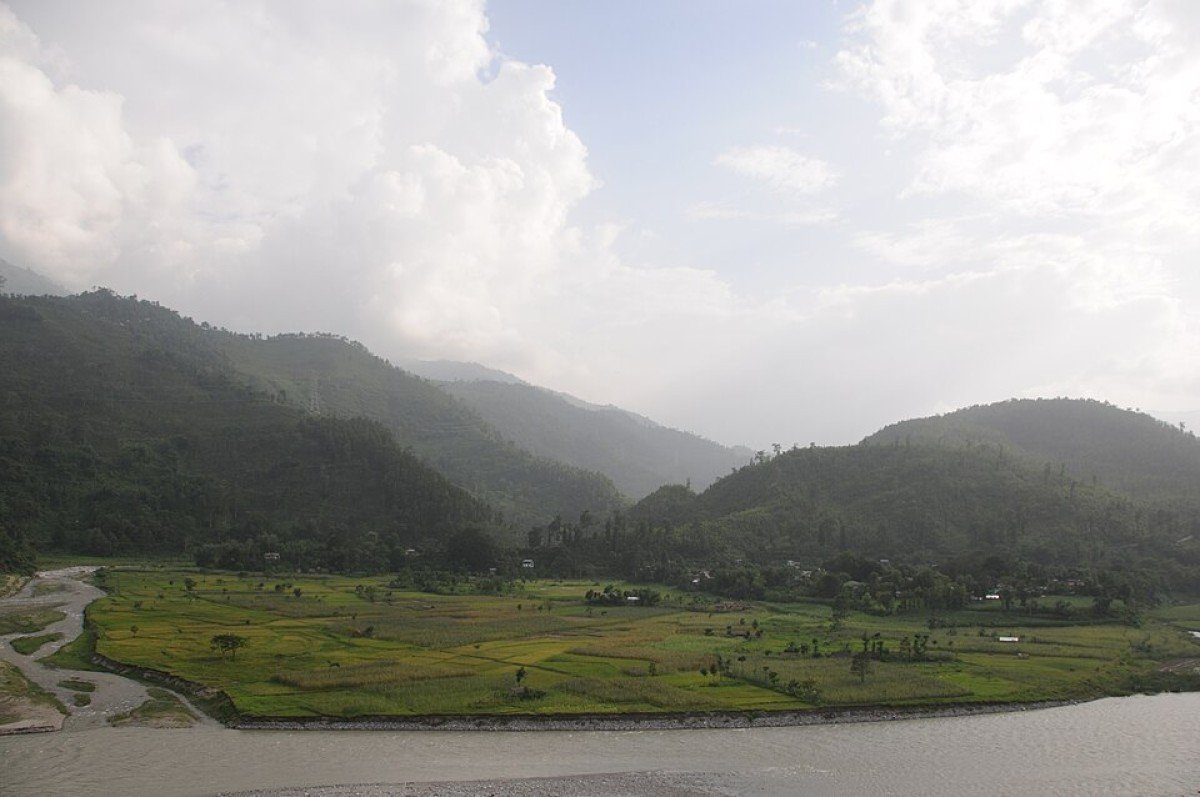
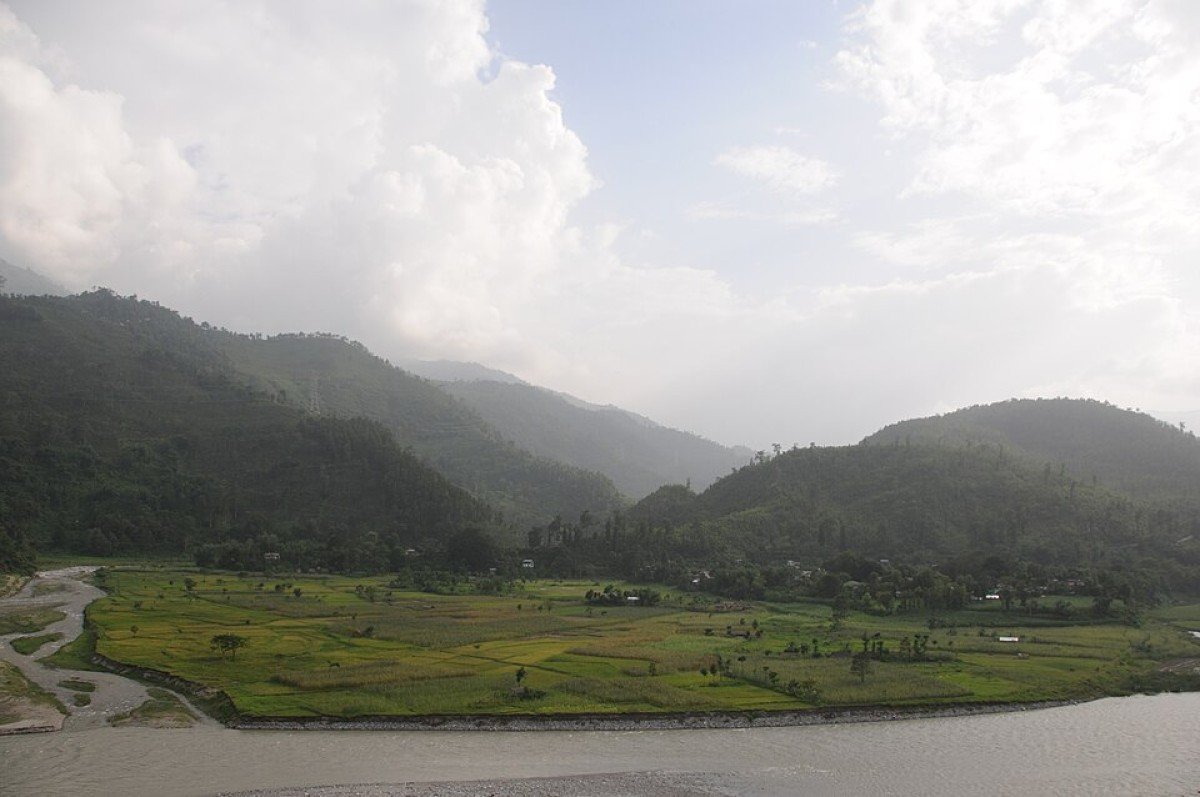
Rangeet River Bank: The best spot for landscape photography is near the river during sunset. The reflection of the orange sky on the water is stunning. It captures the essence of this riverside town perfectly.
Maghe Mela Grounds: During th...Rangeet River Bank: The best spot for landscape photography is near the river during sunset. The reflection of the orange sky on the water is stunning. It captures the essence of this riverside town perfectly.
Maghe Mela Grounds: During the festival, the colorful stalls and people in traditional dresses provide endless photo opportunities. The vibrant energy of the crowd and the cultural performances are a photographer's delight.
Cantilever Bridge: Capturing the bridge from a distance with the river flowing beneath is a classic shot. The architecture of the bridge against the green hills makes for a strong composition. It is best photographed in the early morning.Photo Gallery

Things To Do
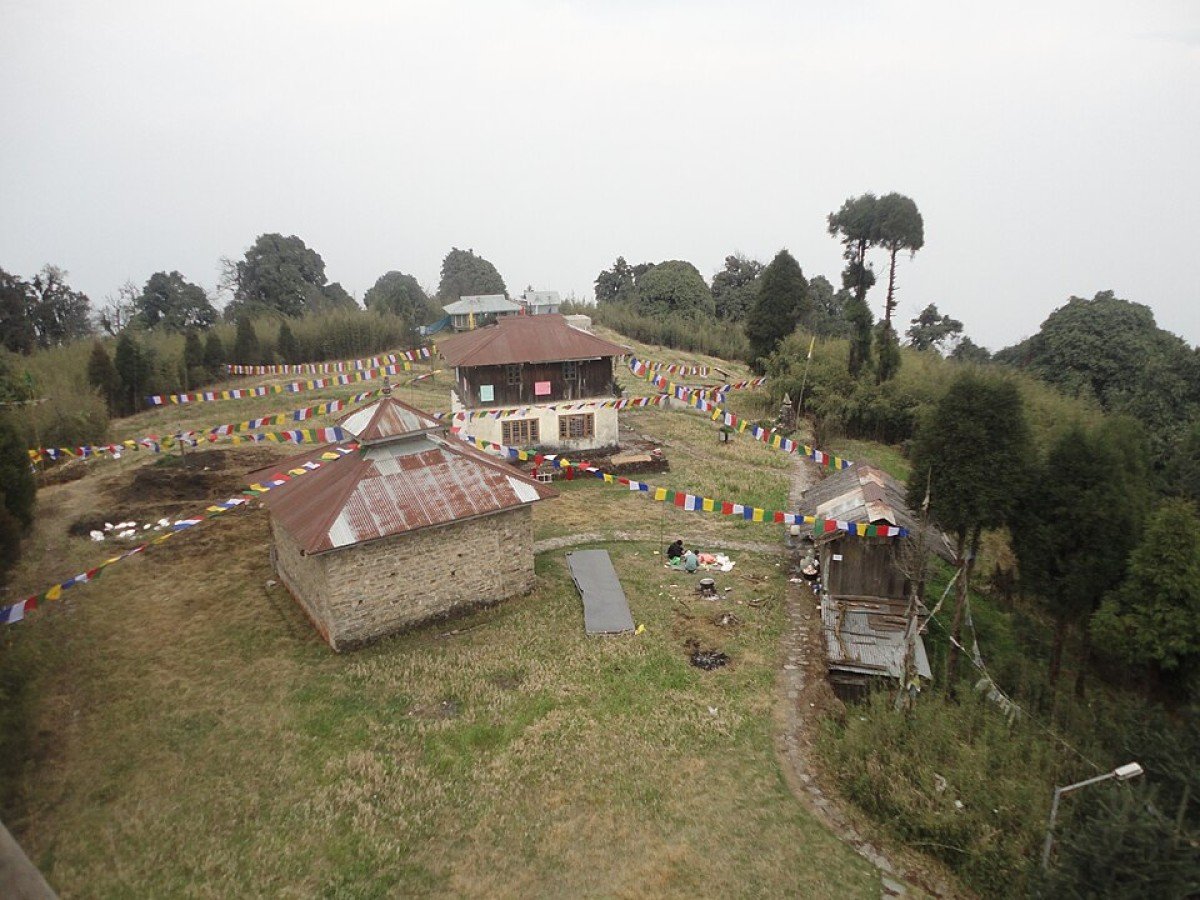
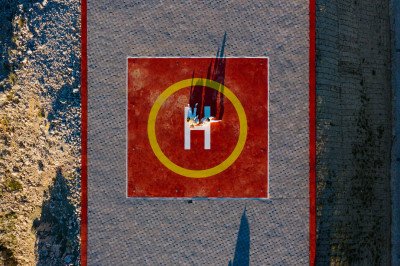 The Namchi Helipad is one of the most scenic spots in South Sikkim, located on a flat hilltop at an altitude of approximately 5000 feet. While its primary function is to serve as a landing ground for helicopter services connecting Namchi to Gangtok and Bagdogra, it has evolved into a major tourist attraction due to its unparalleled views. On a clear day, the helipad offers a panoramic, unobstructed view of the Mt. Kanchenjunga massif, the third-highest peak in the world. The vast, open space is surrounded by manicured lawns and flower beds, making it a favorite spot for locals and tourists alike to enjoy a leisurely stroll. The air here is crisp and clean, and the silence is a welcome break from the bustling Namchi Bazaar. From this vantage point, one can also see the sprawling Darjeeling hills across the valley and the winding Rangeet River far below. It is particularly popular during sunrise and sunset, when the snow-capped peaks turn various shades of gold and pink. The helipad is also a common starting point for sightseeing tours to other nearby attractions like Char Dham and Samdruptse. It represents the modern infrastructure of Sikkim while serving as a natural balcony to the Himalayas.
 Barsey Rhododendron Sanctuary is a sprawling protected area of 104 square kilometers located in the Singalila Range. It is famously known as the "Valley of Rhododendrons" because of the dense forests that bloom into a riot of colors during the spring season. The sanctuary is a paradise for nature lovers and bird watchers, offering breathtaking views of the Kanchenjunga range. It serves as a vital corridor for wildlife, including the rare Red Panda. Visitors typically enter through the Hilley gate after a scenic drive from Jorethang. The trek from Hilley to Barsey is a gentle 4 KM walk through lush canopies and mossy trails. This destination is ideal for those seeking solitude away from the hustle of urban life. The air is crisp, and the silence is only broken by the chirping of high-altitude birds. It is a must-visit for trekkers and environmentalists interested in the diverse flora of the Himalayas. The sanctuary maintains a primitive charm with limited human interference. Every step on the trail offers a new perspective of the snow-clad peaks. The biodiversity here is immense, featuring various species of oaks, pines, and bamboo alongside the iconic rhododendrons. It is truly one of the most serene spots in the entire state of Sikkim.
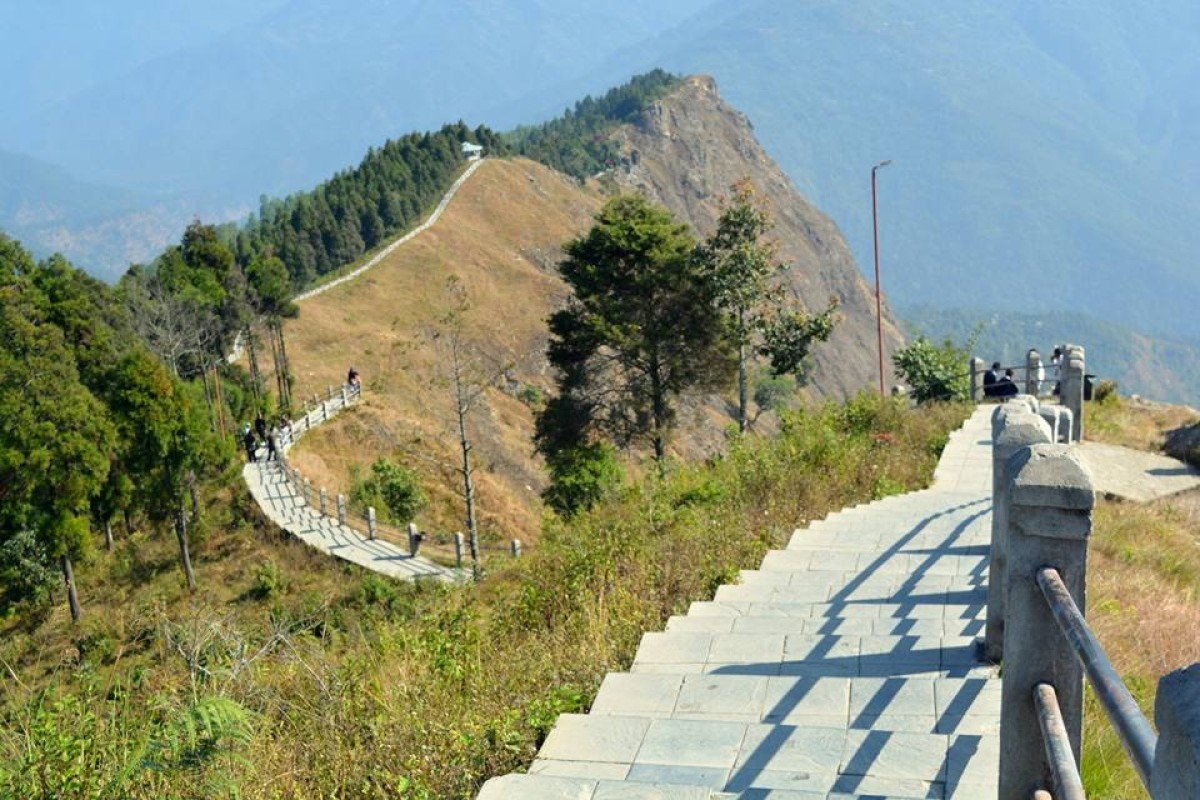
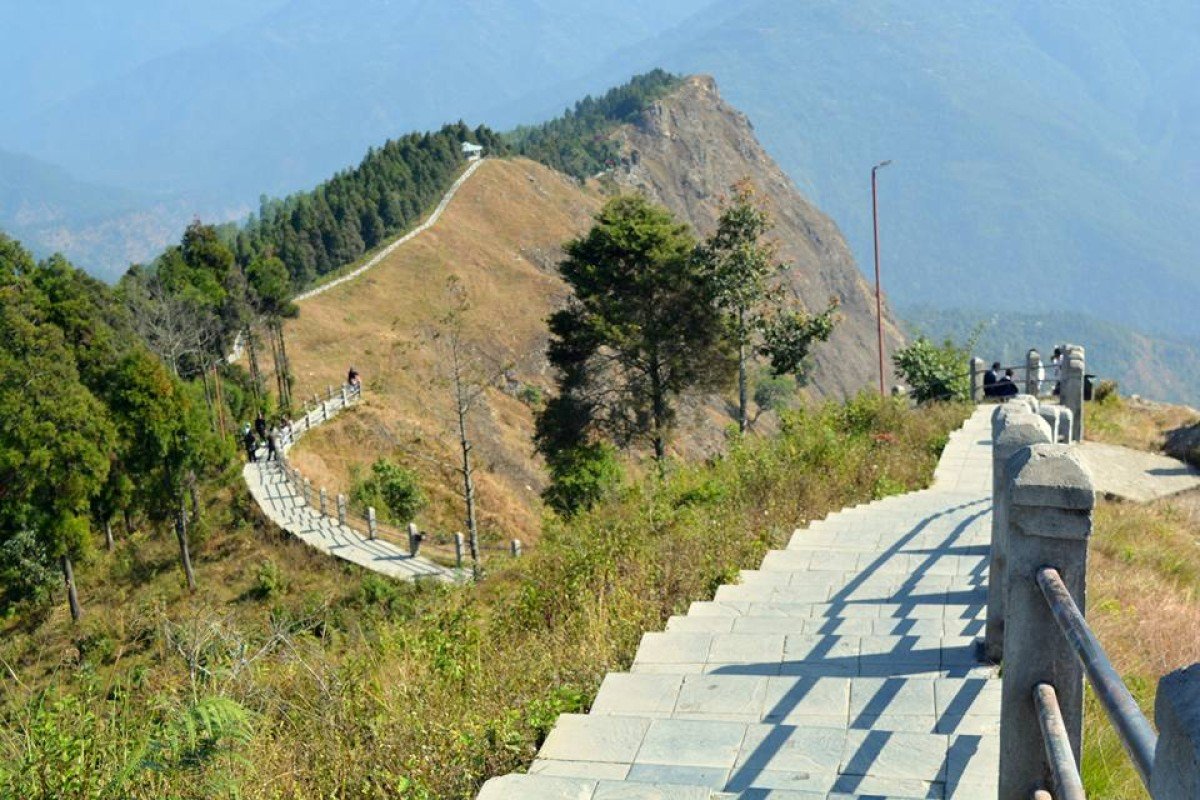
 Tarey Bhir is a massive 3,500-foot-high cliff that stretches for several kilometers along a mountain ridge. It is famous for its long, pedestrian walkway built along the edge of the abyss, reminiscent of the Great Wall of China. This viewpoint offers a heart-stopping panoramic view of the River Teesta and River Rangeet as they snake through the valleys below. The sheer drop on one side of the path provides an adrenaline rush, while the other side is bordered by dense pine forests. It is a quiet destination, perfect for those who enjoy long walks in nature without the distraction of heavy tourist crowds. On clear days, the sight of the Himalayan peaks in the distance is truly awe-inspiring. The local village of Sadam provides a glimpse into the rural life of Sikkim, where traditional hospitality is the norm. It is an ideal spot for birdwatching and observing the local flora that clings to the rocky cliffs.
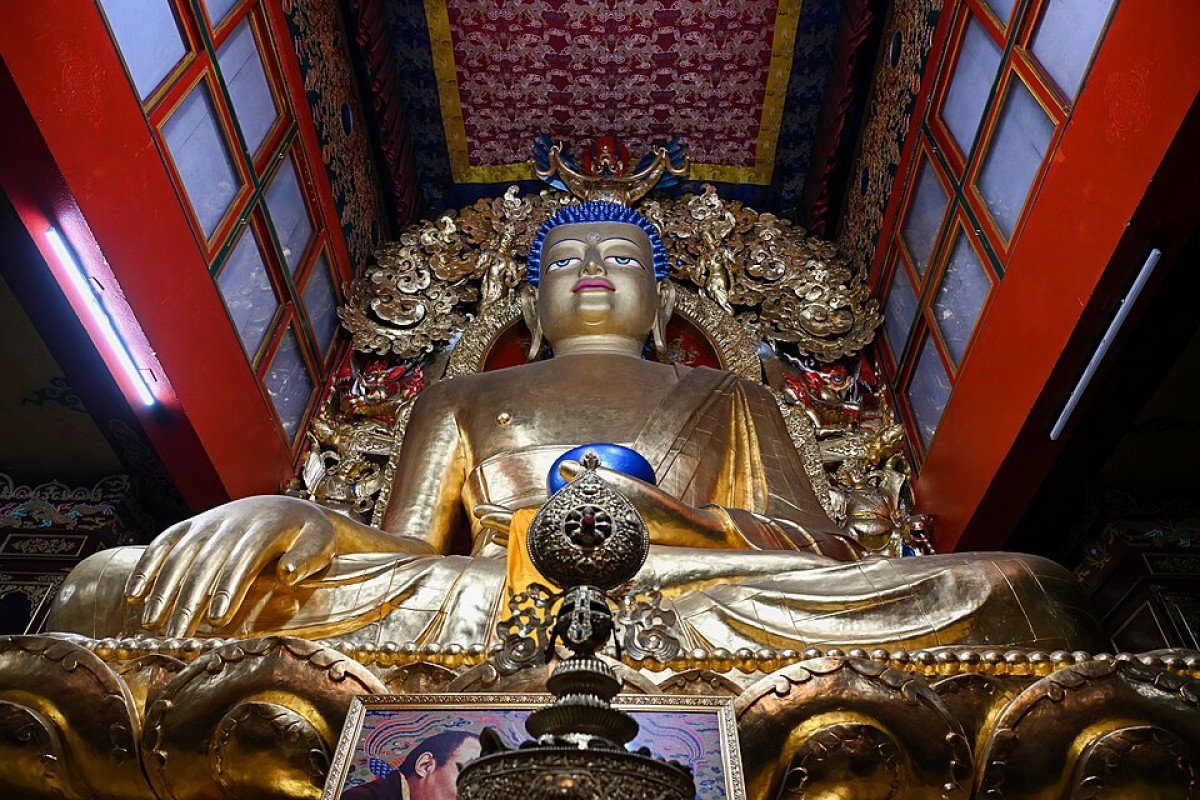
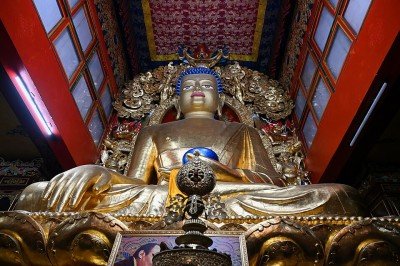 Ralong Monastery is one of the most significant and sacred monasteries for the Kagyu sect of Tibetan Buddhism. Located near Ravangla, its history is tied to a miraculous event where the 9th Karmapa threw grains of rice from Tibet, and they landed at this exact spot, marking it as holy ground. The original monastery was built in 1768, but the newer "Palchen Choeling Monastic Institute" was established in 1995 by the XIIth Gyaltsab Rimpoche. This monastery is a powerhouse of Buddhist learning and art, housing a massive collection of thangkas and wall paintings that depict the spiritual journey of enlightened masters. The atmosphere here is one of deep concentration and devotion; the air is thick with the vibrations of monks practicing their instruments. Surrounded by lush forests and offering panoramic views of the Greater Himalayas, Ralong is not just a building but a spiritual sanctuary that feels detached from the modern world. It is particularly famous for its annual mask dances which attract thousands of pilgrims from across the globe. For anyone visiting South Sikkim, Ralong represents the authentic, beating heart of Sikkimese monastic life.
The Jorethang Bridge, specifically the Akkar Bridge, is an architectural marvel and a vital link between the states of West Bengal and Sikkim. Spanning over the turquoise waters of the Rangeet River, it serves as the gateway to South and West Sikkim. The bridge is not just a transport route but also a popular spot for locals and tourists to enjoy the river views. The sound of the gushing river below and the cool breeze make it a pleasant place for an evening stroll. Historically, this area has been a crossing point for centuries, but the modern bridge provides the stability needed for heavy traffic and tourism. From the bridge, one can see the confluence of smaller streams and the rugged mountains rising on both sides. It is often the first major landmark travelers see when entering Sikkim from the Darjeeling side. The bridge is sturdy and well-maintained, reflecting the state's commitment to infrastructure. During the monsoon, the river beneath becomes a roaring torrent, offering a spectacular sight of nature's power. In the dry season, the white sandy banks of the river are visible, often used for picnics and the famous Maghe Mela. It is a symbol of connectivity and the starting point for many adventures in the region.
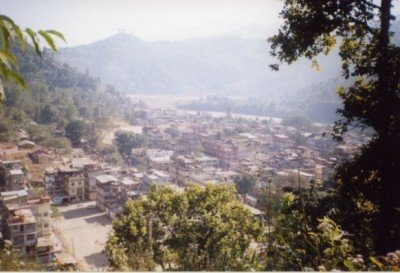 View Point River Rangeet is a spectacular site located near Kitam, where one can witness the majestic flow of the Rangeet River. This river is the largest in Sikkim and is known for its turbulent white waters and deep blue pools. The viewpoint provides a high-ground perspective of the river carving its way through deep gorges and lush valleys. It is a popular spot for those traveling between Jorethang and Namchi, offering a perfect place to pause and appreciate the raw power of nature. The sound of the rushing water can be heard from a distance, creating a rhythmic soundtrack for visitors. The area is also significant for its proximity to the Kitam Bird Sanctuary, making it a hub for biodiversity. During the winter months, the water becomes crystal clear, reflecting the bright blue sky above. It is a favorite spot for local families to enjoy a picnic while watching the shifting colors of the river throughout the day.
Maenam Wildlife Sanctuary is a high-altitude sanctuary located above the town of Ravangla, at an elevation of 7500 to 10600 feet. Covering an area of roughly 35 square kilometers, it is famous for its dense alpine forests and its status as a "Treasure House of Medicine" due to the abundance of medicinal herbs found here. The sanctuary is a critical habitat for the endangered Red Panda, the Himalayan Black Bear, and the Leopard Cat. It also hosts a spectacular array of pheasants, including the Satyr Tragopan and the Blood Pheasant, which is the state bird of Sikkim. The sanctuary sits on the Maenam-Tendong ridge, which offers some of the most dramatic views of the Kanchenjunga range. The trek through the sanctuary is a favorite among adventure seekers, leading up to the Maenam Peak where a historic monastery stands. The trail is shrouded in mist and moss, creating an ethereal atmosphere that feels worlds away from civilization. The sanctuary also serves as a vital watershed, with many streams originating here that feed the Teesta and Rangit rivers. It is a place of spiritual and ecological significance, where the silence is only broken by the calls of wild animals and the rustle of rhododendron leaves.Show All
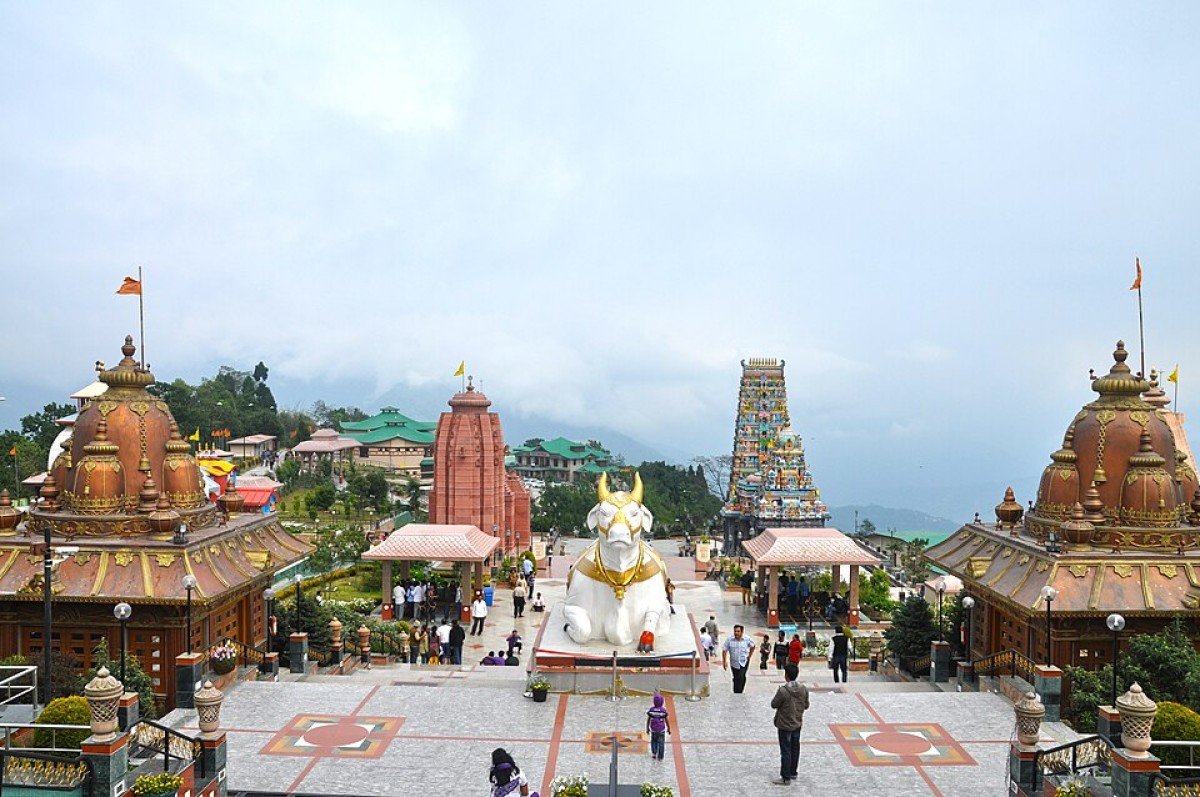
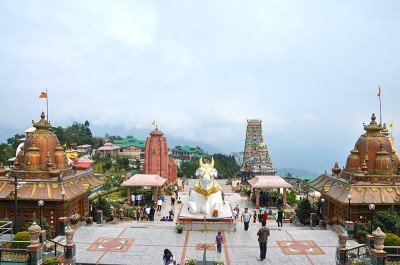 Siddheswar Dham, popularly known as Char Dham, is a massive pilgrimage-cum-cultural complex located atop Solophok Hill. Inaugurated in 2011, it was built by the Government of Sikkim to promote religious and eco-tourism. The highlight of the complex is a towering 108-foot statue of Lord Shiva in a sitting posture, which looks out over the valley with a serene expression. Surrounding this giant statue are replicas of the four most sacred Hindu pilgrimage sites (Char Dham): Jagannath (Puri), Badrinath, Dwaraka, and Rameswaram. Additionally, the complex houses replicas of the 12 Jyotirlingas, making it a comprehensive destination for Hindu devotees. The site is spread over 29 hectares and is designed with meticulous detail, including a 17-foot statue of Kirateshwar (a hunter incarnation of Shiva). The environment is incredibly well-maintained with musical fountains, clean pathways, and vegetarian eateries. For many who cannot travel across the four corners of India, this "All-in-One" pilgrimage offers a deeply spiritual experience in the lap of the Himalayas. The fusion of religious architecture and the natural beauty of the Solophok Hill makes it one of the most visited spots in Sikkim.
Information
-
Why Famous:
Maghe Mela: Jorethang is internationally famous for the Maghe Sankranti Mela held every January. It is the largest fair in Sikkim and a major attraction for tourists. The mela showcases the best of local handicrafts, traditional food, and cultural performances.Maghe Mela: Jorethang is internationally famous for the Maghe Sankranti Mela held every January. It is the largest fair in Sikkim and a major attraction for tourists. The mela showcases the best of local handicrafts, traditional food, and cultural performances.
River Rafting on Rangeet: The town is a premier destination for white water rafting in the Eastern Himalayas. The turbulent waters of the Rangeet River provide an exhilarating experience for adventure seekers. Professional operators provide guided tours and training for beginners.
Strategic Transit Point: It is famous as the "entry gate" to West Sikkim. Almost all travelers going to Pelling or Yuksom from Siliguri or Darjeeling pass through Jorethang. Its role as a major transport junction makes it one of the busiest towns in the state. -
Architecture:
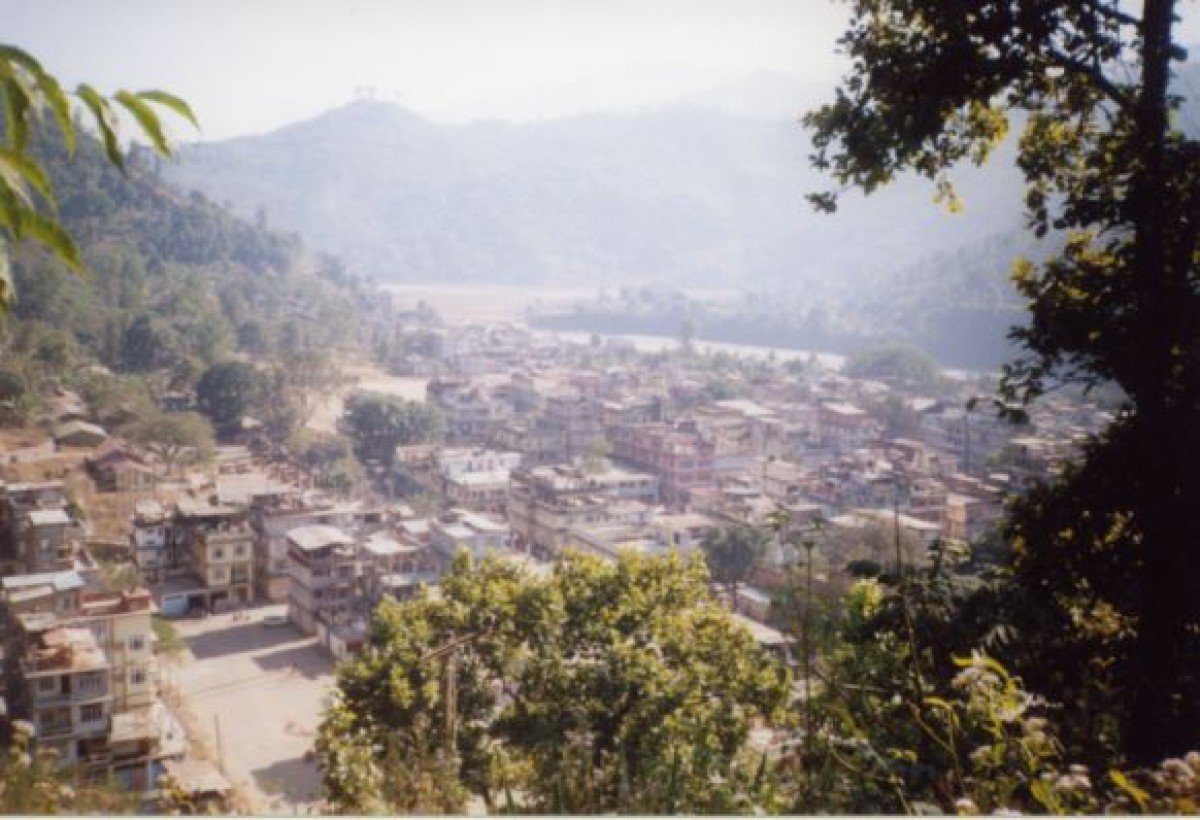
River Bridge Architecture: The cantilever bridge over the Rangeet River is the town's architectural landmark. It measures approximately 150 meters in length and provides a vital link for traffic. The bridge is a popular spot for evening walks and offers great views of the ...River Bridge Architecture: The cantilever bridge over the Rangeet River is the town's architectural landmark. It measures approximately 150 meters in length and provides a vital link for traffic. The bridge is a popular spot for evening walks and offers great views of the river.
Hydroelectric Dam Design: The Jorethang Loop Dam is a concrete gravity structure built on the Rangeet River. It stands 17 meters high and has a length of 108 meters. The powerhouse downstream features modern vertical shaft Francis turbines and a large surge shaft.
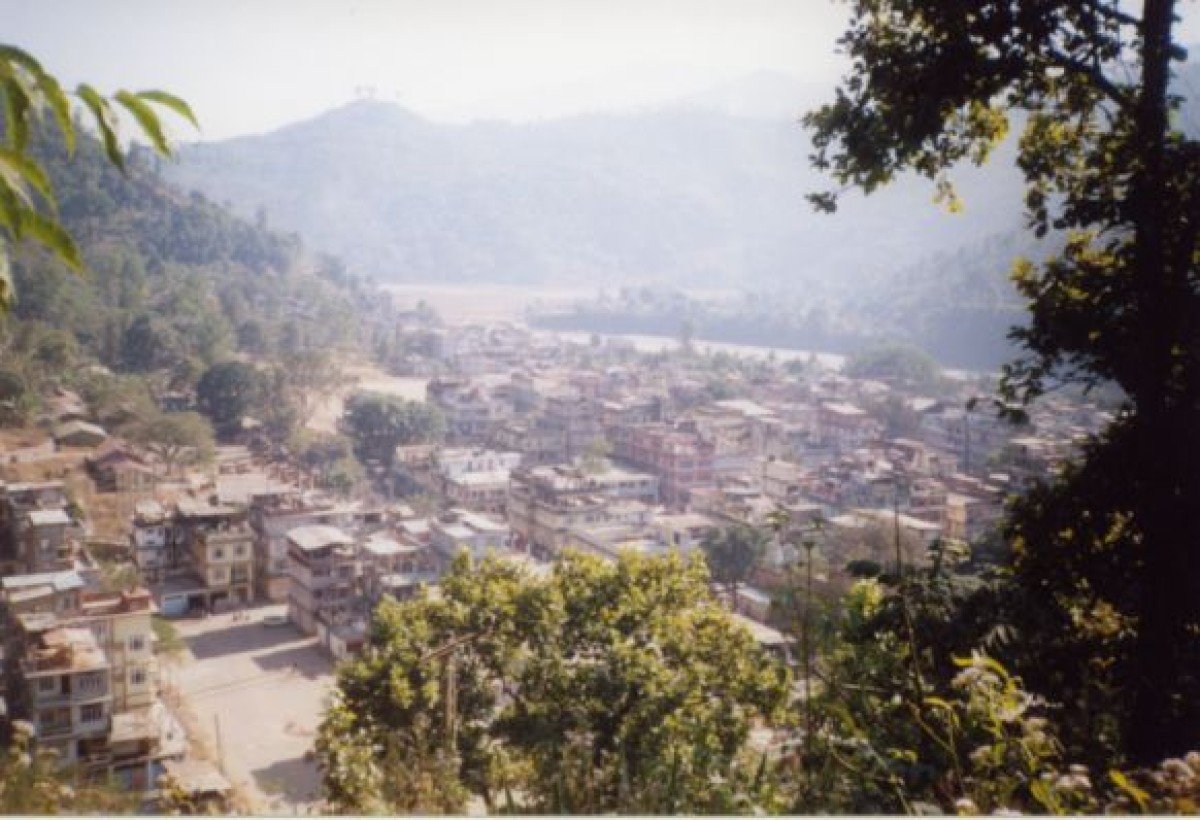
Naya Bazar Layout: The main market is designed with a series of interconnected streets and commercial buildings. Most structures are 3-4 stories high, featuring a mix of concrete and local materials. The layout is optimized for high pedestrian and commercial traffic. -
How To Reach:
By Air: The nearest airport is Bagdogra (80 KM), which is much closer than the one in Gangtok. From the airport, it takes about 3 hours by taxi. The road is relatively flat compared to other parts of Sikkim.
By Train: Siliguri Junction and...By Air: The nearest airport is Bagdogra (80 KM), which is much closer than the one in Gangtok. From the airport, it takes about 3 hours by taxi. The road is relatively flat compared to other parts of Sikkim.
By Train: Siliguri Junction and New Jalpaiguri (NJP) are the nearest railway stations, about 65-70 KM away. Shared jeeps and private taxis are readily available from the stations. The journey is scenic and follows the river.
By Road: Jorethang is well connected to Darjeeling (25 KM) and Gangtok (90 KM). It is a major stop for all buses and jeeps traveling between North Bengal and West Sikkim. The roads are generally wide and well-maintained.
By Local Transport: Within the town, walking is the most common way to get around. Local taxis are available for nearby villages. Shared jeeps are the lifeline of the town, connecting it to all major points in South and West Sikkim. -
Weather and Best Time to Visit:
Winter Season (October to March): This is the absolute best time to visit Jorethang. The weather is pleasant, and the Maghe Mela in January is the highlight. It is also the ideal season for river rafting as the water level is stable.
Spring Se...Winter Season (October to March): This is the absolute best time to visit Jorethang. The weather is pleasant, and the Maghe Mela in January is the highlight. It is also the ideal season for river rafting as the water level is stable.
Spring Season (April to May): The weather starts getting warm, but it is still good for outdoor activities. The surrounding hills are green and lush. It is a good time for those who want to avoid the extreme cold of the higher altitudes.
Monsoon Season (June to September): The river can be quite turbulent and dangerous during this time, so rafting is usually closed. However, the greenery is at its peak. It is best to avoid the town during heavy rains due to possible road blocks. -
Near Tourist Places:
Namchi (21 KM), Darjeeling (25 KM), Pelling (60 KM), Sombaria (35 KM), Naya Bazar (1 KM), Chakung (35 KM), Zoom Village (20 KM), Kitam Bird Sanctuary (15 KM), Temi Tea Garden (45 KM), Ravangla (50 KM).
Tourism Tips
-
Health and Safety: Since Jorethang is at a lower altitude, it can get quite hot in summer; carry cotton clothes. Always wear a life jacket while rafting and follow the guide's instructions. Keep basic first aid for any minor injuries during outdoor activities.Health and Safety: Since Jorethang is at a lower altitude, it can get quite hot in summer; carry cotton clothes. Always wear a life jacket while rafting and follow the guide's instructions. Keep basic first aid for any minor injuries during outdoor activities.
Packing Essentials: For the winter, light woolens are enough. If you plan to go rafting, carry a change of clothes and a waterproof bag. Comfortable sandals or water shoes are recommended for activities near the river.
Accommodation Tips: There are many budget hotels and lodges near the main bus stand. For a better experience, look for homestays in the nearby villages of Zoom or Chakung. Booking is essential during the Maghe Mela period in January.
General Advice: Respect the river and do not throw trash into the water. Jorethang is a major transit point, so keep your belongings safe in crowded areas. Be prepared for a bit of dust and noise in the main market area.
Reviews
FAQs
Jorethang Itineray And Cost:-
Other Places In Sikkim :-
Other States In India :-
Information about New and Updated Locations() of Sikkim Has Been Added :-
Card subtitle
Note:-
Information provided here in good Faith and for reference only.
Near Places
Chungthang
Some quick example text to build on the card title and make up the bulk of the card's content.
Go somewhere
Gangtok
Some quick example text to build on the card title and make up the bulk of the card's content.
Go somewhere
Geyzing
Some quick example text to build on the card title and make up the bulk of the card's content.
Go somewhere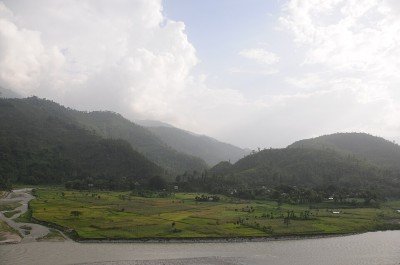
Jorethang
Some quick example text to build on the card title and make up the bulk of the card's content.
Go somewhere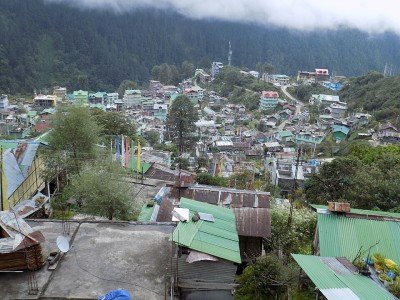
Lachen
Some quick example text to build on the card title and make up the bulk of the card's content.
Go somewhere
Lachung
Some quick example text to build on the card title and make up the bulk of the card's content.
Go somewhere
Mangan
Some quick example text to build on the card title and make up the bulk of the card's content.
Go somewhere
Namchi
Some quick example text to build on the card title and make up the bulk of the card's content.
Go somewhere
Pakyong
Some quick example text to build on the card title and make up the bulk of the card's content.
Go somewhere
Pelling
Some quick example text to build on the card title and make up the bulk of the card's content.
Go somewhere
Ravangla
Some quick example text to build on the card title and make up the bulk of the card's content.
Go somewhere
Rumtek
Some quick example text to build on the card title and make up the bulk of the card's content.
Go somewhere
Singtam
Some quick example text to build on the card title and make up the bulk of the card's content.
Go somewhere
Soreng
Some quick example text to build on the card title and make up the bulk of the card's content.
Go somewhere
Yuksom
Some quick example text to build on the card title and make up the bulk of the card's content.
Go somewhere
Zuluk
Some quick example text to build on the card title and make up the bulk of the card's content.
Go somewherein Other Cities