


Lachen
General information
-
Ideal Duration:
2 DaysPlace Type:
Hill StationEntry Fees:
Special Events:
Lossong Festival: Celebrated with mask dances to mark the Sikkimese New Year.
Saga Dawa: A sacred Buddhist festival where monks perform rituals and processions. ...Lossong Festival: Celebrated with mask dances to mark the Sikkimese New Year.
Saga Dawa: A sacred Buddhist festival where monks perform rituals and processions.Best Photo Spots:
Lake Shore: The crystal clear reflection of the sky in Gurudongmar Lake.
Monastery View: The traditional facade of Lachen Monastery against the mountains. ...Lake Shore: The crystal clear reflection of the sky in Gurudongmar Lake.
Monastery View: The traditional facade of Lachen Monastery against the mountains.Photo Gallery


Things To Do
 @@Geographical Details: Often confused or associated with Muguthang Valley, Lhonak is a remote, high-altitude valley situated at an elevation of around 4,400 meters (14,430 feet). It is a unique trans-Himalayan grassland, part of the arid zone that borders the Tibetan Plateau. @@Ecology and Terrain: The landscape is stark and beautiful, featuring boggy marshes, glacial lakes (like Samiti Lake), barren scree slopes, and the source of the Teesta River (via Lhonak Chu). The vegetation is minimal, consisting primarily of cold-resistant grasses and mosses. @@Military Proximity: Due to its extreme proximity to the Indo-China border, the entire region is under strict military vigilance, making tourist access highly restricted and requiring multiple special permits. This remoteness preserves its pristine nature.
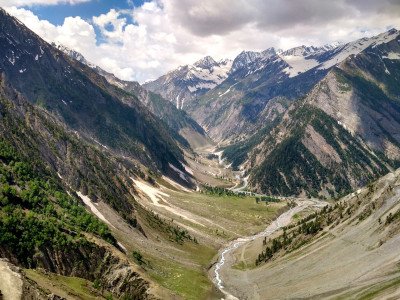
Chopta Valley is a high-altitude alpine meadow famed for its stunning biodiversity, especially during the spring when the valley floor transforms into a colorful carpet of rhododendrons, primulas, and other wildflowers. It serves as a summer residence for the nomadic Lachenpas and marks the last stretch of lush greenery before the cold desert terrain towards Gurudongmar Lake. It offers breathtaking panoramic views of snow-capped Himalayan peaks and is crisscrossed by clear, meandering mountain rivers and streams. The untouched, pristine environment provides immense tranquility, making it a perfect spot for nature lovers and photographers. Due to its strategic location on the border route, a special Inner Line Permit (ILP) is mandatory for visitors, ensuring the area remains relatively secluded and less commercially exploited than other tourist spots in Sikkim. It is also the starting point for several challenging treks into the high-altitude valleys of North Sikkim, like Muguthang Valley. The crisp, clean mountain air and the sheer scale of the surrounding mountains contribute to its unforgettable charm. The natural ecosystem supports unique Himalayan fauna, including the Red Panda and various high-altitude bird species, though spotting them requires patience and luck. The change in landscape from rhododendron forests to rugged, open plains is a geological wonder to behold, making the journey as rewarding as the destination itself.:
@@Geographical Details: Often confused or associated with Muguthang Valley, Lhonak is a remote, high-altitude valley situated at an elevation of around 4,400 meters (14,430 feet). It is a unique trans-Himalayan grassland, part of the arid zone that borders the Tibetan Plateau. @@Ecology and Terrain: The landscape is stark and beautiful, featuring boggy marshes, glacial lakes (like Samiti Lake), barren scree slopes, and the source of the Teesta River (via Lhonak Chu). The vegetation is minimal, consisting primarily of cold-resistant grasses and mosses. @@Military Proximity: Due to its extreme proximity to the Indo-China border, the entire region is under strict military vigilance, making tourist access highly restricted and requiring multiple special permits. This remoteness preserves its pristine nature.
Chopta Valley is a high-altitude alpine meadow famed for its stunning biodiversity, especially during the spring when the valley floor transforms into a colorful carpet of rhododendrons, primulas, and other wildflowers. It serves as a summer residence for the nomadic Lachenpas and marks the last stretch of lush greenery before the cold desert terrain towards Gurudongmar Lake. It offers breathtaking panoramic views of snow-capped Himalayan peaks and is crisscrossed by clear, meandering mountain rivers and streams. The untouched, pristine environment provides immense tranquility, making it a perfect spot for nature lovers and photographers. Due to its strategic location on the border route, a special Inner Line Permit (ILP) is mandatory for visitors, ensuring the area remains relatively secluded and less commercially exploited than other tourist spots in Sikkim. It is also the starting point for several challenging treks into the high-altitude valleys of North Sikkim, like Muguthang Valley. The crisp, clean mountain air and the sheer scale of the surrounding mountains contribute to its unforgettable charm. The natural ecosystem supports unique Himalayan fauna, including the Red Panda and various high-altitude bird species, though spotting them requires patience and luck. The change in landscape from rhododendron forests to rugged, open plains is a geological wonder to behold, making the journey as rewarding as the destination itself.: Singhik View Point is widely regarded as one of the most spectacular vantage points in all of Sikkim. Located just a few kilometers from the district headquarters of Mangan, it offers an unobstructed, breathtaking view of Mount Khangchendzonga and Mount Siniolchu. At an elevation of approximately 5,000 Feet, the viewpoint sits on a sharp ridge that looks directly across the valley toward the massive Himalayan giants. The sight of the sun's first rays hitting the snow-capped peaks, turning them into molten gold, is a spiritual experience for many. Below the viewpoint, one can see the confluence of the Teesta and Kanaka rivers, winding like silver threads through the green carpet of the valley. The area around Singhik is lush with temperate forests and small cardamom plantations, which are the main source of income for the local Lepcha community. Historically, this spot has been the "Gateway to North Sikkim," where travelers stop to catch their breath and witness the grandeur of the mountains they are about to enter. The viewpoint is equipped with a small garden and seating areas, making it a comfortable spot for long contemplation. Unlike the high-altitude points, the weather here remains pleasant for most of the year, allowing for a relaxed viewing experience. It serves as a reminder of the scale and beauty of the Himalayas, providing a perfect introduction to the wonders of the Lachen and Lachung valleys.
@@Village and Altitude: Thangu Valley is a quaint, high-altitude hamlet nestled at an elevation of around 3,962 meters (13,000 feet). It is a crucial rest and acclimatization point for travelers heading to the ultra-high altitude regions like Gurudongmar Lake and Tso Lhamo Lake. @@The Climate and Landscape: The valley remains snow-covered for a significant part of the year (October to March). In the late spring (May-June), the snow thaws to reveal stunning alpine meadows carpeted with vibrant wildflowers. It is criss-crossed by several mountain streams like the Chopta Chu and Thangu Chu. @@Community and Security: The area has a visible Indian Army presence due to its strategic location near the Indo-China border. The village is sparsely populated, mainly by nomadic tribes, and features simple wooden houses that often double as small eateries for passing tourists.
Kalapatthar (meaning 'Black Rock') in North Sikkim is a spectacular, high-altitude viewpoint situated at an elevation of around 15,500 feet, making it a higher and more snow-covered destination than its neighbor, Chopta Valley. It is one of the more recently developed and accessible tourist spots on the route to Gurudongmar Lake, known primarily for its distinctive dark, volcanic rocks (the 'black rock') that stand in dramatic contrast against the perennial white snowscape. The road up to Kalapatthar is extremely rough and challenging, requiring a dedicated 4x4 vehicle and a special permit, but the reward is a landscape that is almost always covered in snow, even in the summer months. It is less crowded than Chopta or the main lake area and provides a profound sense of isolation and proximity to the enormous Himalayan peaks. The site offers incredible panoramic views of the surrounding mountains, providing a truly raw, high-altitude, and mesmerizing experience, often feeling like a 'mini-desert' of rock and snow. The black and white landscape makes it a favorite for stark, dramatic photography.:
Singhik View Point is widely regarded as one of the most spectacular vantage points in all of Sikkim. Located just a few kilometers from the district headquarters of Mangan, it offers an unobstructed, breathtaking view of Mount Khangchendzonga and Mount Siniolchu. At an elevation of approximately 5,000 Feet, the viewpoint sits on a sharp ridge that looks directly across the valley toward the massive Himalayan giants. The sight of the sun's first rays hitting the snow-capped peaks, turning them into molten gold, is a spiritual experience for many. Below the viewpoint, one can see the confluence of the Teesta and Kanaka rivers, winding like silver threads through the green carpet of the valley. The area around Singhik is lush with temperate forests and small cardamom plantations, which are the main source of income for the local Lepcha community. Historically, this spot has been the "Gateway to North Sikkim," where travelers stop to catch their breath and witness the grandeur of the mountains they are about to enter. The viewpoint is equipped with a small garden and seating areas, making it a comfortable spot for long contemplation. Unlike the high-altitude points, the weather here remains pleasant for most of the year, allowing for a relaxed viewing experience. It serves as a reminder of the scale and beauty of the Himalayas, providing a perfect introduction to the wonders of the Lachen and Lachung valleys.
@@Village and Altitude: Thangu Valley is a quaint, high-altitude hamlet nestled at an elevation of around 3,962 meters (13,000 feet). It is a crucial rest and acclimatization point for travelers heading to the ultra-high altitude regions like Gurudongmar Lake and Tso Lhamo Lake. @@The Climate and Landscape: The valley remains snow-covered for a significant part of the year (October to March). In the late spring (May-June), the snow thaws to reveal stunning alpine meadows carpeted with vibrant wildflowers. It is criss-crossed by several mountain streams like the Chopta Chu and Thangu Chu. @@Community and Security: The area has a visible Indian Army presence due to its strategic location near the Indo-China border. The village is sparsely populated, mainly by nomadic tribes, and features simple wooden houses that often double as small eateries for passing tourists.
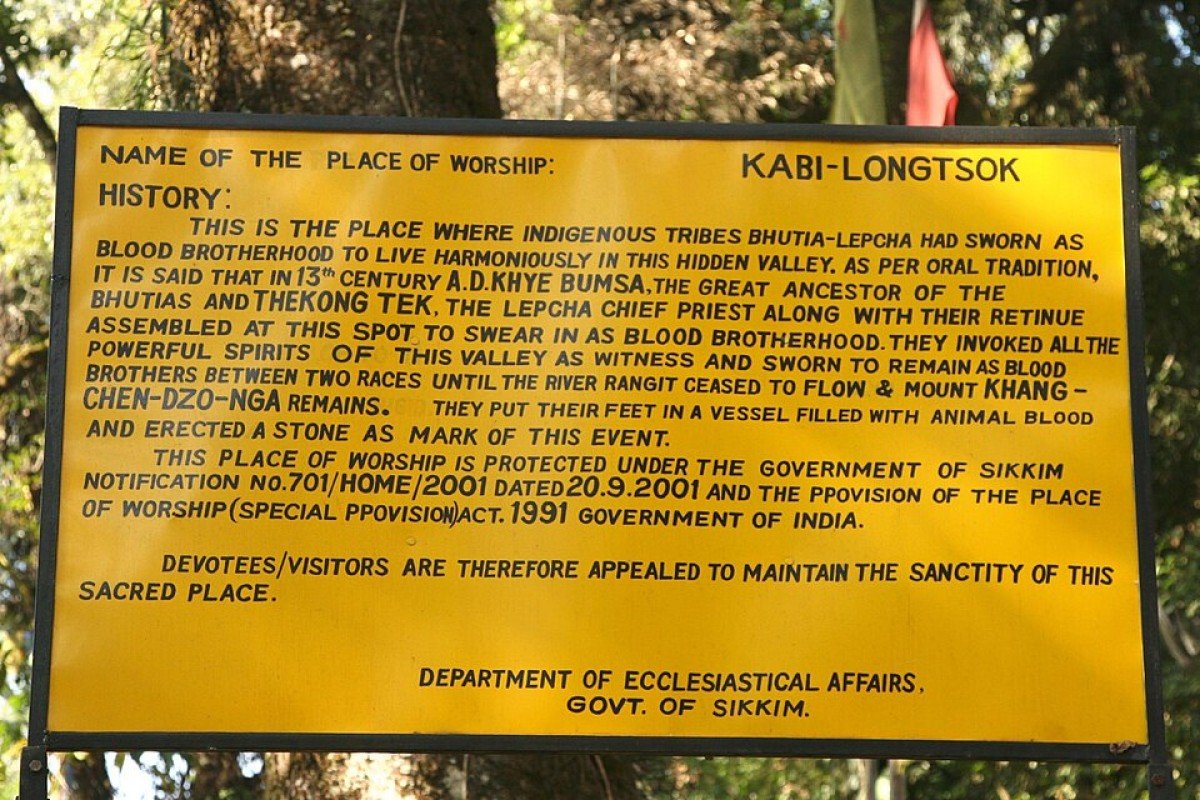
Kalapatthar (meaning 'Black Rock') in North Sikkim is a spectacular, high-altitude viewpoint situated at an elevation of around 15,500 feet, making it a higher and more snow-covered destination than its neighbor, Chopta Valley. It is one of the more recently developed and accessible tourist spots on the route to Gurudongmar Lake, known primarily for its distinctive dark, volcanic rocks (the 'black rock') that stand in dramatic contrast against the perennial white snowscape. The road up to Kalapatthar is extremely rough and challenging, requiring a dedicated 4x4 vehicle and a special permit, but the reward is a landscape that is almost always covered in snow, even in the summer months. It is less crowded than Chopta or the main lake area and provides a profound sense of isolation and proximity to the enormous Himalayan peaks. The site offers incredible panoramic views of the surrounding mountains, providing a truly raw, high-altitude, and mesmerizing experience, often feeling like a 'mini-desert' of rock and snow. The black and white landscape makes it a favorite for stark, dramatic photography.: Kabi Longstok is a site of immense historical and cultural significance located on the way to Lachen from Gangtok. It marks the spot where a historic treaty of "Blood Brotherhood" was signed between the Lepcha chief Thekong Tek and the Bhutia chief Khye Bumsa in the 13th century. This event is considered the foundational moment of ethnic harmony in Sikkim, bringing together the indigenous people and the Tibetan settlers. The site is located within a dense, sacred grove of ancient trees, creating a somber and spiritual atmosphere. Stone pillars were erected here to commemorate the oath, and today, life-size statues of the two chieftains stand as a testament to their peace. It is a mandatory stop for history buffs and those who want to understand the socio-political roots of the Sikkimese people. The surrounding forest is also rich in avian life and exotic plants.
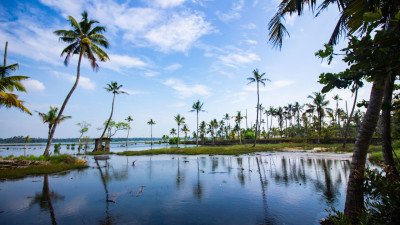 Gurudongmar Lake is one of the highest lakes in the world and, arguably, the most famous and sacred site in North Sikkim. Located at a breathtaking altitude of 17,100 feet on a high plateau, it is revered by Buddhists, who associate it with Guru Padmasambhava (Guru Rinpoche), and by Sikhs, who associate it with Guru Nanak Dev Ji. The journey from Lachen is long and arduous, passing through desolate high-altitude desert landscapes, but the sight of the turquoise-blue, crystal-clear water surrounded by massive, snow-capped mountains like Mount Kanchengyao and Mount Gurudongmar is profoundly rewarding. The most unique feature is the belief that a small section of the lake remains unfrozen even in the harshest winter, a miracle attributed to Guru Padmasambhava's touch, providing water to the local populace and attracting pilgrims. Due to its extreme altitude and proximity to the international border, access is strictly regulated by the Indian Army, requiring an Inner Line Permit (ILP) and an extremely early morning start from Lachen. The air is thin, the cold is intense, and visits must be brief, making it a challenging but unforgettable spiritual and natural adventure.:Show All
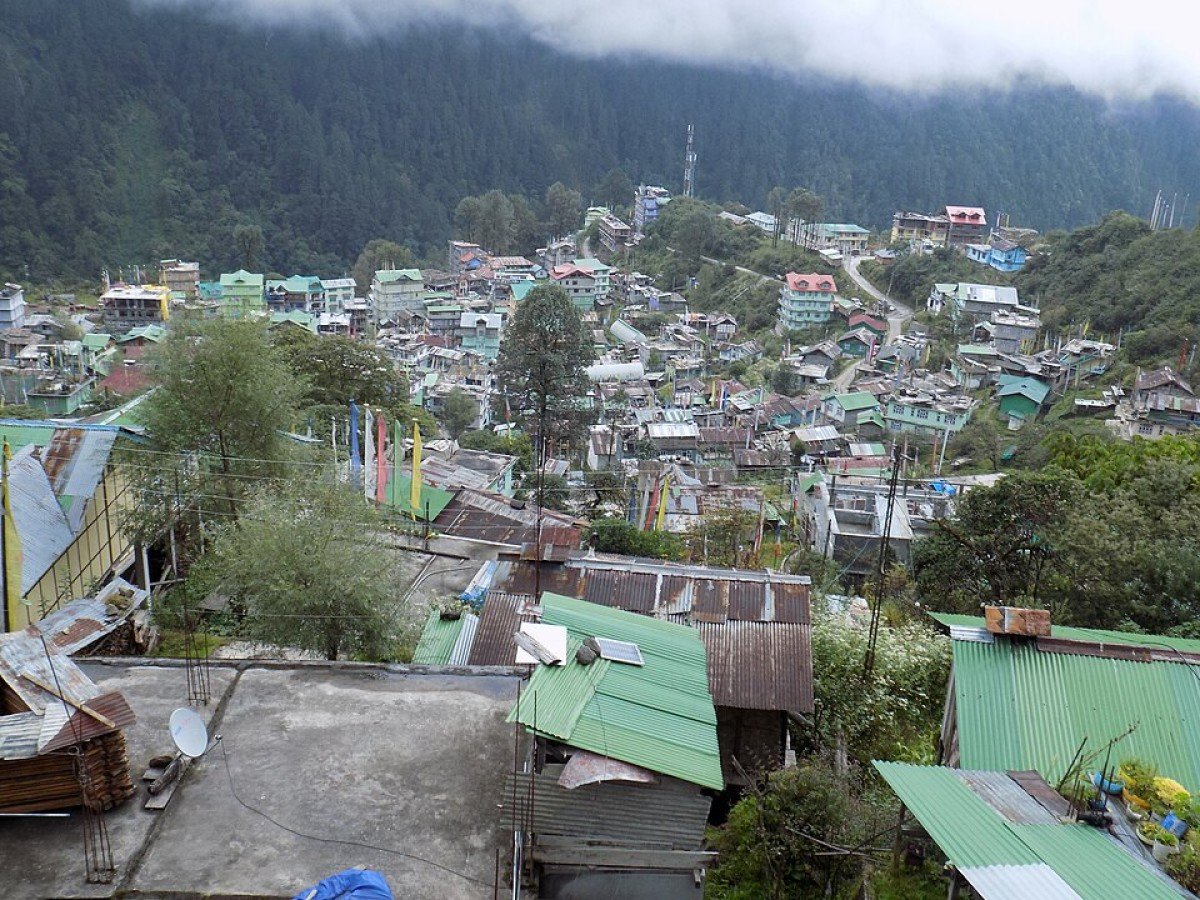
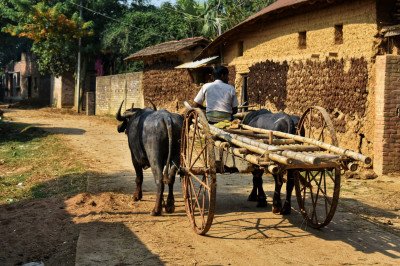 Lachen Village is a high-altitude settlement situated at an elevation of 2,750 meters. It serves as the base for the world-famous Gurudongmar Lake and Chopta Valley tours. The village is inhabited by the Lachenpa community, a distinct Bhutia tribe that follows a unique traditional administrative system called the 'Dzumsa'. The village is characterized by its old wooden houses, narrow winding lanes, and a vibrant monastery overlooking the valley. Life here is regulated by the seasons; in winter, many residents move to lower altitudes, while in summer, the village bustles with tourists and alpine farming. It is a place of stark, raw beauty where the mountains seem to close in on all sides. The hospitality of the local people, coupled with the rugged landscape, makes Lachen an unforgettable destination for any traveler venturing into North Sikkim.
Information
-
Why Famous:
Sacred Waters: It is famous as the gateway to Gurudongmar Lake, one of the highest lakes in the world. This lake is considered holy by Buddhists, Hindus, and Sikhs alike.
Alpine Beauty: The town is renowned for its raw, untouched alpine sce...Sacred Waters: It is famous as the gateway to Gurudongmar Lake, one of the highest lakes in the world. This lake is considered holy by Buddhists, Hindus, and Sikhs alike.
Alpine Beauty: The town is renowned for its raw, untouched alpine scenery and proximity to the Khangchendzonga National Park. It offers some of the most dramatic mountain views in the entire Eastern Himalayas. -
Architecture:
Traditional Style: The architecture primarily features wooden structures with stone foundations to withstand heavy snowfall. Dimensions usually include two-story houses with steep-sloped roofs. Every building is designed to maximize heat retention during the harsh winter m...Traditional Style: The architecture primarily features wooden structures with stone foundations to withstand heavy snowfall. Dimensions usually include two-story houses with steep-sloped roofs. Every building is designed to maximize heat retention during the harsh winter months.
Monastic Design: The Lachen Monastery follows the Nyingmapa style with colorful frescoes and intricate wood carvings. The main prayer hall is roughly 40×40 feet in dimension. It features a central courtyard used for religious gatherings and local festivals. -
How To Reach:
By Air: Nearest airport is Pakyong (130 km) or Bagdogra (200 km).
By Road: Reached via Gangtok through a 6-hour scenic but bumpy mountain drive. ...By Air: Nearest airport is Pakyong (130 km) or Bagdogra (200 km).
By Road: Reached via Gangtok through a 6-hour scenic but bumpy mountain drive. -
Weather and Best Time to Visit:
-
Near Tourist Places:
Gurudongmar Lake (67 km), Thangu (30 km), Chopta Valley (35 km).
Tourism Tips
-
Health & Safety: High altitude sickness is a major concern; carry oxygen and hydrate.
Packing: Heavy woolens, thermals, and sturdy boots are essential year-round. ...Health & Safety: High altitude sickness is a major concern; carry oxygen and hydrate.
Packing: Heavy woolens, thermals, and sturdy boots are essential year-round.
Reviews
FAQs
Lachen Itineray And Cost:-
Other Places In Sikkim :-
Other States In India :-
Information about New and Updated Locations() of Sikkim Has Been Added :-
Card subtitle
Note:-
Information provided here in good Faith and for reference only.
Near Places
Chungthang
Some quick example text to build on the card title and make up the bulk of the card's content.
Go somewhere
Gangtok
Some quick example text to build on the card title and make up the bulk of the card's content.
Go somewhere
Geyzing
Some quick example text to build on the card title and make up the bulk of the card's content.
Go somewhere
Jorethang
Some quick example text to build on the card title and make up the bulk of the card's content.
Go somewhere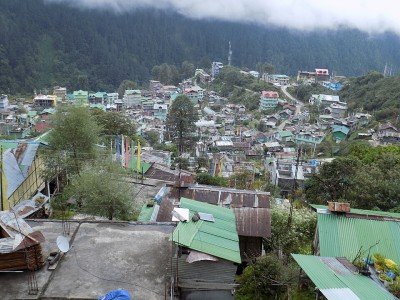
Lachen
Some quick example text to build on the card title and make up the bulk of the card's content.
Go somewhere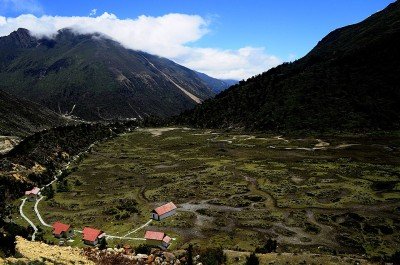
Lachung
Some quick example text to build on the card title and make up the bulk of the card's content.
Go somewhere
Mangan
Some quick example text to build on the card title and make up the bulk of the card's content.
Go somewhere
Namchi
Some quick example text to build on the card title and make up the bulk of the card's content.
Go somewhere
Pakyong
Some quick example text to build on the card title and make up the bulk of the card's content.
Go somewhere
Pelling
Some quick example text to build on the card title and make up the bulk of the card's content.
Go somewhere
Ravangla
Some quick example text to build on the card title and make up the bulk of the card's content.
Go somewhere
Rumtek
Some quick example text to build on the card title and make up the bulk of the card's content.
Go somewhere
Singtam
Some quick example text to build on the card title and make up the bulk of the card's content.
Go somewhere
Soreng
Some quick example text to build on the card title and make up the bulk of the card's content.
Go somewhere
Yuksom
Some quick example text to build on the card title and make up the bulk of the card's content.
Go somewhere
Zuluk
Some quick example text to build on the card title and make up the bulk of the card's content.
Go somewherein Other Cities