




Geyzing
General information
-
Ideal Duration:
1-2 DaysPlace Type:
District HQ, Heritage, AgricultureEntry Fees:
Monastery Entry Fees: Pemayangtse Monastery typically charges an entry fee of INR 50-100 for tourists. This goes towards the maintenance of the ancient structure and the museum.
Archaeological Site Fees: Entry to the Rabdentse Ruins is usua...Monastery Entry Fees: Pemayangtse Monastery typically charges an entry fee of INR 50-100 for tourists. This goes towards the maintenance of the ancient structure and the museum.
Archaeological Site Fees: Entry to the Rabdentse Ruins is usually around INR 25 for Indian nationals and more for foreigners. It is a nominal fee for a well-maintained heritage site.
Town Entry: There is no fee to enter the town of Geyzing itself. It is an open administrative center.Timing:
Regular Timings: The bazaar is active from 8 AM to 7 PM. Monasteries are generally open to visitors from 9 AM to 5 PM.
Ideal Visit Time: The Early Morning hours from 6 AM to 9 AM are best for mountain views. The market is most interesting ...Regular Timings: The bazaar is active from 8 AM to 7 PM. Monasteries are generally open to visitors from 9 AM to 5 PM.
Ideal Visit Time: The Early Morning hours from 6 AM to 9 AM are best for mountain views. The market is most interesting in the late afternoon.
Sunday Market: Sunday is the main market day and is the best time to see the local culture in full swing. However, some administrative offices may be closed.Special Events:
Pelling Winter Festival: Usually held in December, this festival features cultural shows, local food, and adventure sports. Since Geyzing is the district headquarters, much of the planning and activity happen here. It is a great time to see the festive side of West Sikkim....Pelling Winter Festival: Usually held in December, this festival features cultural shows, local food, and adventure sports. Since Geyzing is the district headquarters, much of the planning and activity happen here. It is a great time to see the festive side of West Sikkim.
Cham Dance at Pemayangtse: Held in the 12th month of the Tibetan calendar (around February), this is a spectacular mask dance. Monks perform religious dances to drive away evil spirits. It is a major event that draws thousands of people to the area.
Lhabab Duechen: This festival commemorates the descent of Lord Buddha from heaven. Special prayers are held at all monasteries around Geyzing. Houses are lit with butter lamps, creating a beautiful and spiritual atmosphere at night.Best Photo Spots:
Pemayangtse Monastery Courtyard: The traditional colors and intricate carvings of the monastery front provide a perfect background. The view of the mountains from the balcony is also a classic shot. It captures the religious and natural beauty together.
Read MorePemayangtse Monastery Courtyard: The traditional colors and intricate carvings of the monastery front provide a perfect background. The view of the mountains from the balcony is also a classic shot. It captures the religious and natural beauty together.
Rabdentse Ruins Gateway: The stone entrance to the ruins, with its ancient texture, makes for a great architectural photo. The view of the valley through the stone arches is very popular. It gives a sense of history and scale to the photographs.
Geyzing Market Life: Candid photography of the local people in their traditional attire is very rewarding. The colorful stalls of spices and handlooms provide a vibrant subject. It is best to capture the market in the soft afternoon light.Photo Gallery
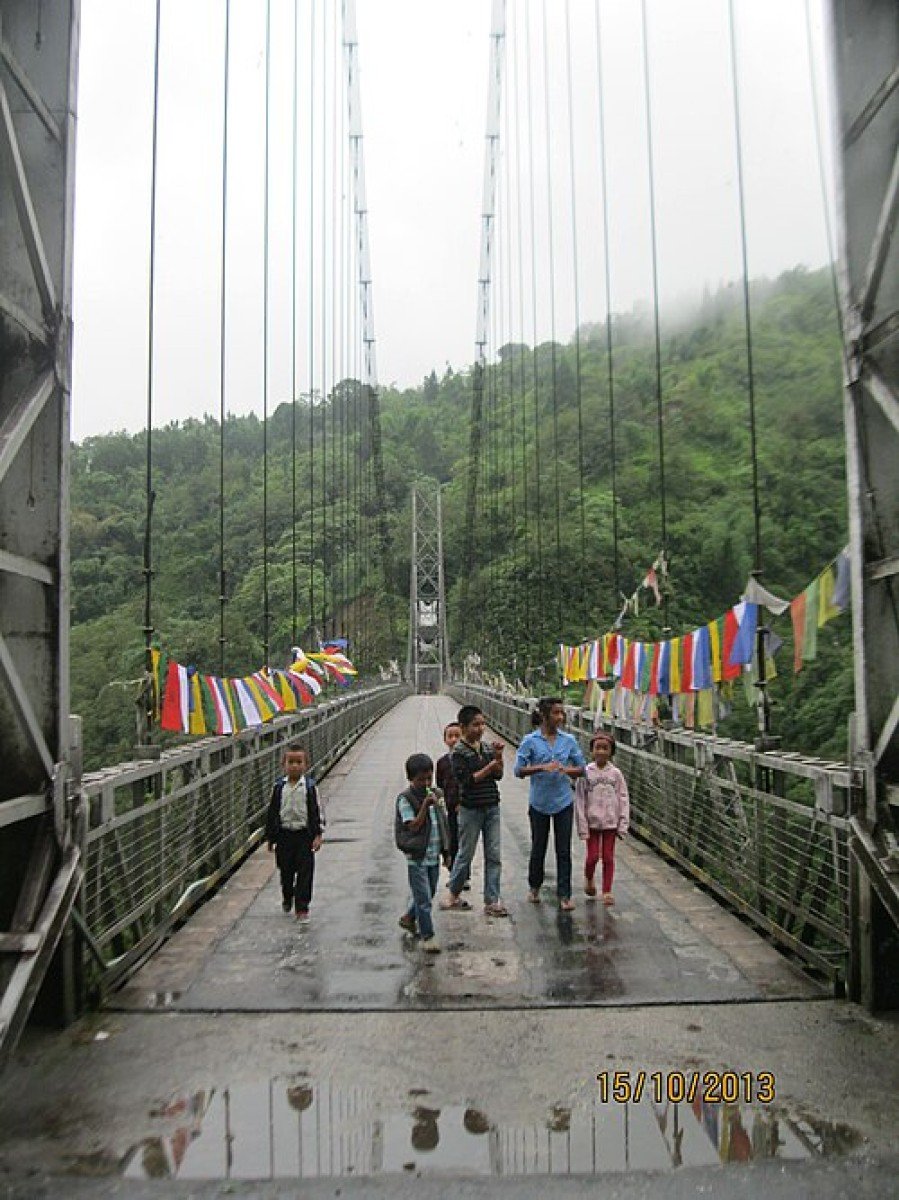




Things To Do
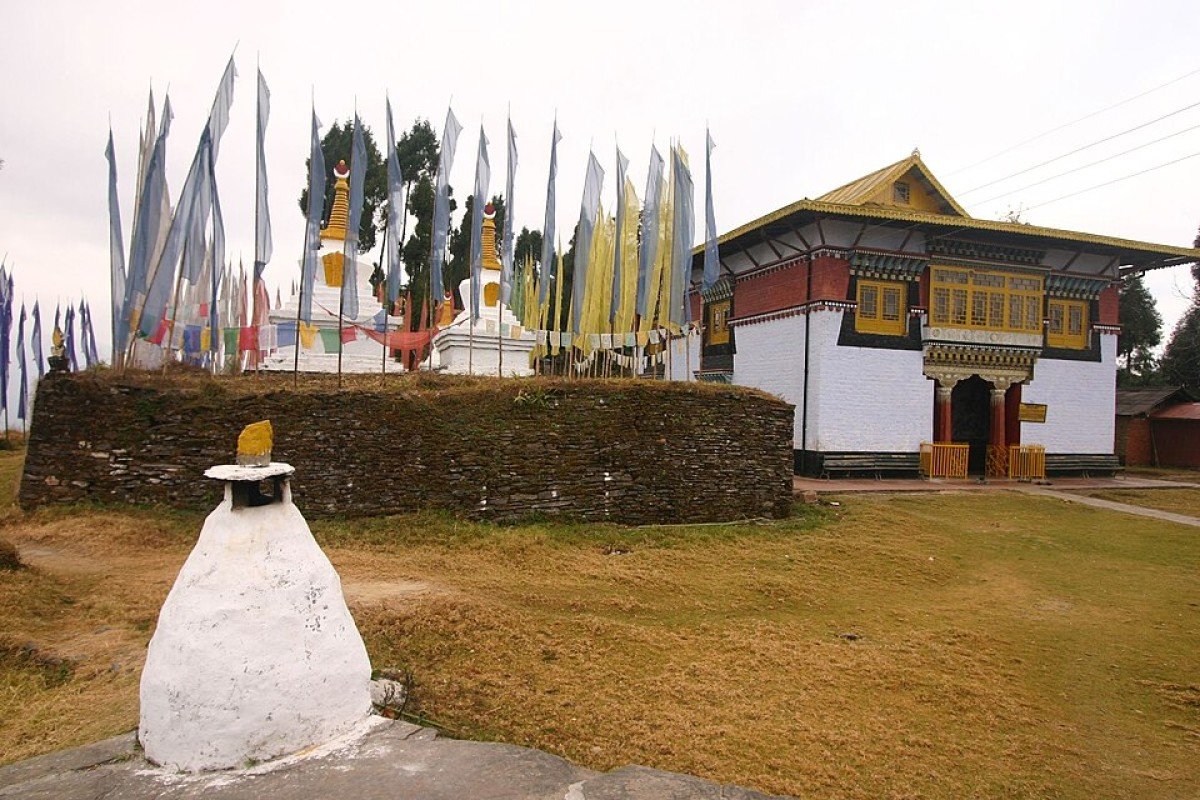
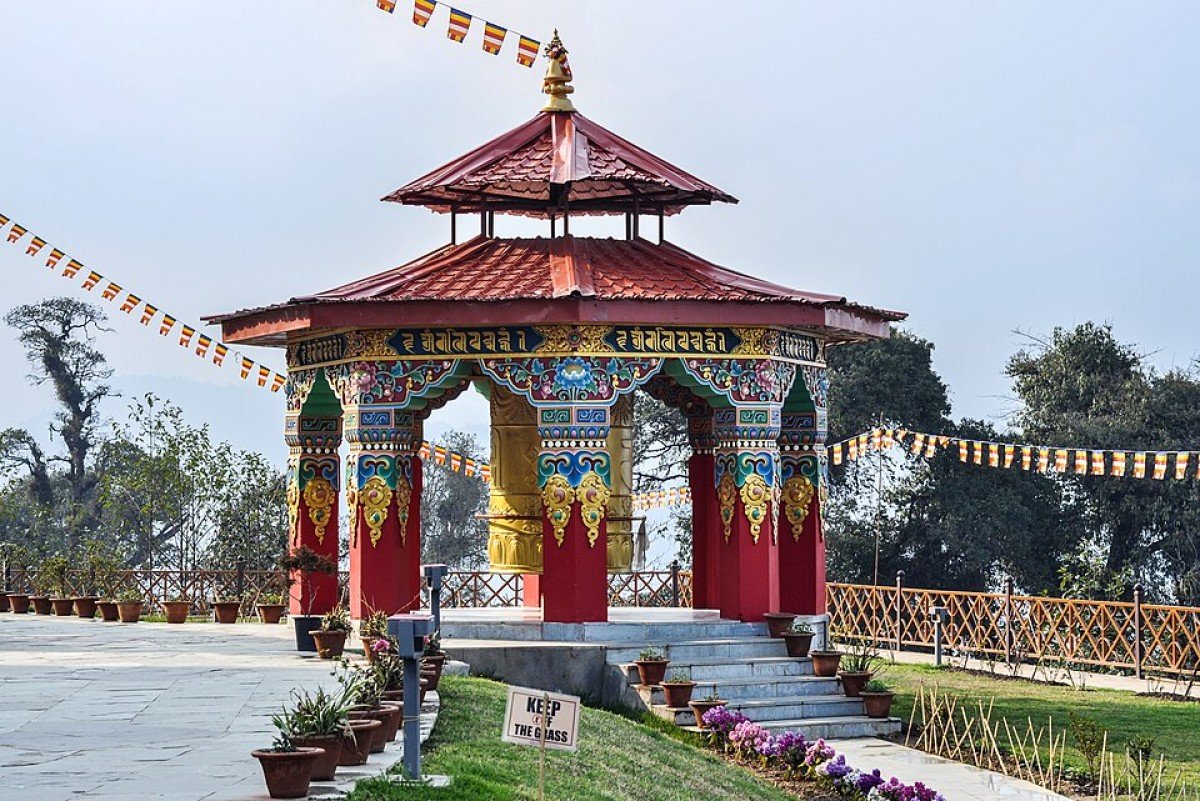
 Sangachoeling Monastery is a premier spiritual hub located in the serene heights of West Sikkim, established in 1697 by Lama Lhatsun Chempo. It is widely recognized as one of the oldest monasteries in the state, belonging to the Nyingmapa order of Tibetan Buddhism. The name "Sangachoeling" translates to the "place of secret mantra teachings," reflecting its role as a center for deep tantric meditation and learning. Reaching this sacred site requires a moderate 45-minute uphill trek through dense pine and magnolia forests, which adds an element of pilgrimage and adventure to the visit. The path is often covered in mist, providing a mystical atmosphere that prepares the mind for the tranquility found at the summit. Inside the monastery, visitors are greeted by a vast collection of ancient wall paintings, rare clay statues, and sacred scriptures that have survived centuries. Despite a fire in the past, the structure has been meticulously restored to preserve its original aesthetic and spiritual integrity. The monastery is situated directly opposite the Pemayangtse Monastery, offering a unique perspective of the surrounding valleys and the towering Kanchenjunga range. It is a place where time seems to stand still, allowing travelers to escape the hustle of modern life. The rhythmic chanting of monks and the aroma of burning incense create a sensory experience that is both grounding and uplifting. It is an essential stop for anyone looking to understand the core of Sikkimese Buddhist heritage and culture.
 Darap Village is a picturesque settlement that serves as a living testimony of the Limboo culture and tradition in the heart of West Sikkim. Nestled at an altitude of approximately 5,500 feet, this village offers a genuine peek into the serene sights of rustic Himalayan life where time seems to slow down significantly. The landscape of Darap is uniquely characterized by its gently sloped terrain, which is quite rare in the otherwise steep and rugged topography of the West Sikkim region. This environmental feature has made it a hub for sustainable village tourism, where visitors can escape the maddening crowds of mainstream tourist spots like Pelling. The name Darap originates from the Limboo word 'Tan-lop', which literally translates to a plain or even land, perfectly describing its welcoming geography. The village is primarily inhabited by the Limboo community, but it is also a melting pot of other ethnic groups including Bhutias, Chettris, Tamangs, Rais, Gurungs, and Lepchas living in perfect harmony. Travelers visiting Darap often find themselves immersed in a lifestyle that revolves around nature and community-driven agriculture. The village is surrounded by lush green terraced fields, vibrant cardamom plantations, and thick forests that are home to various migratory birds. The hospitality here is centered around cozy, eco-friendly homestays that allow guests to participate in daily activities like milking cows, gardening, and learning the art of traditional food preparation. It is an ultimate refuge for peace seekers who wish to connect with the authentic soul of Sikkim while enjoying the majestic views of the Himalayan range. The local youth have taken great initiatives to promote the village as a prime destination for eco-tourism, ensuring that modern comforts are blended seamlessly with traditional values. Whether you are walking along the narrow village trails or listening to the stories of the elders by a fireplace, Darap offers a spiritual and emotional rejuvenation that is hard to find elsewhere.
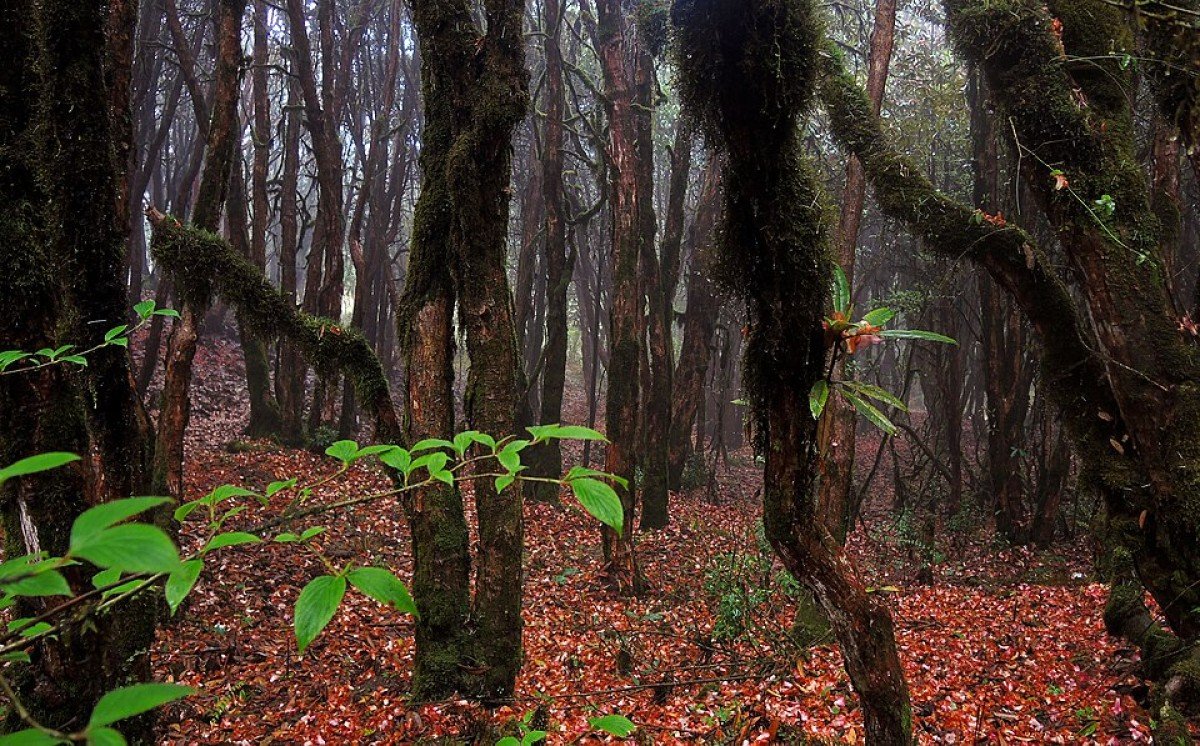
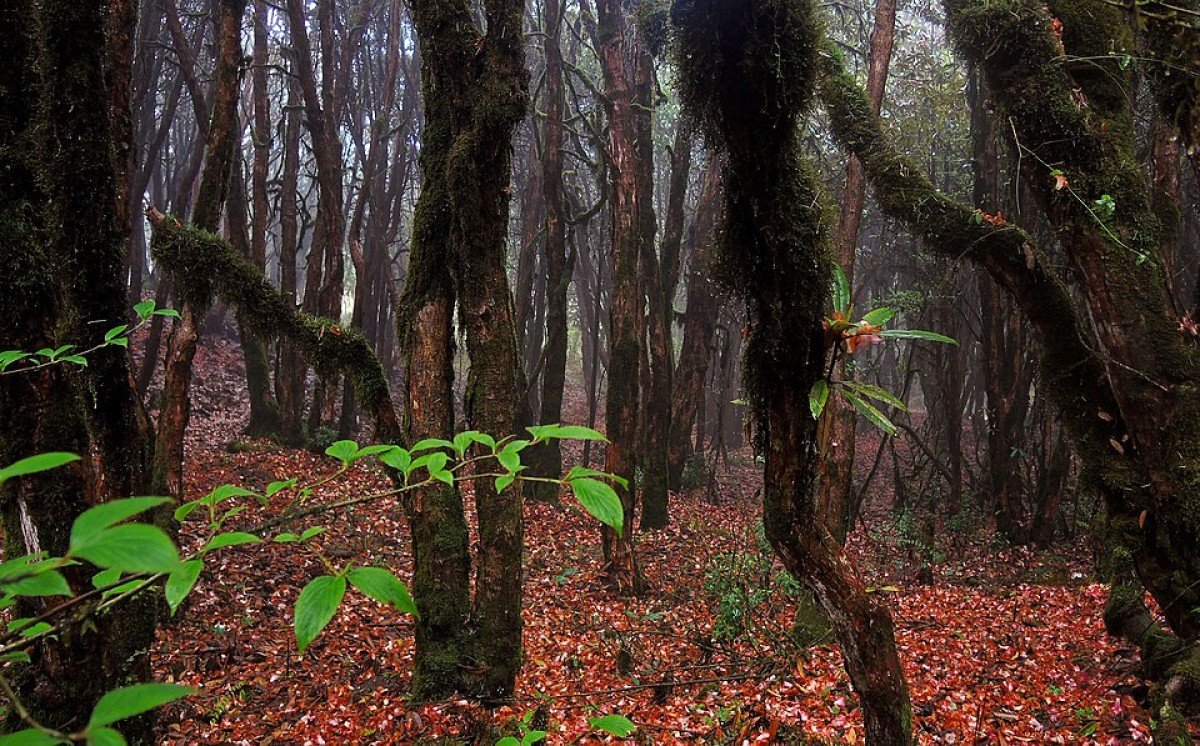
 Varsey Rhododendron Sanctuary (also spelled Barsey) covers an area of 104 square KMS along the Singalila Ridge. It is a paradise for botanists and trekkers, especially during the months of March and April when the hills turn bright red, pink, and white with blooming rhododendrons. The sanctuary is home to over 600 species of flora and rare animals like the Red Panda and Black Bear. The most popular way to visit is a 4 KM easy trek from Hilley to Varsey, often called the "Honeymoon Trek" due to its gentle slopes and romantic scenery. At the end of the trek, there is a Trekker's Hut called Guras Kunj where one can stay overnight. The sanctuary offers a stunning, unobstructed view of the Kanchenjunga range. It is an offbeat destination that provides a deep connection with nature away from any urban noise. The silence of the forest is only broken by the chirping of high-altitude birds.
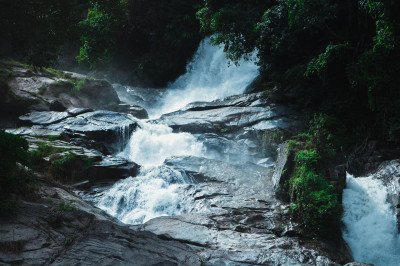 Sirijunga Falls is a majestic and culturally significant waterfall located in the West Sikkim district, near the village of Bermiok. It is named after the legendary Limboo scholar and visionary, Te-ongsi Sirijunga, who is credited with reviving the Limboo script and culture. The waterfall is tucked away in a verdant valley, surrounded by dense forests and sacred caves that are of great importance to the local Limboo community. The water cascades down from a considerable height, creating a thunderous sound that echoes through the quiet hills. Near the base of the falls, there is a holy cave known as the Sirijunga Cave, where the scholar is said to have meditated and taught his followers. The site is a blend of natural beauty and religious pilgrimage, attracting both nature lovers and those interested in the indigenous history of Sikkim. The trek to the falls involves walking through scenic village paths and forested trails, providing an immersive experience of the rural Himalayan landscape. During the monsoon, the falls transform into a powerful torrent of white water, while in the winter, they offer a more delicate and serene view. The area around the falls is also home to diverse flora and fauna, making it a great spot for nature photography. It remains one of the relatively offbeat destinations in the Geyzing region, offering a peaceful alternative to the more commercialized waterfalls in the state. Visiting Sirijunga Falls provides a deep insight into the spiritual connection that the people of Sikkim share with their natural environment.
 The Kings Palace Ruins, also known as the Rabdentse Ruins, represent a significant chapter in the history of the erstwhile Kingdom of Sikkim. This archaeological site was the second capital of the kingdom from 1670 to 1814, established by the second Chogyal (King), Tensung Namgyal. The capital was shifted here from the original seat at Yuksom to provide a more central and defensible location. For over a century, Rabdentse flourished as a center of power and spirituality until it was tragically destroyed by the invading Gurkha army from Nepal in the early 19th century. Today, the site is protected and maintained by the Archaeological Survey of India (ASI), offering visitors a hauntingly beautiful glimpse into a lost era. The ruins are perched on a ridge that provides commanding views of the entire valley and the majestic Kanchenjunga peaks. To reach the ruins, one must undertake a scenic 15-minute walk through a dense forest of chestnut and cherry trees, passing by a serene lake that adds to the mystical atmosphere. As you emerge from the forest, the "chunky wall stubs" of the former palace come into view, standing as silent witnesses to the rise and fall of a dynasty. The complex is divided into several sections, including the royal living quarters, the prayer halls, and the public courtyard where the subjects once gathered. The meticulous preservation work allows history buffs to visualize the layout of the palace, including the stone throne from which the kings once delivered judgments. The site is also home to the Sidkeong Tulku Bird Park, making it a double attraction for history lovers and nature enthusiasts. Walking through these ruins, surrounded by the sound of birdsong and the whispering wind, one can almost hear the echoes of the royal court that once dictated the fate of this Himalayan kingdom. It is often referred to as the "Machu Picchu of India" due to its elevated location and historical significance.
 Lhadrup Choeten, also referred to as a Chorten, is a magnificent white stupa situated on the ridge between Geyzing and Pelling. This religious monument was built to ward off evil spirits and to bring peace and prosperity to the valley. It follows the traditional Tibetan style of architecture, characterized by its bell-shaped dome and golden spire. The complex is surrounded by 108 prayer wheels, which devotees spin in a clockwise direction while chanting the sacred mantra "Om Mani Padme Hum." The site offers a tranquil environment for meditation and a panoramic view of the Kanchenjunga peaks on clear days. It is often a quiet alternative to the busier monasteries in the region, providing a space for deep reflection. The Chorten is particularly beautiful during the morning hours when the sunlight hits the golden finial, and the sound of fluttering prayer flags fills the air. It serves as a spiritual landmark for the local community and a stopover for travelers seeking a moment of peace.
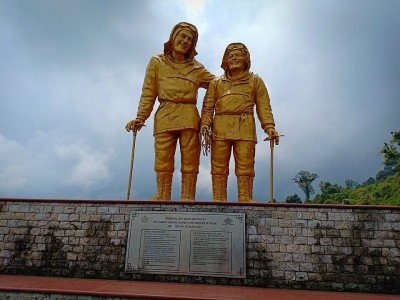 Tenzing Hilary Park is a beautifully landscaped memorial located in the high-altitude village of Uttarey. It was inaugurated in 2015 to honor the two legendary mountaineers, Tenzing Norgay and Sir Edmund Hillary, who first conquered Mount Everest in 1953. The park is situated at an elevation of about 8,000 feet, offering a majestic view of the Singalila Range. It features two large life-size statues of the mountaineers standing tall against the backdrop of the Himalayas. The park is part of an eco-tourism initiative to promote Uttarey as a major trekking hub. Visitors can enjoy a peaceful walk among manicured gardens and exotic Himalayan flowers. The air here is incredibly crisp and clean, making it a perfect spot for relaxation. It also serves as a gateway for several high-altitude treks towards the Nepal border. The park is often enveloped in mist, creating a dreamlike atmosphere for travelers.Show All
Sidkeong Bird Park is a specialized sanctuary dedicated to the conservation of Himalayan bird species, named after Sidkeong Tulku, the 10th Chogyal of Sikkim. Located near the historic Rabdentse Ruins, the park serves as a bridge between nature and heritage, offering a lush environment for over 200 species of birds. The park is designed with an open concept, featuring walk-in aviaries that allow visitors to observe vibrant birds like the Himalayan Monal and Green Imperial Pigeon in a habitat that mimics their natural surroundings. The area is a moist temperate forest filled with oak and chestnut trees, creating a cool and refreshing atmosphere for a leisurely walk. The park is not just a tourist attraction but also a research center that focuses on the breeding and veterinary care of rare avian species. Visitors can walk through well-maintained trails that wind through dense undergrowth and open forest patches. The cacophony of birdsongs, combined with the distant chanting from nearby monasteries, creates a unique auditory experience. It is an ideal spot for families and students to learn about the biodiversity of the Eastern Himalayas. Educational signboards are placed throughout the trails to provide information about the resident and migratory birds. The park's commitment to eco-tourism makes it a peaceful retreat away from the more crowded spots in Pelling.
Tenzing Hilary Park is a beautifully landscaped memorial located in the high-altitude village of Uttarey. It was inaugurated in 2015 to honor the two legendary mountaineers, Tenzing Norgay and Sir Edmund Hillary, who first conquered Mount Everest in 1953. The park is situated at an elevation of about 8,000 feet, offering a majestic view of the Singalila Range. It features two large life-size statues of the mountaineers standing tall against the backdrop of the Himalayas. The park is part of an eco-tourism initiative to promote Uttarey as a major trekking hub. Visitors can enjoy a peaceful walk among manicured gardens and exotic Himalayan flowers. The air here is incredibly crisp and clean, making it a perfect spot for relaxation. It also serves as a gateway for several high-altitude treks towards the Nepal border. The park is often enveloped in mist, creating a dreamlike atmosphere for travelers.Show All
Sidkeong Bird Park is a specialized sanctuary dedicated to the conservation of Himalayan bird species, named after Sidkeong Tulku, the 10th Chogyal of Sikkim. Located near the historic Rabdentse Ruins, the park serves as a bridge between nature and heritage, offering a lush environment for over 200 species of birds. The park is designed with an open concept, featuring walk-in aviaries that allow visitors to observe vibrant birds like the Himalayan Monal and Green Imperial Pigeon in a habitat that mimics their natural surroundings. The area is a moist temperate forest filled with oak and chestnut trees, creating a cool and refreshing atmosphere for a leisurely walk. The park is not just a tourist attraction but also a research center that focuses on the breeding and veterinary care of rare avian species. Visitors can walk through well-maintained trails that wind through dense undergrowth and open forest patches. The cacophony of birdsongs, combined with the distant chanting from nearby monasteries, creates a unique auditory experience. It is an ideal spot for families and students to learn about the biodiversity of the Eastern Himalayas. Educational signboards are placed throughout the trails to provide information about the resident and migratory birds. The park's commitment to eco-tourism makes it a peaceful retreat away from the more crowded spots in Pelling.Information
-
Why Famous:
Ancient Monastery Hub: Geyzing is famous for its proximity to Pemayangtse Monastery, one of the oldest and most prestigious in Sikkim. This monastery belongs to the Nyingma order and is the heart of religious life in the west. It is famous for its annual Cham dance festiva...Ancient Monastery Hub: Geyzing is famous for its proximity to Pemayangtse Monastery, one of the oldest and most prestigious in Sikkim. This monastery belongs to the Nyingma order and is the heart of religious life in the west. It is famous for its annual Cham dance festival.
Cardamom Capital: The region around Geyzing is one of the largest producers of large cardamom in India. The town's market is the primary trading center for this high-value spice. The surrounding hills are covered with dark green cardamom plantations, creating a unique landscape.
Rabdentse Ruins: Just a short distance from the town lies the ruins of the second capital of the Kingdom of Sikkim. It is a protected monument that offers a glimpse into the 17th-century royal life. The site is famous for its serene beauty and historical importance. -
Architecture:
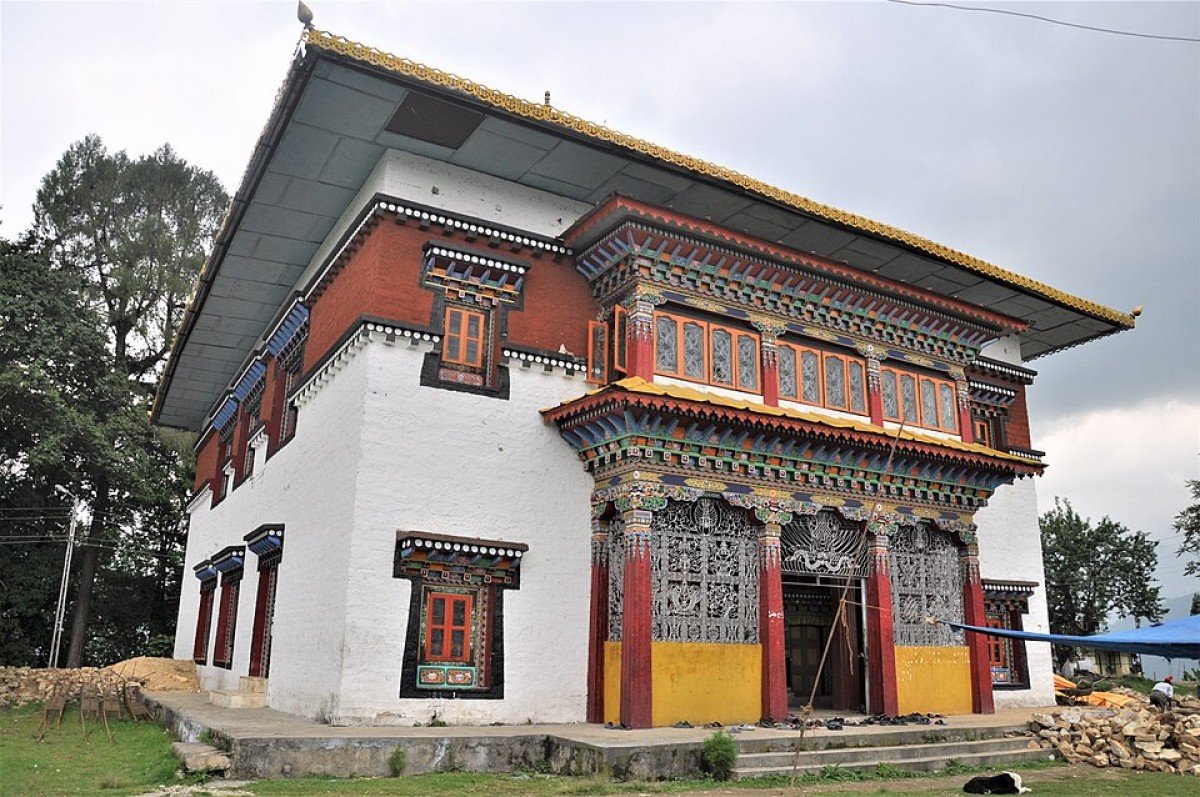
Pemayangtse Monastery Architecture: Located 6 KM away, this monastery is a masterpiece of Tibetan design. It is a three-story building featuring exquisite woodwork and colorful wall paintings. The main attraction is a 7-tiered wooden sculpture representing the 'Zangdog Pal...Pemayangtse Monastery Architecture: Located 6 KM away, this monastery is a masterpiece of Tibetan design. It is a three-story building featuring exquisite woodwork and colorful wall paintings. The main attraction is a 7-tiered wooden sculpture representing the 'Zangdog Palri' (Heavenly Abode).
Rabdentse Ruins Dimensions: The ruins of the former capital consist of stone walls and foundations spread over a large area. The main palace site features three 'Chortens' (stupas) that are well-preserved. The entire complex is surrounded by a dense forest, giving it an ancient feel.
Traditional House Design: Many buildings in Geyzing still feature the traditional Sikkimese wooden balconies and sloping roofs. The houses are often built using local stone and timber, designed to be earthquake-resistant. The dimensions are typically compact to retain heat during the cold winters. -
How To Reach:
By Air: The nearest airport is Pakyong (115 KM) or Bagdogra (135 KM). From the airport, one must hire a taxi to Geyzing. The journey from Bagdogra takes about 5-6 hours through the beautiful hills of West Sikkim.
By Train: New Jalpaiguri (...By Air: The nearest airport is Pakyong (115 KM) or Bagdogra (135 KM). From the airport, one must hire a taxi to Geyzing. The journey from Bagdogra takes about 5-6 hours through the beautiful hills of West Sikkim.
By Train: New Jalpaiguri (NJP) is the nearest major railway station, approximately 130 KM away. Taxis and shared jeeps are available from the station. The road passes through Jorethang and is quite scenic.
By Road: Geyzing is well connected by road to Gangtok (110 KM) and Pelling (10 KM). State-run buses and private taxis operate regularly on these routes. The roads are generally in good condition but can be steep.
By Local Transport: Within the town, walking is the most convenient way to get around. For nearby attractions like Pelling or the ruins, local taxis are easily available. Shared jeeps are a cost-effective way to travel to neighboring villages. -
Weather and Best Time to Visit:
Spring Season (March to May): This is the ideal time to visit as the rhododendrons are in bloom. The weather is cool and perfect for hiking and sightseeing. Clear skies offer consistent views of the Kanchenjunga range.
Autumn Season (October t...Spring Season (March to May): This is the ideal time to visit as the rhododendrons are in bloom. The weather is cool and perfect for hiking and sightseeing. Clear skies offer consistent views of the Kanchenjunga range.
Autumn Season (October to November): This is another peak time with excellent visibility and mild temperatures. It is perfect for photography and exploring the historical ruins. The harvest season also brings a lot of activity to the local markets.
Winter Season (December to February): It can get quite cold, but the clear skies offer spectacular mountain views. Some high-altitude trails might be closed, but the town and main monasteries remain accessible. It is a quiet time for peaceful exploration. -
Near Tourist Places:
Pelling (10 KM), Pemayangtse Monastery (6 KM), Rabdentse Ruins (5 KM), Khecheopalri Lake (30 KM), Yuksom (35 KM), Kanchenjunga Falls (38 KM), Singshore Bridge (35 KM), Rimbi Orange Garden (22 KM), Dubdi Monastery (36 KM), Sangachoeling Monastery (3 KM).
Tourism Tips
-
Health and Safety: Keep some basic medicines for altitude sickness as Geyzing is quite high. Stay hydrated and avoid strenuous activity on your first day. Be careful while hiking on forest trails, especially during the monsoon when it can be slippery.
Read MoreHealth and Safety: Keep some basic medicines for altitude sickness as Geyzing is quite high. Stay hydrated and avoid strenuous activity on your first day. Be careful while hiking on forest trails, especially during the monsoon when it can be slippery.
Packing Essentials: Layered clothing is the best choice for West Sikkim's variable weather. A good pair of trekking shoes is essential for visiting the ruins and monasteries. Don't forget a hat and sunscreen as the mountain sun can be quite strong.
Accommodation Tips: There are several budget and mid-range hotels in Geyzing. If you want more luxury, the TashiGang hotel is a great option. Staying here is more peaceful than staying in the more touristy town of Pelling nearby.
Cultural Etiquette: Always ask for permission before taking photos of people, especially in the market. When visiting monasteries, walk in a clockwise direction. Respect the silence in prayer halls and follow any instructions given by the monks.Reviews
FAQs
Geyzing Itineray And Cost:-
Other Places In Sikkim :-
Other States In India :-
Information about New and Updated Locations() of Sikkim Has Been Added :-
Card subtitle
Note:-
Information provided here in good Faith and for reference only.
Near Places
Chungthang
Some quick example text to build on the card title and make up the bulk of the card's content.
Go somewhere
Gangtok
Some quick example text to build on the card title and make up the bulk of the card's content.
Go somewhere
Geyzing
Some quick example text to build on the card title and make up the bulk of the card's content.
Go somewhere
Jorethang
Some quick example text to build on the card title and make up the bulk of the card's content.
Go somewhere
Lachen
Some quick example text to build on the card title and make up the bulk of the card's content.
Go somewhere
Lachung
Some quick example text to build on the card title and make up the bulk of the card's content.
Go somewhere
Mangan
Some quick example text to build on the card title and make up the bulk of the card's content.
Go somewhere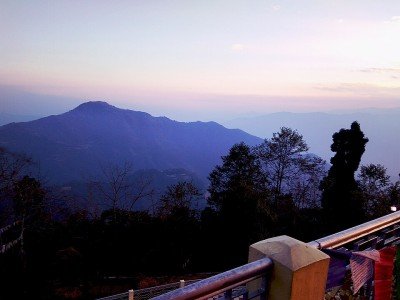
Namchi
Some quick example text to build on the card title and make up the bulk of the card's content.
Go somewhere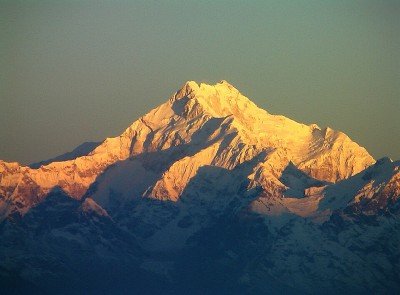
Pakyong
Some quick example text to build on the card title and make up the bulk of the card's content.
Go somewhere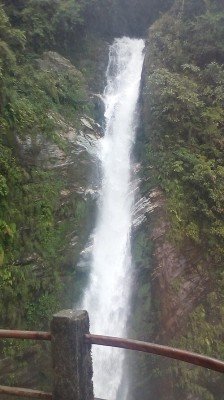
Pelling
Some quick example text to build on the card title and make up the bulk of the card's content.
Go somewhere
Ravangla
Some quick example text to build on the card title and make up the bulk of the card's content.
Go somewhere
Rumtek
Some quick example text to build on the card title and make up the bulk of the card's content.
Go somewhere
Singtam
Some quick example text to build on the card title and make up the bulk of the card's content.
Go somewhere
Soreng
Some quick example text to build on the card title and make up the bulk of the card's content.
Go somewhere
Yuksom
Some quick example text to build on the card title and make up the bulk of the card's content.
Go somewhere
Zuluk
Some quick example text to build on the card title and make up the bulk of the card's content.
Go somewherein Other Cities