

Chungthang
General information
-
Ideal Duration:
2-3 Hours (Stopover)Place Type:
Religious, Transit Hub, NatureEntry Fees:
Entry to Town: No entry fee is required to enter the town of Chungthang. It is a public transit point accessible to all travelers with valid permits.
Sacred Rock & Gurdwara: There are no fees to visit the holy rock or the Gurdwara. Donatio...Entry to Town: No entry fee is required to enter the town of Chungthang. It is a public transit point accessible to all travelers with valid permits.
Sacred Rock & Gurdwara: There are no fees to visit the holy rock or the Gurdwara. Donations are welcome but strictly voluntary for the maintenance of the sites.
Permit Costs: While there is no entry fee for the town, the Inner Line Permit for North Sikkim has a nominal processing fee. This is usually managed by travel agents as part of a tour package.Timing:
Regular Visit Timings: The town is accessible 24 Hours as it is a major transit route. However, it is best to arrive between 8 AM to 4 PM for sightseeing.
Ideal Visit Time: The best time to explore the holy sites is in the Morning when the ...Regular Visit Timings: The town is accessible 24 Hours as it is a major transit route. However, it is best to arrive between 8 AM to 4 PM for sightseeing.
Ideal Visit Time: The best time to explore the holy sites is in the Morning when the air is fresh. Most travelers reach here around noon during their journey from Gangtok.
Night Safety: Traveling through Chungthang at night is not recommended due to fog and landslide risks. The town becomes very quiet after sunset as most traffic stops.Special Events:
Maghe Sankranti: Celebrated in January, this festival marks the beginning of the harvest season and is celebrated with ritual baths in the river. Locals gather at the confluence to perform prayers and offer food. It is a vibrant display of traditional Sikkimese culture.Maghe Sankranti: Celebrated in January, this festival marks the beginning of the harvest season and is celebrated with ritual baths in the river. Locals gather at the confluence to perform prayers and offer food. It is a vibrant display of traditional Sikkimese culture.
Guru Padmasambhava Birthday: Observed with great devotion, this day involves special prayers at the monastery and the sacred rock. The town is decorated with prayer flags, and monks perform traditional chants. It is the best time to experience the spiritual depth of the town.
Saga Dawa: This is the most sacred Buddhist festival celebrating the birth, enlightenment, and parinirvana of Lord Buddha. Pilgrims from nearby villages visit Chungthang to offer prayers and light butter lamps. The atmosphere is filled with peace and devotion throughout the day.Best Photo Spots:
Teesta River Confluence: The best spot is from the main bridge looking down at the merging waters. The early morning light creates a sparkling effect on the ripples of the river. It captures the essence of North Sikkim's water wealth.
Sacred R...Teesta River Confluence: The best spot is from the main bridge looking down at the merging waters. The early morning light creates a sparkling effect on the ripples of the river. It captures the essence of North Sikkim's water wealth.
Sacred Rock Close-ups: Macro photography of the ancient footprints and the flowing mineral water is very popular. The textures of the rock combined with the mossy surroundings provide a mystical look. It is a spiritual subject that tells a story.
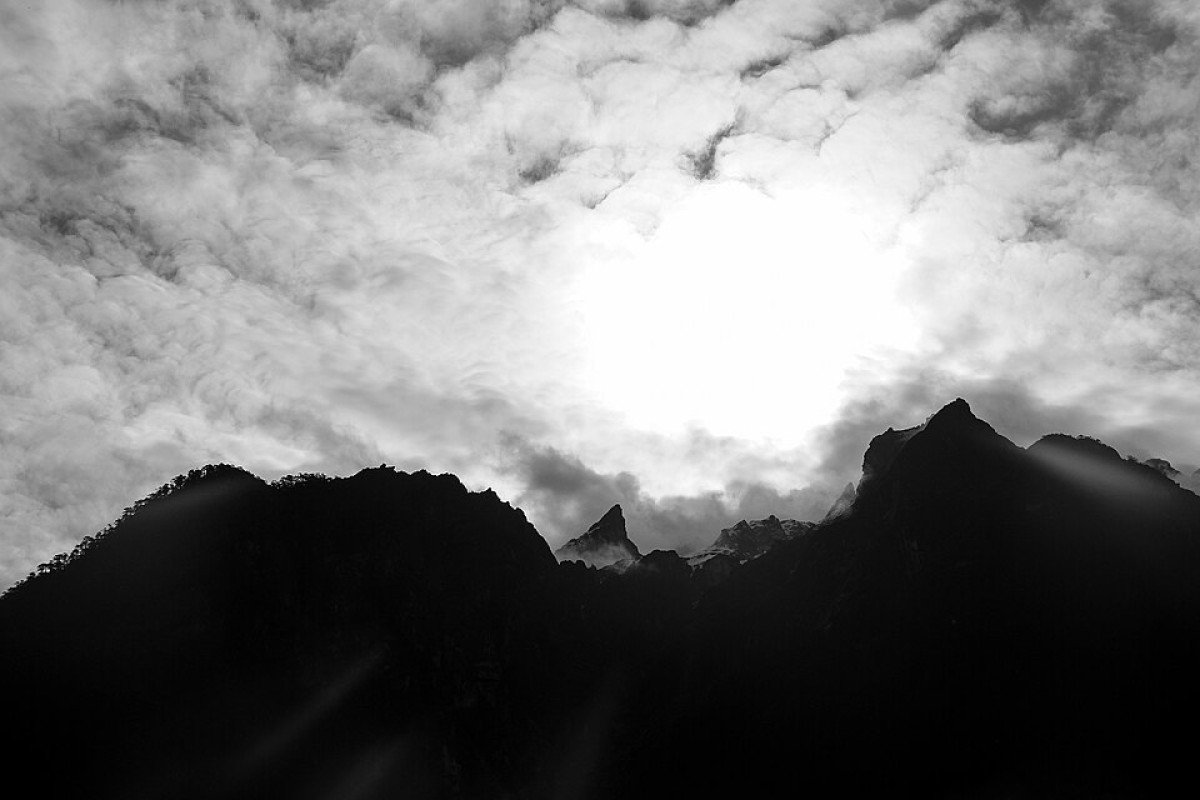
Gurdwara Exteriors: The colorful flags and the white structure of the Gurdwara against the dark mountains make for a striking photo. The symmetry of the building and the peaceful courtyard are perfect for wide-angle shots. It represents the harmony of the region.Photo Gallery



Things To Do
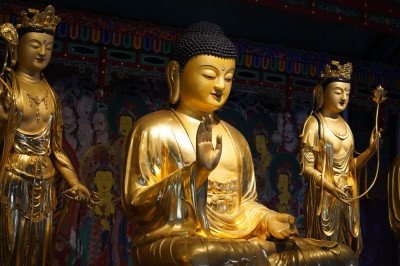 The Chungthang Monastery, officially known as Tsunthang Ridgzin Choeling Gonpa, is one of the oldest and most revered Buddhist institutions in North Sikkim. Established in 1788 AD, it serves as the spiritual heart of the local Lepcha and Bhutia communities. The monastery is built near the sacred rock where Guru Padmasambhava is said to have rested during his travels. It is a place of profound silence and meditation, standing as a guardian over the town of Chungthang. The monastery houses a rich collection of rare Buddhist scriptures, ancient thangkas (scroll paintings), and beautifully crafted statues of various deities. The main prayer hall is adorned with intricate murals that depict scenes from the life of Lord Buddha and the various manifestations of Guru Rinpoche. The monks here follow the Nyingma tradition of Tibetan Buddhism and are known for their hospitality and deep knowledge of local history. The monastery complex also includes small residential quarters for the monks and a traditional butter lamp room where hundreds of lamps are lit daily for world peace. From its courtyard, one can get an unparalleled view of the confluence below and the surrounding snow-capped peaks. It is not just a religious site but a repository of the cultural heritage of North Sikkim, preserving traditions that have remained unchanged for centuries. :
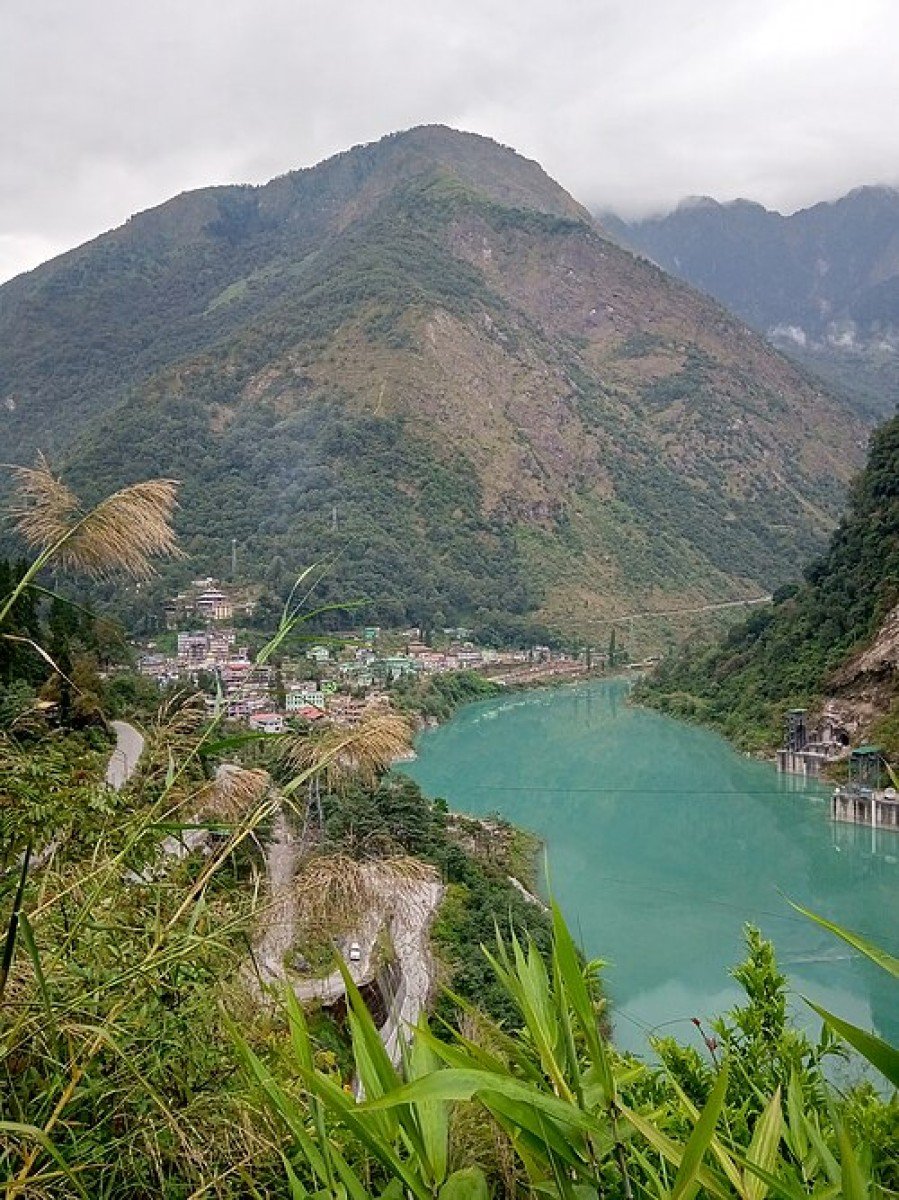
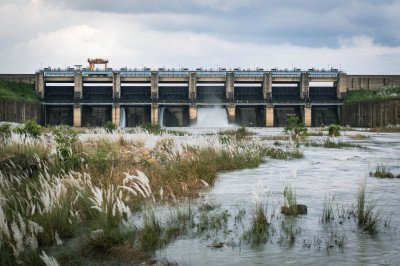 @@Project Overview & Controversy Summary: The Chungthang Dam, officially known as the Teesta III Hydroelectric Project (HEP), is a monumental 1200 MW run-of-the-river scheme that was commissioned in February 2017 following significant delays and controversies, primarily focusing on its strategic importance for India's power grid, supplying 12% of its generated capacity to Sikkim as royalty and the remainder to the Northern Grid; this structure cuts across the Teesta River shortly after its formation by the Lachen Chu and Lachung Chu tributaries near Chungthang village, making it a pivotal piece of infrastructure but also a subject of intense debate regarding its environmental and socio-cultural impacts on the sacred Lepcha landscape, Dzongu, and the fragile Himalayan ecosystem; the project, which was built on a Build, Operate, Own, and Transfer (BOOT) basis, was severely damaged in October 2023 by a massive Glacial Lake Outburst Flood (GLOF) from the South Lhonak Lake, highlighting the seismic and environmental risks inherent in such large-scale Himalayan dam projects; the dam’s destruction caused catastrophic damage downstream, leading to a long process of seeking environmental clearance for reconstruction in 2025, which remains contested by local communities like the Affected Citizens of Teesta (ACT), who oppose the rebuilding on grounds that it violates the sanctity of their sacred landscape; the sheer scale of the investment, originally fixed at INR 5,705 crores, and the subsequent cost overruns underscore the high stakes involved in harnessing hydroelectric power in this volatile region, making it a point of contention between development goals and indigenous rights. (Word Count: 401) :
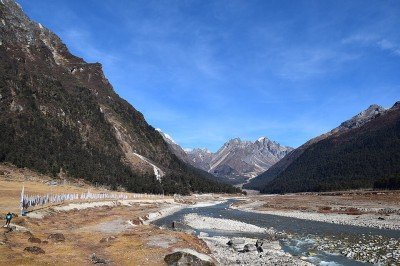 @@The Therapeutic Oasis of Yume Samdong: Yume Samdong, popularly known as Zero Point, is the place where the motorable road ends and the majestic snow-capped mountains take over. Located at a staggering altitude of about 15,300 feet, it is one of the most remote and beautiful spots in North Sikkim. The Yume Samdong Hot Spring is a natural wonder situated near the riverbanks of the Lachung Chu. These springs are fed by geothermal activity deep within the Earth, resulting in water that is naturally warm and rich in sulfur. For centuries, the local people have believed in the medicinal properties of these waters, claiming they can cure skin diseases and joint pains. The sight of steam rising from the ground in a landscape otherwise dominated by ice and sub-zero temperatures is truly surreal. The hot spring is housed in a very basic, rustic structure to protect bathers from the freezing winds outside. The contrast between the biting cold air and the soothing warmth of the water provides a unique sensory experience. Surrounding the springs are vast, desolate plains that are part of the Tibetan Plateau ecosystem. The area is often covered in perennial snow, making it a favorite for tourists who want to play in the snow. The silence of the high altitude is profound, only interrupted by the sound of the nearby river and the occasional whistle of a mountain bird. Reaching the hot spring requires a drive through the famous Yumthang Valley, often called the "Valley of Flowers." The journey itself is an adventure, passing through rugged terrain and high-altitude coniferous forests. The air at Yume Samdong is very thin, and the oxygen levels are low, adding a layer of challenge to the visit. However, the reward is a view that feels like the edge of the world. It is a place of raw power and hidden warmth, embodying the dual nature of the Himalayas—harsh yet nurturing.
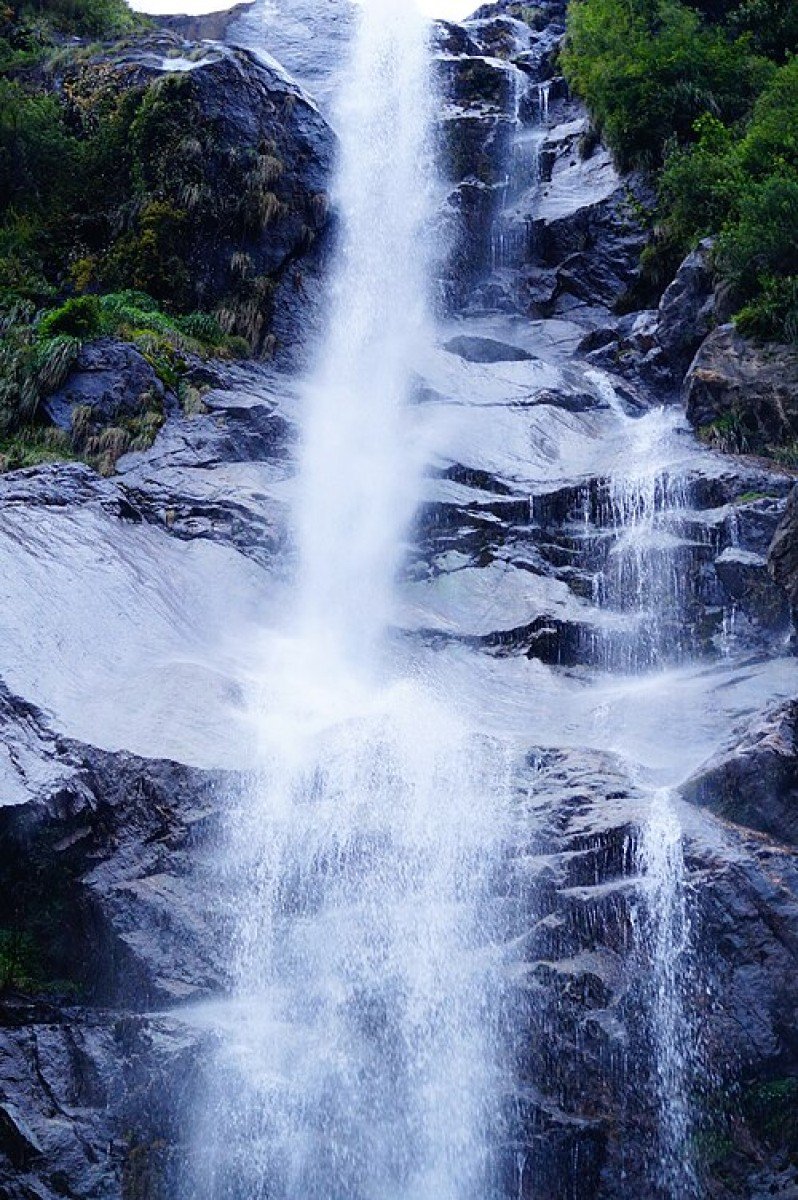
 @@The Longest Waterfall of Sikkim: Naga Falls is one of the most magnificent and powerful waterfalls in North Sikkim, located right by the roadside on the way to Chungthang. It is a massive multi-tiered cascade where water tumbles down from a great height through several rocky stages before passing under a sturdy bridge. The sheer volume of water, especially during the monsoon, creates a thunderous roar that can be heard from a distance. The surrounding area is incredibly scenic, with steep cliffs, dense forests, and the mist from the falls keeping the air cool and refreshing. It is a popular stop for every tourist vehicle, offering a perfect opportunity to witness the raw power of nature. The water is crystal clear and ice-cold, originating from the melting glaciers of the higher Himalayas. A visit here is not just a visual treat but a sensory experience that leaves a lasting impression of the Himalayan landscape.
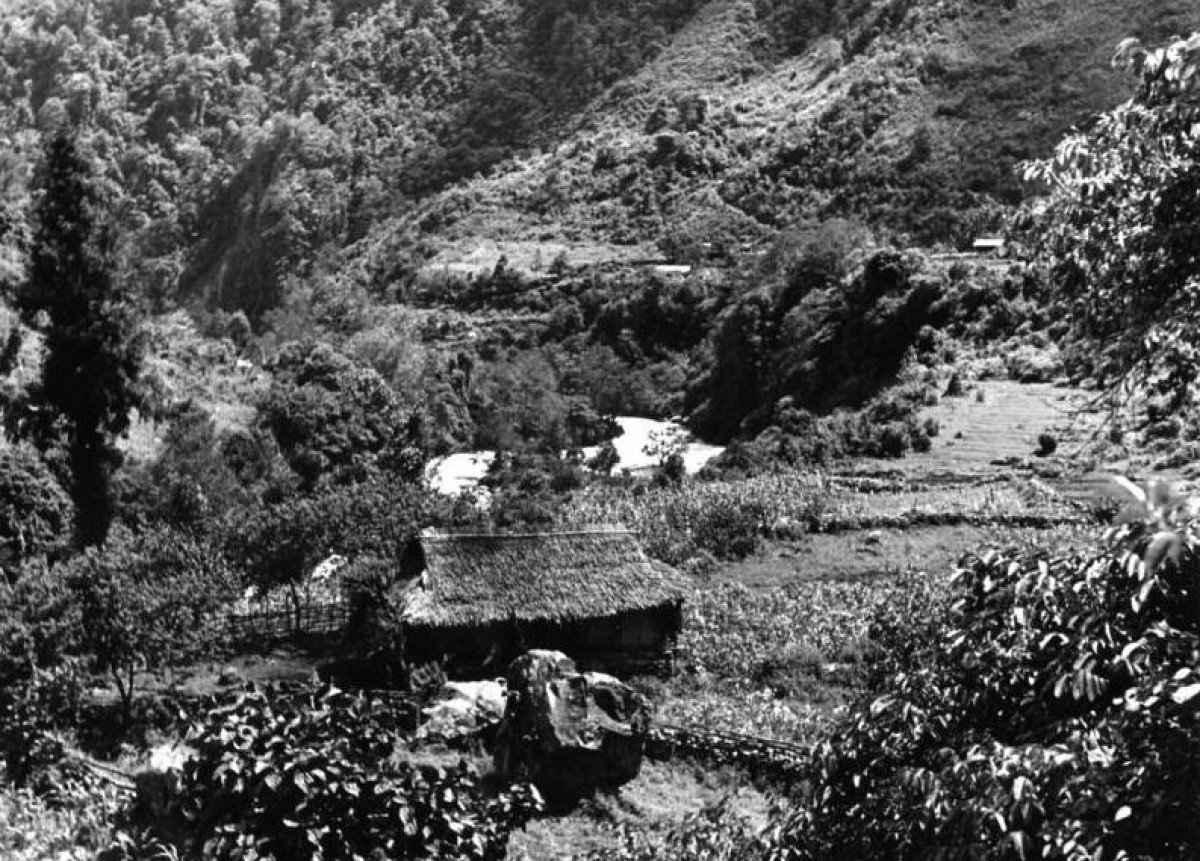
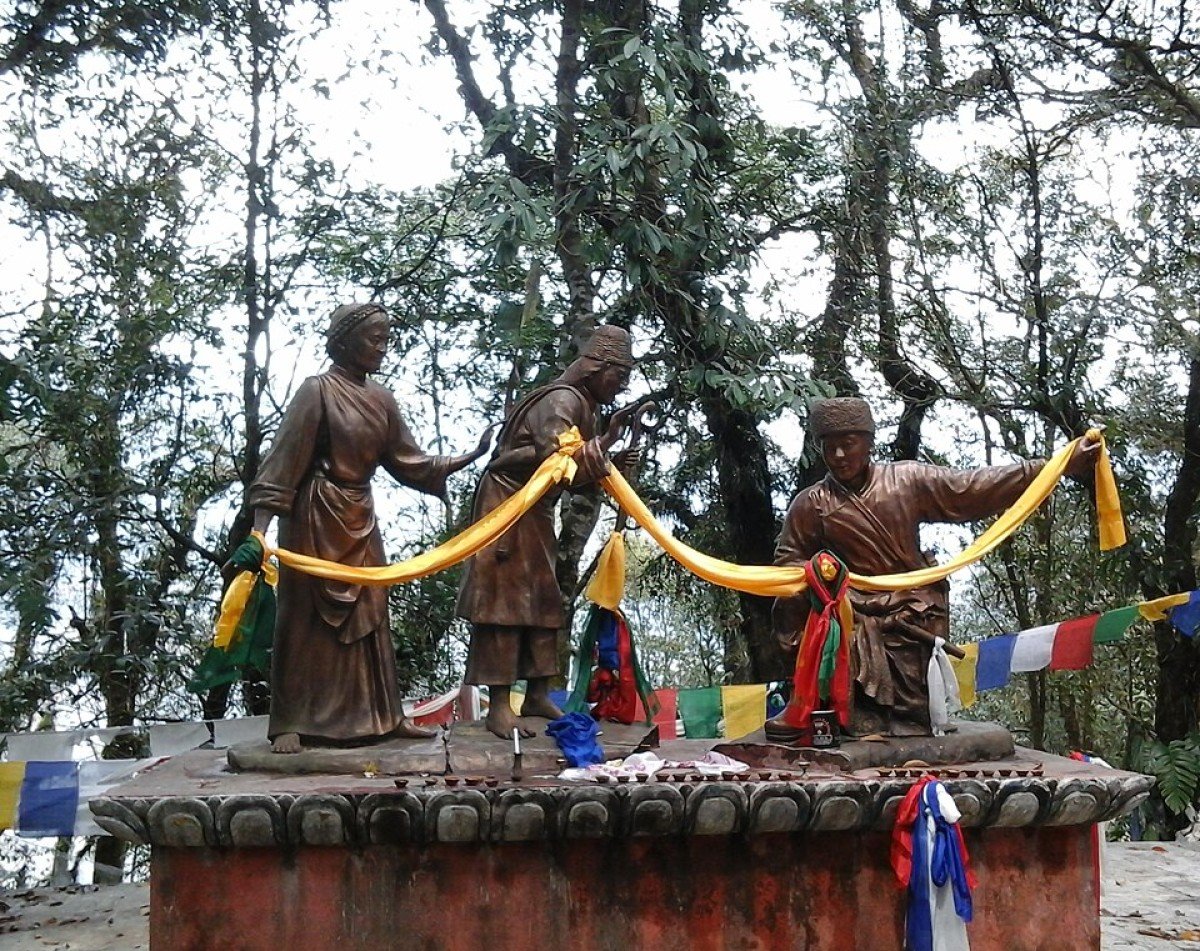
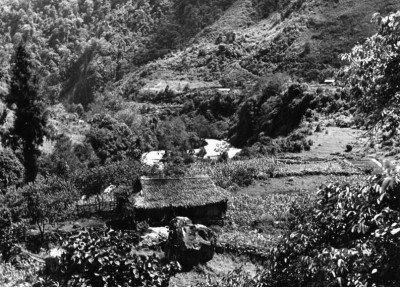 @@The Sacred Legend of Guru Rinpoche: The Holy Rock (known locally as Lhedo or Neydo) and its accompanying Paddy Field are steeped in profound Buddhist mythology, rooted in the visit of Guru Padmasambhava (or Guru Rinpoche), the patron saint who introduced Tantric Buddhism to Tibet in the 8th century AD, and who consecrated the land of Sikkim (Demazong) as a hidden, sacred valley; the rock is believed to bear the indelible handprints and footprints of the Guru, who rested here and subdued a mischievous local demon, leaving his physical imprints as a lasting symbol of his spiritual power; @@The Miracle of Perpetual Water and Rice: A truly remarkable and famous aspect is the continuous flow of mineral water from a small, year-round opening in the Holy Rock, believed to be a source of blessing; even more miraculous is the small, adjacent patch of land, the Paddy Field, where rice grows consistently every year despite the high altitude (5,780 feet) and cold climate, conditions generally unsuitable for regular paddy cultivation; local legend attributes this phenomenon to Guru Padmasambhava having scattered leftover rice grains after a meal, magically ensuring the land would forever sustain its people, thereby giving rise to one of Sikkim's ancient names, Demazong, meaning 'the hidden valley of rice'; @@Cultural Importance: This site is the core spiritual anchor of Chungthang, revered by both Buddhist and Sikh traditions (due to overlapping claims and legends), and is a mandatory stop for all religious and cultural tourists traveling through North Sikkim, signifying the spiritual convergence that defines the entire valley's sacred status. (Word Count: 404):
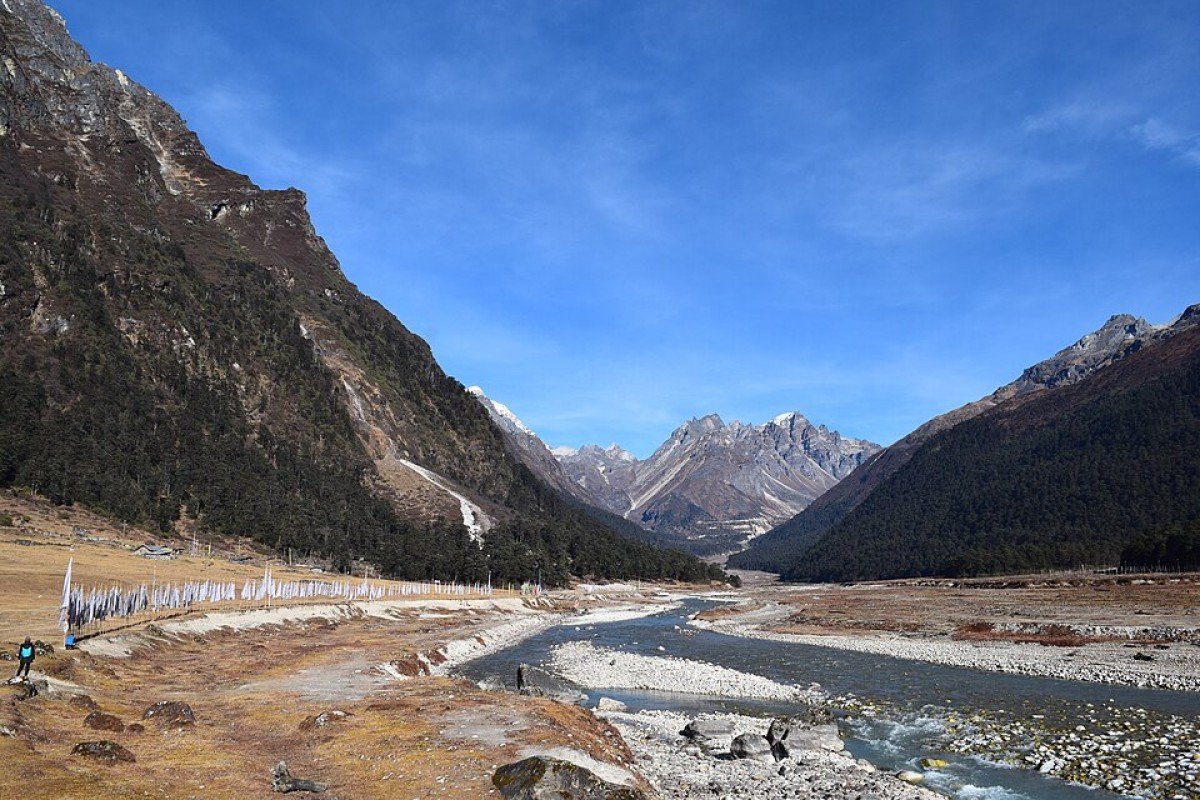
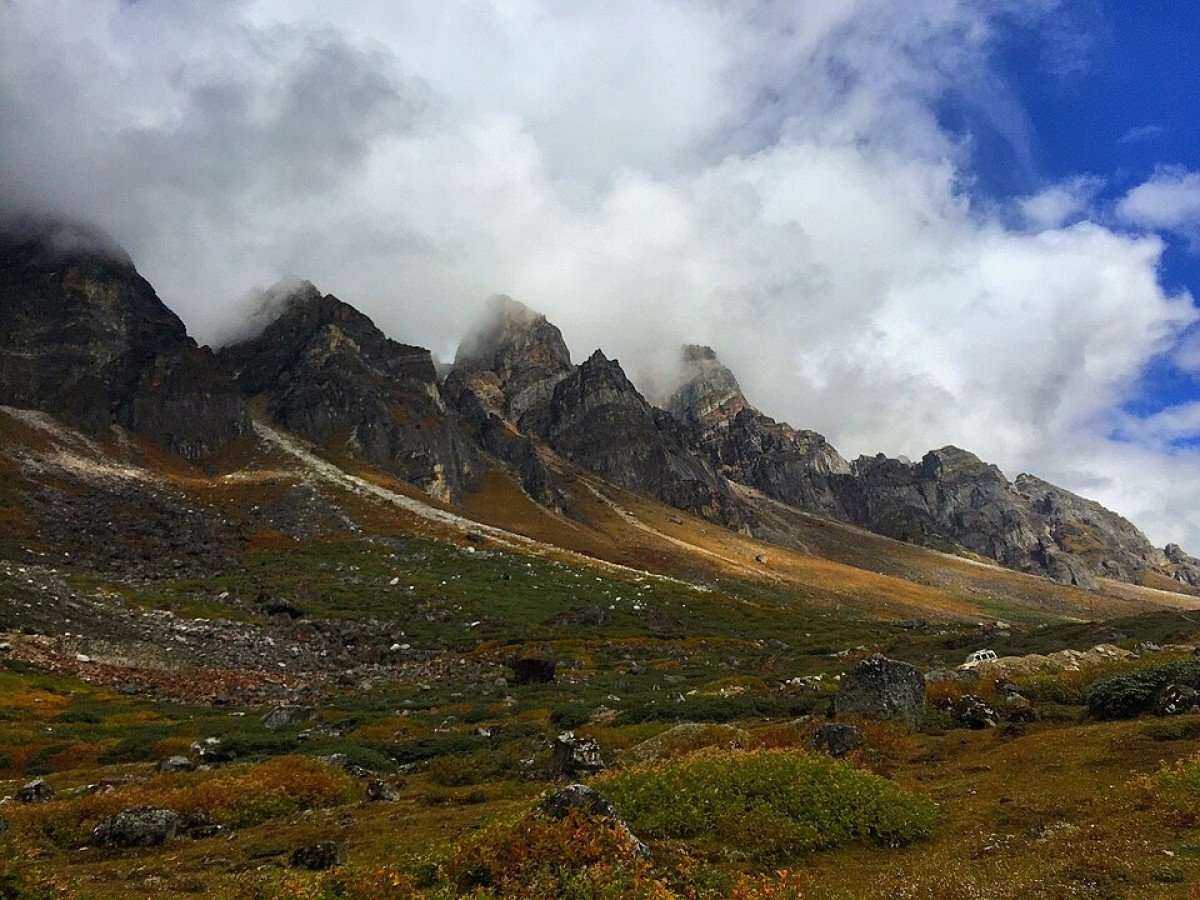
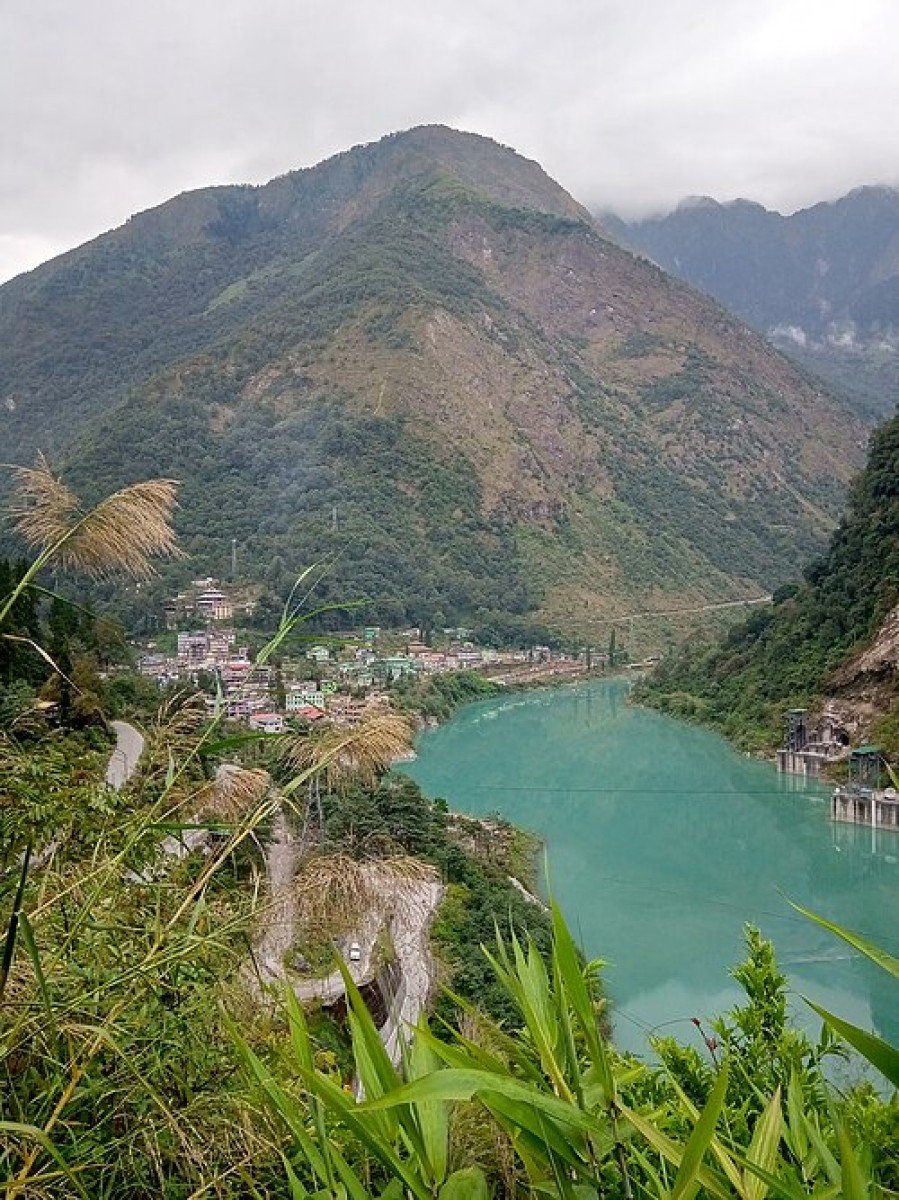
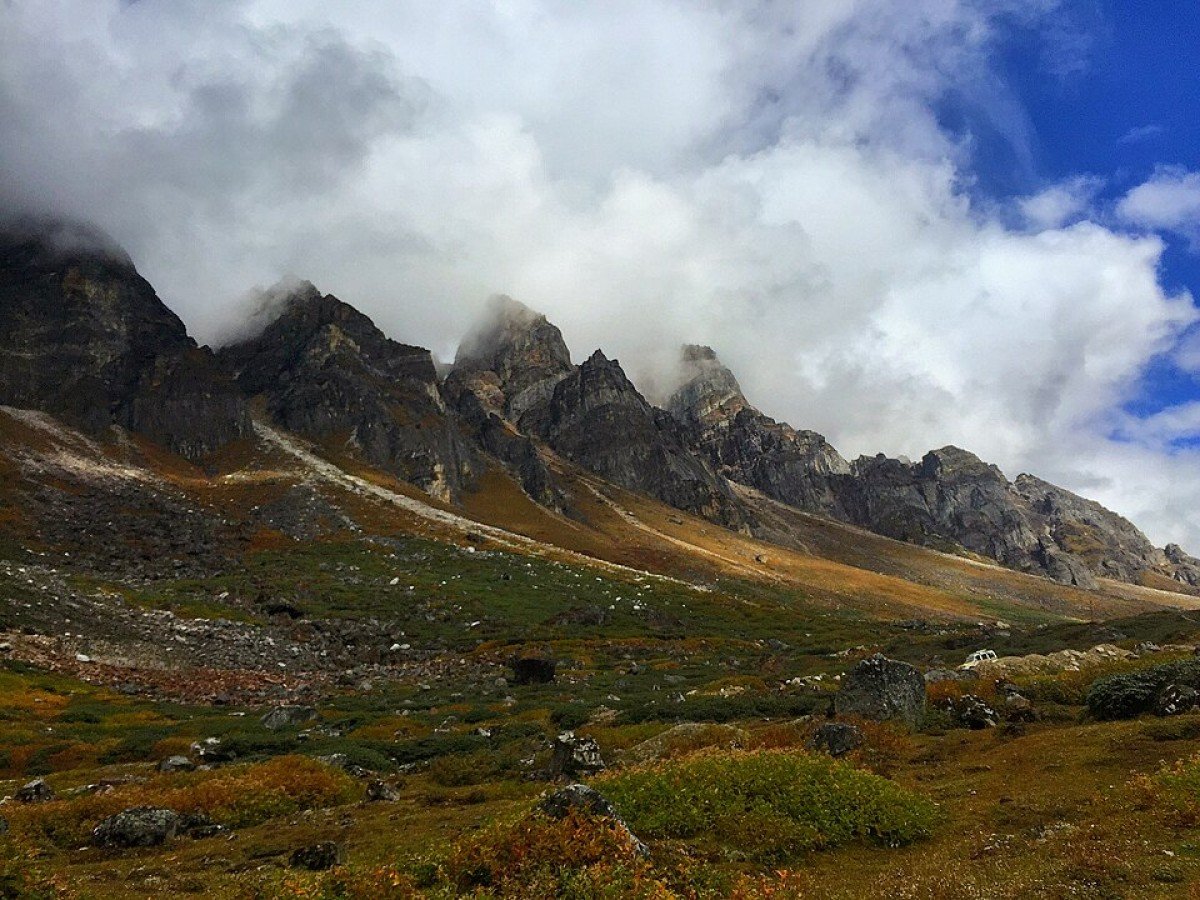
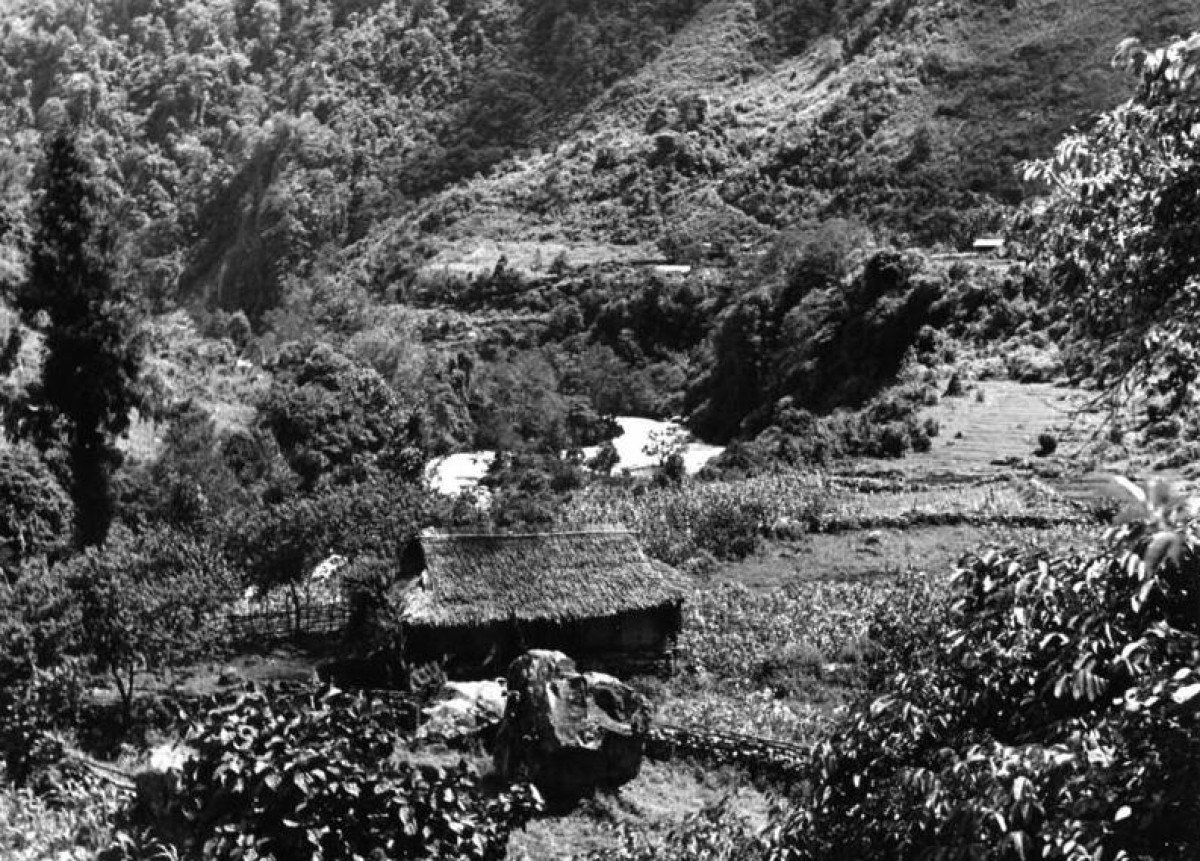
 Chungthang is a historic and spiritual town located at the confluence of the Lachen Chu and Lachung Chu rivers, which merge here to form the mighty Teesta River. It is the gateway to the high-altitude regions of Lachen and Lachung. The town is steeped in rich mythology, being a place of great significance for both Buddhists and Sikhs. According to Buddhist legend, the Great Master Guru Padmasambhava visited this place in the 8th century and blessed it. It is said that he once threw a handful of rice on a barren patch of land, and miraculously, paddy has grown there ever since, despite the harsh climate. This led to the name Demazong, or the Hidden Valley of Rice. For the Sikh community, it is believed that Guru Nanak Dev passed through this town during his travels to Tibet, leaving behind various relics. The town serves as a major base for the Indian Army and provides essential supplies to the remote border areas. Geographically, it is a narrow valley surrounded by towering cliffs and provides a dramatic introduction to the rugged terrain of North Sikkim. The river confluence is a site of great natural beauty, where you can see the two distinct colors of the rivers mixing together. The town itself is small, with traditional houses and a few modern buildings supporting the local administration and military presence. It is the last point where you will find a reliable market and pharmacies before heading further north. :
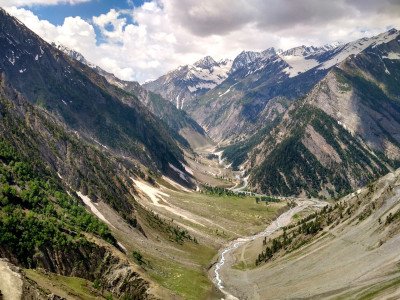 @@The Himalayan Serenity of Thangu Valley: Thangu Valley is a breathtaking alpine meadow situated at an altitude of approximately 13,000 feet in the North Sikkim region. This valley serves as a crucial transit point for travelers heading toward the sacred Gurudongmar Lake. The landscape is defined by its rugged beauty, where the Teesta River flows gently through the valley, flanked by towering snow-capped peaks and sparse vegetation. Because of its high altitude, the valley remains covered in a thick blanket of snow for nearly half the year, creating a pristine white wonderland. During the brief summer months, the snow melts to reveal lush green pastures dotted with vibrant alpine flowers like primulas and rhododendrons. The air here is thin and incredibly crisp, offering a sense of isolation and tranquility that is hard to find elsewhere. Visitors often stop here to acclimatize to the low oxygen levels before ascending further into the high-altitude desert plateaus. The valley is not just a scenic spot but also home to small settlements of nomadic tribes who graze their yaks in the meadows. Life here is slow and deeply connected to the natural cycles of the mountains. The wooden houses of the locals, with smoke curling from their chimneys, add a touch of human warmth to the otherwise desolate and grand landscape. It is a place where nature reigns supreme, offering panoramic views of the Lasser and Chopta rivers joining the main stream. The silence of the valley is only broken by the sound of the wind and the distant bells of grazing yaks. For those seeking a spiritual connection with the mountains, Thangu Valley provides the perfect backdrop for introspection and awe. It represents the raw, unpolished beauty of the Eastern Himalayas, making it a bucket-list destination for nature enthusiasts and photographers alike. Every corner of the valley tells a story of survival and majesty in one of the most extreme environments on Earth.Show All
 @@Historical Landmark of Sikkim: Kabi Lungchok is a site of immense historical and cultural significance located on the North Sikkim Highway. This is the exact spot where the historic "Treaty of Blood Brotherhood" was signed between the Lepcha Chief Thekong Tek and the Bhutia King Khye Bumsa in the 13th century. The treaty established a lasting bond of friendship between the two major ethnic groups of Sikkim. Surrounded by a dense, emerald-green forest, the site feels frozen in time, offering a spiritual and calm atmosphere to every traveler. The area is rich in biodiversity, featuring sub-tropical mixed broad-leaved trees and a variety of Himalayan birds that chirp in the background. Visiting this place provides a deep insight into the ethnic roots and the peaceful coexistence that defines the Sikkimese identity today. It is a must-visit for history buffs and those seeking tranquility away from the modern bustle.
Information
-
Why Famous:
River Confluence Point: Chungthang is famous for being the meeting point of Lachen Chu and Lachung Chu rivers. This confluence is a spectacular sight where two distinct streams merge into the Teesta. Travelers often stop here to witness the power of the water and the sceni...River Confluence Point: Chungthang is famous for being the meeting point of Lachen Chu and Lachung Chu rivers. This confluence is a spectacular sight where two distinct streams merge into the Teesta. Travelers often stop here to witness the power of the water and the scenic beauty.
The Holy Paddy Field: It is globally famous for the "miracle" paddy field that grows rice at an altitude where it shouldn't. Locals believe Guru Padmasambhava sprinkled grains here to ensure the people never went hungry. This legend has given Sikkim its nickname, the "Hidden Valley of Rice.
" Gurdwara Nanak Lama: The presence of a historic Gurdwara makes it a significant pilgrimage site for the Sikh community. It is one of the few places in the world where Buddhist and Sikh legends overlap so beautifully. The peaceful atmosphere inside the Gurdwara provides a calm break for weary travelers. -
Architecture:
Sacred Rock Dimensions: The sacred rock of Guru Padmasambhava is the architectural highlight of Chungthang. It measures approximately 15 feet in height and 20 feet in width with natural imprints. The rock features small openings from which mineral water flows continuously ...Sacred Rock Dimensions: The sacred rock of Guru Padmasambhava is the architectural highlight of Chungthang. It measures approximately 15 feet in height and 20 feet in width with natural imprints. The rock features small openings from which mineral water flows continuously throughout the year.
Monastery Structure: The local Chungthang Monastery is a traditional Buddhist structure built with stone and wood. It houses rare paintings and religious artifacts that reflect the Nyingma tradition. The building is designed to withstand the harsh weather of the high-altitude North Sikkim terrain.
Hydroelectric Dam Engineering: The Chungthang Dam is a modern engineering marvel part of the Teesta III project. It is a concrete gravity dam standing about 60 feet high across the river confluence. The project includes a massive underground powerhouse and an extensive network of tunnels. -
How To Reach:
By Air: The nearest airport is Pakyong Airport, but Bagdogra (175 KMS) is more reliable. From the airport, one must hire a taxi to Gangtok and then another to Chungthang. The total travel time from Bagdogra can be around 8 to 10 hours.
By Trai...By Air: The nearest airport is Pakyong Airport, but Bagdogra (175 KMS) is more reliable. From the airport, one must hire a taxi to Gangtok and then another to Chungthang. The total travel time from Bagdogra can be around 8 to 10 hours.
By Train: The nearest major railway station is New Jalpaiguri (NJP) in West Bengal. It is approximately 170 KMS away from Chungthang. From NJP, shared or private taxis are available to reach North Sikkim via Gangtok.
By Road: Chungthang is well connected to Gangtok (95 KMS) by the North Sikkim Highway. The road is scenic but can be rough and prone to landslides during rains. Private SUVs are the most common and safest mode of transport.
By Local Transport: Shared jeeps operate from Gangtok to Mangan, and then further to Chungthang. However, most tourists prefer pre-booked private vehicles for convenience. Internal transport within the small town is mostly on foot. -
Weather and Best Time to Visit:
Spring Season (March to May): This is the best time to visit as the weather is pleasant and flowers are in full bloom. The temperature ranges from 10°C to 20°C, making it ideal for sightseeing. The skies are generally clear, offering great mountain views.Spring Season (March to May): This is the best time to visit as the weather is pleasant and flowers are in full bloom. The temperature ranges from 10°C to 20°C, making it ideal for sightseeing. The skies are generally clear, offering great mountain views.
Autumn Season (October to December): Post-monsoon, the air is incredibly clear and the views of the peaks are sharpest. It is a great time for photography and visiting the holy sites. The chill in the air starts to increase toward December.
Winter Season (January to February): It can get very cold, but the town remains accessible. Snow might be visible on the surrounding peaks, creating a white wonderland. It is the best time for those who enjoy the extreme cold. -
Near Tourist Places:
Mangan (28 KM), Lachung (22 KM), Lachen (26 KM), Yumthang Valley (47 KM), Gurudongmar Lake (90 KM), Bhim Nala Falls (11 KM), Singhik Viewpoint (32 KM), Seven Sisters Waterfall (65 KM), Phodong Monastery (60 KM), Naga Falls (21 KM).
Tourism Tips
-
Health and Safety: Since the altitude is nearly 6,000 feet, keep yourself hydrated to avoid mountain sickness. Carry basic medicines for motion sickness as the roads are very curvy. Always check weather updates before starting your journey from Gangtok.
Read MoreHealth and Safety: Since the altitude is nearly 6,000 feet, keep yourself hydrated to avoid mountain sickness. Carry basic medicines for motion sickness as the roads are very curvy. Always check weather updates before starting your journey from Gangtok.
Packing Essentials: Even in summer, carry a heavy jacket as the wind can be very cold. Sturdy walking shoes are a must if you plan to visit the river bank or the holy rock. Don't forget to carry a power bank as electricity can be erratic.
Permit Requirements: Ensure you have multiple copies of your ID and photos for the check posts. Permits must be arranged at least a day in advance through a registered tour operator. Foreigners require a Restricted Area Permit to visit this region.
Environmental Respect: Chungthang is a plastic-free zone; avoid carrying single-use plastic bottles. Respect the local customs at the holy rock and Gurdwara by removing your shoes. Do not litter in the pristine river confluence area.Reviews
FAQs
Chungthang Itineray And Cost:-
Other Places In Sikkim :-
Other States In India :-
Information about New and Updated Locations() of Sikkim Has Been Added :-
Card subtitle
Note:-
Information provided here in good Faith and for reference only.
Near Places
Chungthang
Some quick example text to build on the card title and make up the bulk of the card's content.
Go somewhere
Gangtok
Some quick example text to build on the card title and make up the bulk of the card's content.
Go somewhere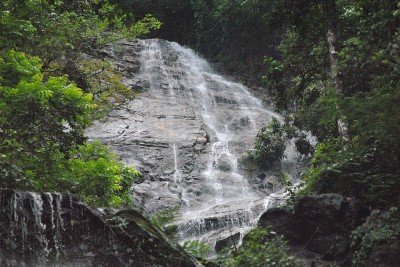
Geyzing
Some quick example text to build on the card title and make up the bulk of the card's content.
Go somewhere
Jorethang
Some quick example text to build on the card title and make up the bulk of the card's content.
Go somewhere
Lachen
Some quick example text to build on the card title and make up the bulk of the card's content.
Go somewhere
Lachung
Some quick example text to build on the card title and make up the bulk of the card's content.
Go somewhere
Mangan
Some quick example text to build on the card title and make up the bulk of the card's content.
Go somewhere
Namchi
Some quick example text to build on the card title and make up the bulk of the card's content.
Go somewhere
Pakyong
Some quick example text to build on the card title and make up the bulk of the card's content.
Go somewhere
Pelling
Some quick example text to build on the card title and make up the bulk of the card's content.
Go somewhere
Ravangla
Some quick example text to build on the card title and make up the bulk of the card's content.
Go somewhere
Rumtek
Some quick example text to build on the card title and make up the bulk of the card's content.
Go somewhere
Singtam
Some quick example text to build on the card title and make up the bulk of the card's content.
Go somewhere
Soreng
Some quick example text to build on the card title and make up the bulk of the card's content.
Go somewhere
Yuksom
Some quick example text to build on the card title and make up the bulk of the card's content.
Go somewhere
Zuluk
Some quick example text to build on the card title and make up the bulk of the card's content.
Go somewherein Other Cities