



Pelling
General information
-
Ideal Duration:
2-3 DaysPlace Type:
Hill Station / PilgrimageEntry Fees:
Entry Charges: Pemayangtse costs 20 INR per head, while the Skywalk is approximately 50 INR per person for maintenance.
Parking Fees: Small fees apply for vehicles at major spots like the waterfalls and ruins. ...Entry Charges: Pemayangtse costs 20 INR per head, while the Skywalk is approximately 50 INR per person for maintenance.
Parking Fees: Small fees apply for vehicles at major spots like the waterfalls and ruins.Timing:
Daily Timings: Most sites are open from 8:00 AM to 5:00 PM; monasteries usually close by 6:00 PM.
Ideal Visit Hour: Early mornings (6:00 AM) are best for mountain views before the clouds move in. ...Daily Timings: Most sites are open from 8:00 AM to 5:00 PM; monasteries usually close by 6:00 PM.
Ideal Visit Hour: Early mornings (6:00 AM) are best for mountain views before the clouds move in.Special Events:
Kagyat Dance: A mask dance performed by monks in December to celebrate the victory of good over evil.
Cham Festival: Held at Pemayangtse, this religious event features vibrant costumes and ritualistic dances. ...Kagyat Dance: A mask dance performed by monks in December to celebrate the victory of good over evil.
Cham Festival: Held at Pemayangtse, this religious event features vibrant costumes and ritualistic dances.Best Photo Spots:
Chenrezig Statue: A majestic spot for photography with the giant statue and the glass skywalk.
Rabdentse Ruins: The stone walls against the backdrop of mountains create a perfect historical frame. ...Chenrezig Statue: A majestic spot for photography with the giant statue and the glass skywalk.
Rabdentse Ruins: The stone walls against the backdrop of mountains create a perfect historical frame.Photo Gallery



Things To Do
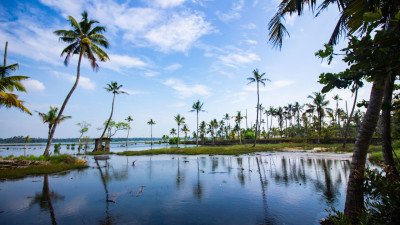 @@Holy Water Body and Pilgrimage Site [Detailed Summary - 400 words]: Khecheopalri Lake, locally known as Sho Dzo Sho (Wish-Fulfilling Lake), is revered by both Buddhists, who believe Guru Padmasambhava blessed it, and Hindus, who associate it with Lord Shiva. It is a crucial part of the Buddhist religious pilgrimage circuit of Sikkim. The lake is famous for a unique phenomenon where, despite the surrounding dense forest, no leaves are typically seen floating on its surface, as local birds diligently pick them up—a reason locals consider it miraculous. The serene, crystal-clear water body is surrounded by thick, primeval forest, giving it a mystical and tranquil atmosphere. Visitors are permitted to offer prayers from a designated wooden jetty, emphasizing the site's spiritual sanctity. The journey to the lake is a scenic drive through beautiful villages like Darap, and a final short walk through the woods adds to the sense of discovery, making it a destination of profound peace and natural beauty, integral to the Sikkim experience.
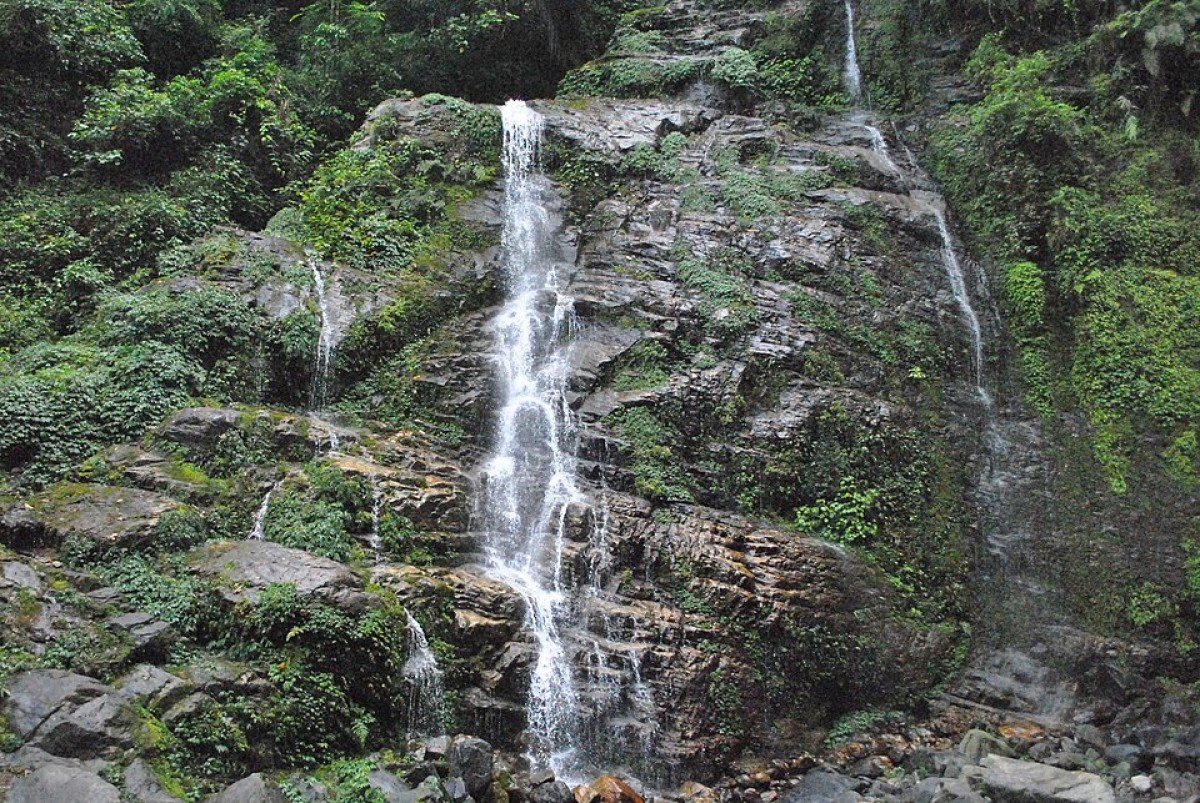
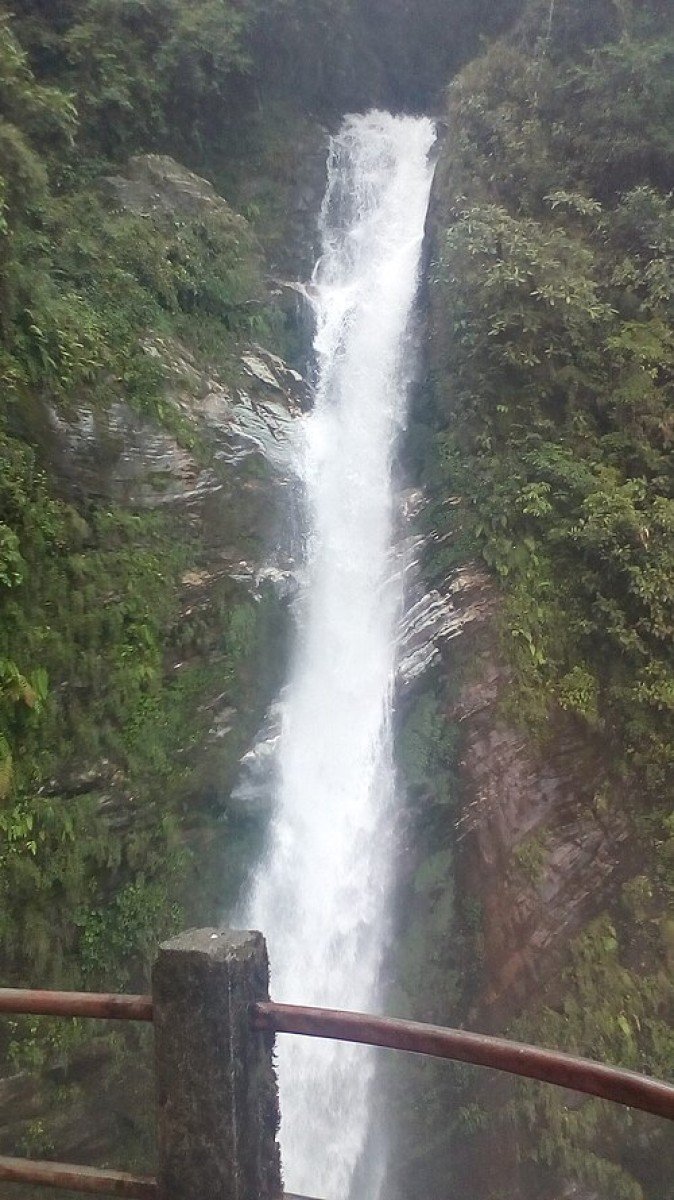
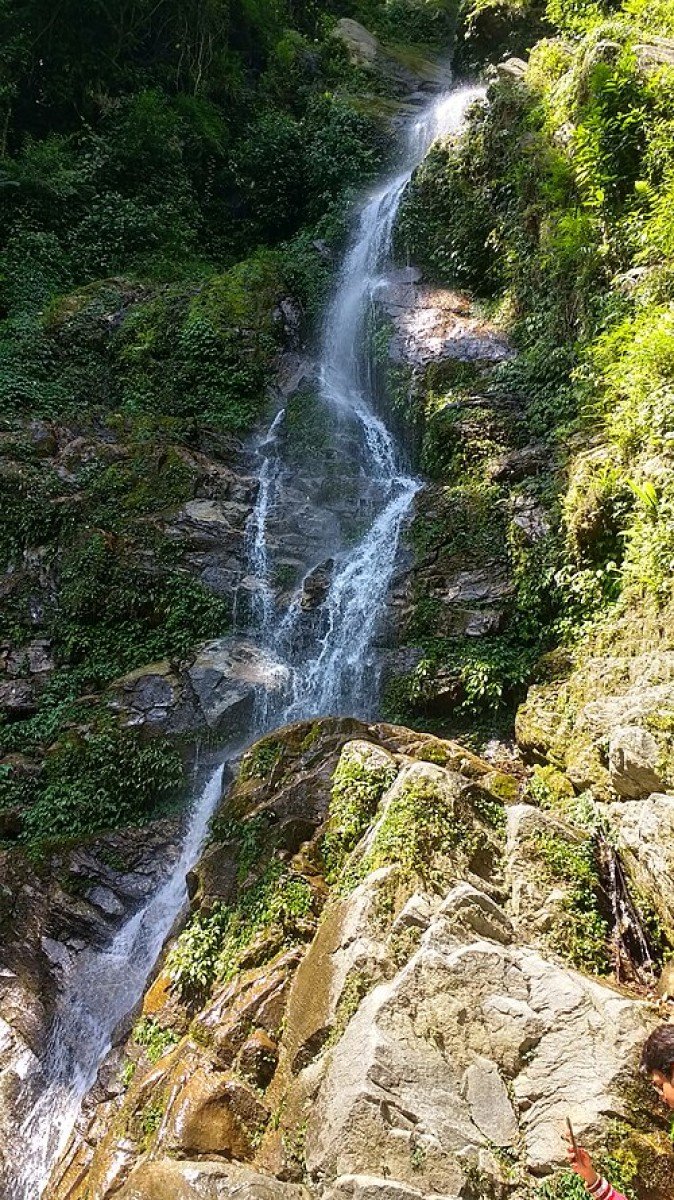
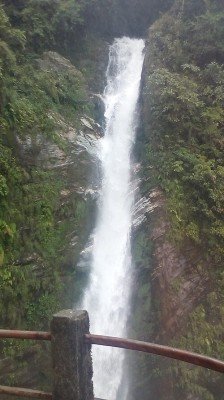
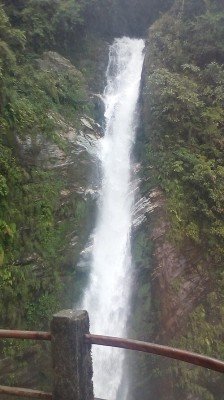 @@Introduction and Location: Changey Waterfalls is a magnificent natural spectacle located in the pristine landscape of West Sikkim, a short drive from the popular town of Pelling. The waterfall is situated on the scenic Pelling-Dentam road, offering a breathtaking sight as its water plunges down from a great height. @@Natural Beauty and Environment: The waterfall is often cited to have a drop of nearly 300 meters, making it an awe-inspiring three-tiered cascade that disappears into the lush greenery of a dense forest gorge. The surroundings are characterized by sub-tropical and temperate forests, rich with rhododendrons and various orchids, providing a tranquil and picturesque setting. The constant mist and the roar of the water create a refreshing and invigorating atmosphere. The area around the falls is relatively untouched, which adds to its charm as a secluded natural retreat. It serves as a perfect stopover for nature lovers and those seeking moments of peace away from crowded tourist hubs. The clean air and the sound of the gushing water are profoundly soothing. The final stretch to the viewing point often involves a short walk or climb down steps, adding a minor element of adventure to the visit. It is a stunning example of the raw, untamed beauty that Sikkim's landscape offers, constantly fed by glacial meltwater, maintaining its flow throughout the year, especially during the post-monsoon season when it is at its fullest glory.
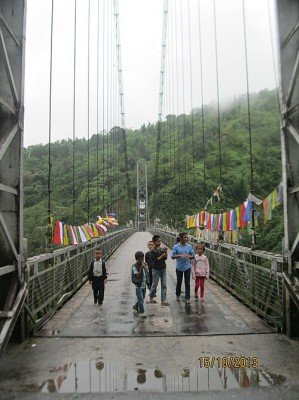 @@Singshore Bridge Overview: Singshore Bridge is an engineering marvel and a major tourist attraction, famed as the highest suspension bridge in Sikkim and the second highest gorge bridge in Asia. Located in the pristine Dentam valley, it spans a deep gorge, offering breathtaking panoramic views of the surrounding lush green mountains, cascading waterfalls, and the sheer drop of the valley floor. Walking across the 198-meter-long structure at a height of approximately 100 meters above the gorge is an exhilarating experience, giving visitors a significant adrenaline rush due as the bridge gently sways. The region serves as a gateway to more remote areas like Uttarey, making it a blend of adventure, natural beauty, and a quiet, less-crowded haven. The bridge is surrounded by dense alpine forests, which enhance the scenic beauty and the serene atmosphere. It’s a spectacular spot for landscape photography, capturing the dramatic contrast between the man-made structure and the raw, untouched Himalayan environment. Visitors often stop to appreciate the craftsmanship that went into building such a sturdy structure in a challenging geographical location. The cool mountain air and the distant sound of streams add to the tranquil charm of this majestic site. The sheer scale of the gorge and the bridge is humbling, providing a perfect vantage point to appreciate the vastness of the West Sikkim landscape. It also connects the local communities, serving as a vital link for daily life as well as tourism. The journey to the bridge itself is scenic, passing through charming Sikkimese villages and forests.:
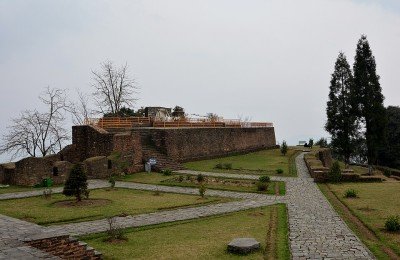 @@Archaeological Site and Former Royal Capital [Detailed Summary - 400 words]: Rabdentse was the second capital of the former Kingdom of Sikkim, established by the second Chogyal (King), Tensung Namgyal, in 1670 after moving the capital from Yuksom. It served as the royal seat until 1814 when it was destroyed by the invading Gurkha Army. Today, the site consists of only the ruins of the palace, chortens, and assembly areas, but it holds immense historical and archaeological significance. The ruins are accessed via a peaceful and scenic 15-20 minute walk through a dense, forest pathway lined with prayer flags, which adds a dramatic sense of discovery to the journey. The ruins are part of the sacred Buddhist religious pilgrimage circuit, linking it spiritually to nearby sites like Pemayangtse Monastery and Khecheopalri Lake. The site is carefully maintained by the Archaeological Survey of India (ASI), with marked areas identifying the former king's chamber, the royal kitchen, the public courtyard, and the three towering chortens known as 'Namphogang' that overlook the valley. The location offers stunning, elevated views of the Kanchenjunga range and the surrounding forested hills, making it a powerful reminder of Sikkim's royal past and a must-visit for history and nature enthusiasts.
 @@Introduction and History: Dubdi Monastery, also known as Yuksom Monastery, holds immense historical and spiritual significance as it is considered the first monastery established in Sikkim after the consecration of the first Chogyal (King) of Sikkim in 1642. Established in 1701 (though its foundation is linked to the 17th century), it is one of the oldest monasteries in the state, founded by Lama Lhatsun Chempo. The word 'Dubdi' literally translates to 'The Retreat,' which is fitting for its isolated location on a forested hilltop. @@Spiritual and Cultural Significance: The monastery is a two-storey stone structure that embodies the Nyingma sect of Tibetan Buddhism. It serves as a sacred pilgrimage site and a symbol of the history of the Namgyal dynasty. Its architecture and collection of religious artifacts provide a deep insight into the early Buddhist influence on the region. The approach to the monastery involves a 3-4 KMS uphill trek from Yuksom, making the visit a spiritual journey in itself, culminating in a peaceful, serene environment away from the village noise. It houses images of various divinities and saints.
 @@Yuksom Norbugang Coronation Throne Overview: Yuksom, meaning 'Meeting Place of the Three Learned Monks', holds immense historical and cultural significance as the first capital of the former Kingdom of Sikkim. The Norbugang Coronation Throne marks the precise spot where the first Chogyal (King) of Sikkim, Phuntsog Namgyal, was consecrated in 1642 AD by three revered Lamas: Lhatsun Chempo, Ronglong Chhempo, and Karthok Khempo. This event marked the beginning of the Namgyal Dynasty, which ruled Sikkim for over 330 years. The throne is a simple, stone structure with four seats, set under a large, ancient cryptomeria pine tree, which is still present today and considered sacred. Just opposite the throne stands the Norbugang Chorten (stupa), which is historically significant as it is believed to contain earth and stones collected from all parts of Sikkim, symbolizing the unification of the kingdom. Nearby is the sacred Kathok Lake, whose waters were used for the consecration ritual. The entire site is now preserved as the Norbugang Park, a peaceful area steeped in history, offering a tranquil setting for contemplation. It is the official starting point of the revered Buddhist pilgrimage circuit known as the Demazong (Hidden Valley). The site is an irreplaceable part of Sikkimese heritage, telling the story of the kingdom's foundation and its religious mandate. It is a quiet, hallowed ground often overlooked by casual tourists but is vital for those interested in Sikkim’s history and Buddhist traditions.:
 @@Introduction and Significance: Khangchendzonga National Park (KNP) is a majestic national park and a UNESCO World Heritage Site located in Sikkim, encompassing a massive area of 1,784 square kilometers. The 'Gate' near Pelling typically refers to the main administrative or entry point for popular treks like the Goecha La Trek, with Yuksom being a major administrative base/gateway, about 45 KMS from Pelling. The park is revered as a sacred land (Beyul) by both Buddhists and the indigenous Lepcha people, embodying a unique cultural significance alongside its natural grandeur. @@Ecosystem and Geology: The park is a haven for rich biodiversity, ranging from sub-tropical forests to alpine meadows and stunning glaciers, including the massive Zemu Glacier. It features 18 peaks, with Mount Kanchenjunga (or Khangchendzonga), the world's third-highest peak, dominating the landscape. The park is a major protected area for endangered species like the Red Panda, Snow Leopard, and Musk Deer. The gate/base at Yuksom is where the necessary permits are obtained for trekking and entering the core zone of this high-altitude wilderness. A visit here is the start of an unparalleled adventure into the soul of the Himalayas.Show All
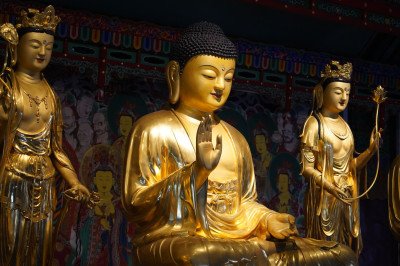 @@History and Significance: The Sangachoeling Monastery, also spelt Sange Choeling Monastery, is one of the oldest and most sacred monasteries in Sikkim, founded by Lama Lhatsün Chempo in 1697. Its name literally means "Island of the Guhyamantra teachings," which is synonymous with Vajrayana Buddhism. It belongs to the Nyingmapa sect, the oldest school of Tibetan Buddhism. The site is considered holy as it was one of the four places blessed by Guru Padmasambhava. It is located on a rugged ridge directly opposite the famous Pemayangtse Monastery, necessitating a picturesque yet challenging trek to reach. This elevated position provides unparalleled panoramic views of the surrounding hills, valleys, and the magnificent Kanchenjunga range. @@Restorations and Relics: Despite being affected and partially destroyed by fire several times over the centuries, the monastery has been repeatedly renovated and rebuilt, maintaining its spiritual sanctity and historical essence. It houses some exceptionally unique and ancient clay statues dating back to the 17th century, which are central to its religious value. The tranquil atmosphere and the demanding pilgrimage-like journey to reach it contribute significantly to its identity as a powerful spiritual haven. @@Cultural Importance: The monastery is a vital part of the Buddhist religious and heritage circuit in West Sikkim, often visited along with Pemayangtse Monastery, Rabdentse Ruins, and Khecheopalri Lake. The journey itself, through a rich forest cover, is an integral part of the experience, offering a sense of seclusion and deep spiritual immersion. It remains a place where the ancient traditions of Tibetan Buddhism are actively preserved and practiced by the resident monks. (Word Count: ?400 words)
Information
-
Why Famous:
Panoramic Mountain Views: Famous for its breathtaking view of Mt. Kanchenjunga, providing a 180-degree vista of the snow-clad peaks.
Ancient Monasteries: Known for the Pemayangtse and Sangachoeling monasteries, which are among the oldest ...Panoramic Mountain Views: Famous for its breathtaking view of Mt. Kanchenjunga, providing a 180-degree vista of the snow-clad peaks.
Ancient Monasteries: Known for the Pemayangtse and Sangachoeling monasteries, which are among the oldest in Sikkim. -
Architecture:
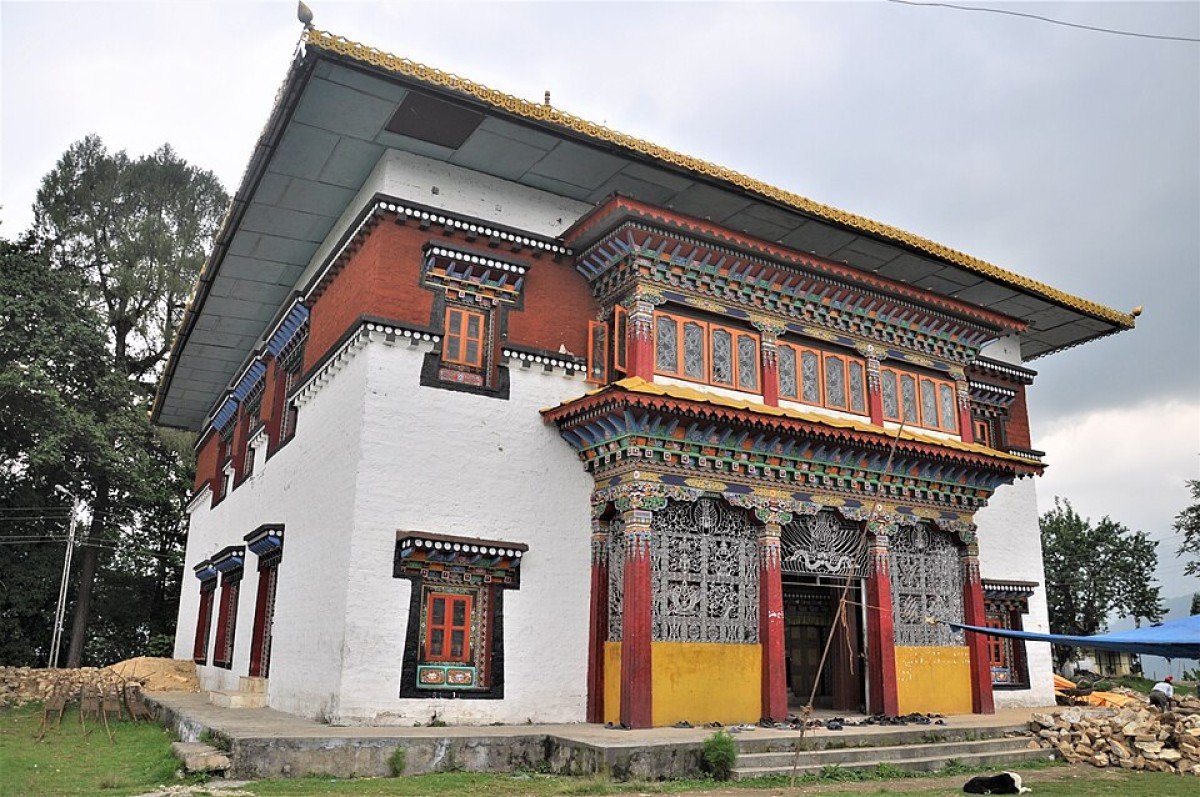
Monastic Architecture: The Pemayangtse Monastery features a traditional three-story structure with intricate wood carvings and a famous seven-tiered wooden sculpture of Zandog Palri.
Dimensions and Layout: The monastery complex measures ap...Monastic Architecture: The Pemayangtse Monastery features a traditional three-story structure with intricate wood carvings and a famous seven-tiered wooden sculpture of Zandog Palri.
Dimensions and Layout: The monastery complex measures approximately 100 feet in height, while the Rabdentse ruins consist of palace walls and "Chortens" spread across a wide plateau. -
How To Reach:
By Air: Nearest airport is Pakyong (74 km) or Bagdogra (160 km) in West Bengal, followed by a private taxi ride.
By Train: New Jalpaiguri (NJP) is the closest major station, roughly 152 km away, with frequent taxi services.By Air: Nearest airport is Pakyong (74 km) or Bagdogra (160 km) in West Bengal, followed by a private taxi ride.
By Train: New Jalpaiguri (NJP) is the closest major station, roughly 152 km away, with frequent taxi services.
By Road: Well-connected via Siliguri and Gangtok by NH10; the drive offers scenic views of the Teesta River.
Local Transport: Shared jeeps and private cabs are the primary mode of travel within the town and to nearby spots. -
Weather and Best Time to Visit:
Seasonal Guide: Spring (March to May) is vibrant with flowers, while Autumn (October to December) offers the clearest mountain views.
Day Intervals: Morning is perfect for sightseeing, whereas evenings are ideal for strolling through the l...Seasonal Guide: Spring (March to May) is vibrant with flowers, while Autumn (October to December) offers the clearest mountain views.
Day Intervals: Morning is perfect for sightseeing, whereas evenings are ideal for strolling through the local Pelling market. -
Near Tourist Places:
Yuksom (35 km), Rimbi Falls (12 km), Khecheopalri Lake (31 km), Legship (26 km), Dentam (28 km), Singshore Bridge (25 km), Namchi (47 km), Ravangla (52 km), Kaluk (35 km), Tashiding (40 km).
Tourism Tips
-
Health and Safety: Carry basic medicines for motion sickness due to winding mountain roads and keep yourself hydrated.
Packing Essentials: Warm woolens are required even in summer; waterproof jackets are a must for unpredictable rain.Health and Safety: Carry basic medicines for motion sickness due to winding mountain roads and keep yourself hydrated.
Packing Essentials: Warm woolens are required even in summer; waterproof jackets are a must for unpredictable rain.
Accommodation: Choose from luxury resorts to budget homestays in Upper Pelling for better mountain views.
Local Etiquette: Always dress modestly when visiting monasteries and ask for permission before taking photos of monks.
Reviews
FAQs
Pelling Itineray And Cost:-
Other Places In Sikkim :-
Other States In India :-
Information about New and Updated Locations() of Sikkim Has Been Added :-
Card subtitle
Note:-
Information provided here in good Faith and for reference only.
Near Places
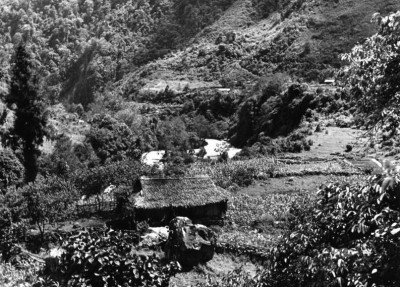
Chungthang
Some quick example text to build on the card title and make up the bulk of the card's content.
Go somewhere
Gangtok
Some quick example text to build on the card title and make up the bulk of the card's content.
Go somewhere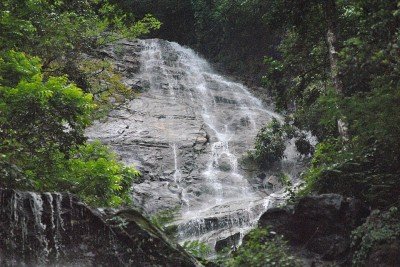
Geyzing
Some quick example text to build on the card title and make up the bulk of the card's content.
Go somewhere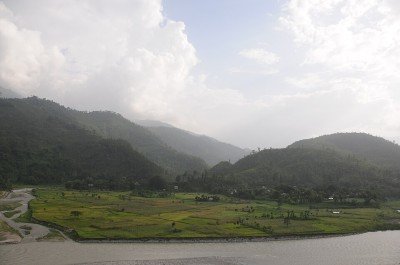
Jorethang
Some quick example text to build on the card title and make up the bulk of the card's content.
Go somewhere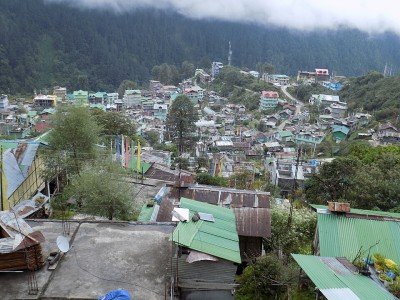
Lachen
Some quick example text to build on the card title and make up the bulk of the card's content.
Go somewhere
Lachung
Some quick example text to build on the card title and make up the bulk of the card's content.
Go somewhere
Mangan
Some quick example text to build on the card title and make up the bulk of the card's content.
Go somewhere
Namchi
Some quick example text to build on the card title and make up the bulk of the card's content.
Go somewhere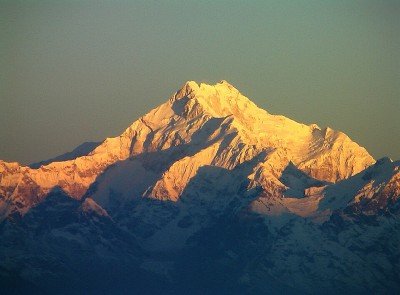
Pakyong
Some quick example text to build on the card title and make up the bulk of the card's content.
Go somewhere
Pelling
Some quick example text to build on the card title and make up the bulk of the card's content.
Go somewhere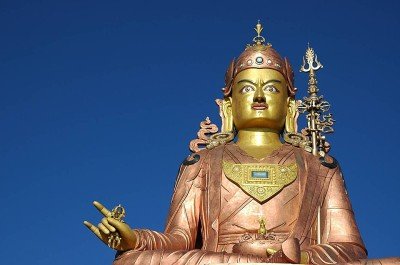
Ravangla
Some quick example text to build on the card title and make up the bulk of the card's content.
Go somewhere
Rumtek
Some quick example text to build on the card title and make up the bulk of the card's content.
Go somewhere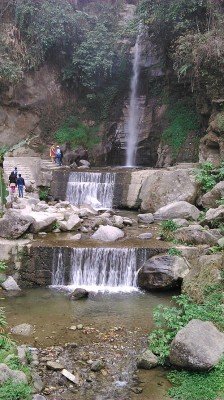
Singtam
Some quick example text to build on the card title and make up the bulk of the card's content.
Go somewhere
Soreng
Some quick example text to build on the card title and make up the bulk of the card's content.
Go somewhere
Yuksom
Some quick example text to build on the card title and make up the bulk of the card's content.
Go somewhere
Zuluk
Some quick example text to build on the card title and make up the bulk of the card's content.
Go somewherein Other Cities