






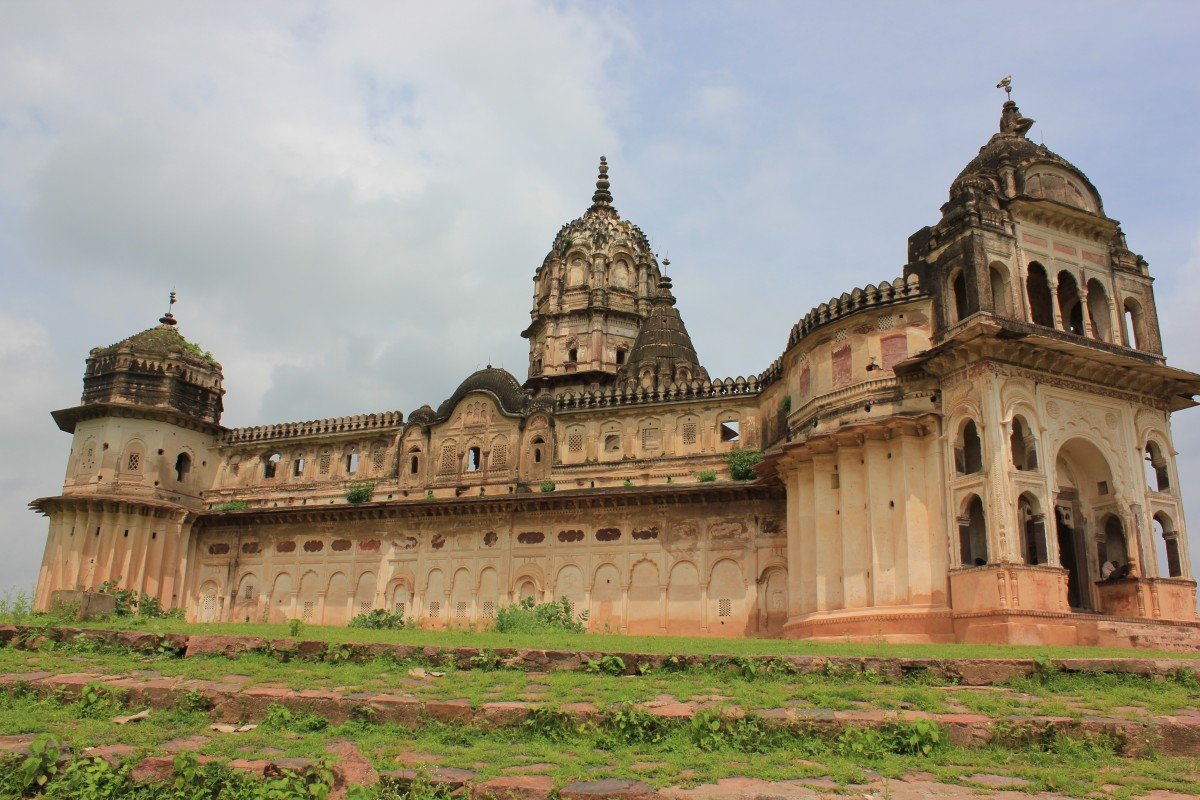
Orchha
General information
-
Ideal Duration:
1-2 DaysPlace Type:
Heritage & CultureEntry Fees:
Consolidated Ticket: 10 INR for Indians and 250 INR for Foreigners (valid for the Fort, Laxmi Temple, and Cenotaphs for one full day).
Camera Fee: Separate charges of 25 INR for still cameras and 200 INR for video cameras are applied at the ...Consolidated Ticket: 10 INR for Indians and 250 INR for Foreigners (valid for the Fort, Laxmi Temple, and Cenotaphs for one full day).
Camera Fee: Separate charges of 25 INR for still cameras and 200 INR for video cameras are applied at the historical monuments.
Guide Charges: Expect to pay 500-800 INR for a full-day guided tour covering all the major palaces and the history of the Bundela dynasty.Timing:
Monument Hours: Generally open from 9:00 AM to 5:00 PM.
Temple Timings: Ram Raja Temple has specific morning and evening darshan hours, usually closing in the afternoon from 1:00 PM to 7:00 PM.
Best Time: Oc...Monument Hours: Generally open from 9:00 AM to 5:00 PM.
Temple Timings: Ram Raja Temple has specific morning and evening darshan hours, usually closing in the afternoon from 1:00 PM to 7:00 PM.
Best Time: October to March is ideal; the monsoon is also beautiful but river activities like rafting might be closed for safety.Special Events:
Ram Vivah: A massive festival in November/December celebrating the wedding of Lord Ram, featuring a grand procession through the town streets.
Holi in Orchha: The town celebrates the festival of colors with great fervor, with the entire comm...Ram Vivah: A massive festival in November/December celebrating the wedding of Lord Ram, featuring a grand procession through the town streets.
Holi in Orchha: The town celebrates the festival of colors with great fervor, with the entire community gathering at the palace square for music.Best Photo Spots:
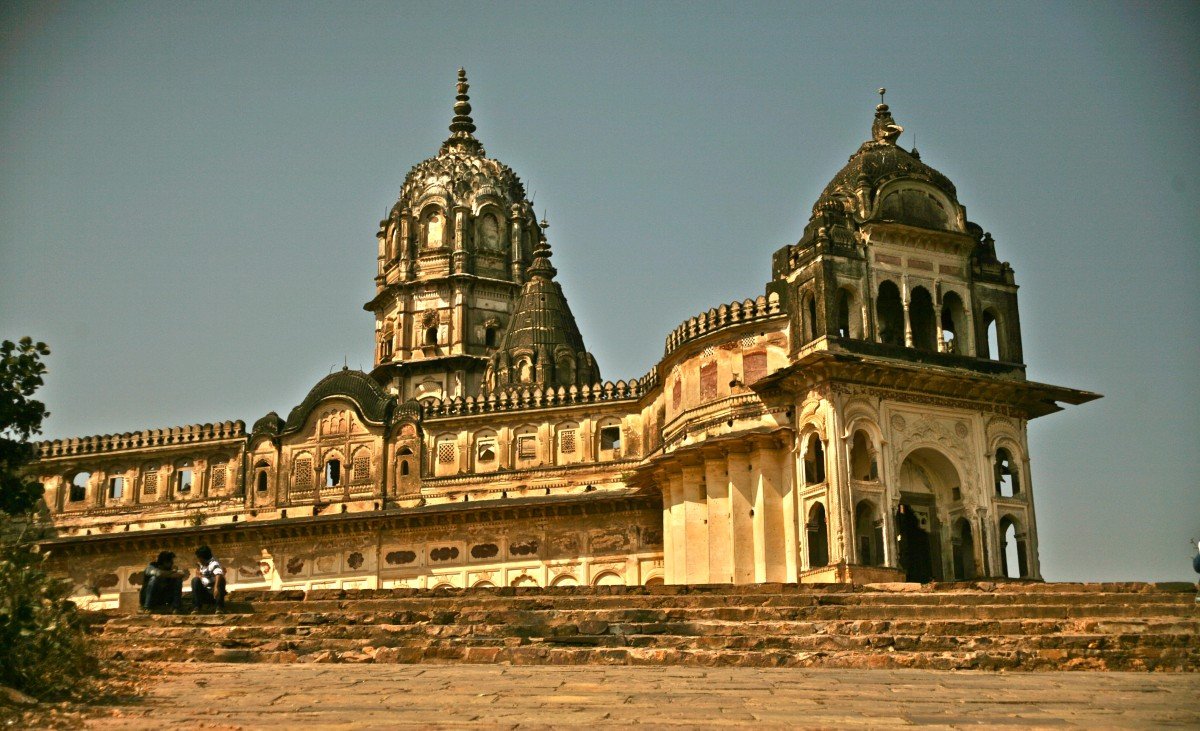
Jahangir Mahal Rooftop: The symmetrical courtyards and turquoise tiles provide a stunning backdrop for architectural and fashion photography.
Betwa River Bank: Use a slow shutter speed at dawn to capture the misty river with the Chhatris in ...Jahangir Mahal Rooftop: The symmetrical courtyards and turquoise tiles provide a stunning backdrop for architectural and fashion photography.
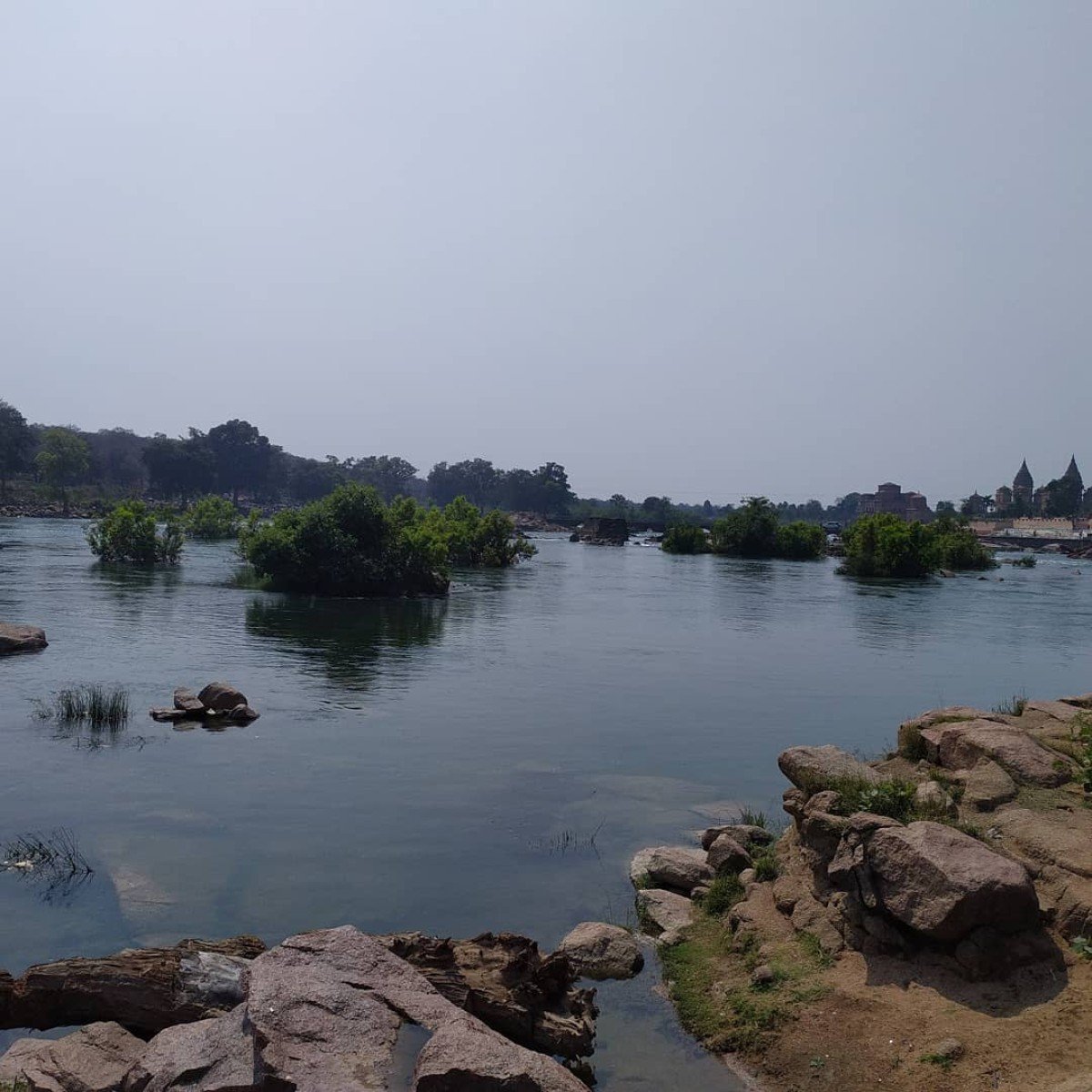
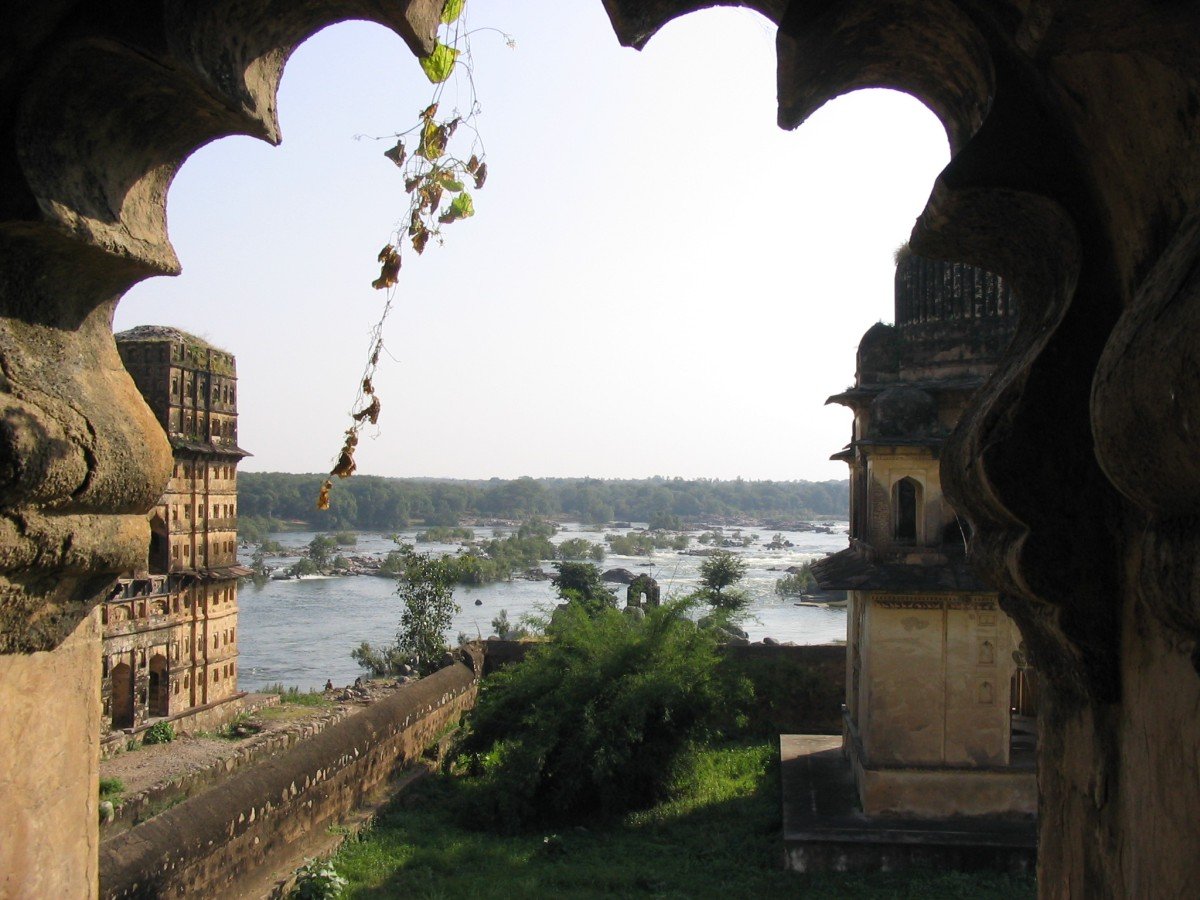
Betwa River Bank: Use a slow shutter speed at dawn to capture the misty river with the Chhatris in the background for a professional landscape shot.Photo Gallery


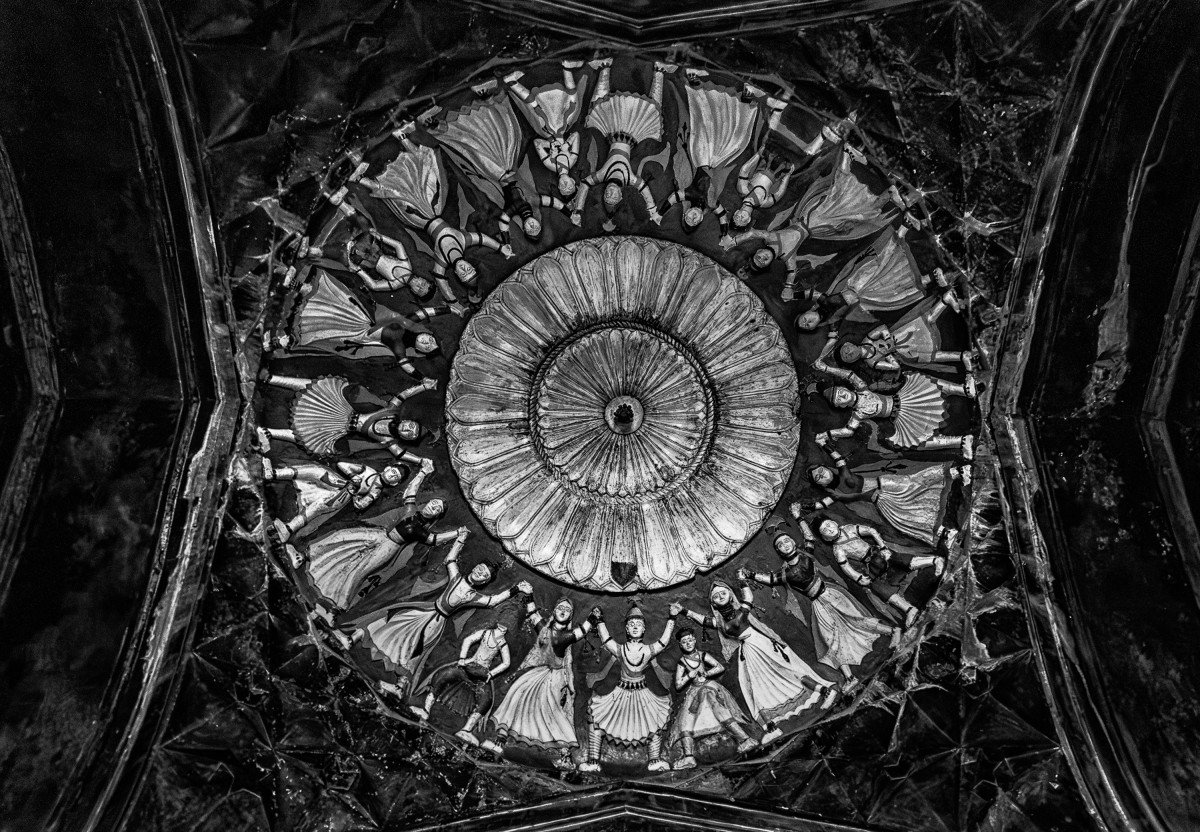
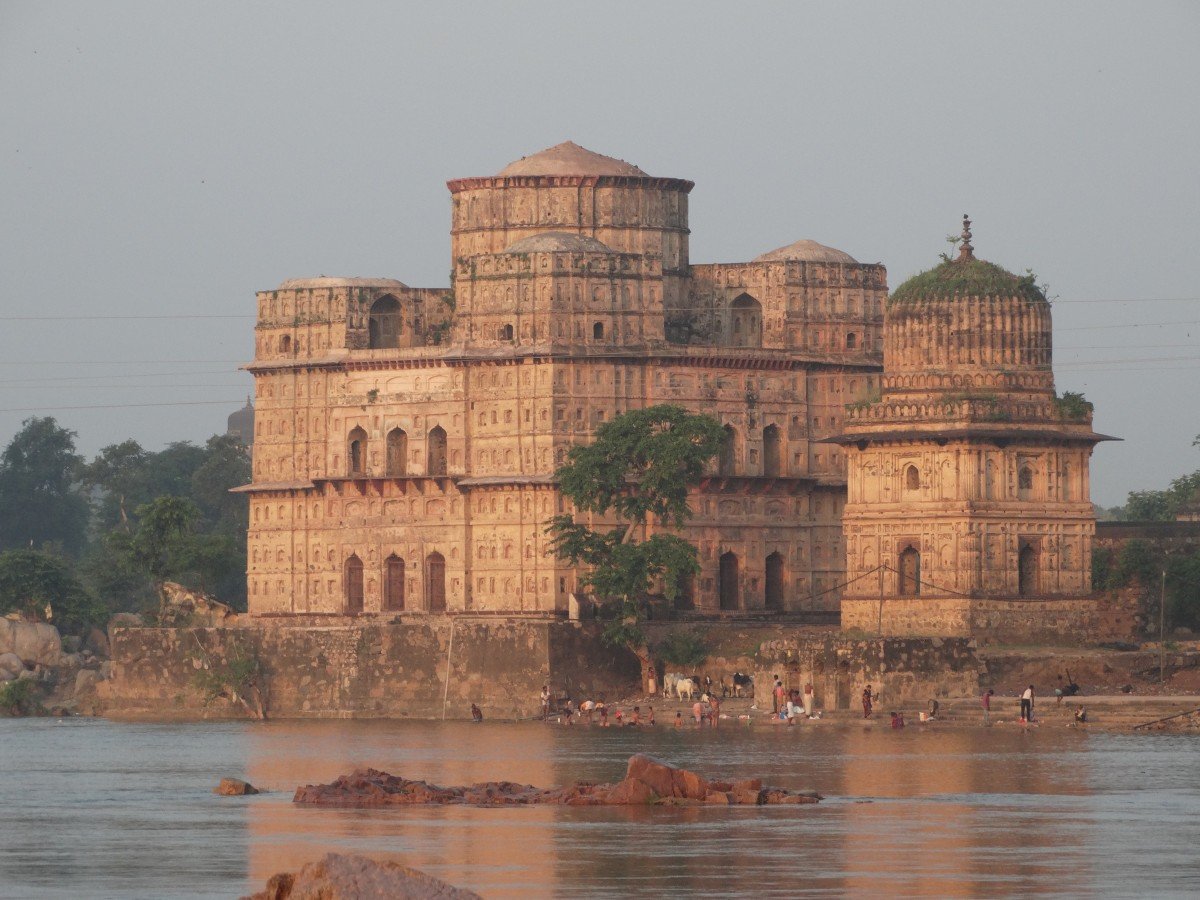
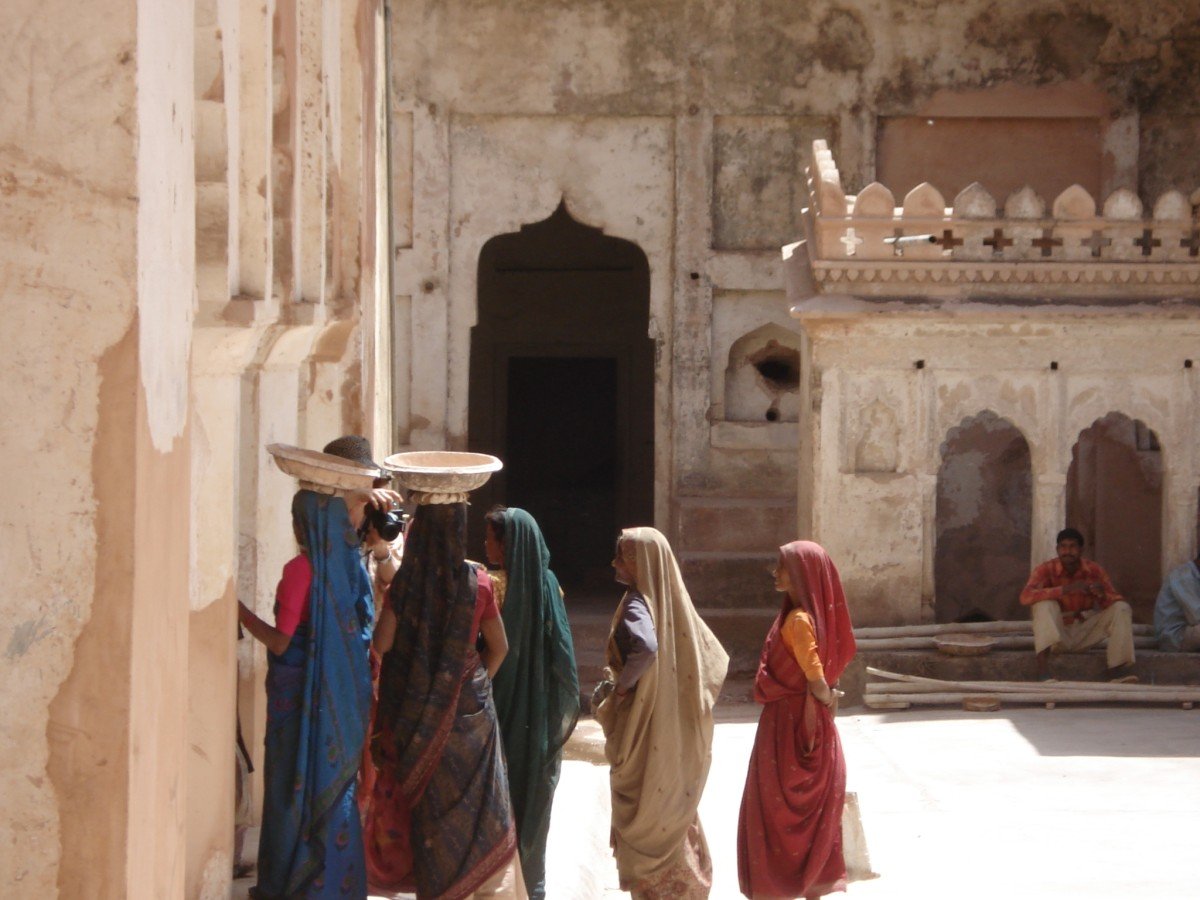
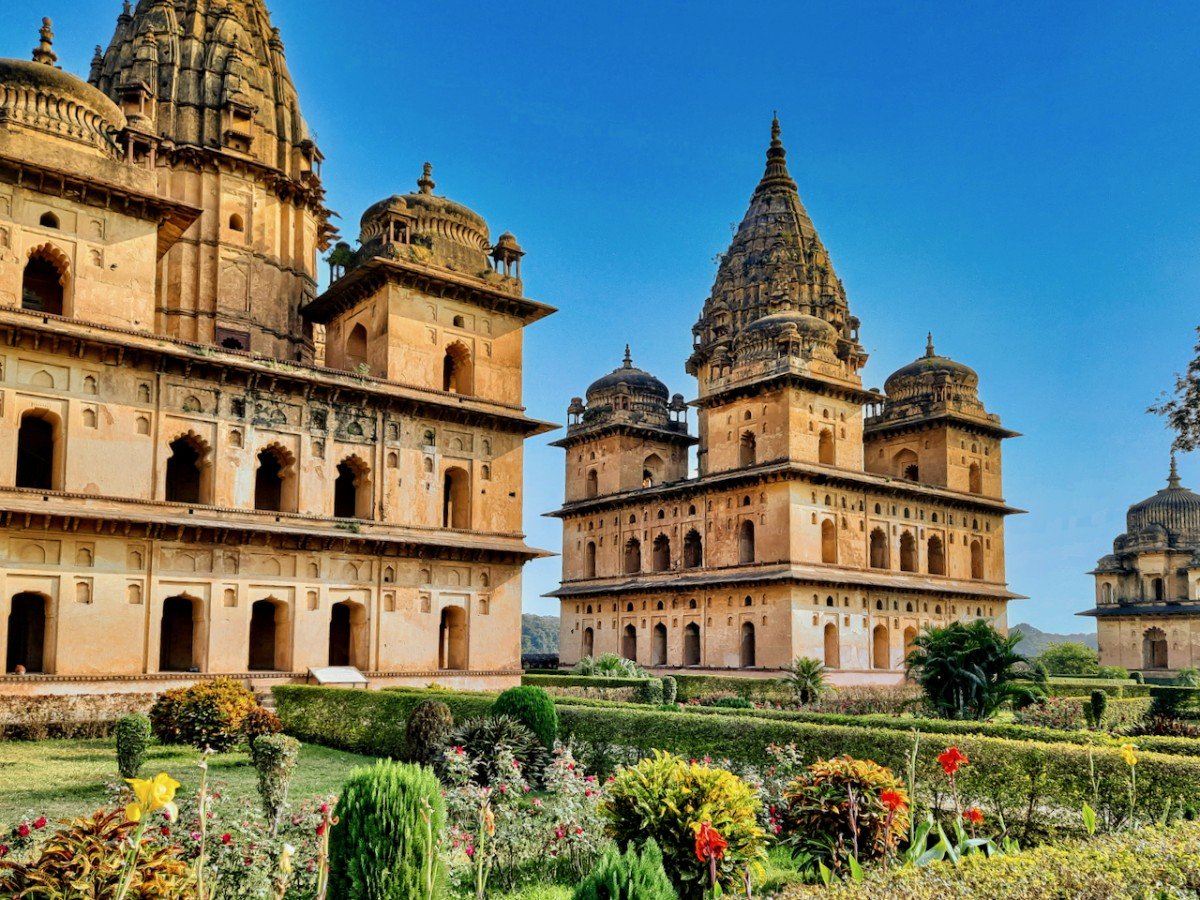


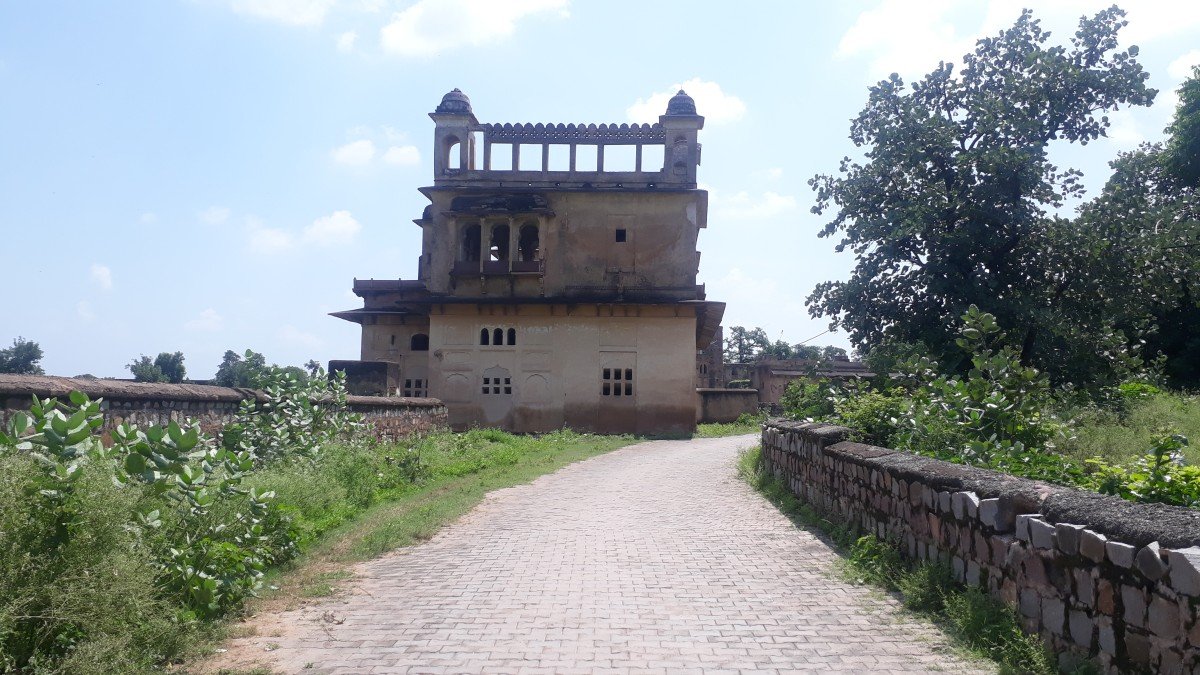

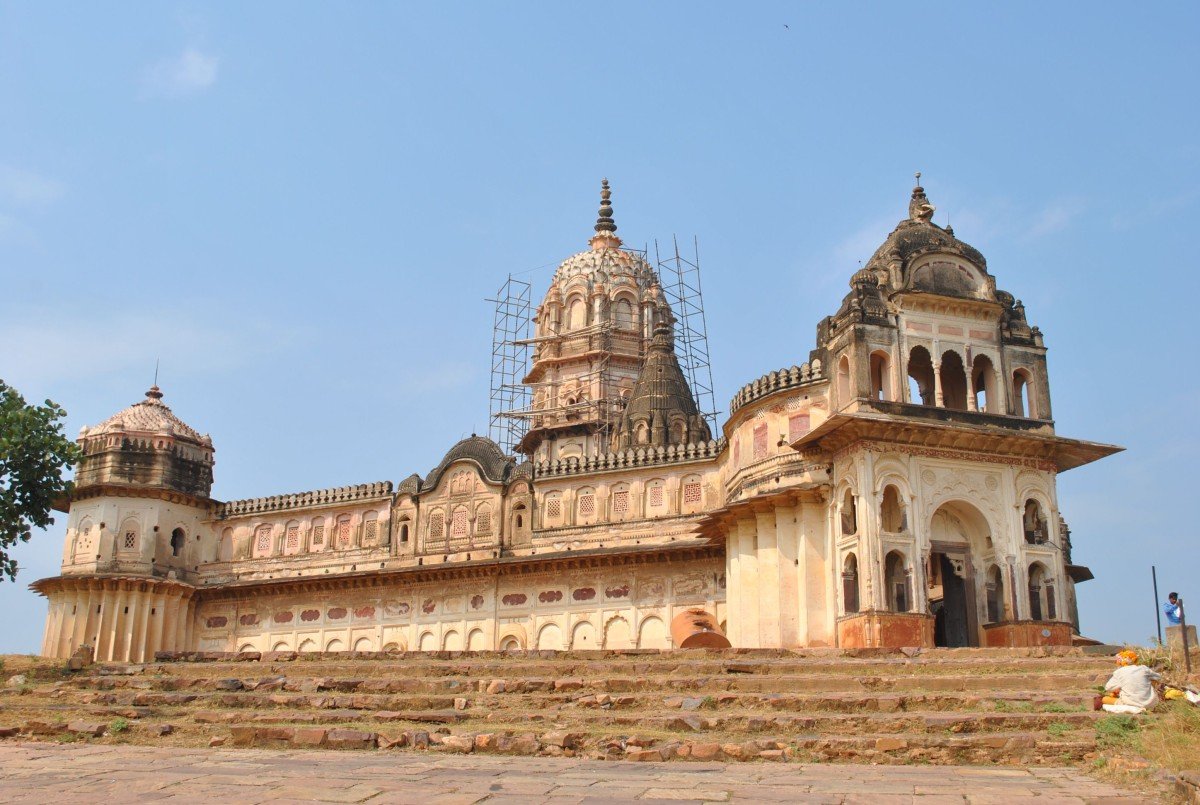
Things To Do
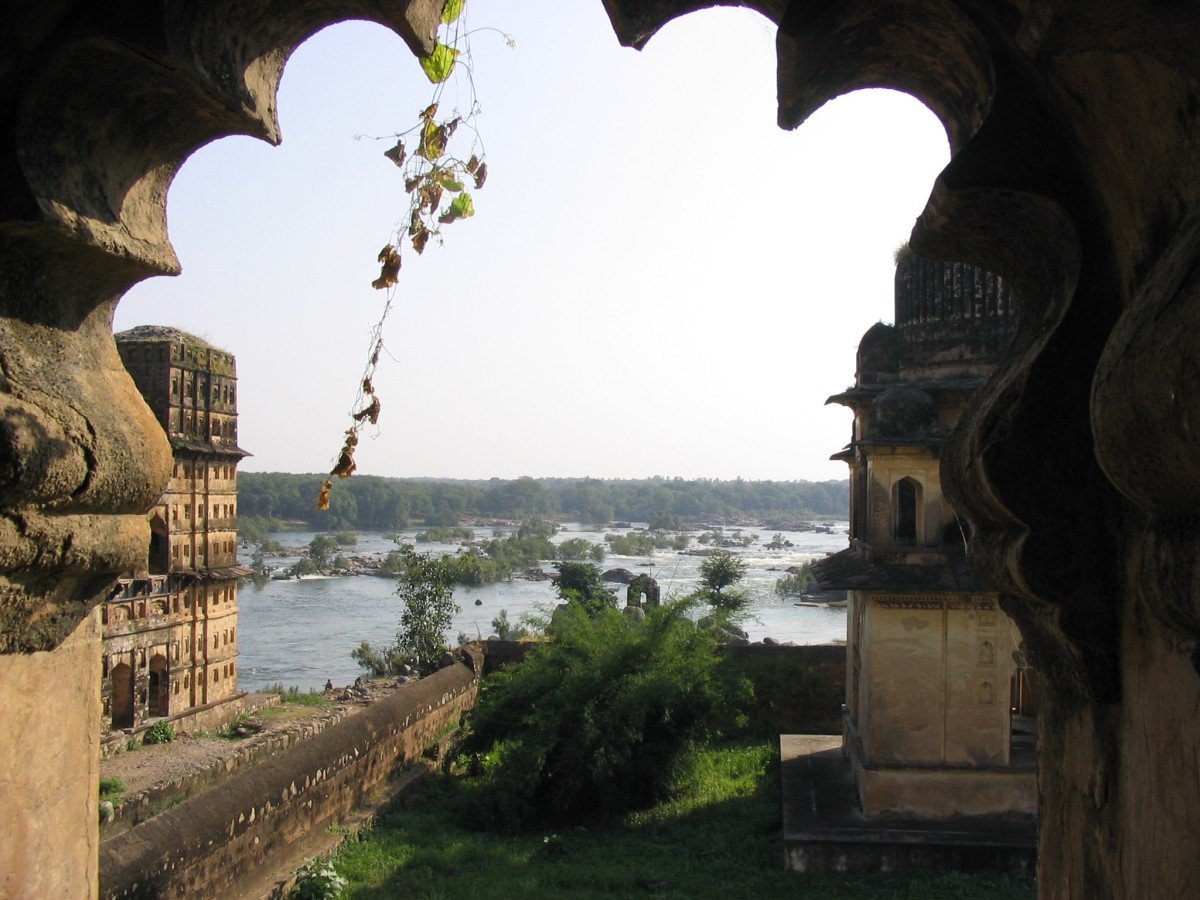
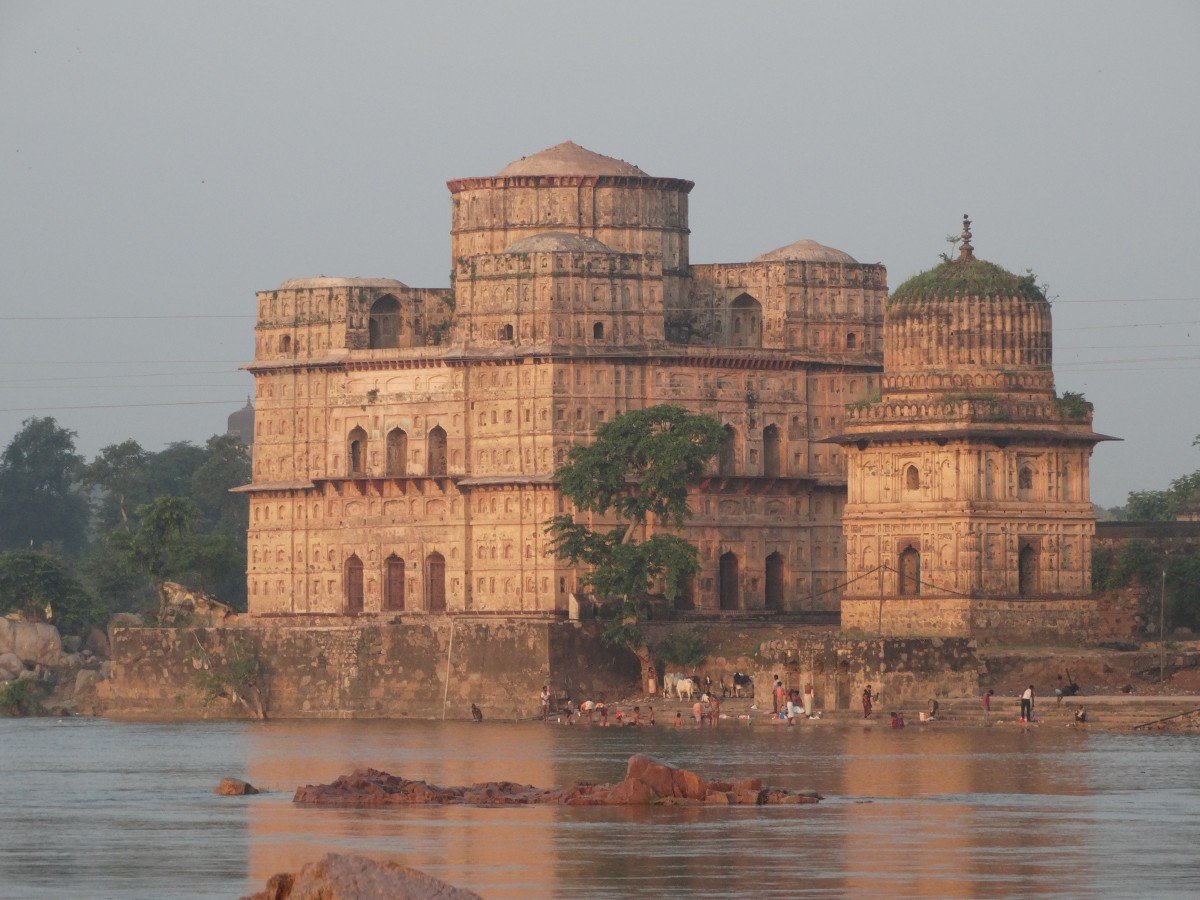
 :Kanchana Ghat is the popular, picturesque section of the Betwa River bank in Orchha, famed for the line of 14 magnificent royal Chhatris (cenotaphs) that line its edge. More than just a viewing point, the ghat is a vibrant center for both spiritual and recreational activities. Historically, it served as the sacred bathing and cremation site for the Bundela royalty. Today, it is best known for its tranquil atmosphere, stunning sunset views, and the opportunity for river-based activities like boating, kayaking, and river rafting (season permitting). The contrast of the ancient stone monuments against the peaceful flow of the river and the surrounding natural reserve makes the ghat an essential, beautiful, and deeply relaxing part of the Orchha experience.
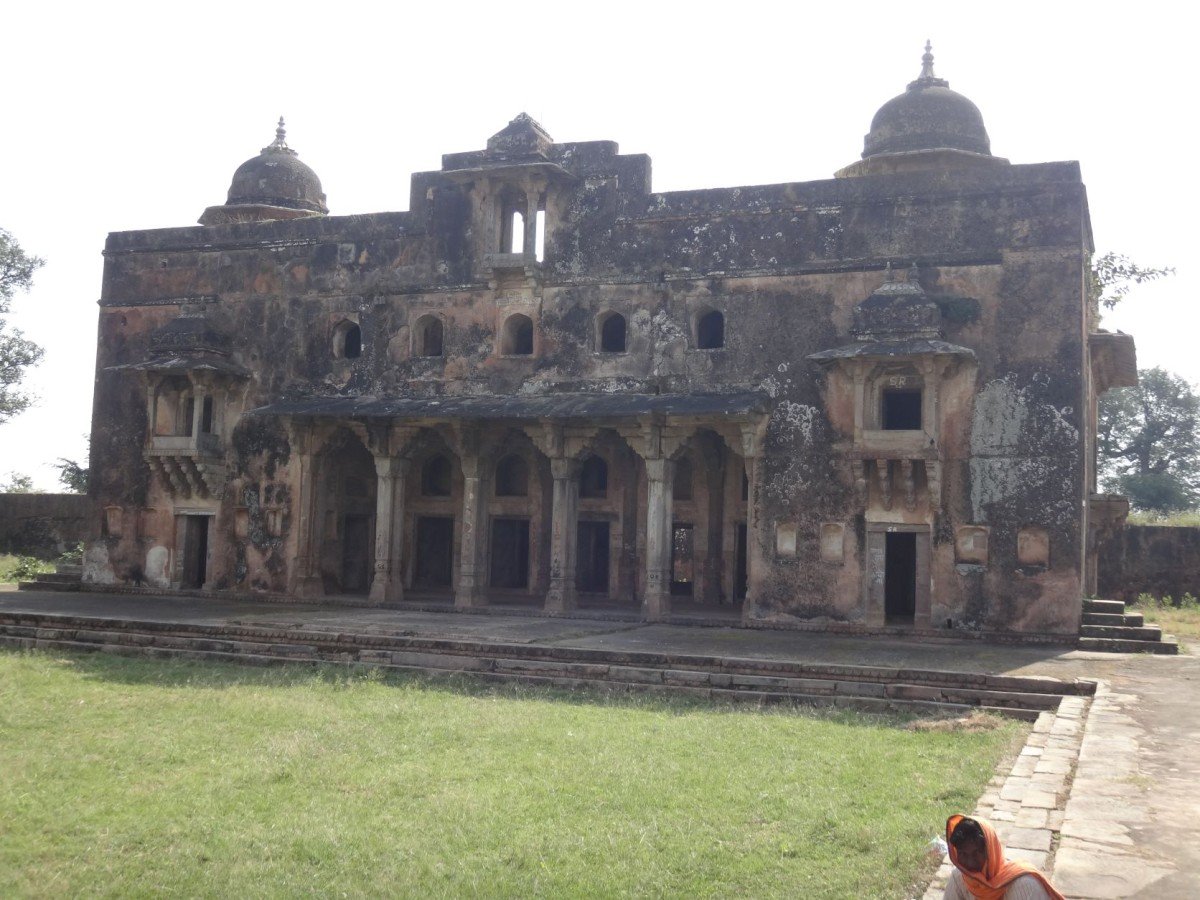
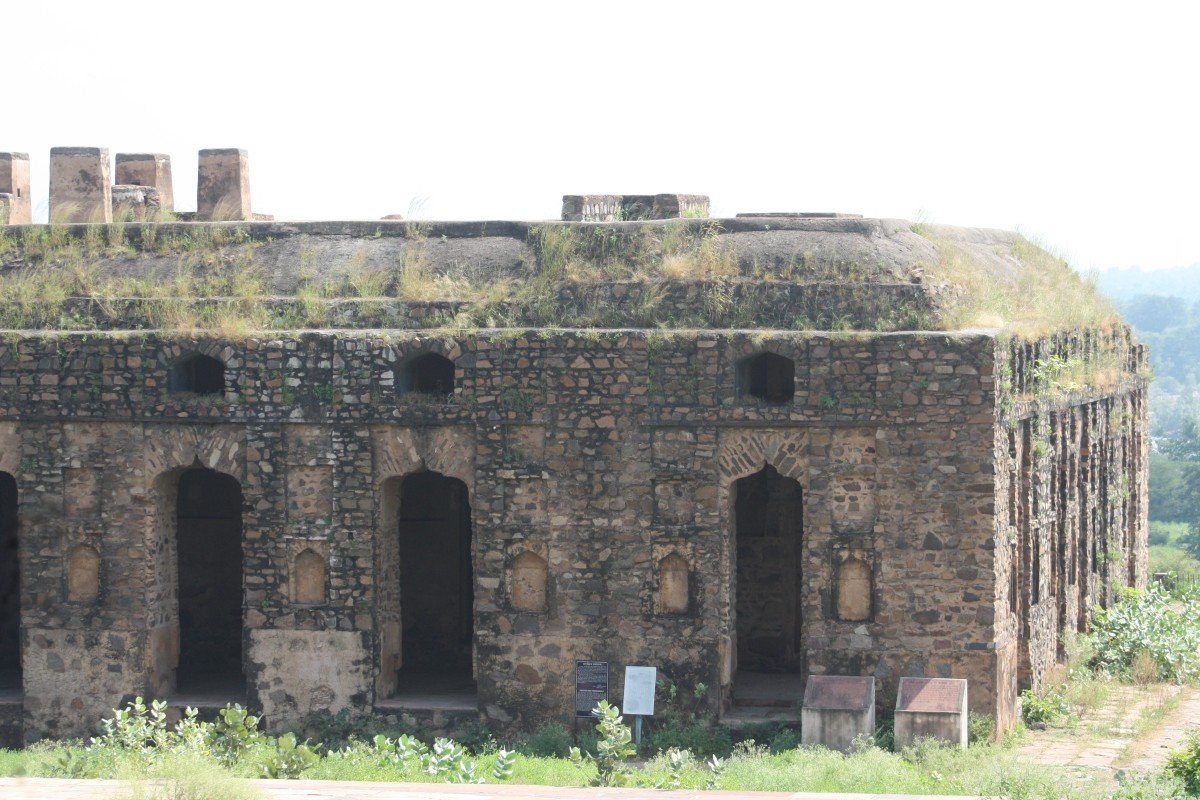
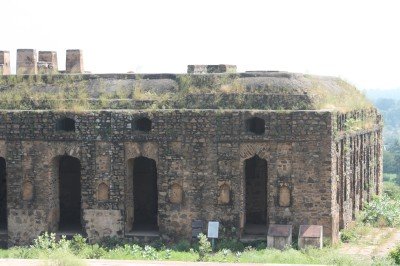 @@The Utilitarian Architectural Marvel: The Uth Khana (literally, 'Camel House' or 'Camel Shelter') is a significant yet often overlooked utilitarian structure within the large Orchha Fort complex, built during the peak of the Bundela dynasty's power in the 17th century. This massive, two-storeyed edifice served a purely functional purpose: to house and stable the King's royal camels (uth), which were a crucial component of the Bundela army, both for transport and cavalry in the arid conditions of Bundelkhand. Its robust, simple architecture is a contrast to the intricate palaces nearby, demonstrating that the Bundela rulers applied the same principles of strength and scale to their functional buildings as they did to their residences. The large, pillared ground floor and vast courtyard were designed to accommodate a significant number of animals and their caretakers, with sturdy walls and strategic ventilation to keep the camels comfortable. What makes the Uth Khana popular today is its accessible flat roof. This roof was originally used by the army and staff for observation and logistics, but it now serves as one of the best, easily accessible vantage points in all of Orchha. From here, visitors get a stunning 360-degree panoramic view of the entire historical town, including a bird's-eye view of the Jehangir Mahal, the Raja Mahal, the Ram Raja Temple spire, and the meandering course of the Betwa River and its famous Chhatris (Cenotaphs). It is a vital spot for understanding the strategic layout of the entire capital city. (Word Count: 400 words)
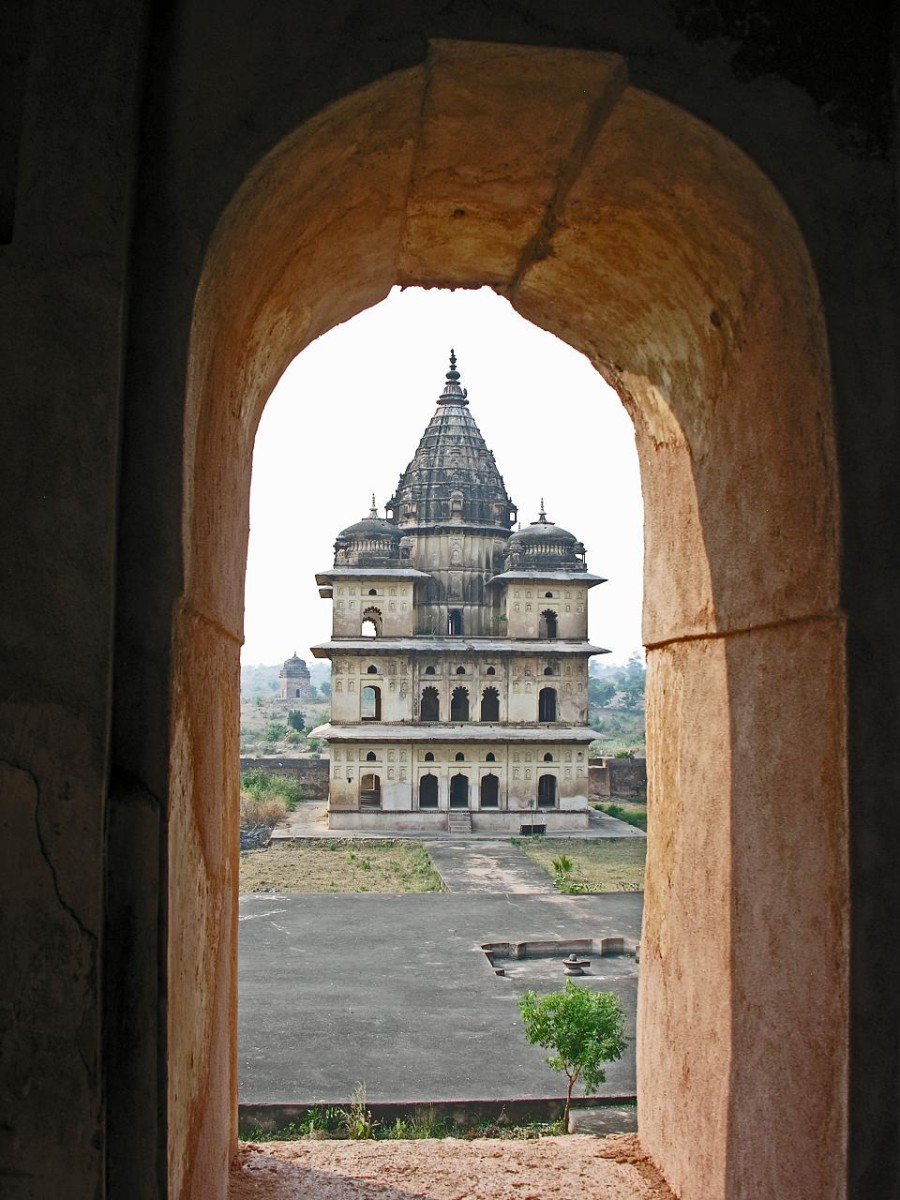
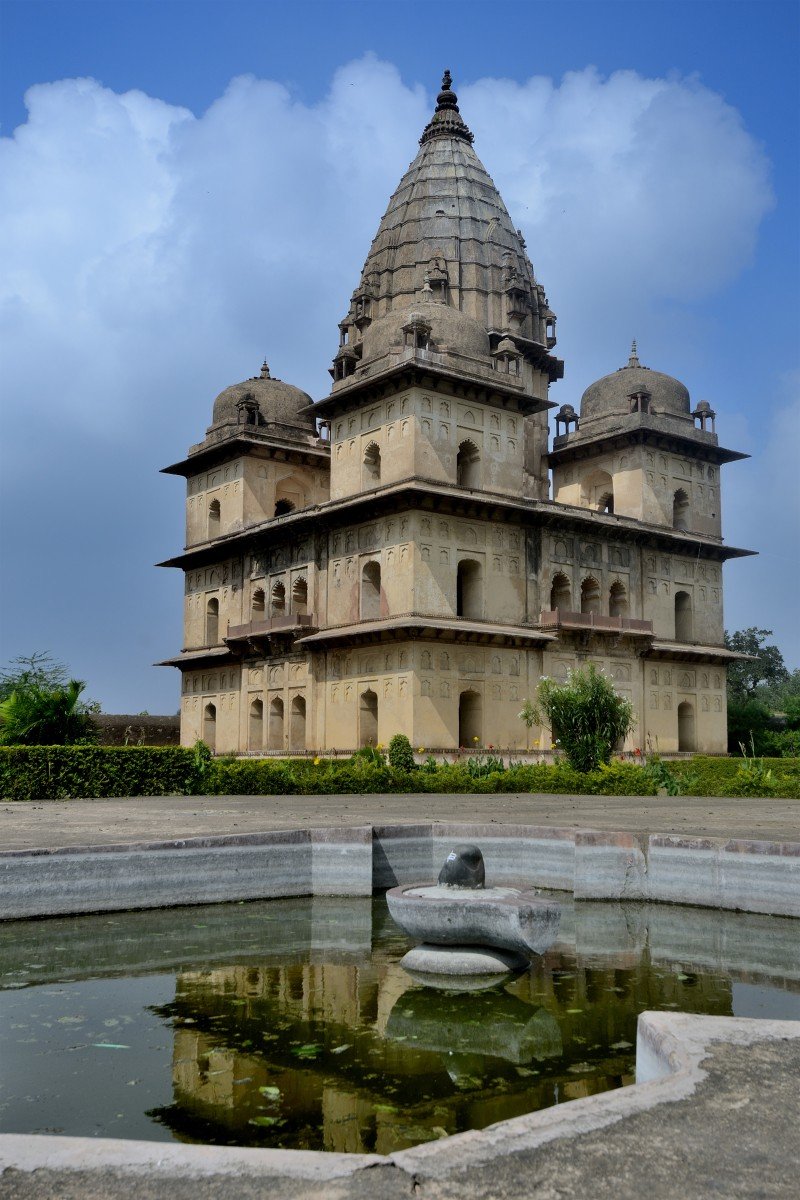
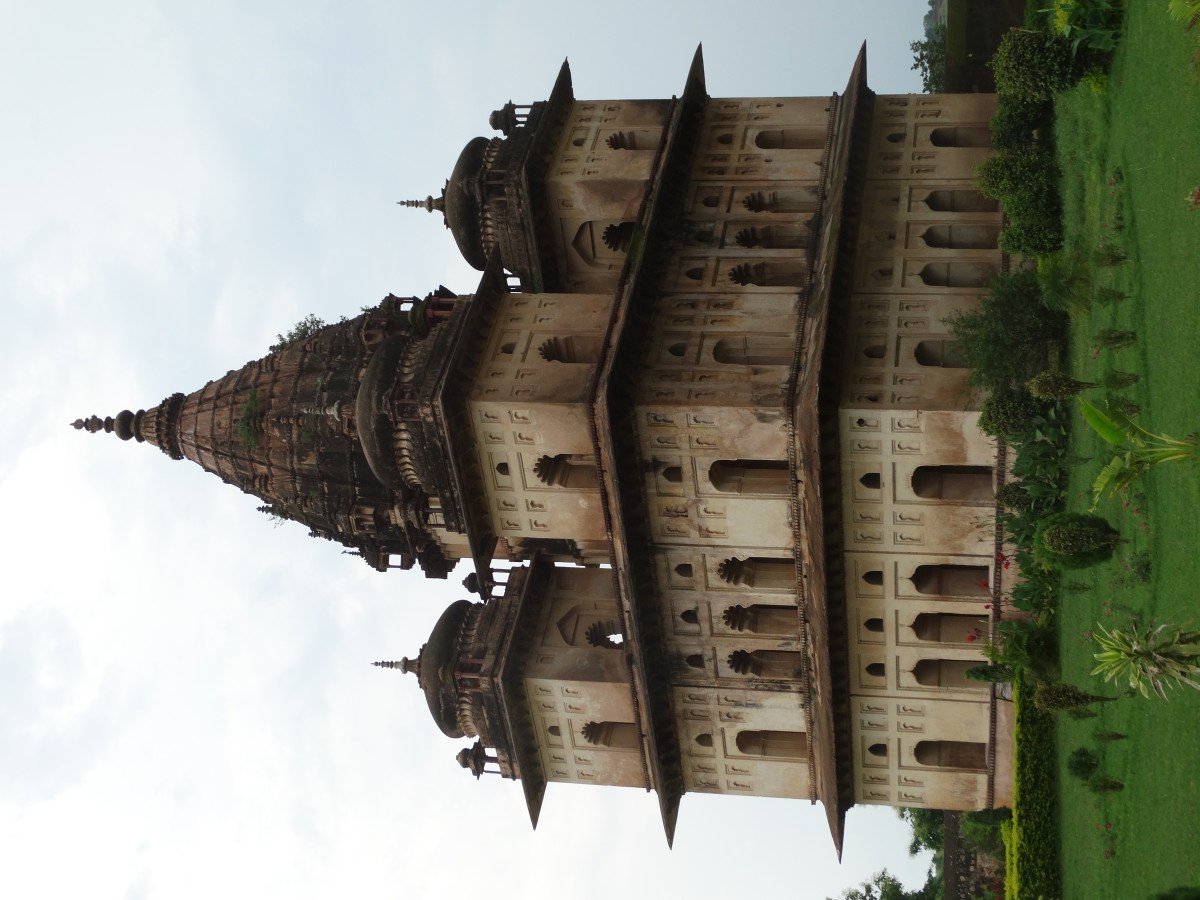
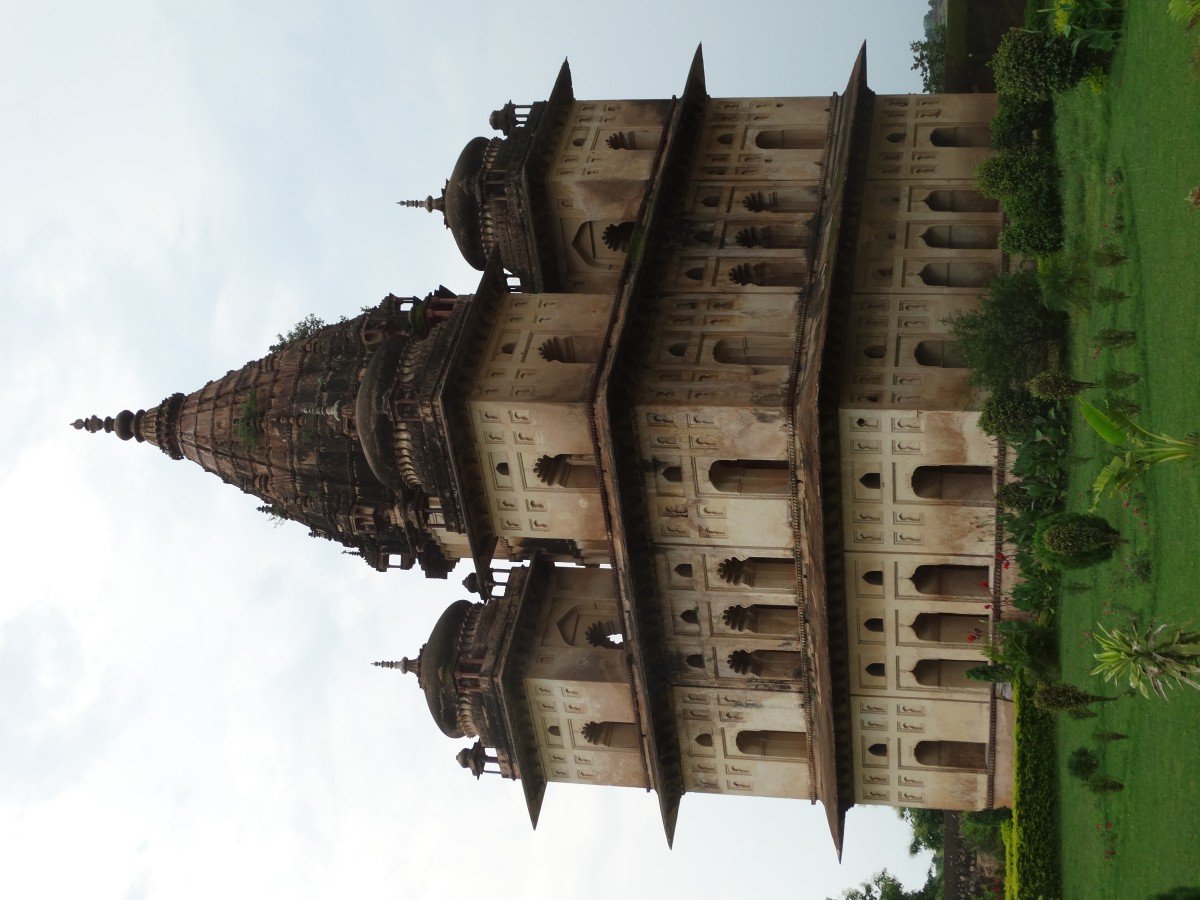
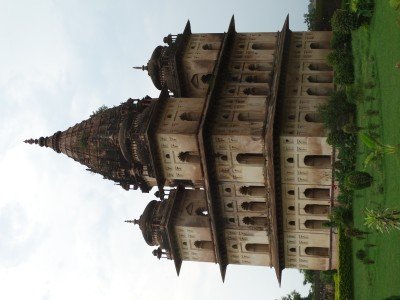 @@The Memorial Cluster: The Chattris (meaning 'umbrella' or domed pavilions) are a cluster of 14 monumental cenotaphs built in memory of the deceased Bundela rulers of Orchha and their families. They were constructed on the spot where the royals were cremated. @@Architectural Timeline: The cluster serves as an outdoor museum of Bundela architecture, displaying the evolution of the style from the fortress-like structure of Bir Singh Deo to the more refined, ornate designs of later rulers like Indrajit Singh. @@The Iconic View: Their placement along the riverbank makes them an iconic, world-famous sight, especially at sunset when their reflections create a mesmerizing, symmetrical vista on the water's surface.:
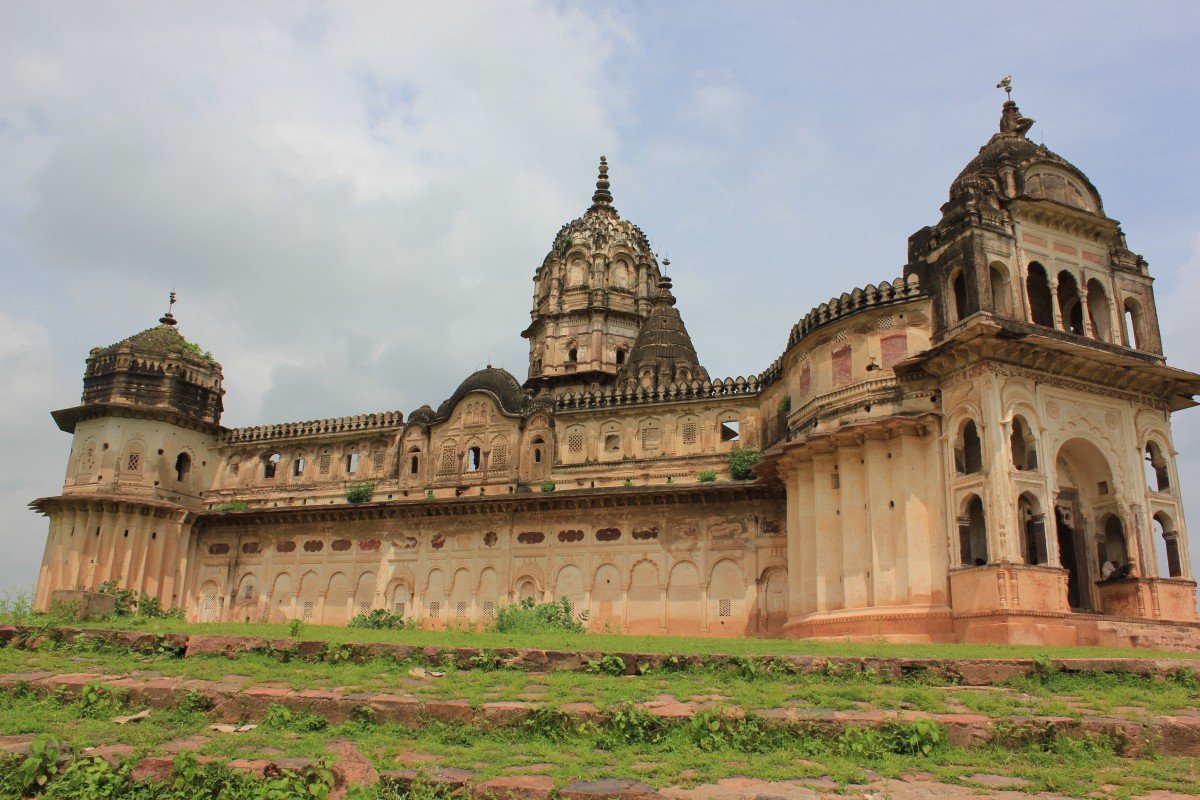
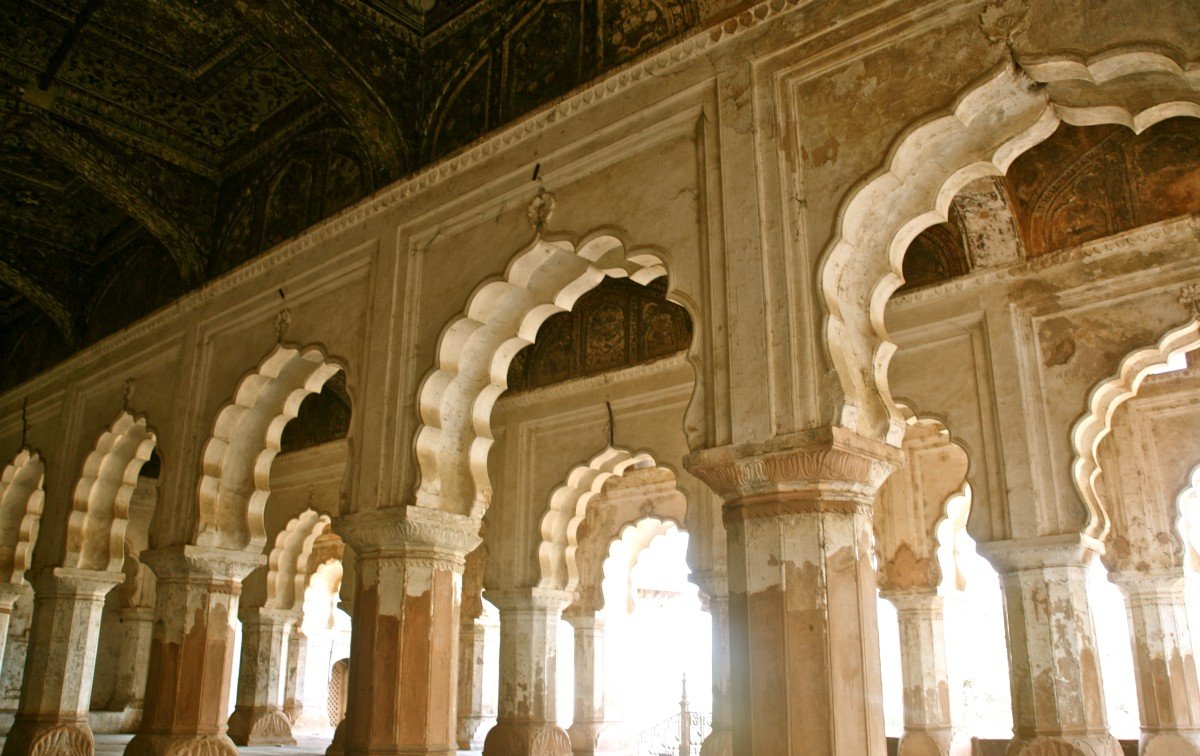
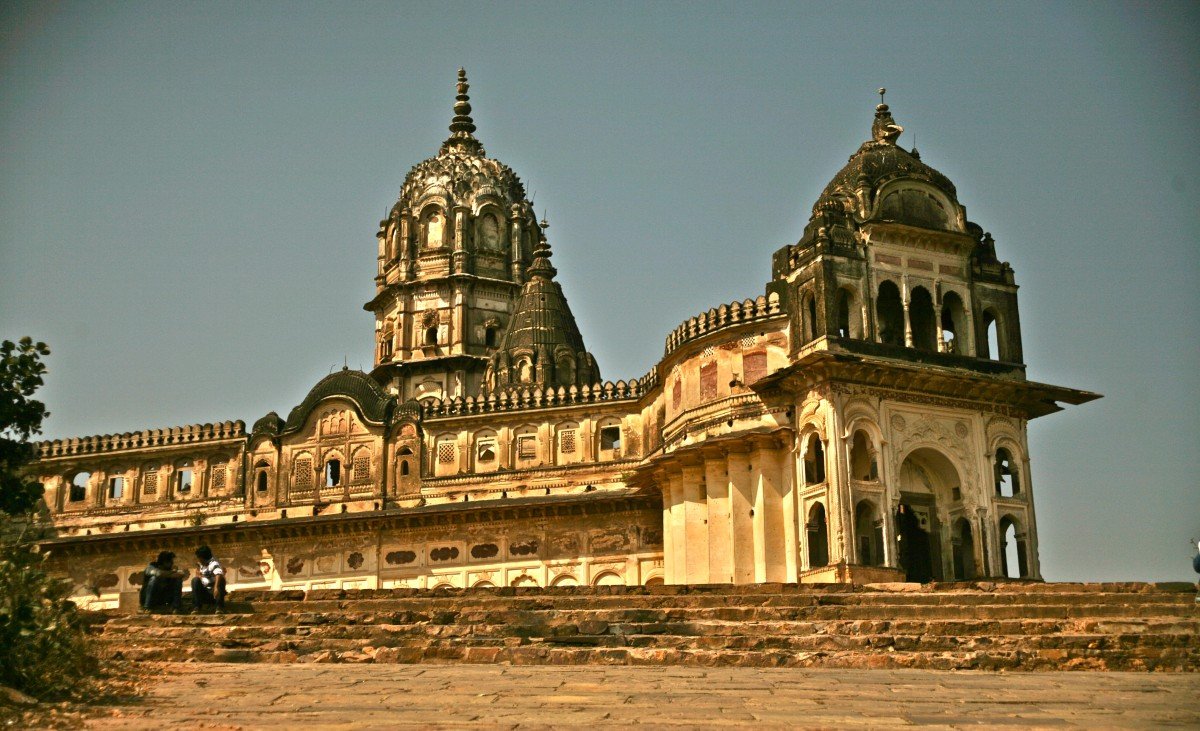
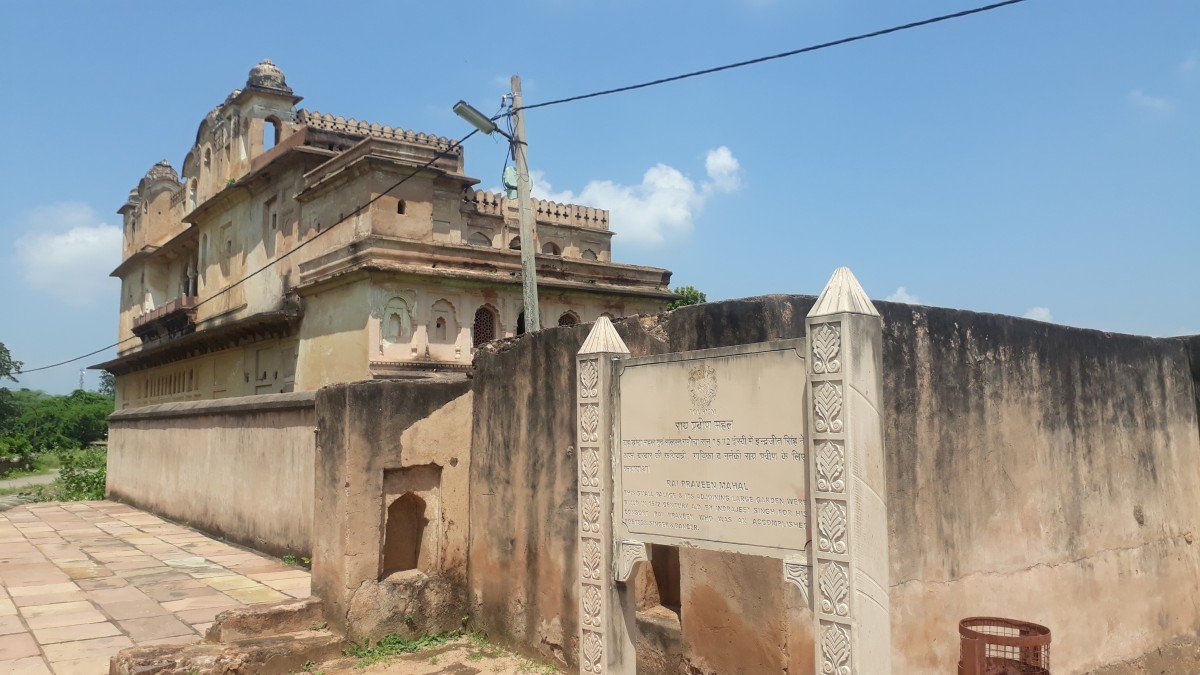
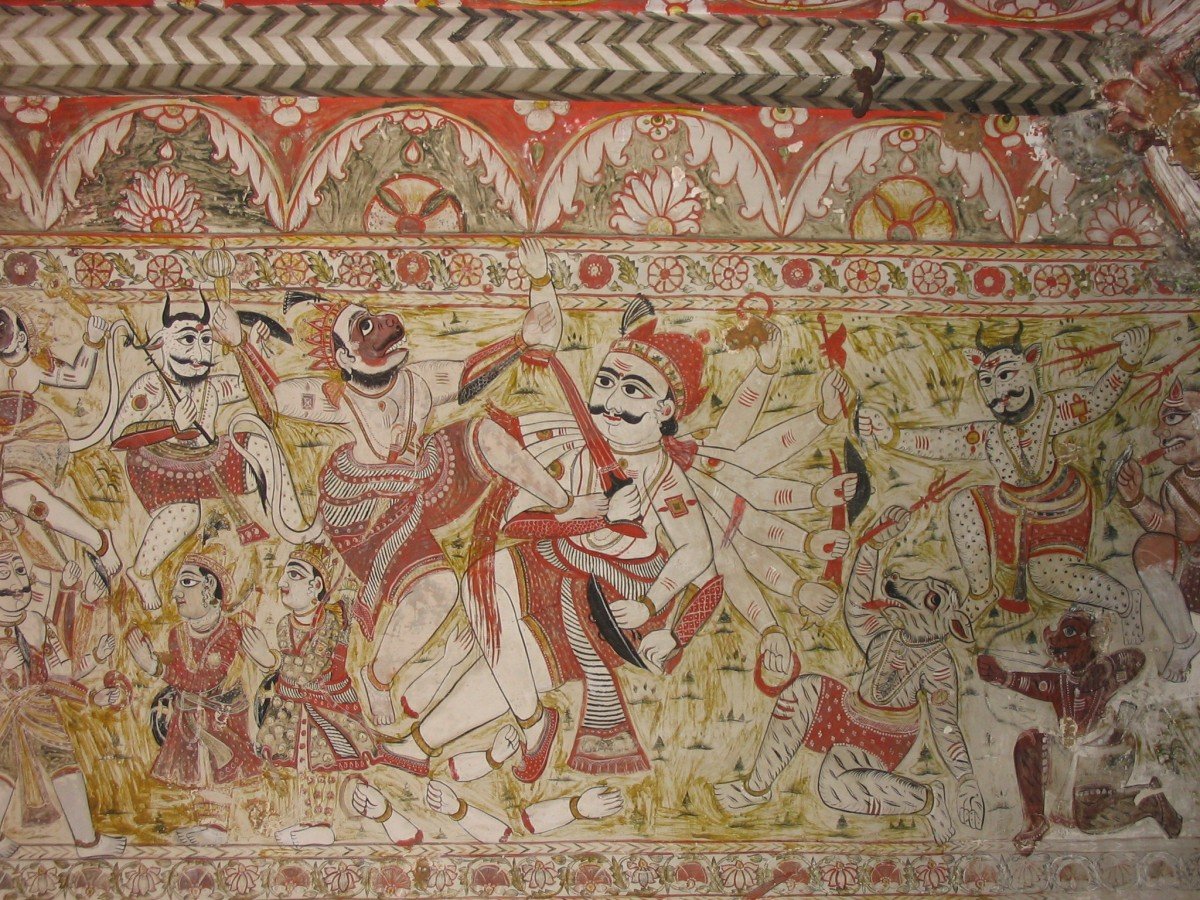
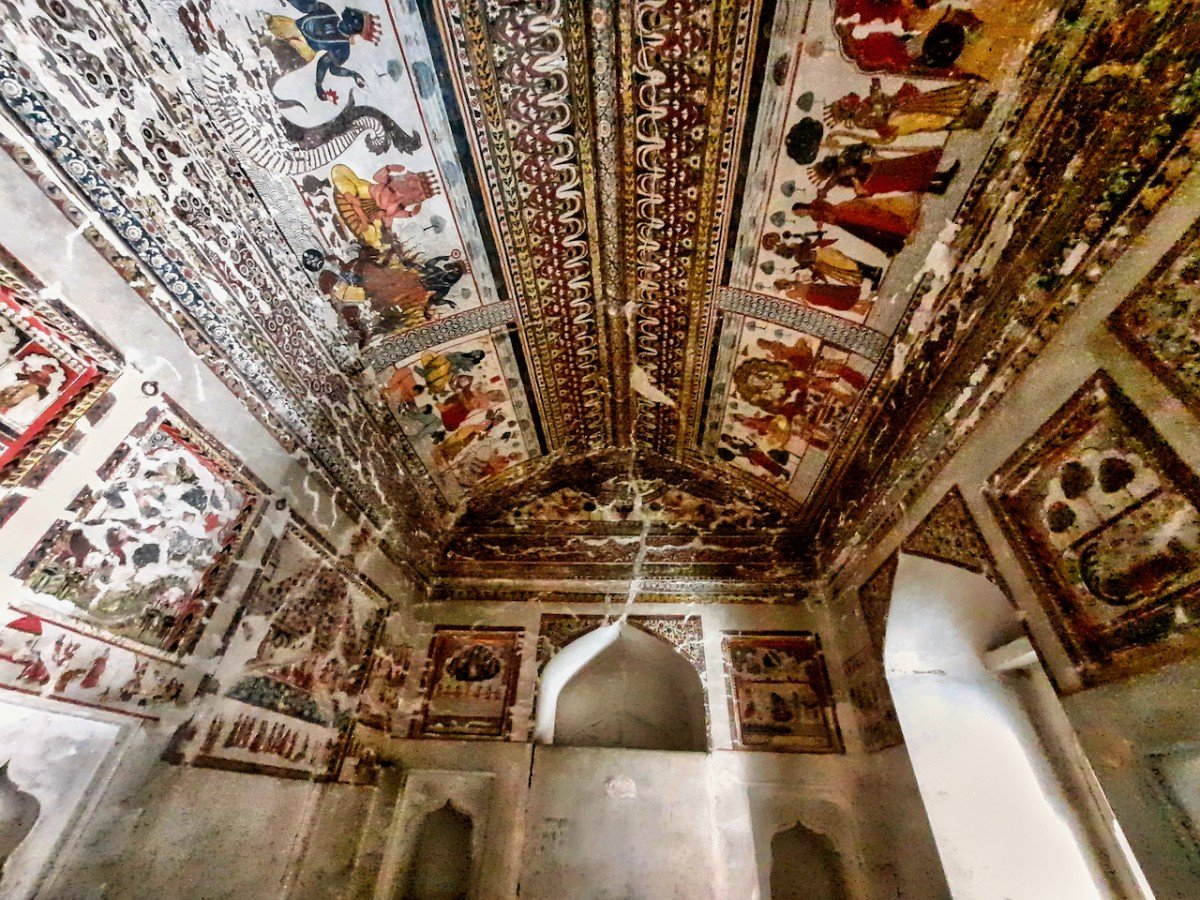
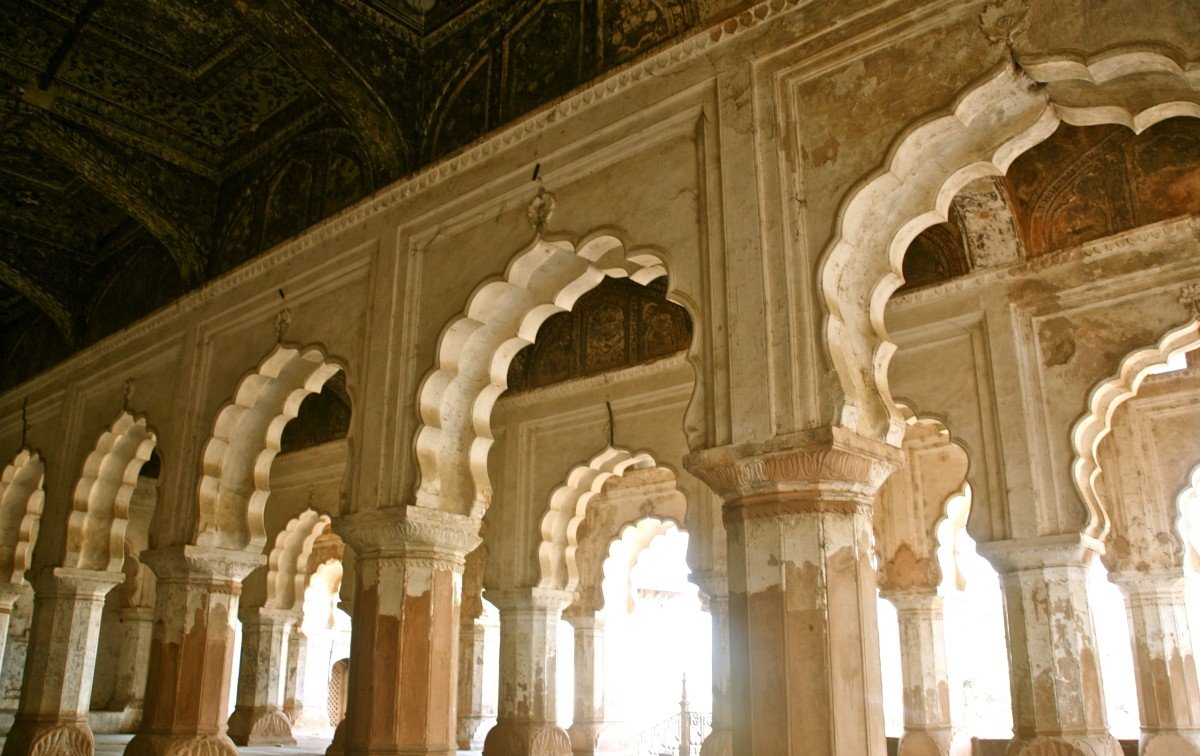
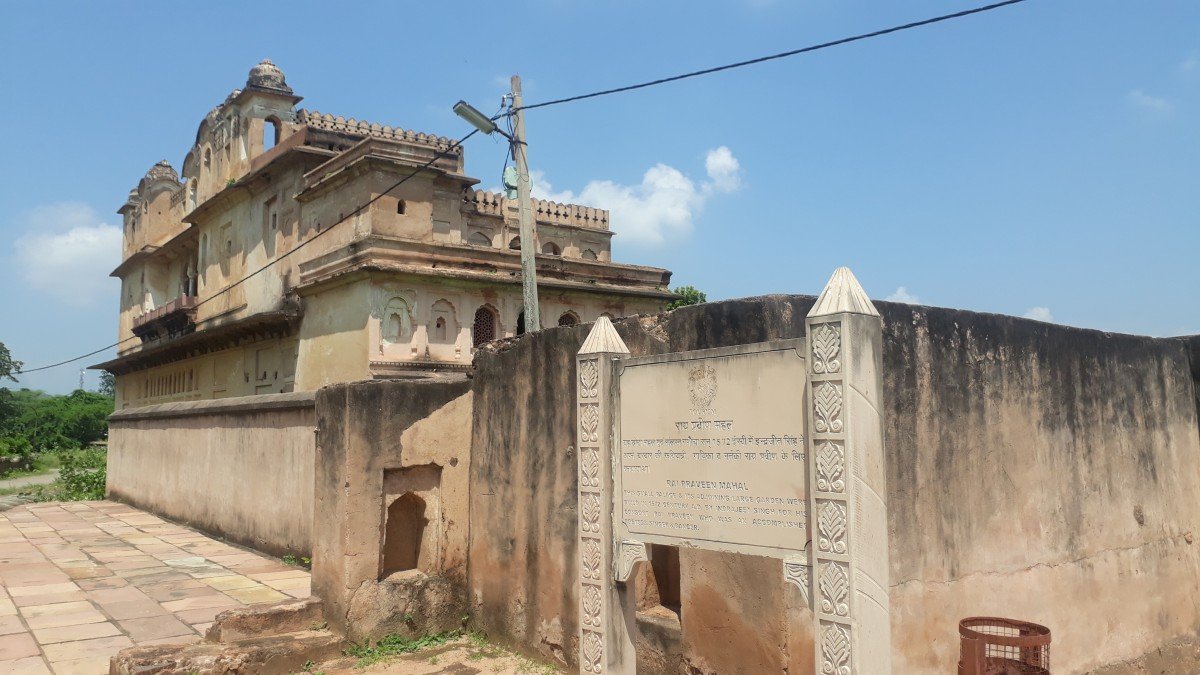
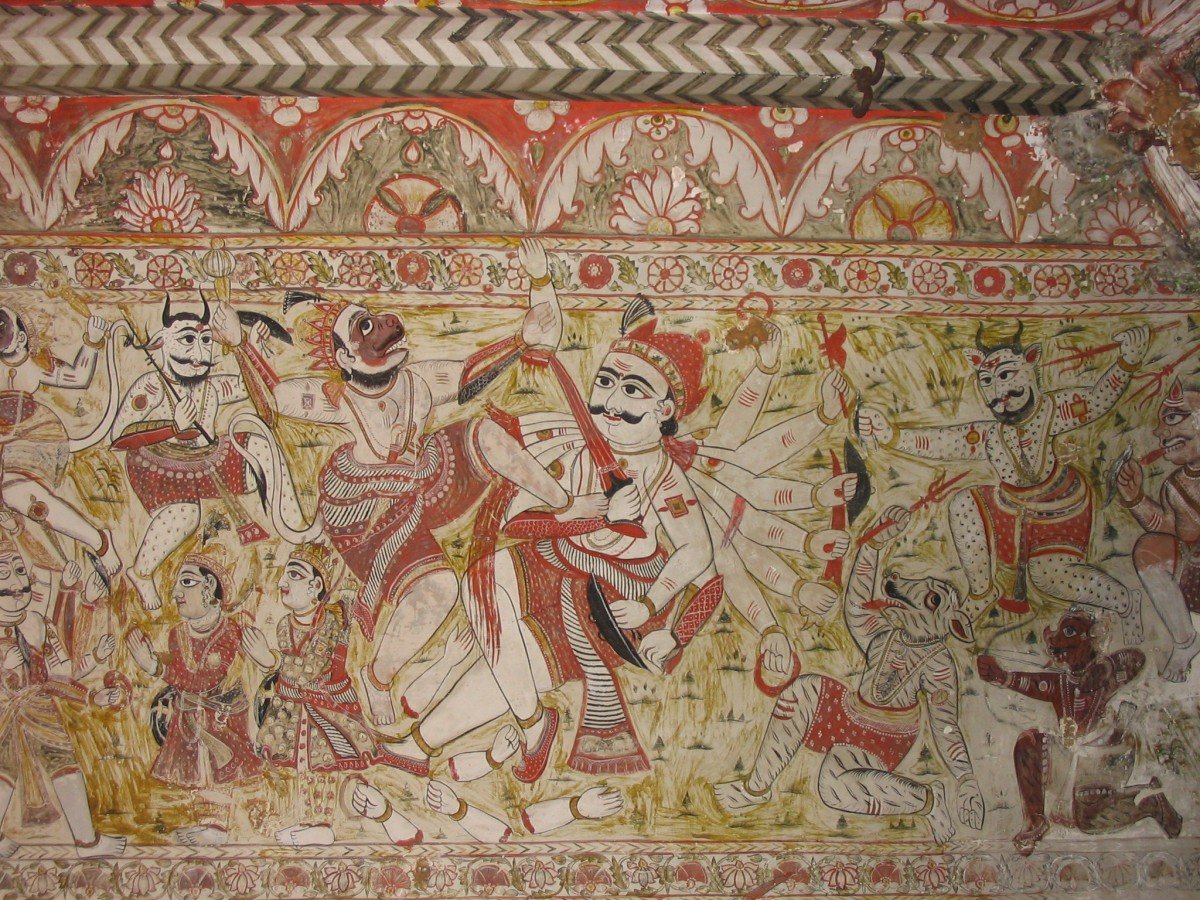
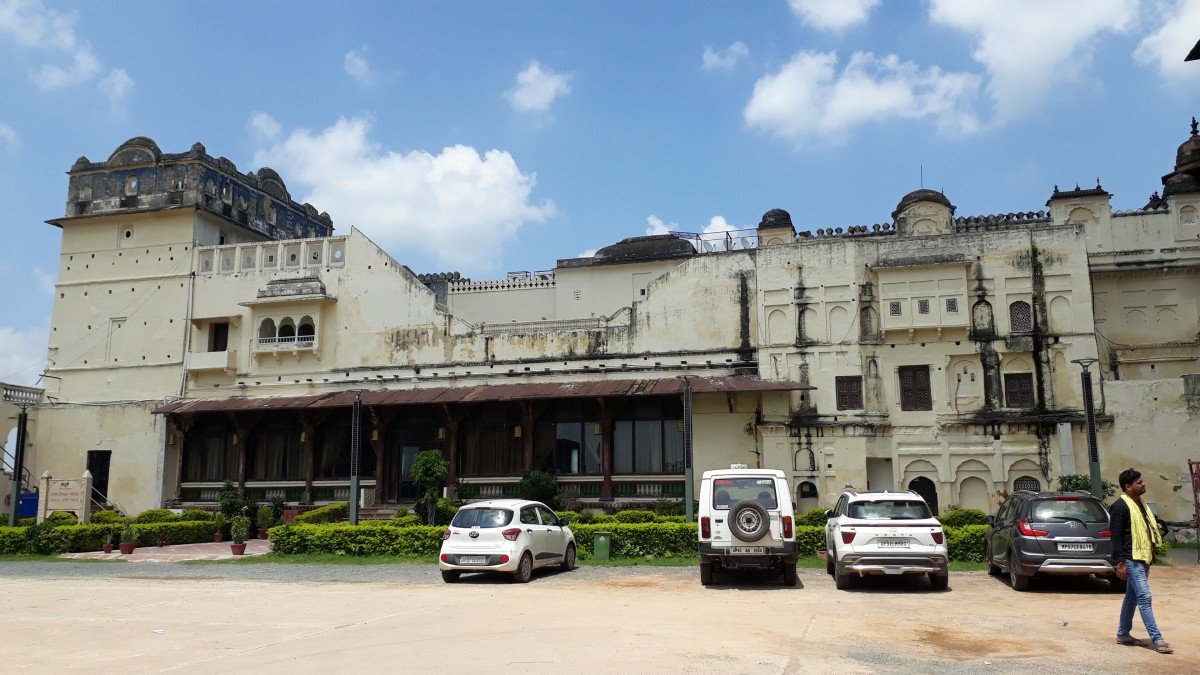
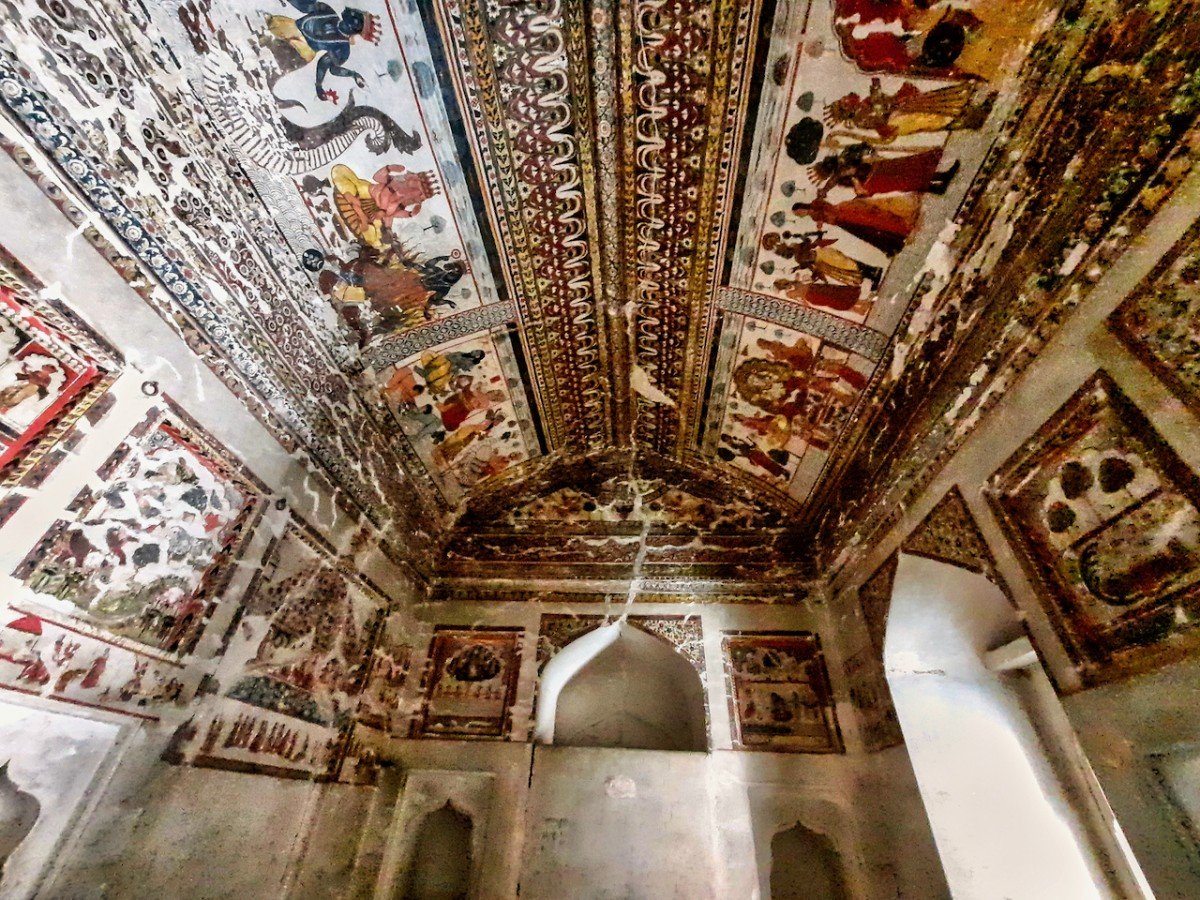
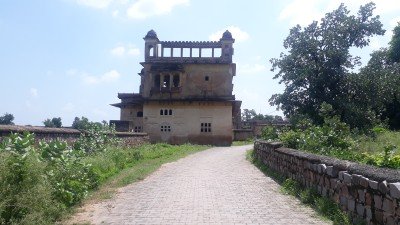 @@The Oldest Royal Residence:** The Raj Praveen Mahal is often referred to interchangeably or in connection with the older Raja Mahal, the first major palace structure built within the Orchha Fort Complex. Its construction was initiated by Rudra Pratap Singh (founder of Orchha in 1531) and significantly expanded by his successors, particularly Madhukar Shah (1554-1591). This palace served as the primary residence for the successive Bundela kings and their queens for centuries until the kingdom's decline in the 18th century. Unlike the more Mughal-influenced Jahangir Mahal, the Raj Praveen Mahal (or Raja Mahal) is a pure example of early Bundela architecture, characterized by its deceptively plain exterior which conceals richly decorated interiors. The palace is a multi-story structure with two distinct courtyards: the Diwan-e-Aam (Hall of Public Audience) and the Diwan-e-Khaas (Hall of Private Audience) along with the private Zanana (Women's) section. The walls and ceilings of the inner apartments are famous for their well-preserved, vibrant murals depicting scenes from mythology, especially the avatars of Lord Vishnu, courtly life, and hunting, reflecting the deeply religious and cultural life of the Bundela court. This palace is the historical and political heart of the Orchha kingdom.
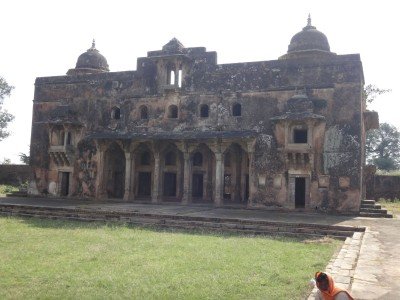 @@Historical Context: The Baradari, meaning 'twelve doors', is a pavilion often found in Mughal and Rajput architecture, built for relaxation and to allow a free flow of air. The Baradari in Orchha is an elegant structure used by the Bundela rulers for informal meetings, music and dance performances, and to enjoy the cool breezes, particularly in the summer months. It is seamlessly integrated into the fort complex design and overlooks the main courtyard or a garden. Its design is typical of a royal pleasure house and adds to the secular beauty of the fort complex. @@Purpose of Baradari: Its primary purpose was to be a cool, airy lounge, strategically positioned to provide relief from the Bundelkhand heat. It reflects the life of leisure and aesthetic pursuits of the Orchha royalty.:
@@The Green Lung of Orchha: :The Orchha Nature Reserve, often used interchangeably with the Orchha Wildlife Sanctuary, is the forested, ecologically rich area on the banks of the Betwa and Jamni rivers. It was formally established in 1994 and covers an area of approximately 46 sq.km. Unlike the grand historical monuments, the reserve offers a contrasting experience of peace, tranquility, and natural beauty. The landscape is dominated by tropical and subtropical dry broadleaf forests, interspersed with patches of tall grass and riverine vegetation. It is the green haven that provides the breathtaking natural backdrop to the ancient town, making Orchha unique—a blend of history and wilderness. The reserve's creation aims to protect the local flora and fauna, which face increasing pressure from human settlement and tourism.@@A Paradise for Birdwatchers: :The reserve is particularly renowned as a bird sanctuary, with over 200 species of both resident and migratory birds. It's a crucial habitat for species like the Indian Vulture, various species of kingfishers, the Peafowl (India's national bird), and the Jungle Bush Quail. While large carnivores like tigers are no longer present, the sanctuary is home to many terrestrial animals, including Nilgai (Blue Bull), spotted deer, wild boar, jackal, and monkeys. The healthy ecosystem along the Betwa River is what sustains this rich biodiversity. A walk or jeep safari here is a refreshing break from temple hopping, offering opportunities for adventure sports and quiet contemplation.
Dinman Hardaul's Palace is a poignant historical site located within the Phool Bagh area of Orchha. It was the residence of Prince Hardaul, the son of the great ruler Bir Singh Deo. The palace is famous more for the tragic legend of the prince than for its size. According to local lore, Hardaul's elder brother, Jhujhar Singh, suspected him of having an affair with his queen. To prove his innocence and loyalty, Hardaul willingly consumed poison and died. Today, he is worshipped as a folk deity across Bundelkhand. The palace itself is a modest but elegant structure, reflecting the somber history associated with it. It features a courtyard, a small shrine, and beautiful gardens nearby. Many devotees visit the palace to seek the blessings of Lala Hardaul, especially before weddings, as he is believed to be the protector of family honor. The atmosphere is quiet and respectful, with many locals leaving wedding invitations at his shrine to invite his spirit to the ceremony. It is a place where history, myth, and deep-seated local faith converge in a very personal way.Show All
:Dauji Ki Haveli is a magnificent residential mansion built not by royalty, but by the wealthy merchant and business class of Orchha, possibly during the 17th or 18th century. It stands as a subtle yet grand architectural testament to the prosperity and sophisticated taste of the local elite, who sought to replicate the style and grandeur of the royal palaces like the Raja Mahal. The term Haveli refers to a traditional Indian mansion, and this one is known for its exquisite, ornate facades, large courtyards, and well-preserved bright frescoes (murals) that adorn its interior walls. It serves as a cultural window into the everyday, yet opulent, life of a powerful and influential non-royal family from the Bundela era. The adaptive reuse of the haveli for cultural and community activities helps preserve its historical significance.
@@Historical Context: The Baradari, meaning 'twelve doors', is a pavilion often found in Mughal and Rajput architecture, built for relaxation and to allow a free flow of air. The Baradari in Orchha is an elegant structure used by the Bundela rulers for informal meetings, music and dance performances, and to enjoy the cool breezes, particularly in the summer months. It is seamlessly integrated into the fort complex design and overlooks the main courtyard or a garden. Its design is typical of a royal pleasure house and adds to the secular beauty of the fort complex. @@Purpose of Baradari: Its primary purpose was to be a cool, airy lounge, strategically positioned to provide relief from the Bundelkhand heat. It reflects the life of leisure and aesthetic pursuits of the Orchha royalty.:
@@The Green Lung of Orchha: :The Orchha Nature Reserve, often used interchangeably with the Orchha Wildlife Sanctuary, is the forested, ecologically rich area on the banks of the Betwa and Jamni rivers. It was formally established in 1994 and covers an area of approximately 46 sq.km. Unlike the grand historical monuments, the reserve offers a contrasting experience of peace, tranquility, and natural beauty. The landscape is dominated by tropical and subtropical dry broadleaf forests, interspersed with patches of tall grass and riverine vegetation. It is the green haven that provides the breathtaking natural backdrop to the ancient town, making Orchha unique—a blend of history and wilderness. The reserve's creation aims to protect the local flora and fauna, which face increasing pressure from human settlement and tourism.@@A Paradise for Birdwatchers: :The reserve is particularly renowned as a bird sanctuary, with over 200 species of both resident and migratory birds. It's a crucial habitat for species like the Indian Vulture, various species of kingfishers, the Peafowl (India's national bird), and the Jungle Bush Quail. While large carnivores like tigers are no longer present, the sanctuary is home to many terrestrial animals, including Nilgai (Blue Bull), spotted deer, wild boar, jackal, and monkeys. The healthy ecosystem along the Betwa River is what sustains this rich biodiversity. A walk or jeep safari here is a refreshing break from temple hopping, offering opportunities for adventure sports and quiet contemplation.
Dinman Hardaul's Palace is a poignant historical site located within the Phool Bagh area of Orchha. It was the residence of Prince Hardaul, the son of the great ruler Bir Singh Deo. The palace is famous more for the tragic legend of the prince than for its size. According to local lore, Hardaul's elder brother, Jhujhar Singh, suspected him of having an affair with his queen. To prove his innocence and loyalty, Hardaul willingly consumed poison and died. Today, he is worshipped as a folk deity across Bundelkhand. The palace itself is a modest but elegant structure, reflecting the somber history associated with it. It features a courtyard, a small shrine, and beautiful gardens nearby. Many devotees visit the palace to seek the blessings of Lala Hardaul, especially before weddings, as he is believed to be the protector of family honor. The atmosphere is quiet and respectful, with many locals leaving wedding invitations at his shrine to invite his spirit to the ceremony. It is a place where history, myth, and deep-seated local faith converge in a very personal way.Show All
:Dauji Ki Haveli is a magnificent residential mansion built not by royalty, but by the wealthy merchant and business class of Orchha, possibly during the 17th or 18th century. It stands as a subtle yet grand architectural testament to the prosperity and sophisticated taste of the local elite, who sought to replicate the style and grandeur of the royal palaces like the Raja Mahal. The term Haveli refers to a traditional Indian mansion, and this one is known for its exquisite, ornate facades, large courtyards, and well-preserved bright frescoes (murals) that adorn its interior walls. It serves as a cultural window into the everyday, yet opulent, life of a powerful and influential non-royal family from the Bundela era. The adaptive reuse of the haveli for cultural and community activities helps preserve its historical significance.Information
-
Why Famous:
Ram Raja Mandir: This is the only temple where Lord Ram is given a 21-gun salute and treated as a living monarch by the local administration.
River Cenotaphs: The 14 stone Chhatris along the Betwa River are world-famous for their silhouette ...Ram Raja Mandir: This is the only temple where Lord Ram is given a 21-gun salute and treated as a living monarch by the local administration.
River Cenotaphs: The 14 stone Chhatris along the Betwa River are world-famous for their silhouette against the sunset, representing the Bundela kings.
Jahangir Mahal: Built to welcome the Mughal Emperor Jahangir for just one night, it remains one of the most beautiful palaces in all of India. -
Architecture:
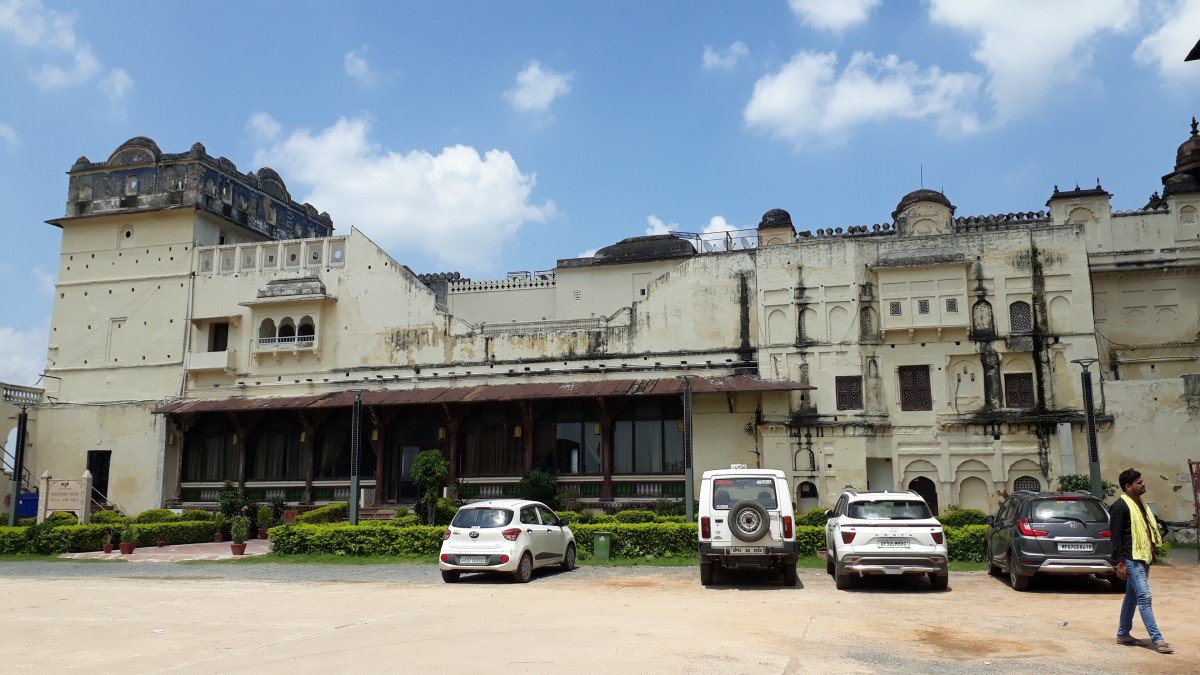
Fortified Palace: The Jahangir Mahal features a blend of Hindu and Mughal styles, with hanging balconies and delicate stone screens called Jhalis.
Dimension of Raja Mahal: The main palace has a square layout with two large courtyards and fiv...Fortified Palace: The Jahangir Mahal features a blend of Hindu and Mughal styles, with hanging balconies and delicate stone screens called Jhalis.
Dimension of Raja Mahal: The main palace has a square layout with two large courtyards and five-story high wings that once housed the royal family.
Chhatri Height: The royal cenotaphs stand about 15-20 meters tall, featuring a unique fusion of temple spires and Islamic domes on the riverbank.
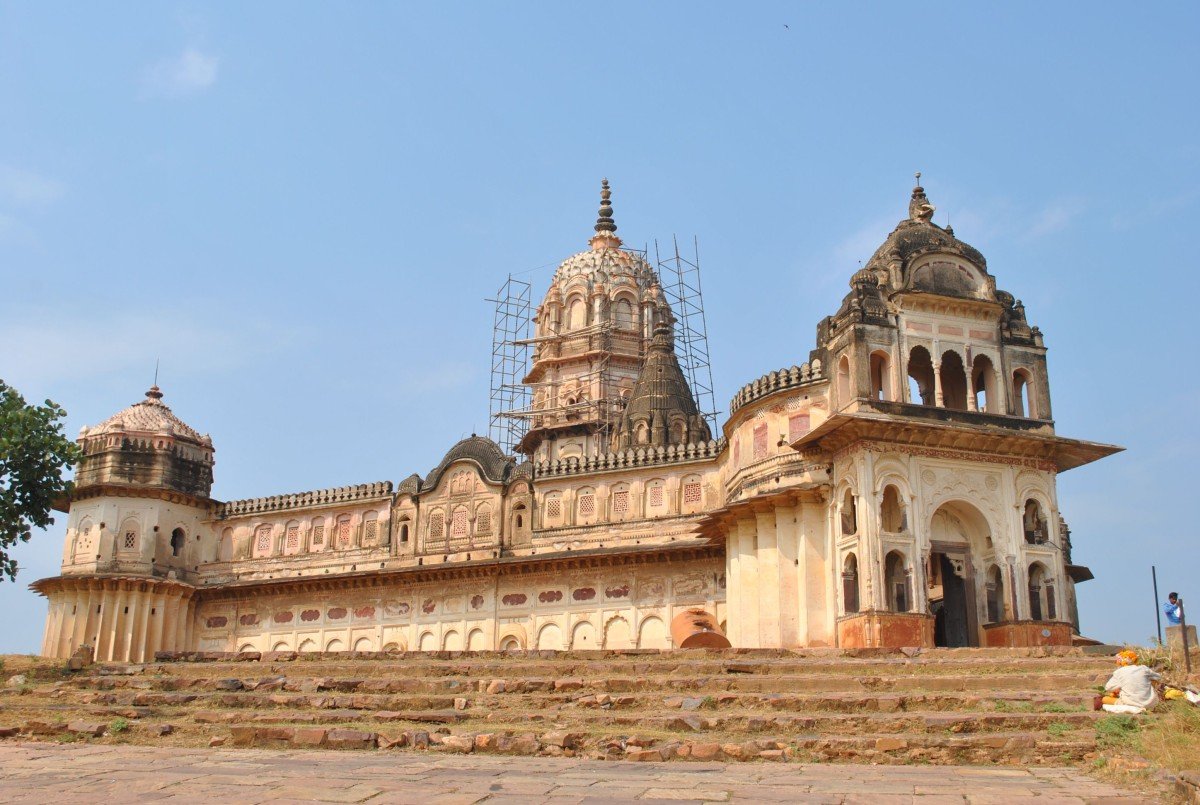
Murals: The interiors of Laxmi Narayan Temple contain hundreds of square feet of frescoes that have survived for centuries without losing their color. -
How To Reach:
By Air: Gwalior (GWL) is the nearest airport (120 KMS), but many people fly to Delhi and take the train to Jhansi to reach Orchha.
By Train: Jhansi Junction is only 16 KMS away and is a major rail hub for fast trains like the Bhopal Shatabdi...By Air: Gwalior (GWL) is the nearest airport (120 KMS), but many people fly to Delhi and take the train to Jhansi to reach Orchha.
By Train: Jhansi Junction is only 16 KMS away and is a major rail hub for fast trains like the Bhopal Shatabdi and Gatimaan Express.
By Road: It is easily accessible via a 30-minute auto or taxi ride from Jhansi; the roads are smooth and well-connected to Khajuraho (170 KMS).
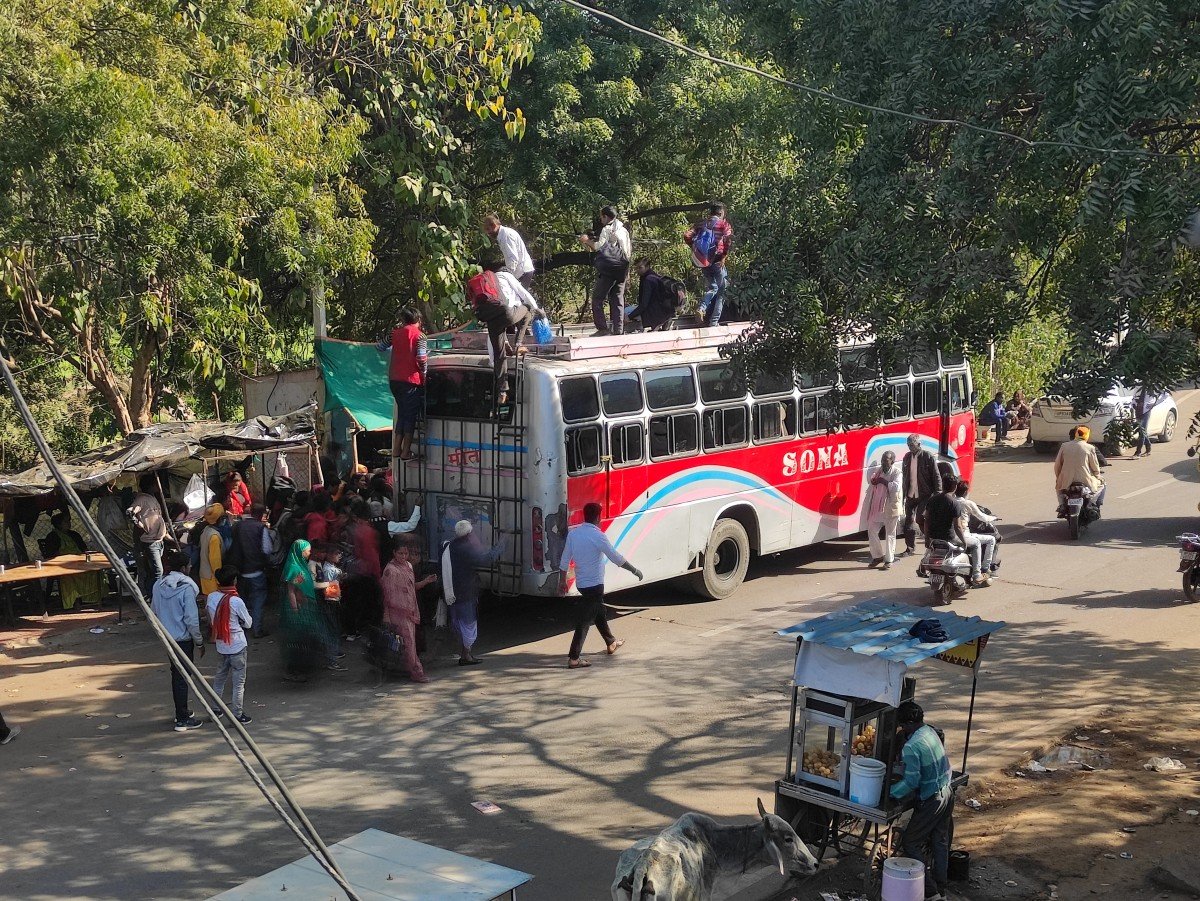
Local Transport: The town is very small; you can walk to most places or rent a bicycle or an e-rickshaw for a nominal fee to see the farther temples. -
Weather and Best Time to Visit:
Winter Season: November to February is the peak tourist season with clear blue skies, making it perfect for long heritage walks and photography.
Early Morning: The mist over the Betwa River at 6:00 AM is a sight to behold, providing a magica...Winter Season: November to February is the peak tourist season with clear blue skies, making it perfect for long heritage walks and photography.
Early Morning: The mist over the Betwa River at 6:00 AM is a sight to behold, providing a magical atmosphere before the day's heat and crowds set in.
Late Afternoon: The light between 4:00 PM and 6:00 PM is the most beautiful for visiting the riverbank cenotaphs and the Laxmi Narayan temple. -
Near Tourist Places:
Jhansi Fort (18 KMS), Datia Peeth (30 KMS), Khajuraho (175 KMS), Gwalior (120 KMS), Barua Sagar (25 KMS), Sonagiri (50 KMS), Garhkundar Fort (70 KMS), Shivpuri (115 KMS), Panna (190 KMS), Alipura (100 KMS).
Tourism Tips
-
Stay in a Heritage Hotel: Experience the royal life by staying at the Sheesh Mahal inside the fort or the riverside retreats run by MP Tourism.
Rafting Safety: If you choose to go rafting or kayaking on the Betwa, always wear a life jacket a...Stay in a Heritage Hotel: Experience the royal life by staying at the Sheesh Mahal inside the fort or the riverside retreats run by MP Tourism.
Rafting Safety: If you choose to go rafting or kayaking on the Betwa, always wear a life jacket and follow the instructions of the professional guides.
Respect Traditions: When visiting the Ram Raja Temple, follow the queue system and do not take photos inside the sanctum as it is strictly prohibited.
Weather Prep: Summers can be extremely hot (up to 45°C), so if visiting in May or June, carry umbrellas, sunscreen, and plenty of electrolyte drinks.
Reviews
FAQs
Orchha Itineray And Cost:-
Other Places In Madhya Pradesh :-
Other States In India :-
Information about New and Updated Locations() of Madhya Pradesh Has Been Added :-
Card subtitle
Note:-
Information provided here in good Faith and for reference only.
Near Places
Amarkantak
Some quick example text to build on the card title and make up the bulk of the card's content.
Go somewhere
Bhedaghat
Some quick example text to build on the card title and make up the bulk of the card's content.
Go somewhere
Bhopal
Some quick example text to build on the card title and make up the bulk of the card's content.
Go somewhere
Burhanpur
Some quick example text to build on the card title and make up the bulk of the card's content.
Go somewhere
Chanderi
Some quick example text to build on the card title and make up the bulk of the card's content.
Go somewhere
Chitrakoot
Some quick example text to build on the card title and make up the bulk of the card's content.
Go somewhere
Gwalior
Some quick example text to build on the card title and make up the bulk of the card's content.
Go somewhere
Indore
Some quick example text to build on the card title and make up the bulk of the card's content.
Go somewhere
Jabalpur
Some quick example text to build on the card title and make up the bulk of the card's content.
Go somewhere
Khajuraho
Some quick example text to build on the card title and make up the bulk of the card's content.
Go somewhere
Mandu
Some quick example text to build on the card title and make up the bulk of the card's content.
Go somewhere
Omkareshwar
Some quick example text to build on the card title and make up the bulk of the card's content.
Go somewhere
Orchha
Some quick example text to build on the card title and make up the bulk of the card's content.
Go somewhere
Pachmarhi
Some quick example text to build on the card title and make up the bulk of the card's content.
Go somewhere
Sagar
Some quick example text to build on the card title and make up the bulk of the card's content.
Go somewhere
Sanchi
Some quick example text to build on the card title and make up the bulk of the card's content.
Go somewherein Other Cities