
...

Place To Visit And Things To Do In Buxar

Bihar, India
Place Details: Buxar is a city steeped in mythological and historical significance, located on the banks of the holy river Ganges. It is famously known as the site where Lord Rama is said to have slain the demoness Tadka and where the pivotal Battle of Buxar took place in 1764, which established Bri tish rule in India. The city serves as a bridge between the ancient Vedic era and modern colonial history, offering a unique blend of spiritual ghats and military ruins. Visitors can explore various sites like the Buxar Fort, which stands as a silent witness to the changing dynasties from the Mauryas to the British. The city is also a center for Vedic learning, with legends suggesting that several great sages including Vishwamitra had their hermitages here, making it a revered destination for pilgrims and history buffs alike.

Things To Do

Card image cap
Ahilya Uddhar

@@The Legend of Lord Rama and Ahilya:@@ This sacred site, also known as Ahirauli Dham, is profoundly linked to the Hindu epic Ramayana. It is believed...
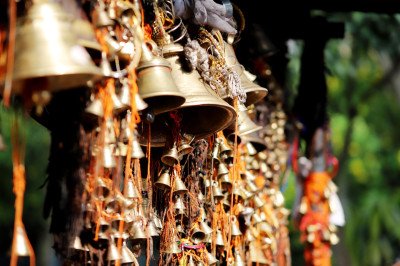
@@The Legend of Lord Rama and Ahilya:@@ This sacred site, also known as Ahirauli Dham, is profoundly linked to the Hindu epic Ramayana. It is believed to be the location of the ashram of Sage Gautam and his wife, Ahilya. According to the myth, Ahilya was cursed by her husband to turn into a stone slab, or Shila, for a transgression. She was released from this curse, or Uddhar, and regained her human form by the mere touch of the feet of Lord Rama, who was passing through the forest with his brother Lakshman and Guru Vishwamitra on their way to Janakpur. The current temple complex is a serene spiritual spot, signifying the power of redemption and the divinity of Lord Rama. The location is also part of the ancient pilgrimage route known as the Panch Kosi Parikrama of Buxar. The environment is peaceful, providing a perfect spiritual retreat away from the town's hustle, making it a place of deep devotion for Hindus:
Card image cap
Bihari Ji Temple

@@A Royal Legacy and Krishna Devotion:@@ The Bihari Ji Temple is one of the most revered and historically significant places in the Buxar region, dedi...

@@A Royal Legacy and Krishna Devotion:@@ The Bihari Ji Temple is one of the most revered and historically significant places in the Buxar region, dedicated to Lord Krishna, who is often known as Bihari Ji. The temple was commissioned and built in 1825 CE by the then Maharaja of Dumraon, Jaiprakash Singh. It stands as a profound symbol of the royal patronage of art, culture, and religion during the 19th century. It is not just a place of worship but a cultural landmark; it gained fame in the world of art as the legendary Shehnai player, Bharat Ratna Ustad Bismillah Khan, often played his music here with his father during his childhood. The temple is a major spiritual attraction, drawing devotees from across Bihar and Uttar Pradesh who come to offer prayers and seek blessings from the enshrined idol of Lord Krishna:
Card image cap
Brahmeshwar Nath Temple and Ghat

@@An Ancient Shrine of Lord Shiva:@@ The Brahmeshwar Nath Temple, often cited as one of the most significant Shiva temples in the region, is situated ...

@@An Ancient Shrine of Lord Shiva:@@ The Brahmeshwar Nath Temple, often cited as one of the most significant Shiva temples in the region, is situated in Brahmapur. Its origins are believed to date back to ancient or pre-historic days, with some attributing its construction to the Gupta period (4th-6th centuries CE) or King Vikramaditya. It is home to a revered Syambhu (self-manifested) Shiva Lingam. What makes this temple truly unique is its rare feature of having its main entrance and the Shiva Lingam facing the West, which is contrary to the general East-facing orientation of most Hindu temples. A famous legend associated with it describes how the entrance mysteriously changed direction overnight to prevent its destruction by the Muslim Emperor Ghaznavi. The attached Ghat on the Ganga River serves as a vital location for ritual bathing and ceremonies, especially during the holy month of Shravan and festivals like Maha Shivaratri:
Card image cap
Brahmeshwar Nath Temple

@@The Spiritual Essence: The Brahmeshwar Nath Temple is a cornerstone of Hindu faith located in the Brahmapur block of Buxar district. This temple is ...
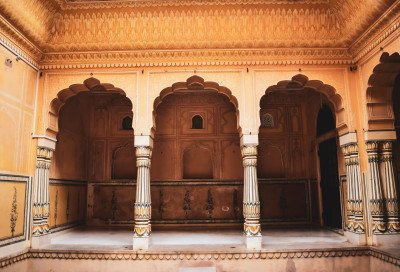
@@The Spiritual Essence: The Brahmeshwar Nath Temple is a cornerstone of Hindu faith located in the Brahmapur block of Buxar district. This temple is dedicated to Lord Shiva and is considered one of the oldest and most sacred shrines in Bihar. Legend suggests the temple dates back to the 10th century and has survived numerous historical upheavals. It is uniquely known for its west-facing entrance, which is rare for Shiva temples. Devotees flock here throughout the year, especially during the holy month of Shravan and on Maha Shivaratri, to offer prayers and holy water to the Shiva Lingam. The temple complex is not just a place of worship but a cultural hub where ancient traditions are kept alive. It is believed that visiting this temple and participating in the rituals can fulfill one's deepest wishes. The surrounding Brahmapur Ghat adds to the serenity, providing a peaceful environment for meditation and spiritual reflection. The local community is deeply involved in the temple's upkeep, ensuring that the legacy of Lord Shiva remains vibrant. Historically, the temple has been mentioned in various religious texts, underscoring its long-standing importance. Visitors often describe a sense of profound peace upon entering the temple grounds. The site serves as a vital link between the past and present, embodying the spiritual heritage of Buxar. Many pilgrims also combine their visit with a dip in the holy Ganges at the nearby ghat, believed to purify the soul. The temple's significance is further highlighted by its association with legendary figures like Tulsidas, who is said to have worshipped here.
Card image cap
Buxar Fort

@@The Ancient Origins and Strategic Importance: The Buxar Fort, also historically known as Chausa Garh, is a site of immense historical and archaeolog...

@@The Ancient Origins and Strategic Importance: The Buxar Fort, also historically known as Chausa Garh, is a site of immense historical and archaeological significance. It is believed to have been established by King Rudra Deo of the Kashi Naresh dynasty as early as 1054 AD. Strategically located on the banks of the mighty Ganges River, the fort served as a crucial military and administrative outpost controlling the river trade routes between Eastern and Northern India for centuries. Its history is closely intertwined with some of the most pivotal battles in Indian history, making it a critical landmark. Though much of the original structure is now in ruins, its remnants still speak volumes of the past. @@The Battle of Buxar Connection: The fort is most famously associated with the Battle of Buxar in 1764, which was fought on the nearby Katkauli ka Maidan. Although the battle itself took place outside the fort walls, the fort served as a key strategic point and likely a command post. This battle, where the British East India Company decisively defeated the combined forces of the Nawabs of Bengal and Awadh and the Mughal Emperor Shah Alam II, was a major turning point, effectively establishing British supremacy over North India. The fort's historical identity is inseparable from this event. @@Later Excavations and Finds: Archaeological excavations conducted in the vicinity of the fort have unearthed two seals with inscriptions in the early Brahmi script, dating back to the 3rd and 4th centuries, indicating that the mound is ancient, far predating the 11th-century construction. These finds highlight the region's deep civilizational roots. Inside the fort complex today, visitors can find structures like the Kameshwar Nath Temple and the famed subterranean passage known as Patalganga (though often inaccessible), adding layers to its rich narrative.:
Card image cap
Chausa Battle Field

@@The Battlefield of History: The Chausa Battle Field is a site of immense historical significance, marking the spot where the famous Battle of Chausa...

@@The Battlefield of History: The Chausa Battle Field is a site of immense historical significance, marking the spot where the famous Battle of Chausa was fought on June 26, 1539. This pivotal conflict took place between the Mughal Emperor Humayun and the Afghan ruler Sher Shah Suri. The victory of Sher Shah Suri at this location fundamentally changed the course of Indian history, leading to the establishment of the Suri Empire and the temporary exile of the Mughals. The battlefield is located near the banks of the Ganges, where the strategic maneuvers of both armies unfolded centuries ago. Today, the site stands as a quiet reminder of the power struggles that shaped medieval India. History enthusiasts visit Chausa to stand on the ground where empires were won and lost. The area is also famous for its Chausa Mangoes, which are celebrated for their exceptional sweetness and unique flavor. The transition of the battlefield from a zone of conflict to a peaceful agricultural and tourist site is remarkable. Local guides often share stories of the bravery and tactics used by the soldiers during the battle. The site is a must-visit for anyone interested in the military history of the subcontinent. Standing at the battlefield, one can almost hear the echoes of the past. The preservation of this site allows future generations to connect with the turning points of the 16th century. The surrounding rural landscape offers a glimpse into the traditional life of Bihar, making the visit both educational and culturally enriching. Chausa remains a symbol of Afghan resurgence and Mughal vulnerability, a narrative etched into the very soil of the region.
Card image cap
Kameshwar Nath Temple and Ghat

@@Historical Legend and Significance: The Kameshwar Nath Temple (also widely known as Brahmeshwar Nath Mandir or Baba Brahmeshwar Nath) is an ancient ...

@@Historical Legend and Significance: The Kameshwar Nath Temple (also widely known as Brahmeshwar Nath Mandir or Baba Brahmeshwar Nath) is an ancient and extremely significant Lord Shiva temple in the Buxar region, specifically in the town of Brahmapur. The temple is believed to be pre-historic, though its exact origins are unknown, with some local lore dating it back to the 10th Century or earlier. The central deity is a self-manifested (Swayambhu) Shiva Lingam. A famous legend states that the temple's entrance was miraculously shifted from East to West overnight by Lord Shiva himself in response to a challenge from the Muslim Emperor Ghaznavi, who intended to plunder the temple's wealth. This west-facing entrance makes it unique among Shaivite temples, which typically face East. The temple is a major pilgrimage center, attracting devotees, known as Shaivaites, from across the country, especially during the holy month of Shravan and Maha Shivaratri.
Card image cap
Katkauli ka Maidan

@@The Turning Point of Indian History:@@ Katkauli ka Maidan is the historically crucial field where the decisive Battle of Buxar took place on October...

@@The Turning Point of Indian History:@@ Katkauli ka Maidan is the historically crucial field where the decisive Battle of Buxar took place on October 22, 1764. This battle was fought between the forces of the British East India Company, led by Major Hector Munro, and the combined army of the three major Indian powers: Mir Qasim (Nawab of Bengal), Shuja-ud-Daula (Nawab of Awadh), and the Mughal Emperor Shah Alam II. The comprehensive victory of the relatively small British force here cemented the East India Company's political and military supremacy in Bengal, Bihar, and Orissa, effectively laying the foundation for nearly two centuries of British colonial rule in India. The site today is a vast field, now mostly agricultural land, with a stone memorial erected by the British to commemorate their victory. It is a sombre reminder of the political and military weakness of the Indian powers at the time and the turning point that reshaped the subcontinent's destiny:
Card image cap
Nath Baba Temple

@@A Devotional Center on the Ganga Bank:@@ The Sri Nath Baba Mandir, also known as Shri Adinath Akhara or Shri Nath Ashram, is a prominent and highly ...

@@A Devotional Center on the Ganga Bank:@@ The Sri Nath Baba Mandir, also known as Shri Adinath Akhara or Shri Nath Ashram, is a prominent and highly revered Shiva temple situated in the locality of Charitravan in Buxar. It is dedicated to Lord Shiva and is known for attracting a large number of devotees, particularly from the Nath tradition. The temple's atmosphere is one of deep spiritual devotion, making it a bustling center for prayers and religious discourses. A unique aspect of the temple is its collection of multiple Shivalingams—some accounts suggest it houses 22 Shivalingams collected from various parts of India, signifying a major Akhara (monastic order) and a center for Shaivite spiritual practice. Its location on the banks of the holy Ganga River, close to the ancient Buxar Fort, adds to its spiritual and historical importance, offering a serene backdrop for prayers:
Card image cap
Naulakha Mandir

@@The Architectural Marvel of Charitravan:@@ The Naulakha Mandir, also known as Charitravan Baikunth, is a highly renowned temple in Buxar dedicated t...

@@The Architectural Marvel of Charitravan:@@ The Naulakha Mandir, also known as Charitravan Baikunth, is a highly renowned temple in Buxar dedicated to Lord Vishnu (Charitravan Baikunth). Its name, Naulakha, literally translates to "nine lakhs," referring to the massive sum of 900,000 rupees (a staggering amount in the 19th century) that was spent on its construction, showcasing the extraordinary devotion and opulence of its benefactors. The temple is celebrated for its distinctive architectural style, which is often noted to be influenced by the grand temple architecture of South India, a rare sight in this region of Bihar. The temple's structure, intricate carvings, and vibrant color palette set it apart from other local shrines, making it a major attraction for architecture enthusiasts and devotees alike. Legend holds that Lord Rama completed his studies under Sage Vishwamitra in Charitravan, making this area spiritually significant:
Card image cap
Old Kali Mandir

@@The Divine Mother's Abode: The Old Kali Mandir in Buxar, also known for the nearby Sri Raj Rajeswari Temple, is a site of deep mystical and spiritua...

@@The Divine Mother's Abode: The Old Kali Mandir in Buxar, also known for the nearby Sri Raj Rajeswari Temple, is a site of deep mystical and spiritual power. This temple is dedicated to Goddess Kali, the fierce protector and embodiment of Shakti. It is one of the oldest temples in the city, drawing thousands of devotees who seek the Mother's blessings for protection and prosperity. The temple is shrouded in local legends, including the mysterious claim that the idols can be heard "conversing" at night, a phenomenon that has intrigued both believers and researchers. The atmosphere inside the temple is heavy with the scent of incense and the sound of bells, creating an aura of intense devotion. The temple has been a center for Tantric and Vedic practices for over 400 years, established by a tantric named Bhawani Mishra. It stands as a symbol of the spiritual depth of Buxar, a city already rich with associations from the Ramayana. Devotees believe that the Goddess here is exceptionally responsive to the prayers of the faithful. The architectural simplicity of the temple belies its spiritual importance, focusing more on the divine presence than on ornate decorations. During festivals like Navratri and Diwali, the temple is transformed into a vibrant hub of activity, with special rituals and offerings. The location near the Ganges adds a sacred natural element to the temple visit. It is a place where one can experience the raw energy of faith. The Old Kali Mandir remains a cornerstone of local identity, representing the enduring legacy of Goddess worship in the region. Visitors often leave with a sense of awe and a renewed spirit, touched by the ancient traditions and the palpable power of the deity.
Card image cap
Ram Janaki Temple

@@A Center for Rama and Sita Worship:@@ The Ram Janaki Temple is a place of deep reverence for the divine couple, Lord Rama and Goddess Sita, along wi...

@@A Center for Rama and Sita Worship:@@ The Ram Janaki Temple is a place of deep reverence for the divine couple, Lord Rama and Goddess Sita, along with Lakshman and Hanuman. Given Buxar's profound connection to the Ramayana—it is believed to be the site of Sage Vishwamitra's Siddhashram where Rama and Lakshman received their initial education and training—this temple holds immense spiritual significance. The temple serves as a peaceful hub for Vaishnavite devotion, where devotees come to chant the names of Rama and Sita and participate in community religious events. Its location in the Charitravan area reinforces its mythological link to the great epic. While numerous temples are dedicated to Rama and Sita in the region, the prominent ones offer a tranquil environment for spiritual contemplation and are often central to local festival celebrations:
Card image cap
Ramrekha Ganga Ghat

@@Mythological Significance in the Ramayana: The Ramrekha Ganga Ghat is one of the most sacred spots in Buxar, deeply embedded in the local version of...

@@Mythological Significance in the Ramayana: The Ramrekha Ganga Ghat is one of the most sacred spots in Buxar, deeply embedded in the local version of the Ramayana. Its name literally translates to 'Rama's Line' or 'Rama's Mark.' According to folklore, this is the very spot where Lord Rama, along with his brother Lakshmana and Sage Vishwamitra, crossed the holy Ganga River on their journey to Janakpur for Sita's Swayamvara (self-choice ceremony). The legend further states that Lord Rama drew a line (rekha) on the riverbank with the tip of his arrow to mark the auspicious spot or, in another version, as a boundary line to prevent demons from crossing. A small mark, believed to be the impression of Rama's feet, is sometimes pointed out on the riverbank, reinforcing the mythological link. @@A Site of Later Rituals: The ghat is also believed to be the spot where Lord Rama took a bath after slaying the demoness Tataka in the nearby Tataka Van and where he later returned after his coronation to perform a yagna (sacrifice). This multiple mythological association makes it a central pillar of Buxar's spiritual identity. Today, it is the main hub of religious activity in the city, where locals perform daily rituals, prayers, and offer their respect to the sacred river. @@The Spiritual Heart of Buxar: The ghat is a vibrant, living monument to faith. It is lined with small temples, shrines, and steps that lead down to the river. The atmosphere is an authentic blend of spiritual fervor and daily life, attracting pilgrims for Ganga Snan (holy bath) on auspicious days. :
Card image cap
Rishi Vishwamitra Ashram / Siddhashram

@@The Mythological Abode of Sage Vishwamitra: The Rishi Vishwamitra Ashram, also known as Siddhashram, holds a profound place in Hindu mythology, part...
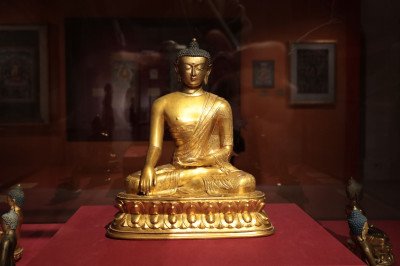
@@The Mythological Abode of Sage Vishwamitra: The Rishi Vishwamitra Ashram, also known as Siddhashram, holds a profound place in Hindu mythology, particularly in the epic Ramayana. It is here that Lord Rama and his brother Lakshmana were brought as young princes by Sage Vishwamitra from Ayodhya to protect his sacred yagna (fire sacrifice) from the demons Maricha and Subahu. The very name Siddhashram signifies the 'Abode of Perfection' or 'Place of Accomplishment,' as it was here that the sage could finally complete his penance, which the demons had constantly disrupted. The association with Lord Rama's first major military action and the beginning of his warrior persona is what makes this location exceptionally significant. It is believed that Vishwamitra imparted the powerful secret knowledge of the celestial weapons (divyastras) and the special mantras, 'Balaa' and 'Atibalaa,' to the young princes at this ashram, making them invincible. While a physical, standing ashram structure from the ancient Treta Yuga does not exist today, the entire area around Buxar is revered as the ancient site. The continuous religious observance and the presence of numerous small temples in the vicinity serve as a living testament to the epic events that unfolded here. The spiritual energy of the place attracts pilgrims who wish to connect with the roots of the Ramayana and seek blessings for knowledge and protection. The site is a reminder of the timeless teacher-student tradition and the triumph of good over evil that the Ramayana embodies.:
Card image cap
Sita Ram Upadhyaya Museum

@@Preserving the Past of Buxar:@@ The Sita Ram Upadhyaya Museum was established in 1979 and later renamed in 1993 in honor of the local resident, Late...

@@Preserving the Past of Buxar:@@ The Sita Ram Upadhyaya Museum was established in 1979 and later renamed in 1993 in honor of the local resident, Late Sita Ram Upadhyaya, who generously donated his extensive personal collection of artifacts to the institution. The museum serves as the primary repository for the archaeological and historical treasures of the Buxar region, which has a history tracing back to the ancient civilizations of Mohenjo-Daro and Harappa. The collection is rich and varied, with special emphasis on its extensive terracotta figures and sculptures, coins, and manuscripts, particularly those dating back to the Mauryan and Shunga periods. It is an essential stop for anyone wishing to understand the deep chronological layers of Buxar, from its mythological significance in the Ramayana to its role as a key trade and political center in ancient and medieval India:
Show All

Note:-

Information provided here in good Faith and for reference only.

All information and pictures will be updated soon, please keep visiting.

Near Places

...
Araria

Some quick example text to build on the card title and make up the bulk of the card's content.

Go somewhere
...
Arwal

Some quick example text to build on the card title and make up the bulk of the card's content.

Go somewhere
...
Banka

Some quick example text to build on the card title and make up the bulk of the card's content.

Go somewhere
...
Begusarai

Some quick example text to build on the card title and make up the bulk of the card's content.

Go somewhere
...
Bhagalpur

Some quick example text to build on the card title and make up the bulk of the card's content.

Go somewhere
...
Bhojpur

Some quick example text to build on the card title and make up the bulk of the card's content.

Go somewhere
...
Bihar Sharif

Some quick example text to build on the card title and make up the bulk of the card's content.

Go somewhere
...
Bodh Gaya

Some quick example text to build on the card title and make up the bulk of the card's content.

Go somewhere
...
Buxar

Some quick example text to build on the card title and make up the bulk of the card's content.

Go somewhere
...
Champaran

Some quick example text to build on the card title and make up the bulk of the card's content.

Go somewhere
in Other Cities