
...

Place To Visit And Things To Do In Gaya

Bihar, India
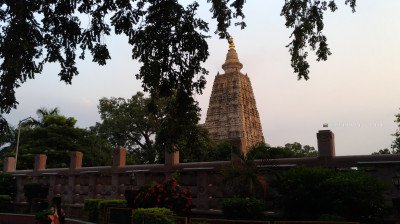
Historical and Spiritual Essence: Gaya is a world-renowned city of immense religious significance, primarily known for the Vishnupad Temple and its proximity to Bodh Gaya. According to Hindu mythology, the city is named after the demon Gayasura, who was pushed into the earth by Lord Vishnu. The city serves as a vital center for Pind Daan, a ritual performed by Hindus to ensure the salvation of their ancestors. Every year, millions of pilgrims visit the banks of the Phalgu River to offer prayers and perform last rites. The city is surrounded by small rocky hills on three sides, providing a serene and ancient atmosphere. It is mentioned in the epics Ramayana and Mahabharata, highlighting its antiquity. The area is also pivotal in Buddhist history, as Lord Buddha attained enlightenment just 12 KMS away. The narrow lanes, bustling markets, and ancient stone structures reflect the deep-rooted cultural heritage of India. Visitors often feel a profound sense of peace while walking through the temple corridors. The city continues to be a bridge between the physical and spiritual worlds for many believers.

Things To Do

Card image cap
Akshya Vat

@@Historical Significance of Akshya Vat (400 words): The Akshya Vat is a venerable banyan tree believed to be immortal, never shedding its leaves. Its...
@@Historical Significance of Akshya Vat (400 words): The Akshya Vat is a venerable banyan tree believed to be immortal, never shedding its leaves. Its name translates to "imperishable banyan." The primary legend links it to Goddess Sita, who is said to have blessed the tree to remain eternal after witnessing her performance of Pind Daan for King Dasharatha in the absence of Lord Rama and Lakshmana. She used the tree as a witness when the Phalgu River, a Brahmin, and a cow refused to testify for her, fearing the curse of the river. This sacred banyan is a crucial point in the Pind Daan pilgrimage circuit in Gaya. Devotees conclude their ancestral rites here by offering prayers and performing the final rituals to ensure the salvation (Moksha) of their forefathers. It is also mentioned in the Padma Purana and the epic Mahabharata. Emperor Jahangir is fabled to have attempted to destroy it but failed, reinforcing its legendary immortality. The atmosphere here is deeply spiritual and peaceful, representing the culmination of the pilgrimage. This tree is not just a botanical wonder but a living, breathing symbol of ancestral obligation and the enduring power of a wife’s devotion. It stands as a silent testimony to ancient traditions.
Card image cap
Barabar Caves

@@Ancient Mauryan Heritage: These caves represent the pinnacle of Mauryan engineering and spiritual pursuit. Built during the reign of Emperor Ashoka ...
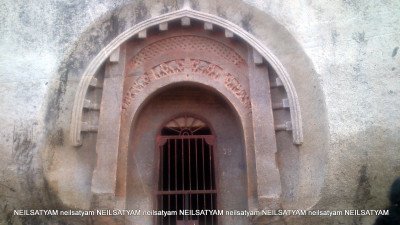
@@Ancient Mauryan Heritage: These caves represent the pinnacle of Mauryan engineering and spiritual pursuit. Built during the reign of Emperor Ashoka in the 3rd century BCE, they served as retreats for the Ajivika sect. The complex consists of four main caves on Barabar Hill: Sudama, Lomas Rishi, Karan Chaupar, and Visvakarma. Each cave is a testament to the precision of ancient Indian craftsmanship, featuring the famous "Mauryan polish" which makes the granite walls shine like glass even after 2,300 years. The internal acoustics are legendary, designed to amplify meditative chants for several seconds. These caves are the prototypes for the later, more famous caves of Ajanta and Ellora, marking the birth of rock-cut architecture in South Asia. Visitors can feel the deep silence and the weight of history as they step into the hollowed-out granite monoliths. The site is surrounded by rugged hills and dry deciduous forests, offering a serene escape from the urban hustle of Bihar. It is not just a tourist spot but a pilgrimage for historians and spiritual seekers.
Card image cap
Brahmayoni Hill Temple

@@Mythological and Historical Essence (400 words): Brahmayoni Hill is named after Lord Brahma, believed to be the source of creation and the hill's pr...
@@Mythological and Historical Essence (400 words): Brahmayoni Hill is named after Lord Brahma, believed to be the source of creation and the hill's presiding deity. The temple, reached by climbing 424 (or a thousand, as some claim) stone steps, is an ancient shrine dedicated to Astabhujadevi (Goddess with eight arms) and houses a five-headed idol of Brahma. Mythologically, the hill represents the Yoni (female energy) of Brahma, making it a powerful sacred site. Historically, the hill is famous in Buddhism as the spot where Gautama Buddha delivered the Fire Sermon (Adittapariyaya Sutta) to a thousand former fire-worshipping ascetics, leading to their enlightenment. This confluence of Hindu and Buddhist significance makes the hill uniquely important. The summit offers a spectacular panoramic view of the entire Gaya city and the surrounding landscapes, including the Vishnupad Temple. The two caves, Brahmayoni Gufa and Maitreyiyoni Gufa, add to the mystical aura of the place.
Card image cap
Dashrath Manjhi Memorial

@@The Legacy of Grit: This memorial is dedicated to Dashrath Manjhi, an ordinary laborer who performed an extraordinary feat of human endurance. After...
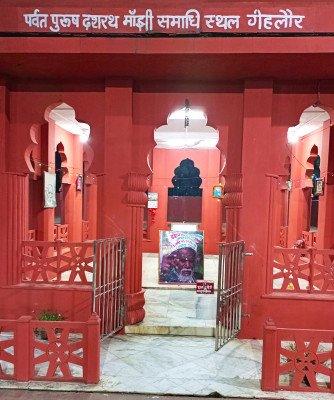
@@The Legacy of Grit: This memorial is dedicated to Dashrath Manjhi, an ordinary laborer who performed an extraordinary feat of human endurance. After his wife died because they couldn't reach a doctor in time due to a massive mountain block, Manjhi spent 22 years (1960–1982) carving a path through the Gehlaur hills using only a hammer and chisel. He reduced the distance between Atri and Wazirganj from 55 KMS to just 15 KMS. The memorial site includes the actual path he cut through the solid rock, a statue of Manjhi, and a small gallery depicting his life story. It is a place that inspires millions, proving that one man with a mission can literally move mountains. Visitors often come here to pay their respects to his indomitable spirit. The surrounding landscape is rugged and stark, mirroring the toughness of the man it commemorates. It is a powerful symbol of love and perseverance that has gained international fame, even inspiring Bollywood films. The site is now a major landmark in Bihar, reminding everyone of the power of individual will.
Card image cap
Gaya Viewpoint

@@Defining the Viewpoint (400 words): The Gaya Viewpoint is not a standalone attraction but is located at the top of the prominent Brahmayoni Hill, wh...
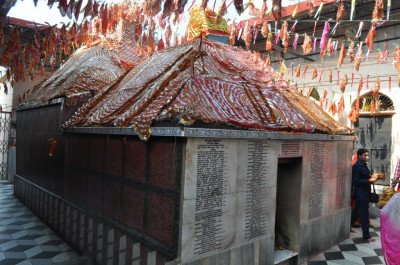
@@Defining the Viewpoint (400 words): The Gaya Viewpoint is not a standalone attraction but is located at the top of the prominent Brahmayoni Hill, which is the highest hill in the immediate vicinity of Gaya town. The vantage point is accessed by a long flight of about 424 steps, a climb that is considered part of the pilgrimage. From this elevated platform, visitors are treated to an unparalleled, breathtaking panoramic view of the entire cityscape. The view encompasses the winding, sandy bed of the Phalgu River, the majestic Shikhara of the Vishnupad Temple, the dense cluster of houses and temples that make up old Gaya, and the surrounding chain of smaller hills. This spot is vital for orienting oneself to the city's geography and appreciating its natural setting, surrounded on three sides by rocky hills. It offers a moment of secular appreciation within a deeply spiritual pilgrimage circuit. The tranquil environment, far removed from the city's noise, makes it a favored spot for reflection and photography, especially during sunrise and sunset. It visually connects the scattered sacred spots of Gaya into one cohesive spiritual landscape, allowing pilgrims to see the entire Pind Daan area.
Card image cap
Mangla Gauri Temple

@@Spiritual and Puranic Narrative (400 words): The Mangla Gauri Temple is one of the eighteen Maha Shakti Peethas mentioned in the Padma Purana and Va...
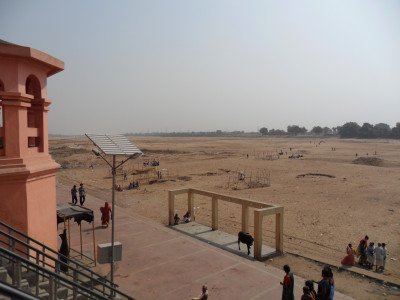
@@Spiritual and Puranic Narrative (400 words): The Mangla Gauri Temple is one of the eighteen Maha Shakti Peethas mentioned in the Padma Purana and Vayu Purana. It is believed to be the sacred spot where a part of the body of Sati (Goddess Shakti) fell when Lord Shiva carried her body in cosmic grief. Specifically, the temple is believed to be where the breast of Sati fell. The main deity, Mangalagauri (Goddess of Benevolence), is not represented by a typical idol but by a rock carving symbolizing the body part. The temple faces east and is situated on a small hillock, which pilgrims climb via a flight of approximately 200 steps or a motorable road. It is a vital spot for Shakti worship in the predominantly Vaishnavite pilgrimage area of Gaya. The temple structure is modest and ancient, dating back to the 15th century, and includes a Mandap (hall), a Homa pit (fire pit), and subsidiary shrines dedicated to Lord Shiva, Ganesha, and Hanuman. Devotees visit for blessings, especially for marital happiness and protection from evil forces. Its location also features the Bhimvedi Gaya, where Bhima of the Pandavas performed Shraddha rites, further linking it to the Mahabharata.
Card image cap
Phalgu River

@@The Legendary Water Source (400 words): The Phalgu River is one of the most sacred rivers in Hinduism, specifically revered for the ritual of Pind D...
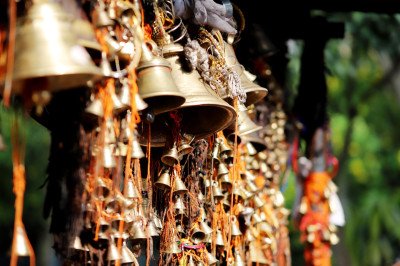
@@The Legendary Water Source (400 words): The Phalgu River is one of the most sacred rivers in Hinduism, specifically revered for the ritual of Pind Daan (ancestral offerings). It is a major tributary of the Ganga. The river is highly unique because it is primarily an underground river that appears as a vast, sandy riverbed for most of the year, with water flowing beneath the surface. This phenomenon is mythologically attributed to a curse laid upon it by Goddess Sita. According to the Ramayana, the river lied about Sita performing Pind Daan for King Dasharatha in Lord Rama's absence, and in her anger, she cursed it to lose its visible water flow. Despite this, the banks of the Phalgu are considered the most sacred spot in Gaya for performing the Shraddha and Pind Daan ceremonies to ensure the Moksha (salvation) of the ancestors. The riverfront is a wide, open space lined with simple mandaps where priests assist pilgrims, creating a deeply solemn and bustling spiritual environment. The river symbolizes the spiritual link between the living and the departed.
Card image cap
Pretshila Hill Temple

@@The Hill of Ancestral Liberation (400 words): Pretshila Hill, meaning 'Hill of Spirits,' is one of the most vital sites in the Gaya pilgrimage circu...

@@The Hill of Ancestral Liberation (400 words): Pretshila Hill, meaning 'Hill of Spirits,' is one of the most vital sites in the Gaya pilgrimage circuit for Pind Daan. It is located about 8 KMS northwest of the city center. The temple at the summit is dedicated to Lord Yama (the God of Death and Justice) and is believed to have been built by the renowned Maratha Queen Ahilya Bai Holkar in the 18th century. According to the Garuda Purana, performing Pind Daan at Pretshila is especially potent, granting liberation (Moksha) to the souls of ancestors who may have become 'preta' (spirits/ghosts). The ritual is performed after a dip in the nearby Brahma Kund. Legend states that Lord Rama and Sita also performed Shraddha for King Dasharatha here. The climb is accessed by a flight of stone steps. The summit offers a commanding and beautiful view of the surrounding landscape. The atmosphere is solemn and spiritual, dedicated entirely to the memory and peace of the departed. The site features the sacred Ramkund Tank and the Brahma Kund at its base.
Card image cap
Ramshila Hill Temple

@@The Rock of Lord Rama's Ritual (400 words): Ramshila Hill, meaning 'Rama's Rock,' is another one of the sacred hills in the Gaya pilgrimage circuit ...

@@The Rock of Lord Rama's Ritual (400 words): Ramshila Hill, meaning 'Rama's Rock,' is another one of the sacred hills in the Gaya pilgrimage circuit and is situated about 5 KMS southeast of the city center. It is believed to be the first place where Lord Rama performed Pind Daan for his father, King Dasharatha, using the sand of the Phalgu River in the absence of Sita. The temple at the summit is dedicated to Lord Rama and is a significant stop for pilgrims. To reach the top, one must climb a flight of approximately 376 stone steps. The hill contains a small temple constructed by Queen Ahilya Bai Holkar in the 18th century, and it houses the Rampad (footprint of Lord Rama), although this is a point of debate among scholars. The summit offers a commanding view of the city and the surrounding area. An ancient tank called Ramkund (different from the one at Pretshila) is located at the top, and a small Shiv Mandir is also present on the premises. This site is particularly important as the first ritual site in the three-hill pilgrimage sequence, symbolizing the beginning of the ancestral rites. The ancient stone carvings found on and around the hill attest to the presence of earlier structures.
Card image cap
Sita Kund

@@The Pool of Purity and Legend (400 words): Sita Kund is a sacred stepped water tank (Kund) located near the banks of the Phalgu River and close to t...

@@The Pool of Purity and Legend (400 words): Sita Kund is a sacred stepped water tank (Kund) located near the banks of the Phalgu River and close to the Vishnupad Temple. Its name and sanctity come directly from the epic Ramayana. Local legend holds that Goddess Sita, the consort of Lord Rama, created this Kund by piercing the ground with an arrow or her finger to quench her thirst during her exile, or possibly while waiting for Rama and Lakshmana to return from gathering Puja materials for Pind Daan. The water in the tank is considered extremely holy. Devotees often take a holy dip or sprinkle the water before proceeding to the other main ritual sites in Gaya. The Kund is enclosed by a simple structure that adds to its spiritual focus. While not architecturally grand, the devotion of the pilgrims is palpable, with women offering prayers for marital harmony. The site is part of the essential Pind Daan circuit. The area also holds belief about the lotus feet of Sita Maiya being visible nearby and the place where Dasharatha's hands accepted Pinda from Sita. This simple pool is a powerful symbol of Sita's presence and her role in the Gaya ancestral rites.
Card image cap
Tapovan Hot Spring

@@The Healing Waters of Gaya: Tapovan is a unique natural site located on the outskirts of Gaya, famous for its geothermal hot springs. The name "Tapo...
@@The Healing Waters of Gaya: Tapovan is a unique natural site located on the outskirts of Gaya, famous for its geothermal hot springs. The name "Tapovan" translates to "forest of penance," reflecting its historical association with sages and hermits who meditated here. The water in these springs contains high levels of sulfur and other minerals, which are believed to have medicinal properties, particularly for skin ailments and joint pains. There are separate bathing areas for men and women, and the water temperature remains warm throughout the year. The site is also home to a series of small temples dedicated to Lord Shiva, adding a spiritual dimension to the natural wonder. According to local lore, these springs were created by various deities for the comfort of meditating rishis. Surrounded by rocky hills and sparse vegetation, it offers a rustic and tranquil environment. It is a popular spot for both local pilgrims and health-conscious tourists who seek a natural spa experience. The contrast of the hot water against the cool winter air makes it a particularly popular destination during the colder months of the year.
Card image cap
Vishnupad Temple

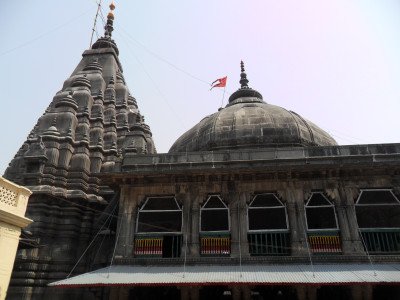
@@The Essence of Vishnu's Footprint (400 words): The Vishnupad Temple is the most revered and central temple in Gaya, dedicated to Lord Vishnu. It is ...

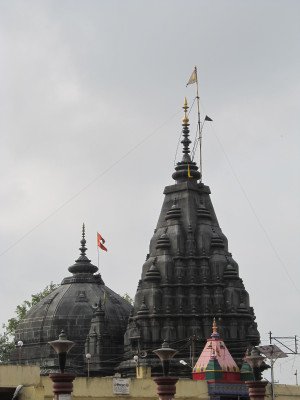
@@The Essence of Vishnu's Footprint (400 words): The Vishnupad Temple is the most revered and central temple in Gaya, dedicated to Lord Vishnu. It is built over a 40-cm long footprint (Vishnupad) of Lord Vishnu, which is imprinted in solid basalt rock (Dharmasila) and surrounded by a silver-plated basin. The legend is that Lord Vishnu placed his right foot on the chest of the demon Gayasura, pushing him beneath the earth to grant him Moksha (salvation), leaving his footprint on the surface. The present magnificent structure was rebuilt in 1787 by the devout Maratha Queen Ahilya Bai Holkar of Indore. The temple's Shikhara (pyramidal tower) rises about 100 feet (30 meters) high, dominating the Gaya skyline. This temple is the ultimate center for Shraddha and Pind Daan rituals, with the Gayawal Brahmins serving as the traditional priests. It is believed that performing ancestral rites here guarantees salvation. The temple is an Octagonal shrine and is a masterpiece of stone masonry, attracting not just pilgrims but also architectural enthusiasts. It is an essential stop on the pilgrimage, symbolizing the power of Vishnu to grant final liberation.
Show All

Note:-

Information provided here in good Faith and for reference only.

All information and pictures will be updated soon, please keep visiting.

Near Places

...
Araria

Some quick example text to build on the card title and make up the bulk of the card's content.

Go somewhere
...
Arwal

Some quick example text to build on the card title and make up the bulk of the card's content.

Go somewhere
...
Banka

Some quick example text to build on the card title and make up the bulk of the card's content.

Go somewhere
...
Begusarai

Some quick example text to build on the card title and make up the bulk of the card's content.

Go somewhere
...
Bhagalpur

Some quick example text to build on the card title and make up the bulk of the card's content.

Go somewhere
...
Bhojpur

Some quick example text to build on the card title and make up the bulk of the card's content.

Go somewhere
...
Bihar Sharif

Some quick example text to build on the card title and make up the bulk of the card's content.

Go somewhere
...
Bodh Gaya

Some quick example text to build on the card title and make up the bulk of the card's content.

Go somewhere
...
Buxar

Some quick example text to build on the card title and make up the bulk of the card's content.

Go somewhere
...
Champaran

Some quick example text to build on the card title and make up the bulk of the card's content.

Go somewhere
in Other Cities