...

Place To Visit And Things To Do In Guwahati

Assam, India
Guwahati, formerly known as Pragjyotishpura, is the largest metropolis in northeastern India and serves as the primary gateway to the "Seven Sister States". Nestled between the southern bank of the Brahmaputra River and the foothills of the Shillong Plateau, the city is a vibrant mix of ancient his tory and modern urban development. It is most famous for the Kamakhya Temple, a premier seat of Tantric Buddhism and Hinduism, perched atop the Nilachal Hill. The city's geography is defined by small hills and the massive expanse of the Brahmaputra, which provides a scenic backdrop for river cruises and sunsets. Guwahati is also a major educational and commercial hub, hosting prestigious institutions and bustling markets like Fancy Bazaar. The city offers a unique blend of experiences, from the spiritual aura of its numerous temples to the biodiversity found at the Assam State Zoo and Pobitora Wildlife Sanctuary. Its history spans millennia, mentioned in ancient epics like the Mahabharata, making it a treasure trove for history enthusiasts. Today, it stands as a fast-growing city that retains its cultural soul through its festivals, traditional Assamese cuisine, and warm hospitality. Whether you are looking for a spiritual retreat, a cultural immersion, or a starting point for exploring the rest of the Northeast, Guwahati offers something for every traveler.

Things To Do

Card image cap
Accoland

Accoland is recognized as the first and largest water cum amusement park in the entire Northeast India, earning it the popular nickname, the "Disneyla...

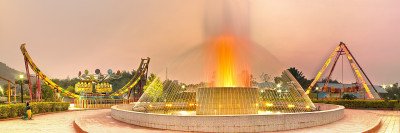
Accoland is recognized as the first and largest water cum amusement park in the entire Northeast India, earning it the popular nickname, the "Disneyland of Assam." Established in 2005, the park spans a substantial area and is cleverly designed to resemble a magnificent, brightly colored fairy-tale castle, immediately setting a mood of fantasy and fun for all visitors. It serves as an ideal retreat from the bustling city life of Guwahati, offering a perfect blend of high-energy land rides and refreshing water slides suitable for all age groups, from toddlers to adults. The park is strategically divided into two main zones: the Water Park and the Amusement Park (or Dry Park), ensuring a diverse range of entertainment options. The core philosophy of Accoland is to provide a comprehensive family entertainment package, ensuring every member finds an activity they can enjoy. The architecture and landscape are maintained to a high standard, with lush green areas providing pleasant rest spots between the exhilarating rides. Beyond the thrilling mechanical attractions and splashy water zones, the park also houses specialized entertainment options like the Cine Magix, a simulated fantasy theatre offering a 3D/4D movie experience, and the Vortex Maze, a challenging mirror maze. This variety makes Accoland not just a destination for adrenaline junkies, but also a place for casual family picnics, school trips, and large group outings. It has consistently been a top recreational spot in Guwahati, particularly during the hot summer months when its water rides provide a much-needed cooling escape. The park's management places a strong emphasis on safety, with trained lifeguards and ride operators ensuring adherence to safety protocols, making it a worry-free environment for parents. The atmosphere is consistently lively, filled with music, laughter, and the sounds of splashing water and excited screams, cementing its status as a vibrant hub of fun in the region.
Card image cap
Assam State Museum

The Assam State Museum, formerly the Assam Provincial Museum, is a premier institution established by the Kamarupa Anusandhan Samiti (Assam Research S...
The Assam State Museum, formerly the Assam Provincial Museum, is a premier institution established by the Kamarupa Anusandhan Samiti (Assam Research Society) in 1940. It was later taken over by the State Government of Assam in 1953. Located centrally near the Dighalipukhuri tank, it serves as the largest repository of the rich history, culture, and art of Assam and the entire North-East India region. The museum's vast collection is systematically displayed across various sections, including Epigraphy, Sculptures, Miscellaneous, Natural History, Art & Crafts, Anthropology, and Folk Art & Arms. Highlights include stone and terracotta sculptures dating from the 5th to 12th century, ancient manuscripts written on the bark of Sanchi trees, and collections of weapons and armor from the Ahom dynasty and even relics from World War II. It is an invaluable resource for researchers, students, and anyone wishing to understand the historical evolution and diverse cultural fabric of the region. The museum also houses a well-stocked library, which is rich in rare periodicals, journals, and books focusing on the art, culture, and mythology of Assam.
Card image cap
Assam State Zoo cum Botanical Garden

The Assam State Zoo cum Botanical Garden, established in 1957 and opened to the public in 1958, is the largest institution of its kind in the entire N...
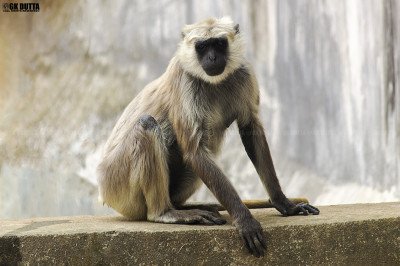
The Assam State Zoo cum Botanical Garden, established in 1957 and opened to the public in 1958, is the largest institution of its kind in the entire North Eastern region of India. Spanning a huge area of 175 hectares (432.435 acres) within the natural confines of the Hengrabari Reserved Forest, it serves as a critical center for conservation, particularly for the unique and endangered fauna of the region. The zoo is a biodiversity hotspot, home to over 115 species, with a total count of more than 1125 animals, birds, and reptiles from across the globe, though its primary focus is on Himalayan and local Assamese wildlife. It is proudly referred to as the "Green Lung" of the rapidly developing Guwahati City. Major attractions include the majestic One-horned Indian Rhinoceros, a flagship species of Assam, the playful Golden Langur, the rare Clouded Leopard, the endemic Hoolock Gibbon, and various species of deer, tigers, and exotic birds. The inclusion of the Botanical Garden in 1982 expanded its mission to include the preservation and display of indigenous and exotic plant species, providing a lush, green, and serene environment that offers a much-needed escape from urban life. It also actively participates in conservation breeding programs and educational activities to raise public awareness about wildlife protection and environmental stewardship. The Zoo Road area itself is a vibrant locality, making the park easily accessible and a highly popular spot for families, students, and tourists alike. This sprawling natural sanctuary plays a vital role in maintaining the ecological balance of the city. (Word count: ~400 words)
Card image cap
Basistha Temple & Ashram

The Basistha Temple and Ashram, located in the southeastern corner of Guwahati, is a sacred site believed to be the ancient hermitage (ashram) of the ...
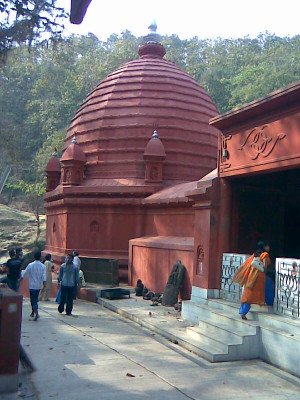
The Basistha Temple and Ashram, located in the southeastern corner of Guwahati, is a sacred site believed to be the ancient hermitage (ashram) of the great Vedic sage, Maharishi Vasistha. The present temple, dedicated to Lord Shiva, was constructed by the Ahom King Rajeswar Singha between 1751 and 1769 upon the remains of an earlier stone temple. The ashram's history, however, is deeply rooted in ancient Hindu mythology, dating back to the Vedic Age. The site is known for its serene and picturesque location, nestled amidst the foothills of the Meghalaya plateau and on the edge of the Garbhanga Reserve Forest. Three sparkling mountain streams—Sandhya, Lalita, and Kanta—originate from the hills and converge here to form the Basistha River, which later becomes the Bharalu River that flows through Guwahati. The confluence of these streams is considered extremely holy, and taking a dip is believed to bestow longevity and purify one's soul. Legends suggest that Maharishi Vasistha lived, meditated, and ultimately took his final rest here. A cave associated with the sage’s meditation is also located a few kilometers inside the forest area, adding to the spiritual and historical depth of the place. The temple complex includes not just the main Shiva temple but also smaller shrines dedicated to other deities, emphasizing its role as a complete spiritual center.
Card image cap
Basistha Temple

@@Historical Narrative: The Basistha Temple, also known as Basistha Ashram, is an ancient pilgrimage site situated on the south-eastern edge of Guwaha...
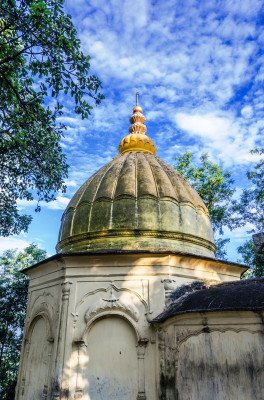
@@Historical Narrative: The Basistha Temple, also known as Basistha Ashram, is an ancient pilgrimage site situated on the south-eastern edge of Guwahati city. It was commissioned by the Ahom King Rajeswar Singha in 1751 and is dedicated to the legendary sage Vashistha, who is believed to have lived and meditated here. The ashram is uniquely located at the confluence of three mountain streams named Sandhya, Lalita, and Kanta, which originate from the hills of Meghalaya. This spiritual retreat offers a tranquil atmosphere where history and nature coexist beautifully. The temple complex is surrounded by lush green forests of the Garbhanga Reserve Forest, providing a serene backdrop for devotees and tourists. Legend has it that the sage performed severe penance at this spot to please Lord Shiva, who then blessed the land with these sacred streams. Today, it remains a vital center for Vedic culture and spiritual learning in the Northeast region of India. Visitors often feel a deep sense of peace while sitting by the gushing waters or exploring the ancient caves located within the ashram premises. The site represents the rich Ahom heritage of Assam and continues to attract thousands of pilgrims during major Hindu festivals. It is a perfect blend of a religious shrine and a nature park, making it one of the most visited landmarks in Guwahati.
Card image cap
Bhubaneswari Temple

The Bhubaneswari Temple is a serene and highly revered Hindu shrine located on the Nilachal Hill, but situated approximately 165 feet higher than the ...

The Bhubaneswari Temple is a serene and highly revered Hindu shrine located on the Nilachal Hill, but situated approximately 165 feet higher than the more famous Kamakhya Temple. Dedicated to Goddess Bhubaneswari, one of the ten Mahavidyas (great wisdom goddesses) in the Tantric tradition, the temple symbolizes the cosmic mother, the ruler of the entire universe. The temple offers a spiritual retreat from the busy pace of the city below. Many pilgrims consider their visit to the Kamakhya Temple incomplete without paying homage at this elevated shrine. The air is noticeably calmer and cooler, fostering a powerful sense of tranquility that complements the intense spiritual energy of the Nilachal Hills. While its exact date of origin is lost to history, the current architectural style suggests construction or reconstruction around the 17th-18th century, placing it firmly within the Ahom era's patronage of Shakti worship. The temple's primary draw, aside from its spiritual significance, is the absolutely breathtaking, unobstructed, bird's-eye view of the entire Guwahati city, the vast valley, and the majestic, sprawling Brahmaputra River. This fusion of divine tradition and stunning natural beauty makes it an essential stop. The peaceful, whitewashed structure contrasts beautifully with the green hills and the blue river in the distance, providing a perfect backdrop for contemplation and prayer. It is not just a place of worship but a historical and geographical landmark that offers a unique perspective on the region. The goddess is believed to manifest as the primordial power that creates, sustains, and destroys the cosmos, offering a profound spiritual connection to those who seek her blessings.
Card image cap
Brahmaputra River Cruise

The Brahmaputra River Cruise is an essential experience in Guwahati, offering a unique perspective of the city and the vast river, which is one of the...
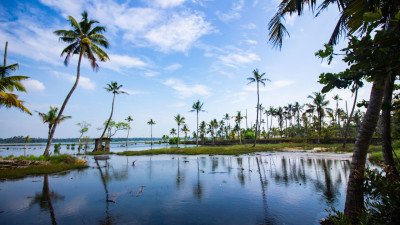
The Brahmaputra River Cruise is an essential experience in Guwahati, offering a unique perspective of the city and the vast river, which is one of the few male rivers in the world. The short cruises (typically 90 minutes to 2 hours) run primarily in the late afternoon and evening, focusing on a scenic sail past major landmarks. The highlight is the sunset cruise, where the sky transforms into a canvas of vibrant colors over the expansive river. The dinner cruises offer a delightful buffet meal with live cultural entertainment, often featuring traditional Assamese music and the energetic Bihu dance. As the ship glides along, you can witness the Umananda Temple (Peacock Island) from a distance and the glittering city skyline coming to life after dark. It's a blend of serenity, cultural immersion, and modern leisure. Longer, multi-day cruises (4 to 10 nights) are also available, departing from Guwahati and sailing upstream to places like Kaziranga National Park, Majuli River Island, and Sualkuchi (the silk village), providing an in-depth exploration of Assam’s wildlife and cultural heritage. The cruise vessels are typically well-equipped, offering both open upper decks for panoramic views and enclosed lower decks, often with air conditioning and dining facilities. This activity provides a tranquil escape from the bustling city, allowing travelers to appreciate the Brahmaputra's significance as the lifeline of Assam.
Card image cap
Chandubi Lake

@@Origin Story: Chandubi Lake is a mesmerizing natural lake located at the foot of the Garo Hills, bordering Assam and Meghalaya. The lake was formed ...
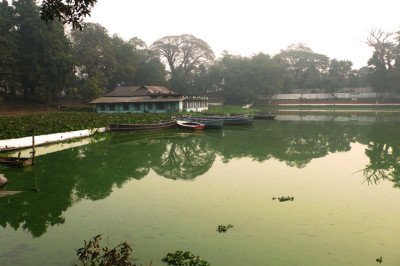
@@Origin Story: Chandubi Lake is a mesmerizing natural lake located at the foot of the Garo Hills, bordering Assam and Meghalaya. The lake was formed overnight during the massive earthquake of 1897, which caused several hills to sink and created a large natural depression that filled with water. This fresh-water lake serves as a major eco-tourism destination, known for its serene environment and crystal-clear waters. The name "Chandubi" is derived from two words—"Chan" meaning five and "Dubi" meaning sinking in the local Khasi language, referring to the five mountains that supposedly submerged. The lake is surrounded by deep tropical forests, tea gardens, and small ethnic villages inhabited by the Rabha and Garo communities. It is a haven for migratory birds during the winter months, making it a hotspot for birdwatchers and nature enthusiasts. The lake is unique because it lacks heavy pollution, maintaining a pristine ecosystem that supports various aquatic life forms. Visitors can enjoy the silence of the wilderness, far away from the chaotic urban life of Guwahati. The local community plays a vital role in preserving the lake's beauty and managing tourism through homestays and traditional boat services.
Card image cap
Dighali Pukhuri

Dighali Pukhuri is a large, man-made rectangular pond, or tank, located in the heart of Guwahati, near the Pan Bazaar area. The name itself is derived...
Dighali Pukhuri is a large, man-made rectangular pond, or tank, located in the heart of Guwahati, near the Pan Bazaar area. The name itself is derived from the Assamese words 'Dighol' (meaning long) and 'Pukhuri' (meaning pond/lake). This historic tank holds immense significance, with its origins tracing back to the ancient period. Legend suggests it was excavated by the powerful king Bhagadatta during the Mahabharata era for a military purpose, possibly to serve as a naval harbor connecting to the Brahmaputra River. Historical records confirm that the kings of the ancient Kamarupa kingdom utilized the pond for military exercises. Today, the pond and its surrounding area have been beautifully developed into the Dighali Pukhuri Park, transforming it into a popular recreational hub. It serves as a peaceful urban oasis for locals and tourists, offering boating facilities and a pleasant environment for leisurely strolls. The park, with its well-maintained pathways, lush greenery, and comfortable seating areas, provides a welcome respite from the city's commotion. It perfectly blends historical legacy with modern recreational utility, attracting families, couples, and nature lovers alike.
Card image cap
Dipor Bil

Dipor Bil, or Deepor Beel, which translates to 'wetland' or 'large aquatic body' in Assamese, is a permanent freshwater lake and one of the largest be...

Dipor Bil, or Deepor Beel, which translates to 'wetland' or 'large aquatic body' in Assamese, is a permanent freshwater lake and one of the largest beels (wetlands) in the Brahmaputra valley of Western Assam. It is a significant ecological and environmental zone, earning the distinction of being Assam's only Ramsar site, a wetland of international importance, designated in November 2002. Spanning a total area of about 40 square kilometres, a core area of 4.14 sq. km was declared a Wildlife Sanctuary by the Government of Assam in 1989. Historically, the beel is considered an abandoned channel of the Brahmaputra River. It is a critical stormwater reservoir for the city of Guwahati during the monsoon. The lake is fed mainly by the Basistha and Kalmini rivers and local monsoon runoff, eventually draining into the Brahmaputra River via the Khonajan channel. The area is a biodiversity hotspot, home to numerous species of flora and fauna, including endangered migratory birds and a large population of fish that supports the livelihood of over a thousand families in the surrounding fourteen villages. It is also recognised as an Important Bird Area (IBA) by BirdLife International. The lake's depth fluctuates dramatically from around 4 meters during the maximum flooding in the monsoon to about 1 meter during the dry winter season. The unique confluence of wetland and forest ecosystems, with the Rani and Garbhanga Reserve Forests nearby, makes it a truly fascinating natural retreat.
Card image cap
Fancy Bazaar

Fancy Bazaar is the undisputed commercial heart and oldest market of Guwahati, often called the "Chandni Chowk of the East" due to its bustling, crowd...
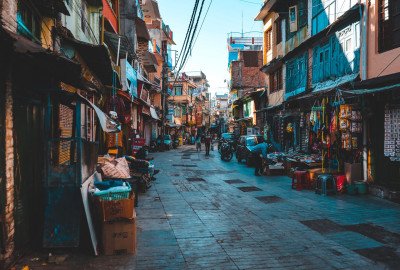
Fancy Bazaar is the undisputed commercial heart and oldest market of Guwahati, often called the "Chandni Chowk of the East" due to its bustling, crowded, and vibrant atmosphere. The market is an expansive network of narrow lanes and by-lanes, housing both organized storefronts and myriad street vendors. It serves as the primary wholesale and retail hub for the entire Northeast region of India, making it a key economic driver for Assam. The market's original name was "Phansi Bazaar," which, according to municipal records, derived from the historical presence of a jail and gallows ('Phansi' meaning 'hanging') in the area. Today, this rich history is overshadowed by its reputation as a shopper's paradise. It's a place where one can find almost everything: from cheap electronics and trendy clothes to traditional Assamese handicrafts and authentic silk sarees. The sheer variety, competitive pricing, and the lively culture of bargaining make the market a compelling experience for both locals and tourists seeking a glimpse into the everyday commerce of Guwahati. The Masjid Lane area within the bazaar is particularly famous for gadgets and wholesale electronics. Fancy Bazaar is a sensory delight, filled with the sounds of vendors, the aroma of street food, and the sight of countless products, reflecting a unique blend of old-world charm and modern commerce. The total area is approximately 2.53 sq km.
Card image cap
Gandhi Mandap

The Gandhi Mandap is a prominent memorial dedicated to the Father of the Nation, Mahatma Gandhi. It is majestically situated on the crest of Sarania H...
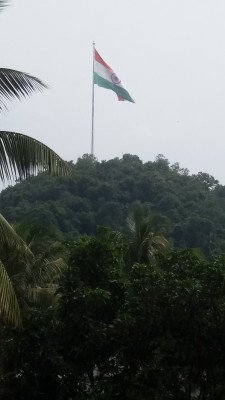
The Gandhi Mandap is a prominent memorial dedicated to the Father of the Nation, Mahatma Gandhi. It is majestically situated on the crest of Sarania Hill, offering one of the most magnificent vantage points in Guwahati. The memorial was inaugurated in 1970 by Indira Gandhi and the former Chief Minister of Assam, Bishnuram Medhi. The site is a tribute to Gandhi's life, philosophy, and his visits to Assam (including his first visit in 1921 and last in 1946). The complex features a museum, which houses a collection of photographs, letters, and artifacts related to Gandhi's life and the Indian independence movement. More recently, the site gained significant fame for hosting one of India's tallest national flags, which stands at a remarkable height. The primary purpose of the Mandap is to stand as a symbol of peace, non-violence, and the spirit of the nation. It serves not just as a historical monument but also as a beautiful, tranquil public park where citizens and tourists come to reflect, exercise, and enjoy nature away from the city's hustle. The lush, well-maintained gardens and the panoramic views of the entire city, especially the mighty Brahmaputra River, enhance the site's serene and contemplative atmosphere. The elevated position on the hill makes it a beacon of cultural and historical importance.
Card image cap
Guwahati Planetarium

The Guwahati Planetarium, established in 1994, is a leading center for astronomy education and research in Assam and the entire Northeast region of In...
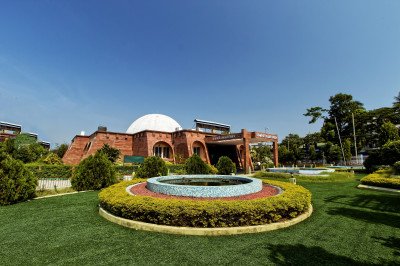
The Guwahati Planetarium, established in 1994, is a leading center for astronomy education and research in Assam and the entire Northeast region of India. It is managed by the Science and Technology Department of the Government of Assam. The planetarium’s main objective is to popularize science, especially astronomy and space technology, among the general public and students. It provides a unique and immersive experience of the universe through its daily sky shows projected onto a distinctive dome-shaped overhead screen. These captivating shows use state-of-the-art projection systems, including a high-quality star field projector and digital HD video projectors, to take visitors on a virtual journey through the stars, planets, galaxies, and celestial phenomena. The shows are offered in multiple languages, primarily Assamese, English, and Hindi, catering to a diverse audience. Beyond the shows, the planetarium actively promotes scientific temper by organizing regular seminars, workshops, and conferences for the scientific community, as well as educational programs, quizzes, and exhibitions for students and the local community. It often arranges special outdoor viewing facilities during significant astronomical events like solar and lunar eclipses, allowing safe and informed observation. The planetarium also houses an astronomical library, serving as a valuable resource for students and researchers. Its continuous efforts to integrate modern technology and engaging content make it an enriching destination that ignites curiosity about the universe, making a visit here a blend of education and entertainment for all ages. It is considered one of the finest planetariums in India and a must-visit landmark in Guwahati.
Card image cap
Guwahati Ropeway

The Guwahati Ropeway is a modern marvel of engineering and a major tourist attraction, providing a spectacular view of the mighty Brahmaputra River. I...
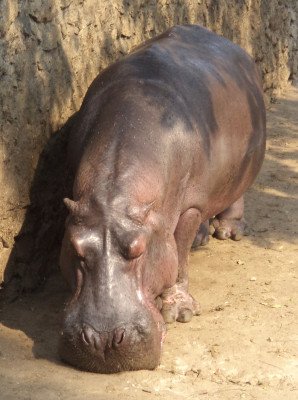
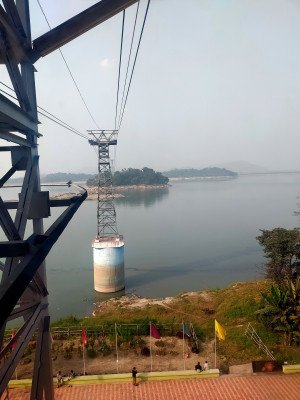
The Guwahati Ropeway is a modern marvel of engineering and a major tourist attraction, providing a spectacular view of the mighty Brahmaputra River. Inaugurated in August 2020, it holds the distinction of being India's longest river-crossing aerial tramway. The ropeway connects the southern bank (Kachari, Panbazar) with the northern bank (Rajadwar, North Guwahati), drastically cutting down the travel time between these two parts of the city. Previously, commuting involved a lengthy road journey via the Saraighat Bridge (often over an hour in traffic) or a ferry ride (around 30 minutes or more). The ropeway journey, in contrast, takes a mere 8 to 10 minutes one way, offering a scenic and efficient alternative. The total length of the ropeway is approximately 1.82 kilometers (1820 meters). As the cable car glides silently over the river, passengers are treated to breathtaking panoramic views. A key highlight of the ride is the bird's-eye view of the world's smallest inhabited river island, Umananda Island, which houses the ancient Umananda Temple. The ropeway system is built with advanced technology to ensure safety and a smooth, comfortable journey, using bi-cable jig-back technology. It has proven to be a significant boost to tourism and local commuting in the region, offering an unforgettable perspective of the city's landscape and the river that is the lifeblood of Assam. The project was executed by the Guwahati Metropolitan Development Authority (GMDA).
Card image cap
Guwahati Zoo

@@General Overview: The Assam State Zoo cum Botanical Garden, popularly known as Guwahati Zoo, is the largest zoo in the Northeast region of India. Es...

@@General Overview: The Assam State Zoo cum Botanical Garden, popularly known as Guwahati Zoo, is the largest zoo in the Northeast region of India. Established in 1957 and opened to the public in 1958, it is spread over an expansive area of 175 Hectares within the Hengrabari Reserved Forest. This unique facility combines a wildlife park with a lush botanical garden, offering a rich diversity of both flora and fauna. The zoo is home to over 800 animals representing about 113 different species from across the globe, with a special focus on indigenous wildlife. One of its primary attractions is the One-Horned Rhinoceros, which is the state animal of Assam. The hilly terrain of the zoo provides a naturalistic habitat for animals like the Clouded Leopard, Hoolock Gibbon, and Himalayan Black Bear. The botanical garden section features a vast collection of rare orchids, medicinal plants, and timber trees native to the region. It serves as an important center for ex-situ conservation and environmental education, attracting researchers and students alike. The zoo's layout includes winding paths through forested hills, making the visit feel like a trek through the wild. It is a favorite weekend destination for local families and a must-visit spot for tourists looking to see the biodiversity of Assam in the heart of its capital city.
Card image cap
Hajo

Hajo is a historic town and a unique pilgrimage center where Hinduism, Islam, and Buddhism converge. Located on the banks of the Brahmaputra, it is o...

Hajo is a historic town and a unique pilgrimage center where Hinduism, Islam, and Buddhism converge. Located on the banks of the Brahmaputra, it is one of the most significant spiritual destinations in Assam. The town is home to the famous Hayagriva Madhava Temple, which is revered by both Hindus and Buddhists. On another hill lies Poa Mecca, a holy site for Muslims, believed to contain soil from the holy city of Mecca. Hajo is also world-renowned for its traditional Bell Metal industry, where artisans have been crafting exquisite items for centuries. The town's landscape is a mix of small hills and water bodies, creating a serene environment. Its history dates back to ancient times, with mentions in various Puranas and historical texts. Visiting Hajo is not just a religious journey but a lesson in communal harmony and ancient craftsmanship. It remains a vibrant hub of Assamese culture and heritage.
Card image cap
ISKCON Guwahati

The ISKCON Guwahati Temple, officially known as Shri Shri Rukmini Krishna Temple, is a significant spiritual landmark in Guwahati, Assam. Established ...
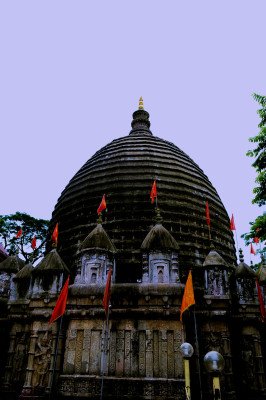
The ISKCON Guwahati Temple, officially known as Shri Shri Rukmini Krishna Temple, is a significant spiritual landmark in Guwahati, Assam. Established as part of the worldwide International Society for Krishna Consciousness (ISKCON) movement, founded by A.C. Bhaktivedanta Swami Prabhupada, this temple provides a serene and spiritually uplifting environment. The primary deities worshipped here are Lord Krishna and his consort Shri Rukmini, which is a unique feature as most other ISKCON temples outside of Vrindavan feature Radha and Krishna. This spiritual center is more than just a place of worship; it is a hub for cultural, educational, and social activities, promoting the teachings of the Bhagavad Gita and Srimad Bhagavatam. Visitors are instantly greeted by a tranquil atmosphere, characterized by the melodious chanting of the Hare Krishna Mahamantra and the sweet fragrance of incense. The temple is situated in the bustling Ulubari area, yet its location atop the Sarania Hills offers a peaceful escape and a vantage point for viewing the surrounding cityscape. The community kitchen, which serves prasadam (blessed vegetarian food), is an integral part of the temple's service to humanity, reflecting the core Vaishnava principle of service and devotion. The temple complex includes a main prayer hall, a gift shop, and facilities for discourses and workshops, making it a comprehensive destination for spiritual seekers, cultural enthusiasts, and tourists alike. It plays a vital role in introducing the ancient Vedic culture and philosophy to the modern world, making it a "must-visit" place in Guwahati for anyone seeking peace and spiritual solace.
Card image cap
Kamakhya Temple

The Kamakhya Temple is one of the oldest and most revered of the 51 Shakti Peethas in India. Perched atop the picturesque Nilachal Hill in the western...
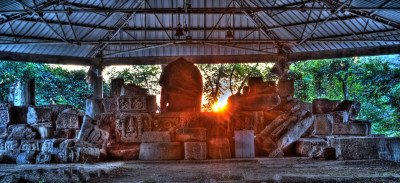
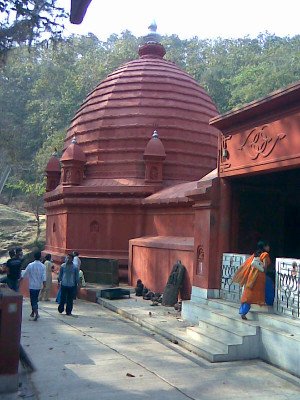
The Kamakhya Temple is one of the oldest and most revered of the 51 Shakti Peethas in India. Perched atop the picturesque Nilachal Hill in the western part of Guwahati, it is the epicenter of the Tantric Shaktism cult. The temple is dedicated to Goddess Kamakhya, an incarnation of Goddess Durga, who is known as the "Goddess of Desire" and the "Bleeding Goddess." The core spiritual belief is tied to the myth of Goddess Sati: when Lord Shiva performed the Tandava with Sati’s corpse, her yoni (womb/genitalia) is believed to have fallen at this spot. Unlike conventional Hindu temples, the inner sanctum (Garbhagriha) houses no idol. Instead, devotees worship a natural rock fissure shaped like a yoni (vulva), which is kept moist by an underground perennial spring. This natural symbol of the divine feminine is the primary focus of devotion, representing the cosmic power of creation and fertility. The temple complex is a significant pilgrimage destination, attracting millions of visitors, including scholars, devotees, and Aghori and Tantric practitioners. The existing structure was famously rebuilt in 1565 CE by King Naranarayana of the Koch dynasty, blending indigenous and classical architectural styles. The most celebrated event is the annual Ambubachi Mela in the month of June, which symbolically celebrates the goddess's annual menstrual cycle. The temple is not just a single shrine but a complex of individual temples dedicated to the ten Mahavidyas (different forms of the Goddess), with Tripurasundari, Matangi, and Kamala residing inside the main temple. The spiritual resonance and unique traditions make Kamakhya Temple a profound symbol of the region's rich cultural and religious heritage. The temple's atmosphere of deep faith, combined with its stunning location overlooking the mighty Brahmaputra River, offers a unique and unforgettable spiritual experience for every visitor.
Card image cap
Madan Kamdev Ruins

@@Historical Background: Madan Kamdev is a significant archaeological site located on a small hillock called Dewangiri in Baihata Chariali. Often refe...
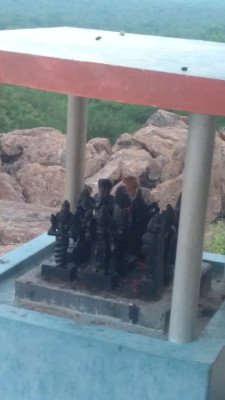
@@Historical Background: Madan Kamdev is a significant archaeological site located on a small hillock called Dewangiri in Baihata Chariali. Often referred to as the "Khajuraho of Assam," this site contains the ruins of a massive temple complex dating back to the 10th to 12th Century during the Pala Dynasty of the ancient Kamrupa Kingdom. The site remained hidden under dense forest cover for centuries until it was rediscovered in the late 1970s. The ruins consist of at least 13 different temples dedicated to Lord Shiva, with the main temple housing an idol of Madan (the God of Love) and his wife Rati. The architectural style is unique to the Kamrupi school of art, blending indigenous elements with North Indian temple designs. The most striking feature of these ruins is the abundance of erotic stone carvings, depicting various acts of love and fertility, similar to those found in Khajuraho. Apart from erotic art, the site features intricate sculptures of deities like Sun God, Ganesha, and Vidhyadharas. The location is incredibly peaceful, surrounded by the Madan Kuri river and vast green wetlands. It serves as a testament to the advanced artistic and engineering skills of the medieval Assamese people. Today, it is a protected site under the Archaeological Survey of India (ASI) and continues to intrigue historians and spiritual seekers with its mysterious past.
Card image cap
Navagraha Temple

The Navagraha Temple is a unique and ancient Hindu temple perched atop the Chitrachal Hill in the southeastern part of Guwahati. The temple is dedicat...

The Navagraha Temple is a unique and ancient Hindu temple perched atop the Chitrachal Hill in the southeastern part of Guwahati. The temple is dedicated to the Navagrahas, which are the nine major celestial bodies (planets) of Hindu cosmology. Built in the 18th century by the great Ahom King Rajeswar Singha, the site is not just a place of worship but historically served as a center for the study of astronomy and astrology. Inside the main sanctum, there are nine Shivalingas, each representing one of the planets: Surya (Sun), Chandra (Moon), Mangala (Mars), Budha (Mercury), Guru (Jupiter), Shukra (Venus), Shani (Saturn), Rahu (North Lunar Node), and Ketu (South Lunar Node). The central Shivalinga is larger and represents the Sun. The temple's historical significance is immense, making it a crucial spot for devotees and tourists interested in ancient Indian science and spirituality. The hill offers a serene environment, a peaceful escape from the city's hustle. This temple is considered highly auspicious for those seeking to mitigate planetary afflictions in their lives, making it a powerful pilgrimage site. The surrounding area once contained an excavated tank called Silpukhuri to supply water to devotees, further highlighting the planning involved in establishing this sacred site. The temple embodies a beautiful confluence of religious belief and rudimentary astronomical knowledge.
Card image cap
Nehru Park

Nehru Park is a prominent public park situated in the bustling Pan Bazaar area, right opposite the historic Cotton University. Established in the earl...
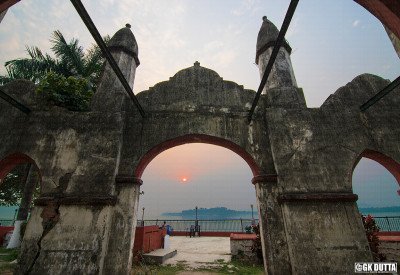
Nehru Park is a prominent public park situated in the bustling Pan Bazaar area, right opposite the historic Cotton University. Established in the early 2000s (though the land has a much older history), the park is named after the first Prime Minister of India, Pandit Jawaharlal Nehru. It is a major green space in the commercial heart of Guwahati, designed to offer a tranquil escape amidst the city's hustle and bustle. The park is particularly famous for its unique concrete sculptures depicting various traditional Assamese folk dances. These sculptures beautifully showcase the cultural diversity of Assam, featuring art forms like the Bihu dance, Devdhani dance, Ojapali dance, and Bor Taal dance. Besides its cultural appeal, the park features a well-maintained jogging track, lush lawns, and a dedicated children's playground with swings and rides, making it an ideal destination for families and fitness enthusiasts. The park's location, surrounded by important educational institutions and close to the city's main commercial centers, ensures a steady flow of students, locals, and tourists seeking relaxation and cultural engagement. The serene environment, combined with the cultural showcase, makes it a unique and valuable city asset.
Card image cap
Northbrook Gate

@@Colonial Heritage: The Northbrook Gate is a historic colonial monument located on the banks of the Brahmaputra river near Sukreswar Ghat. It was con...

@@Colonial Heritage: The Northbrook Gate is a historic colonial monument located on the banks of the Brahmaputra river near Sukreswar Ghat. It was constructed in 1874 specifically to welcome Lord Northbrook, the then Viceroy of India, during his visit to Guwahati. The gate was the spot where the Viceroy's ship anchored, and it served as the ceremonial entrance to the city. Often called the "Gate of Honour," it is the only surviving brick architecture from the colonial era in this part of Assam. The gate has witnessed many significant historical events, including the visit of Lord Curzon in 1900 and the storage of Mahatma Gandhi's ashes before their immersion in the river in 1948. Despite being over 150 Years old, the structure stands as a silent sentinel of the city's transition from a colonial outpost to a modern metropolis. The monument is situated within a small park, offering a peaceful view of the mighty river. It serves as a reminder of the British influence on the urban planning of Guwahati. Recent restoration efforts by the government and heritage organizations have helped preserve its structural integrity, making it a key stop for history enthusiasts exploring the riverfront of the city.
Card image cap
Regional Science Centre, Guwahati

The Regional Science Centre (RSC) in Guwahati is a vital unit of the National Council of Science Museums (NCSM), under the Ministry of Culture, Govern...
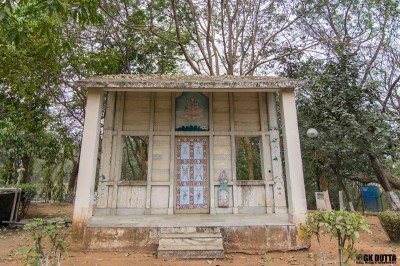
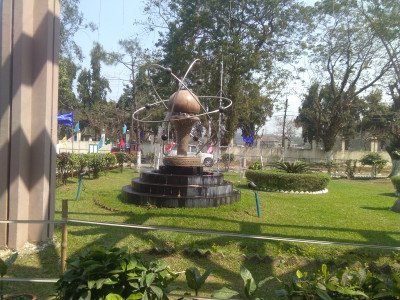
The Regional Science Centre (RSC) in Guwahati is a vital unit of the National Council of Science Museums (NCSM), under the Ministry of Culture, Government of India. Established in 1994, it was the first of its kind in the entire North-East region, with the primary goal of popularizing science and technology among the masses, especially the student community. It acts as an informal learning institution where science is not just read about but actively experienced. The centre is spread over a sizable area and is thoughtfully divided into several engaging sections, including interactive indoor galleries, an extensive outdoor Science Park, a Digital Planetarium, a Prehistoric Park, and a 3D Science Theatre. The design philosophy of the RSC is "Learning by Doing," which means most exhibits are interactive, encouraging visitors of all ages to touch, experiment, and discover scientific principles firsthand. The galleries cover a wide array of subjects like physics, optics, electricity, mathematics, and local themes related to the geography of Assam and the North-East. It regularly conducts various educational and outreach programs such as science shows, workshops, hobby camps, and sky observation programs, making it a continuous hub of scientific engagement. This place serves as an essential resource for teachers, students, and general visitors who wish to cultivate a scientific temper and explore the wonders of the universe in a fun and stimulating environment. The centre is well-maintained and provides a clean, safe, and enriching experience, making it a highly recommended spot for families and students visiting Guwahati. The presence of a vast green Science Park with large exhibits also makes it a great spot for a relaxed, educational outing. It is a place where complex scientific concepts are simplified into exciting, tangible experiences, thereby successfully bridging the gap between formal classroom teaching and real-world scientific phenomena.
Card image cap
Sankardev Kalakshetra

@@ Cultural Hub: The Srimanta Sankaradeva Kalakshetra is a grand cultural institution established in 1998 to preserve and promote the diverse artistic...
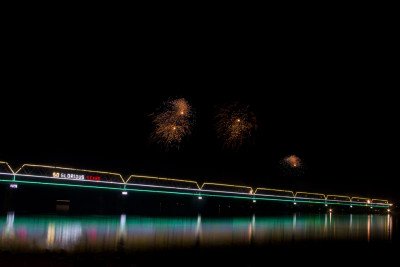
@@ Cultural Hub: The Srimanta Sankaradeva Kalakshetra is a grand cultural institution established in 1998 to preserve and promote the diverse artistic heritage of Assam. @@ Legacy: Named after the 15th-century polymath and saint Srimanta Sankaradeva, it serves as a living museum of the state’s ethnic mosaic. @@ Complex: Spread over a massive 17.5 hectares, the complex houses various sections like the Central Museum, Sahitya Bhavan, and an Open-air Theatre. @@ Experience: Visitors can witness the evolution of Assamese life through meticulously curated galleries that showcase everything from traditional jewelry to ancient tribal artifacts :
Card image cap
Saraighat Bridge

The Saraighat Bridge is a pair of bridges that span the mighty Brahmaputra River in Guwahati, connecting the North Bank and the South Bank of Assam. T...
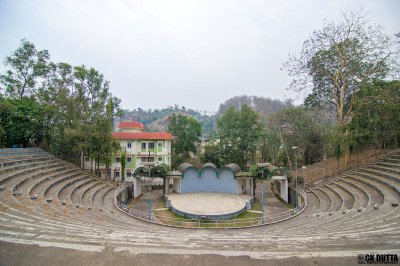
The Saraighat Bridge is a pair of bridges that span the mighty Brahmaputra River in Guwahati, connecting the North Bank and the South Bank of Assam. The Old Saraighat Bridge is historically significant as it was the first rail-cum-road bridge built over the river in the state. Its construction began in 1958-59 and it was officially inaugurated in 1963 by the then Prime Minister Jawaharlal Nehru. This original bridge carries a railway line on its lower deck and a highway (part of NH 27 and the old NH 31) on its upper deck, making it an indispensable link for connectivity, trade, and transport in the entire Northeast region of India. The strategic importance of the bridge cannot be overstated, especially during conflicts like the 1962 Sino-Indian War, where it served as a vital channel for moving supplies and troops. Over the decades, due to increasing traffic volume, the need for a parallel bridge became essential. This led to the construction of the New Saraighat Bridge adjacent to the old one. The new bridge is a modern, all-road, three-lane concrete structure that was inaugurated in January 2017. Together, these two bridges form the main gateway to the North Bank of Assam from Guwahati, symbolizing the state's progress and its enduring connection across the vast, often formidable, Brahmaputra River. It's a structure that holds immense pride for the local populace, not just as a piece of infrastructure but as a symbol of unity and a tribute to the historical Battle of Saraighat. The view from the bridges offers a breathtaking panoramic vista of the river, especially during sunrise and sunset, making it a popular spot for both commuters and sightseers. The entire complex represents a blend of historical engineering resilience and modern infrastructure development.
Card image cap
Srimanta Sankaradeva Kalakshetra

Srimanta Sankaradeva Kalakshetra, commonly known as the Kalakshetra, is a massive non-profit cultural institution in Guwahati, Assam, dedicated to pre...
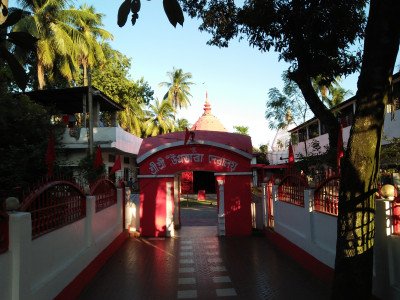
Srimanta Sankaradeva Kalakshetra, commonly known as the Kalakshetra, is a massive non-profit cultural institution in Guwahati, Assam, dedicated to preserving and promoting the rich cultural heritage of Assam and the entire Northeast region of India. Established in the 1990s, it is named after the great 15th-16th century Assamese polymath, saint-scholar, poet, playwright, and social-religious reformer, Mahapurusha Srimanta Sankardeva, who played a pivotal role in the cultural and spiritual upliftment of the region. The institution serves as a living memorial and a dynamic hub for the arts. The sprawling complex is divided into several sections, each focusing on different facets of the region's diverse culture and history. The Central Museum is a key attraction, housing a rich collection of artifacts, traditional costumes, musical instruments, weaponry, and historical relics representing the various ethnic communities of Assam. The Lalit-Kala Bhavan showcases contemporary and traditional art and sculptures. For literary enthusiasts, the Sahitya Bhavan functions as a library and archive, preserving rare books and manuscripts related to Assamese literature and history. The complex also features an Open-Air Theatre, which is one of the largest in the region, capable of hosting grand cultural performances, festivals, and folk dances like the Bihu. A unique element is the Artist's Village (Shilpgram), a meticulously crafted replica of a traditional Assamese village, offering visitors a glimpse into the rural life and indigenous architectural styles of Assam. Furthermore, a dedicated Bhupen Hazarika Museum honors the legendary Assamese singer and composer. The entire complex is beautifully landscaped with scenic gardens, creating a peaceful and informative environment for visitors to immerse themselves in the deep cultural narrative of the region. It is often regarded as the largest cultural congregation center in Northeast India.
Card image cap
Ugro Tara Temple

@@ Shakti Peeth: The Ugro Tara Temple is a highly revered shrine dedicated to Goddess Ugratara, often identified as a ferocious form of the Divine Mot...
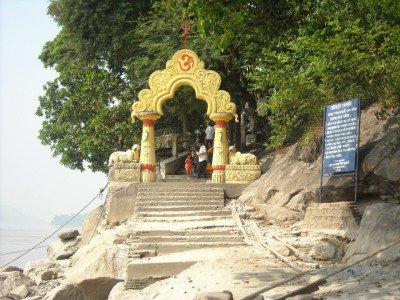
@@ Shakti Peeth: The Ugro Tara Temple is a highly revered shrine dedicated to Goddess Ugratara, often identified as a ferocious form of the Divine Mother. @@ Legend: It is believed that the navel of Goddess Sati fell at this exact spot, making it one of the powerful Shakti Peethas in India. @@ Unusual Deity: Unlike traditional temples, there is no idol here; instead, a small pit filled with water in the inner sanctum is worshipped as the deity. @@ Spiritual Aura: The temple is known for its intense spiritual energy and its historical connection to both Hindu Tantric practices and ancient Buddhist traditions :
Card image cap
Umananda Temple

The Umananda Temple is a sacred Hindu shrine dedicated to Lord Shiva, situated on the tiny, picturesque Umananda Island, famously known as Peacock Isl...

The Umananda Temple is a sacred Hindu shrine dedicated to Lord Shiva, situated on the tiny, picturesque Umananda Island, famously known as Peacock Island due to its shape, in the middle of the mighty Brahmaputra River. This island holds the distinction of being the smallest inhabited riverine island in the world. The name 'Umananda' is derived from 'Uma' (another name for Lord Shiva's consort, Parvati) and 'Ananda' (meaning bliss or happiness), suggesting it is the place where Lord Shiva found joy. The temple was originally constructed in 1694 CE by the Bar Phukan Garhganya on the orders of Ahom King Gadadhar Singha. However, the structure was severely damaged by the devastating Assam Earthquake of 1897. It was later painstakingly reconstructed by a generous local merchant, preserving its sanctity. The temple sits atop a hillock called Bhasmacala, which is steeped in Puranic mythology. According to the Kalika Purana, it is the very spot where Lord Shiva, in deep meditation, was disturbed by Kamadeva (the God of Desire). In his fury, Lord Shiva opened his third eye and burnt Kamadeva to ashes (Bhasma), thus giving the hillock the name Bhasmacala (Hill of Ashes). The temple complex, accessible only by a short ferry ride from the Guwahati mainland, is not just a place of worship but a confluence of profound natural beauty and spiritual tranquility. It is considered highly auspicious to worship Lord Shiva here, especially on Amavasya (New Moon) days that fall on a Monday. Beyond the main deity, the temple features numerous intricate rock-cut sculptures of other Hindu gods, including Ganesha, Surya, and the ten incarnations of Lord Vishnu, reflecting a long-standing tradition of eclectic worship in the region. The unique location and deep spiritual lore surrounding the temple attract both devout pilgrims and tourists seeking natural beauty and quietude.
Show All

Guwahati Itineray And Cost:-

Information about New and Updated Locations() of Assam Has Been Added :-
Card subtitle

Note:-

Information provided here in good Faith and for reference only.

All information and pictures will be updated soon, please keep visiting.

Near Places
...
Agnigarh

Some quick example text to build on the card title and make up the bulk of the card's content.

Go somewhere
...
Barpeta

Some quick example text to build on the card title and make up the bulk of the card's content.

Go somewhere
...
Bhalukpong

Some quick example text to build on the card title and make up the bulk of the card's content.

Go somewhere
...
Diphu

Some quick example text to build on the card title and make up the bulk of the card's content.

Go somewhere
...
Goalpara

Some quick example text to build on the card title and make up the bulk of the card's content.

Go somewhere
...
Guwahati

Some quick example text to build on the card title and make up the bulk of the card's content.

Go somewhere
...
Haflong

Some quick example text to build on the card title and make up the bulk of the card's content.

Go somewhere
...
Hajo

Some quick example text to build on the card title and make up the bulk of the card's content.

Go somewhere
...
Majuli Island

Some quick example text to build on the card title and make up the bulk of the card's content.

Go somewhere
...
Nagaon

Some quick example text to build on the card title and make up the bulk of the card's content.

Go somewhere
in Other Cities