...

Place To Visit And Things To Do In Mon

Nagaland, India
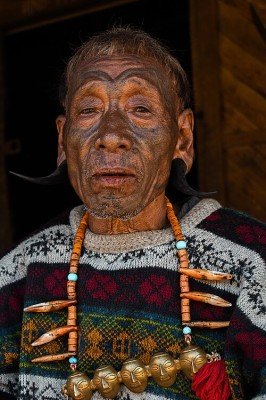
The Konyak Warriors: Mon is the home of the Konyak Naga tribe, famously known as the last of the headhunters. The elderly men with facial tattoos and traditional jewelry are a living testament to a fierce and fascinating warrior past. The Institution of Anghs: Unlike other Naga tribes, the Konyaks f ollow a hereditary system of kingship called Anghs. The Chief Angh of a village holds significant social and political power, often governing multiple villages across the border. Geographical Uniqueness: The district is located at the northeastern tip of Nagaland, bordering Myanmar. The village of Longwa is particularly unique as it literally sits on the international border, with the king's house split between two nations. Art and Craftsmanship: The Konyaks are master craftsmen, known for their exceptional skills in wood carving, beadwork, and even traditional gun-making. Their artistic expressions are deeply intertwined with their warrior heritage and tribal identity.

Things To Do

Card image cap
Angphang Village

Angphang Village is recognized as the largest village in the Mon district of Nagaland. It is a massive settlement inhabited by the Konyak Naga tribe,...
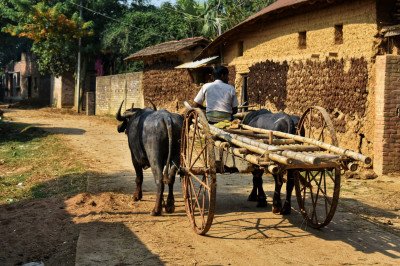
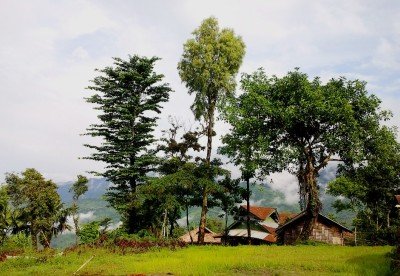
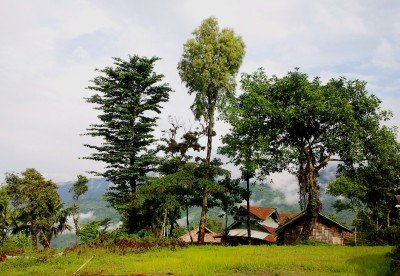
Angphang Village is recognized as the largest village in the Mon district of Nagaland. It is a massive settlement inhabited by the Konyak Naga tribe, who are historically famous for their headhunting traditions and facial tattoos. The village serves as a primary cultural hub where ancient customs are still practiced in daily life. Visitors can see the vast stretches of traditional houses that cover the hillsides, creating a unique skyline. The community here is deeply rooted in Christianity now, but they have preserved their ancestral folklore and artistic skills. Exploring this village offers a deep dive into the socio-political structure of the Konyaks, where the village Angh (Chief) still holds significant traditional authority. The scale of the village is breathtaking, and the hospitality of the locals is legendary in the region. It is a place where time slows down, allowing for a genuine connection with the tribal heritage.
Card image cap
Changlangshu Village

Changlangshu Village is a captivating destination located at an elevation of over 5000 feet near the Indo-Myanmar border. It is home to roughly 6,000...

Changlangshu Village is a captivating destination located at an elevation of over 5000 feet near the Indo-Myanmar border. It is home to roughly 6,000 members of the Konyak tribe who have transitioned from a fierce headhunting past to becoming pioneers in environmental conservation. The village is famously known for its Biodiversity Management Committee (BMC) which has banned hunting to protect the local ecosystem. Architecturally, it is a treasure trove with the Angh's house acting as a central landmark. The village layout follows the traditional hilltop pattern, providing panoramic views of the surrounding pine forests. Visitors are often struck by the blend of ancient traditions and modern ecological awareness. The local artisans are highly skilled in wood carving, often depicting motifs of hornbills and warriors. The arrival of missionaries in the 1990s changed the village's trajectory, yet the soul of the Konyak culture remains intact through their festivals and community bonding.
Card image cap
Chenloisho Village

Chenloisho Village is one of the largest and most significant villages in the Chen area of Mon. It is strategically located very close to the interna...

Chenloisho Village is one of the largest and most significant villages in the Chen area of Mon. It is strategically located very close to the international border with Myanmar. The village is most famous for its small community museum which houses a rare collection of traditional ornaments and historical artifacts. This museum is a poignant reminder of the headhunting era, as it contains a dedicated section called Waloo where human skulls are displayed. These skulls were trophies of war from generations ago, preserved to honor the bravery of ancestors. The village itself is spread across a lush green ridge, offering a peaceful atmosphere. Life here revolves around agriculture and the preservation of Konyak identity. The villagers are known for being friendly yet deeply protective of their customs. Visiting Chenloisho provides a stark and honest look at the transition from ancient tribal warfare to a modern peaceful society while maintaining historical respect.
Card image cap
Chiknyuho

Chiknyuho is a site of immense historical importance, known primarily for housing the remains of the Second World War. During the war, the hills of M...

Chiknyuho is a site of immense historical importance, known primarily for housing the remains of the Second World War. During the war, the hills of Mon were strategic points for both the Allied forces and the local resistance. Today, visitors can find rusted remnants of military equipment, including parts of vehicles and ammunition crates, scattered in the vicinity. Apart from the war history, the site is also famous for its ancient rock inscriptions which predate the war by centuries. These inscriptions are carved into large natural boulders and are believed to tell stories of tribal migrations and ancient victories. The village surrounding the remains is a typical Konyak settlement, offering a peaceful contrast to its turbulent past. The area is surrounded by dense forests and rocky terrain, making it a favorite for hikers and history buffs. It is a place of reflection, where the scars of global conflict meet the enduring spirit of tribal tradition.
Card image cap
Chui Village

Chui Village is perhaps the most accessible traditional village for tourists staying in Mon town. Located just 8 kilometers away, it serves as an exc...

Chui Village is perhaps the most accessible traditional village for tourists staying in Mon town. Located just 8 kilometers away, it serves as an excellent introduction to the Konyak Naga way of life. The village is famous for its well-preserved Angh's (Chief's) house, which is one of the grandest in the region. At the entrance of the Chief's house stands a large statue of the Angh in full traditional regalia, symbolizing the power and history of the tribe. Chui is a living museum where you can see the famous tattooed warriors and women wearing traditional beaded jewelry. The village has a reputation for its skilled artisans who excel in wood carving and bamboo work. Because of its proximity to the town, it has become a focal point for cultural tourism, yet it maintains its authentic charm without being overly commercialized. Walking through its narrow, winding paths offers a glimpse into a world where ancient social hierarchies still command respect and tradition is a way of life.
Card image cap
Dikhu River

The Dikhu River is one of the most prominent and majestic water bodies in Nagaland, serving as a vital natural resource for the Konyak and Ao tribes....

The Dikhu River is one of the most prominent and majestic water bodies in Nagaland, serving as a vital natural resource for the Konyak and Ao tribes. Originating from the Nuroto Hill in Zunheboto district, it traverses through diverse landscapes before finally merging with the Brahmaputra in Assam. In the context of Mon, the river provides a serene escape for those looking to immerse themselves in the raw beauty of Northeast India. The riverbanks are characterized by golden sands during the winter months and lush, verdant greenery during the monsoon, making it a versatile destination for nature enthusiasts. Historically, the river has been the silent witness to the evolution of tribal cultures, serving as a boundary and a source of life for countless generations. For anglers, the river is a sanctuary, home to several indigenous fish species that thrive in its oxygen-rich, fast-flowing waters. The atmosphere here is one of profound silence, occasionally broken by the call of exotic birds or the gentle ripple of the current against the rocks. Tourists often find themselves mesmerized by the crystal-clear quality of the water, which reflects the shifting colors of the Naga sky. Whether you are interested in the ecological diversity or simply want a quiet spot for a picnic, the Dikhu River stands as a testament to the untouched wilderness of the region. It is more than just a body of water; it is a cultural symbol that represents the endurance and beauty of the Naga people. Visitors are encouraged to respect the local customs and the river's sanctity, as it remains a primary source of water for irrigation and domestic use in nearby villages. The stretch near Mon is particularly famous for its dramatic boulders and deep pools that house the legendary Mahseer fish, attracting professional anglers from across the country. :
Card image cap
K. Veda Peak / Pak Koi

Veda Peak, also known by the local name Pak Koi, is the highest point in the Mon district, standing as a silent sentinel over the Naga hills. This pe...

Veda Peak, also known by the local name Pak Koi, is the highest point in the Mon district, standing as a silent sentinel over the Naga hills. This peak is not just a geographical landmark but a place of immense historical and natural significance, offering views that are arguably the best in the state. From the summit, on a clear day, the vast plains of the Brahmaputra River in India and the winding Chindwin River in Myanmar are visible simultaneously. This rare vantage point makes it a favorite among trekkers and photographers who wish to capture the essence of two nations from a single spot. The peak is surrounded by dense, ancient forests that are home to a variety of orchids, rhododendrons, and rare Himalayan birds. Historically, it is said that the British first grew opium in these hills, and the remnants of that era still linger in the local folklore. The climb to the top is an adventure in itself, involving winding roads and narrow trails that showcase the rugged beauty of the Konyak countryside. The air at the summit is thin and crisp, providing a refreshing break from the humidity of the valleys. For the Konyak people, the peak holds a spiritual aura, often associated with the spirits of the ancestors who watch over the tribe. The panoramic view of the rolling green hills, often blanketed in a thick layer of white mist, creates a surreal atmosphere that feels like being on the edge of the world. As you stand on the peak, the silence is profound, only interrupted by the whistling wind. It is a place for reflection, where the grandeur of nature humbles every visitor. The journey to Veda Peak is also a journey through time, as you pass through remote villages where the traditional way of life has remained unchanged for centuries. :
Card image cap
Kaimang River

The Kaimang River is a hidden treasure within the rugged terrain of the Mon district, celebrated primarily as a premier destination for trout fishing...

The Kaimang River is a hidden treasure within the rugged terrain of the Mon district, celebrated primarily as a premier destination for trout fishing. Unlike the larger rivers in the state, the Kaimang is characterized by its cold, fast-moving waters and rocky bed, which provide the perfect habitat for various trout species. The river flows through a deeply forested valley where the canopy often meets over the water, creating a cool and shaded environment even during the peak of summer. This seclusion has helped the river maintain its pristine condition, making it a favorite for those who prefer "slow travel" and off-the-beaten-path experiences. The sound of the water rushing over boulders is the only constant in this quiet landscape, offering a meditative atmosphere for visitors. For the local Konyak people, the river is a source of sustenance and a place for community gatherings during the dry season. The ecological balance of the Kaimang River is delicate, and efforts are made by the local village councils to ensure that fishing is done sustainably. Tourists who visit Kaimang are often struck by the emerald green color of the pools and the variety of moss-covered stones that line the banks. It is a place where one can truly disconnect from the digital world and reconnect with the rhythms of nature. The journey to the river involves traversing through some of the most beautiful tribal lands in Nagaland, offering glimpses of traditional farming and village life along the way. Whether you are an experienced angler or someone looking for a quiet spot to read a book by the water, the Kaimang River offers a unique blend of adventure and tranquility that is hard to find elsewhere. It represents the "wild heart" of Mon, where the water is pure enough to drink and the fish are as elusive as the mountain mist. :
Card image cap
Langmeang Village

Langmeang Village is one of the most culturally significant and well-preserved Konyak settlements in the Mon district. It is widely known for its com...

Langmeang Village is one of the most culturally significant and well-preserved Konyak settlements in the Mon district. It is widely known for its commitment to maintaining the ancient traditions of the tribe, even as the world around it changes. The village is perched on a ridge, offering breathtaking views of the surrounding valleys and the distant mountains of Myanmar. What makes Langmeang truly stand out is its historical collection of human skulls, a poignant reminder of the headhunting era that ended just a few decades ago. These skulls are kept in a traditional "Morung" (communal house) or within the Chief's residence, and they are treated with a mixture of reverence and historical curiosity. The villagers are incredibly proud of their warrior heritage, and the elders often still sport the intricate facial tattoos that were earned through bravery in battle. Walking through the village, you will see traditional Naga houses made of bamboo and palm leaves, with roofs that touch the ground to protect against the heavy rains. The social structure of the village is still centered around the Angh (Chief), whose word is highly respected in community matters. Visitors to Langmeang are greeted with genuine warmth and hospitality, often being invited into homes to share a cup of "Khalap" (traditional black tea). The village is also a hub for traditional handicrafts, particularly wood carving and beadwork, which are integral to Konyak identity. The atmosphere in Langmeang is one of living history, where every corner has a story to tell about the transition from a warrior society to a peaceful, modern community. It is a must-visit for anyone who wants to understand the depth and complexity of Naga culture beyond the typical tourist circuits. The preservation of their customs, from the architecture of their homes to the songs they sing during festivals, makes Langmeang a vital cultural repository. :
Card image cap
Longwa Village

Longwa Village is perhaps the most famous and unique destination in the entire Mon district, known for its extraordinary geographical and political s...

Longwa Village is perhaps the most famous and unique destination in the entire Mon district, known for its extraordinary geographical and political status. The international boundary between India and Myanmar runs right through the middle of the village, and specifically through the house of the Angh (the Chief). This means that the Chief sleeps in India but eats in Myanmar, a fact that fascinates travelers from around the world. The Konyaks of Longwa hold dual citizenship, moving freely between the two countries for their daily activities, agricultural work, and social visits. The village is one of the largest in the district and sits at a high elevation, providing spectacular views of the Myanmar hills on one side and the Indian valleys on the other. Historically, Longwa was a powerful center of the Konyak tribe, and its Angh still holds administrative influence over dozens of villages on both sides of the border. The village is a living museum of Konyak culture, where traditional ways of life persist despite the presence of modern schools and churches. The elders are known for their striking facial tattoos and the large brass earrings that denote their status as former warriors. Longwa is also a significant center for the production of tribal handicrafts, including the famous Konyak jewelry and hand-carved opium pipes. The atmosphere is one of peaceful coexistence between two nations, where the concept of a border is merely a line on a map rather than a barrier to human connection. Visitors can explore the Angh’s house, see the border pillar, and interact with a community that lives at the crossroads of two different worlds. The journey to Longwa is an adventure through rugged terrain, offering a glimpse into the raw and beautiful landscape of the Naga hills. It is a place that challenges your perception of national identity and leaves you with a deep appreciation for the resilience of tribal culture in the modern era. :
Card image cap
Maksha River

@@General Details: The Maksha River is one of the most serene and ecologically rich water bodies in the Mon district of Nagaland, offering a tranquil ...
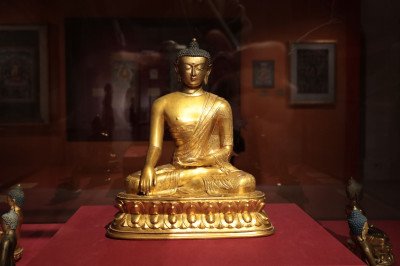
@@General Details: The Maksha River is one of the most serene and ecologically rich water bodies in the Mon district of Nagaland, offering a tranquil escape for nature lovers and adventure seekers alike. Known primarily for its crystal-clear waters and lush riverside vegetation, the river serves as a vital lifeline for nearby Konyak villages and acts as a premier destination for angling enthusiasts. The river meanders through dense tropical forests and rocky terrains, creating a picturesque landscape that feels untouched by modern urbanization. Tourists visiting this spot are often mesmerized by the rhythmic sound of flowing water and the vibrant biodiversity that thrives along its banks, including various rare Himalayan bird species. The river is part of a larger network of water bodies in the district, such as the Dikhu and Tizit rivers, but it stands out specifically for its suitability for trout cultivation. Local conservation efforts have ensured that the water remains unpolluted, preserving the aquatic habitat for the prized trout fish that draw visitors from across the country. Historically, the river has been a site for community gatherings and traditional fishing festivals, where the Konyak people demonstrate their indigenous skills. The surrounding area is perfect for light trekking and photography, as the elevation provides stunning views of the Naga hills reflecting in the water's surface. Visiting the river offers a deep sense of peace, making it an ideal spot for those looking to disconnect from the digital world and immerse themselves in the raw beauty of the Northeast. The river's ecosystem is also home to various medicinal plants used by local healers, adding a layer of ethnobotanical interest to the visit. Overall, the Maksha River represents the harmonious relationship between the Konyak tribe and their natural environment, providing a scenic backdrop for a memorable travel experience in the heart of Nagaland.
Card image cap
Mon Museum

@@The Mon Museum Details:This museum, often simply called the Tribal Museum, is a vital cultural repository dedicated primarily to the history and tra...

@@The Mon Museum Details:This museum, often simply called the Tribal Museum, is a vital cultural repository dedicated primarily to the history and traditions of the Konyak Naga tribe, who are the dominant community in the Mon district. It serves as a window into the fascinating and often misunderstood past of the region, especially the era when the Konyak were known as fierce headhunters. The museum houses a wide array of artifacts that illustrate the rich and unique lifestyle of this warrior tribe. Visitors can see traditional hunting equipment, war trophies, ancient weapons, and a collection of traditional costumes and jewelry. It is a crucial stop for anyone wanting to understand the cultural context of the tattooed faces and traditional village structure of the Konyak people. The displays are curated to give a deep insight into their social structure, festivals, spiritual beliefs (from animism to Christianity), and unique craftsmanship, particularly wood carving and metalwork. The ambiance is one of respect and preservation, ensuring the legacy of the tribe is passed on to future generations, making it an educational and moving experience.
Card image cap
Mon Town Baptist Church

@@The Mon Town Baptist Church Details:The Mon Town Baptist Church is a colossal and modern religious landmark, officially known as the Konyak Baptist ...

@@The Mon Town Baptist Church Details:The Mon Town Baptist Church is a colossal and modern religious landmark, officially known as the Konyak Baptist Church Mon (KBCM). It holds the distinction of being one of the largest Baptist church buildings in Asia in terms of seating capacity. The church is not just a place of worship but a symbol of the pervasive and strong Christian faith (Baptist) that has taken root in Nagaland, replacing the traditional animist beliefs of the Konyak tribe. Its construction, which took over a decade, was a monumental community effort, reflecting the deep devotion of the local population. The massive structure is a focal point of social, cultural, and spiritual life for the Konyak Christians in Mon. It regularly hosts large gatherings, conventions, and services, drawing believers from across the district and neighboring areas, signifying the powerful transition of the Konyak society into the modern, Christian era while maintaining their tribal identity.
Card image cap
Monyakshu Village

@@General Details: Monyakshu Village is one of the largest and most historically significant settlements in the Mon district, serving as a primary cul...

@@General Details: Monyakshu Village is one of the largest and most historically significant settlements in the Mon district, serving as a primary cultural center for the Upper Konyak Nagas. Located in the rugged terrains of the Tobu region, the village is perched on a high ridge, offering commanding views of the surrounding valleys and the distant mountains of Myanmar. The village is inhabited by the "Thentho" or white-faced Konyaks, who are distinguished from their tattooed counterparts by their unique customs and dialects. Monyakshu has a high population and is known for its well-organized community structure, overseen by a powerful local leadership that preserves ancestral laws and traditions. The village is a living museum of Naga heritage, where traditional longhouses with thatched roofs still dominate the skyline, and the sound of the log drum occasionally echoes through the air to signal important events. Agriculture is the mainstay of the villagers, and the surrounding slopes are covered in intricately carved terrace farms and jhum cultivation plots. Visitors to Monyakshu are often greeted with immense hospitality, reflecting the warm-hearted nature of the Konyak people. The village serves as a gateway to exploring the more remote parts of northern Nagaland, providing a glimpse into a lifestyle that has remained largely unchanged for centuries. Cultural preservation is a point of pride here; the youth are taught traditional crafts, folk songs, and the history of their brave ancestors who were once feared warriors. Walking through the narrow paths of the village, one can see elders engaged in basket weaving or black tea preparation, always ready to share a story with curious travelers. The village also plays a crucial role in regional trade, particularly for mountain produce like bay leaves and hand-woven textiles. Monyakshu represents the resilience of the Naga spirit, balancing the adoption of modern education and Christianity with a fierce dedication to their indigenous roots and identity.
Card image cap
Ngupdang

@@General Details: Ngupdang is a fascinating archaeological and historical site located in the higher reaches of the Mon district, known primarily for...

@@General Details: Ngupdang is a fascinating archaeological and historical site located in the higher reaches of the Mon district, known primarily for its mysterious rock inscriptions and its connection to World War II history. The site is situated near the Shawot Peak, which is the highest point in the district, making it a place of both historical and natural significance. The rock inscriptions at Ngupdang remain a subject of intrigue for historians and anthropologists, as the symbols and markings are believed to date back to ancient times, possibly predating the documented history of the Konyak Nagas. These inscriptions are etched onto large stone surfaces and are thought to represent ancient maps, celestial bodies, or records of significant tribal battles. In addition to its ancient roots, Ngupdang gained further historical importance during the Second World War. The region served as a strategic lookout point and a passage for Allied and Axis forces during the Burma Campaign. To this day, visitors can find remains of wartime infrastructure, including rusted metal parts and foxholes used by soldiers. The site is surrounded by dense, mist-covered forests that add an aura of mystery to the experience. For the Konyak people, Ngupdang is a place of ancestral pride, often mentioned in local folklore as a site where powerful spirits reside. Reaching the site requires a bit of a trek through rugged terrain, making it a favorite among adventure travelers and history buffs. The elevation provides a chilly climate even during the summers, and the view from the nearby ridges offers a panoramic look at the borderlands of India and Myanmar. The preservation of these inscriptions is a challenge due to natural weathering, but they remain a testament to the long and complex history of human habitation in the Naga Hills. A visit to Ngupdang is not just a walk through the woods; it is a journey through different layers of time, from the ancient tribal past to the global conflict of the 20th century.
Card image cap
Pessao Village

@@General Details: Pessao Village is a picturesque and culturally vibrant settlement located in the remote Tobu region of the Mon district, renowned a...
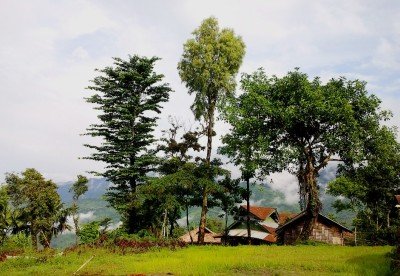
@@General Details: Pessao Village is a picturesque and culturally vibrant settlement located in the remote Tobu region of the Mon district, renowned as one of the primary centers for Konyak craftsmanship. The village is famously known for its master woodcarvers, whose works are celebrated throughout Nagaland and beyond. Historically, Pessao was a powerful village that played a central role in the tribal politics of the Upper Konyak region. Today, it stands as a peaceful haven where the traditional way of life is meticulously preserved. The village layout follows the classic Naga hilltop pattern, with houses clustered along the ridge to provide defensive advantages in the past. Every corner of Pessao reveals the artistic soul of its people; from the intricately carved entrance gates of the village to the decorated pillars of the local Morungs. The woodcarvings here often depict ancestral legends, warriors, and the rich wildlife of the Patkai hills. Beyond its art, Pessao is also a paradise for birdwatchers and nature enthusiasts. The surrounding forests are part of an Important Bird Area, where rare species like the Grey Peacock-pheasant and various types of hornbills can be spotted. The villagers are deeply connected to the land, practicing sustainable agriculture and gathering forest produce. A visit to Pessao offers a rare chance to see the "Thentho" Konyak culture up close, characterized by their distinct attire and the absence of facial tattoos common in the lower regions. The atmosphere in the village is one of quiet dignity and creative energy. For travelers, the long journey to Pessao is rewarded with breathtaking landscapes and an authentic experience of Naga hospitality. The village council is very proactive in preserving their heritage, often organizing cultural workshops for the younger generation. Whether you are interested in indigenous art, mountain trekking, or simply experiencing a world far removed from the bustle of modern life, Pessao Village provides an unforgettable immersion into the heart of Konyak land.
Card image cap
Shangnyu Village

Shangnyu Village is one of the most prominent villages in the Mon district, ruled by a powerful hereditary chief known as the Angh. This village serve...
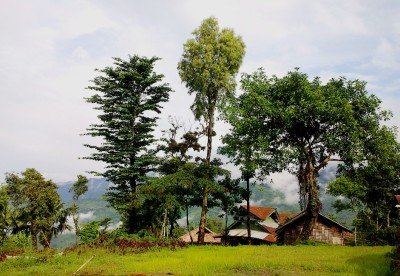
Shangnyu Village is one of the most prominent villages in the Mon district, ruled by a powerful hereditary chief known as the Angh. This village serves as a living museum of the Konyak tribe’s history, preserving the raw essence of a culture that was once feared for headhunting. The village is steeped in legends, including the belief that their most famous wooden monument was constructed with the help of celestial beings or angels. Visitors here find themselves transported back in time as they walk through narrow paths lined with traditional bamboo houses and meet elders with tattooed faces. The village acts as a cultural anchor for the Konyak people, maintaining strict traditional governance even in the modern era. It is a place of deep spiritual and historical importance where the Angh's word still holds significant weight in communal matters. The atmosphere is peaceful, yet it carries the heavy weight of centuries of tribal warfare and subsequent peace-making through royal lineages. Tourists are often welcomed with warmth, provided they respect the local customs and the sanctity of the royal household. Exploring this village offers an unparalleled look into the social hierarchy and the artistic brilliance of the Naga people.
Card image cap
Shangphan Wildlife Sanctuary

Shangphan Wildlife Sanctuary, often spelled Singphan, is a vital ecological zone located in the Mon district of Nagaland. Spanning approximately 23.57...
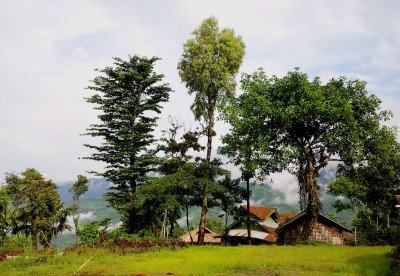
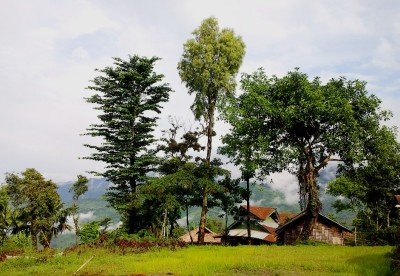
Shangphan Wildlife Sanctuary, often spelled Singphan, is a vital ecological zone located in the Mon district of Nagaland. Spanning approximately 23.57 Square Kilometers, it was declared a wildlife sanctuary in 2009 and later designated as the Singphan Elephant Reserve in 2018. This sanctuary is part of a larger contiguous forest belt that stretches into the neighboring state of Assam, serving as a critical migratory corridor for wild elephants. The terrain is characterized by a mix of tropical wet evergreen forests and moist deciduous forests, interspersed with dense bamboo brakes. Because of its location on the border of the Indo-Myanmar biodiversity hotspot, it hosts a remarkable variety of flora and fauna, many of which are endemic to the region. Despite its ecological significance, it remains one of the least visited sanctuaries in India, offering a raw and untouched wilderness experience for intrepid travelers. The silence of the forest is only broken by the trumpeting of elephants or the calls of exotic birds like the Great Indian Hornbill. The sanctuary plays a pivotal role in conservation efforts to mitigate human-elephant conflict in the fringe villages. Visiting Singphan requires a spirit of adventure, as the infrastructure is minimal, focusing more on preservation than commercial tourism. It is a sanctuary in the truest sense, providing a safe haven for endangered species amidst the pressure of human encroachment.
Card image cap
Shawot

Shawot is a historically significant site in the Mon district, famous for housing the skeletal remains of World War II aircraft and other military deb...

Shawot is a historically significant site in the Mon district, famous for housing the skeletal remains of World War II aircraft and other military debris. During the Burma Campaign of World War II, the skies over Nagaland were a major theater of conflict between the Allied forces and the Japanese Empire. Many planes, primarily belonging to the US Air Force and the RAF, crashed in these rugged mountains due to mechanical failure, pilot error, or enemy fire. The site at Shawot serves as a grim yet fascinating reminder of the "Stalingrad of the East" and the global reach of the second world war. Over the decades, nature has partially reclaimed these metal carcasses, with vines and moss growing over engines and wing fragments. Local villagers have preserved the site, and some artifacts have been moved to local museums, yet the main site remains an open-air graveyard of machinery. Visiting Shawot is a somber experience, offering a stark contrast between the violent history of the mid-20th century and the current tranquility of the Naga hills. It is not a developed tourist spot but a place of historical pilgrimage for those interested in military history and the role of the North East in global conflicts. The site highlights the bravery of the pilots who flew over the "Hump" and the local Nagas who often assisted downed airmen.
Card image cap
Sheanghachingnyu Village

Sheanghachingnyu Village is a destination that offers a raw and visceral look into the Konyak Naga’s past, particularly the era of headhunting. Whil...

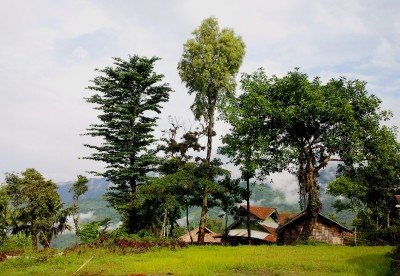
Sheanghachingnyu Village is a destination that offers a raw and visceral look into the Konyak Naga’s past, particularly the era of headhunting. While the village has transitioned into the modern age, it has meticulously preserved its cultural artifacts, most notably a collection of human skulls. These skulls, trophies from ancient tribal wars, are displayed in a dedicated section known as the Waloo. For the Konyak warriors of old, taking a head was a rite of passage and a way to bring prosperity and fertility to the village. Today, the village serves as a significant site for anthropologists and travelers who wish to understand the complex history of warfare and spiritualism in the Naga hills. The village is also famous for its skilled artisans who excel in wood carving and traditional beadwork. Walking through the village, you will see intricately carved pillars in the Angh’s house, depicting everything from warriors to local wildlife. The elders of Sheanghachingnyu are the last living link to this fierce history, many still sporting the iconic facial tattoos that were earned through acts of bravery. The village is set against a backdrop of lush green mountains, providing a serene environment that contrasts with the intense history it preserves. It is a place of learning and reflection, where the transition from a warrior society to a peaceful community is visible in every corner.
Card image cap
Tamkong

Tamkong is a significant historical site located within the remote terrains of the Mon district, primarily known for its ancient Monoliths and tradit...

Tamkong is a significant historical site located within the remote terrains of the Mon district, primarily known for its ancient Monoliths and traditional Konyak sculptures. This site serves as a physical archive of the Konyak Naga tribe's ancestral history, representing the valor and spiritual beliefs of a bygone era before the widespread adoption of Christianity. The village itself is governed by a traditional Angh (Chief), and the area is surrounded by dense forests and rolling hills that provide a serene backdrop to these stone monuments. Visitors often find themselves transported back in time as they observe the weathered stone structures that have stood for centuries, guarding the stories of tribal warfare and community triumphs. The local community maintains a deep respect for these sites, often sharing oral legends that link each stone to a specific historical event or a notable ancestor's life. Exploring Tamkong offers an unfiltered look into the megalithic culture of Northeast India, which is slowly fading in other parts of the region. The atmosphere is quiet and contemplative, making it an ideal spot for history buffs and those looking to understand the indigenous roots of the Naga people.
Card image cap
Tapi

Tapi is a breathtakingly beautiful location situated on the banks of a local river in the Mon district, primarily recognized as a premier Picnic and ...

Tapi is a breathtakingly beautiful location situated on the banks of a local river in the Mon district, primarily recognized as a premier Picnic and Fishing Spot. The area is characterized by its crystal-clear waters that flow over smooth river stones, surrounded by lush tropical vegetation and towering hills. It serves as a vital recreational hub for both locals and travelers who wish to escape the rugged mountain lifestyle for a day of relaxation by the water. The river is teeming with local fish species, making it a favorite haunt for traditional anglers who use bamboo rods and local techniques. The sound of the flowing water combined with the chirping of exotic birds creates a meditative environment that is perfect for nature lovers. Many families from Mon town visit Tapi during weekends to enjoy an outdoor cookout, often using fresh river water to prepare local delicacies. The geological formations around the riverbed are also quite interesting, featuring large boulders and small sandy patches that are ideal for sunbathing or reading. The lack of commercial development in the area ensures that the natural beauty remains untouched and authentic.
Card image cap
Teyap

Teyap is an exquisite and somewhat secluded destination in the Mon district, primarily known for its exceptional Fishing and Picnic spots along the r...

Teyap is an exquisite and somewhat secluded destination in the Mon district, primarily known for its exceptional Fishing and Picnic spots along the river. Unlike the more popular Tapi, Teyap offers a deeper sense of isolation and raw natural beauty, making it a favorite for those who truly want to disconnect from the modern world. The river here flows through a narrower gorge, creating small rapids and deep pools that are ideal for certain types of river fish. The surrounding forest is dense and often mist-covered in the early mornings, giving the place an ethereal quality. The Konyak people from the nearby Teyap village have a sustainable relationship with this water source, practicing traditional fishing methods that have remained unchanged for generations. The area is also rich in biodiversity, with various ferns, orchids, and medicinal plants growing along the moist banks. For many visitors, the highlight of Teyap is the sheer silence, broken only by the rush of the water and the occasional call of a barking deer from the woods. It is a place where one can spend hours just watching the light play on the ripples of the water. The local community is very protective of this area, ensuring it remains clean and free from the pollution often found in more accessible tourist hubs.
Card image cap
Thannyak River

The Thannyak River is one of the most prestigious water bodies in the Mon district, specifically famous for Trout Fishing. Located in a high-altitude...
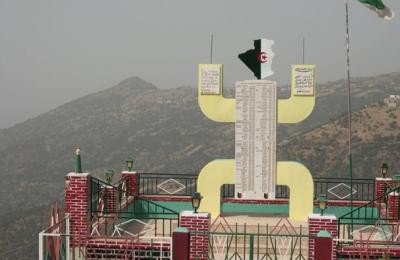

The Thannyak River is one of the most prestigious water bodies in the Mon district, specifically famous for Trout Fishing. Located in a high-altitude valley, the river is fed by cold mountain springs, creating the perfect habitat for trout, which is a rarity in many other parts of Nagaland. The river winds through a landscape of rolling meadows and dense pine-oak forests, offering a scenery that is distinct from the tropical riverbanks of Tapi or Teyap. The water is exceptionally cold and clear, allowing you to see the fish darting between the submerged rocks. The Thannyak is not just a fishing spot; it is a vital ecosystem that supports a variety of highland wildlife. Locals hold the river in high regard, and fishing here is often seen as a skill-based sport rather than just a means of gathering food. The atmosphere is one of profound tranquility and crisp mountain air, making it a favorite for those who enjoy the "high country" feel. Because of its distance from the main town, the river remains largely undisturbed, offering a sense of true wilderness. It is an ideal spot for long-duration stays if you have camping gear, allowing you to experience the sounds of the mountain night and the mist rising off the water at dawn.
Card image cap
Tizit

Tizit is a bustling and strategically important town in the Mon district, serving as the main gateway for travelers entering from the plains of Assam...

Tizit is a bustling and strategically important town in the Mon district, serving as the main gateway for travelers entering from the plains of Assam. While it is a developing urban center, it is highly sought after as a Picnic and Fishing Spot due to its location at the confluence of several hill streams and rivers. The environment here is a mix of lush low-elevation forests and organized tea gardens, offering a different vibe than the high-altitude villages. The Tizit River is wide and relatively calm, making it an excellent spot for family picnics where children can safely play near the water's edge. The town is also a hub for local trade, and its market is a vibrant place to see the exchange of forest produce and traditional handicrafts. For many, Tizit is the first taste of Konyak culture, where the traditional meets the modern. The area around the river is dotted with large trees that provide ample shade for day-trippers. Because of its lower altitude, the weather is significantly warmer than Mon town, making it a pleasant retreat during the cold winter months. It’s also a great place to observe the local coal mining activities and the massive trucks that navigate the narrow roads, adding a touch of industrial grit to the natural beauty.
Card image cap
Veda Peak

Veda Peak stands as the highest point in the Mon district and offers one of the most breathtaking panoramic views in all of Nagaland. This majestic p...

Veda Peak stands as the highest point in the Mon district and offers one of the most breathtaking panoramic views in all of Nagaland. This majestic peak is a must-visit for nature lovers as it provides a clear view of the mighty Brahmaputra River and the Chindwin River of Myanmar on bright, clear days. The peak is enveloped in lush greenery and is often shrouded in misty clouds, creating a mystical atmosphere that feels worlds away from modern civilization. It holds historical significance as it was the location where the British first planted opium in the Naga Hills, adding a layer of colonial history to its natural beauty. Visitors often find themselves lost in the silence of the mountains, making it an ideal spot for meditation and soul-searching amidst the rugged terrain.
Card image cap
Wakching Village

Wakching Village is one of the most culturally significant villages in the Mon district, serving as a gateway to understanding the ancient traditions...

Wakching Village is one of the most culturally significant villages in the Mon district, serving as a gateway to understanding the ancient traditions of the Konyak tribe. Known for its historical importance, it was one of the earliest villages to interact with colonial administrators and missionaries, yet it has preserved its tribal essence with remarkable tenacity. The village is perched on a ridge, offering scenic views of the surrounding hills and plantations. It is famous for its traditional wood carvings and the presence of ancient "Morungs" (youth dormitories) that were once the centers of education and warfare training for young Naga men. The elders of the village, some still bearing the iconic facial tattoos of the headhunting era, are the living repositories of folk tales and tribal wisdom. Visiting Wakching is like stepping back in time, where the rhythmic sound of log drums still echoes through the misty mornings.
Card image cap
Wanching Village

Wanching Village is a picturesque settlement that perfectly blends the ancient Konyak heritage with modern spiritual life. It is widely recognized fo...

Wanching Village is a picturesque settlement that perfectly blends the ancient Konyak heritage with modern spiritual life. It is widely recognized for its strong community bond and its role as a center for the Baptist faith in the region. The village is characterized by its clean pathways, traditional bamboo houses, and the warmth of its inhabitants who are always eager to share their stories. Unlike the more tourist-heavy villages, Wanching offers a peaceful and authentic experience where one can observe the daily rhythms of Naga life, from agriculture to traditional weaving. The village landscape is dotted with colorful flowers and provides a panoramic view of the Assam plains on one side and the deep Naga hills on the other. It is an excellent destination for those looking to experience the transition of the Konyak people from their warrior past to a peaceful, faith-based present.
Card image cap
Yei Village

@@ General Description: Yei Village is a breathtaking destination that serves as a living museum of the Konyak Naga tribe’s glorious past. This secl...

@@ General Description: Yei Village is a breathtaking destination that serves as a living museum of the Konyak Naga tribe’s glorious past. This secluded village is renowned for its collection of ancient Monoliths and Sculptures that represent the bravery and social standing of the ancestors. Visitors are often mesmerized by the serene environment and the traditional lifestyle that has remained unchanged for centuries. The village is surrounded by dense tropical forests and rolling hills, providing a perfect backdrop for the historical stone structures. Every stone in Yei tells a story of headhunting victories, feast celebrations, or the installation of a new Angh (Chief). The locals are incredibly hospitable and take great pride in explaining the significance of their heritage to travelers. Exploring Yei feels like stepping back in time, where nature and history coexist in perfect harmony. It is an essential stop for anyone looking to understand the deep-rooted traditions of Nagaland. The air here is crisp, and the panoramic views of the Myanmar border hills add to the mystical charm of the place.
Card image cap
Yetyong River

@@ General Description: The Yetyong River is a hidden aquatic gem in the heart of the Mon district, famous for its crystal-clear waters and rich biodi...

@@ General Description: The Yetyong River is a hidden aquatic gem in the heart of the Mon district, famous for its crystal-clear waters and rich biodiversity. This river is particularly celebrated as a premier destination for Trout Fishing, attracting angling enthusiasts from across the country. The river meanders through deep gorges and vibrant green valleys, offering a tranquil escape from the noise of urban life. The surrounding vegetation is home to various species of orchids and rare ferns, making it a paradise for nature lovers. The water of Yetyong is remarkably cold and pure, originating from the high mountain springs of the Patkai range. Local communities have protected these waters for generations, ensuring that the fish population remains healthy and sustainable. Apart from fishing, the riverbanks serve as excellent spots for family picnics and soul-searching retreats. The rhythmic sound of the flowing water combined with the chirping of exotic birds creates a therapeutic atmosphere. It is a place where one can truly connect with the raw beauty of the Naga wilderness.
Show All

Note:-

Information provided here in good Faith and for reference only.

All information and pictures will be updated soon, please keep visiting.

Near Places
...
Dimapur

Some quick example text to build on the card title and make up the bulk of the card's content.

Go somewhere
...
Dzuleke

Some quick example text to build on the card title and make up the bulk of the card's content.

Go somewhere
...
Dzulekie

Some quick example text to build on the card title and make up the bulk of the card's content.

Go somewhere
...
Khonoma

Some quick example text to build on the card title and make up the bulk of the card's content.

Go somewhere
...
Kigwema

Some quick example text to build on the card title and make up the bulk of the card's content.

Go somewhere
...
Kiphire

Some quick example text to build on the card title and make up the bulk of the card's content.

Go somewhere
...
Kiphire Town

Some quick example text to build on the card title and make up the bulk of the card's content.

Go somewhere
...
Kohima

Some quick example text to build on the card title and make up the bulk of the card's content.

Go somewhere
...
Longleng

Some quick example text to build on the card title and make up the bulk of the card's content.

Go somewhere
...
Meluri

Some quick example text to build on the card title and make up the bulk of the card's content.

Go somewhere
in Other Cities