...

Place To Visit And Things To Do In Ravangla

Sikkim, India
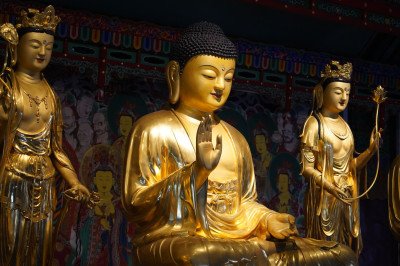
Serene High Altitude Town: Located at 7,000 feet, Ravangla acts as a buffer between Gangtok and Pelling, offering a quiet retreat with misty landscapes. Religious Landmark: The town is globally famous for the Buddha Park (Tathagata Tsal), which features a massive 130-foot copper statue of Lord Bud dha. Natural Splendor: It provides a majestic view of peaks like Mt. Narsing and Mt. Kabru, and is surrounded by the Maenam Wildlife Sanctuary. Cultural Fusion: The area is a melting pot of Bhutia and Lepcha cultures, visible in the local festivals, food, and the nearby Ralong Monastery.

Things To Do

Card image cap
Bon Monastery

The Bon Monastery, also known as Bon Yung Dung Monastery, is a significant religious site located in the serene village of Kewzing. It is one of the ...

The Bon Monastery, also known as Bon Yung Dung Monastery, is a significant religious site located in the serene village of Kewzing. It is one of the only two monasteries in India that belong to the Bon sect, an ancient Tibetan religion that predates Buddhism. Established in 1980 by the late Yung Dung Tsultrim, the monastery serves as a vital center for the preservation of Bon culture and teachings. Visitors are often struck by the profound silence that blankets the area, offering a stark contrast to the more commercialized tourist spots. The monastery provides education to young monks, many of whom come from underprivileged backgrounds, ensuring that the ancient traditions of chanting, meditation, and rituals are passed down to future generations. The spiritual energy here is palpable, especially during the early morning prayer sessions when the sounds of drums and conchs echo through the valley. It is a place for deep reflection and learning about a unique branch of Himalayan spirituality.
Card image cap
Borong Hot Springs

Borong Hot Springs, locally known as Borong Cha-chu, is a natural wonder located on the banks of the Rangeet River. These springs are famous for thei...

Borong Hot Springs, locally known as Borong Cha-chu, is a natural wonder located on the banks of the Rangeet River. These springs are famous for their high sulfur content, which is believed to have medicinal properties that can cure skin diseases and bone-related ailments. People from all over Sikkim and neighboring countries flock here, especially during the winter months, to soak in the therapeutic waters. The journey to the springs involves a scenic trek through lush forests, adding an element of adventure to the relaxation. Temporary huts are often set up near the river for those who wish to stay for several days to complete a full "healing course." The environment is raw and untouched, providing a perfect escape for nature lovers who want to experience the wilderness of South Sikkim without the distractions of modern life.
Card image cap
Buddha Park

Buddha Park, also known as Tathagata Tsal, is the most iconic landmark in Ravangla. Inaugurated in 2013 by the 14th Dalai Lama, it was built to comme...

Buddha Park, also known as Tathagata Tsal, is the most iconic landmark in Ravangla. Inaugurated in 2013 by the 14th Dalai Lama, it was built to commemorate the 2550th birth anniversary of Gautama Buddha. The centerpiece of the park is a massive, gold-covered statue of Buddha that can be seen from miles away. The park is designed as a peaceful sanctuary for both tourists and spiritual seekers. It features beautifully manicured gardens, a fountain show, and a series of walkways that offer breathtaking views of Mount Kanchenjunga. Inside the base of the statue, there is a gallery with intricate paintings and displays depicting the life of Buddha. The ambiance is one of utter serenity, enhanced by the soft Buddhist chants played over the speakers throughout the day. It has successfully put Ravangla on the global tourism map, attracting thousands of visitors every year who come to admire its grandeur and seek mental peace.
Card image cap
Doling Gompa

Doling Gompa, also known simply as Doling Monastery, is a serene Buddhist retreat located in the quiet village of Barfung. Belonging to the Nyingmapa...

Doling Gompa, also known simply as Doling Monastery, is a serene Buddhist retreat located in the quiet village of Barfung. Belonging to the Nyingmapa (Red Hat) sect of Tibetan Buddhism, it was founded in 1718 by Lama Rigdzin Longyang. The monastery is unique because it is situated on a small hillock that offers a 360-degree view of the surrounding mountains and forests. One of the most fascinating aspects of this place is the collection of sacred relics, including the footprint of Lama Dorjelingpa and a footprint of the horse of the deity Kanchenjunga, which are preserved in stone. The monastery has a very traditional feel, far removed from the modern constructions of the main town. It is surrounded by thousands of prayer flags that flutter in the wind, creating a spiritual shield of peace. The resident monks are friendly and often share stories of the monastery's history with curious travelers.
Card image cap
Doling Monastery

Though often used interchangeably with Doling Gompa, the Doling Monastery complex in Barfung serves as a broader spiritual hub for the local communit...
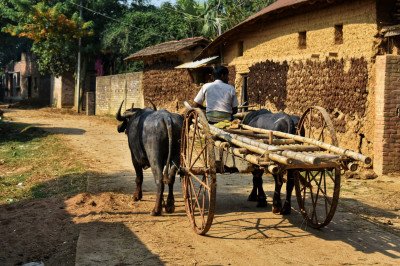
Though often used interchangeably with Doling Gompa, the Doling Monastery complex in Barfung serves as a broader spiritual hub for the local community. It is a place where nature and divinity meet, characterized by its isolation and the deep greenery that surrounds it. The monastery is part of the Nyingmapa tradition and serves as a primary site for local Buddhist festivals. The atmosphere is consistently cool and misty, often shrouded in clouds that add a mystical quality to the site. It is not just a tourist spot but a living community where rituals are performed daily for the well-being of the entire region. Visitors are often invited to share tea with the monks, offering a rare glimpse into the monastic lifestyle that has remained unchanged for centuries. The panoramic views from the monastery platform are some of the best in South Sikkim, overlooking the rolling hills and distant snow peaks.
Card image cap
Kewzing Village

Kewzing Village is a serene Bhutia settlement perched at an altitude of 4,600 feet, offering a quiet retreat from the busy tourist trails of Sikkim. ...

Kewzing Village is a serene Bhutia settlement perched at an altitude of 4,600 feet, offering a quiet retreat from the busy tourist trails of Sikkim. Known in the local dialect as the 'Land of Wheat Fields', this village is surrounded by lush green cardamom plantations and thick forests of chestnut and birch. The village provides a panoramic view of the mighty Mt. Narsing and Mt. Kabru, creating a postcard-perfect backdrop for every visitor. With just about 30 houses, the community-based tourism here allows travelers to experience the authentic Sikkimese lifestyle through homestays and cultural interactions. The air is filled with the scent of pine and the sound of traditional instruments like the dramyin, making it a haven for peace seekers. It is also a birdwatcher’s paradise, hosting over 200 species of birds within its forest cover.
Card image cap
Kheunpheling Carpet Centre

The Kheunpheling Carpet Centre is a significant cultural and industrial site located within the Tibetan Refugee Settlement Camp in Ravangla. Establis...
The Kheunpheling Carpet Centre is a significant cultural and industrial site located within the Tibetan Refugee Settlement Camp in Ravangla. Established in 1978, this center was created to provide sustainable livelihoods for Tibetan refugees while preserving their ancestral art of carpet weaving. Visitors can witness the intricate process of creating world-class Tibetan carpets, which are known for their high knot density, vibrant natural dyes, and symbolic patterns. The center is not just a factory but a living museum where the rhythmic sound of looms tells the story of a community's resilience in exile. Apart from carpets, the artisans here produce exquisite shawls, wooden carvings, and traditional Tibetan garments like kurtas and chubas. The facility also functions as a training center, ensuring that the younger generation learns the meticulous skills required for wood carving and hand-weaving. Buying a product here directly supports the local refugee community, making it a meaningful stop for any socially conscious traveler exploring the heights of Sikkim.
Card image cap
Khundirke Falls

Khundirke Falls is one of the lesser-known natural wonders located near the town of Ravangla, offering a serene escape for those who enjoy offbeat de...

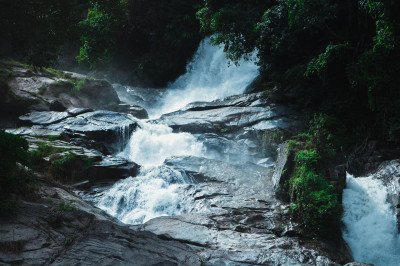
Khundirke Falls is one of the lesser-known natural wonders located near the town of Ravangla, offering a serene escape for those who enjoy offbeat destinations. Tucked away in the lush greenery of the Yangang region, this waterfall cascades down a rocky cliff, creating a misty and cooling atmosphere even during the warmer months. Unlike the more commercialized falls in Sikkim, Khundirke remains largely untouched, providing a peaceful environment where the only sound is the roar of the water and the chirping of forest birds. The trail leading to the falls takes you through dense thickets of subtropical vegetation, offering glimpses of wild orchids and exotic ferns along the way. It is a perfect spot for nature lovers and photographers who want to capture the raw beauty of the Himalayan landscape without the interference of large crowds. The water pool at the base is shallow enough for visitors to dip their feet and enjoy the refreshing mountain spring water. A visit here is often combined with a trip to the nearby Yangang village, known for its traditional Lepcha culture and scenic beauty.
Card image cap
Lingmoo Village

Lingmoo Village is a hidden treasure of South Sikkim, offering travelers a chance to experience the soul of the Himalayas far from the commercial cen...

Lingmoo Village is a hidden treasure of South Sikkim, offering travelers a chance to experience the soul of the Himalayas far from the commercial centers. Situated at a lower altitude compared to Ravangla, this village is blessed with a warmer climate and fertile soil, making it a hub for orange orchards and organic vegetable farming. The village is inhabited by a mix of Bhutia and Lepcha communities, living in harmony and maintaining age-old traditions that date back centuries. Walking through Lingmoo, one can see traditional wooden houses, vibrant prayer flags fluttering in the breeze, and friendly locals engaged in their daily agricultural activities. The village is also known for its local dairy products and traditional fermented drinks like Tongba, which are often offered to guests as a sign of welcome. For those interested in spiritual history, the village houses several small, ancient shrines and is a base for treks to the nearby holy caves. The panoramic views of the Teesta River valley from the village edges are breathtaking, especially during sunset when the water reflects the golden hues of the sky.
Card image cap
Maenam Hill

Maenam Hill stands as a towering sentinel over Ravangla, reaching an impressive altitude of 10,300 feet. It is the highest point in South Sikkim and ...

Maenam Hill stands as a towering sentinel over Ravangla, reaching an impressive altitude of 10,300 feet. It is the highest point in South Sikkim and serves as the crown jewel of the Maenam Wildlife Sanctuary. The trek to the top is one of the most rewarding adventure experiences in the state, offering a steep but scenic climb through dense forests of oak, chestnut, magnolia, and rhododendrons. As you ascend, the vegetation changes from temperate forest to alpine scrub, providing a home to rare wildlife like the Red Panda, Himalayan Black Bear, and the colorful Satyr Tragopan. Once at the summit, trekkers are greeted by the ruins of an ancient monastery and a panoramic view that is arguably the best in Sikkim. On a clear day, you can see the entire Kanchenjunga range standing in its full glory, alongside the plains of North Bengal and the hills of Darjeeling and Kalimpong to the south. Further along the ridge lies Bhaley Dunga, a unique rock formation that juts out over a 2,000-foot drop, offering a thrill for the brave. The hill is not just a trekking destination but a spiritual site where locals believe the 'God of the Sky' resides.
Card image cap
Old Legship Suspension Bridge

The Old Legship Suspension Bridge is a historic engineering marvel that spans the gushing Rangeet River. This bridge serves as a vital artery connect...

The Old Legship Suspension Bridge is a historic engineering marvel that spans the gushing Rangeet River. This bridge serves as a vital artery connecting the South and West districts of Sikkim. It offers a thrilling experience for travelers as it sways gently over the turquoise waters. The bridge is surrounded by lush subtropical forests and steep rocky cliffs, creating a dramatic landscape. Historically, this bridge was the primary route for traders and pilgrims moving toward Pelling and Yuksom. The sound of the roaring river beneath and the cool breeze make it a refreshing stop. Visitors often stop here to capture the raw beauty of the Sikkimese wilderness. The bridge is sturdy yet evokes a sense of nostalgia with its rusted iron cables and wooden planks. It is a symbol of the resilience of Himalayan infrastructure. The surrounding area of Legship is known for its religious significance, being the site of the Kirateshwar Mahadev Mandir. Exploring the bridge allows tourists to feel the pulse of local life, as villagers and colorful local taxis frequently pass by. It is not just a crossing point but a vantage point to observe the confluence of nature and human effort. The mist rising from the river during early mornings adds a mystical touch to the location. Many believe that crossing this bridge marks the transition from the bustling market towns to the deeper, more spiritual heart of the mountains. It is a must-visit for those who appreciate old-world charm and scenic river views.
Card image cap
Old Ralang Monastery

The Old Ralang Monastery, also known as the Karma Rabten Ling, is one of the most historically significant religious sites in Sikkim. Built in the 18...

The Old Ralang Monastery, also known as the Karma Rabten Ling, is one of the most historically significant religious sites in Sikkim. Built in the 18th century, it belongs to the Karma Kagyu sect of Tibetan Buddhism. According to legend, the 9th Karmapa threw grains of rice from Tibet during a blessing ceremony, and these grains fell exactly where the monastery now stands. This sacred origin makes it a primary pilgrimage site for devotees worldwide. The atmosphere here is deeply meditative and quiet, far removed from the modern tourist trails. The monastery houses ancient scriptures, rare thangkas, and exquisite murals that have survived centuries. Unlike the newer monasteries, the old one has a weathered, authentic feel that resonates with spiritual energy. It is located in a valley that requires a short trek to reach, adding to its sense of seclusion. The monks here follow traditional rituals that have remained unchanged for generations. The surrounding landscape is filled with prayer flags that flutter in the mountain wind, carrying prayers across the valley. Visiting this site offers a glimpse into the monastic life of ancient Sikkim. The structure is built with stone and wood, reflecting the traditional architecture of the region. It is particularly famous for its annual masked dances, which are performed with great fervor. For those seeking peace and a deep connection with Buddhist history, the Old Ralang Monastery is an irreplaceable destination. It stands as a testament to the enduring faith of the Sikkimese people.
Card image cap
Ralang Monastery

The New Ralang Monastery, officially known as Palchen Choeling Monastic Institute, is one of the grandest and largest Buddhist structures in India. C...

The New Ralang Monastery, officially known as Palchen Choeling Monastic Institute, is one of the grandest and largest Buddhist structures in India. Completed in 1995, it was built by the 12th Gyaltsab Rinpoche to accommodate the growing number of monks and devotees. The monastery is a masterpiece of modern Tibetan architecture, featuring vibrant colors, gold-plated carvings, and massive scale. It serves as a major center for Buddhist studies and is home to over 500 monks. The main prayer hall is cavernous, housing a colossal golden statue of Lord Buddha. The walls are covered in contemporary Buddhist art that is breathtaking in its detail and precision. Unlike the old monastery, this site is easily accessible by road, making it a popular stop for tourists. The monastery complex includes residential quarters, a school, and administrative buildings. The courtyard is massive, designed to host thousands of people during major festivals like Pang Lhabsol. Visitors can witness the daily lives of monks, from young novices studying to senior lamas performing complex rituals. The energy here is vibrant yet disciplined. The panoramic views of the surrounding mountains from the monastery balconies are unmatched. It stands as a beacon of the thriving Buddhist culture in Sikkim. The sheer scale of the building against the backdrop of the Himalayas creates a sense of awe and reverence. It is a place where tradition meets modernity, ensuring that the teachings of the Kagyu lineage are passed down to future generations in a magnificent setting.
Card image cap
Ralong Hot Springs

Ralong Hot Springs, locally known as Ralong Cha-chu, are natural sulfur springs located deep in the Rangit River valley. These springs are legendary ...

Ralong Hot Springs, locally known as Ralong Cha-chu, are natural sulfur springs located deep in the Rangit River valley. These springs are legendary for their medicinal properties, believed to cure various skin ailments, bone pains, and respiratory issues. The journey to the springs involves a challenging downhill trek through dense forests and bamboo groves, making it a favorite for adventure enthusiasts. The springs are situated in a pristine, untouched environment where the steam from the hot water mixes with the cold mountain air. Temporary huts are often built by locals who stay for weeks during the winter to undergo the "healing treatment." The water is naturally heated by geothermal energy and collected in small pools along the riverbank. This site also holds religious significance, as it is located near several holy caves where Buddhist saints are said to have meditated. The sound of the rushing Rangit River providing a background score to the peaceful springs is incredibly therapeutic. For many, the trek back up is a test of endurance, but the rejuvenation felt after the bath makes it worthwhile. The area is devoid of commercialization, offering a raw and authentic nature experience. It is a place where one can truly disconnect from the modern world and connect with the elements. The landscape is dotted with colorful prayer flags, signifying the holiness of the waters. Visiting the Ralong Hot Springs is not just about the bath; it is about the pilgrimage through the wild heart of Sikkim. It is an experience that cleanses both the body and the soul.
Card image cap
Ralong Monastery

The Ralong Monastery complex represents the dual heritage of the Kagyu sect, consisting of the ancient 18th-century Gompa and the majestic 1995 Monas...

The Ralong Monastery complex represents the dual heritage of the Kagyu sect, consisting of the ancient 18th-century Gompa and the majestic 1995 Monastic Institute. Together, they form the most important religious center in South Sikkim. This destination offers a unique contrast between the intimate, historical spirituality of the old site and the grand, institutional scale of the new one. Visitors typically start at the new monastery to admire the architecture and then trek to the old one for a more secluded experience. The entire area is considered highly sacred, believed to be blessed by the 9th Karmapa himself. The combined visit provides a comprehensive understanding of how Buddhist traditions have evolved while remaining rooted in ancient legends. The complex is a hub for festivals, specifically the Pang Lhabsol, which draws people from across the state. The monks here are known for their hospitality and are often willing to share stories of the monastery's history. The landscape surrounding the two sites is a mix of dense forest, terraced fields, and snow-capped mountain views. Walking between the two monasteries allows travelers to experience the true rural beauty of Sikkim. It is common to see young monks playing football in the courtyards, showcasing a more human side to the monastic life. The air here is thin and crisp, filled with the scent of burning juniper and the sound of distant drums. For any traveler to Ravangla, this combined site is the spiritual highlight of the trip. It offers a perfect blend of history, art, adventure, and peace. It is a place where one can spend an entire day and still find new corners of beauty and devotion to explore.
Card image cap
Rangit View Point

@@Scenic Splendor and River Views: This viewpoint offers a stunning bird’s eye view of the Rangit River snaking through the lush valleys of South Si...
@@Scenic Splendor and River Views: This viewpoint offers a stunning bird’s eye view of the Rangit River snaking through the lush valleys of South Sikkim. The site is a favorite for nature lovers who wish to witness the raw beauty of the Himalayan landscape without heavy trekking. The surrounding area is covered in dense pine forests that create a mystical atmosphere during the misty mornings. Visitors often spend time here reflecting on the quietude of the mountains while watching the sun glint off the river water below. It serves as a perfect pitstop for travelers heading towards Namchi or Damthang. The air here is crisp and carries the scent of fresh pine, providing a sensory delight. Local vendors often set up small stalls selling hot tea and snacks, enhancing the experience of the chilly mountain breeze. The valley below is often dotted with small terraced farms, showcasing the agrarian lifestyle of the local Sikkimese people. It is a place where one can truly feel the scale of the mountains compared to the winding river beds.
Card image cap
Ravangla Bazaar

@@Local Culture and Trade Hub: Ravangla Bazaar is the vibrant commercial and cultural heart of the town, where the daily life of the Sikkimese people ...

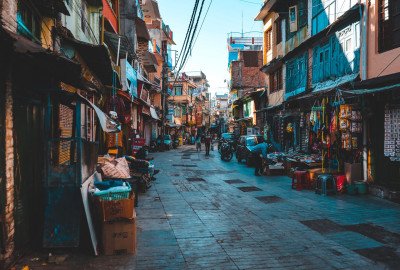
@@Local Culture and Trade Hub: Ravangla Bazaar is the vibrant commercial and cultural heart of the town, where the daily life of the Sikkimese people unfolds. It is a bustling street lined with traditional wooden buildings and modern shops selling everything from local spices to hand-woven carpets. The market is famous for its authentic Himalayan vibe, where you can find traditional items like 'Dalle' chillies, fermented soybean (Kinema), and local butter. Walking through the bazaar gives tourists a chance to interact with the friendly locals and taste street food like momos and thukpa. The atmosphere is particularly lively in the evenings when the fog rolls in and the shop lights glow through the mist. It is the best place to buy souvenirs, including prayer flags, singing bowls, and woolen wear. The market also serves as the main transit point for all travelers in the region. Many small cafes here offer a cozy retreat with views of the mountain peaks. It is a melting pot of Bhutia, Lepcha, and Nepali cultures, reflected in the food and language spoken.
Card image cap
Ravangla Buddha Park

@@Spiritual Landmark of Sikkim: Also known as Tathagata Tsal, this park features a magnificent 130-foot high statue of Lord Buddha. It was consecrated...

@@Spiritual Landmark of Sikkim: Also known as Tathagata Tsal, this park features a magnificent 130-foot high statue of Lord Buddha. It was consecrated by the 14th Dalai Lama in 2013 to mark the 2550th birth anniversary of Gautama Buddha. The park is set against the backdrop of the majestic Mount Narsing, which adds to its spiritual grandeur. The complex includes a meditation center, a museum, and a spiral gallery that narrates the life of Buddha. The beautifully manicured lawns and water fountains create a serene environment for reflection and peace. It is not just a tourist spot but a significant pilgrimage site for Buddhists worldwide. The park is part of the Rabong Monastery complex, which is one of the oldest in the region. Visitors can walk along the paved pathways while listening to the soothing chants played over the sound system. The atmosphere is one of profound silence and beauty, making it the most visited spot in Ravangla. At night, the statue is illuminated, looking like a golden beacon against the dark Himalayan sky.
Card image cap
Rayong Sunrise View Point

@@Himalayan Sunrise Experience: Perched at an altitude of 6,700 feet, this viewpoint is the premier spot for photographers wanting to capture the firs...

@@Himalayan Sunrise Experience: Perched at an altitude of 6,700 feet, this viewpoint is the premier spot for photographers wanting to capture the first rays of the sun hitting the Kanchenjunga range. As the sun rises over the Chola Range of Bhutan, it paints the peaks of Mt. Narsing, Kabru, and Pandim in shades of pink, orange, and gold. The viewpoint offers a 360-degree panorama of the surrounding hills and the deep valleys of South Sikkim. It is a quiet, secluded spot compared to the busier viewpoints in Gangtok. The journey to the point in the pre-dawn darkness is an adventure in itself, often through thick mist and cold mountain air. Once you reach the top, the silence is only broken by the sound of distant monastery bells or the chirping of early birds. It is a place of immense natural beauty that leaves visitors in awe of the Himalayan scale. The viewpoint also serves as a gateway for short treks to nearby villages like Tinkitam, known for its rare orchids.
Card image cap
Samdruptse Hill

@@Abode of Guru Padmasambhava: Samdruptse Hill is home to a colossal 135-foot statue of Guru Padmasambhava (Guru Rinpoche), the patron saint of Sikkim...
@@Abode of Guru Padmasambhava: Samdruptse Hill is home to a colossal 135-foot statue of Guru Padmasambhava (Guru Rinpoche), the patron saint of Sikkim. The name 'Samdruptse' translates to 'The Wish Fulfilling Hill' in the local Bhutia language. It is believed that the hill is a dormant volcano, and only the continuous prayers of the monks keep it from erupting. The statue is gilded with gold and sparkles brilliantly under the sun, visible from many parts of South and West Sikkim. The foundation stone was laid by the Dalai Lama in 1997. The site offers a panoramic view of Mt. Kanchenjunga and the town of Namchi. The interior of the statue's base features a large prayer hall and a collection of historical photographs, including rare shots of Mahatma Gandhi. The surrounding forest is part of a conservation area, providing a peaceful retreat for visitors. The walk up to the statue is lined with prayer flags that flutter in the mountain wind, creating a spiritual rhythm that stays with the visitor long after they leave.
Card image cap
Temi Tea Estate

Temi Tea Estate is the only tea garden in the state of Sikkim and is widely considered one of the finest in the world. Established in 1969 by the Cho...

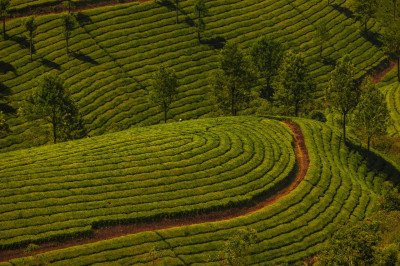
Temi Tea Estate is the only tea garden in the state of Sikkim and is widely considered one of the finest in the world. Established in 1969 by the Chogyal of Sikkim, it spans over 440 acres of rolling hills at altitudes ranging from 4,800 to 6,400 feet. The estate produces top-quality organic tea that is exported globally and is known for its delicate aroma and golden liquor. Walking through the manicured tea bushes provides a sense of profound peace and a connection with nature. The estate is set against the backdrop of the majestic Kanchenjunga, creating a landscape that looks like a living painting. Tourists can observe the entire process of tea making, from the careful plucking of leaves by local workers to the final processing in the factory. The area is also rich in biodiversity, featuring various species of birds and butterflies. Staying at the heritage bungalow or the modern resorts within the garden allows visitors to wake up to the scent of fresh tea and the sight of mountain mist. The garden is a symbol of Sikkim's commitment to organic farming and sustainable tourism. It remains a must-visit for anyone traveling through the southern part of the state. :
Card image cap
Tendong Hill

Tendong Hill is a prominent landmark and a sacred destination situated at an altitude of 8,530 feet above sea level. In the local Lepcha language, "T...

Tendong Hill is a prominent landmark and a sacred destination situated at an altitude of 8,530 feet above sea level. In the local Lepcha language, "Tendong" means "the upraised horn," originating from a legend where the hill rose up to save the Lepcha people from a great deluge. The hill is essentially an extinct volcano and offers a unique geological perspective of the region. To reach the summit, one must undertake a 6 KM trek through the lush forests of the Tendong State Biodiversity Park. This trail is a haven for nature lovers, featuring a dense canopy of bamboo, oaks, and flowering rhododendrons. The forest is home to various wildlife, including the elusive Red Panda, Himalayan bears, and over 90 species of birds. At the top, a three-storied watchtower provides a staggering 360-degree view of the Eastern Himalayas. On a clear day, one can see the plains of West Bengal, the Singalila Range, and even parts of Tibet and Bhutan. The summit also houses a small monastery and remains a place of spiritual retreat for Buddhist Lamas who come here for long periods of meditation. The trek is moderately challenging but deeply rewarding for the silence and scenic grandeur it offers. It is a place where mythology and natural beauty converge perfectly. :
Show All

Ravangla Itineray And Cost:-

Information about New and Updated Locations() of Sikkim Has Been Added :-
Card subtitle

Note:-

Information provided here in good Faith and for reference only.

All information and pictures will be updated soon, please keep visiting.

Near Places

...
Chungthang

Some quick example text to build on the card title and make up the bulk of the card's content.

Go somewhere
...
Gangtok

Some quick example text to build on the card title and make up the bulk of the card's content.

Go somewhere
...
Geyzing

Some quick example text to build on the card title and make up the bulk of the card's content.

Go somewhere
...
Jorethang

Some quick example text to build on the card title and make up the bulk of the card's content.

Go somewhere
...
Lachen

Some quick example text to build on the card title and make up the bulk of the card's content.

Go somewhere
...
Lachung

Some quick example text to build on the card title and make up the bulk of the card's content.

Go somewhere
...
Mangan

Some quick example text to build on the card title and make up the bulk of the card's content.

Go somewhere
...
Namchi

Some quick example text to build on the card title and make up the bulk of the card's content.

Go somewhere
...
Pakyong

Some quick example text to build on the card title and make up the bulk of the card's content.

Go somewhere
...
Pelling

Some quick example text to build on the card title and make up the bulk of the card's content.

Go somewhere
in Other Cities