...

Place To Visit And Things To Do In Tura

Meghalaya, India
Geographical Location: Tura is the largest town in the Garo Hills region and serves as a base for exploring the western part of Meghalaya. It is situated at the foothills of the Tura Hills and is known for its untouched natural beauty. The town is surrounded by dense forests, caves, and several casc ading waterfalls. It offers a more offbeat experience compared to the popular Khasi Hills. Cultural Identity: The town is the cultural heart of the Garo tribe, who are known for their traditional lifestyle and hospitality. The people follow the matrilineal system and have a deep-rooted connection with nature. Festivals like Wangala celebrate the harvest and are a spectacle of hundred drums. The local language is Garo, but English and Hindi are also understood. Natural Wonders: It is the gateway to the Nokrek National Park, a UNESCO Biosphere Reserve famous for the Citrus Gene Sanctuary. The region is home to rare wildlife like the Red Panda and the Hoolock Gibbon. Spectacular sites like the Siju Caves and Balpakram National Park are accessible from here. The landscapes are dominated by limestone formations and deep river valleys. Atmosphere and Life: Life in the town is slow and peaceful, making it an ideal destination for those looking to escape the crowds. The local markets are filled with organic produce and traditional Garo handicrafts. The town is growing as an eco-tourism destination with several homestays. It provides a raw and authentic experience of the northeastern wilderness.

Things To Do

Card image cap
Araimile Market

Araimile Market is one of the busiest and most vibrant commercial hubs in the town of Tura. Unlike the central main market, Araimile serves as a vita...
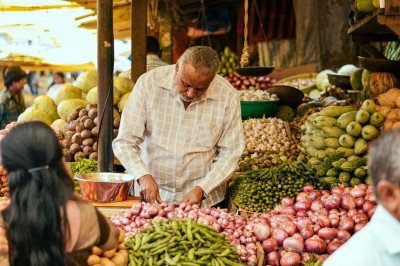
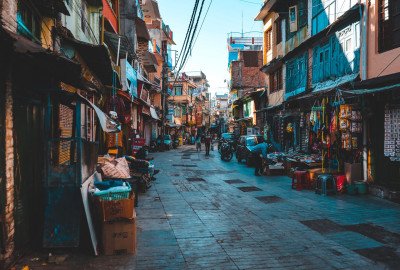
Araimile Market is one of the busiest and most vibrant commercial hubs in the town of Tura. Unlike the central main market, Araimile serves as a vital junction connecting the suburban areas with the heart of the city. The market is a sensory explosion of sights, sounds, and smells, offering a deep dive into the daily life of the Garo people. Here, you can find everything from fresh organic produce brought in from nearby villages to modern electronics and fashion. The vegetable section is particularly fascinating, featuring indigenous herbs, bamboo shoots, and various types of local chillies that are central to Garo cuisine. The market also houses several small eateries where one can taste authentic snacks like 'Pitha' or 'Dohneiiong' style preparations. It is a place where social interactions happen as much as commercial transactions. The rhythm of the market changes throughout the day, starting with the early morning arrival of farmers and ending with the evening rush of office workers. The market area has expanded significantly over the years, reflecting the growth of Tura as a major urban center in Meghalaya. For a traveler, Araimile Market is the best place to observe the local attire, listen to the melodic Garo language, and understand the economic pulse of the region. It is also a strategic point for transportation, as many local taxis and buses congregate here. The market is particularly lively on specific 'market days' when villagers from the interior hills bring their unique forest products for sale. Walking through the narrow aisles, one can find traditional hand-woven 'Dakmandas' (Garo wraps) alongside modern clothing. The integration of tradition and modernity is seamless here, making it a cultural landmark as much as a shopping destination.
Card image cap
A'sim Falls

A'sim Falls is a breathtaking natural wonder located a short drive from the main town of Tura. This waterfall is tucked away in a lush green valley, ...

A'sim Falls is a breathtaking natural wonder located a short drive from the main town of Tura. This waterfall is tucked away in a lush green valley, surrounded by dense subtropical forests that are characteristic of the Meghalaya landscape. The water cascades down a series of rocky steps, creating a soothing melody that resonates through the quiet woods. Visitors often find the atmosphere here to be incredibly rejuvenating, as the air is fresh and filled with the scent of wild flowers. The pool at the bottom is crystal clear, reflecting the emerald canopy above. It serves as a vital water source for the local flora and fauna, maintaining the ecological balance of the region. The trail leading to the falls is an adventure in itself, passing through tribal hamlets and traditional Garo farmlands. This spot is perfect for those looking to escape the urban noise and reconnect with nature in its purest form. The waterfall maintains a steady flow throughout the year, though it truly comes alive during the monsoon months of June and July. It is a place where time seems to slow down, allowing for deep reflection and peace. Local legends often associate such water bodies with forest spirits, adding a layer of mystical charm to the visit. The surrounding cliffs are covered in moss and rare orchids, making it a botanical paradise for researchers and nature enthusiasts alike. Every corner of A'sim Falls tells a story of the geological history of the Garo Hills, shaped over millions of years by the relentless force of flowing water.
Card image cap
Balading Waterfall

Balading Waterfall is one of the more secluded and pristine waterfalls located on the outskirts of Tura. Unlike the more famous Pelga Falls, Balading...

Balading Waterfall is one of the more secluded and pristine waterfalls located on the outskirts of Tura. Unlike the more famous Pelga Falls, Balading offers a quieter, more intimate experience with nature. The waterfall is characterized by its narrow, forceful stream that plunges into a deep, turquoise pool. It is surrounded by towering trees and limestone rocks that have been smoothed over centuries. The path to the waterfall involves a short but steep descent through a forest trail, which adds an element of adventure for visitors. The sound of the water can be heard long before the falls come into view, creating a sense of anticipation. This spot is particularly favored by local youths and couples for its privacy and scenic beauty. The water is exceptionally cold and refreshing, making it a popular spot for a quick dip during the humid summer months. The biodiversity around Balading Waterfall is rich, with many species of butterflies and dragonflies frequently spotted near the water's edge. The area remains largely undeveloped, which preserves its natural charm but also means there are fewer amenities. Visitors are encouraged to bring their own supplies and, most importantly, take their trash back with them to maintain the site's purity. During the rainy season, the waterfall transforms into a thundering torrent, and the mist created by the impact can be felt from several meters away. In the winter, it becomes a gentle silver thread, offering a completely different but equally beautiful aesthetic. The geological formation of the area suggests ancient volcanic or seismic activity that created the sharp drops in the landscape. For anyone visiting Tura, a trip to Balading provides a glimpse into the "unexplored" side of the Garo Hills.
Card image cap
Balpakram National Park

Balpakram National Park is often referred to as the 'Grand Canyon of India' due to its massive deep gorges and unique geological formations. The "Bas...

Balpakram National Park is often referred to as the 'Grand Canyon of India' due to its massive deep gorges and unique geological formations. The "Base" area, usually accessed via Baghmara, serves as the starting point for one of the most mystical journeys in Meghalaya. According to Garo mythology, this is the land where the spirits of the dead reside before their final journey. The park covers an area of 220 square kilometers and is a biodiversity hotspot of global significance. It is home to rare species like the Red Panda, Asian Golden Cat, and the Indian Elephant. The landscape is a mix of plateau grasslands, dense deciduous forests, and sheer cliff faces. One of the most famous spots within the park is the 'Schistose' rock, which locals believe has magnetic properties. The base area provides the necessary permits and guides required to enter the core zone. The weather here can be unpredictable, with sudden winds and mists, giving the park its name (Balpakram means "Land of Eternal Wind"). For travelers, the base camp at Hattisil offers basic forest lodge accommodation. Staying here allows you to experience the sounds of the jungle at night, from the call of the Hoolock Gibbon to the rustle of elephants in the distance. The park is also famous for its carnivorous plants, including the Pitcher Plant (Nepenthes khasiana), which grows abundantly in the rocky crevices. The trek from the base to the various viewpoints offers panoramic views of the plains of Bangladesh. It is a place of deep spiritual importance to the Garo tribe, and many sites within the park are considered sacred. Visiting Balpakram is not just a wildlife tour; it is a pilgrimage into the heart of Garo culture and natural history.
Card image cap
Boshonto Park

Boshonto Park is a beautifully landscaped public park and recreational area located on the slopes leading up to the Tura Peak. The name "Boshonto" tr...

Boshonto Park is a beautifully landscaped public park and recreational area located on the slopes leading up to the Tura Peak. The name "Boshonto" translates to "Spring," and the park truly embodies this season throughout the year with its well-maintained flower beds and lush green lawns. It was designed to provide a space for relaxation and family outings for the residents of Tura. The park offers one of the best vantage points to see the entire town of Tura sprawling below. On a clear day, the view extends even further to the plains of Bangladesh. The park is divided into several sections, including a children's play area, a series of walking paths, and quiet corners with benches for elderly visitors. The architecture of the park includes several gazebos and viewpoints that are built in a style that complements the hilly terrain. During the flowering season in February and March, the park is a riot of colors with roses, dahlias, and seasonal blooms at their peak. It is a popular spot for morning joggers and evening walkers who come to enjoy the cool breeze and the scenic beauty. The park also serves as a gateway for those planning to trek further up to the Tura Peak observatory. Its proximity to the city center makes it an easy escape for anyone looking for a quick nature fix without traveling far. The management has done a commendable job in keeping the park clean and eco-friendly. It is often used as a venue for small community gatherings and awareness programs. For a tourist, Boshonto Park is the ideal place to watch the sunset, as the sky turns into shades of orange and pink over the Garo Hills.
Card image cap
Chibragre Eco Resort

@@ Place Details: Chibragre Eco Resort is a breathtaking destination nestled at the confluence of the Ganol and Rongram rivers near Tura. This resort ...

@@ Place Details: Chibragre Eco Resort is a breathtaking destination nestled at the confluence of the Ganol and Rongram rivers near Tura. This resort is a pioneer in sustainable tourism within the West Garo Hills, offering visitors a unique chance to live amidst untouched nature. The property is surrounded by dense evergreen forests and massive boulders that line the riverbanks, creating a dramatic and soothing landscape. It serves as a perfect escape for those looking to disconnect from the chaotic urban life and reconnect with the rhythmic sounds of flowing water and chirping birds. The resort provides eco-friendly cottages that blend seamlessly with the environment, ensuring minimal impact on the local ecosystem. Visitors can spend their days lounging by the river, exploring the nearby sandy beaches, or engaging in soft adventure activities. The atmosphere is particularly magical during the misty mornings when the river valley is draped in a thin veil of white. Over the years, it has become a favorite spot for family picnics, solo retreats, and environmental enthusiasts. The resort also plays a crucial role in promoting the local Garo culture, often hosting traditional meals and cultural interactions. The surrounding area is rich in biodiversity, and it is not uncommon to spot rare butterflies or local bird species right from your cottage balcony. Whether you are a nature photographer, a writer seeking inspiration, or a traveler looking for peace, this place offers an unparalleled experience of the Meghalaya wilderness. It is a testament to how tourism can coexist with conservation, making it a must-visit spot near Tura.
Card image cap
Dalima Peak

Dalima Peak, also widely known as Tura Peak, stands majestically at an altitude of approximately 872 meters above sea level, making it the highest poi...

Dalima Peak, also widely known as Tura Peak, stands majestically at an altitude of approximately 872 meters above sea level, making it the highest point in the immediate vicinity of Tura. This iconic natural landmark is the backdrop to the Tura town and is a part of the greater Nokrek National Park buffer zone and the Tura Range. The peak is not just a geographical feature; it is steeped in local folklore, where it is believed to be the sacred abode of the local deity, Durama (or Dura), which is said to be the original name before the British mispronounced it as Tura. The summit offers a breathtaking, 360-degree panoramic view of the rolling Garo Hills, the sprawling town of Tura below, and on a clear day, the vast plains of the Brahmaputra Valley in Assam and even the golden plains of Bangladesh in the distance. The entire area is a reserved forest, rich in biodiversity, dense with sub-tropical evergreen and semi-evergreen forests, hosting unique flora and fauna. There is an old observatory post and a tourist bungalow at the top, remnants of the British colonial era, which initially developed the trek path. The air here is crisp, cool, and offers a perfect retreat from the hustle and bustle, providing immense tranquility and a profound connection with nature.
Card image cap
Dalu Border

@@ Place Details: Dalu Border is a significant international land port and border crossing between India and Bangladesh. Situated in the southern part...

@@ Place Details: Dalu Border is a significant international land port and border crossing between India and Bangladesh. Situated in the southern part of the West Garo Hills, it serves as a vital economic artery for the region, facilitating the trade of coal, boulders, and agricultural produce. Beyond its commercial importance, the border is a place of deep historical and emotional significance, especially for those interested in the 1971 Liberation War. The landscape here transitions from the rugged hills of Tura into the fertile plains of Bangladesh. Visitors can see the clear demarcation of the international boundary and observe the daily life of people living on both sides of the fence. The atmosphere is one of disciplined vigilance mixed with a unique cross-border camaraderie. The Border Security Force (BSF) maintains a strong presence here, ensuring safety and order. A visit to Dalu offers a humbling perspective on national identity and the shared heritage of the Garo and Hajong communities that span across the border. The drive from Tura to Dalu is exceptionally scenic, passing through dense forests and small tribal hamlets. It is a place where history feels alive, especially at the war memorials that dot the nearby landscape. For travelers, it provides a rare opportunity to stand at the edge of the country and look out into a different nation, separated only by a fence and a history of shared struggles. The area is also known for its local markets where one can find unique goods from both sides of the border.
Card image cap
Ganol River Side

The Ganol River is one of the most important river systems in the West Garo Hills district, serving as a crucial lifeline for the local population and...
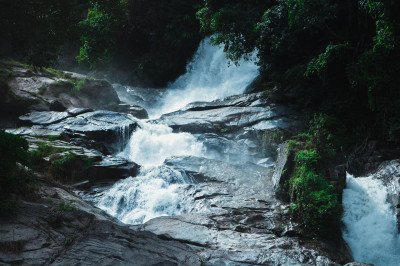
The Ganol River is one of the most important river systems in the West Garo Hills district, serving as a crucial lifeline for the local population and ecosystems. Originating from the slopes of the Tura Peak (part of the Tura Range), it flows westward, eventually joining the Brahmaputra river system in the plains. The Ganol River Side near Tura is famous for its rocky riverbanks, clear waters, and serene atmosphere, making it a highly popular local picnic and recreation spot, especially during the winter months. The river is known by the local Garo people as the Kalu river in its lower reaches. The river's course near Tura involves a combination of gentle flows and small rapids, creating picturesque spots perfect for wading and angling. The surrounding area is characterized by lush green hills and a tranquil, rural setting, offering a refreshing break from the town life. The local authorities have sometimes developed the riverbanks with basic facilities to accommodate picnickers and tourists, ensuring accessibility while striving to maintain its natural charm. A specific point of interest is the traditional bamboo bridge built over the river in some sections, which is a testament to the local Garo construction ingenuity. The Ganol River Side embodies the untouched natural beauty of Meghalaya, offering a soothing environment for families and friends.
Card image cap
Garo Cultural Museum

The Garo Cultural Museum, also known as the District Museum, is a vital institution dedicated to preserving and showcasing the rich cultural and artis...

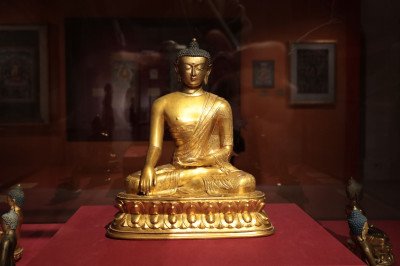
The Garo Cultural Museum, also known as the District Museum, is a vital institution dedicated to preserving and showcasing the rich cultural and artistic heritage of the Garo tribe, the indigenous inhabitants of the region. Established in August of 1989, the museum serves as an important repository of artifacts, traditional tools, weapons, ornaments, and historical documents that chronicle the life, history, and customs of the Garo people. The collection includes items related to traditional Garo agriculture, such as tools used for jhum (shifting) cultivation, musical instruments like the Dama (drum) and Adil (flute), and various types of traditional costumes and intricately woven textiles. One of the most significant sections is the display of traditional Garo jewelry, which often features unique designs and materials. Additionally, the museum houses historical objects from the colonial era and archaeological findings, including terracotta plaques from the ancient site of Bhaitbari. It also features replicas of traditional Garo houses (known as Nok). The museum plays a crucial educational role, offering researchers and visitors a deep insight into the anthropological and historical context of the Garo Hills. Though small in infrastructure, the museum's carefully curated collection is an invaluable resource for understanding the identity and traditions of the community.
Card image cap
Garo Monoliths

@@ Place Details: The Garo Monoliths are fascinating megalithic structures that serve as a testament to the rich ancestral heritage of the Garo tribe....

@@ Place Details: The Garo Monoliths are fascinating megalithic structures that serve as a testament to the rich ancestral heritage of the Garo tribe. Unlike the more famous monoliths of the Jaintia Hills, these structures in the West Garo Hills are often found in clusters near ancient village sites and sacred groves. These massive upright stones, known locally as Kima, were traditionally erected to commemorate the dead, mark significant historical events, or honor great leaders of a clan. Each stone is a silent storyteller, representing the strength and spiritual beliefs of a community that lived in close harmony with nature. The monoliths are usually made of local granite or sandstone and are weathered by centuries of rain and sun, giving them a mystical, aged appearance. Visiting these sites offers a profound sense of stepping back in time, away from the modern developments of Tura. The surroundings are often quiet and overgrown with wild ferns and moss, adding to the atmosphere of a "lost civilization." For the Garo people, these are not just stones but sacred markers of their lineage and territorial history. Scholars and history enthusiasts find these sites invaluable for understanding the migration patterns and social structures of the early settlers in Meghalaya. The preservation of these monoliths is a priority for the local councils, as they represent the tangible history of a tribe that primarily relied on oral traditions. Walking through a field of monoliths at dusk, one can almost feel the presence of the ancestors they were meant to honor.
Card image cap
Garo Students' Union Hall

The Garo Students' Union (GSU) Hall is not just a building; it is a profound symbol and the central hub of student activism, social-political discours...

The Garo Students' Union (GSU) Hall is not just a building; it is a profound symbol and the central hub of student activism, social-political discourse, and cultural preservation for the Garo youth. The GSU itself is one of the most prominent and influential civil society organizations in the Garo Hills, playing a pivotal role in advocating for the rights, welfare, and educational upliftment of the Garo community. The Hall serves as the primary meeting ground, administrative office, and convention center for the Union. Historically, this hall has been the starting point and culmination venue for various major rallies, public awareness campaigns, and peaceful protests concerning key educational policies, political decisions affecting the district, and cultural identity issues. It is a place where the voice of the youth is mobilized and articulated. The Hall often hosts seminars, workshops, cultural programs, and literary symposiums, especially those related to the Garo language and culture. Visiting the Hall provides a direct, unvarnished insight into the current socio-political environment and the aspirations of the younger generation in the Garo Hills. Its significance lies not in its architecture but in its continuous, dynamic role as a political and cultural nerve center, reflecting the democratic and active spirit of the Garo society. It is a living, breathing monument to local democracy and student power.
Card image cap
Nokrek National Park

Nokrek National Park, designated a UNESCO Biosphere Reserve in 2009, is an ecological and biodiversity hotspot situated in the heart of the Garo Hills...

Nokrek National Park, designated a UNESCO Biosphere Reserve in 2009, is an ecological and biodiversity hotspot situated in the heart of the Garo Hills. It is one of the most significant protected areas in Northeast India. The park's main feature is the Nokrek Peak, the highest peak in the Garo Hills at an elevation of about 1,412 meters. The park is renowned for its diverse flora and fauna, making it a sanctuary for wildlife enthusiasts and researchers. It is famously the last refuge for the critically endangered Red Panda in Meghalaya. Other notable inhabitants include the Asian Elephant, the elusive Clouded Leopard, the Hoolock Gibbon (the only ape species found in India), various species of deer, and a rich variety of birdlife. Nokrek is also globally significant as the origin and natural habitat of Citrus Indica (the wild cousin of the orange), which led to the establishment of the National Citrus Gene Sanctuary within the park's buffer zone to protect this progenitor plant. The park's terrain is rugged, characterized by steep slopes, dense forests, and numerous perennial streams and rivers, including the origin of the Simsang (or Someshwari) river. The vast, undisturbed evergreen and semi-evergreen forest cover provides an ideal ecosystem for its inhabitants and offers spectacular natural beauty.
Card image cap
Pelga Falls Viewpoint

@@ Place Details: Pelga Falls is one of the most accessible and popular natural attractions near Tura, offering a spectacular view of the Ganol River ...

@@ Place Details: Pelga Falls is one of the most accessible and popular natural attractions near Tura, offering a spectacular view of the Ganol River as it plunges over a series of rocky ledges. The viewpoint has been developed by the Meghalaya Tourism department to provide a safe and panoramic vantage point for visitors. The waterfall is not a single vertical drop but a cascading torrent that creates a mist-filled gorge below. The surrounding area is a lush tropical paradise, characterized by giant bamboo groves, wild banana trees, and vibrant orchids. For the locals, Pelga is a favorite weekend getaway for picnics and angling, as the pools at the base of the falls are known to be rich in fish. A major attraction near the falls is the traditional Garo bamboo hanging bridge, which sways gently over the rushing river, providing a thrilling experience for those who dare to cross it. The sound of the water is constant and thunderous, especially after a heavy downpour, making it a place of immense natural energy. The pathway to the viewpoint is well-maintained, lined with stone steps and wooden railings. It is a place where you can spend hours just watching the white foam of the water against the dark volcanic rocks of the riverbed. The area is also a haven for birdlife, with kingfishers and wagtails frequently spotted darting across the water. Whether you are looking for a quick nature fix or a place to host a family lunch, Pelga Falls provides the perfect backdrop with its raw beauty and refreshing atmosphere.
Card image cap
Ringre Falls

@@ Place Details: Ringre Falls is a hidden treasure located surprisingly close to the heart of Tura town. While many tourists flock to the larger wate...

@@ Place Details: Ringre Falls is a hidden treasure located surprisingly close to the heart of Tura town. While many tourists flock to the larger waterfalls, Ringre offers a more intimate and secluded experience. The waterfall is tucked away in a narrow valley, surrounded by towering trees and thick undergrowth that muffles the sounds of the nearby town. The water falls from a height into a clear, rocky pool that is perfect for those who enjoy a cold, natural shower. Because it is less commercialized than other spots, it retains a sense of wildness and purity. The path to the falls involves a short but pleasant walk through local plantations and forest patches, giving visitors a glimpse of the rural life that exists on the fringes of the urban center. The rocks here are covered in thick carpets of emerald moss, and the air is noticeably cooler and fresher. It is an ideal spot for those who want a quick nature break without having to travel for hours. For the residents of Tura, Ringre Falls is a local secret, a place for quiet reflection or a romantic evening walk. During the rainy season, the falls transform into a powerful curtain of water, but during the drier months, it becomes a gentle trickle, revealing the intricate geological formations of the cliff face. It is a place that reminds travelers that beauty can often be found in the smallest, most unexpected corners of the Garo Hills.
Card image cap
Rongbang Dare

@@Detailed Overview: Rongbang Dare is often used interchangeably with Rong'bang Falls, but it refers specifically to the cultural and spiritual site l...

@@Detailed Overview: Rongbang Dare is often used interchangeably with Rong'bang Falls, but it refers specifically to the cultural and spiritual site located near the boundary of West and East Garo Hills. This waterfall is more than just a scenic spot; it is a symbol of the rugged beauty of the Garo landscape. The water flows from the upper reaches of the Nokrek range, carrying with it the purity of the biosphere reserve. The site is surrounded by dense tropical semi-evergreen forests, where the air is filled with the scent of wild blooms. It offers a sense of solitude that is hard to find at more commercialized tourist spots. The local residents of Rombagre serve as the custodians of this natural wonder, maintaining the trails and ensuring the safety of visitors. The waterfall is particularly impressive after a heavy downpour when the roar of the water can be heard from kilometers away. It provides a perfect escape for those looking to disconnect from city life and immerse themselves in the raw, unadulterated beauty of Northeast India. The rocks here are ancient, bearing the marks of centuries of water flow, and the entire area feels like a step back in time.:
Card image cap
Rong'bang Falls

@@Detailed Overview: Rong'bang Falls, also known as Rongbang Dare, is a majestic tiered waterfall located along the scenic highway. The water drops fr...

@@Detailed Overview: Rong'bang Falls, also known as Rongbang Dare, is a majestic tiered waterfall located along the scenic highway. The water drops from a height of approximately 120 feet, creating a misty atmosphere that cools the surrounding tropical forest. It is a tributary of the Simsang River and is characterized by its wide breadth which makes it visible even from the main road. The site is managed by the local community of Chinabat, ensuring the area remains clean and preserved. Visitors often find the sound of the crashing water therapeutic against the backdrop of rustling bamboo trees. The pool at the bottom is shallow enough for a quick dip during the drier months. It serves as a vital water source for the local ecosystem and a primary recreation spot for the people of West Garo Hills. The lush greenery surrounding the falls is home to various orchids and ferns that thrive in the constant humidity. Legend has it that the falls are protected by forest spirits, giving the place a mystical aura that adds to its natural charm.:
Card image cap
Rongkhon Falls

@@Detailed Overview: Rongkhon Falls is a charming and easily accessible waterfall located just on the outskirts of Tura town. It serves as a popular w...

@@Detailed Overview: Rongkhon Falls is a charming and easily accessible waterfall located just on the outskirts of Tura town. It serves as a popular weekend getaway for the residents of the town due to its proximity. The fall is characterized by its gentle flow over a series of dark, volcanic-like rocks, eventually collecting into a wide, calm pool. It is surrounded by lush tropical vegetation that provides a stark contrast to the nearby urban environment. The area is relatively quiet during the weekdays, making it a perfect spot for those seeking a quick escape without a long drive. The waterfall is fed by mountain springs that remain cool throughout the year. Local legends mention this spot as a gathering place for ancient tribal hunters who would rest here after their expeditions in the Tura Peak range. Over the years, the local government has improved the pathways leading to the falls, making it accessible for people of all ages. The sound of the water is soft and melodic, creating a peaceful atmosphere that is ideal for reading or simply relaxing in nature. It represents the "green lungs" of the northern part of Tura.:
Card image cap
Siju Caves

@@Detailed Overview: Siju Caves, locally known as Dobakkol (meaning "Bat Cave"), is one of the longest and most famous limestone cave systems in India...
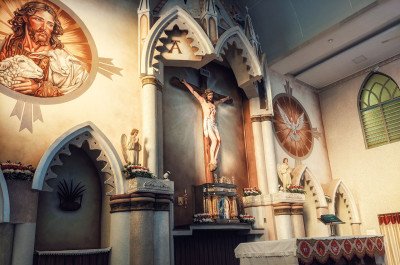
@@Detailed Overview: Siju Caves, locally known as Dobakkol (meaning "Bat Cave"), is one of the longest and most famous limestone cave systems in India. Located on the banks of the mighty Simsang River, this cave offers a thrilling underground adventure through massive chambers and narrow passages. The cave is renowned for its impressive stalactites and stalagmites that have been formed over millions of years through mineral deposition. As you enter, the temperature drops and the air becomes humid, filled with the sounds of thousands of bats that call this cave home. It is a site of immense scientific importance, particularly in the field of biospeleology, as it hosts a unique ecosystem of cave-dwelling creatures. The cave is partially filled with water, and exploring it often involves wading through knee-deep streams. The darkness is absolute once you move past the twilight zone, requiring a powerful torch and a local guide. It is not just a geological wonder but also a place of mystery and legend for the Garo people, who believe the cave extends deep into the heart of the earth. The sheer scale of the limestone formations is enough to leave any visitor in awe.:
Card image cap
Tura Baptist Church

The Tura Baptist Church is one of the most significant and recognizable religious landmarks in Tura, serving as a central place of worship for the lar...
The Tura Baptist Church is one of the most significant and recognizable religious landmarks in Tura, serving as a central place of worship for the large Christian community in the Garo Hills. The presence of the Baptist mission in the region is a key historical factor in the cultural evolution of the Garo people, and the church stands as a testament to this history. The original structure dates back many decades, though the current, larger building was often constructed in the mid-to-late 20th century to accommodate the growing congregation (for example, a major structure built in 1966 with renovations in recent years). The church is more than just a place for Sunday service; it is a critical hub for community activities, social welfare programs, youth engagement, and cultural preservation. The Garo Christian community is active, and the church plays a vital role in their daily lives, organizing events, educational initiatives, and outreach programs. The church's location in the heart of the town makes it easily accessible and a focal point for the Christian faith, making it a peaceful and spiritually significant site for visitors of all backgrounds. The large, open courtyard and the impressive facade draw attention, symbolizing the strength and unity of the local Christian faith.
Card image cap
Tura Bazaar

Tura Bazaar is the primary commercial and economic lifeline of the West Garo Hills district, serving not just the people of Tura but also numerous sur...

Tura Bazaar is the primary commercial and economic lifeline of the West Garo Hills district, serving not just the people of Tura but also numerous surrounding villages and towns across Meghalaya and even bordering areas of Bangladesh. It's a bustling, vibrant hub of activity that vividly displays the local Garo culture, especially on market days. The bazaar is generally a collection of shops, permanent establishments, and temporary stalls that spring up to sell everything from fresh produce, local spices, traditional Garo handlooms, garments, and bamboo crafts to modern electronic goods and hardware. Unlike a sterile, modern mall, the bazaar offers an authentic, sensory experience where the air is filled with the aroma of freshly harvested fruits and vegetables, the chatter of bargaining locals speaking Garo and other local dialects, and the sight of unique tribal ornaments. It is an essential stop for anyone wanting to understand the local economy and social rhythm. The market acts as a cultural melting pot, where different communities converge, exchange goods, and share news, making it much more than just a place of transaction. Visitors should be prepared for crowds and a fast pace, as this is where the daily life of Tura truly unfolds. The products are often sourced directly from the surrounding hills, ensuring freshness and authenticity. This deep connection to the land and its agricultural produce is a defining feature of the bazaar, solidifying its role as the economic and cultural pulse of the Garo Hills. Its location is central to all major transport routes, ensuring constant, easy access, which is why it remains the undisputed center of trade for the entire region. This rich commercial heritage makes the market a fascinating subject for cultural studies and casual observation.
Card image cap
Tura Cathedral

Tura Cathedral, formally known as the Cathedral Church of Mary Help of Christians, is a landmark of immense religious and architectural significance i...

Tura Cathedral, formally known as the Cathedral Church of Mary Help of Christians, is a landmark of immense religious and architectural significance in the Garo Hills. It is the seat of the Roman Catholic Bishop of Tura and stands as a powerful symbol of Christian faith in the predominantly Christian Garo community. Established in the early 1960s, the Cathedral's history is deeply intertwined with the arrival and growth of the Catholic mission in the region, offering spiritual guidance and also contributing to education and healthcare. The church complex is situated in the peaceful Chandmari locality, offering a tranquil contrast to the bustling city center. The original structure, blessed in February 1961, holds the distinction of being one of the first and largest Catholic churches in the region, a testament to the dedication of the missionaries and the local faithful. The building itself is a point of architectural interest, blending traditional church design with local cultural influences, particularly in the interior decor and surrounding landscape. The Cathedral serves a vast congregation, with Sunday masses and major religious holidays drawing large, enthusiastic crowds. Its elevated location provides a vantage point over the town, adding to its serene and commanding presence. The surrounding grounds are well-maintained, encouraging quiet contemplation and reflection. The Cathedral's spiritual importance extends beyond the city of Tura, making it a key destination for pilgrims from across the Northeast, showcasing the deep cultural impact of Christianity in the tribal belt of Meghalaya.
Card image cap
Tura Children's Park

The Tura Children's Park is a vital recreational space and one of the few dedicated green zones within the densely populated city of Tura. It is speci...

The Tura Children's Park is a vital recreational space and one of the few dedicated green zones within the densely populated city of Tura. It is specifically designed to cater to the entertainment and developmental needs of children, providing a safe and engaging environment for play. Located in the easily accessible Lower Chandmari area, the park offers a welcome retreat from the urban hustle for local families. The park is equipped with various standard playground facilities, including slides, swings, seesaws, and jungle gyms, all set amidst well-maintained lawns and scattered trees that provide essential shade during sunny days. Beyond the typical playground equipment, the park also serves as a general public space where parents, grandparents, and caregivers bring children to socialize, exercise, and enjoy the fresh mountain air. The park’s simplicity is its charm, offering a communal space for the residents of Tura to connect and relax. It often features small walking paths and benches, making it suitable for leisurely strolls and picnics. Its existence highlights the civic importance of providing recreational infrastructure in a hilly town where flat, open spaces are naturally scarce. The park’s atmosphere is generally joyful and lively, especially during the late afternoons and on weekends, when it becomes a hive of children's activities. The well-planned layout ensures that safety is prioritized, though parental supervision is always necessary. It is a symbol of Tura's commitment to its youth and a simple, yet significant, attraction for travelers with small children. The landscaping often features local flora, subtly introducing children to the region’s plant life.
Card image cap
Tura Christian Hospital Point

Tura Christian Hospital Point is a location of profound historical and social significance, deriving its name and identity from the venerable Tura Chr...

Tura Christian Hospital Point is a location of profound historical and social significance, deriving its name and identity from the venerable Tura Christian Hospital established by the American Baptist Missionaries. This hospital is one of the oldest and most respected medical institutions in the entire Northeast India, with its roots dating back to the late 19th and early 20th centuries. The "Point" itself refers to the immediate vicinity and surrounding elevated area of the hospital campus, which often provides a scenic viewpoint over parts of Tura town and the surrounding hills. The location stands as a powerful legacy of the selfless dedication of the early missionaries who provided not only spiritual ministry but also crucial health services and modern education to the then-isolated Garo people. In a region plagued by diseases like malaria and kala-azar, the hospital was a beacon of hope and modern medicine, fundamentally altering the health and social landscape of the Garo Hills. The area is characterized by a tranquil, academic, and clinical atmosphere, distinctly separate from the commercial bustle of the bazaar. Visitors to the point are often drawn by the sheer weight of history and the desire to pay homage to the foundational social work carried out here. The entire area symbolizes a turning point in Garo history, marking the beginning of widespread modern healthcare and education, as the missionaries also pioneered the use of the Roman script for the Garo language. This location is a silent monument to the convergence of faith, medicine, and social reform. The current hospital continues its dedicated service, making the point a living part of Tura's history.
Card image cap
Tura Civil Hospital

Tura Civil Hospital is the principal governmental healthcare facility in the West Garo Hills district, serving as the main District Hospital and a cri...

Tura Civil Hospital is the principal governmental healthcare facility in the West Garo Hills district, serving as the main District Hospital and a critical pillar of the public health infrastructure in the region. Unlike the missionary-founded institutions, the Civil Hospital is state-run and is designed to cater to a vast cross-section of the population, including those who rely solely on affordable public healthcare. The hospital is known for its relatively large capacity, boasting 200 beds, which is double the standard bed strength of most other district hospitals in Meghalaya. This capacity underscores its central role in providing specialized and emergency medical services for the entire Garo Hills. Its location in the Lower Chandmari area ensures easy access for both urban and rural populations. In addition to general medicine and surgery, the hospital is noteworthy for housing specialized units, including a crucial Maternity and Child Health (MCH) Hospital wing and a 10-bedded Psychiatric Unit, which was established under the National Mental Health Programme. The hospital's architecture, while utilitarian and modern, is constantly evolving with the addition of new wings and better facilities. The continuous stream of people, ambulances, and staff provides a real-time view into the healthcare challenges and efforts of the state government in this remote part of Northeast India. A visit to the vicinity, though primarily functional, offers a unique perspective on the civic life and essential services that keep the large community running. It is a symbol of governmental commitment to the well-being of the Garo populace.
Card image cap
Tura Clock Tower

The Tura Clock Tower is arguably the most recognizable and central landmark in the city, standing proudly at the confluence of major roads in Chandmar...

The Tura Clock Tower is arguably the most recognizable and central landmark in the city, standing proudly at the confluence of major roads in Chandmari Square. It is not merely a timepiece but a potent symbol of Tura's identity, often considered the unofficial heart of the city and the point from which all distances are measured. The tower's history, while not centuries old, is deeply embedded in the town's development as the administrative and commercial hub of the Garo Hills. Its construction and presence signify the organization and modernization of Tura's civic life, providing a common reference point for navigation and timekeeping in a town where life moves at the pace of the community. The area surrounding the tower is consistently bustling, serving as a main junction for local transport (shared taxis and auto-rickshaws), a key business intersection, and a public gathering spot. For visitors, the Clock Tower is the ideal starting point for exploring the city. Its four faces ensure visibility from all approaching roads, maintaining its utilitarian function. It is a site of constant human activity, reflecting the vibrant and dynamic life of the Garo capital. Unlike grand historical monuments, the Tura Clock Tower draws its significance from its indispensable role in the daily routines of thousands of residents. Its simple, sturdy structure and prominent location have made it the most photographed man-made landmark in the city, representing a blend of modern convenience and local pride. It is the pulse of the town, always ticking, always watching the flow of local life, from the early morning market setup to the late-evening closing of shops.
Card image cap
Tura District Park

@@Nature's Retreat and Community Hub: Tura District Park, also sometimes referred to as D.C. Park or the Children's Park, serves as a primary recreati...

@@Nature's Retreat and Community Hub: Tura District Park, also sometimes referred to as D.C. Park or the Children's Park, serves as a primary recreational and green space for the residents and visitors of Tura. The park is strategically located in a relatively peaceful area of the town, offering a serene escape from the daily hustle. It features well-maintained pathways, lush green lawns, and diverse flora, making it an ideal spot for morning walks, evening relaxation, and family picnics. The cool climate of the Garo Hills enhances the park's appeal, especially during the warmer months. It often hosts local gatherings and functions, underlining its importance as a social and community hub. Children's play areas, benches for seating, and various ornamental plants contribute to the overall appeal, providing a well-rounded outdoor experience in the West Garo Hills district of Meghalaya. It's a testament to the town's commitment to preserving green spaces amidst urbanization. The park also provides a slight elevation in certain sections, offering modest views of the surrounding hills. It functions as a vital lung space for the town. The park's design is simple yet effective, focusing on accessibility and natural beauty, often being the first choice for a quick outdoor refreshment. The local municipality maintains the area diligently, ensuring its cleanliness and user-friendliness for all ages, from toddlers enjoying the swings to elders taking a quiet stroll. The flora includes indigenous species and common garden varieties, adding a touch of color and ecological interest. The park's accessibility is one of its major advantages for the local populace.:
Card image cap
Tura Golf Course

@@Nature's Green Fairway in the Hills: The Tura Golf Course is an existing, but often less-advertised or rudimentary, golfing facility primarily used ...

@@Nature's Green Fairway in the Hills: The Tura Golf Course is an existing, but often less-advertised or rudimentary, golfing facility primarily used by local administration, military personnel, and enthusiastic local golfers. It is situated on the naturally rolling terrain of the Tura hills, utilizing the high-altitude landscape to create a challenging yet scenic environment for the sport. Unlike professional championship courses, it's typically a basic, 9-hole layout that focuses more on the natural beauty and tranquility of the surroundings rather than highly manicured greens and extensive clubhouse facilities. The high elevation provides a cool climate throughout the year, making it comfortable for a round of golf even when the plains are hot. The setting amidst the lush, forested hills of the Garo Hills offers panoramic views that are a key attraction for visitors. The course's existence emphasizes the colonial legacy of sports and recreation in hill stations. For most tourists, it's a spot for a quiet walk, to witness a unique high-altitude sports facility, and to simply enjoy the expansive, open greenery.:
Card image cap
Tura Government College

@@Historical and Academic Landmark: Established in 1958, Tura Government College (TGC) is a significant and pivotal institution in the Garo Hills regi...

@@Historical and Academic Landmark: Established in 1958, Tura Government College (TGC) is a significant and pivotal institution in the Garo Hills region, serving as a primary hub for higher education in the West Garo Hills district of Meghalaya. Affiliated with the North Eastern Hill University (NEHU), the college offers a range of Arts, Science, and Commerce degree courses, attracting students not just from Tura but also from surrounding districts and remote areas, playing a vital role in regional academic development. The college has a long-standing history of producing notable personalities in public service, politics, and academics, cementing its reputation as a cornerstone of intellectual life in Western Meghalaya. Its location on a slight hill-slope provides a scenic and conducive environment for learning. While primarily an academic institution, its historical significance and architecture make it a point of interest, representing the educational progress of the post-independence era in the region. Its campus is expansive, accommodating numerous departments, administrative blocks, laboratories, and student facilities like hostels and a library. The college is a symbol of opportunity and is deeply integrated into the social and cultural fabric of the Tura community. It is not a typical tourist destination but rather a place of historical and civic pride, often visited by alumni and those interested in the region's socio-educational history.:
Card image cap
Tura-Guwahati Rd Scenic Spot

@@A Moment to Pause and Admire the View: The Tura-Guwahati Rd Scenic Spot refers to one of the well-known points along the main National Highway that ...

@@A Moment to Pause and Admire the View: The Tura-Guwahati Rd Scenic Spot refers to one of the well-known points along the main National Highway that connects Tura to the plains of Assam via Guwahati. These viewpoints are spontaneously created by the natural topography, usually at a high point along a mountain curve, offering an expansive, breathtaking view of the surrounding Garo Hills, the valleys below, and on a very clear day, the distant plains of Bangladesh or the Brahmaputra River valley. These spots are crucial for travelers on the long road journey, providing a necessary and scenic rest stop. There is often a basic roadside eatery (Dhaba) or a local tea stall that has sprung up to cater to passing traffic. The view is dynamic, changing dramatically with the seasons and the weather—from the lush green carpet of the monsoon season to the mist-covered, moody landscape of the winter mornings. It is a place of immediate, high-impact natural beauty, valued for the ease with which one can access a stunning photograph and a moment of fresh air during the lengthy road journey. It epitomizes the dramatic transition from the plains to the hills.:
Show All

Note:-

Information provided here in good Faith and for reference only.

All information and pictures will be updated soon, please keep visiting.

Near Places

...
Amlarem

Some quick example text to build on the card title and make up the bulk of the card's content.

Go somewhere
...
Baghmara

Some quick example text to build on the card title and make up the bulk of the card's content.

Go somewhere
...
Cherrapunji

Some quick example text to build on the card title and make up the bulk of the card's content.

Go somewhere
...
Dawki

Some quick example text to build on the card title and make up the bulk of the card's content.

Go somewhere
...
Jowai

Some quick example text to build on the card title and make up the bulk of the card's content.

Go somewhere
...
Mairang

Some quick example text to build on the card title and make up the bulk of the card's content.

Go somewhere
...
Mawlynnong

Some quick example text to build on the card title and make up the bulk of the card's content.

Go somewhere
...
Mawryngkneng

Some quick example text to build on the card title and make up the bulk of the card's content.

Go somewhere
...
Mawsynram

Some quick example text to build on the card title and make up the bulk of the card's content.

Go somewhere
...
Nongpoh

Some quick example text to build on the card title and make up the bulk of the card's content.

Go somewhere
in Other Cities