

Tura
General information
-
Ideal Duration:
3 to 4 DaysPlace Type:
Nature, Wildlife, AdventureEntry Fees:
National Park Entry: The entry fee for Nokrek or Balpakram is around Rs.50 to Rs.100 for Indians. Jeep safaris and guide services cost extra and should be booked in advance. The fees contribute to the conservation efforts of the forest department.
...National Park Entry: The entry fee for Nokrek or Balpakram is around Rs.50 to Rs.100 for Indians. Jeep safaris and guide services cost extra and should be booked in advance. The fees contribute to the conservation efforts of the forest department.
Siju Cave Fee: A small entry fee of about Rs.20 is charged for the caves. Hiring a local guide with a torch is highly recommended and usually costs a few hundred rupees. It is essential for safety and navigation.Timing:
Park and Cave Hours: Most tourist sites are open from 8:00 AM to 4:00 PM. It is advisable to start early as many places require travel and trekking. Safaris in the national parks have specific morning and evening slots.
Best Time of Day: E...Park and Cave Hours: Most tourist sites are open from 8:00 AM to 4:00 PM. It is advisable to start early as many places require travel and trekking. Safaris in the national parks have specific morning and evening slots.
Best Time of Day: Early mornings are best for bird watching and trekking to avoid the midday heat. Sunsets are spectacular from the viewpoints. Plan your return to the town before dark as forest roads are not well-lit.Special Events:
Wangala Festival: Held in November, it is the most important harvest festival of the Garos. It features a synchronized dance by men and women to the beat of 100 long drums. The festival is a celebration of the Sun God and marks the end of the agricultural year.Wangala Festival: Held in November, it is the most important harvest festival of the Garos. It features a synchronized dance by men and women to the beat of 100 long drums. The festival is a celebration of the Sun God and marks the end of the agricultural year.
Christmas and New Year: The town comes alive with decorations, lights, and community feasts during the winter season. Carol singing and church services are an integral part of the celebrations. It is a time of joy and communal harmony in the hills.Best Photo Spots:
Tura Peak Viewpoint: The top offers a wide-angle view of the town against the backdrop of the distant plains. The early morning mist provides a soft, ethereal light for landscape shots. Sunset is also a great time for photography from here.
Si...Tura Peak Viewpoint: The top offers a wide-angle view of the town against the backdrop of the distant plains. The early morning mist provides a soft, ethereal light for landscape shots. Sunset is also a great time for photography from here.
Siju Cave Entrance: The dramatic limestone opening of the cave with the river flowing out makes for a great adventure shot. The play of light and shadow inside the cave entrance is perfect for artistic photography. Use a tripod for better results in low light.
Balpakram Gorges: The deep canyons and plateau landscapes provide a unique terrain for photography that looks different from the rest of Meghalaya. The vastness of the landscape is best captured with a wide-angle lens. The golden hour makes the rocks glow.Photo Gallery
Things To Do
 @@A Moment to Pause and Admire the View: The Tura-Guwahati Rd Scenic Spot refers to one of the well-known points along the main National Highway that connects Tura to the plains of Assam via Guwahati. These viewpoints are spontaneously created by the natural topography, usually at a high point along a mountain curve, offering an expansive, breathtaking view of the surrounding Garo Hills, the valleys below, and on a very clear day, the distant plains of Bangladesh or the Brahmaputra River valley. These spots are crucial for travelers on the long road journey, providing a necessary and scenic rest stop. There is often a basic roadside eatery (Dhaba) or a local tea stall that has sprung up to cater to passing traffic. The view is dynamic, changing dramatically with the seasons and the weather—from the lush green carpet of the monsoon season to the mist-covered, moody landscape of the winter mornings. It is a place of immediate, high-impact natural beauty, valued for the ease with which one can access a stunning photograph and a moment of fresh air during the lengthy road journey. It epitomizes the dramatic transition from the plains to the hills.:
The Tura Children's Park is a vital recreational space and one of the few dedicated green zones within the densely populated city of Tura. It is specifically designed to cater to the entertainment and developmental needs of children, providing a safe and engaging environment for play. Located in the easily accessible Lower Chandmari area, the park offers a welcome retreat from the urban hustle for local families. The park is equipped with various standard playground facilities, including slides, swings, seesaws, and jungle gyms, all set amidst well-maintained lawns and scattered trees that provide essential shade during sunny days. Beyond the typical playground equipment, the park also serves as a general public space where parents, grandparents, and caregivers bring children to socialize, exercise, and enjoy the fresh mountain air. The park’s simplicity is its charm, offering a communal space for the residents of Tura to connect and relax. It often features small walking paths and benches, making it suitable for leisurely strolls and picnics. Its existence highlights the civic importance of providing recreational infrastructure in a hilly town where flat, open spaces are naturally scarce. The park’s atmosphere is generally joyful and lively, especially during the late afternoons and on weekends, when it becomes a hive of children's activities. The well-planned layout ensures that safety is prioritized, though parental supervision is always necessary. It is a symbol of Tura's commitment to its youth and a simple, yet significant, attraction for travelers with small children. The landscaping often features local flora, subtly introducing children to the region’s plant life.
@@A Moment to Pause and Admire the View: The Tura-Guwahati Rd Scenic Spot refers to one of the well-known points along the main National Highway that connects Tura to the plains of Assam via Guwahati. These viewpoints are spontaneously created by the natural topography, usually at a high point along a mountain curve, offering an expansive, breathtaking view of the surrounding Garo Hills, the valleys below, and on a very clear day, the distant plains of Bangladesh or the Brahmaputra River valley. These spots are crucial for travelers on the long road journey, providing a necessary and scenic rest stop. There is often a basic roadside eatery (Dhaba) or a local tea stall that has sprung up to cater to passing traffic. The view is dynamic, changing dramatically with the seasons and the weather—from the lush green carpet of the monsoon season to the mist-covered, moody landscape of the winter mornings. It is a place of immediate, high-impact natural beauty, valued for the ease with which one can access a stunning photograph and a moment of fresh air during the lengthy road journey. It epitomizes the dramatic transition from the plains to the hills.:
The Tura Children's Park is a vital recreational space and one of the few dedicated green zones within the densely populated city of Tura. It is specifically designed to cater to the entertainment and developmental needs of children, providing a safe and engaging environment for play. Located in the easily accessible Lower Chandmari area, the park offers a welcome retreat from the urban hustle for local families. The park is equipped with various standard playground facilities, including slides, swings, seesaws, and jungle gyms, all set amidst well-maintained lawns and scattered trees that provide essential shade during sunny days. Beyond the typical playground equipment, the park also serves as a general public space where parents, grandparents, and caregivers bring children to socialize, exercise, and enjoy the fresh mountain air. The park’s simplicity is its charm, offering a communal space for the residents of Tura to connect and relax. It often features small walking paths and benches, making it suitable for leisurely strolls and picnics. Its existence highlights the civic importance of providing recreational infrastructure in a hilly town where flat, open spaces are naturally scarce. The park’s atmosphere is generally joyful and lively, especially during the late afternoons and on weekends, when it becomes a hive of children's activities. The well-planned layout ensures that safety is prioritized, though parental supervision is always necessary. It is a symbol of Tura's commitment to its youth and a simple, yet significant, attraction for travelers with small children. The landscaping often features local flora, subtly introducing children to the region’s plant life.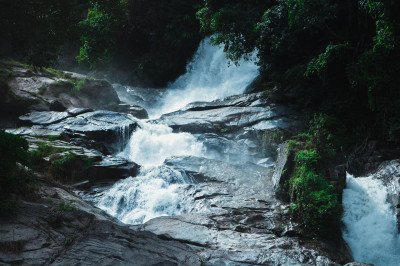 @@Detailed Overview: Rongkhon Falls is a charming and easily accessible waterfall located just on the outskirts of Tura town. It serves as a popular weekend getaway for the residents of the town due to its proximity. The fall is characterized by its gentle flow over a series of dark, volcanic-like rocks, eventually collecting into a wide, calm pool. It is surrounded by lush tropical vegetation that provides a stark contrast to the nearby urban environment. The area is relatively quiet during the weekdays, making it a perfect spot for those seeking a quick escape without a long drive. The waterfall is fed by mountain springs that remain cool throughout the year. Local legends mention this spot as a gathering place for ancient tribal hunters who would rest here after their expeditions in the Tura Peak range. Over the years, the local government has improved the pathways leading to the falls, making it accessible for people of all ages. The sound of the water is soft and melodic, creating a peaceful atmosphere that is ideal for reading or simply relaxing in nature. It represents the "green lungs" of the northern part of Tura.:
Dalima Peak, also widely known as Tura Peak, stands majestically at an altitude of approximately 872 meters above sea level, making it the highest point in the immediate vicinity of Tura. This iconic natural landmark is the backdrop to the Tura town and is a part of the greater Nokrek National Park buffer zone and the Tura Range. The peak is not just a geographical feature; it is steeped in local folklore, where it is believed to be the sacred abode of the local deity, Durama (or Dura), which is said to be the original name before the British mispronounced it as Tura. The summit offers a breathtaking, 360-degree panoramic view of the rolling Garo Hills, the sprawling town of Tura below, and on a clear day, the vast plains of the Brahmaputra Valley in Assam and even the golden plains of Bangladesh in the distance. The entire area is a reserved forest, rich in biodiversity, dense with sub-tropical evergreen and semi-evergreen forests, hosting unique flora and fauna. There is an old observatory post and a tourist bungalow at the top, remnants of the British colonial era, which initially developed the trek path. The air here is crisp, cool, and offers a perfect retreat from the hustle and bustle, providing immense tranquility and a profound connection with nature.
Boshonto Park is a beautifully landscaped public park and recreational area located on the slopes leading up to the Tura Peak. The name "Boshonto" translates to "Spring," and the park truly embodies this season throughout the year with its well-maintained flower beds and lush green lawns. It was designed to provide a space for relaxation and family outings for the residents of Tura. The park offers one of the best vantage points to see the entire town of Tura sprawling below. On a clear day, the view extends even further to the plains of Bangladesh. The park is divided into several sections, including a children's play area, a series of walking paths, and quiet corners with benches for elderly visitors. The architecture of the park includes several gazebos and viewpoints that are built in a style that complements the hilly terrain. During the flowering season in February and March, the park is a riot of colors with roses, dahlias, and seasonal blooms at their peak. It is a popular spot for morning joggers and evening walkers who come to enjoy the cool breeze and the scenic beauty. The park also serves as a gateway for those planning to trek further up to the Tura Peak observatory. Its proximity to the city center makes it an easy escape for anyone looking for a quick nature fix without traveling far. The management has done a commendable job in keeping the park clean and eco-friendly. It is often used as a venue for small community gatherings and awareness programs. For a tourist, Boshonto Park is the ideal place to watch the sunset, as the sky turns into shades of orange and pink over the Garo Hills.
Balpakram National Park is often referred to as the 'Grand Canyon of India' due to its massive deep gorges and unique geological formations. The "Base" area, usually accessed via Baghmara, serves as the starting point for one of the most mystical journeys in Meghalaya. According to Garo mythology, this is the land where the spirits of the dead reside before their final journey. The park covers an area of 220 square kilometers and is a biodiversity hotspot of global significance. It is home to rare species like the Red Panda, Asian Golden Cat, and the Indian Elephant. The landscape is a mix of plateau grasslands, dense deciduous forests, and sheer cliff faces. One of the most famous spots within the park is the 'Schistose' rock, which locals believe has magnetic properties. The base area provides the necessary permits and guides required to enter the core zone. The weather here can be unpredictable, with sudden winds and mists, giving the park its name (Balpakram means "Land of Eternal Wind"). For travelers, the base camp at Hattisil offers basic forest lodge accommodation. Staying here allows you to experience the sounds of the jungle at night, from the call of the Hoolock Gibbon to the rustle of elephants in the distance. The park is also famous for its carnivorous plants, including the Pitcher Plant (Nepenthes khasiana), which grows abundantly in the rocky crevices. The trek from the base to the various viewpoints offers panoramic views of the plains of Bangladesh. It is a place of deep spiritual importance to the Garo tribe, and many sites within the park are considered sacred. Visiting Balpakram is not just a wildlife tour; it is a pilgrimage into the heart of Garo culture and natural history.
The Tura Clock Tower is arguably the most recognizable and central landmark in the city, standing proudly at the confluence of major roads in Chandmari Square. It is not merely a timepiece but a potent symbol of Tura's identity, often considered the unofficial heart of the city and the point from which all distances are measured. The tower's history, while not centuries old, is deeply embedded in the town's development as the administrative and commercial hub of the Garo Hills. Its construction and presence signify the organization and modernization of Tura's civic life, providing a common reference point for navigation and timekeeping in a town where life moves at the pace of the community. The area surrounding the tower is consistently bustling, serving as a main junction for local transport (shared taxis and auto-rickshaws), a key business intersection, and a public gathering spot. For visitors, the Clock Tower is the ideal starting point for exploring the city. Its four faces ensure visibility from all approaching roads, maintaining its utilitarian function. It is a site of constant human activity, reflecting the vibrant and dynamic life of the Garo capital. Unlike grand historical monuments, the Tura Clock Tower draws its significance from its indispensable role in the daily routines of thousands of residents. Its simple, sturdy structure and prominent location have made it the most photographed man-made landmark in the city, representing a blend of modern convenience and local pride. It is the pulse of the town, always ticking, always watching the flow of local life, from the early morning market setup to the late-evening closing of shops.Show All
The Garo Students' Union (GSU) Hall is not just a building; it is a profound symbol and the central hub of student activism, social-political discourse, and cultural preservation for the Garo youth. The GSU itself is one of the most prominent and influential civil society organizations in the Garo Hills, playing a pivotal role in advocating for the rights, welfare, and educational upliftment of the Garo community. The Hall serves as the primary meeting ground, administrative office, and convention center for the Union. Historically, this hall has been the starting point and culmination venue for various major rallies, public awareness campaigns, and peaceful protests concerning key educational policies, political decisions affecting the district, and cultural identity issues. It is a place where the voice of the youth is mobilized and articulated. The Hall often hosts seminars, workshops, cultural programs, and literary symposiums, especially those related to the Garo language and culture. Visiting the Hall provides a direct, unvarnished insight into the current socio-political environment and the aspirations of the younger generation in the Garo Hills. Its significance lies not in its architecture but in its continuous, dynamic role as a political and cultural nerve center, reflecting the democratic and active spirit of the Garo society. It is a living, breathing monument to local democracy and student power.
@@Detailed Overview: Rongkhon Falls is a charming and easily accessible waterfall located just on the outskirts of Tura town. It serves as a popular weekend getaway for the residents of the town due to its proximity. The fall is characterized by its gentle flow over a series of dark, volcanic-like rocks, eventually collecting into a wide, calm pool. It is surrounded by lush tropical vegetation that provides a stark contrast to the nearby urban environment. The area is relatively quiet during the weekdays, making it a perfect spot for those seeking a quick escape without a long drive. The waterfall is fed by mountain springs that remain cool throughout the year. Local legends mention this spot as a gathering place for ancient tribal hunters who would rest here after their expeditions in the Tura Peak range. Over the years, the local government has improved the pathways leading to the falls, making it accessible for people of all ages. The sound of the water is soft and melodic, creating a peaceful atmosphere that is ideal for reading or simply relaxing in nature. It represents the "green lungs" of the northern part of Tura.:
Dalima Peak, also widely known as Tura Peak, stands majestically at an altitude of approximately 872 meters above sea level, making it the highest point in the immediate vicinity of Tura. This iconic natural landmark is the backdrop to the Tura town and is a part of the greater Nokrek National Park buffer zone and the Tura Range. The peak is not just a geographical feature; it is steeped in local folklore, where it is believed to be the sacred abode of the local deity, Durama (or Dura), which is said to be the original name before the British mispronounced it as Tura. The summit offers a breathtaking, 360-degree panoramic view of the rolling Garo Hills, the sprawling town of Tura below, and on a clear day, the vast plains of the Brahmaputra Valley in Assam and even the golden plains of Bangladesh in the distance. The entire area is a reserved forest, rich in biodiversity, dense with sub-tropical evergreen and semi-evergreen forests, hosting unique flora and fauna. There is an old observatory post and a tourist bungalow at the top, remnants of the British colonial era, which initially developed the trek path. The air here is crisp, cool, and offers a perfect retreat from the hustle and bustle, providing immense tranquility and a profound connection with nature.
Boshonto Park is a beautifully landscaped public park and recreational area located on the slopes leading up to the Tura Peak. The name "Boshonto" translates to "Spring," and the park truly embodies this season throughout the year with its well-maintained flower beds and lush green lawns. It was designed to provide a space for relaxation and family outings for the residents of Tura. The park offers one of the best vantage points to see the entire town of Tura sprawling below. On a clear day, the view extends even further to the plains of Bangladesh. The park is divided into several sections, including a children's play area, a series of walking paths, and quiet corners with benches for elderly visitors. The architecture of the park includes several gazebos and viewpoints that are built in a style that complements the hilly terrain. During the flowering season in February and March, the park is a riot of colors with roses, dahlias, and seasonal blooms at their peak. It is a popular spot for morning joggers and evening walkers who come to enjoy the cool breeze and the scenic beauty. The park also serves as a gateway for those planning to trek further up to the Tura Peak observatory. Its proximity to the city center makes it an easy escape for anyone looking for a quick nature fix without traveling far. The management has done a commendable job in keeping the park clean and eco-friendly. It is often used as a venue for small community gatherings and awareness programs. For a tourist, Boshonto Park is the ideal place to watch the sunset, as the sky turns into shades of orange and pink over the Garo Hills.
Balpakram National Park is often referred to as the 'Grand Canyon of India' due to its massive deep gorges and unique geological formations. The "Base" area, usually accessed via Baghmara, serves as the starting point for one of the most mystical journeys in Meghalaya. According to Garo mythology, this is the land where the spirits of the dead reside before their final journey. The park covers an area of 220 square kilometers and is a biodiversity hotspot of global significance. It is home to rare species like the Red Panda, Asian Golden Cat, and the Indian Elephant. The landscape is a mix of plateau grasslands, dense deciduous forests, and sheer cliff faces. One of the most famous spots within the park is the 'Schistose' rock, which locals believe has magnetic properties. The base area provides the necessary permits and guides required to enter the core zone. The weather here can be unpredictable, with sudden winds and mists, giving the park its name (Balpakram means "Land of Eternal Wind"). For travelers, the base camp at Hattisil offers basic forest lodge accommodation. Staying here allows you to experience the sounds of the jungle at night, from the call of the Hoolock Gibbon to the rustle of elephants in the distance. The park is also famous for its carnivorous plants, including the Pitcher Plant (Nepenthes khasiana), which grows abundantly in the rocky crevices. The trek from the base to the various viewpoints offers panoramic views of the plains of Bangladesh. It is a place of deep spiritual importance to the Garo tribe, and many sites within the park are considered sacred. Visiting Balpakram is not just a wildlife tour; it is a pilgrimage into the heart of Garo culture and natural history.
The Tura Clock Tower is arguably the most recognizable and central landmark in the city, standing proudly at the confluence of major roads in Chandmari Square. It is not merely a timepiece but a potent symbol of Tura's identity, often considered the unofficial heart of the city and the point from which all distances are measured. The tower's history, while not centuries old, is deeply embedded in the town's development as the administrative and commercial hub of the Garo Hills. Its construction and presence signify the organization and modernization of Tura's civic life, providing a common reference point for navigation and timekeeping in a town where life moves at the pace of the community. The area surrounding the tower is consistently bustling, serving as a main junction for local transport (shared taxis and auto-rickshaws), a key business intersection, and a public gathering spot. For visitors, the Clock Tower is the ideal starting point for exploring the city. Its four faces ensure visibility from all approaching roads, maintaining its utilitarian function. It is a site of constant human activity, reflecting the vibrant and dynamic life of the Garo capital. Unlike grand historical monuments, the Tura Clock Tower draws its significance from its indispensable role in the daily routines of thousands of residents. Its simple, sturdy structure and prominent location have made it the most photographed man-made landmark in the city, representing a blend of modern convenience and local pride. It is the pulse of the town, always ticking, always watching the flow of local life, from the early morning market setup to the late-evening closing of shops.Show All
The Garo Students' Union (GSU) Hall is not just a building; it is a profound symbol and the central hub of student activism, social-political discourse, and cultural preservation for the Garo youth. The GSU itself is one of the most prominent and influential civil society organizations in the Garo Hills, playing a pivotal role in advocating for the rights, welfare, and educational upliftment of the Garo community. The Hall serves as the primary meeting ground, administrative office, and convention center for the Union. Historically, this hall has been the starting point and culmination venue for various major rallies, public awareness campaigns, and peaceful protests concerning key educational policies, political decisions affecting the district, and cultural identity issues. It is a place where the voice of the youth is mobilized and articulated. The Hall often hosts seminars, workshops, cultural programs, and literary symposiums, especially those related to the Garo language and culture. Visiting the Hall provides a direct, unvarnished insight into the current socio-political environment and the aspirations of the younger generation in the Garo Hills. Its significance lies not in its architecture but in its continuous, dynamic role as a political and cultural nerve center, reflecting the democratic and active spirit of the Garo society. It is a living, breathing monument to local democracy and student power.Information
-
Why Famous:
Nokrek Biosphere Reserve: It is famous for being one of the few places in India where the Red Panda can be found. The park is also known for the discovery of the primitive citrus fruit, Citrus indica. It is a paradise for researchers and nature enthusiasts. The biodiversi...Nokrek Biosphere Reserve: It is famous for being one of the few places in India where the Red Panda can be found. The park is also known for the discovery of the primitive citrus fruit, Citrus indica. It is a paradise for researchers and nature enthusiasts. The biodiversity here is among the richest in the country.
Garo Cultural Hub: The town is the best place to experience the authentic lifestyle and traditions of the Garo people. From the unique cuisine to the traditional drum festivals, it offers deep cultural immersion. It is the primary center for the Wangala Festival celebrations. -
Architecture:
Traditional Garo Houses: Traditional architecture involves "Nokmong" or "Nokpante," which are longhouses built using bamboo, wood, and thatched roofs. These structures are elevated on stilts to protect against dampness and wild animals. Dimensions can vary, with bachelor d...Traditional Garo Houses: Traditional architecture involves "Nokmong" or "Nokpante," which are longhouses built using bamboo, wood, and thatched roofs. These structures are elevated on stilts to protect against dampness and wild animals. Dimensions can vary, with bachelor dormitories (Nokpante) being large halls with intricate bamboo carvings.
Modern Adaptations: Most modern buildings in the town are concrete structures designed to withstand the heavy monsoon rains. Public buildings often incorporate Garo motifs and symbols in their design to reflect local heritage. The District Council building and local churches are prominent examples of modern architecture in the region. -
How To Reach:
By Air: The nearest airport is in Guwahati, about 220 KMS away. From the airport, you can hire a private cab or take a bus to reach the town. There is also a helicopter service from Shillong and Guwahati to the town.
By Road: It is well-co...By Air: The nearest airport is in Guwahati, about 220 KMS away. From the airport, you can hire a private cab or take a bus to reach the town. There is also a helicopter service from Shillong and Guwahati to the town.
By Road: It is well-connected by road to Guwahati (220 KMS) and Shillong (310 KMS). Overnight buses and shared taxis run regularly from Guwahati's Inter-State Bus Terminus (ISBT). The journey takes about 6 to 7 hours.
By Train: The closest railway station is in Guwahati, which is a major junction. From there, you can take a taxi or a bus. A local station at Mendipathar is closer (about 100 KMS) but has limited train connectivity.
By Local Transport: Shared auto-rickshaws and taxis are the main ways to get around within the town. For visiting nearby attractions like Nokrek, it is best to hire a private SUV for the entire day. The terrain is hilly and requires sturdy vehicles. -
Weather and Best Time to Visit:
Winter Season: From October to March is the best time to visit as the weather is pleasant and dry. Temperatures range from 12°C to 25°C, making it ideal for outdoor activities. This is also the time for the Wangala Festival.
Monsoon Season:<...Winter Season: From October to March is the best time to visit as the weather is pleasant and dry. Temperatures range from 12°C to 25°C, making it ideal for outdoor activities. This is also the time for the Wangala Festival.
Monsoon Season: From June to September, the region receives very high rainfall. While the waterfalls are magnificent, trekking and cave exploration can be difficult and risky. It is a good time for those who love the rainy green landscapes.
Summer Months: Between April and May, the weather becomes warm and humid. It is still a good time to visit the higher altitude areas like Tura Peak. The forests remain green and offer a shade from the heat. -
Near Tourist Places:
1. Tura Peak (5 KMS), 2. Pelga Falls (7 KMS), 3. Nokrek National Park (45 KMS), 4. Siju Caves (130 KMS), 5. Balpakram National Park (160 KMS), 6. Rongbang Dare Waterfalls (40 KMS), 7. Sasatgre Village (30 KMS), 8. Simsang River (60 KMS), 9. Naphak Lake (120 KMS), 10. Wari Chora (150 KMS).
Tourism Tips
-
Safety and Health: Carry mosquito repellents as the forest areas are prone to malaria and other insect bites. Always travel with a local guide when entering deep forests or caves. Keep basic first-aid and medicines for common ailments handy.
P...Safety and Health: Carry mosquito repellents as the forest areas are prone to malaria and other insect bites. Always travel with a local guide when entering deep forests or caves. Keep basic first-aid and medicines for common ailments handy.
Packing Tips: Bring light cotton clothes for the day and light woolens for the nights. Sturdy trekking boots are a must for exploring the rugged terrain. Carry a good quality torch and extra batteries for cave visits.
Respecting Culture: The Garo people are protective of their forests and traditions; always ask before entering sacred areas. Do not litter or damage the natural environment. Try to learn a few Garo words to connect better with the locals.
Travel Logistics: Connectivity can be an issue, so download offline maps before heading to remote areas. Carry enough cash as ATMs are mostly found only in the main town area. Plan your itinerary with some buffer time for road delays.
Reviews
FAQs
Tura Itineray And Cost:-
Information about New and Updated Locations() of Meghalaya Has Been Added :-
Card subtitle
Note:-
Information provided here in good Faith and for reference only.
All information and pictures will be updated soon, please keep visiting.
Near Places

Amlarem
Some quick example text to build on the card title and make up the bulk of the card's content.
Go somewhere
Baghmara
Some quick example text to build on the card title and make up the bulk of the card's content.
Go somewhere
Cherrapunji
Some quick example text to build on the card title and make up the bulk of the card's content.
Go somewhere
Dawki
Some quick example text to build on the card title and make up the bulk of the card's content.
Go somewhere
Jowai
Some quick example text to build on the card title and make up the bulk of the card's content.
Go somewhere
Mairang
Some quick example text to build on the card title and make up the bulk of the card's content.
Go somewhere
Mawlynnong
Some quick example text to build on the card title and make up the bulk of the card's content.
Go somewhere
Mawryngkneng
Some quick example text to build on the card title and make up the bulk of the card's content.
Go somewhere
Mawsynram
Some quick example text to build on the card title and make up the bulk of the card's content.
Go somewhere
Nongpoh
Some quick example text to build on the card title and make up the bulk of the card's content.
Go somewherein Other Cities