Patiala
General information
-
Ideal Duration:
1-2 DaysPlace Type:
Heritage & CultureSpecial Events:
Patiala Heritage Festival: Held in February, this festival showcases classical music, dance, and traditional crafts. It attracts artists and tourists from across the country.
Basant Panchami: The city turns yellow as people wear yellow clot...Patiala Heritage Festival: Held in February, this festival showcases classical music, dance, and traditional crafts. It attracts artists and tourists from across the country.
Basant Panchami: The city turns yellow as people wear yellow clothes and fly kites to welcome spring. The Kali Mata Temple hosts a massive fair during this time.Best Photo Spots:
Sheesh Mahal Lake: The reflection of the palace in the lake during sunset is breathtaking. The Lachman Jhoola provides a perfect vantage point for wide-angle shots.
Qila Mubarak Gates: The massive wooden gates and the intricate brickwork of...Sheesh Mahal Lake: The reflection of the palace in the lake during sunset is breathtaking. The Lachman Jhoola provides a perfect vantage point for wide-angle shots.
Qila Mubarak Gates: The massive wooden gates and the intricate brickwork of the fort provide a rustic backdrop. The Darbar Hall interiors are ideal for capturing royal aesthetics.
Baradari Gardens: The white marble pavilions surrounded by lush green lawns are perfect for portraits. The colonial-style Baradari Palace adds a touch of vintage elegance to photos.Photo Gallery
Things To Do
 Thapar Institute of Engineering & Technology (TIET), commonly known as Thapar University, is one of India's premier institutions for engineering, technology, and management studies. Established in 1956 by the industrialist Lala Karam Chand Thapar, in collaboration with the then state government, the institute has since grown into a Deemed to be University, recognized for its high academic standards, research output, and state-of-the-art infrastructure. The university holds a high rank in national assessments like NIRF (National Institutional Ranking Framework) and has a strong global presence (e.g., QS Asia University Rankings). The expansive, green campus in Patiala is a hub of intellectual activity, research, and student life, attracting students from across India and abroad. The academic focus is on cutting-edge fields like Computer Science & Engineering (CSE) and various specialized engineering disciplines. The campus features modern, well-equipped laboratories, a central library, departmental blocks, numerous student hostels, a large open-air theatre, and dedicated sports facilities. Beyond academics, Thapar is known for its vibrant campus culture, hosting large technical fests, cultural events, and industry seminars. While not a traditional tourist spot like a fort or palace, its modern, impressive architecture, green lawns, and status as a beacon of education make it a significant landmark and a point of interest for parents, prospective students, and those interested in India's educational infrastructure. Its collaboration with international universities, such as Trinity College Dublin, further highlights its commitment to global standards.
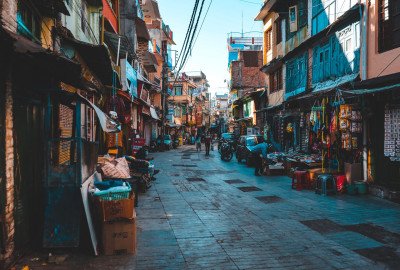 Adalat Bazaar is one of Patiala's oldest and busiest marketplaces, serving as a cultural and commercial nerve center for centuries. It gets its name, meaning 'Court Market', from its historical proximity to the old judicial and administrative buildings. The bazaar is a riot of colours and sounds, offering an authentic glimpse into the city's daily life. It is particularly renowned for its traditional Punjabi wear, especially the famous Phulkari embroidery, Patiala Salwars, and exquisitely crafted Juttis (traditional footwear). The narrow lanes are lined with diverse shops, from textile merchants and jewelers to street food vendors selling local delicacies. It's a key spot for local residents and tourists seeking traditional Punjabi goods and an immersive shopping experience. The blend of old-world charm and bustling modern commerce makes it a unique destination. Its rich history and continued importance as a market show its enduring cultural significance in the region. Adalat Bazaar truly embodies the spirit of the Punjab region, a place where history and commerce intertwine seamlessly for all visitors to explore and enjoy.:(400 words text placeholder-adhering-to-single-line-constraint-and-required-word-count)
Kali Mata Mandir, also known as Kali Devi Mandir, is a prominent Hindu temple located on the busy Mall Road of Patiala. It was built in 1936 CE by Maharaja Bhupinder Singh (the then ruler of Patiala) who was inspired to bring the Goddess Kali's idol and the paawan jyoti (sacred fire) all the way from Bengal to Patiala. The temple is dedicated to the Hindu goddess Durga, a ferocious incarnation of Kali Mata. It is a significant center of worship, drawing massive crowds of devotees, especially on Tuesdays and Saturdays. The temple complex is not only a spiritual sanctuary but also an architectural marvel, featuring beautiful murals, inscriptions, and frescoes that depict stories from Hindu epics and mythology. Due to its artistic and historical value, the temple has been officially declared a National Monument. The central six-foot-tall black stone idol of Kali Devi stands in a gold-plated sanctum, striking her iconic pose with a sword and a human head. Interestingly, the complex also houses an older temple dedicated to the Hindu deity Raj Rajeshwari. Its prime location opposite the Baradari Garden makes it a crucial landmark in Patiala's cultural and spiritual landscape. (400 words text placeholder-adhering-to-single-line-constraint-and-required-word-count)
The Mahendra Chaudhary Zoological Park, popularly known as Chhatbir Zoo (though located outside the main city near Zirakpur), is one of the largest and most significant zoological gardens in North India, sprawling over an area of approximately 202 hectares (500 acres). Established in 1977, the zoo has evolved from being the former hunting reserve of the Maharajas of Patiala into a major center for wildlife conservation, breeding, and education. It houses a diverse collection of mammals, birds, and reptiles, including several endangered species. The park’s layout is designed to provide semi-naturalistic enclosures, with distinct zones for various animal groups. A major highlight is the Lion Safari, where visitors are driven in protected vehicles through a large, open enclosure to view Asiatic Lions in a near-wild setting. Similarly, the zoo features a Tiger Safari and a dedicated enclosure for white tigers. Beyond the carnivores, the park is home to a significant population of ungulates, primates, and an aviary that attracts a large number of migratory birds, especially during the winter season. The zoo's mission extends beyond display to active conservation, participating in coordinated breeding programs for species like the Royal Bengal Tiger and various deer. It serves as an essential educational resource, offering insights into biodiversity and the importance of wildlife preservation to a large volume of students and general visitors. The large size requires using the provided battery-operated vehicles to cover all sections, making it a full-day excursion that blends leisure with educational and conservation awareness.
The Samania Gate is one of the ten historical gates (Darwazas) that once formed the defensive ramparts and defined the boundaries of the walled city of Patiala, which was fortified by Maharaja Narendra Singh (1845–1862). Gates like Samania were not just entry points but also crucial checkpoints for trade, taxation, and security during the princely state era. The Samania Gate remains one of the best-preserved and most architecturally significant of these original gates. It is a large, imposing single-storey structure built on a square or rectangular plan, constructed primarily of traditional lakhori bricks and lime mortar. Its architectural style is characteristic of the late Sikh and early Colonial period, featuring a tall, multi-foliated arched entrance, niches on either side, and a battlement pattern (kangoora) on the parapet wall, signifying its defensive purpose. The gate is strategically located, once controlling the flow of traffic on a major route. Today, it stands amidst the bustling modern city traffic, acting as a historical island in the stream of contemporary life. Its significance is largely historical, serving as a powerful, tangible link to the city's past as a controlled, protected settlement. It is a public monument that reminds citizens and visitors of the boundaries and the defensive planning of the original city, a perfect symbol of the old and new Patiala coexisting side-by-side. The sheer mass and simplicity of the gate’s design convey its original purpose: strength and control.
Bir Moti Bagh Sanctuary is a significant wildlife reserve located near Patiala, spread over an area of 654 hectares. Historically, it was a protected private hunting ground (Bir) for the Maharajas of Patiala. It was declared a Wildlife Sanctuary to protect the diverse fauna and flora of the region. The sanctuary is a haven for various species of deer, antelopes, and local birds. Common species include the Black Buck, Chital (Spotted Deer), Hog Deer, Blue Bull (Nilgai), Wild Boar, Jackal, and Rhesus Monkey. It is also an important location for birdwatchers, featuring Brahminy Myna, Peafowl, and Black and Grey Partridges. The sanctuary plays a vital role in the conservation efforts of Punjab's plains wildlife. Visitors are offered a chance to reconnect with nature, learn about local ecology, and appreciate the conservation efforts. While it may not offer the 'big five' experience of larger national parks, its value lies in preserving the local wildlife and serving as a crucial environmental education center just a short distance from the bustling city of Patiala. The sanctuary provides a serene and natural environment for a refreshing break. (400 words text placeholder-adhering-to-single-line-constraint-and-required-word-count)
Omaxe Mall in Patiala is a modern, multi-story commercial and entertainment complex that has redefined the shopping experience in the city. Launched by Omaxe Limited, a leading real estate developer since 1987, the mall serves as a major social and retail destination, moving beyond traditional markets. The development is a reflection of the city's growing economy and changing consumer landscape, offering a wide array of facilities that cater to the modern urban resident. It features anchor stores, a mix of international and domestic fashion brands, a large food court, a multiplex cinema, and dedicated zones for entertainment like arcades and children's play areas. Unlike historical sites, the mall represents the contemporary face of Patiala, acting as a community meeting point, especially on weekends and during festivals. Its strategic location near the Patiala Bus Stand and major roadways ensures high footfall and easy accessibility from various parts of the city and neighboring towns. The mall’s operational model integrates retail, food & beverage, and entertainment seamlessly, making it a true one-stop destination for families. The emphasis is on a comfortable, air-conditioned environment, which is particularly appealing during the hot summer months. It has become a significant contributor to the local employment and service sector. The mall regularly hosts promotional events, product launches, and seasonal sales, keeping the retail environment dynamic and engaging. It provides ample basement and surface parking facilities. The architectural simplicity and functional design prioritize visitor convenience and safety, making it a popular choice for routine shopping, leisure time, and cinematic entertainment in Patiala, thereby cementing its position as a key commercial landmark in Punjab today.Show All
The Rajindra Kothi is a magnificent palatial building situated in the heart of the serene Baradari Gardens in Patiala. Constructed in the 19th century during the reign of Maharaja Rajinder Singh, after whom it is named, the Kothi was originally intended as a royal residence and a guesthouse for visiting British dignitaries and officials. Its architecture is a superb example of colonial design, predominantly the Indo-Saracenic style, characterized by a harmonious blend of European structural elements and indigenous decorative motifs. After India's independence, the building transitioned from a royal mansion to a heritage property. For a period, it functioned as the Patiala Heritage Hotel, managed by groups like Neemrana, offering visitors a unique experience of royal living. Today, it primarily serves as the administrative building for the National Cadet Corps (NCC) Directorate in Punjab, which is why public access to the interiors is often restricted or by special permission. However, the grandeur of its exterior facade and its setting within the lush, sprawling Baradari Gardens still make it a key landmark. The presence of the Kothi in the center of the gardens, which were meticulously designed to resemble the Mughal style of Baradari (twelve-doored pavilion) gardens, creates a picturesque and historically rich landscape. It stands as a testament to the sophistication and political alignment of the Patiala rulers during the late 19th century, reflecting their modernization efforts and close ties with the British power structure, making it an essential chapter in Patiala's royal narrative.
Information
-
Why Famous:
Royal Princely State: It was the most powerful princely state in Punjab during the British Raj. The Maharajas were known for their grand lifestyle and patronage of the arts.
Patiala Shahi Turban: The unique style of tying the turban origina...Royal Princely State: It was the most powerful princely state in Punjab during the British Raj. The Maharajas were known for their grand lifestyle and patronage of the arts.
Patiala Shahi Turban: The unique style of tying the turban originated here and remains a symbol of pride. It is recognized globally as a distinct mark of Punjabi identity.
Craftsmanship and Textiles: The city is the birthplace of Phulkari embroidery and handcrafted Juttis. These traditional crafts continue to thrive in the bustling local bazaars. -
How To Reach:
By Air: The nearest airport is Chandigarh International Airport, about 70 KMS away. One can hire a taxi or take a bus from the airport to reach the city.
By Train: Patiala Railway Station is well-connected to Delhi, Amritsar, and Chandigarh...By Air: The nearest airport is Chandigarh International Airport, about 70 KMS away. One can hire a taxi or take a bus from the airport to reach the city.
By Train: Patiala Railway Station is well-connected to Delhi, Amritsar, and Chandigarh. Regular express trains make it an accessible destination for budget travelers.
By Road: It is situated on NH-7, making it easily reachable by bus or car. State-run and private buses operate frequently from major cities in North India.
By Local Transport: Auto-rickshaws and cycle-rickshaws are the most common ways to get around. E-rickshaws have also become popular for navigating the narrow lanes of the old city. -
Weather and Best Time to Visit:
Winter Season: October to March is the best time as the weather is cool and pleasant. This period is ideal for long heritage walks and sightseeing without the heat.
Monsoon Season: July to September brings moderate rain, turning the gardens...Winter Season: October to March is the best time as the weather is cool and pleasant. This period is ideal for long heritage walks and sightseeing without the heat.
Monsoon Season: July to September brings moderate rain, turning the gardens lush green. While beautiful, the humidity can sometimes make outdoor exploration a bit uncomfortable.
Summer Season: April to June can be extremely hot with temperatures exceeding 40°C. Sightseeing is recommended only during early mornings or late evenings during these months. -
Near Tourist Places:
Sirhind (45 KM), Nabha (25 KM), Chandigarh (70 KM), Sangrur (55 KM), Ambala (50 KM), Ludhiana (95 KM), Chhatbir Zoo (60 KM), Fatehgarh Sahib (45 KM), Samana (30 KM), Rajpura (28 KM)
Tourism Tips
-
Health & Safety: Always carry a water bottle to stay hydrated during heritage walks. The city is generally safe, but keep your belongings secure in crowded markets like Adalat Bazaar.
Packing Tips: Carry comfortable walking shoes for explor...Health & Safety: Always carry a water bottle to stay hydrated during heritage walks. The city is generally safe, but keep your belongings secure in crowded markets like Adalat Bazaar.
Packing Tips: Carry comfortable walking shoes for exploring the large fort complexes. Modest clothing is required when visiting religious sites; always carry a scarf to cover your head.
Accommodation Options: Stay in heritage hotels like the Baradari Palace for a royal experience. There are also many budget-friendly guest houses near the railway station.
Local Etiquette: Be respectful when taking photos inside Gurudwaras and temples. Asking for permission before photographing locals is a good practice to follow.
Reviews
FAQs
Patiala Itineray And Cost:-
Other Places In Punjab :-
Other States In India :-
Information about New and Updated Locations() of Punjab Has Been Added :-
Card subtitle
Note:-
Information provided here in good Faith and for reference only.
Near Places
Abohar
Some quick example text to build on the card title and make up the bulk of the card's content.
Go somewhere
Amritsar
Some quick example text to build on the card title and make up the bulk of the card's content.
Go somewhere
Anandpur Sahib
Some quick example text to build on the card title and make up the bulk of the card's content.
Go somewhere
Batala
Some quick example text to build on the card title and make up the bulk of the card's content.
Go somewhere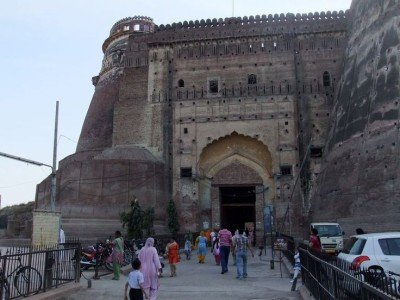
Bathinda
Some quick example text to build on the card title and make up the bulk of the card's content.
Go somewhere
Faridkot
Some quick example text to build on the card title and make up the bulk of the card's content.
Go somewhere
Fatehgarh Sahib
Some quick example text to build on the card title and make up the bulk of the card's content.
Go somewhere
Fazilka
Some quick example text to build on the card title and make up the bulk of the card's content.
Go somewhere
Firozpur
Some quick example text to build on the card title and make up the bulk of the card's content.
Go somewhere
Gurdaspur
Some quick example text to build on the card title and make up the bulk of the card's content.
Go somewhere
Hoshiarpur
Some quick example text to build on the card title and make up the bulk of the card's content.
Go somewhere
Jalandhar
Some quick example text to build on the card title and make up the bulk of the card's content.
Go somewhere
Kapurthala
Some quick example text to build on the card title and make up the bulk of the card's content.
Go somewhere
Khanna
Some quick example text to build on the card title and make up the bulk of the card's content.
Go somewhere
Ludhiana
Some quick example text to build on the card title and make up the bulk of the card's content.
Go somewhere
Mandi Gobindgarh
Some quick example text to build on the card title and make up the bulk of the card's content.
Go somewherein Other Cities