

Punjab
General information
-
Ideal Duration:
5 to 7 DaysPlace Type:
Cultural, Religious & RuralSpecial Events:
State Special Event
: Baisakhi Harvest Festival
:State Special Event
: Baisakhi Harvest Festival
: Celebrated in April, Baisakhi is the most significant festival in Punjab, marking the harvest of the rabi crops and the founding of the Khalsa panth. The entire state turns into a giant carnival with fairs, traditional wrestling matches, and exuberant Bhangra performances. Farmers express their gratitude for a good harvest, and the air is filled with the sounds of drums and joyous cheers. It is the best time to see the state in its most colorful and prosperous form, with people dressed in their finest traditional attire.
: Hola Mohalla at Anandpur Sahib
: Hola Mohalla is a spectacular three-day Sikh festival celebrated in March, usually a day after Holi. It was started by Guru Gobind Singh as a day for Sikhs to practice military exercises and hold mock battles. Today, it features breathtaking displays of Gatka (traditional martial arts), horse riding, and tent pegging by the Nihang warriors. Thousands of devotees gather at Anandpur Sahib, creating a sea of blue and saffron turbans, making it a truly unique and powerful cultural event.
: Lohri Winter Bonfire
: Observed in January, Lohri marks the end of the peak winter season and the sun's journey toward the northern hemisphere. Families gather around large bonfires at night, offering peanuts, popcorn, and sweets like Gajak to the flames while singing traditional folk songs. It is a particularly special event for households celebrating a new birth or a wedding, symbolizing fertility and prosperity. The warmth of the fire against the chilly winter night creates an atmosphere of communal harmony and celebration.
: Gurpurab Celebrations
: Gurpurab refers to the anniversaries of the Sikh Gurus, with the birthdays of Guru Nanak Dev Ji and Guru Gobind Singh Ji being celebrated with immense fervor. Cities are decorated with lights, and massive processions called Nagarkirtan are taken out through the streets with the holy book, Guru Granth Sahib. The Golden Temple is illuminated with thousands of lamps and fireworks, creating a celestial sight that attracts visitors from across the world. The spirit of service is at its peak, with free food stalls set up at every corner for the public.
:Best Photo Spots:
State Best Photo Spots
: The Golden Temple at Night
...State Best Photo Spots
: The Golden Temple at Night
: The most iconic photo spot in Punjab is undoubtedly the Harmandir Sahib in Amritsar during the night hours. When the gold-plated temple is illuminated, its reflection in the surrounding Amrit Sarovar (pool of nectar) creates a breathtaking, symmetrical image. The contrast between the dark night sky and the shimmering gold is a dream for every photographer. For the best shot, find a spot along the marble walkway or "Parkarma" to capture the temple's full majesty.
: The Mustard Fields of Rural Punjab
: During January and February, the countryside is blanketed in a vibrant sea of yellow mustard flowers, famously known as Sarson. This provides the perfect backdrop for colorful portraits, especially when locals are dressed in traditional Punjabi suits. These fields, often featured in classic Indian cinema, represent the quintessential beauty of the Indian heartland. Capture the endless yellow horizon against the clear blue winter sky for a truly "filmy" and authentic Punjabi photograph.
: Virasat-e-Khalsa Architecture
: Located in Anandpur Sahib, the Virasat-e-Khalsa museum is an architectural masterpiece that offers stunning geometric and structural shots. The museum's sandstone buildings, designed by Moshe Safdie, feature unique rooflines that resemble folded hands or petals. The surrounding water bodies and the bridge connecting the two complexes provide excellent perspectives for architectural photography. The interplay of shadows and natural light on the modern surfaces makes it a favorite spot for contemporary photographers.
: The Colorful Markets of Amritsar
: The narrow, vibrant lanes of the Old City in Amritsar are a treasure trove for street photographers. From the heaps of colorful spices and traditional sweets to the rows of intricately embroidered Phulkari fabrics, every corner is a burst of color. Capturing the candid expressions of local vendors or the busy movement of cycle rickshaws provides a real sense of the city's pulse. The textures of the old buildings and the vibrant street life offer endless opportunities for high-contrast, cultural storytelling through the lens.
:Photo Gallery
Things To Do
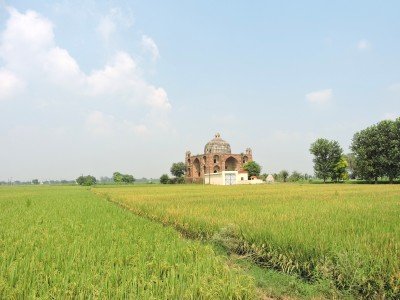 @@Ancient Strategic Hub: Sirhind has been a significant city since the time of the Mughal Empire. It was a major administrative center located on the grand trunk route. @@Sikh Martyrdom: The city is most famous for the tragic and heroic sacrifice of the younger sons of Guru Gobind Singh Ji. Gurudwara Fatehgarh Sahib marks the site of their martyrdom. @@Mughal Architecture: It houses several beautiful Mughal-era monuments and gardens. The Aam Khas Bagh was a royal transit camp for Mughal emperors traveling to Lahore. @@Sufi Tradition: The city is also a major center for Sufism, being the site of the Rauza Sharif. It is considered the second holiest place for Muslims after Mecca by some sects.
 @@City Overview: Ludhiana is a sprawling industrial hub often called the 'Manchester of India' for its textile dominance. It is the largest city in Punjab and offers a unique blend of historical sites and modern lifestyle. Visitors can explore the ancient Lodhi Fort or enjoy the greenery of Nehru Rose Garden. The city is a major center for hosiery and cycle manufacturing worldwide. Its vibrant culture is reflected in its local festivals and bustling street markets like Chaura Bazaar. @@Historical Legacy: The city was founded by the Lodhi Dynasty in 1480 on the banks of the Sutlej River. It has witnessed the rise and fall of several empires, including the Mughals and the British. Many historical monuments like the Phillaur Fort still stand as silent witnesses to its glorious past. The Maharaja Ranjit Singh War Museum beautifully captures the military history of the region. @@Cultural Vibrancy: The local lifestyle is deeply rooted in Punjabi traditions and hospitality. People are known for their love for food, music, and hard work in the industrial sectors. Festivals like Lohri and Baisakhi are celebrated with immense fervor and joy. The Punjab Agricultural University museum offers a deep dive into the rural heritage of the state. @@Modern Development: Today, Ludhiana is a hub of shopping malls and educational institutions. Markets like Sarabha Nagar and Ghumar Mandi are popular for high-end fashion and local crafts. The city has developed rapidly with modern infrastructure and entertainment zones. It remains a key destination for business travelers and tourists exploring North India.
@@Historical Background: Abohar is a historic city located in the Fazilka district of Punjab, known for its deep roots in the agricultural and trading sectors of the state. The city was originally established by the Panwar Rajput King Abheraj in the 12th century, and it was named after his wife, Abohar. Over the centuries, it has witnessed the rise and fall of various dynasties, including the Mughals and the Sikhs, each leaving a subtle mark on its cultural landscape. Today, it stands as a bustling municipal corporation that serves as a vital bridge between the cultures of Punjab, Haryana, and Rajasthan due to its strategic location near the borders. The town is most famous for its lush kinnow (mandarin) orchards, which have earned it the nickname "California of Punjab" because of the high-quality citrus fruit produced here. Visiting Abohar offers a glimpse into the resilient rural life of Punjab, where tradition meets the modern agricultural economy in a unique blend. @@Agricultural Significance: The economy of Abohar is primarily driven by its vast agricultural lands, particularly the cultivation of kinnows, cotton, and wheat. The fertile soil and well-developed canal irrigation system have made this region one of the most productive agricultural hubs in the country. During the winter months, the landscape transforms into a sea of orange as the kinnow trees bear fruit, creating a visually stunning environment for visitors. The local grain market, or 'Mandi', is one of the largest in the region, reflecting the city's importance as a trade center for farmers. Exploring these orchards provides a serene experience, away from the typical tourist trails, allowing travelers to connect with the earth and understand the heartbeat of rural India. The commitment of the local farmers to sustainable practices and modern irrigation techniques is a testament to the city's forward-looking approach to farming. @@Cultural Tapestry: The culture of Abohar is a vibrant mix of Punjabi traditions influenced by the neighboring states of Rajasthan and Haryana. This unique confluence is evident in the local language, attire, and food, which features a variety of spices and flavors from all three regions. Festivals like Lohri, Baisakhi, and Diwali are celebrated with immense fervor, bringing the entire community together in a display of unity and joy. Folk music and dance, such as Bhangra and Gidda, are integral parts of the social fabric, often performed during weddings and harvest festivals. The people of Abohar are known for their warm hospitality and 'Zinda-dili' (heartiness), making every visitor feel like a part of their extended family. The local markets are filled with traditional Punjabi handicrafts, phulkari embroidery, and vibrant textiles that showcase the artistic prowess of the local craftsmen. @@Wildlife and Nature: Despite being an agricultural hub, Abohar is home to a unique model of wildlife conservation through the Abohar Wildlife Sanctuary. This sanctuary is spread over several villages and is managed by the local Bishnoi community, who consider the protection of animals as a sacred duty. It is one of the few places where the Blackbuck and Blue Bull (Nilgai) roam freely amidst the agricultural fields and human settlements without fear. This coexistence of man and nature is a rare and beautiful sight, offering a lesson in harmony and environmental stewardship. The sanctuary also hosts a variety of migratory birds during the winter, making it a paradise for birdwatchers and nature enthusiasts. The flat plains and open skies of Abohar provide a tranquil backdrop for those looking to escape the chaos of urban life and find peace in nature's lap.
@@City Overview: Ludhiana is a sprawling industrial hub often called the 'Manchester of India' for its textile dominance. It is the largest city in Punjab and offers a unique blend of historical sites and modern lifestyle. Visitors can explore the ancient Lodhi Fort or enjoy the greenery of Nehru Rose Garden. The city is a major center for hosiery and cycle manufacturing worldwide. Its vibrant culture is reflected in its local festivals and bustling street markets like Chaura Bazaar. @@Historical Legacy: The city was founded by the Lodhi Dynasty in 1480 on the banks of the Sutlej River. It has witnessed the rise and fall of several empires, including the Mughals and the British. Many historical monuments like the Phillaur Fort still stand as silent witnesses to its glorious past. The Maharaja Ranjit Singh War Museum beautifully captures the military history of the region. @@Cultural Vibrancy: The local lifestyle is deeply rooted in Punjabi traditions and hospitality. People are known for their love for food, music, and hard work in the industrial sectors. Festivals like Lohri and Baisakhi are celebrated with immense fervor and joy. The Punjab Agricultural University museum offers a deep dive into the rural heritage of the state. @@Modern Development: Today, Ludhiana is a hub of shopping malls and educational institutions. Markets like Sarabha Nagar and Ghumar Mandi are popular for high-end fashion and local crafts. The city has developed rapidly with modern infrastructure and entertainment zones. It remains a key destination for business travelers and tourists exploring North India.
@@Historical Background: Abohar is a historic city located in the Fazilka district of Punjab, known for its deep roots in the agricultural and trading sectors of the state. The city was originally established by the Panwar Rajput King Abheraj in the 12th century, and it was named after his wife, Abohar. Over the centuries, it has witnessed the rise and fall of various dynasties, including the Mughals and the Sikhs, each leaving a subtle mark on its cultural landscape. Today, it stands as a bustling municipal corporation that serves as a vital bridge between the cultures of Punjab, Haryana, and Rajasthan due to its strategic location near the borders. The town is most famous for its lush kinnow (mandarin) orchards, which have earned it the nickname "California of Punjab" because of the high-quality citrus fruit produced here. Visiting Abohar offers a glimpse into the resilient rural life of Punjab, where tradition meets the modern agricultural economy in a unique blend. @@Agricultural Significance: The economy of Abohar is primarily driven by its vast agricultural lands, particularly the cultivation of kinnows, cotton, and wheat. The fertile soil and well-developed canal irrigation system have made this region one of the most productive agricultural hubs in the country. During the winter months, the landscape transforms into a sea of orange as the kinnow trees bear fruit, creating a visually stunning environment for visitors. The local grain market, or 'Mandi', is one of the largest in the region, reflecting the city's importance as a trade center for farmers. Exploring these orchards provides a serene experience, away from the typical tourist trails, allowing travelers to connect with the earth and understand the heartbeat of rural India. The commitment of the local farmers to sustainable practices and modern irrigation techniques is a testament to the city's forward-looking approach to farming. @@Cultural Tapestry: The culture of Abohar is a vibrant mix of Punjabi traditions influenced by the neighboring states of Rajasthan and Haryana. This unique confluence is evident in the local language, attire, and food, which features a variety of spices and flavors from all three regions. Festivals like Lohri, Baisakhi, and Diwali are celebrated with immense fervor, bringing the entire community together in a display of unity and joy. Folk music and dance, such as Bhangra and Gidda, are integral parts of the social fabric, often performed during weddings and harvest festivals. The people of Abohar are known for their warm hospitality and 'Zinda-dili' (heartiness), making every visitor feel like a part of their extended family. The local markets are filled with traditional Punjabi handicrafts, phulkari embroidery, and vibrant textiles that showcase the artistic prowess of the local craftsmen. @@Wildlife and Nature: Despite being an agricultural hub, Abohar is home to a unique model of wildlife conservation through the Abohar Wildlife Sanctuary. This sanctuary is spread over several villages and is managed by the local Bishnoi community, who consider the protection of animals as a sacred duty. It is one of the few places where the Blackbuck and Blue Bull (Nilgai) roam freely amidst the agricultural fields and human settlements without fear. This coexistence of man and nature is a rare and beautiful sight, offering a lesson in harmony and environmental stewardship. The sanctuary also hosts a variety of migratory birds during the winter, making it a paradise for birdwatchers and nature enthusiasts. The flat plains and open skies of Abohar provide a tranquil backdrop for those looking to escape the chaos of urban life and find peace in nature's lap.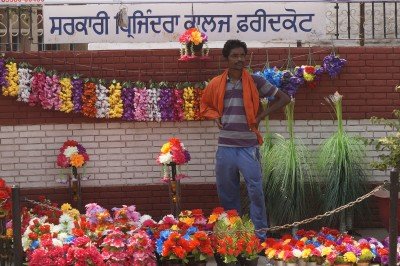 @@Sufi Heritage: Faridkot is a historic city named after the famous Sufi saint, Baba Sheikh Farid, whose teachings are revered across different religions. The town has a deeply spiritual atmosphere. @@Royal History: It was once the capital of the princely state of Faridkot, ruled by the Brar dynasty. The town's architecture reflects the grandeur of its royal past and Sikh heritage. @@Agricultural Hub: Like much of Punjab, the area is known for its fertile lands and production of wheat and cotton. The rural landscape provides a glimpse into the traditional Punjabi way of life. @@Educational Center: The city is home to several prestigious institutions, including the Baba Farid University of Health Sciences, making it a key educational hub in the Malwa region.
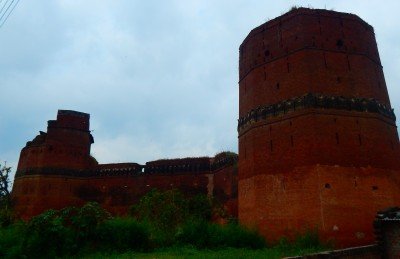 @@Historical Essence: Hoshiarpur is an ancient city believed to have been founded in the 14th Century and is famous for its rich archaeological finds dating back to the Stone Age. @@Cultural Vibrancy: Known for its exquisite wood inlay work and lacquer crafts, the city represents a unique blend of artistic tradition and rustic Punjabi culture. @@Natural Beauty: Situated near the hills, it offers a different landscape compared to the flat plains of Punjab, featuring thick forests and seasonal rivulets known as Choes. @@Religious Diversity: The city is a hub for various religious sects and is home to many ancient temples and Gurdwaras that promote a message of universal peace and brotherhood.
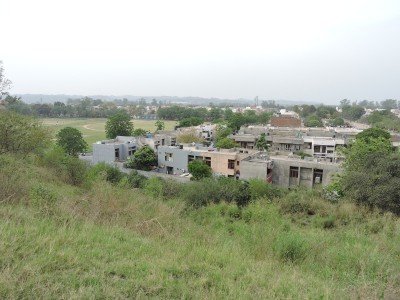 @@Ancient Harappan Roots: Formerly known as Ropar, this city is a significant archaeological site. It was one of the major settlements of the Indus Valley Civilization in India. @@Historical Treaties: It is famous for the meeting between Maharaja Ranjit Singh and Lord William Bentinck in 1831. This historic event took place on the banks of the Sutlej River. @@Natural Beauty and Wetlands: The Ropar Wetland is a man-made lacustrine wetland of great ecological importance. It is a designated Ramsar Site and a haven for migratory birds. @@Religious Importance: The city serves as a transit point for pilgrims heading to Anandpur Sahib. It houses several historic Gurudwaras that mark the visits of the Sikh Gurus.
@@Patriotic Roots: Nawanshahr, officially known as Shaheed Bhagat Singh Nagar, is deeply tied to India’s independence movement. It is the ancestral home of the legendary martyr Bhagat Singh, whose legacy permeates the entire district. The village of Khatkar Kalan serves as a national pilgrimage site for patriots. @@Lush Landscapes: Nestled in the Doaba region, the area is characterized by fertile plains and a dense network of canals. The scenic beauty of the countryside, especially during the harvest season, offers a quintessential view of rural Punjab. It is an ideal spot for those seeking tranquility. @@Spiritual Heritage: Beyond its revolutionary history, the city is home to several ancient Gurudwaras and Hindu temples. Sites like Gurudwara Charan Kanwal commemorate the visits of the Sikh Gurus, blending spiritual peace with historical depth. These sites are known for their calm and welcoming environment. @@Cultural Hub: The city is a vibrant center for Punjabi folk arts, including Bhangra and Gidda. The local community is known for its progressive outlook and high literacy rates, making it a hub for education and small-scale industries in the region. It offers a warm, hospitable atmosphere.Show All
@@Patriotic Heritage: Moga is a significant city in Punjab, best known as the birthplace of the great freedom fighter Lala Lajpat Rai. The city was founded by Moga Singh Gill and is part of the Malwa region. It is a major hub for the food processing industry, particularly dairy products. The Nestle factory here is one of the oldest and largest in the country. It combines historical pride with modern industrial growth. @@Educational Center: The city is home to numerous colleges and schools, making it a key educational hub for the surrounding rural areas. It has a young and vibrant atmosphere due to the large student population. The local libraries and cultural centers often host events commemorating the freedom struggle. It is a city that values its history while looking toward the future. @@Agricultural Might: Being in the heart of the fertile plains, Moga is a major producer of wheat and rice. The local grain market (mandi) is one of the busiest in the state during the harvest season. The city’s economy is deeply tied to the land and the hardworking farmers of the region. Visitors can see modern farming techniques being implemented alongside traditional methods. @@Spiritual Landscape: Numerous gurudwaras and temples dot the city and its outskirts. Gurudwara Lohgarh Sahib is a prominent site with historical significance. The religious diversity and harmony are evident in the city's peaceful coexistence of different communities. It offers a tranquil environment for spiritual seekers and history buffs alike.
@@Ancient Harappan Roots: Formerly known as Ropar, this city is a significant archaeological site. It was one of the major settlements of the Indus Valley Civilization in India. @@Historical Treaties: It is famous for the meeting between Maharaja Ranjit Singh and Lord William Bentinck in 1831. This historic event took place on the banks of the Sutlej River. @@Natural Beauty and Wetlands: The Ropar Wetland is a man-made lacustrine wetland of great ecological importance. It is a designated Ramsar Site and a haven for migratory birds. @@Religious Importance: The city serves as a transit point for pilgrims heading to Anandpur Sahib. It houses several historic Gurudwaras that mark the visits of the Sikh Gurus.
@@Patriotic Roots: Nawanshahr, officially known as Shaheed Bhagat Singh Nagar, is deeply tied to India’s independence movement. It is the ancestral home of the legendary martyr Bhagat Singh, whose legacy permeates the entire district. The village of Khatkar Kalan serves as a national pilgrimage site for patriots. @@Lush Landscapes: Nestled in the Doaba region, the area is characterized by fertile plains and a dense network of canals. The scenic beauty of the countryside, especially during the harvest season, offers a quintessential view of rural Punjab. It is an ideal spot for those seeking tranquility. @@Spiritual Heritage: Beyond its revolutionary history, the city is home to several ancient Gurudwaras and Hindu temples. Sites like Gurudwara Charan Kanwal commemorate the visits of the Sikh Gurus, blending spiritual peace with historical depth. These sites are known for their calm and welcoming environment. @@Cultural Hub: The city is a vibrant center for Punjabi folk arts, including Bhangra and Gidda. The local community is known for its progressive outlook and high literacy rates, making it a hub for education and small-scale industries in the region. It offers a warm, hospitable atmosphere.Show All
@@Patriotic Heritage: Moga is a significant city in Punjab, best known as the birthplace of the great freedom fighter Lala Lajpat Rai. The city was founded by Moga Singh Gill and is part of the Malwa region. It is a major hub for the food processing industry, particularly dairy products. The Nestle factory here is one of the oldest and largest in the country. It combines historical pride with modern industrial growth. @@Educational Center: The city is home to numerous colleges and schools, making it a key educational hub for the surrounding rural areas. It has a young and vibrant atmosphere due to the large student population. The local libraries and cultural centers often host events commemorating the freedom struggle. It is a city that values its history while looking toward the future. @@Agricultural Might: Being in the heart of the fertile plains, Moga is a major producer of wheat and rice. The local grain market (mandi) is one of the busiest in the state during the harvest season. The city’s economy is deeply tied to the land and the hardworking farmers of the region. Visitors can see modern farming techniques being implemented alongside traditional methods. @@Spiritual Landscape: Numerous gurudwaras and temples dot the city and its outskirts. Gurudwara Lohgarh Sahib is a prominent site with historical significance. The religious diversity and harmony are evident in the city's peaceful coexistence of different communities. It offers a tranquil environment for spiritual seekers and history buffs alike.Information
-
Why Famous:
Why Famous State
: The Spiritual Heart of Sikhism
: Punjab is globally famous for being the home of t...Why Famous State
: The Spiritual Heart of Sikhism
: Punjab is globally famous for being the home of the Golden Temple in Amritsar, the holiest shrine for Sikhs worldwide. Millions of pilgrims visit annually to experience the divine peace of the Harmandir Sahib and the massive community kitchen called Langar. The temple's inclusive philosophy, where people of all religions are welcome, serves as a beacon of humanity and spiritual equality.
: Vibrant Folk Culture and Dance
: The state is synonymous with high-energy folk dances like Bhakra and Giddha, which have gained international fame through Bollywood and global music charts. These dances, traditionally performed during the harvest season, represent the zest for life and the robust spirit of the Punjabi people. The colorful turbans, rhythmic dhol beats, and energetic movements make any cultural performance in the state an unforgettable and infectious experience.
: The Culinary Capital of North India
: Food is a religion in Punjab, and the state is world-renowned for its rich, butter-laden cuisine including Sarson da Saag, Makki di Roti, and Amritsari Kulcha. The traditional Dhabas found along the highways offer an authentic taste of smoky tandoori dishes and creamy Lassi served in giant steel glasses. This culinary heritage has traveled across the globe, making "Punjabi Food" one of the most recognized and loved Indian cuisines internationally.
: -
How To Reach:
State How to Reach
: Reaching Punjab By Air
:State How to Reach
: Reaching Punjab By Air
: Punjab is well-connected to major domestic and international destinations through its two primary airports. The Sri Guru Ram Das Jee International Airport in Amritsar handles numerous flights from Dubai, London, and Singapore, as well as major Indian cities. Chandigarh International Airport also offers extensive connectivity across India, making it easy for travelers to enter the state from any corner. Taxis and airport shuttles are readily available at both locations to transport visitors to their hotels or nearby cities.
: Reaching Punjab By Train
: The Indian Railways network in Punjab is robust, with major junctions at Amritsar, Ludhiana, Jalandhar, and Pathankot. High-speed trains like the Shatabdi Express connect Chandigarh and Amritsar to Delhi in just a few hours. Traveling by train is often the most comfortable and scenic way to see the rolling agricultural plains of the state. Most railway stations have a dedicated tourist desk to help with local information and onward bookings.
: Reaching Punjab By Road
: Punjab boasts some of the best-maintained national highways in India, including the historic Grand Trunk Road. Luxury buses operated by the state government and private players connect all major towns with neighboring states like Delhi, Himachal Pradesh, and Rajasthan. Driving your own vehicle is a popular option for many tourists who enjoy the flexibility of stopping at famous roadside Dhabas. The road network is clearly marked with signage in both English and Punjabi, making navigation relatively straightforward for new visitors.
: Local Transport Options
: Once inside a city like Amritsar or Chandigarh, you can easily get around using auto-rickshaws, cycle-rickshaws, or app-based cab services like Uber. In the Old City areas, walking or using a cycle-rickshaw is often faster due to the narrow lanes and heavy traffic. Many tourists also choose to rent a private car with a driver for the entire duration of their trip to visit rural areas comfortably. For a unique experience, you can even hop on a local tractor in the villages to move between farms and homes.
: -
Weather and Best Time to Visit:
State Best Time to Visit
: Winter Season (October to March)
: The winter months are undoubtedly the best time to visit Punjab, with pleasant daytime temperatures and cool, crisp nights. This period is ideal for sightseeing, as the weather is perfect for walking through the Golden Temple complex or exploring the forts. Most major festivals like Lohri and Hola Mohalla fall during these months, offering a rich cultural experience. The golden mustard fields are also in full bloom during late winter, providing stunning vistas for travelers and photographers alike.
: Monsoon Season (July to September)
: While the humidity can be high, the monsoon brings a refreshing change to the landscape, turning the entire state into a lush green carpet. It is a great time for those who enjoy the rain and want to see the rivers and wetlands in their full glory. The Teej festival is celebrated with great enthusiasm during this time, with women enjoying traditional swings and folk songs. However, travelers should be prepared for occasional rain-induced delays and carry waterproof gear for their excursions.
: Summer Season (April to June)
: Summers in Punjab can be quite intense, with temperatures often soaring above 40°C, making midday sightseeing difficult. However, this is the time when the vibrant Baisakhi festival is celebrated, attracting thousands of visitors despite the heat. If you choose to visit during this time, it is best to plan your activities for the early morning or late evening. Many hotels offer significant discounts during the summer, making it a viable option for budget-conscious travelers who prefer fewer crowds.
: Best Part of the Day for Visiting
: Regardless of the season, the early morning hours just before sunrise offer the most magical experience at places like the Golden Temple. The air is cool, and the atmosphere is filled with a unique spiritual energy that is hard to find later in the day. Sunset is another prime time, especially for visiting the Wagah Border or enjoying a boat ride at Sukhna Lake. For shopping and food tours, the late evening is best when the markets are most alive and the street food stalls are in full swing.
:Near Tourist Places:
1. Wagah Border (30km), 2. Jallianwala Bagh (1km), 3. Tarn Taran (25km), 4. Gobindgarh Fort (2km), 5. Kapurthala (70km), 6. Anandpur Sahib (190km), 7. Patiala (230km), 8. Harike Wetland (90km), 9. Ludhiana (140km), 10. Chandigarh (230km)Tourism Tips
-
State Tourism Tips
: Health and Safety Advice
:...State Tourism Tips
: Health and Safety Advice
: While Punjab is generally very safe for tourists, it is always wise to drink only bottled or filtered water to avoid stomach upsets. Be cautious when eating street food; ensure it is freshly prepared and served hot from the vendor. In summer, stay hydrated and use sunscreen to protect yourself from the harsh northern sun. It is also a good idea to carry a basic first-aid kit with medicines for common ailments like fever or motion sickness.
: Packing Essentials for the Trip
: If you are traveling in winter, pack heavy woolens and a good jacket, as temperatures can drop to near freezing at night. For summer visits, lightweight cotton clothing, hats, and sunglasses are essential to stay comfortable in the heat. Always carry a scarf or a large handkerchief, as you are required to cover your head when entering any Gurudwara. Comfortable walking shoes are a must, as exploring heritage sites and markets involves a fair amount of walking on uneven surfaces.
: Accommodation and Stay Options
: Punjab offers a wide range of stay options, from luxury 5-star hotels in Amritsar and Chandigarh to charming heritage homestays in rural areas. For a unique experience, consider staying in a "Farmstay" where you can enjoy organic home-cooked meals and participate in farm activities. Budget travelers can find numerous clean and affordable guest houses near the major transit hubs. It is advisable to book your accommodation in advance, especially during major festival seasons like Baisakhi or Hola Mohalla.
: Cultural Etiquette and Manners
: Respecting local customs is vital; always remove your shoes and wash your hands before entering a religious shrine. Avoid taking photos inside the sanctum sanctorum of temples where it is prohibited, and always ask for permission before photographing local people. The people of Punjab are known for their friendliness, so do not hesitate to strike up a conversation or accept an invitation for tea. Learning a few basic Punjabi phrases like "Sat Sri Akal" (a common greeting) will go a long way in winning the hearts of the locals.
:
Reviews
FAQs
Punjab Itineray And Cost:-
Other States In India :-
Information about New and Updated Locations() of Punjab Has Been Added :-
Card subtitle
Note:-
Information provided here in good Faith and for reference only.
Near Places
Andaman and Nicobar Islands
Some quick example text to build on the card title and make up the bulk of the card's content.
Go somewhere
Andhra Pradesh
Some quick example text to build on the card title and make up the bulk of the card's content.
Go somewhere
Arunachal Pradesh
Some quick example text to build on the card title and make up the bulk of the card's content.
Go somewhere
Assam
Some quick example text to build on the card title and make up the bulk of the card's content.
Go somewhere
Bihar
Some quick example text to build on the card title and make up the bulk of the card's content.
Go somewhere
Chandigarh
Some quick example text to build on the card title and make up the bulk of the card's content.
Go somewhere
Chhattisgarh
Some quick example text to build on the card title and make up the bulk of the card's content.
Go somewhere
Daman and Diu
Some quick example text to build on the card title and make up the bulk of the card's content.
Go somewhere
Delhi
Some quick example text to build on the card title and make up the bulk of the card's content.
Go somewhere
Goa
Some quick example text to build on the card title and make up the bulk of the card's content.
Go somewhere
Gujarat
Some quick example text to build on the card title and make up the bulk of the card's content.
Go somewhere
Haryana
Some quick example text to build on the card title and make up the bulk of the card's content.
Go somewhere
Himachal Pradesh
Some quick example text to build on the card title and make up the bulk of the card's content.
Go somewhere
Jammu and Kashmir
Some quick example text to build on the card title and make up the bulk of the card's content.
Go somewhere
Jharkhand
Some quick example text to build on the card title and make up the bulk of the card's content.
Go somewhere
Karnataka
Some quick example text to build on the card title and make up the bulk of the card's content.
Go somewherein Other Cities