Hoshiarpur
General information
-
Ideal Duration:
2-3 DaysPlace Type:
Heritage & NatureSpecial Events:
Chintpurni Mela: Although located across the border, the city serves as a base for this massive fair where thousands of pilgrims pass through with music and floats.
Lohri Festival: Celebrated with immense energy in January, featuring massive...Chintpurni Mela: Although located across the border, the city serves as a base for this massive fair where thousands of pilgrims pass through with music and floats.
Lohri Festival: Celebrated with immense energy in January, featuring massive bonfires, traditional Sunder Mundariye songs, and distribution of sweets.Best Photo Spots:
Sheesh Mahal Interiors: The reflection of light on the mirror-covered walls creates a magical effect, making it the most photogenic spot in the city center.
Shivalik Foothills: The winding roads leading towards Himachal provide stunning land...Sheesh Mahal Interiors: The reflection of light on the mirror-covered walls creates a magical effect, making it the most photogenic spot in the city center.
Shivalik Foothills: The winding roads leading towards Himachal provide stunning landscape shots, especially during the Monsoon when the hills turn emerald green.
Dholbaha Sculptures: The ancient stone idols at the museum provide excellent subjects for macro photography to capture the fine details of ancient craftsmanship.Photo Gallery
Things To Do
 @@The Natural Wilderness: Located in the lap of the Shivalik Hills, this camp is a premier destination for eco-tourism. The area is lush with indigenous flora and provides a serene escape from urban chaos. Visitors can witness the raw beauty of the Punjab forest department's conservation efforts. The camp serves as an educational hub for students and nature enthusiasts to learn about biodiversity. With its dense tree cover and rolling hills, it offers a refreshing climate even during warmer months. The local wildlife, including various bird species and occasional deer sightings, adds to the charm. It is managed by the forest department to promote sustainable tourism in the region. The peaceful environment makes it ideal for meditation and soul-searching. Travelers often find themselves mesmerized by the panoramic views of the valley. This camp is a testament to the rich natural heritage of the Hoshiarpur district.
The Water Supply Project Talwara is a monumental infrastructure project located in the scenic Talwara Township of Hoshiarpur. This project is primarily associated with the Beas Dam (Pong Dam) system and serves as a vital source of irrigation and drinking water for the Kandi region of Punjab. The township of Talwara was originally developed to house the staff and engineers working on the Beas Project, and the water supply infrastructure remains a centerpiece of the town's development. This project utilizes the massive reservoir of the Pong Dam to regulate and distribute water through an intricate network of canals and pipelines. Beyond its functional utility, the site has become a popular tourist attraction due to its impressive scale and the picturesque surroundings of the Shivalik hills. The project demonstrates the pinnacle of mid-20th-century civil engineering in India, showcasing how natural water resources can be harnessed for regional prosperity. The area around the water project is meticulously maintained, featuring landscaped gardens and viewing points that offer panoramic vistas of the water bodies. It serves as an educational site for students of engineering and environmental science, highlighting the complexities of large-scale water management. The project has significantly transformed the local economy by supporting agriculture in what was once a water-scarce hilly terrain.
@@The Natural Wilderness: Located in the lap of the Shivalik Hills, this camp is a premier destination for eco-tourism. The area is lush with indigenous flora and provides a serene escape from urban chaos. Visitors can witness the raw beauty of the Punjab forest department's conservation efforts. The camp serves as an educational hub for students and nature enthusiasts to learn about biodiversity. With its dense tree cover and rolling hills, it offers a refreshing climate even during warmer months. The local wildlife, including various bird species and occasional deer sightings, adds to the charm. It is managed by the forest department to promote sustainable tourism in the region. The peaceful environment makes it ideal for meditation and soul-searching. Travelers often find themselves mesmerized by the panoramic views of the valley. This camp is a testament to the rich natural heritage of the Hoshiarpur district.
The Water Supply Project Talwara is a monumental infrastructure project located in the scenic Talwara Township of Hoshiarpur. This project is primarily associated with the Beas Dam (Pong Dam) system and serves as a vital source of irrigation and drinking water for the Kandi region of Punjab. The township of Talwara was originally developed to house the staff and engineers working on the Beas Project, and the water supply infrastructure remains a centerpiece of the town's development. This project utilizes the massive reservoir of the Pong Dam to regulate and distribute water through an intricate network of canals and pipelines. Beyond its functional utility, the site has become a popular tourist attraction due to its impressive scale and the picturesque surroundings of the Shivalik hills. The project demonstrates the pinnacle of mid-20th-century civil engineering in India, showcasing how natural water resources can be harnessed for regional prosperity. The area around the water project is meticulously maintained, featuring landscaped gardens and viewing points that offer panoramic vistas of the water bodies. It serves as an educational site for students of engineering and environmental science, highlighting the complexities of large-scale water management. The project has significantly transformed the local economy by supporting agriculture in what was once a water-scarce hilly terrain.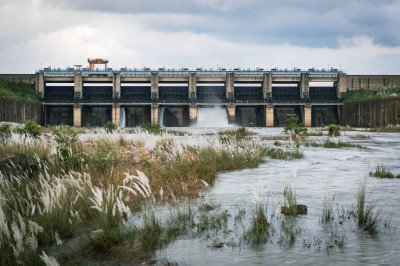 @@The Significance of Dholbaha: Dholbaha Dam is unique because it sits atop one of the most important archaeological sites in India. The dam was constructed to manage the water of the Kukanet and Bahera rivulets, but it accidentally brought the world's attention to the ancient history of the region. Excavations in Dholbaha have revealed artifacts dating back to the prehistoric times and the Gurjara-Pratihara period. The dam itself is a beautiful structure that creates a deep reservoir surrounded by high hills. A fascinating feature of this place is a temple that remains submerged in the water for most of the year, appearing only when the water level drops. This submerged temple is said to have links to the era of Maharaja Ranjit Singh. The site is a blend of history, spirituality, and natural beauty, making it a multi-faceted tourist destination. The reservoir supports local fisheries and provides a cool microclimate for the surrounding valley. Visitors can spend hours exploring the ruins nearby or simply sitting by the dam's edge watching the water. The archaeological museum in Hoshiarpur stores many of the treasures found here, but the physical location of the dam remains the heart of the discovery.
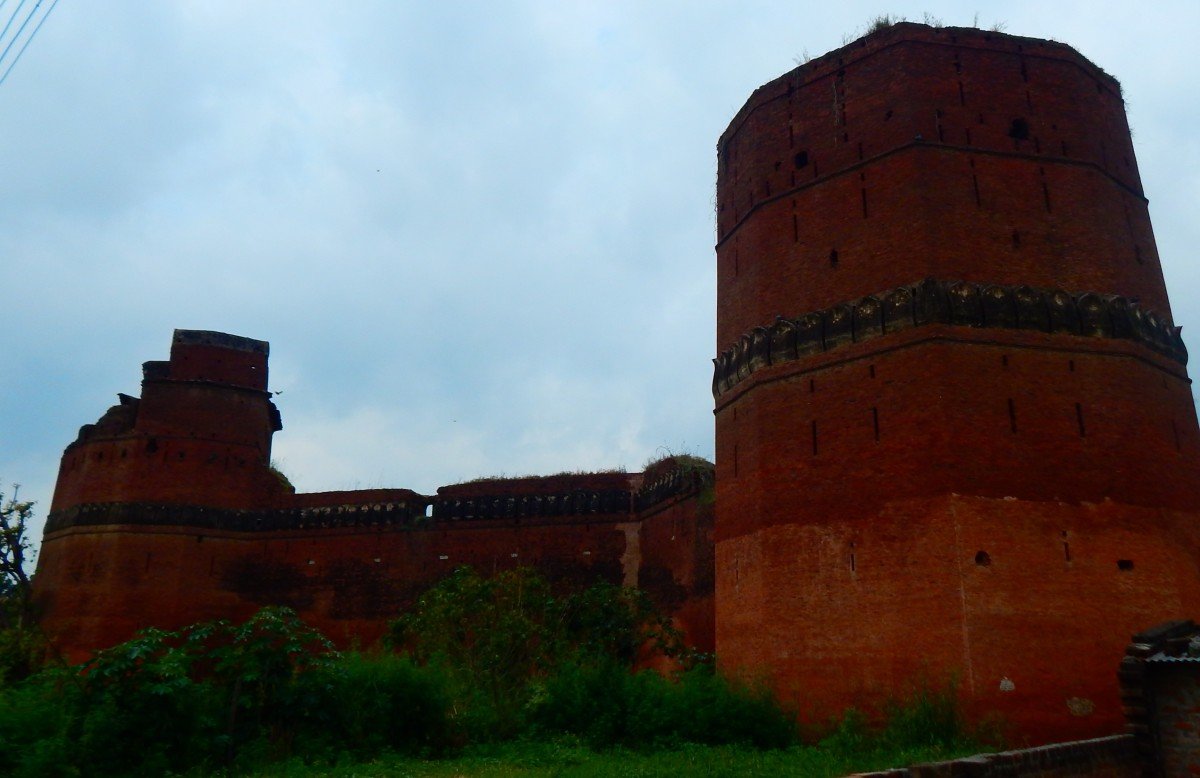
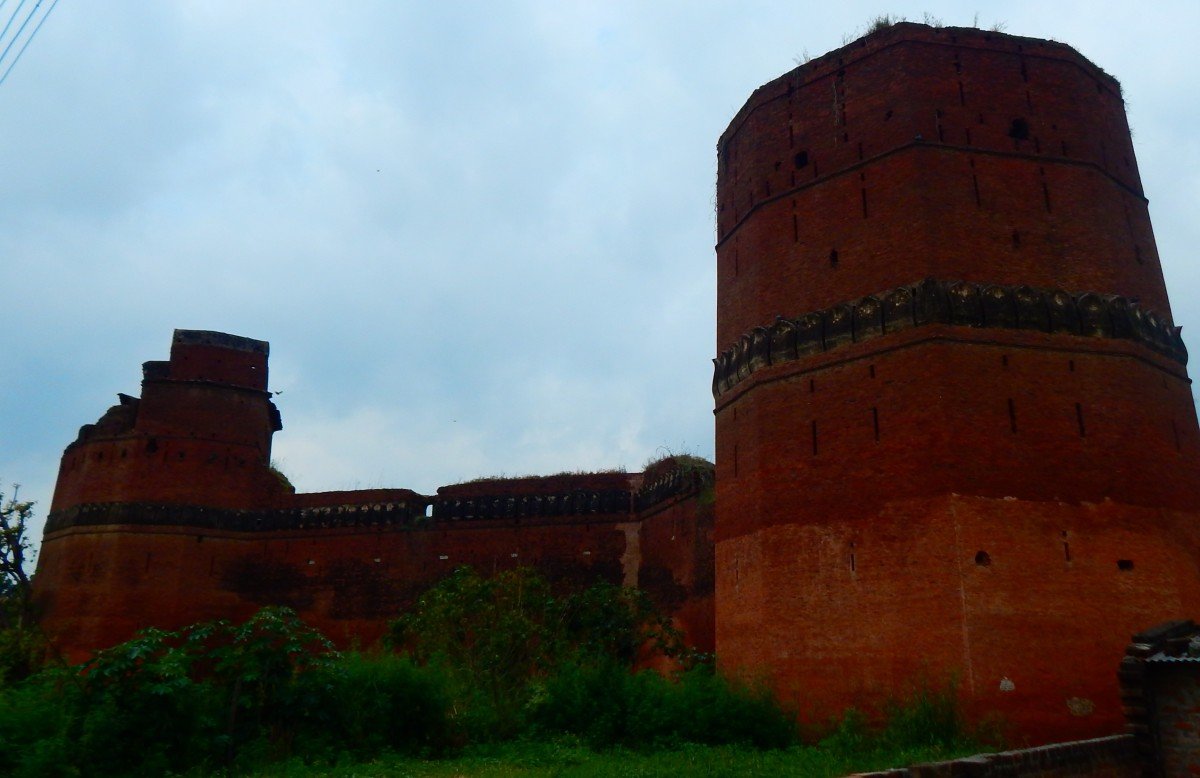
 @@Historical Significance of Bajwara Fort:: The Bajwara Fort Ruins hold immense historical importance, tracing back to the Mughal era. Originally believed to have been built by Sher Shah Suri or an earlier structure, its most renowned connection is being the birthplace of Mata Sundri, the wife of Guru Gobind Singh Ji, the tenth Sikh Guru. The site served as a strategic point for centuries, witnessing the rise and fall of various powers in the Punjab region. While largely in ruins today, the remaining structures and the surrounding land narrate tales of fierce battles and political maneuverings. It was strategically located along the ancient trade routes, allowing control over the fertile Doaba land. Later, the fort was rebuilt and utilized by the great Maharaja Ranjit Singh, the founder of the Sikh Empire, for military purposes. The ruins are a physical testament to the region's dynamic and multicultural past, offering a silent history lesson to those who visit. The ongoing efforts for its preservation aim to protect this vital piece of Hoshiarpur's heritage for future generations to explore and understand the profound connections it has to both Mughal and Sikh history. The serene yet poignant atmosphere of the ruins invites deep contemplation on the passage of time and the impermanence of even the mightiest structures, representing a significant cultural landmark near Hoshiarpur.
@@Role and Importance of Maharaja Ranjit Singh Park:: This park, situated in the locality named after the great Sikh ruler, Maharaja Ranjit Singh, serves as a crucial urban green space and a community focal point in Hoshiarpur. Although perhaps not a historical site itself, its naming pays homage to the legacy of the Maharaja, instilling a sense of regional pride and historical awareness among visitors. The park's main function is to provide an accessible, well-maintained area for exercise, relaxation, and social interaction for the residents of Maharaja Ranjit Singh Nagar and the surrounding areas. It is designed to be a multi-functional recreational hub, featuring dedicated spaces for different age groups. The serene environment, with its large trees and well-kept flower beds, offers a peaceful respite from the noise and pollution of the city. It plays an important role in promoting public health, serving as a venue for local fitness groups, open-air learning, and community events. It is a testament to the city’s efforts to maintain green cover alongside rapid urbanization in Hoshiarpur.
@@Historical Significance of Bajwara Fort:: The Bajwara Fort Ruins hold immense historical importance, tracing back to the Mughal era. Originally believed to have been built by Sher Shah Suri or an earlier structure, its most renowned connection is being the birthplace of Mata Sundri, the wife of Guru Gobind Singh Ji, the tenth Sikh Guru. The site served as a strategic point for centuries, witnessing the rise and fall of various powers in the Punjab region. While largely in ruins today, the remaining structures and the surrounding land narrate tales of fierce battles and political maneuverings. It was strategically located along the ancient trade routes, allowing control over the fertile Doaba land. Later, the fort was rebuilt and utilized by the great Maharaja Ranjit Singh, the founder of the Sikh Empire, for military purposes. The ruins are a physical testament to the region's dynamic and multicultural past, offering a silent history lesson to those who visit. The ongoing efforts for its preservation aim to protect this vital piece of Hoshiarpur's heritage for future generations to explore and understand the profound connections it has to both Mughal and Sikh history. The serene yet poignant atmosphere of the ruins invites deep contemplation on the passage of time and the impermanence of even the mightiest structures, representing a significant cultural landmark near Hoshiarpur.
@@Role and Importance of Maharaja Ranjit Singh Park:: This park, situated in the locality named after the great Sikh ruler, Maharaja Ranjit Singh, serves as a crucial urban green space and a community focal point in Hoshiarpur. Although perhaps not a historical site itself, its naming pays homage to the legacy of the Maharaja, instilling a sense of regional pride and historical awareness among visitors. The park's main function is to provide an accessible, well-maintained area for exercise, relaxation, and social interaction for the residents of Maharaja Ranjit Singh Nagar and the surrounding areas. It is designed to be a multi-functional recreational hub, featuring dedicated spaces for different age groups. The serene environment, with its large trees and well-kept flower beds, offers a peaceful respite from the noise and pollution of the city. It plays an important role in promoting public health, serving as a venue for local fitness groups, open-air learning, and community events. It is a testament to the city’s efforts to maintain green cover alongside rapid urbanization in Hoshiarpur.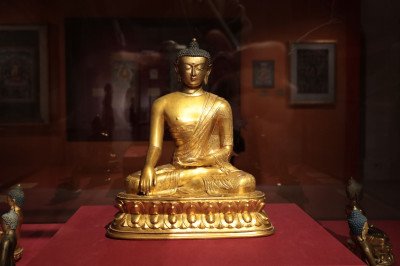 @@The Museum's Collection and Significance:: The Hoshiarpur Archaeological Museum is a state-run institution strategically located within the historic Sheesh Mahal complex, which adds to its cultural and architectural value. Its primary mission is to collect, preserve, and exhibit the material remains and artifacts that trace the historical, artistic, and cultural trajectory of the Doaba region of Punjab, the fertile land between the Beas and Sutlej rivers. The museum houses a modest but significant collection that spans from the early historical period to the late medieval era. Key exhibits typically include sculptures (often from the Dholbaha site, a major local archaeological dig), terra-cotta figures, ancient pottery, coins, miniature paintings, and a collection of armor and weaponry. The museum plays a crucial educational role, serving as a resource for local schools and colleges, and a point of interest for tourists and researchers interested in the lesser-known regional history of Punjab. By being housed in the Sheesh Mahal, it links the region's ancient past with its relatively recent colonial-era architectural legacy, offering a comprehensive view of Hoshiarpur's heritage.
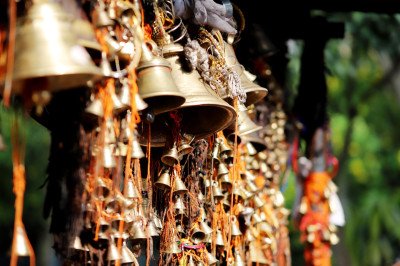 Kamahi Devi Temple, originally known as Kamakshi Devi, is a historic Hindu shrine located in the serene foothills of the Shivalik Range. According to the Mahabharata, the Pandavas spent a portion of their 13-year exile (Agyatvas) in these forests. Legend states that Yudhisthira worshipped Mata Kamakshi here to find water, and the Goddess provided a perennial stream under her feet. The temple is one of the revered "Shakti Peeths" in the region. The village was renamed "Kamahi" due to the local dialect's evolution. The temple complex includes a sacred pond (Pavitra Sarovar) and an ancient Shiva temple where the Pandavas meditated. It is a site of great archaeological and spiritual interest, surrounded by small villages and lush greenery, providing a tranquil atmosphere for pilgrims seeking divine blessings and historical insights into India's epic past.Show All
@@The High-Altitude Frontier: Razdaan Pass in Hoshiarpur is a unique geographical feature that offers a taste of high-altitude travel within the district. While not as high as the Himalayan passes, it provides a similar experience with its steep climbs and sharp hairpin bends. The pass connects the flatter plains of Punjab with the more rugged terrain leading towards the neighboring state. It is a favorite among motorcyclists and adventure seekers who enjoy the thrill of the winding roads. The views from the top are breathtaking, offering a clear sight of the plains below and the distant hills. The air at the pass is noticeably thinner and cooler. It is often covered in a light mist during the early morning hours. The surrounding vegetation changes from tropical to more temperate as you ascend. This location is steeped in local folklore and history, often used by traders in the past. It serves as a natural divide between different micro-climates of the region. The road through the pass is well-maintained but requires careful driving. It is a must-visit for anyone wanting an adventurous day trip from the city.
Kamahi Devi Temple, originally known as Kamakshi Devi, is a historic Hindu shrine located in the serene foothills of the Shivalik Range. According to the Mahabharata, the Pandavas spent a portion of their 13-year exile (Agyatvas) in these forests. Legend states that Yudhisthira worshipped Mata Kamakshi here to find water, and the Goddess provided a perennial stream under her feet. The temple is one of the revered "Shakti Peeths" in the region. The village was renamed "Kamahi" due to the local dialect's evolution. The temple complex includes a sacred pond (Pavitra Sarovar) and an ancient Shiva temple where the Pandavas meditated. It is a site of great archaeological and spiritual interest, surrounded by small villages and lush greenery, providing a tranquil atmosphere for pilgrims seeking divine blessings and historical insights into India's epic past.Show All
@@The High-Altitude Frontier: Razdaan Pass in Hoshiarpur is a unique geographical feature that offers a taste of high-altitude travel within the district. While not as high as the Himalayan passes, it provides a similar experience with its steep climbs and sharp hairpin bends. The pass connects the flatter plains of Punjab with the more rugged terrain leading towards the neighboring state. It is a favorite among motorcyclists and adventure seekers who enjoy the thrill of the winding roads. The views from the top are breathtaking, offering a clear sight of the plains below and the distant hills. The air at the pass is noticeably thinner and cooler. It is often covered in a light mist during the early morning hours. The surrounding vegetation changes from tropical to more temperate as you ascend. This location is steeped in local folklore and history, often used by traders in the past. It serves as a natural divide between different micro-climates of the region. The road through the pass is well-maintained but requires careful driving. It is a must-visit for anyone wanting an adventurous day trip from the city.Information
-
Why Famous:
Ancient Fossils: It is globally famous for the Dholbaha archaeological site where fossils and tools from the Pre-historic era were discovered.
Wood Inlay Work: The city is a world-renowned center for ivory and wood inlay handicrafts, a craft...Ancient Fossils: It is globally famous for the Dholbaha archaeological site where fossils and tools from the Pre-historic era were discovered.
Wood Inlay Work: The city is a world-renowned center for ivory and wood inlay handicrafts, a craft passed down through generations of local artisans.
Educational Hub: Known as the city of scholars, it has produced many prominent bureaucrats and thinkers, making it a center of intellectual growth in North India. -
How To Reach:
By Air: The nearest airport is Adampur (Jalandhar) Airport, about 45 KM away, while Chandigarh and Amritsar airports are within 140 KM.
By Train: Hoshiarpur Railway Station is a terminal station connected to Delhi via the Himachal Express an...By Air: The nearest airport is Adampur (Jalandhar) Airport, about 45 KM away, while Chandigarh and Amritsar airports are within 140 KM.
By Train: Hoshiarpur Railway Station is a terminal station connected to Delhi via the Himachal Express and other local trains from Jalandhar.
By Road: The city is a major junction for buses traveling to Himachal Pradesh and is well-linked to Chandigarh, Amritsar, and Ludhiana.
By Local Transport: E-rickshaws and local buses are the most common ways to move around the city, providing easy access to the Sheesh Mahal and markets. -
Weather and Best Time to Visit:
Winter Season: November to February is the best time when the weather is cool and perfect for outdoor activities like trekking and sightseeing.
Spring Season: March is also beautiful as the citrus orchards are in full bloom, filling the air ...Winter Season: November to February is the best time when the weather is cool and perfect for outdoor activities like trekking and sightseeing.
Spring Season: March is also beautiful as the citrus orchards are in full bloom, filling the air with a sweet fragrance throughout the district.
Time of Day: Morning hours are best for nature walks and temple visits, whereas the evening is perfect for shopping and exploring the local food stalls. -
Near Tourist Places:
1. Jalandhar (42 KM), 2. Chintpurni (45 KM), 3. Dasuya (40 KM), 4. Tanda (35 KM), 5. Anandpur Sahib (80 KM), 6. Una (45 KM), 7. Mukerian (55 KM), 8. Garhshankar (40 KM), 9. Nangal (75 KM), 10. Phagwara (50 KM)
Tourism Tips
-
Health & Safety: The hilly terrain can be slippery during rains; wear shoes with good grip. Carry basic medicines as some tourist spots are in remote areas.
Packing Essentials: Light cottons for summer and heavy woolens for winter. A came...Health & Safety: The hilly terrain can be slippery during rains; wear shoes with good grip. Carry basic medicines as some tourist spots are in remote areas.
Packing Essentials: Light cottons for summer and heavy woolens for winter. A camera with extra batteries is a must for the scenic beauty of the foothills.
Accommodation: From luxury resorts near the hills to budget hotels in the city, there are plenty of options; farm stays are highly recommended for a unique stay.
Local Etiquette: Respect the silence in the wildlife areas and follow the guidelines in the Archaeological Museum regarding photography and touching artifacts.
Reviews
FAQs
Hoshiarpur Itineray And Cost:-
Other Places In Punjab :-
Other States In India :-
Information about New and Updated Locations() of Punjab Has Been Added :-
Card subtitle
Note:-
Information provided here in good Faith and for reference only.
Near Places
Abohar
Some quick example text to build on the card title and make up the bulk of the card's content.
Go somewhere
Amritsar
Some quick example text to build on the card title and make up the bulk of the card's content.
Go somewhere
Anandpur Sahib
Some quick example text to build on the card title and make up the bulk of the card's content.
Go somewhere
Batala
Some quick example text to build on the card title and make up the bulk of the card's content.
Go somewhere
Bathinda
Some quick example text to build on the card title and make up the bulk of the card's content.
Go somewhere
Faridkot
Some quick example text to build on the card title and make up the bulk of the card's content.
Go somewhere
Fatehgarh Sahib
Some quick example text to build on the card title and make up the bulk of the card's content.
Go somewhere
Fazilka
Some quick example text to build on the card title and make up the bulk of the card's content.
Go somewhere
Firozpur
Some quick example text to build on the card title and make up the bulk of the card's content.
Go somewhere
Gurdaspur
Some quick example text to build on the card title and make up the bulk of the card's content.
Go somewhere
Hoshiarpur
Some quick example text to build on the card title and make up the bulk of the card's content.
Go somewhere
Jalandhar
Some quick example text to build on the card title and make up the bulk of the card's content.
Go somewhere
Kapurthala
Some quick example text to build on the card title and make up the bulk of the card's content.
Go somewhere
Khanna
Some quick example text to build on the card title and make up the bulk of the card's content.
Go somewhere
Ludhiana
Some quick example text to build on the card title and make up the bulk of the card's content.
Go somewhere
Mandi Gobindgarh
Some quick example text to build on the card title and make up the bulk of the card's content.
Go somewherein Other Cities