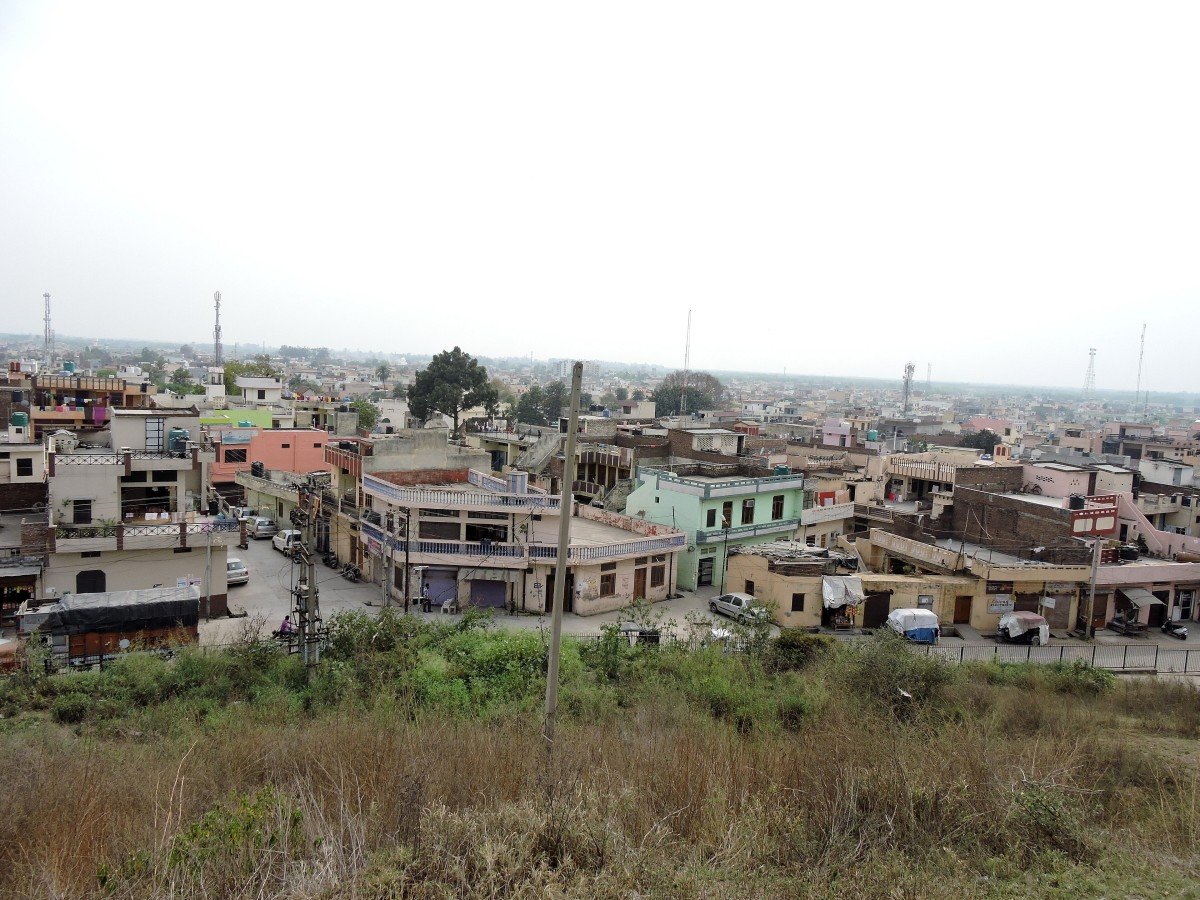
Rupnagar
General information
-
Ideal Duration:
1 DayPlace Type:
History & NatureSpecial Events:
Hola Mohalla Proximity: Being close to Anandpur Sahib, the city sees huge crowds during this festival. It is a time of great energy, martial arts displays, and community service.
Annual Bird Festival: Sometimes organized at the wetlands to ...Hola Mohalla Proximity: Being close to Anandpur Sahib, the city sees huge crowds during this festival. It is a time of great energy, martial arts displays, and community service.
Annual Bird Festival: Sometimes organized at the wetlands to promote conservation. It involves educational workshops and guided tours for students and tourists.Best Photo Spots:
Wetland at Sunrise: The golden light hitting the water while birds take flight is a dream for photographers. Use a long lens to capture the details of the migratory species.
Bhatta Sahib Gurudwara: The pristine white structure looks stunnin...Wetland at Sunrise: The golden light hitting the water while birds take flight is a dream for photographers. Use a long lens to capture the details of the migratory species.
Bhatta Sahib Gurudwara: The pristine white structure looks stunning against a clear blue sky. The reflection of the dome in the holy sarovar is a classic shot.Photo Gallery
Things To Do
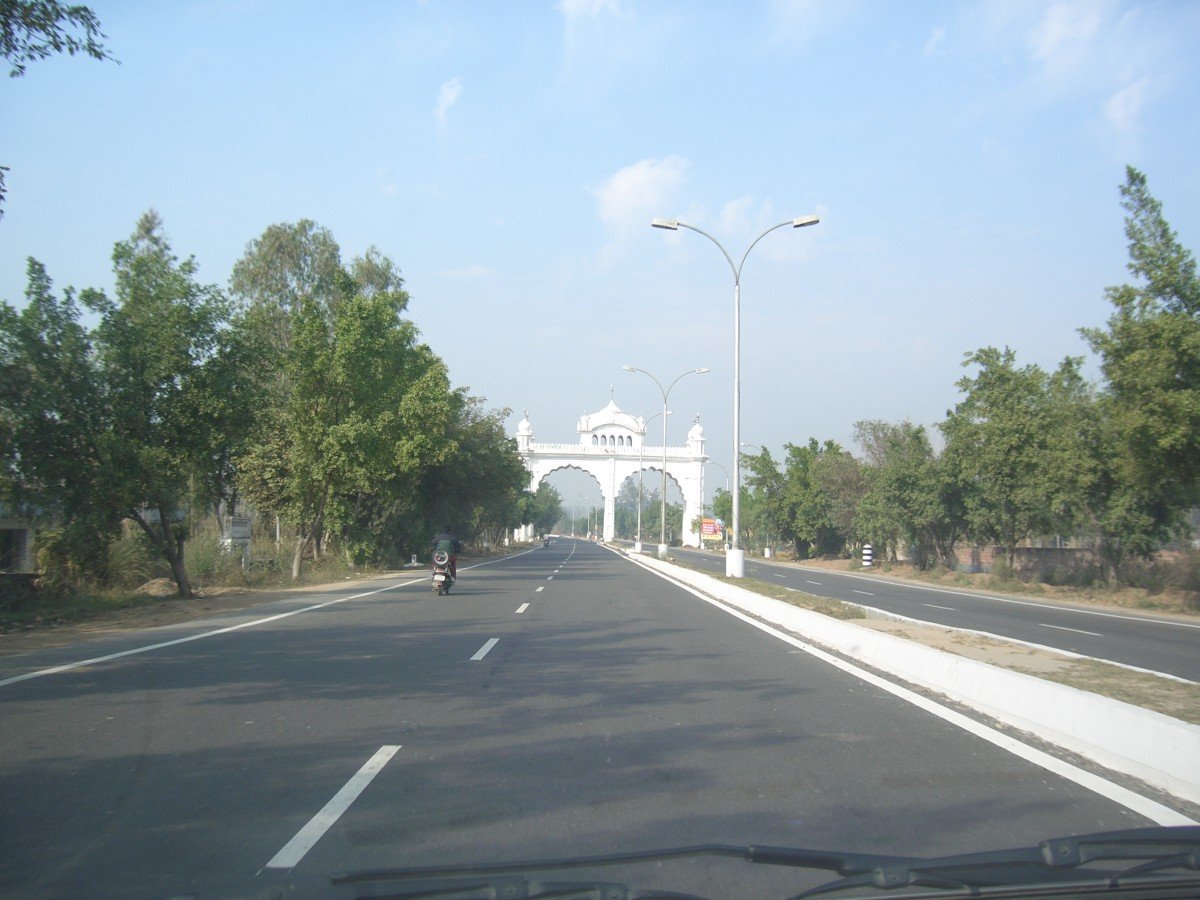
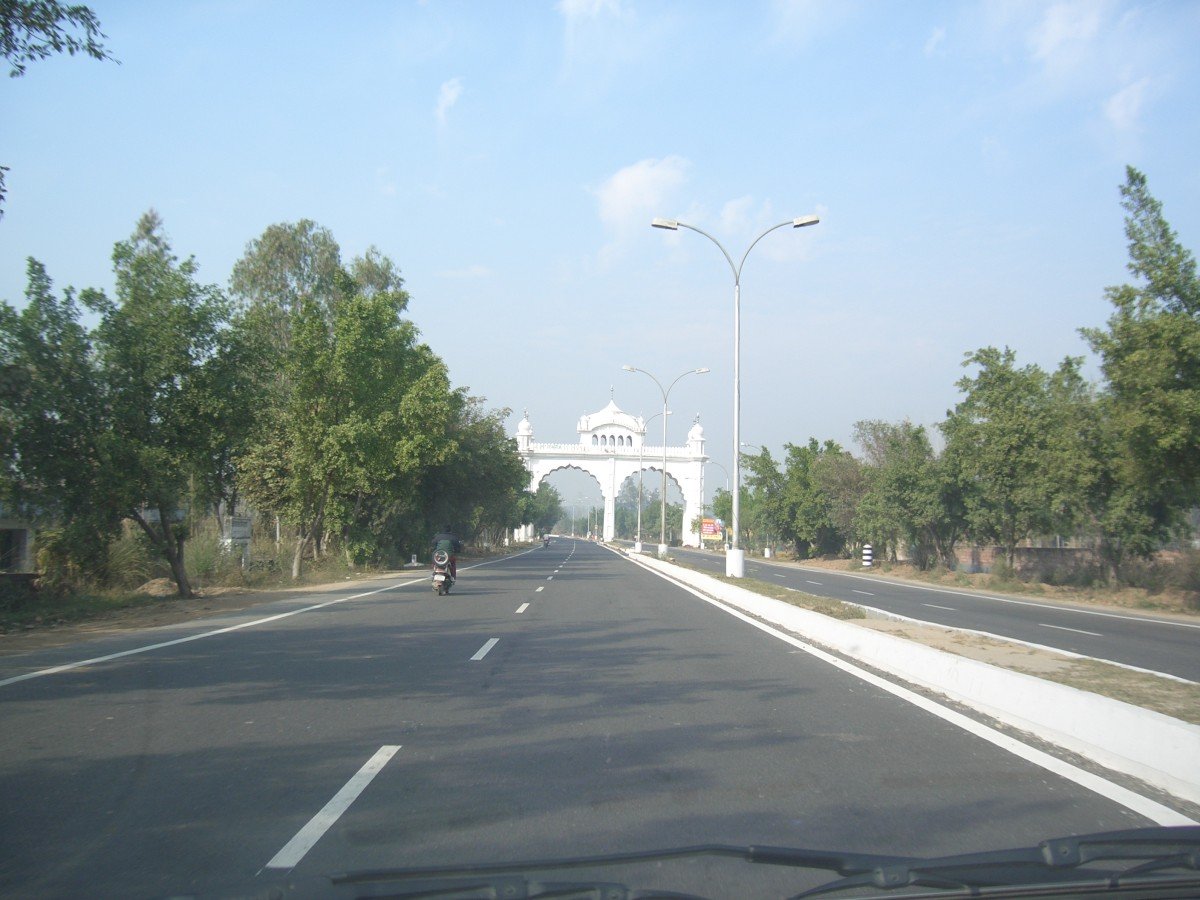
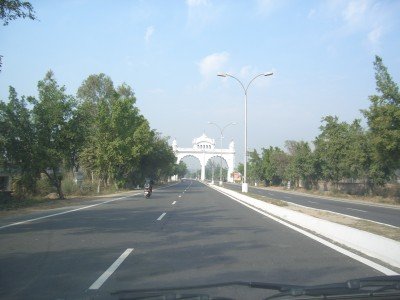 @@Overview and Significance: :The Anandpur Sahib - Chandigarh Highway (NH503) is a major arterial road that serves as the crucial connectivity link for the entire Rupnagar district, running along the edges of the picturesque Shivalik Hills. It is more than just a roadway; it's the economic and logistical lifeline for the region, facilitating trade, tourism, and daily commute between two significant hubs: the religious and historical city of Anandpur Sahib and the modern, planned city of Chandigarh. The highway is well-maintained and offers a smooth driving experience, making travel across the district efficient. It plays a vital role in the famous Hola Mohalla festival, as it carries the majority of the pilgrim traffic to Anandpur Sahib. The highway is continually being upgraded to handle increasing traffic volume, reflecting its importance. Along its route, one can witness the transitional landscape of Punjab, moving from the fertile plains to the undulating terrain of the foothills. This road network is crucial for accessing various industrial and educational institutions located outside the main city, drastically reducing travel time and boosting regional development. The continuous flow of commercial and passenger vehicles highlights its status as a pivotal corridor for North India. The highway also connects to other national and state highways, extending its reach to regions like Himachal Pradesh, specifically toward Nangal and Una. The scenery shifts along the route, offering glimpses of traditional Punjabi villages, large agricultural fields, and new urban development, providing a dynamic travel experience. The strategic importance of the highway cannot be overstated, linking a core religious center with a major administrative capital. (Word Count: ?250 words). @@Development and Expansion: :The highway has seen significant expansion over the years, from a simple state road to a national highway, emphasizing the government's focus on infrastructure. Initial development involved basic road laying, but modern projects have introduced four-laning, flyovers, and enhanced safety features like crash barriers and improved signage. The design adheres to modern national highway standards, ensuring durability and capacity for heavy-duty traffic. The alignment of the road was strategically chosen to bypass congested town areas while maintaining proximity to key locations. Environmental considerations were included in the planning, with provisions for tree planting along the median and shoulders. The modern architecture of the toll plazas and rest areas along the route reflects a contemporary utilitarian design focused on passenger comfort and efficient operation. (Word Count: ?150 words).
 @@Historical Context and Attribution: The structure referred to as Makbra (Mausoleum or Tomb) in Rupnagar is typically a historical burial site, likely dating back to the Mughal or late Sultanate periods, or possibly a significant local Pathan or Sufi figure, reflecting the regional history of power transition and religious confluence. Although often simply named 'Makbra' by locals, its specific attribution is debated. It stands as a testament to the influence of Islamic architectural styles in the Punjab region before the rise of the Sikh Empire. The presence of such a structure in Haveli Khurd suggests it was once part of an important residential or administrative complex outside the main town center. @@Architectural Style and Materials: The Makbra is characterized by its simple, robust architectural style. It is generally a square or octagonal building, sometimes crowned with a single, unornamented dome. Construction materials typically include locally available small, thin bricks (Nanakshahi bricks), lime mortar, and occasionally plasterwork (chuna) for decoration and weatherproofing. The structure's resilience over centuries is a sign of the high quality of traditional construction techniques employed during that era. @@Current State and Significance: Today, the Makbra exists as a quiet, often overlooked historical monument. It serves as a visual marker of the city's multi-layered past, offering a quiet, contemplative space away from the modern urban bustle. For local historians, it is a key piece of the puzzle, helping to map the political and social geography of pre-modern Rupnagar. @@Local Legends and Lore: As with many old structures, the Makbra is often associated with local folklore, tales of hidden treasures, or stories of the revered personality buried within. These narratives add a layer of cultural depth to the structure's purely historical significance, drawing a small number of local devotees and curious visitors.
@@The Political and Engineering Context: The Syl Crossing in Rupnagar refers to a significant point where the unfinished Satluj-Yamuna Link (SYL) Canal infrastructure is most visible, often near the village of Mehmudpur Sotal. This crossing is not a traditional tourist attraction but a stark symbol of one of India's most enduring and politically charged inter-state water disputes between Punjab and Haryana. The canal was designed to transfer water from the Satluj and Beas rivers to the Yamuna basin. @@The Unfinished Project: The site is a haunting reminder of an ambitious, yet stalled, engineering project. The crossing point showcases the partially constructed sections of the canal, including bridges, embankments, and deep concrete channels that were never fully connected. This 'unfinished' architecture gives the site a unique, contemplative atmosphere. @@Economic and Social Symbolism: For the people of Punjab, the crossing symbolizes the deep conflict over natural resources and the resulting political and social tensions. For tourists, it offers a tangible physical location that represents a complex, decade-long political and economic issue often only discussed in news headlines, making it a unique destination for political geography and current affairs enthusiasts. @@Quiet and Isolation: Given its lack of formal tourism infrastructure, the site is generally quiet and isolated, offering a peaceful, if melancholic, spot for reflection on resource scarcity, interstate relations, and the power of local politics to halt national projects.
@@Historical Context and Attribution: The structure referred to as Makbra (Mausoleum or Tomb) in Rupnagar is typically a historical burial site, likely dating back to the Mughal or late Sultanate periods, or possibly a significant local Pathan or Sufi figure, reflecting the regional history of power transition and religious confluence. Although often simply named 'Makbra' by locals, its specific attribution is debated. It stands as a testament to the influence of Islamic architectural styles in the Punjab region before the rise of the Sikh Empire. The presence of such a structure in Haveli Khurd suggests it was once part of an important residential or administrative complex outside the main town center. @@Architectural Style and Materials: The Makbra is characterized by its simple, robust architectural style. It is generally a square or octagonal building, sometimes crowned with a single, unornamented dome. Construction materials typically include locally available small, thin bricks (Nanakshahi bricks), lime mortar, and occasionally plasterwork (chuna) for decoration and weatherproofing. The structure's resilience over centuries is a sign of the high quality of traditional construction techniques employed during that era. @@Current State and Significance: Today, the Makbra exists as a quiet, often overlooked historical monument. It serves as a visual marker of the city's multi-layered past, offering a quiet, contemplative space away from the modern urban bustle. For local historians, it is a key piece of the puzzle, helping to map the political and social geography of pre-modern Rupnagar. @@Local Legends and Lore: As with many old structures, the Makbra is often associated with local folklore, tales of hidden treasures, or stories of the revered personality buried within. These narratives add a layer of cultural depth to the structure's purely historical significance, drawing a small number of local devotees and curious visitors.
@@The Political and Engineering Context: The Syl Crossing in Rupnagar refers to a significant point where the unfinished Satluj-Yamuna Link (SYL) Canal infrastructure is most visible, often near the village of Mehmudpur Sotal. This crossing is not a traditional tourist attraction but a stark symbol of one of India's most enduring and politically charged inter-state water disputes between Punjab and Haryana. The canal was designed to transfer water from the Satluj and Beas rivers to the Yamuna basin. @@The Unfinished Project: The site is a haunting reminder of an ambitious, yet stalled, engineering project. The crossing point showcases the partially constructed sections of the canal, including bridges, embankments, and deep concrete channels that were never fully connected. This 'unfinished' architecture gives the site a unique, contemplative atmosphere. @@Economic and Social Symbolism: For the people of Punjab, the crossing symbolizes the deep conflict over natural resources and the resulting political and social tensions. For tourists, it offers a tangible physical location that represents a complex, decade-long political and economic issue often only discussed in news headlines, making it a unique destination for political geography and current affairs enthusiasts. @@Quiet and Isolation: Given its lack of formal tourism infrastructure, the site is generally quiet and isolated, offering a peaceful, if melancholic, spot for reflection on resource scarcity, interstate relations, and the power of local politics to halt national projects.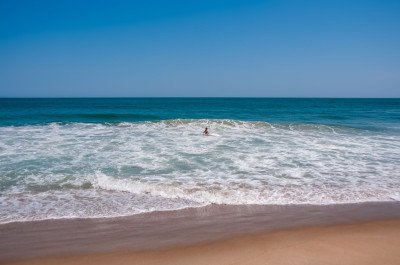 @@ Details : Satluj Beach is a unique riverside destination in Rupnagar that offers a beach-like experience far from the ocean. Formed by the silt deposits and the wide banks of the Sutlej River, this area features stretches of sand that locals and tourists use for recreation. It is a popular spot for evening outings, where the cool breeze from the river provides relief from the heat. The "beach" is characterized by its tranquil waters and the backdrop of the Shivalik hills, creating a picturesque setting for relaxation. Unlike coastal beaches, the water here is fresh and the environment is surrounded by lush Punjab plains. It has become a hub for water-based activities and family picnics. The area near the Ropar Headworks is particularly scenic, where the river is calm and wide. Over the years, the local administration has worked to develop the area with seating and lighting to make it more tourist-friendly. It is a place where one can witness the lifestyle of the local youth and families who come here to unwind. The beach is also a great spot for seeing the sunset, as the orange hues reflect beautifully off the water and the sandy banks. It represents the natural beauty of the Rupnagar district, combining the elements of water, sand, and hills in one location. During winters, the beach area also sees some migratory birds, adding to its charm.
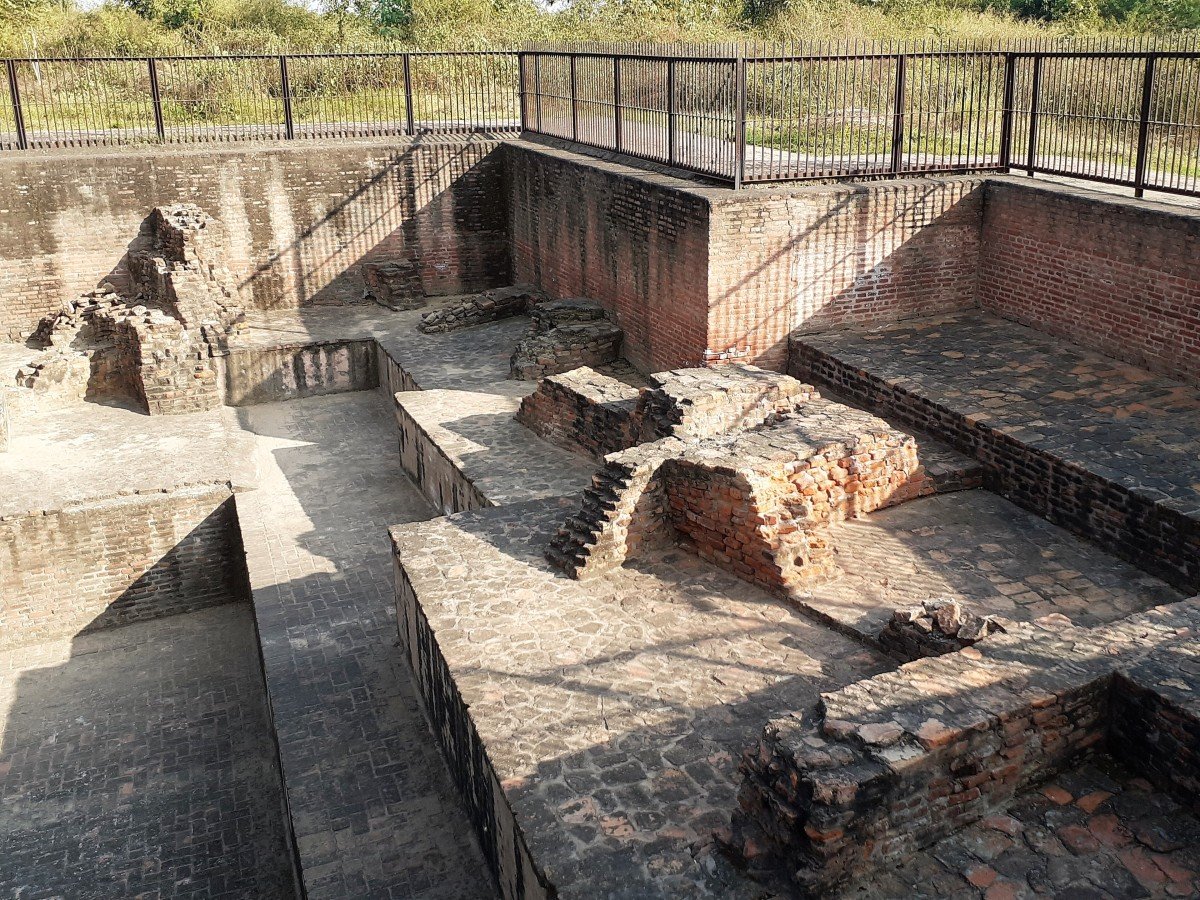
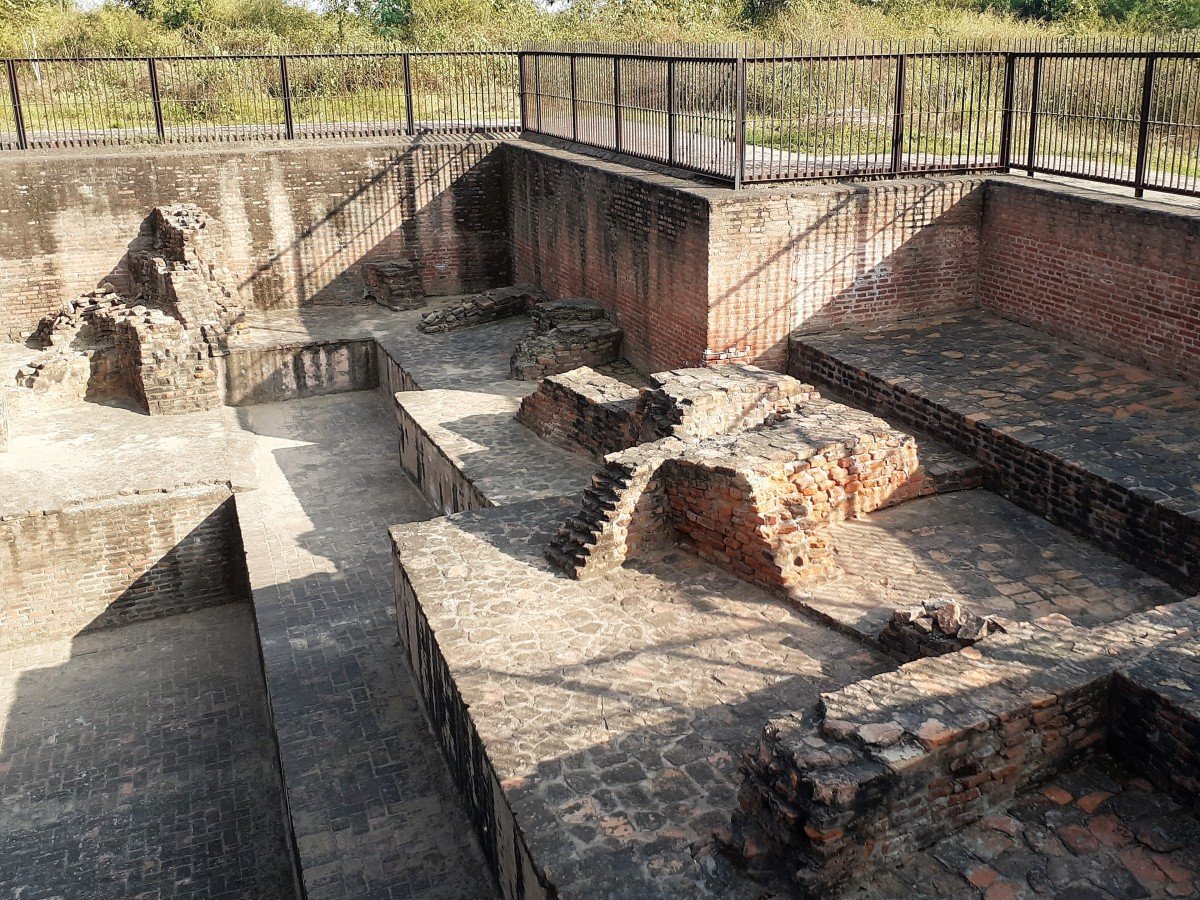
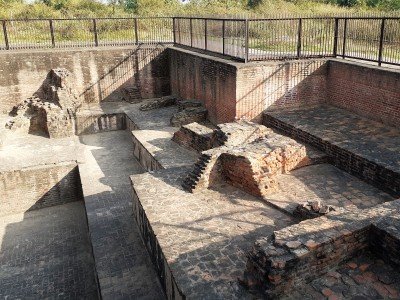 @@Historical Significance of Ropar Site: This site, also known as Ropar, holds the unique distinction of being the first Indus Valley Civilization site excavated in independent India by Y.D. Sharma in 1953. It demonstrates a clear cultural sequence spanning six periods from the Harappan era (around 2000 BCE) right up to medieval times, offering an unparalleled cross-section of regional history. The settlement was strategically located on the banks of the Sutlej River, which provided vital water resources and trade routes. The findings here have been crucial in establishing the geographical spread of the Harappan culture beyond the main Indus basin and the Ghaggar-Hakra riverbeds. @@Key Archaeological Discoveries: The excavations revealed sophisticated urban planning typical of the Harappan era, including houses constructed with river pebbles and limestone slabs, a testament to their adaptive use of local materials. The site is particularly famous for its unique burial findings, most notably the discovery of a dog buried beneath a human grave, which offers profound insights into the Harappan burial customs, possibly indicating ritualistic or symbolic significance related to their belief systems and the relationship between humans and animals. This single find is often cited in academic discussions. @@Cultural Sequence and Material Culture: Artifacts uncovered include characteristic Harappan-style pottery, copper tools, faience and shell bangles, and agate beads, which collectively suggest skilled craftsmanship, sophisticated resource management, and active participation in the extensive Indus Valley trade networks. The cultural phases identified here help trace the decline and eventual transformation of the Harappan society into subsequent cultures in the region. The remains are now largely preserved and displayed in the nearby Archaeological Museum in Rupnagar. @@Preservation and Legacy: The site stands as a pivotal historical landmark, representing a tangible link to one of the world's oldest urban civilizations. The effort to preserve this fragile archaeological record is ongoing, with the adjacent museum playing a critical role in educating the public and researchers about the ancient history of Punjab. The sheer depth of the cultural layers at Ropar makes it a textbook example for studying ancient urban evolution in India.
@@Engineering Marvel and Water Management: Ropar Head Works Park is located adjacent to the Ropar Head Works, a vital piece of hydraulic engineering constructed on the Sutlej River in 1952. This Head Works, which replaced an older 1882 structure, is essential for regulating and diverting the Sutlej water into a network of canals, including the Sirhind Canal, the Bist Doab Canal, and the Bhakra Main Canal. It provides water for irrigation, industry, and drinking to vast areas of Punjab and Haryana. The park itself serves as a green buffer and a recreational spot near this massive infrastructure. @@Historical Context of the Head Regulator: The construction of the head regulator led to the creation of the Ropar Wetland (Ropar Lake) upstream, which is a designated Ramsar Site (a wetland of international importance). Thus, the Head Works is directly responsible for creating a thriving ecological zone, making the park a unique blend of engineering, ecology, and leisure. @@Recreational Facility: The park is a well-maintained space featuring landscaped gardens, walking paths, and open lawns. It offers visitors a chance to relax while observing the impressive flow of the water being controlled and diverted. It is a favorite among local families and morning walkers. @@The Intersection of Man and Nature: The park provides a compelling vantage point to observe how human engineering interacts with the powerful forces of nature. The calm, controlled waters of the canal contrast sharply with the wild, flowing Sutlej River adjacent to the Head Works.
@@ Details : The Kiratpur Sahib Bridge is a vital structure spanning the Sutlej River, connecting the historical town of Kiratpur to the surrounding regions. Historically, this bridge is situated near the sacred site where the ashes of several Sikh Gurus, including Guru Hargobind Ji and Guru Har Rai Ji, were immersed in the river waters. It serves as a physical and symbolic link between the earthly world and the spiritual traditions of the Sikh faith. The bridge offers a panoramic view of the wide river bed, which is often filled with devotees performing the final rites for their loved ones. The sound of the gushing water and the chants from the nearby Gurudwara Patalpuri create a solemn yet peaceful atmosphere. This area was founded by the sixth Guru, and the bridge is part of the infrastructure that allows thousands of pilgrims to access the holy sites daily. For many, standing on this bridge is a moment of deep reflection on the cycle of life and death. The bridge also plays a crucial role in local commerce, facilitating the movement of goods and people across the Rupnagar district. During the rainy season, the view from the bridge becomes dramatic as the river swells, showcasing the raw power of nature. It is a place of transit, but for a traveler, it is a vantage point to observe the deep-rooted cultural practices of Punjab.Show All
@@Historical Significance of Ropar Site: This site, also known as Ropar, holds the unique distinction of being the first Indus Valley Civilization site excavated in independent India by Y.D. Sharma in 1953. It demonstrates a clear cultural sequence spanning six periods from the Harappan era (around 2000 BCE) right up to medieval times, offering an unparalleled cross-section of regional history. The settlement was strategically located on the banks of the Sutlej River, which provided vital water resources and trade routes. The findings here have been crucial in establishing the geographical spread of the Harappan culture beyond the main Indus basin and the Ghaggar-Hakra riverbeds. @@Key Archaeological Discoveries: The excavations revealed sophisticated urban planning typical of the Harappan era, including houses constructed with river pebbles and limestone slabs, a testament to their adaptive use of local materials. The site is particularly famous for its unique burial findings, most notably the discovery of a dog buried beneath a human grave, which offers profound insights into the Harappan burial customs, possibly indicating ritualistic or symbolic significance related to their belief systems and the relationship between humans and animals. This single find is often cited in academic discussions. @@Cultural Sequence and Material Culture: Artifacts uncovered include characteristic Harappan-style pottery, copper tools, faience and shell bangles, and agate beads, which collectively suggest skilled craftsmanship, sophisticated resource management, and active participation in the extensive Indus Valley trade networks. The cultural phases identified here help trace the decline and eventual transformation of the Harappan society into subsequent cultures in the region. The remains are now largely preserved and displayed in the nearby Archaeological Museum in Rupnagar. @@Preservation and Legacy: The site stands as a pivotal historical landmark, representing a tangible link to one of the world's oldest urban civilizations. The effort to preserve this fragile archaeological record is ongoing, with the adjacent museum playing a critical role in educating the public and researchers about the ancient history of Punjab. The sheer depth of the cultural layers at Ropar makes it a textbook example for studying ancient urban evolution in India.
@@Engineering Marvel and Water Management: Ropar Head Works Park is located adjacent to the Ropar Head Works, a vital piece of hydraulic engineering constructed on the Sutlej River in 1952. This Head Works, which replaced an older 1882 structure, is essential for regulating and diverting the Sutlej water into a network of canals, including the Sirhind Canal, the Bist Doab Canal, and the Bhakra Main Canal. It provides water for irrigation, industry, and drinking to vast areas of Punjab and Haryana. The park itself serves as a green buffer and a recreational spot near this massive infrastructure. @@Historical Context of the Head Regulator: The construction of the head regulator led to the creation of the Ropar Wetland (Ropar Lake) upstream, which is a designated Ramsar Site (a wetland of international importance). Thus, the Head Works is directly responsible for creating a thriving ecological zone, making the park a unique blend of engineering, ecology, and leisure. @@Recreational Facility: The park is a well-maintained space featuring landscaped gardens, walking paths, and open lawns. It offers visitors a chance to relax while observing the impressive flow of the water being controlled and diverted. It is a favorite among local families and morning walkers. @@The Intersection of Man and Nature: The park provides a compelling vantage point to observe how human engineering interacts with the powerful forces of nature. The calm, controlled waters of the canal contrast sharply with the wild, flowing Sutlej River adjacent to the Head Works.
@@ Details : The Kiratpur Sahib Bridge is a vital structure spanning the Sutlej River, connecting the historical town of Kiratpur to the surrounding regions. Historically, this bridge is situated near the sacred site where the ashes of several Sikh Gurus, including Guru Hargobind Ji and Guru Har Rai Ji, were immersed in the river waters. It serves as a physical and symbolic link between the earthly world and the spiritual traditions of the Sikh faith. The bridge offers a panoramic view of the wide river bed, which is often filled with devotees performing the final rites for their loved ones. The sound of the gushing water and the chants from the nearby Gurudwara Patalpuri create a solemn yet peaceful atmosphere. This area was founded by the sixth Guru, and the bridge is part of the infrastructure that allows thousands of pilgrims to access the holy sites daily. For many, standing on this bridge is a moment of deep reflection on the cycle of life and death. The bridge also plays a crucial role in local commerce, facilitating the movement of goods and people across the Rupnagar district. During the rainy season, the view from the bridge becomes dramatic as the river swells, showcasing the raw power of nature. It is a place of transit, but for a traveler, it is a vantage point to observe the deep-rooted cultural practices of Punjab.Show All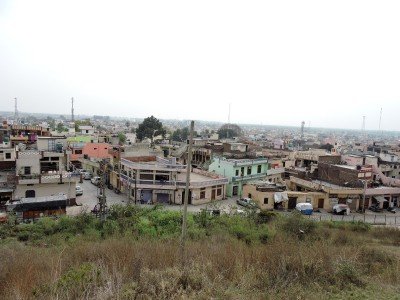 @@Overview and Ambiance: :Dhaliwal Farm House in Siasatpur is a prime example of rural Punjabi retreat and farm-stay tourism, providing a tranquil escape from the bustling city life of Rupnagar. It is not just a commercial venture but an attempt to preserve and share the traditional, abundant lifestyle of a prosperous Punjabi farm. The property is often characterized by sprawling green lawns, traditional agricultural fields, and a serene, unpolluted atmosphere. It is frequently utilized as a venue for large social gatherings, destination weddings, and corporate events, leveraging its open space and capacity for hospitality. The farm house ethos focuses on providing an experience of authentic Punjabi culture, including the cuisine, the architecture, and the rural activities. This retreat allows visitors to connect with nature, witness farming practices, and enjoy a peaceful setting away from the concrete jungle, offering a much-needed break in a bucolic setting. The hospitality is known to be warm, reflecting the traditional Punjabi welcome of 'Atithi Devo Bhava' (Guest is God). The infrastructure balances modern comforts with a rustic aesthetic. (Word Count: ?250 words). @@Experience and Services: :The farm house offers a range of services, often including catered meals featuring traditional Punjabi food made with locally sourced, fresh ingredients. Depending on the season, guests can participate in farm activities like plucking vegetables or observing the sowing and harvesting process. It functions as a complete event space, providing amenities like catering, accommodation, and various recreational facilities. The emphasis is on a holistic, nature-based experience rather than just being a place to stay. This kind of rural tourism helps in providing a glimpse into the agricultural heartland of Punjab. The large open areas are ideal for activities like bonfires during the winter and outdoor sports, making it a versatile location. (Word Count: ?150 words).
Information
-
Why Famous:
Indus Valley Site: It is one of the few places in India where one can see the remains of the Harappan culture. The artifacts provide a deep insight into ancient human history.
Ropar Wetland: This ecological hotspot attracts thousands of mig...Indus Valley Site: It is one of the few places in India where one can see the remains of the Harappan culture. The artifacts provide a deep insight into ancient human history.
Ropar Wetland: This ecological hotspot attracts thousands of migratory birds every winter. It is a major destination for environmentalists and nature photographers. -
How To Reach:
By Air: Chandigarh International Airport is the closest, situated about 50 KMS away. From there, one can easily find taxis or buses heading towards Ropar.
By Train: Rupnagar Railway Station is located on the Delhi-Amritsar line. Many expre...By Air: Chandigarh International Airport is the closest, situated about 50 KMS away. From there, one can easily find taxis or buses heading towards Ropar.
By Train: Rupnagar Railway Station is located on the Delhi-Amritsar line. Many express trains stop here, providing easy access from national and state capitals.
By Road: It is well-connected by NH-205 and NH-5. Frequent bus services from Chandigarh, Ludhiana, and Jalandhar make road travel very convenient.
By Local Transport: E-rickshaws and local buses are the main modes of transport within the city. Taxis can be hired for full-day tours of the nearby attractions. -
Weather and Best Time to Visit:
Winter Season: November to February is the peak time due to the arrival of migratory birds. The weather is crisp and perfect for spending the whole day outdoors.
Autumn Season: October is pleasant as the monsoon recedes and the greenery is ...Winter Season: November to February is the peak time due to the arrival of migratory birds. The weather is crisp and perfect for spending the whole day outdoors.
Autumn Season: October is pleasant as the monsoon recedes and the greenery is at its peak. It is a great time for photography and visiting the archaeological sites.
Summer Season: May and June are very hot and dry. If visiting during this time, stick to early morning trips to avoid the scorching afternoon sun. -
Near Tourist Places:
Anandpur Sahib (40 KM), Bhakra Dam (60 KM), Chandigarh (45 KM), Kikar Lodge (30 KM), Fatehgarh Sahib (50 KM), Nangal (55 KM), Kiratpur Sahib (30 KM), Ludhiana (80 KM), Hoshiarpur (85 KM), Shimla (120 KM)
Tourism Tips
-
Health & Safety: Wear a hat and sunscreen when exploring the open excavation sites. The wetland area can be slippery, so wear shoes with a good grip.
Packing Essentials: Carry a pair of binoculars and a high-resolution camera for the wetlan...Health & Safety: Wear a hat and sunscreen when exploring the open excavation sites. The wetland area can be slippery, so wear shoes with a good grip.
Packing Essentials: Carry a pair of binoculars and a high-resolution camera for the wetlands. A light jacket is necessary for early morning winter visits.
Accommodation: There are several mid-range hotels and PWD rest houses available. Staying near the river offers better views and a more peaceful environment.
Cultural Sensitivity: Always cover your head with a handkerchief or scarf when entering a Gurudwara. Remove your shoes and wash your hands before entering the prayer hall.
Reviews
FAQs
Rupnagar Itineray And Cost:-
Other Places In Punjab :-
Other States In India :-
Information about New and Updated Locations() of Punjab Has Been Added :-
Card subtitle
Note:-
Information provided here in good Faith and for reference only.
Near Places
Abohar
Some quick example text to build on the card title and make up the bulk of the card's content.
Go somewhere
Amritsar
Some quick example text to build on the card title and make up the bulk of the card's content.
Go somewhere
Anandpur Sahib
Some quick example text to build on the card title and make up the bulk of the card's content.
Go somewhere
Batala
Some quick example text to build on the card title and make up the bulk of the card's content.
Go somewhere
Bathinda
Some quick example text to build on the card title and make up the bulk of the card's content.
Go somewhere
Faridkot
Some quick example text to build on the card title and make up the bulk of the card's content.
Go somewhere
Fatehgarh Sahib
Some quick example text to build on the card title and make up the bulk of the card's content.
Go somewhere
Fazilka
Some quick example text to build on the card title and make up the bulk of the card's content.
Go somewhere
Firozpur
Some quick example text to build on the card title and make up the bulk of the card's content.
Go somewhere
Gurdaspur
Some quick example text to build on the card title and make up the bulk of the card's content.
Go somewhere
Hoshiarpur
Some quick example text to build on the card title and make up the bulk of the card's content.
Go somewhere
Jalandhar
Some quick example text to build on the card title and make up the bulk of the card's content.
Go somewhere
Kapurthala
Some quick example text to build on the card title and make up the bulk of the card's content.
Go somewhere
Khanna
Some quick example text to build on the card title and make up the bulk of the card's content.
Go somewhere
Ludhiana
Some quick example text to build on the card title and make up the bulk of the card's content.
Go somewhere
Mandi Gobindgarh
Some quick example text to build on the card title and make up the bulk of the card's content.
Go somewherein Other Cities