Jal Mahal
General information
-
Ideal Duration:
30 minutes - 1 hour:Place Type:
Pavilion, Historical Structure, Scenic Spot:Entry Fees:
No Separate Fee: The Jal Mahal (as a smaller, scattered monument in the Sagar Talao complex) often does not have a separate entry fee. Its visit is usually included in the general composite ticket purchased for the main monument groups of Mandu (like the Royal Group or Cent...No Separate Fee: The Jal Mahal (as a smaller, scattered monument in the Sagar Talao complex) often does not have a separate entry fee. Its visit is usually included in the general composite ticket purchased for the main monument groups of Mandu (like the Royal Group or Central Group).
General Composite Ticket: If a ticket is required for the area, it is the same as the main ticket for other sites, typically around INR 25 for Indian citizens and INR 300 for foreign tourists, as it falls under the purview of the Archaeological Survey of India (ASI). This ticket covers multiple sites.
Local Guide Charges: If you hire a full-day guide for the Sagar Talao area, the guide's fee is separate. A good guide will significantly enhance the experience by sharing local historical anecdotes.
Parking/Convenience Fees: The only other potential costs would be for local transport or a small, informal parking fee if you drive right up to the spot. Always carry small change for minor expenses like these. ()Timing:
Regular Timings: Like most open-air monuments in Mandu, the Jal Mahal area is generally open from Sunrise (around 6:00 AM) to Sunset (around 7:00 PM), seven days a week. Given its more open and secluded location, it is often accessible even earlier.
Read MoreRegular Timings: Like most open-air monuments in Mandu, the Jal Mahal area is generally open from Sunrise (around 6:00 AM) to Sunset (around 7:00 PM), seven days a week. Given its more open and secluded location, it is often accessible even earlier.
Ideal Visit Time: The best time to visit is undoubtedly the early morning (6:00 AM to 8:00 AM) to capture the serene, mist-covered lake and the soft, diffused light, perfect for reflection photography. The second-best time is just before sunset (5:00 PM to 7:00 PM) for the colorful skies.
Tranquil Atmosphere: Unlike the main group, this spot maintains a tranquil atmosphere throughout the day, so it can be a good midday retreat if you are visiting during the cooler winter months.
Short Duration: Only about 30 minutes to 1 hour is required for a thorough visit to the monument itself, but a longer duration is suggested if you wish to enjoy the surrounding lake and natural environment. ()Special Events:
Local Fairs and Sagar Talao Gatherings: The large Sagar Talao area, near where the palace is located, occasionally hosts local religious fairs (melas) or community gatherings, especially during festivals like Maha Shivratri (if near a temple like Nilkanth) or after a good mo...Local Fairs and Sagar Talao Gatherings: The large Sagar Talao area, near where the palace is located, occasionally hosts local religious fairs (melas) or community gatherings, especially during festivals like Maha Shivratri (if near a temple like Nilkanth) or after a good monsoon harvest, attracting local villagers.
Minor Archaeological Excavations: The ASI sometimes conducts minor archaeological exploration or conservation workshops in the quieter areas of Mandu, and the Sagar Talao region is a common site for such activities, offering visitors a chance to see historical conservation in progress.
Nature Walks and Eco-Tours: Local eco-tourism groups occasionally organize nature walks around the larger water bodies like the Sagar Talao, highlighting the region's unique ecosystem, which sometimes includes a stop at the Jal Mahal to discuss water management history. ()Best Photo Spots:
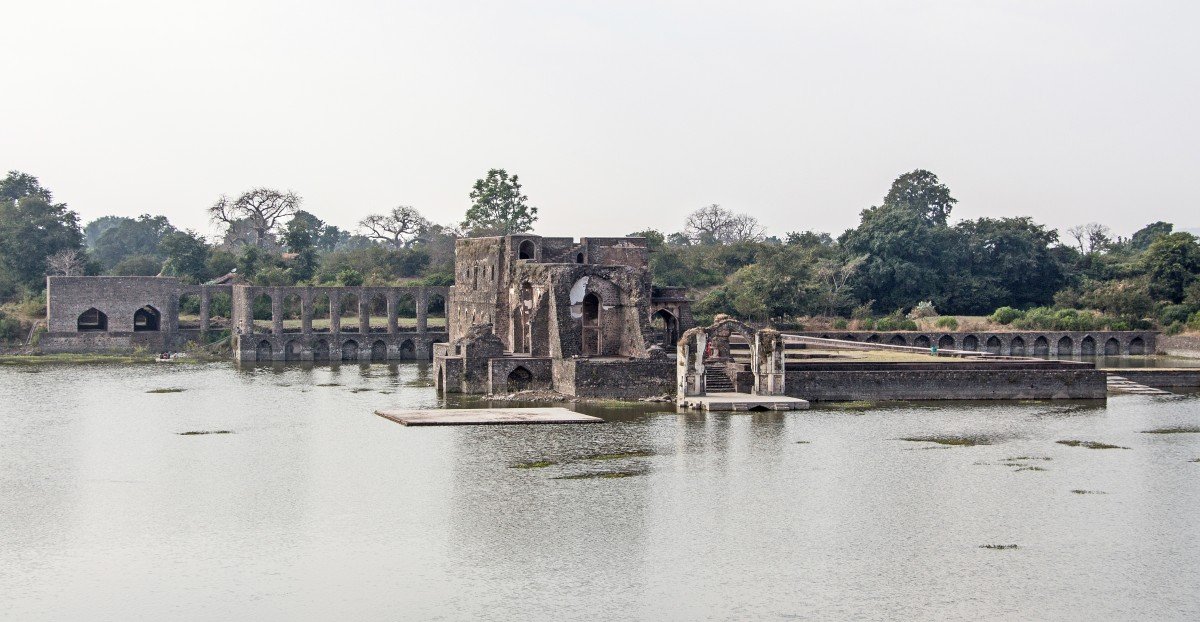
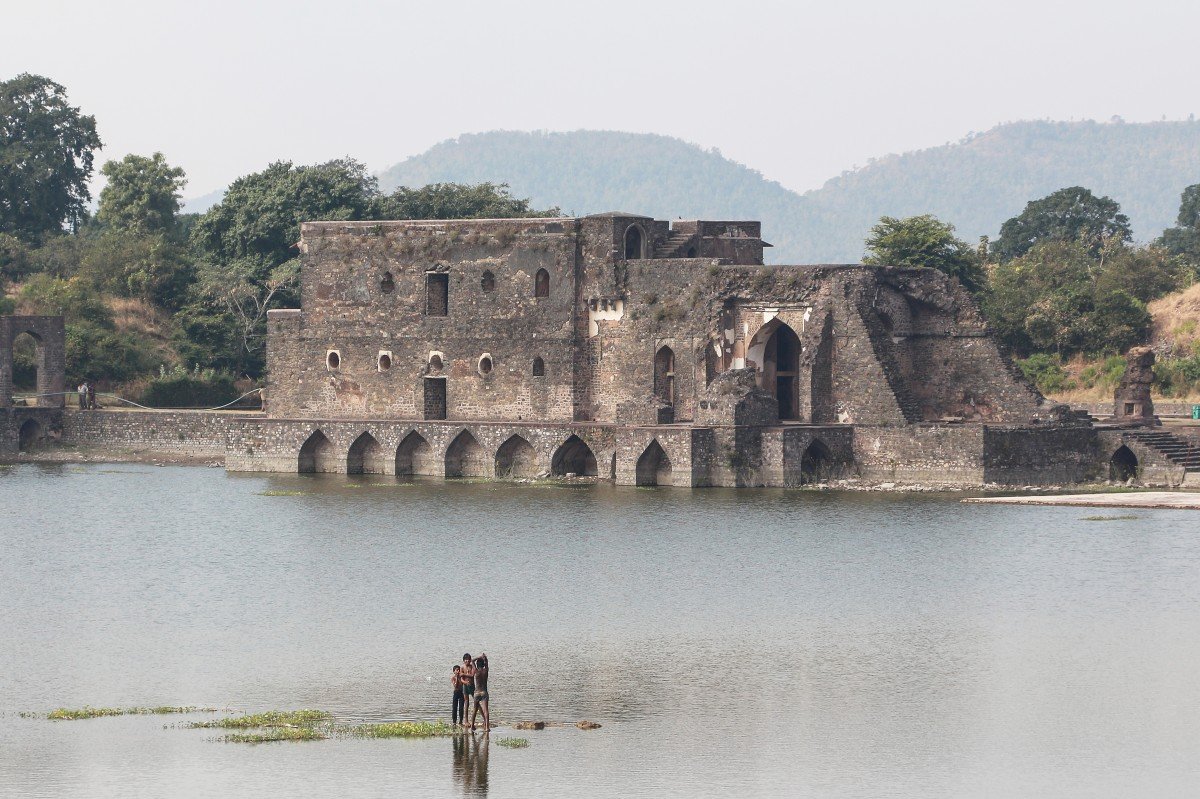
The Perfect Water Reflection: The single best photo spot is to capture the building's reflection when the lake is perfectly still and full, creating a mirrored image of the elegant arches and cupola. The angle should be low and wide.
Framing wi...The Perfect Water Reflection: The single best photo spot is to capture the building's reflection when the lake is perfectly still and full, creating a mirrored image of the elegant arches and cupola. The angle should be low and wide.
Framing with Lake Vegetation: Use the tall grasses, reeds, or overhanging trees along the banks of the lake as a natural frame to add a touch of wildness and contrast to the structure's straight lines.
Golden Hour Silhouette: A silhouette shot of the palace against the fiery colors of the sunset, with the water mirroring the sky, provides a dramatic and memorable photograph, focusing on the palace's simple yet elegant form.
Arched Windows Perspective: The arched openings of the palace itself, when shot from the inside, offer a perfect frame for the view of the lake, blending the architecture with the natural environment.
Close-up of Stone Carvings: Look for any remaining, intricate stone carvings on the plinth or walls to capture the detailed craftsmanship often overlooked on this smaller monument. ()Photo Gallery
Things To Do
-
Enjoy the Tranquil Lake View: The main activity is to sit and absorb the peaceful surroundings. The view of the lake, especially when it is full (post-monsoon), is extremely calming and a welcome break from the more intense sightseeing.
Quiet Reflection and Meditation: Utilize the secluded ambiance for quiet contemplation, meditation, or simply reading a book. The lack of large crowds makes it an ideal spot for a moment of peace.
Landscape and Sunset Photography: Focus your photography skills on capturing the reflection of the structure in the water. The sunset time, when the sky's colors are reflected in the lake, creates a stunning panorama.
Explore the Sagar Talao Group: Since this structure is often considered part of the larger Sagar Talao group (which in...Enjoy the Tranquil Lake View: The main activity is to sit and absorb the peaceful surroundings. The view of the lake, especially when it is full (post-monsoon), is extremely calming and a welcome break from the more intense sightseeing.
Quiet Reflection and Meditation: Utilize the secluded ambiance for quiet contemplation, meditation, or simply reading a book. The lack of large crowds makes it an ideal spot for a moment of peace.
Landscape and Sunset Photography: Focus your photography skills on capturing the reflection of the structure in the water. The sunset time, when the sky's colors are reflected in the lake, creates a stunning panorama.
Explore the Sagar Talao Group: Since this structure is often considered part of the larger Sagar Talao group (which includes Malik Mughis' Mosque and Malik Mughith's Tomb), combine the visit with a leisurely walk around the other monuments and the lake itself.
Walk the Lake Shore: Take a slow walk along the perimeter of the lake or reservoir. This allows you to appreciate the scale of the water body and how the ancient engineers integrated it with the architecture.
Picnic Spot: The surrounding gardens and the lakefront often offer pleasant spots for a small picnic, making it a favorite stop for local families and couples. Remember to keep the area clean.
Observe the Local Flora and Fauna: The surrounding area, rich in greenery and close to water, is ideal for observing the natural environment of Mandu, including the various plant species and the aquatic life in the lake. This connects the visitor to the fort's natural, strategic importance. ()
Information
-
Why Famous:
Picturesque Water-Edge Setting: Its primary fame comes from its serene and picturesque location right on the edge of the water body, often providing beautiful reflections and a tranquil atmosphere that stands in contrast to the larger, more crowded monuments.Picturesque Water-Edge Setting: Its primary fame comes from its serene and picturesque location right on the edge of the water body, often providing beautiful reflections and a tranquil atmosphere that stands in contrast to the larger, more crowded monuments.
Example of Climate-Conscious Retreat: It is an excellent example of the smaller, yet equally important, structures designed for climate control and royal relaxation, showcasing how water was used to cool the interiors and enhance the aesthetic value of the royal environment during the hot Malwa summers.
Romantic and Secluded Ambiance: The secluded nature of this structure, often nestled within greenery by the lake, lends it a romantic and reflective atmosphere, appealing to visitors seeking quiet contemplation away from the main tourist groups.
Scenic Photography Spot: Its reflection in the water, especially at sunset, makes it a highly sought-after spot for landscape and architectural photography, even though it is not as architecturally grand as the Jahaz Mahal. It captures the quieter beauty of Mandu. () -
Architecture:
Architectural Style and Materials: The Jal Mahal at Sagar Talao (or the common reference) is a modest structure, typically a single-storeyed or a small two-storeyed pavilion built using local sandstone, reflecting the classic Malwa style of simple elegance and robust constru...Architectural Style and Materials: The Jal Mahal at Sagar Talao (or the common reference) is a modest structure, typically a single-storeyed or a small two-storeyed pavilion built using local sandstone, reflecting the classic Malwa style of simple elegance and robust construction. The architecture features elegant arches and small domes (chhatris) characteristic of the Indo-Islamic blend seen throughout Mandu.
Dimension and Features: The size is considerably smaller than the Jahaz Mahal, focusing more on its relationship with the surrounding water body. It often includes arched verandas (loggias) overlooking the water, providing shaded, cool spaces. The structure usually sits on a plinth close to the water's edge. Some examples of intricate stone carvings and remnants of colored tile work can be observed on its facade. The design prioritizes ventilation and shade, making it a perfect example of a summer retreat. The prominent features are the elegant arches, the small cupolas, and the deliberate positioning to maximize the reflection in the lake. It embodies the Sultanate's ability to create beautiful, functional spaces even on a smaller scale, with the primary architectural 'wow' factor being its location right on the water. The emphasis is on a subtle, serene aesthetic rather than the overwhelming grandeur of the larger palaces. The architecture is a study in contrasts, offering a peaceful counterpoint to the city's massive fortifications. : () -
How To Reach:
By Air (Indore Airport - 100 KMS): Fly into Devi Ahilyabai Holkar Airport in Indore (IDR). From there, hire a pre-paid taxi directly to Mandu. The journey is scenic and takes about 2. 5 to 3 hours. This is the fastest and most comfortable way for out-of-state and internat...By Air (Indore Airport - 100 KMS): Fly into Devi Ahilyabai Holkar Airport in Indore (IDR). From there, hire a pre-paid taxi directly to Mandu. The journey is scenic and takes about 2. 5 to 3 hours. This is the fastest and most comfortable way for out-of-state and international tourists.
By Train (Indore or Fatehabad): The major railway station is Indore Junction (INDB), which offers the best connectivity with major cities like Delhi, Mumbai, and Kolkata. From Indore railway station, a bus or taxi is the onward option. A closer, minor station is Fatehabad Chandrawatiganj (FTD), about 43 kilometers away.
By Road (Self-Drive or Bus): Mandu is easily accessible by road from Indore and Dhar (35 KMS). State transport buses (MP Roadways) and private coaches frequently ply the route. A self-drive car or a hired taxi from Indore is the most flexible option. The road to Mandu via Dhar is generally in good condition.
By Local Transport in Mandu: The Jal Mahal (near Sagar Talao or Nilkanth) is located in a cluster that requires local transport. You can hire an auto-rickshaw for a negotiated rate for the entire day to cover all the dispersed sites, including the remote Rewa Kund Group. Bicycles are also a great option for a leisurely, eco-friendly way to explore the area, as the fort city has low traffic. () -
Weather and Best Time to Visit:
Different Seasons (Winter is Pleasant): October to March is the best time, offering cool and comfortable weather perfect for a leisurely stroll by the lake. The surroundings are dry but pleasantly warm.
Different Seasons (Post-Monsoon Magic):Different Seasons (Winter is Pleasant): October to March is the best time, offering cool and comfortable weather perfect for a leisurely stroll by the lake. The surroundings are dry but pleasantly warm.
Different Seasons (Post-Monsoon Magic): The period immediately following the monsoon (September to November) is particularly magical for the Jal Mahal. The water bodies are at their fullest, the surroundings are lush green, and the air is fresh, significantly enhancing the picturesque reflection and the 'water palace' illusion. Different Parts of the Day (Photographer's Delight): The best part of the day for photography and tranquility is the sunrise or the 'golden hour' before sunset. These times offer soft lighting and fewer crowds. Midday can be harsh for photography and hot for outdoor activities, especially during the non-winter months. () -
Near Tourist Places:
1. Malik Mughis' Mosque (200m, Sagar Talao Group)2. Malik Mughith's Tomb (250m, Sagar Talao Group)3. Hathi Mahal (500m, Sagar Talao Group)4. Darya Khan's Tomb (600m, Sagar Talao Group)5. Nilkanth Palace (4 KMS, Nilkanth Group)6. Lohani Caves (5 KMS, Royal Group vicinity)7. Jami Masjid (4 KMS, Central Group)8. Hoshang Shah's Tomb (4 KMS, Central Group)9. Gada Shah's Shop (4. 5 KMS, Central Group)10.
Taveli Mahal Museum (5 KMS, Royal Group):
Tourism Tips
-
Health & Safety (Footwear and Insects): Wear comfortable walking shoes suitable for walking along the lake banks and grass. Since it is near a water body, carry insect repellent, especially if visiting early in the morning or late in the evening. Keep a respectful distance...Health & Safety (Footwear and Insects): Wear comfortable walking shoes suitable for walking along the lake banks and grass. Since it is near a water body, carry insect repellent, especially if visiting early in the morning or late in the evening. Keep a respectful distance from the water's edge.
Packing Essentials (Photography Gear): Bring a polarizing filter for your camera if you intend to capture the water reflection, as it minimizes glare. Carry a hat and sunglasses for sun protection.
Accommodation (Stay in Mandu): For easy access to this tranquil spot for early morning/late evening visits, it is best to stay in the heart of Mandu itself. MPSTDC Malwa Resort is a nearby, reliable option.
Respect for Nature: As the area is highly scenic and natural, commit to leaving no trace. Do not litter, especially near the water body, to preserve the natural beauty and the historical integrity of the surroundings.
Local Transport Negotiation: If hiring an auto-rickshaw, ensure your negotiated fare includes a stop at this specific site and time for photography, as it is slightly out of the main tourist rush. ()
Reviews
FAQs
Mandu Itineray And Cost:-
Other Places In Mandu :-
Other States In India :-
Information about New and Updated Locations() of Madhya Pradesh Has Been Added :-
Card subtitle
Note:-
Information provided here in good Faith and for reference only.
Near Places
Alamgir Darwaza
Some quick example text to build on the card title and make up the bulk of the card's content.
Go somewhere
Ashrafi Mahal
Some quick example text to build on the card title and make up the bulk of the card's content.
Go somewhere
Bagh Caves
Some quick example text to build on the card title and make up the bulk of the card's content.
Go somewhere
Baz Bahadur's Palace
Some quick example text to build on the card title and make up the bulk of the card's content.
Go somewhere
Bhangi Darwaza
Some quick example text to build on the card title and make up the bulk of the card's content.
Go somewhere
Champa Baoli
Some quick example text to build on the card title and make up the bulk of the card's content.
Go somewhere
Dai ka Mahal
Some quick example text to build on the card title and make up the bulk of the card's content.
Go somewhere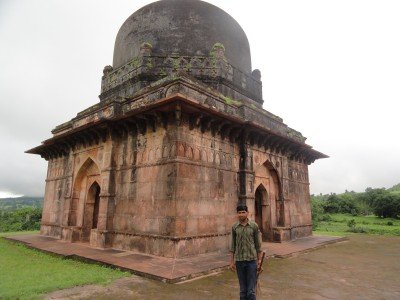
Dai ki Chhoti Bahen ka Mahal
Some quick example text to build on the card title and make up the bulk of the card's content.
Go somewhere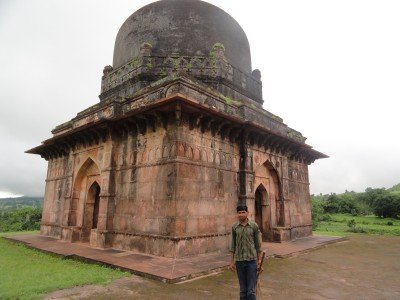
Dai ki Chhoti Behan ka Mahal
Some quick example text to build on the card title and make up the bulk of the card's content.
Go somewhere
Darya Khan's Tomb
Some quick example text to build on the card title and make up the bulk of the card's content.
Go somewhere
Delhi Darwaza
Some quick example text to build on the card title and make up the bulk of the card's content.
Go somewhere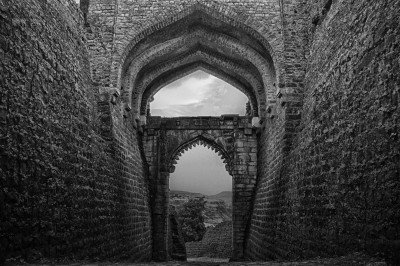
Delhi Gate
Some quick example text to build on the card title and make up the bulk of the card's content.
Go somewhere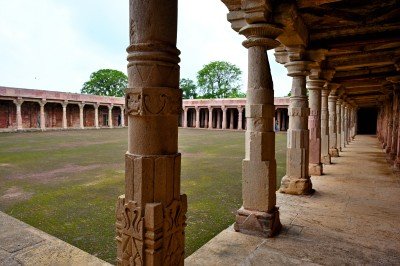
Dharampuri
Some quick example text to build on the card title and make up the bulk of the card's content.
Go somewhere
Dilawar Khan's Mosque
Some quick example text to build on the card title and make up the bulk of the card's content.
Go somewhere
Echo Point
Some quick example text to build on the card title and make up the bulk of the card's content.
Go somewhere
Eco Point
Some quick example text to build on the card title and make up the bulk of the card's content.
Go somewherein Other Cities