









Mandu
General information
-
Ideal Duration:
1-2 DaysPlace Type:
Heritage & RomanceEntry Fees:
Indian Citizens: 25 INR for the main monument groups like the Royal Enclave.
Foreign Tourists: 300 INR for entry to the protected historical areas.
Photography: Usually free for still cameras, but video equi...Indian Citizens: 25 INR for the main monument groups like the Royal Enclave.
Foreign Tourists: 300 INR for entry to the protected historical areas.
Photography: Usually free for still cameras, but video equipment may require a separate nominal fee of 25-50 INR.Timing:
Regular Timings: Most monuments are open from 6:00 AM to 7:00 PM.
Ideal Visit: The Monsoon (July to September) is the most famous time to visit.
Winter: November to February is great for clear blue skies and...Regular Timings: Most monuments are open from 6:00 AM to 7:00 PM.
Ideal Visit: The Monsoon (July to September) is the most famous time to visit.
Winter: November to February is great for clear blue skies and trekking.Special Events:
Mandu Festival: A 5-day celebration in December involving hot air balloons, glamping, heritage walks, and traditional music under the starry night sky.
Malwa Utsav: Held annually in May, this festival showcases the folk dances and classical ...Mandu Festival: A 5-day celebration in December involving hot air balloons, glamping, heritage walks, and traditional music under the starry night sky.
Malwa Utsav: Held annually in May, this festival showcases the folk dances and classical music of the Malwa region in a grand outdoor setting.Best Photo Spots:
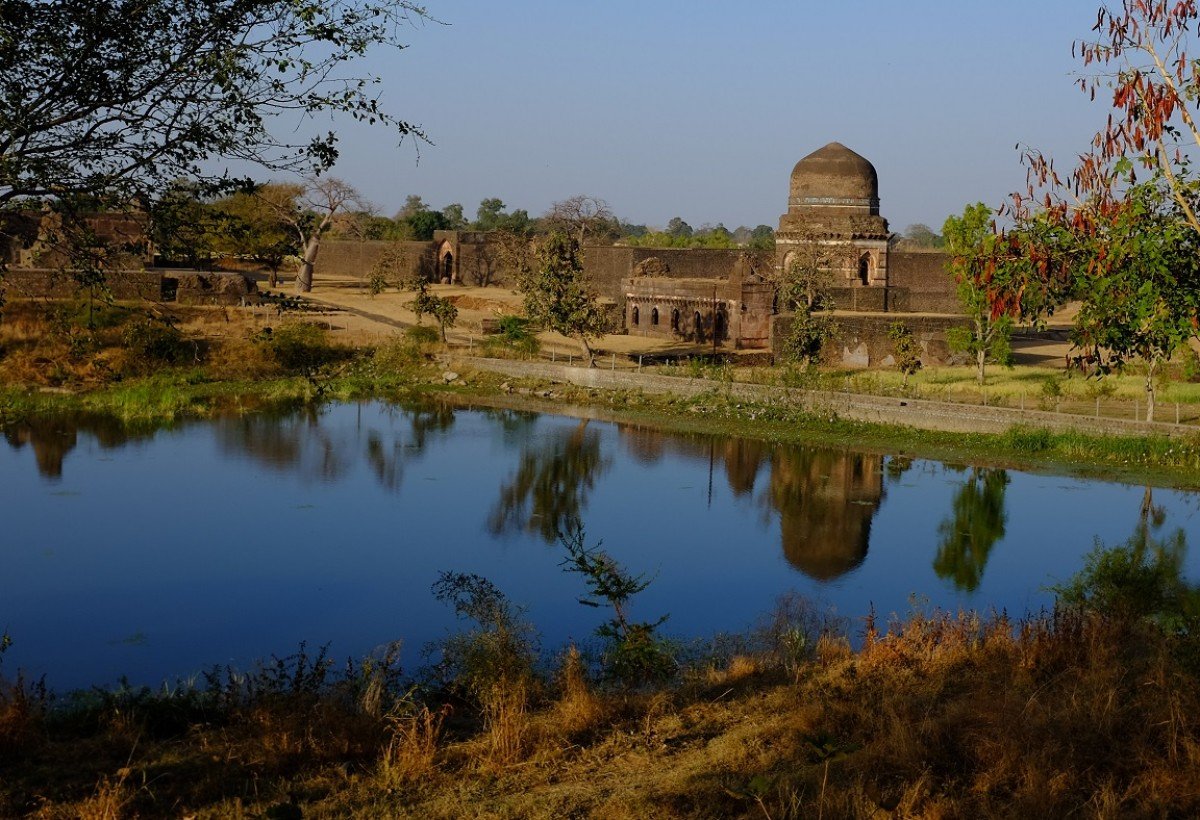
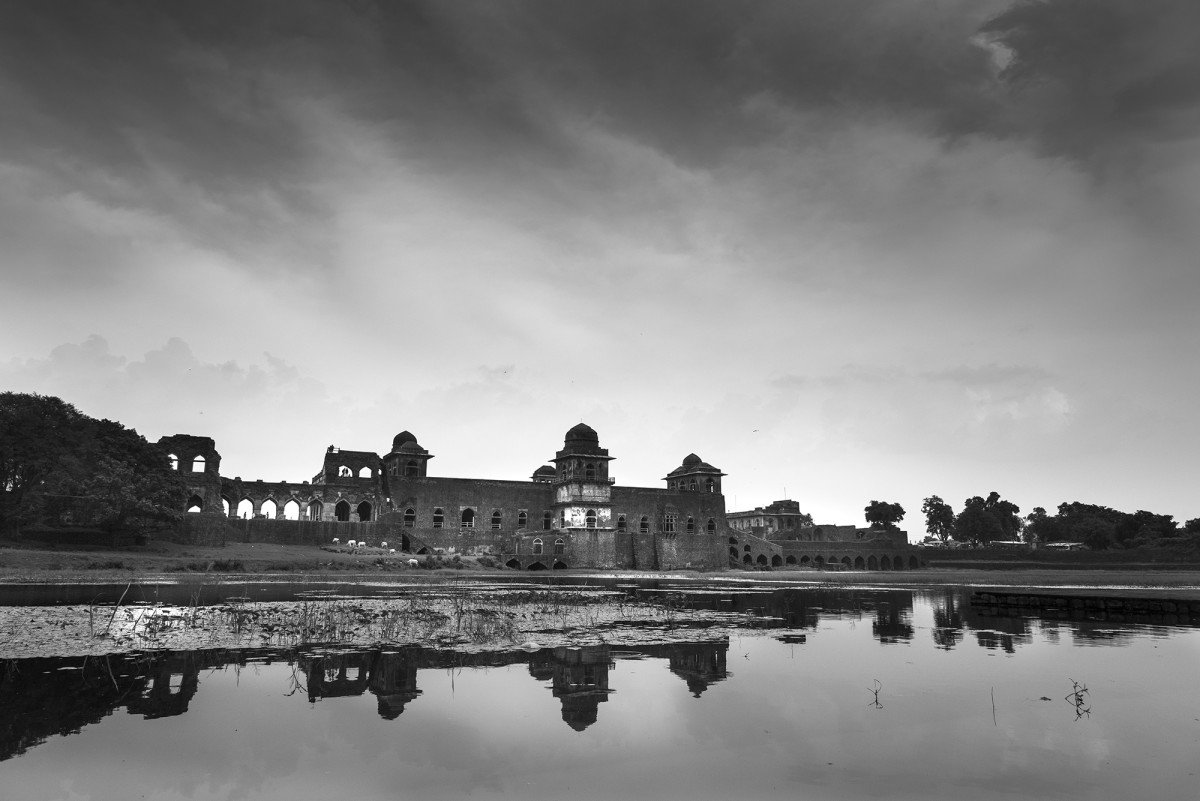
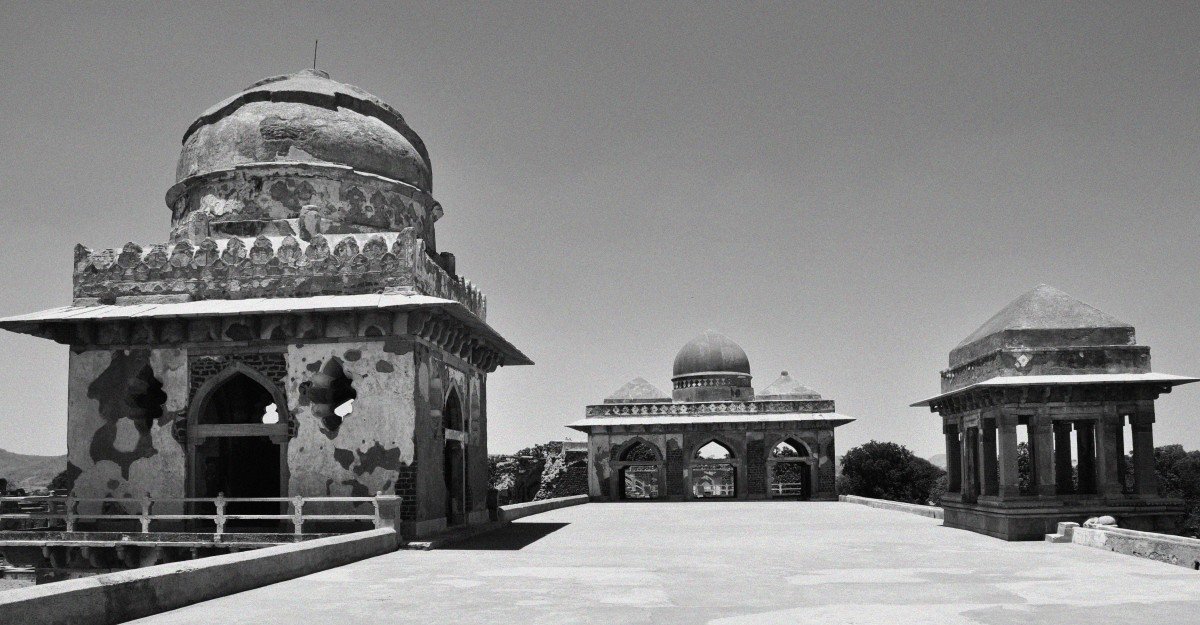
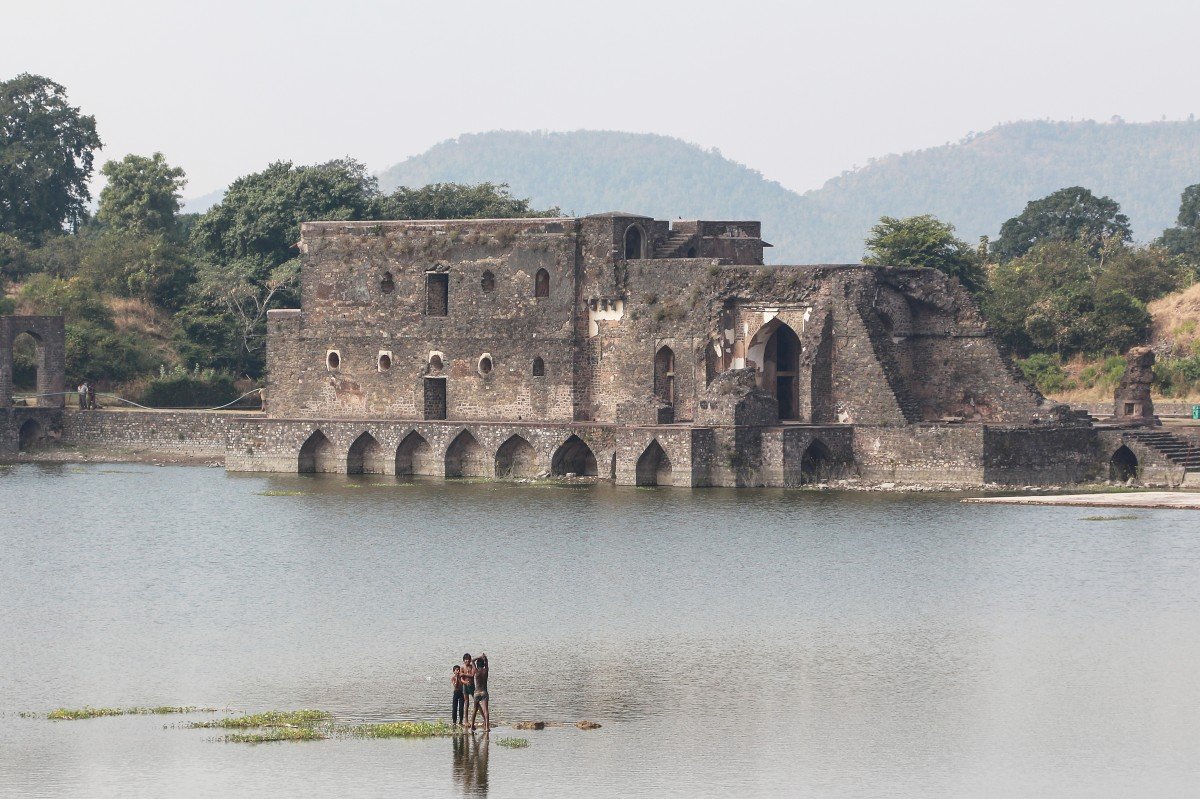
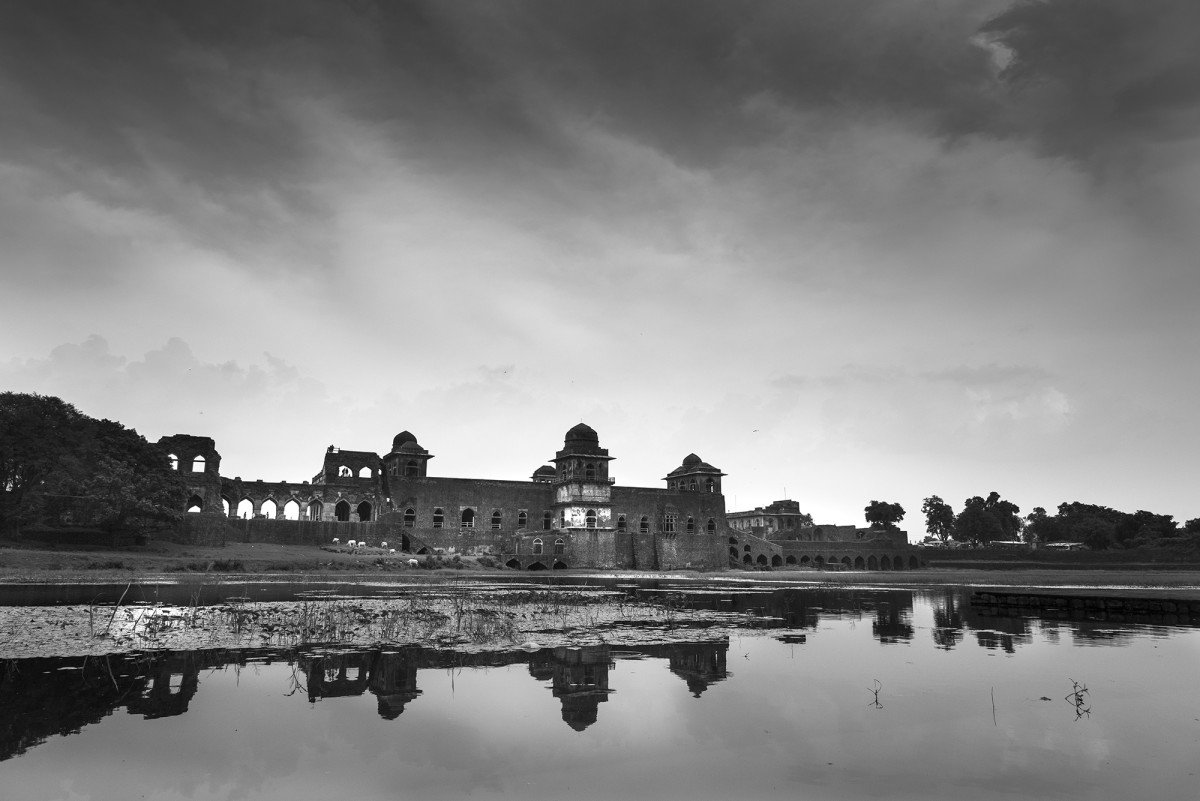
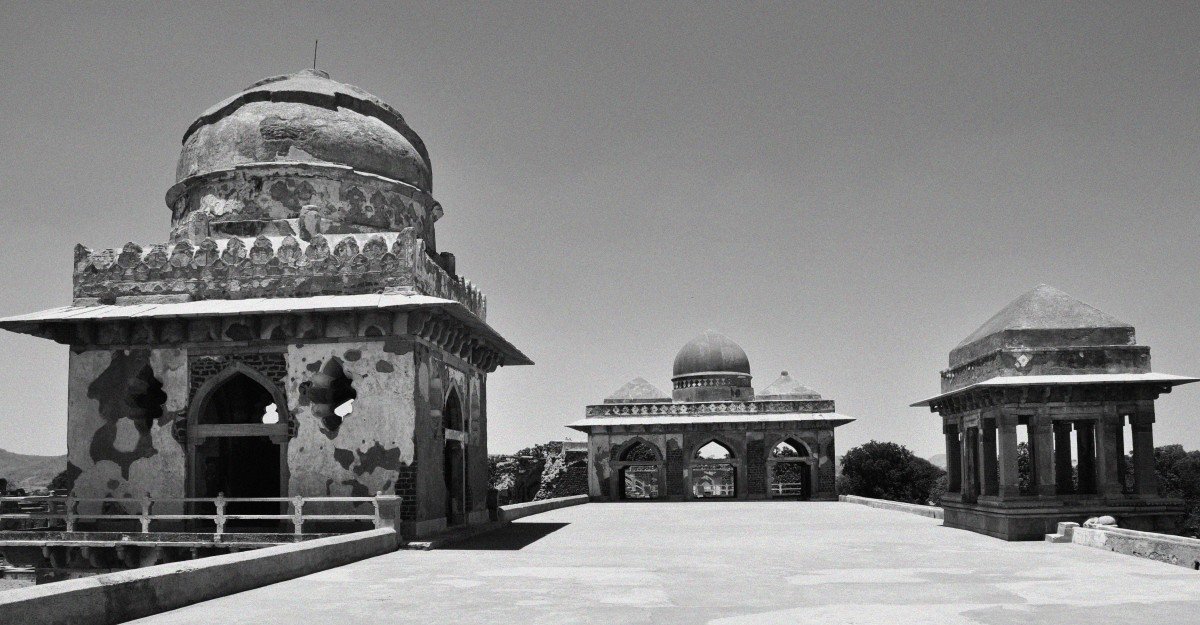
Jahaz Mahal Terrace: Capture the reflection of the palace in the Munj Talao lake during the golden hour for a "floating ship" effect in your photos.
Delhi Darwaza: This massive gate provides a dramatic frame for the winding roads leading up ...Jahaz Mahal Terrace: Capture the reflection of the palace in the Munj Talao lake during the golden hour for a "floating ship" effect in your photos.
Delhi Darwaza: This massive gate provides a dramatic frame for the winding roads leading up the hill, perfect for travel storytelling photography.Photo Gallery
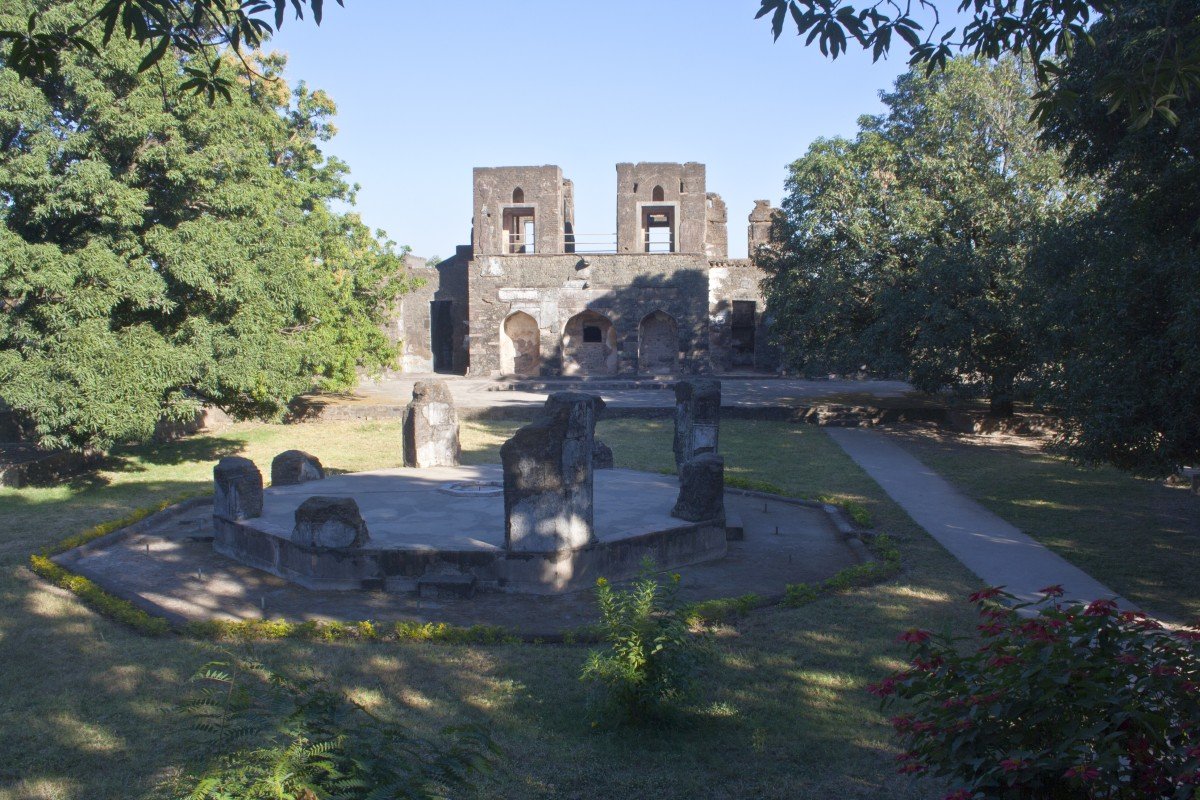
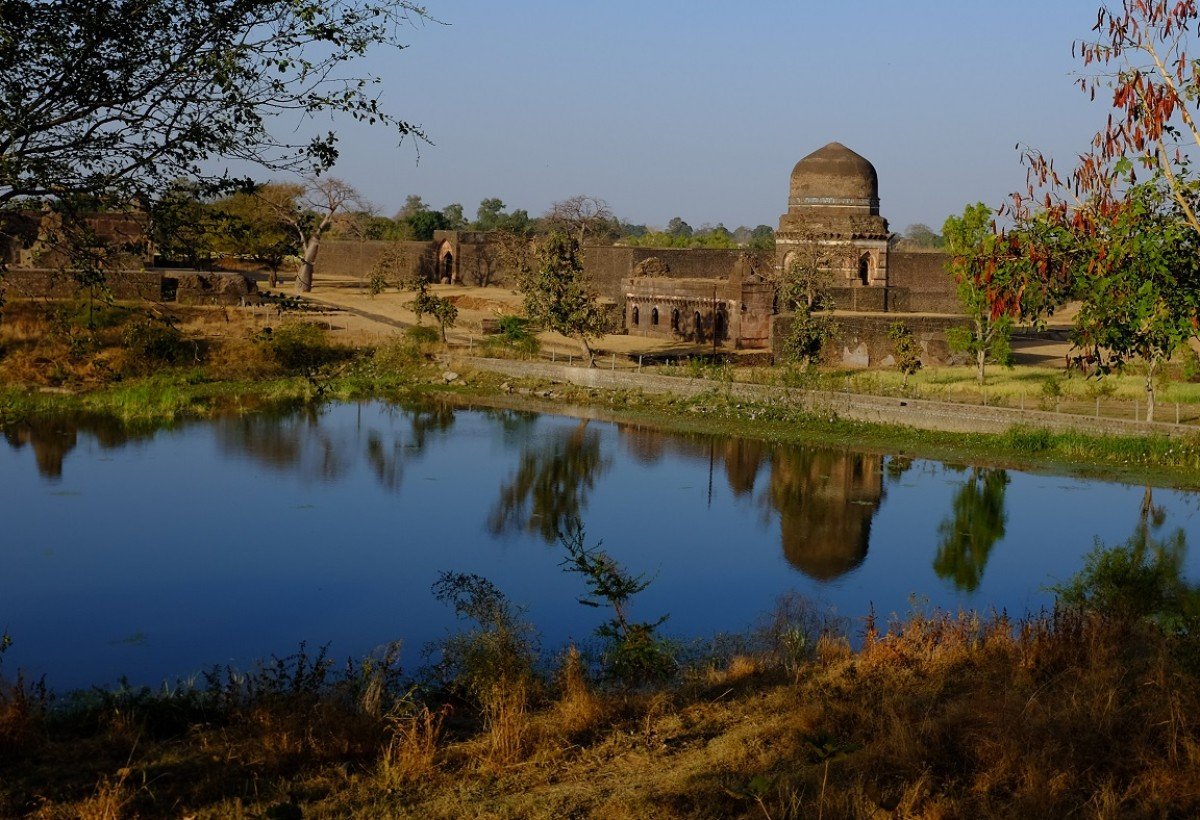
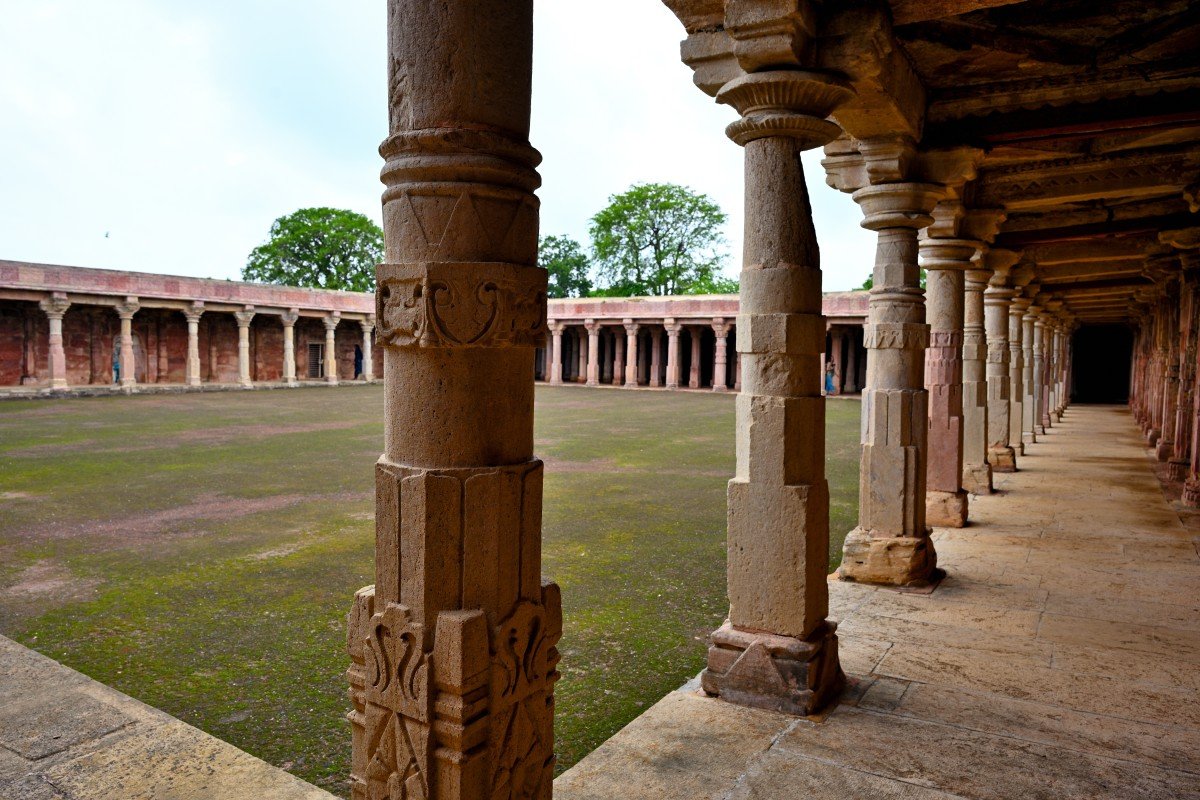
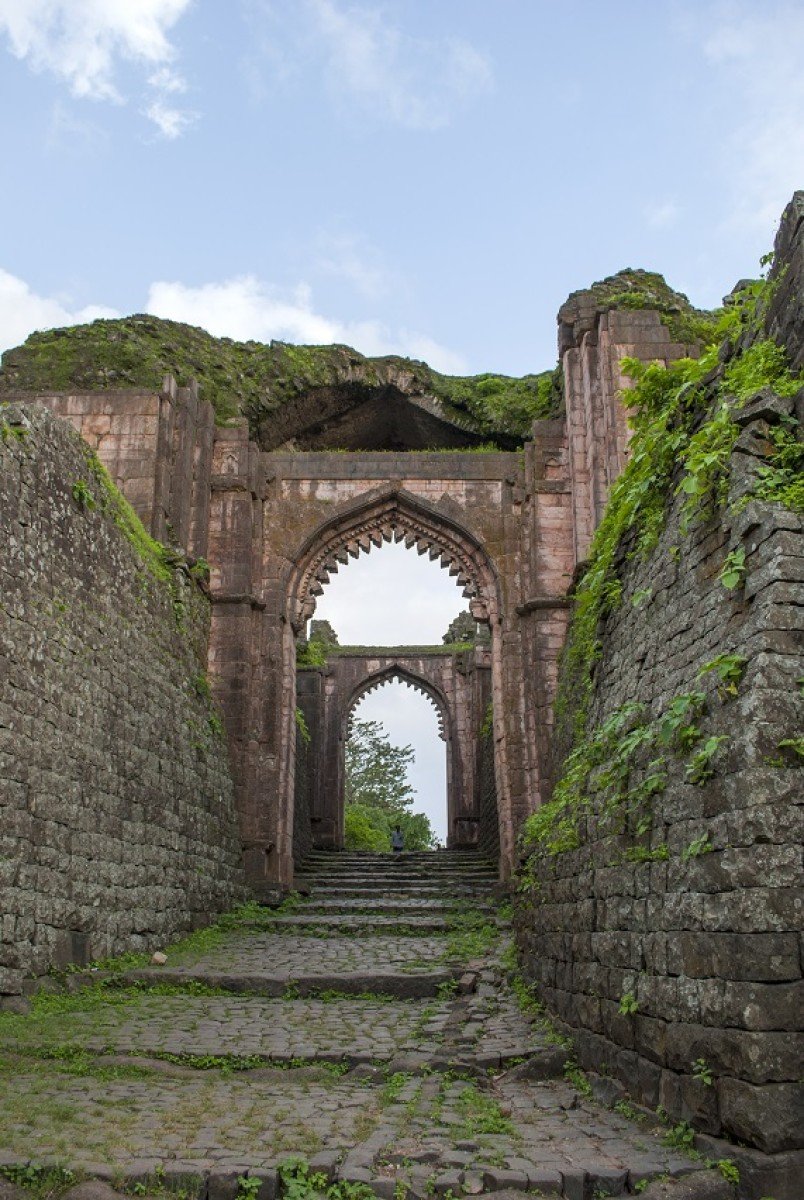



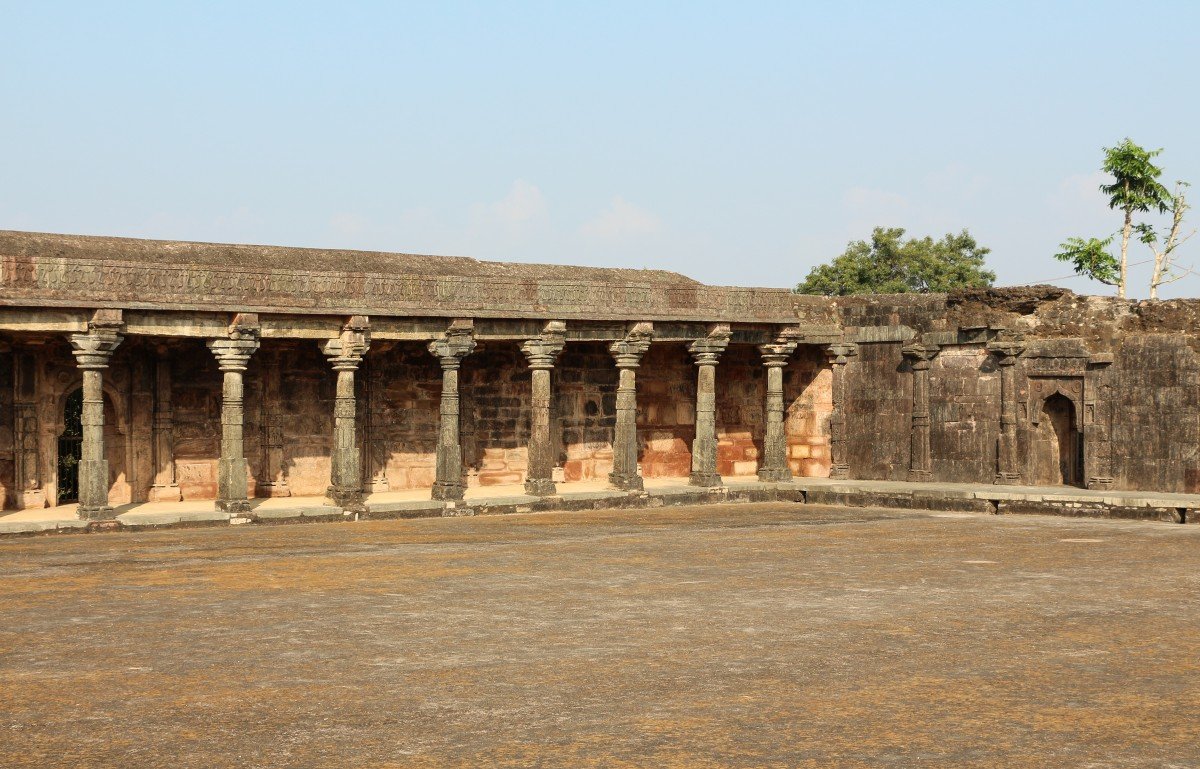
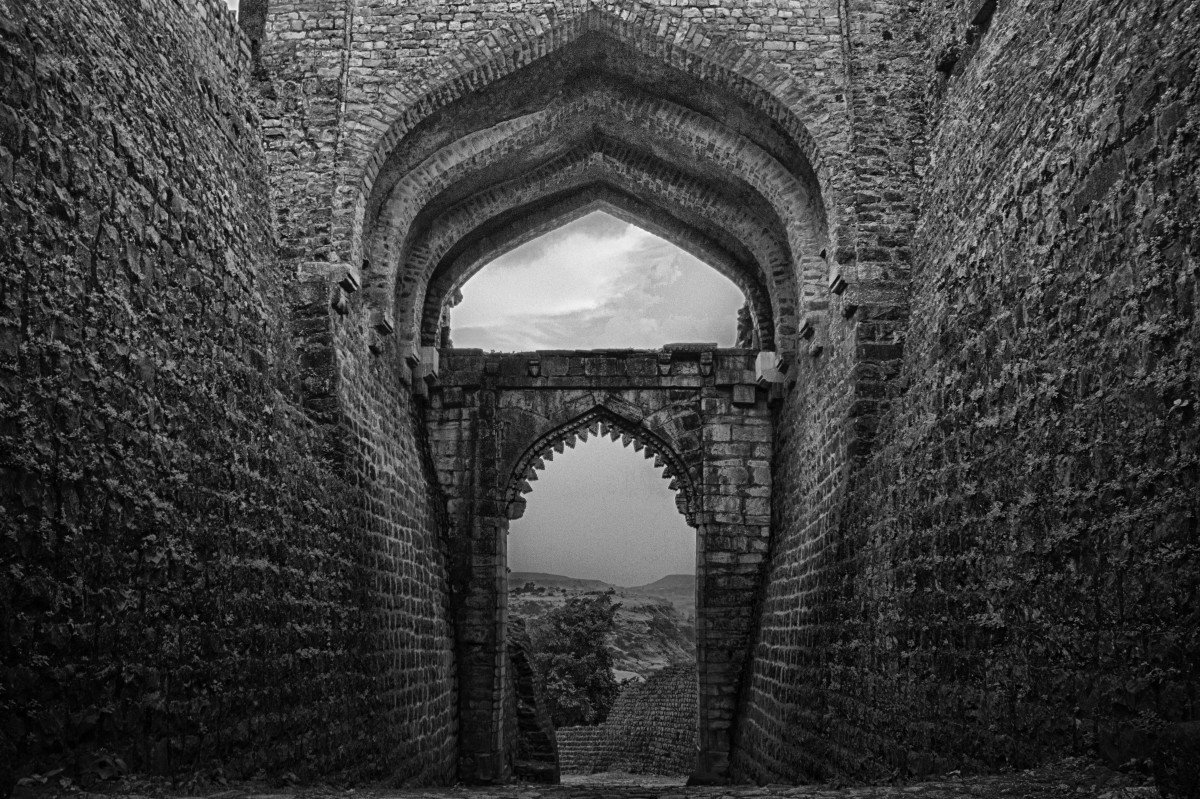

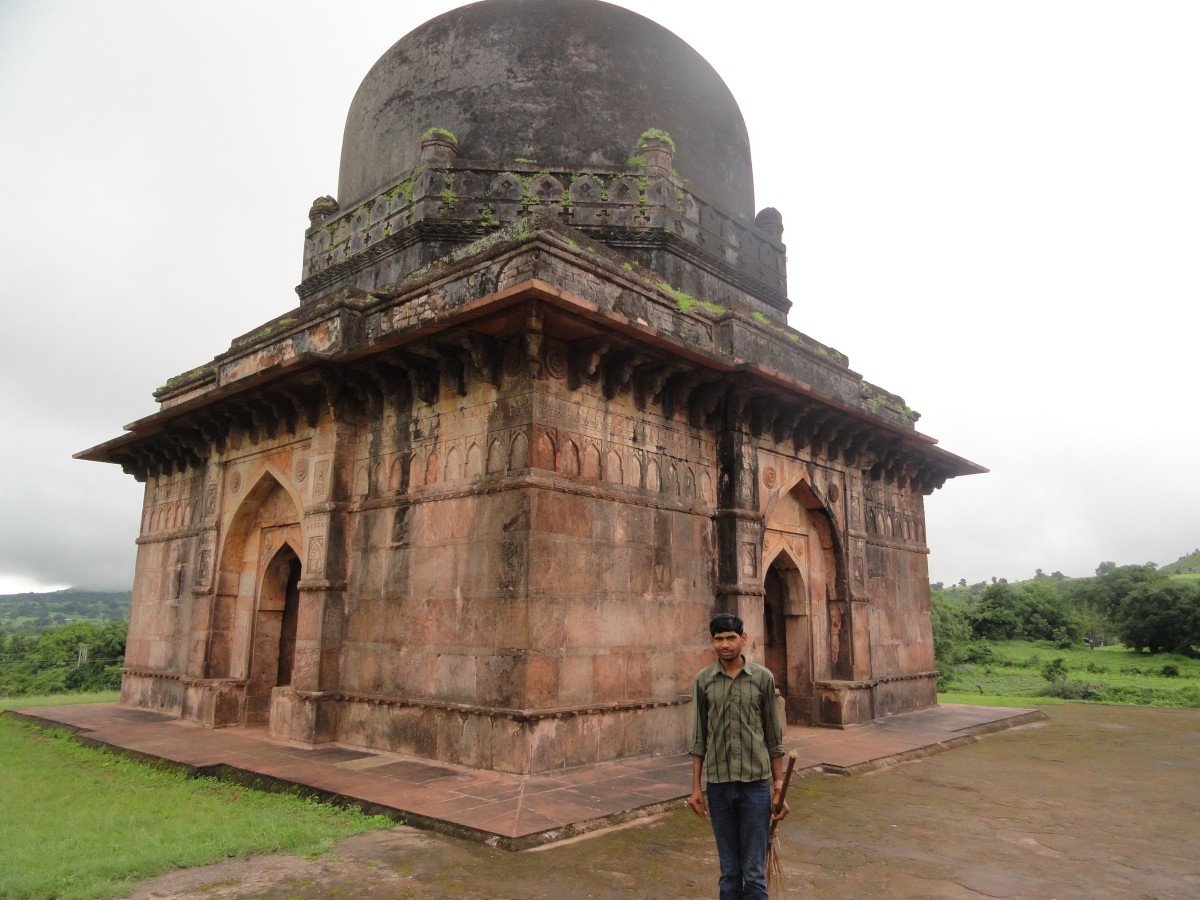
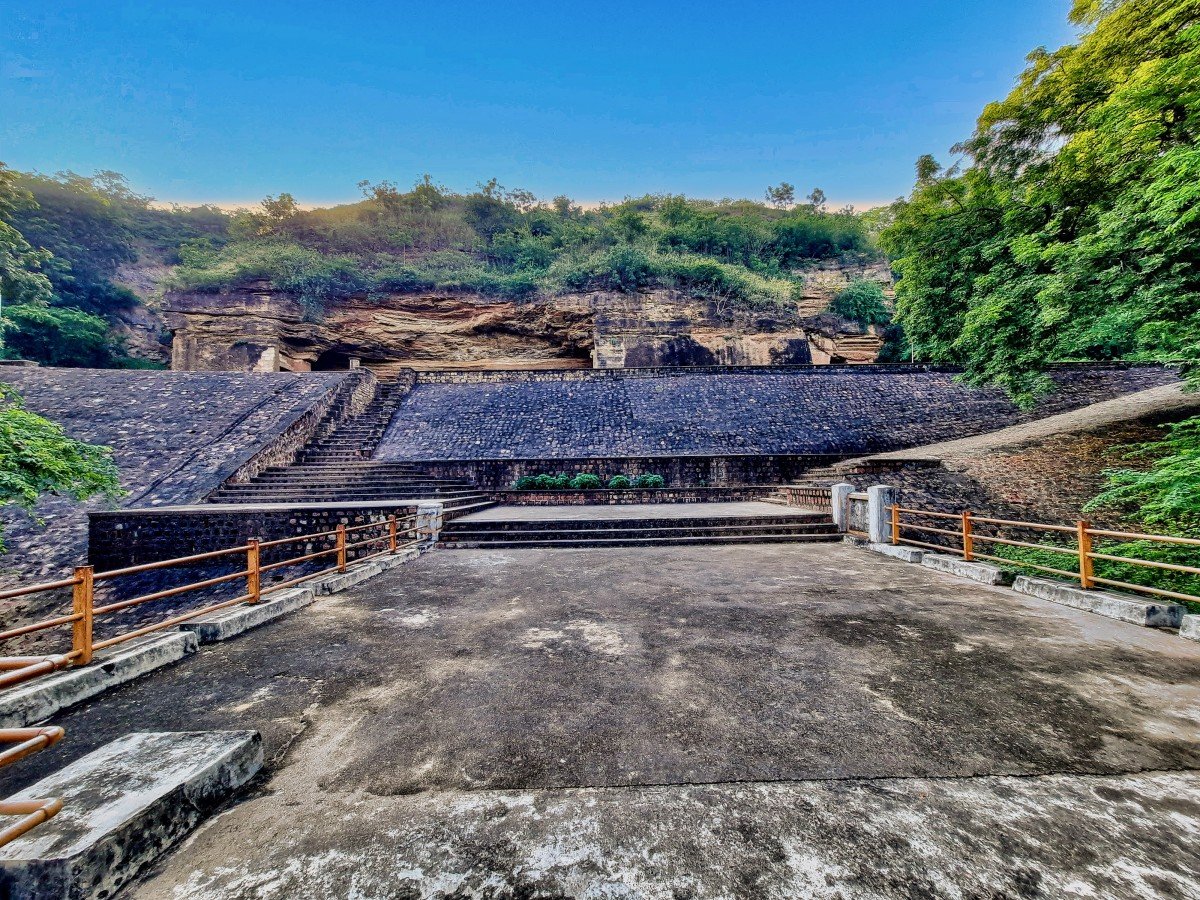


Things To Do
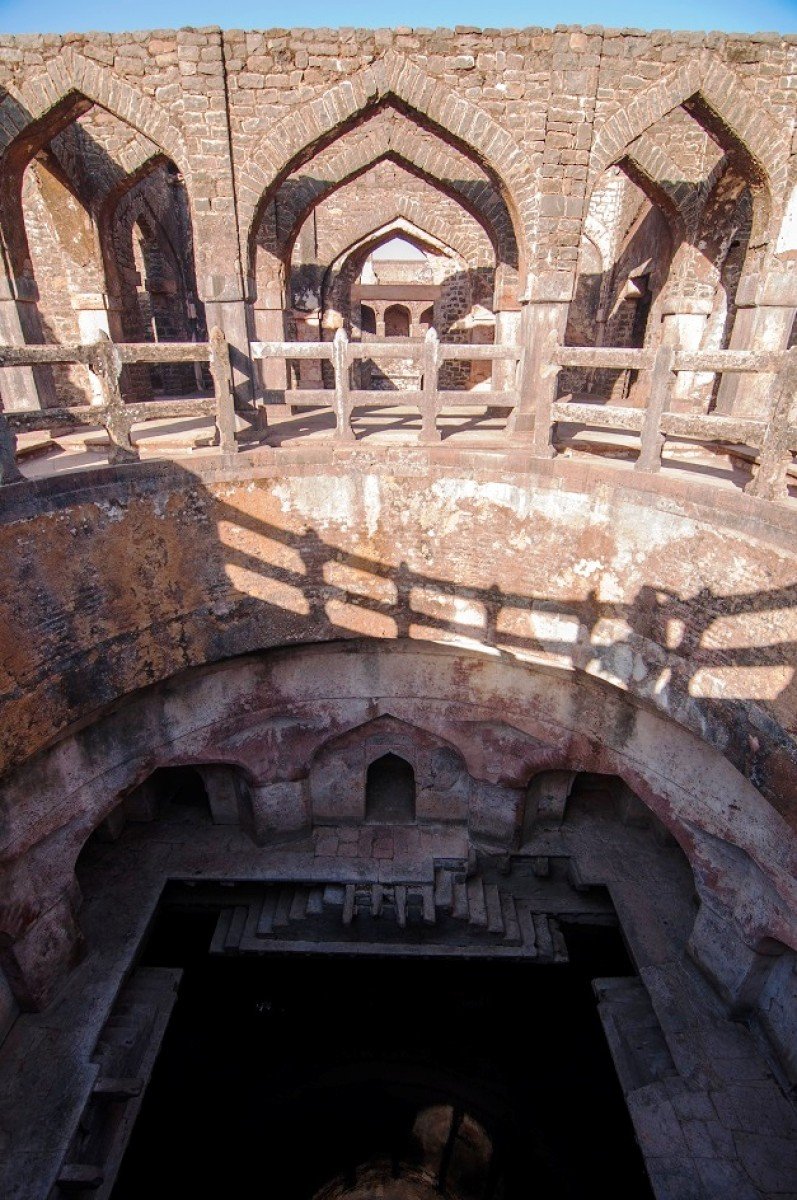
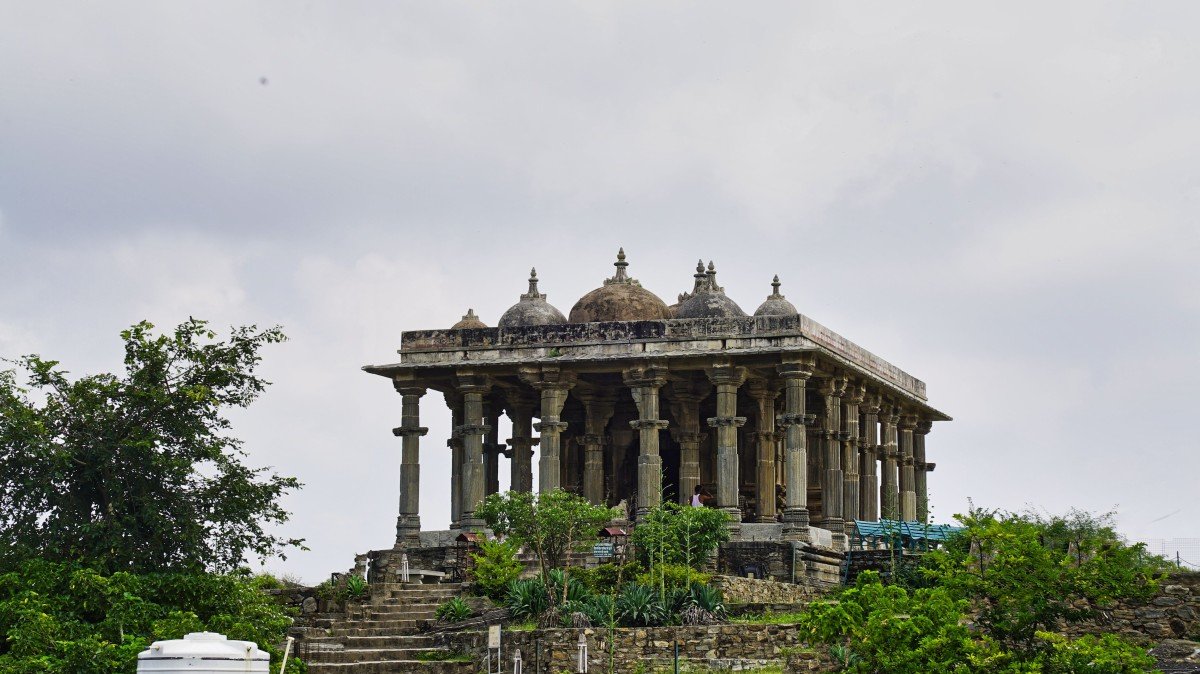
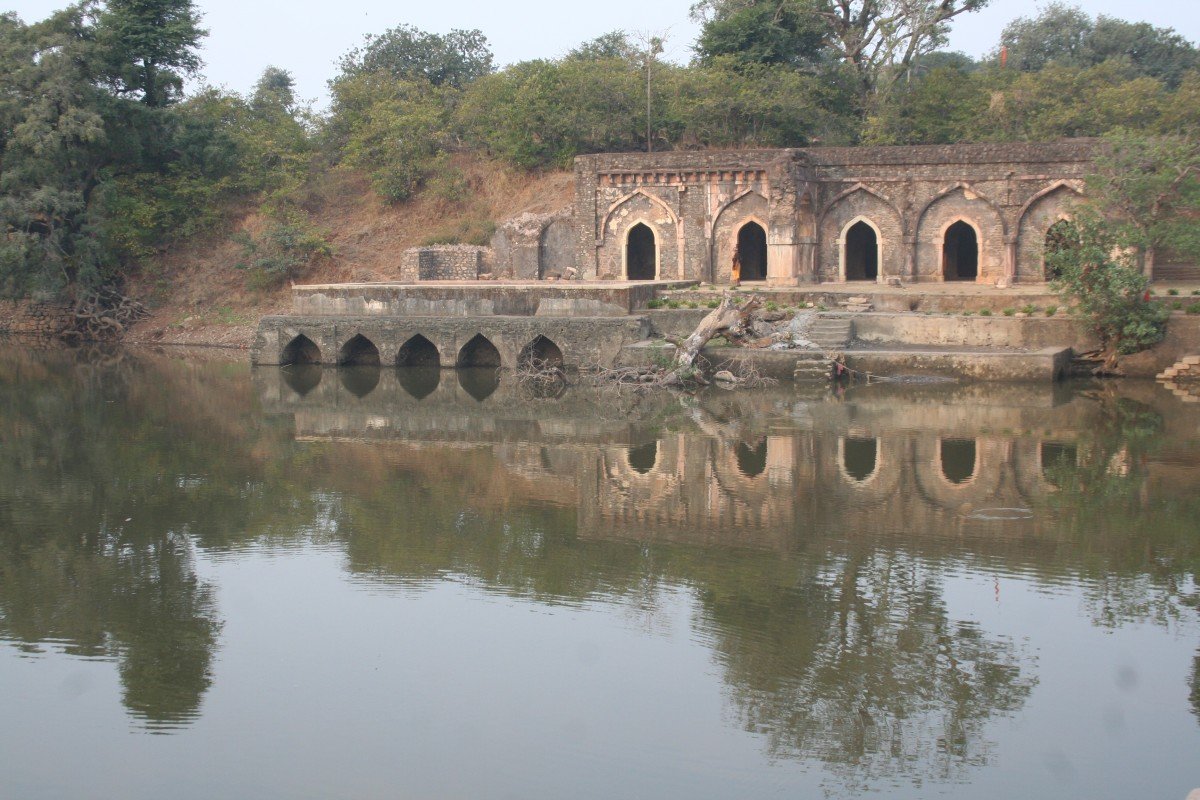
 @@Historical Construction: Rewa Kund is a large, square water reservoir built by Sultan Baz Bahadur in the mid-16th century. It was designed to supply water to his adjoining palace, Baz Bahadur Palace, with the water being lifted by a Persian wheel system powered by animals. @@Religious Significance: The reservoir holds a deep spiritual significance. Legend says it was built at the insistence of his queen, Rani Roopmati, who was a fervent devotee of the sacred Narmada River. The site is revered as a source where the Narmada Mother Goddess appeared in a dream to the Queen and gave her water. @@Water Source: Despite its artificial construction, it is considered a perennial source of "never drying water," giving it a sacred status among the local populace who use it for holy visits and rituals. @@Cultural Context: The Kund is integral to the tragic love story, representing the king's devotion to fulfilling his queen's religious needs, linking the structure to both romance and faith. (Approx. 350 words):
 Tarapur Gate is one of the most significant and scenic gateways among the twelve entrances to the citadel of Mandu. Located on the southwestern side, it provides a dramatic entry point for those traveling up from the Nimar plains. The gate is built into a steep slope of the hill, making it a masterclass in military engineering. Historically, it was used by royal processions and military units coming from the southern territories. The area around the gate is famous for its breathtaking views of the valley below. In the evenings, a cool breeze flows through the arched opening, making it one of the most refreshing spots in the entire fort. The gate itself is made of heavy red sandstone and features intricate carvings and inscriptions that date back to the 15th century. It is surrounded by lush vegetation, including numerous custard apple trees which provide a sweet aroma during the harvest season. Many visitors find this spot to be deeply peaceful, as it is located away from the main tourist clusters. It serves as a perfect viewing point for the sunset, where the horizon turns into a canvas of vibrant colors. The structural integrity of the gate has been well-maintained by the Archaeological Survey of India, and it remains a testament to the artistic taste of the medieval warriors who commissioned it. A visit to Tarapur Gate offers a blend of history, architecture, and natural beauty that captures the essence of Mandu.
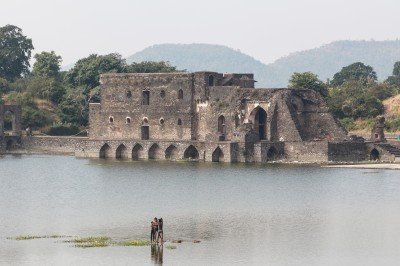 @@Historical Context and Location: The term Jal Mahal is sometimes ambiguously used in Mandu as it refers to a smaller palace complex associated with water, unlike the massive Jahaz Mahal. The most commonly recognized structure under this name in the Mandu complex is a smaller palace situated near the large Sagar Talao (lake), or sometimes the small palace within the Rewa Kund or the palace at Nilkanth. The palace at Sagar Talao is a remnant from the reign of the Malwa Sultans. It was built as a smaller pavilion or a rest stop, capitalizing on the scenic beauty and cooling effect of the water. Its exact date of construction is less documented than the larger monuments, but it belongs to the late medieval period of the Sultanate era. It represents the prevalent trend in Malwa architecture of incorporating water bodies into the design for pleasure and climate control. Unlike the grand scale of the Jahaz Mahal, this structure offers a more intimate and secluded experience. The tranquil setting by the lake makes it a picturesque spot, symbolizing the 'City of Joy' in a quieter, more reflective manner. The design reflects the high court's appreciation for natural landscapes integrated with architectural elegance. The smaller scale indicates it may have been used for private royal retreats or as a stopover during hunting expeditions. Nilkanth Palace, which sits by the Nilkanth Kund and is sometimes mistaken for a 'Water Palace', offers similar scenic beauty and architectural integration with water, highlighting the era's focus on water bodies.: (400 words)
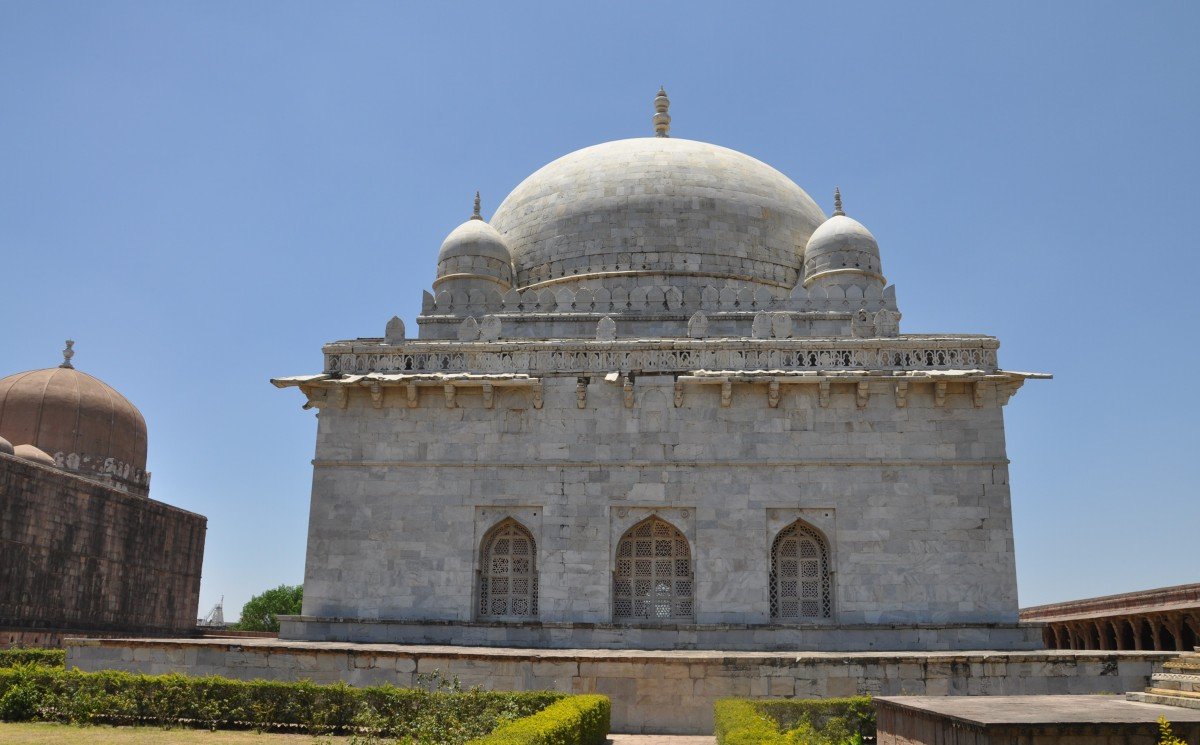
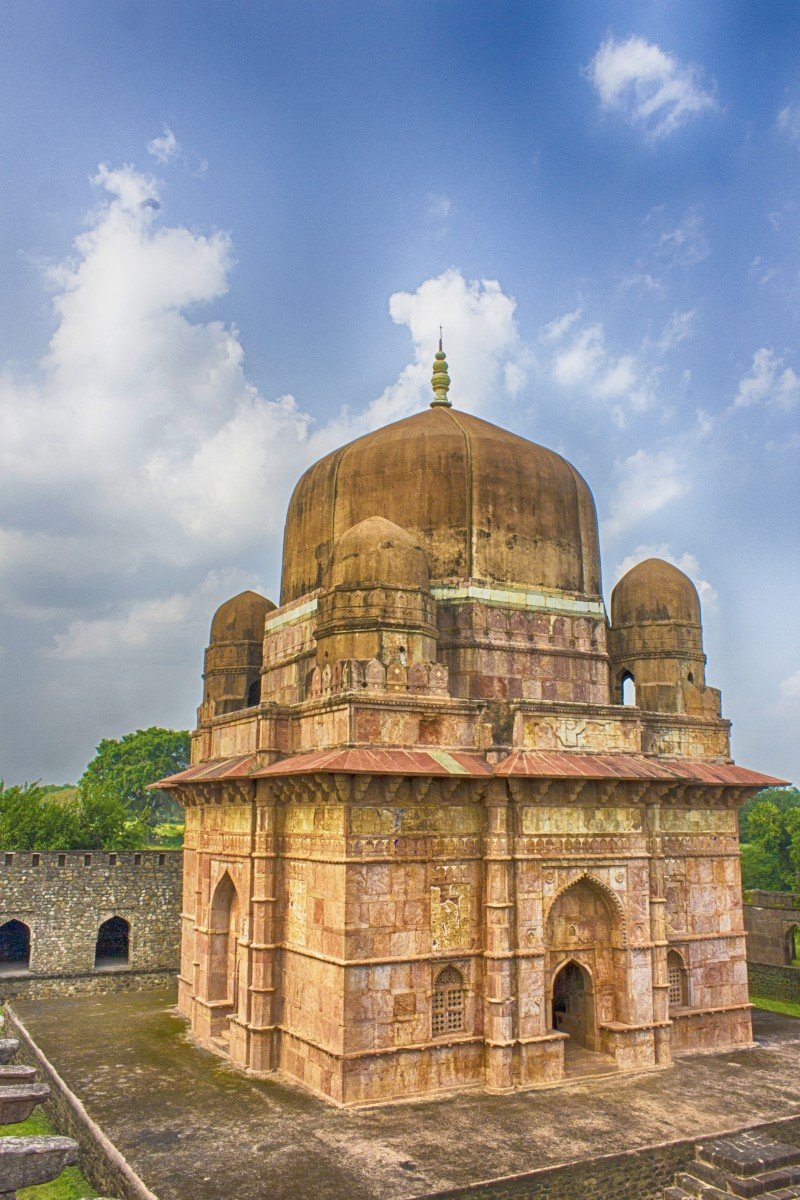
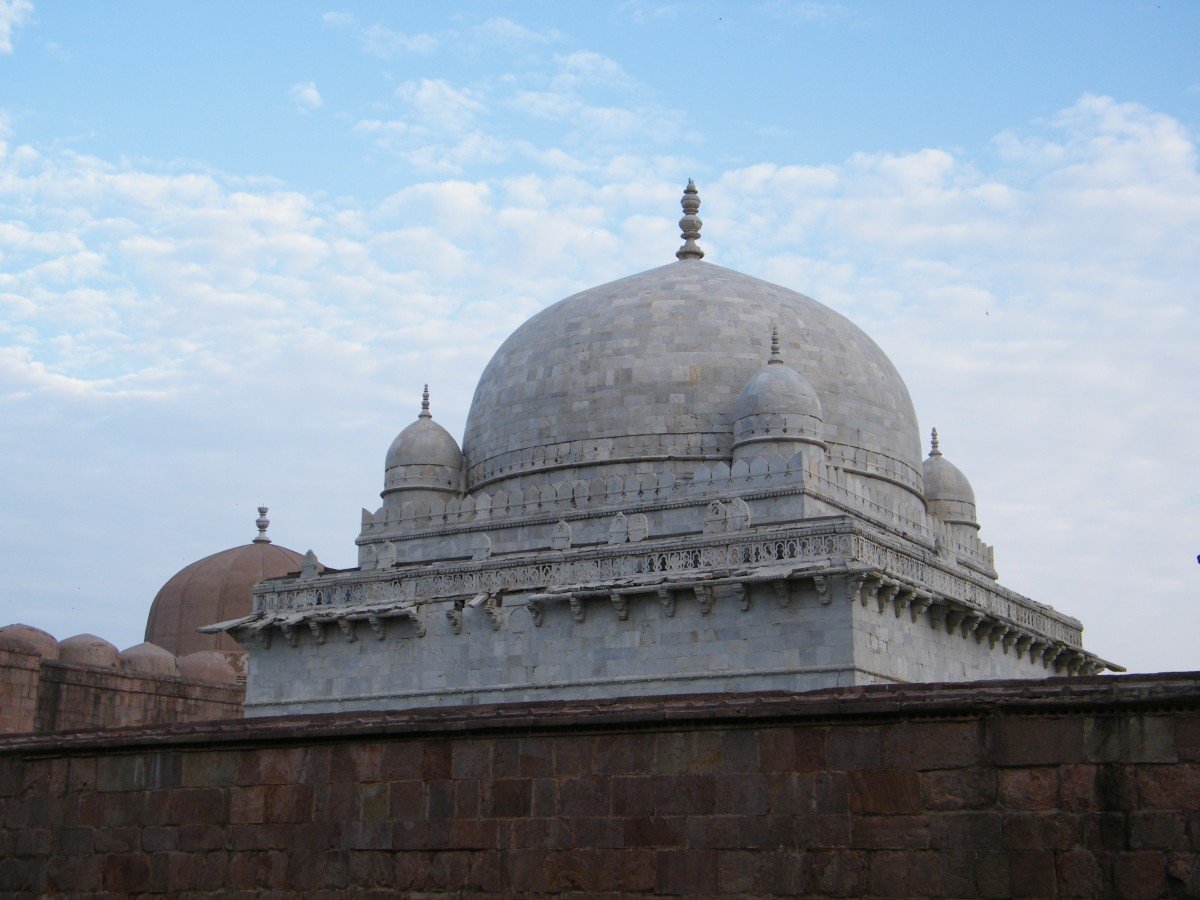
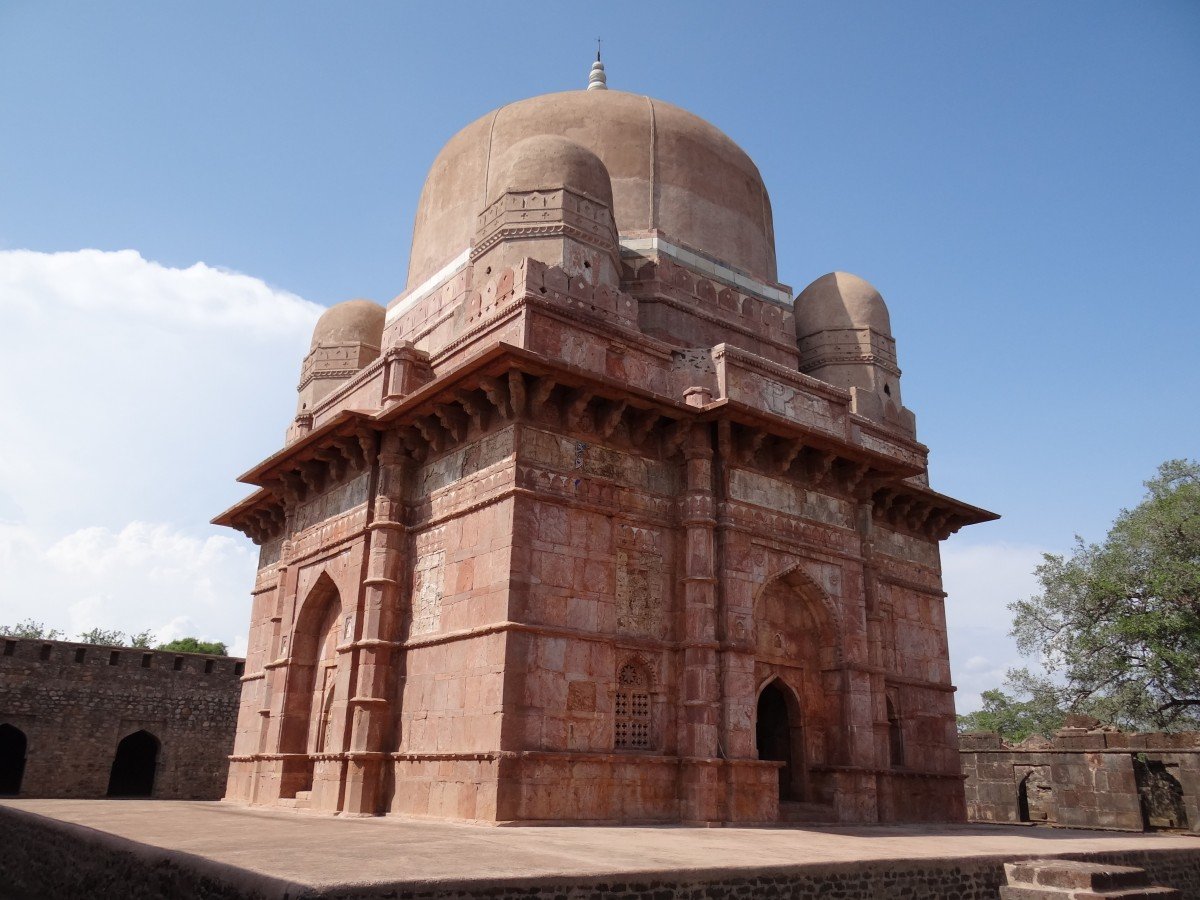
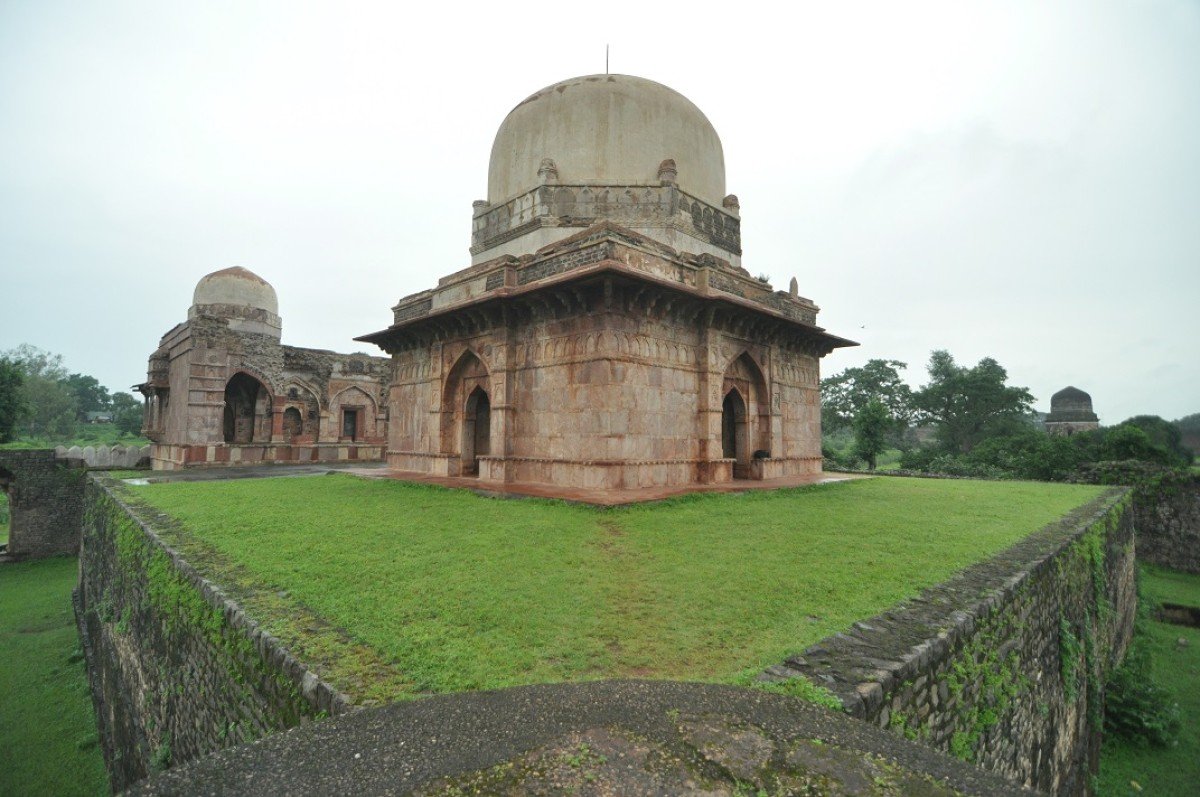
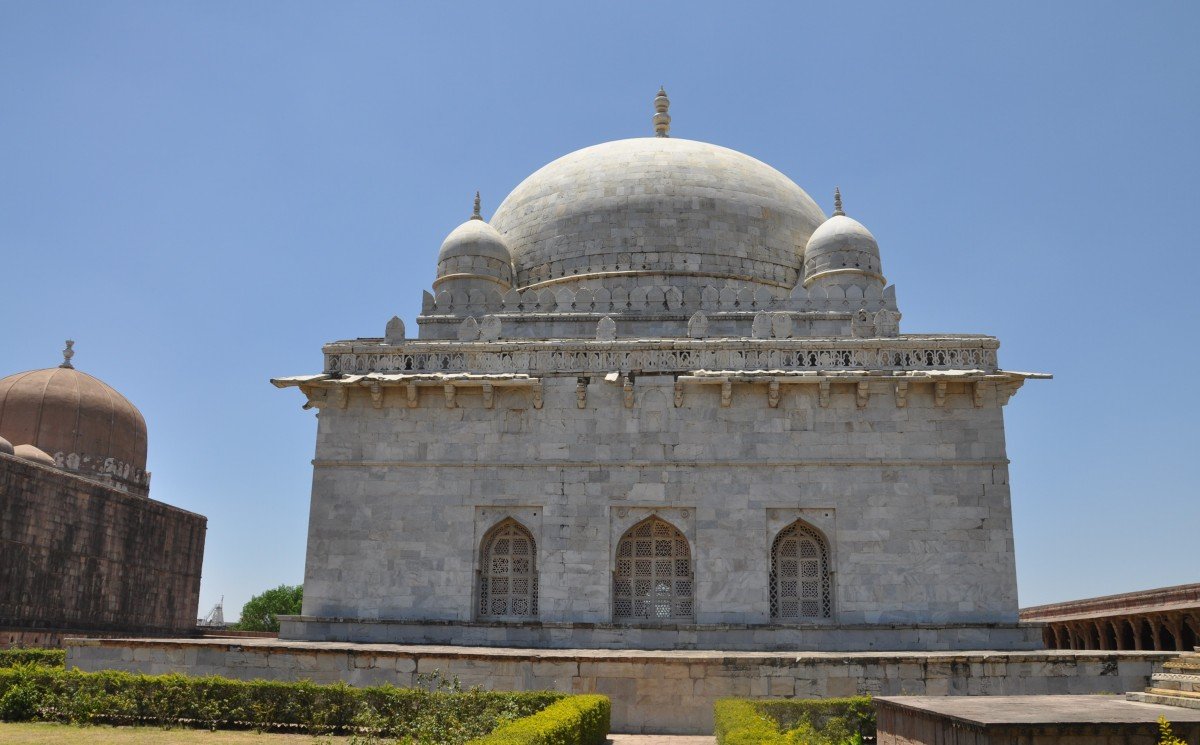
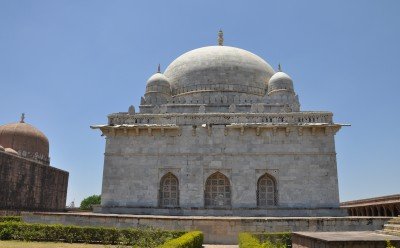 @@The Grandeur of the White Marble: Hoshang Shah's Tomb is a landmark of architectural excellence and historical significance. It is widely recognized as the first marble structure built in India, predating the world-famous Taj Mahal. The tomb was commissioned by Hoshang Shah, the first formally appointed Islamic king of the Malwa region, though it was completed by his successor, Mahmud Khilji, around 1440. This mausoleum stands as a testament to the transition from the rough stone architecture of early sultanates to the refined, elegant marble work that later defined the Mughal era. Legend has it that Shah Jahan sent his master architects, including Ustad Ahmad Lahauri, to study this very tomb before they began the construction of the Taj Mahal in Agra. The tomb is situated within a square courtyard, flanked by colonnaded cloisters. The stark white marble of the tomb contrasts beautifully with the red sandstone of the surrounding Jami Masjid complex. The central dome is massive and perfectly proportioned, surrounded by smaller domed turrets at the four corners. Inside the chamber, the atmosphere is one of profound silence and reverence. The main sarcophagus of Hoshang Shah is carved in the shape of a casket and sits under the great dome. The walls are adorned with intricate "Jali" work (lattice screens) that allows light to filter in, creating a play of shadows on the marble floor. The building represents a unique fusion of Indo-Islamic styles, where Persian dome shapes meet Hindu-inspired decorative motifs. For any visitor to Mandu, this tomb is not just a graveyard but a bridge between two great eras of Indian history.
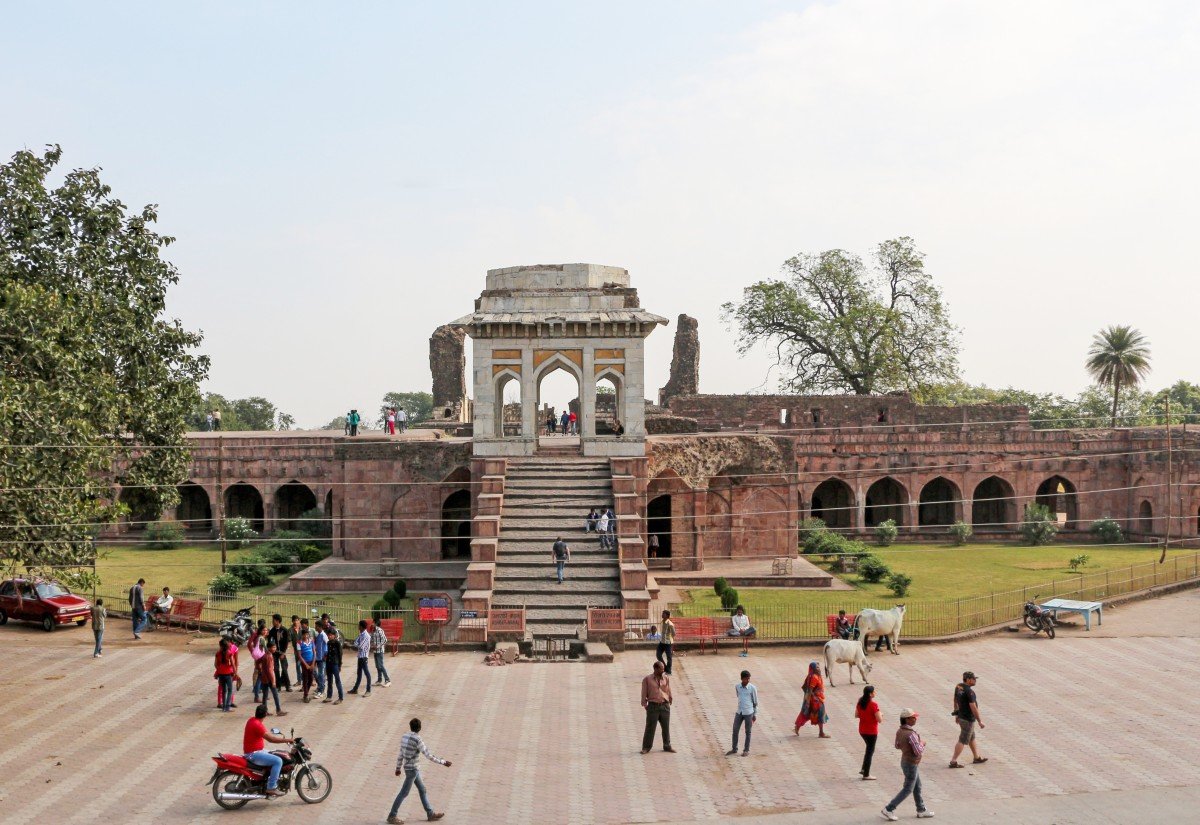
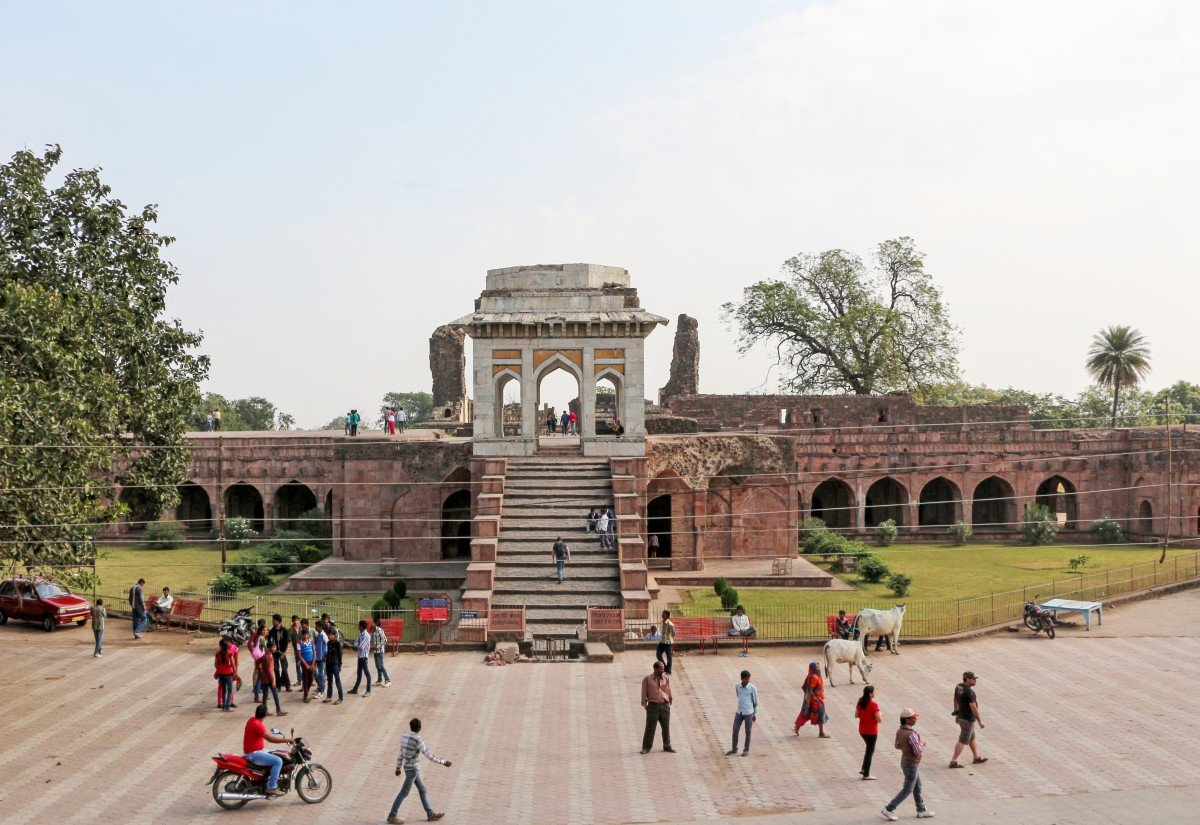
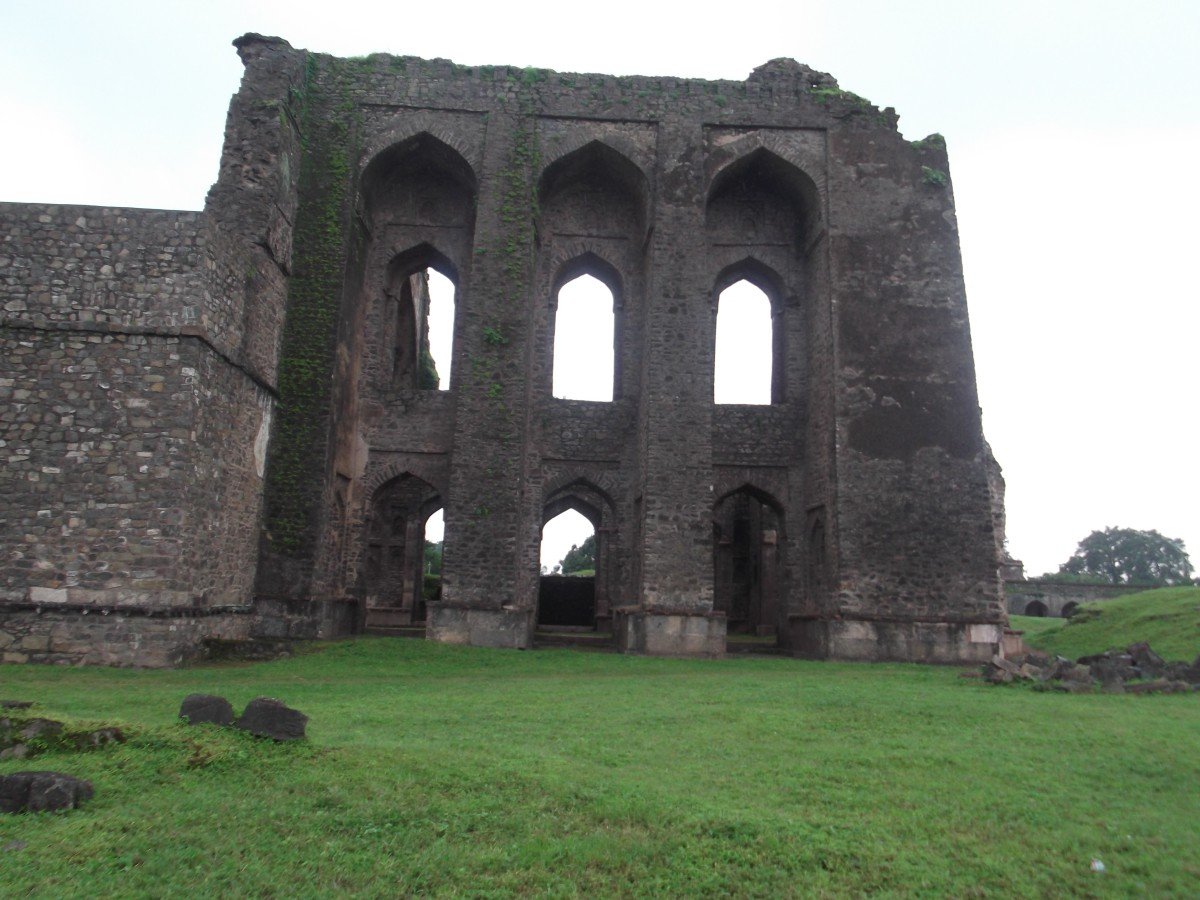
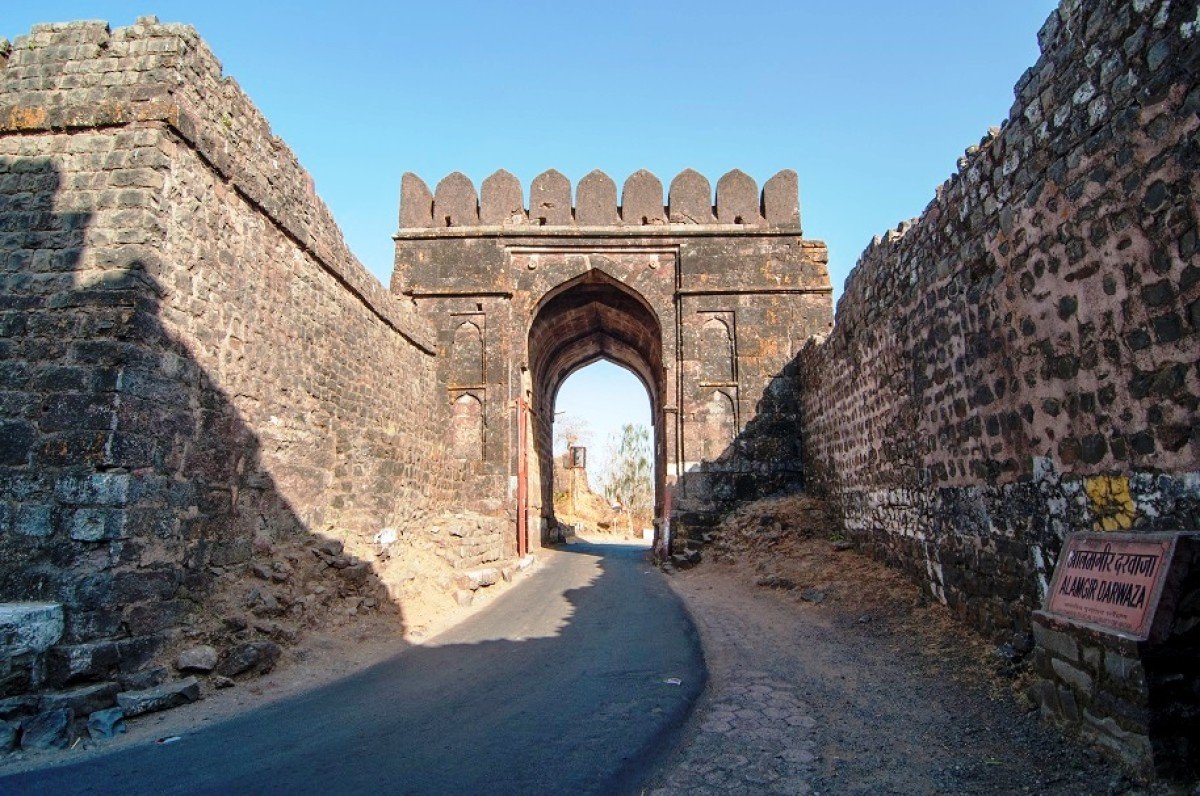
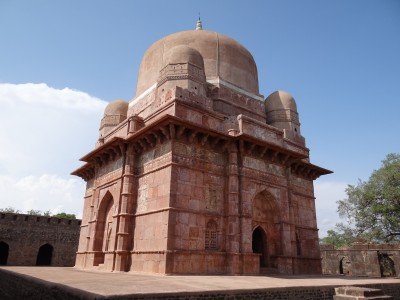 @@Historical Significance: The Alamgir Darwaza is one of the chain of 12 gateways that fortified the historical city of Mandu. It is named after the Mughal Emperor Aurangzeb, who also held the title Alamgir, indicating its use or renovation during the Mughal period, solidifying Mandu's importance even under the Mughal rule: @@Purpose and Location: It served as a critical entry point to the massive hilltop fortress, controlling access to the royal and central complexes within the fortified city. The gates, including this one, were strategically positioned to utilize the natural defense provided by the surrounding ravines of the Vindhya range. It stands as a silent witness to the various dynasties that ruled Malwa, from the Paramaras to the Sultans and finally the Mughals. The sheer scale of the gateway complex speaks volumes about the military engineering and security priorities of the time. The gate is part of the extensive defensive walls, signifying the impregnable nature of the ancient capital and its continuous strategic value throughout medieval Indian history. It provides an excellent starting point for any tour of the Mandu ruins, offering a historical perspective on the city's defenses.:
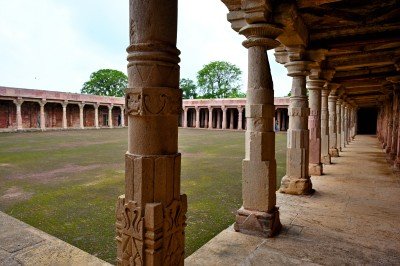 Dharampuri is an ancient settlement that predates the Islamic monuments of Mandu, serving as a vital link to the region's Puranic history. This town is steeped in legends, most notably associated with the birth of Rani Roopmati, the legendary queen of Mandu known for her beauty and musical talent. The place acts as a peaceful riverside retreat where the waters of the Narmada flow with a calm dignity, reflecting the town's spiritual essence. For centuries, it has been a center for pilgrims and travelers who seek the blessings of the river before ascending the steep hills of Mandu. The town is dotted with small temples and ghats that witness daily rituals and vibrant local life. Historically, it served as a significant administrative outpost for various dynasties, including the Paramaras and later the Marathas. The atmosphere here is distinctly different from the high-altitude fortress of Mandu, offering a lush, riverine landscape that is perfect for contemplation. Local markets in Dharampuri are known for their traditional crafts and the famous Mandu ki Imli (Baobab fruit) which is traded here in abundance. Visiting Dharampuri provides a complete cultural context to the romantic lore of Baz Bahadur and Roopmati, as it was her devotion to this river that led to the construction of the Roopmati Pavilion. The town's architecture is a mix of old stone dwellings and modern structures, yet it retains a rustic charm that appeals to slow travelers. The local community is deeply connected to the river, and the festivals celebrated here are a spectacle of light and devotion. Whether you are a history buff or a nature lover, the town offers a serene environment away from the typical tourist crowds. It serves as a perfect starting point for exploring the wider Dhar district and its hidden treasures.
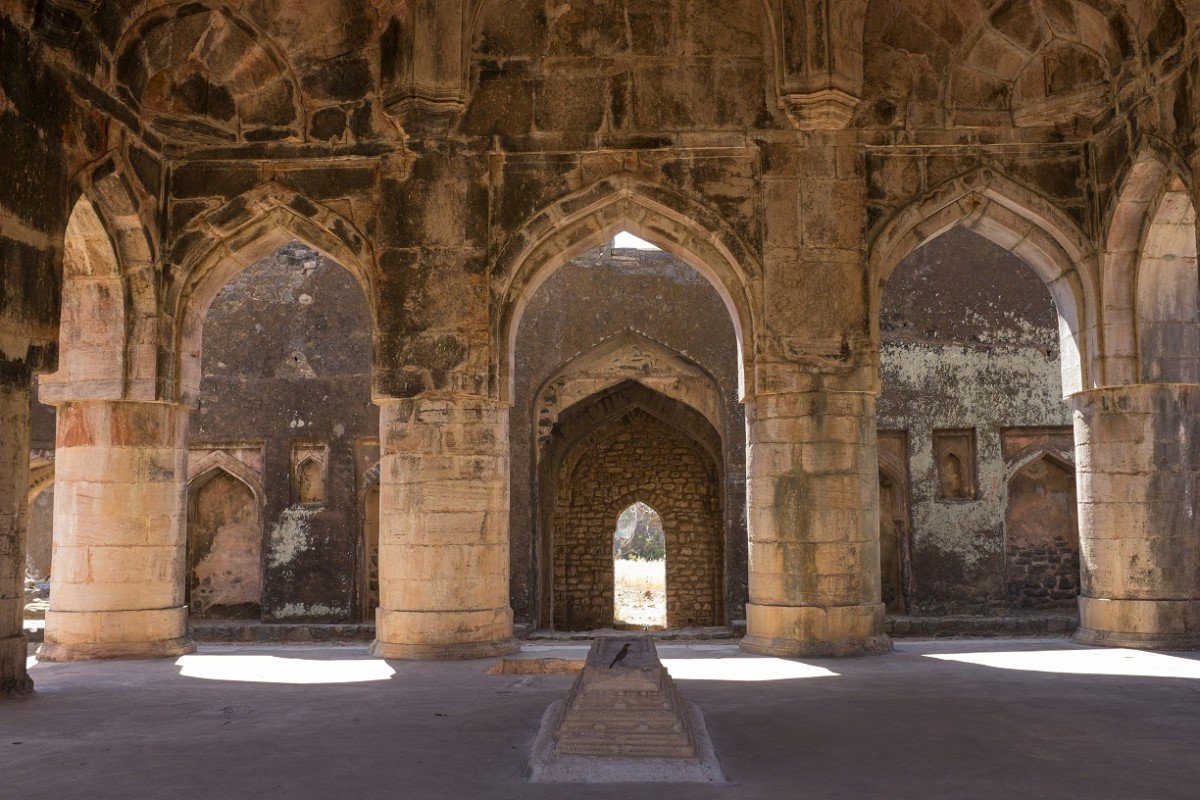
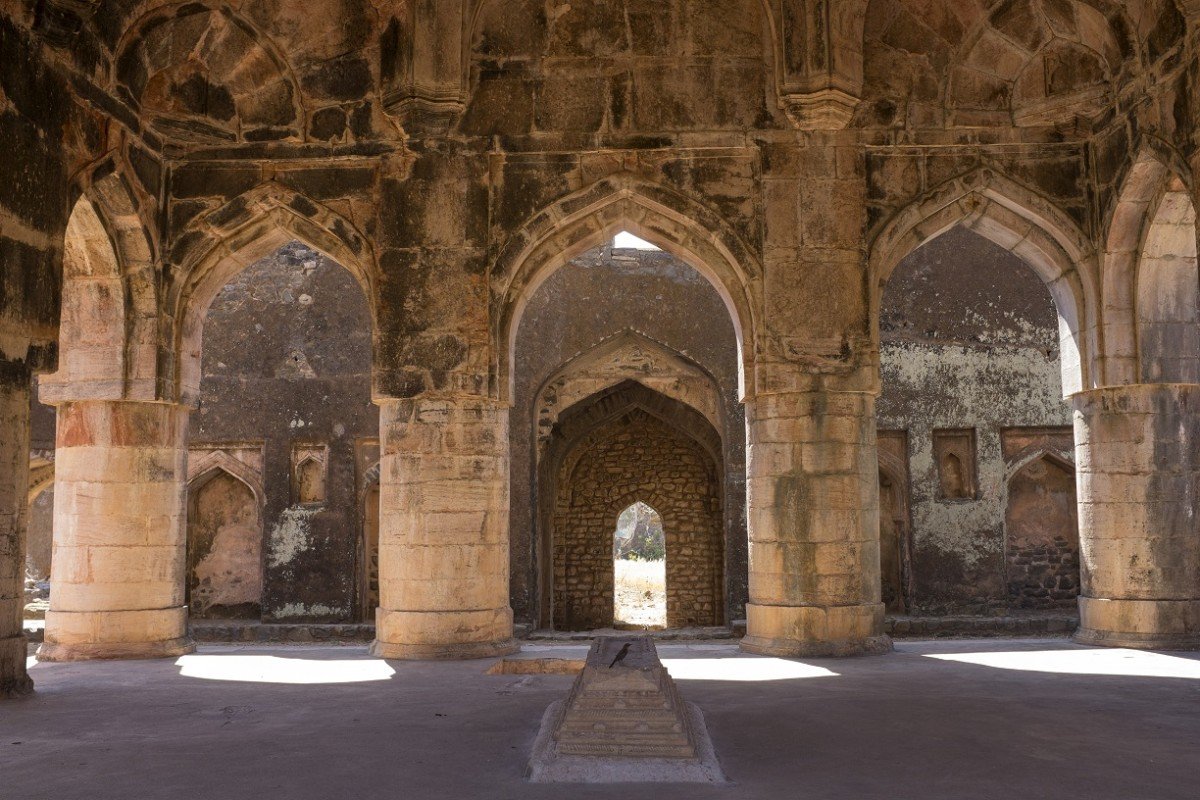
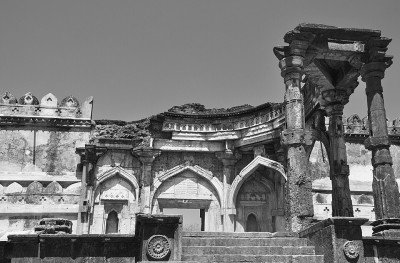 @@Historical Context and Patronage: Malik Mughis' Mosque is a beautiful, earlier mosque in Mandu, significant for being built before the grandeur of the Jami Masjid. It was constructed in 1432 AD by Malik Mughis, the father of Sultan Mahmud Khilji, during the reign of Hoshang Shah. This makes it one of the oldest well-preserved mosques in Mandu. It is located in the less-frequented Sagar Talao Group, near the large lake of the same name and near the tomb of its patron. The mosque is notable for its use of architectural components and materials, including pillars and other remnants repurposed from older structures, possibly Hindu temples in the vicinity. This practice was not uncommon in early Indo-Islamic architecture and speaks to the resourcefulness and speed of construction required at the time. The mosque served as a local place of worship for the officials and residents of the Sagar Talao quarter of the fortress city. Its smaller, more intimate scale and its serene lakefront location contrast with the central Jami Masjid, offering a glimpse into the localized religious life of the royal officials and common populace of the ancient city. The structure showcases the early Malwa style's reliance on salvaged material and its gradual move towards independent forms.: (400 words)Show All
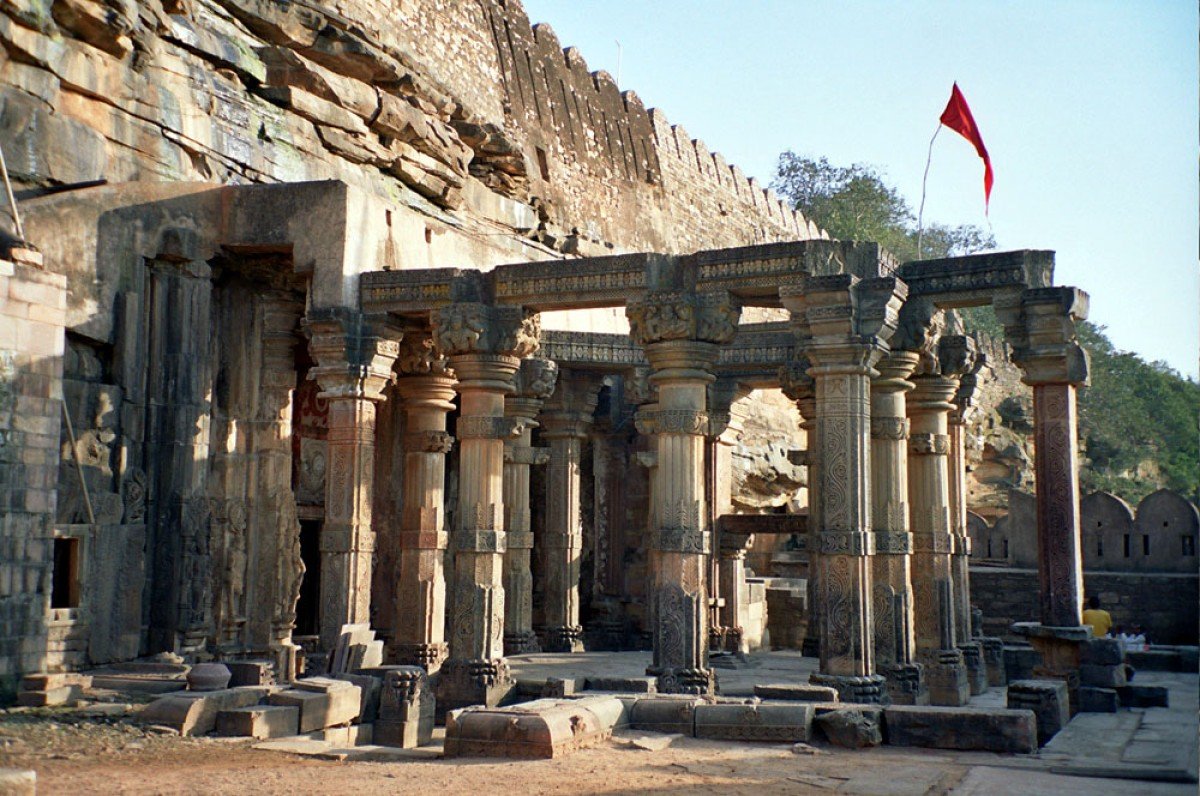
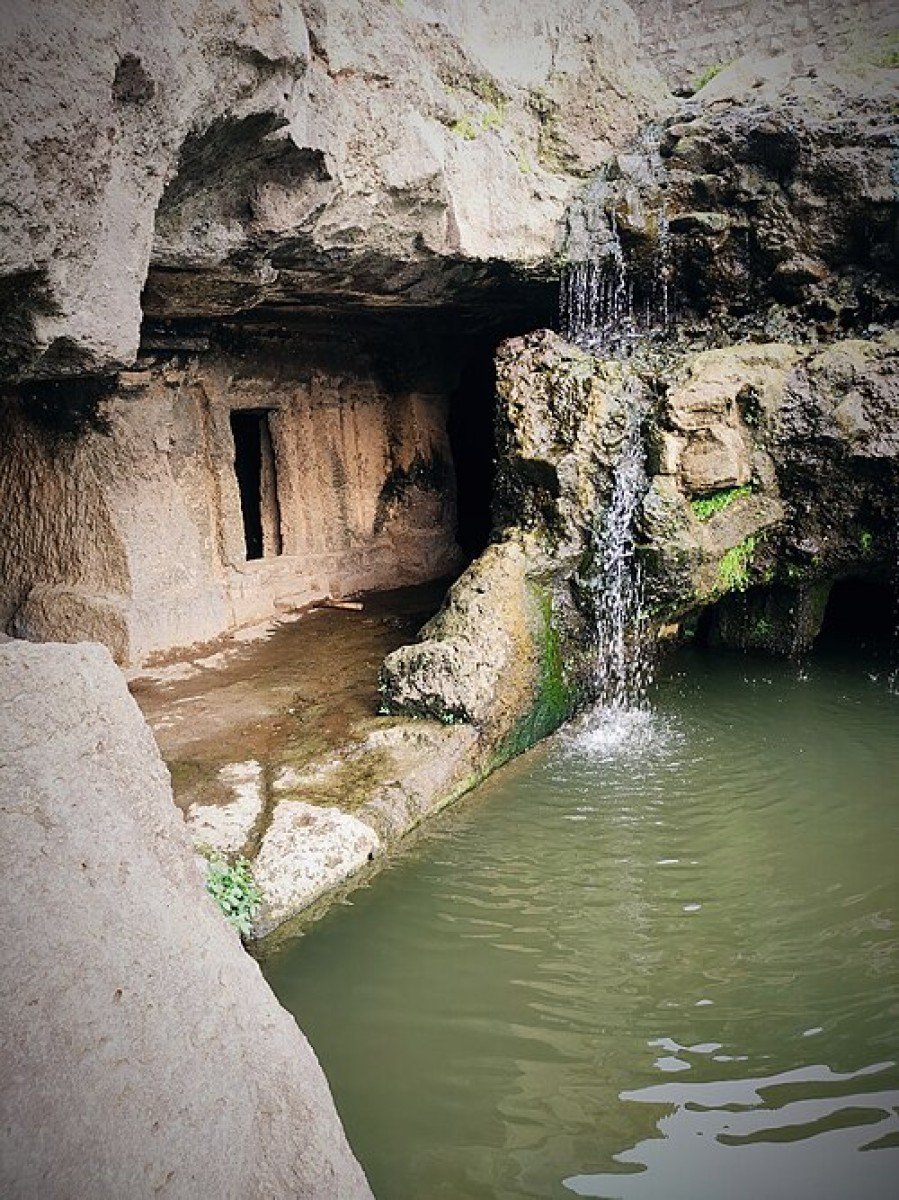
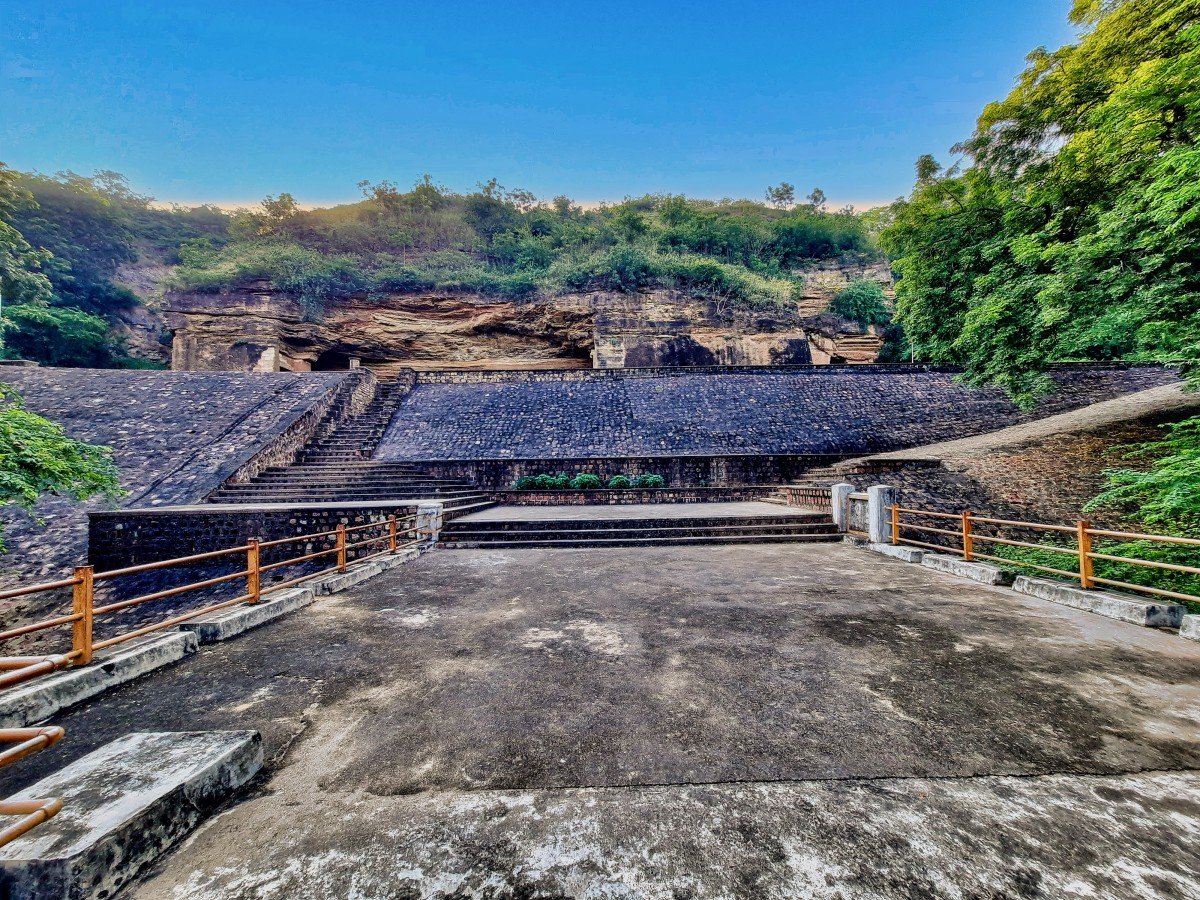
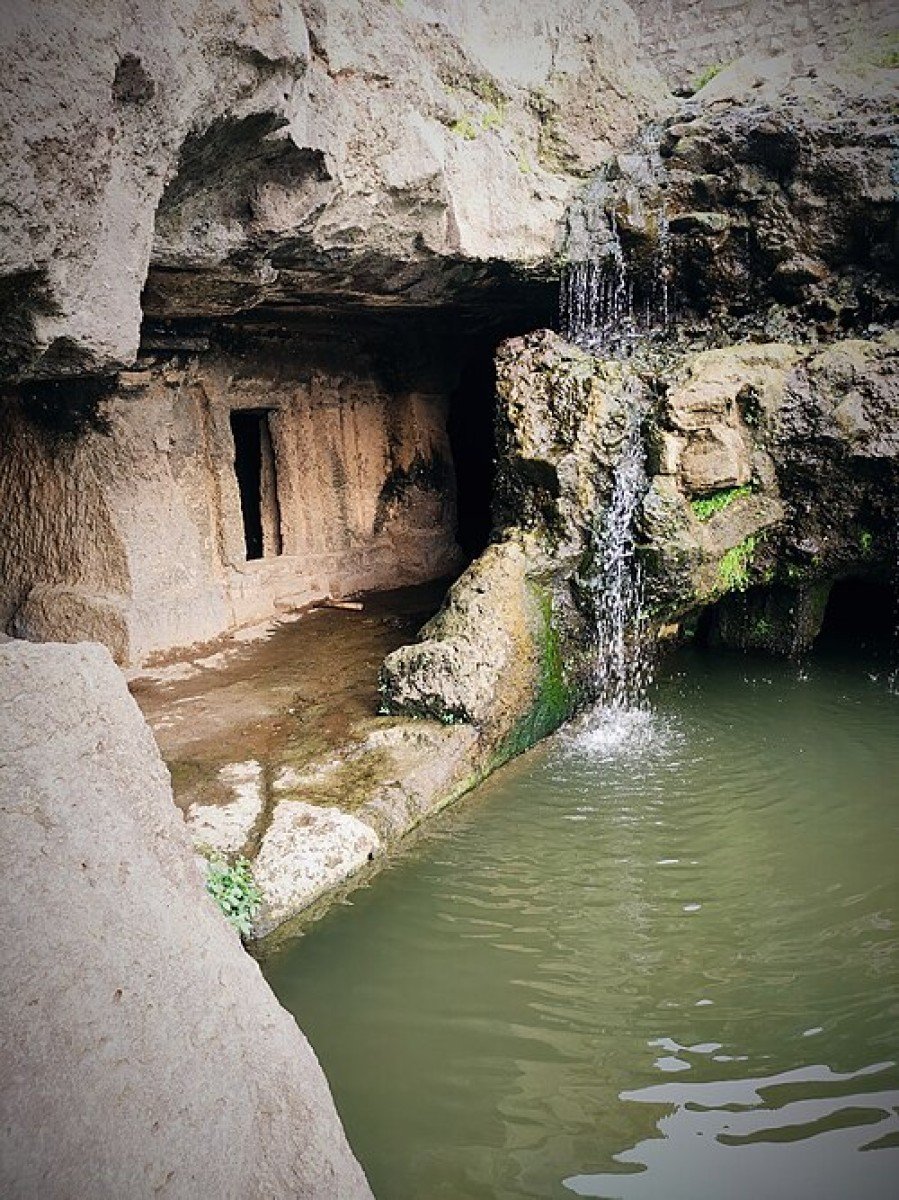
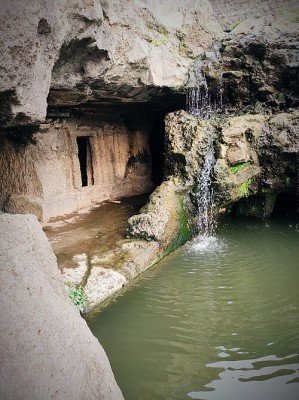 @@A Glimpse into Pre-Islamic Mandu: The Lohani Caves are among the oldest man-made structures in Mandu, dating back to the 11th or 12th century. While most of Mandu is famous for its Islamic architecture, these caves represent the earlier Hindu and Jain influence on the plateau. These are rock-cut caves, likely used as monasteries or retreats by Shaivite monks. The excavations yielded several Hindu statues and carvings of deities like Shiva, Vishnu, and Parvati, many of which are now housed in local museums. The caves are relatively simple and small, carved directly into the hillside. They overlook a deep valley, providing a serene and secluded environment that was ideal for meditation. Unlike the grand palaces, Lohani Caves offer a more grounded, spiritual connection to the land. The site also features a beautiful monolithic monolithic pillar and a large stone water tank nearby. Historically, it is believed that these caves were inhabited long before the Sultans arrived and fortified the city. Today, the caves are a quiet escape from the busier tourist spots. The path to the caves is slightly rugged, adding a sense of adventure to the visit. From the edge of the cave site, one can get a panoramic view of the surrounding hills, making it one of the best sunset points in Mandu. The site is a reminder of the layers of history that coexist on this plateau, from ancient monastic life to the luxury of the Sultanate era.
Information
-
Why Famous:
Taj Mahal Inspiration: It is widely believed that Mughal Emperor Shah Jahan sent his architects to Mandu to study Hoshang Shah's Tomb before building the Taj.
Jahaz Mahal: This unique palace looks like a ship sailing on water and is one of t...Taj Mahal Inspiration: It is widely believed that Mughal Emperor Shah Jahan sent his architects to Mandu to study Hoshang Shah's Tomb before building the Taj.
Jahaz Mahal: This unique palace looks like a ship sailing on water and is one of the most photographed medieval monuments in all of central India.
Rani Roopmati's Pavilion: Perched on the edge of a cliff, it offers a stunning panoramic view of the Narmada River flowing through the plains below. -
Architecture:
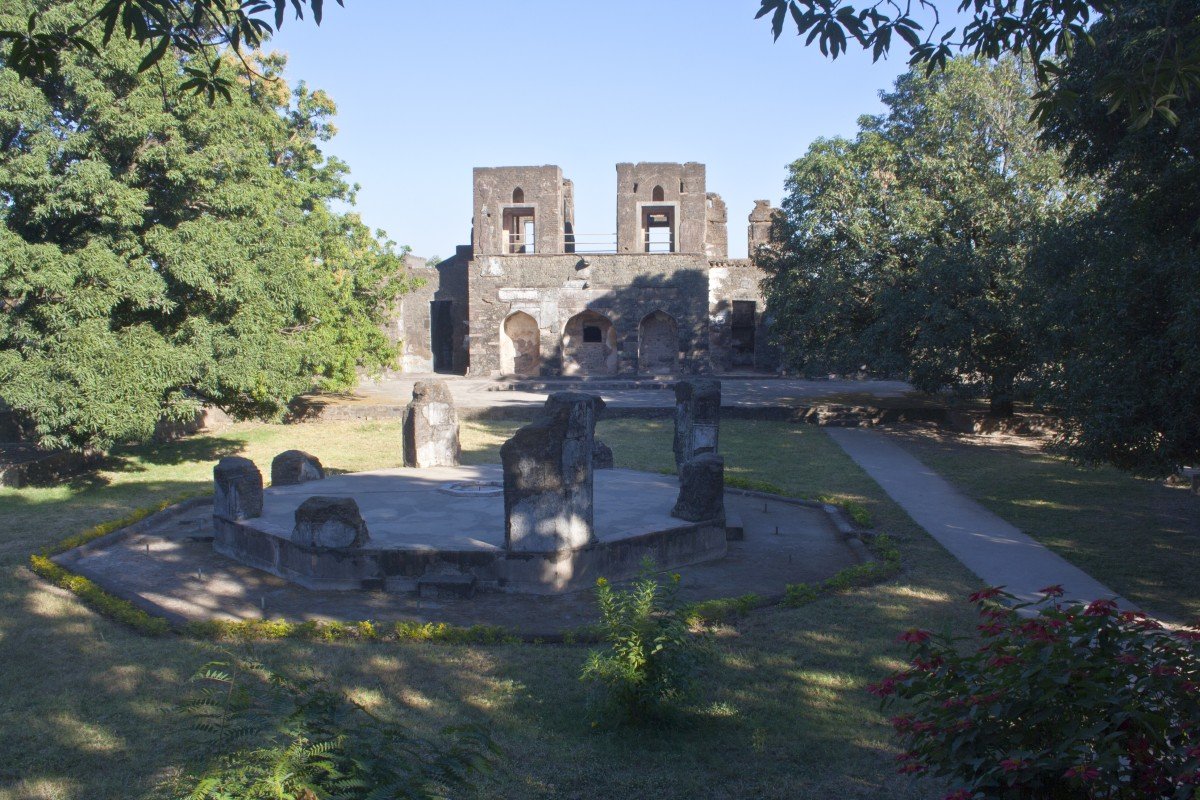
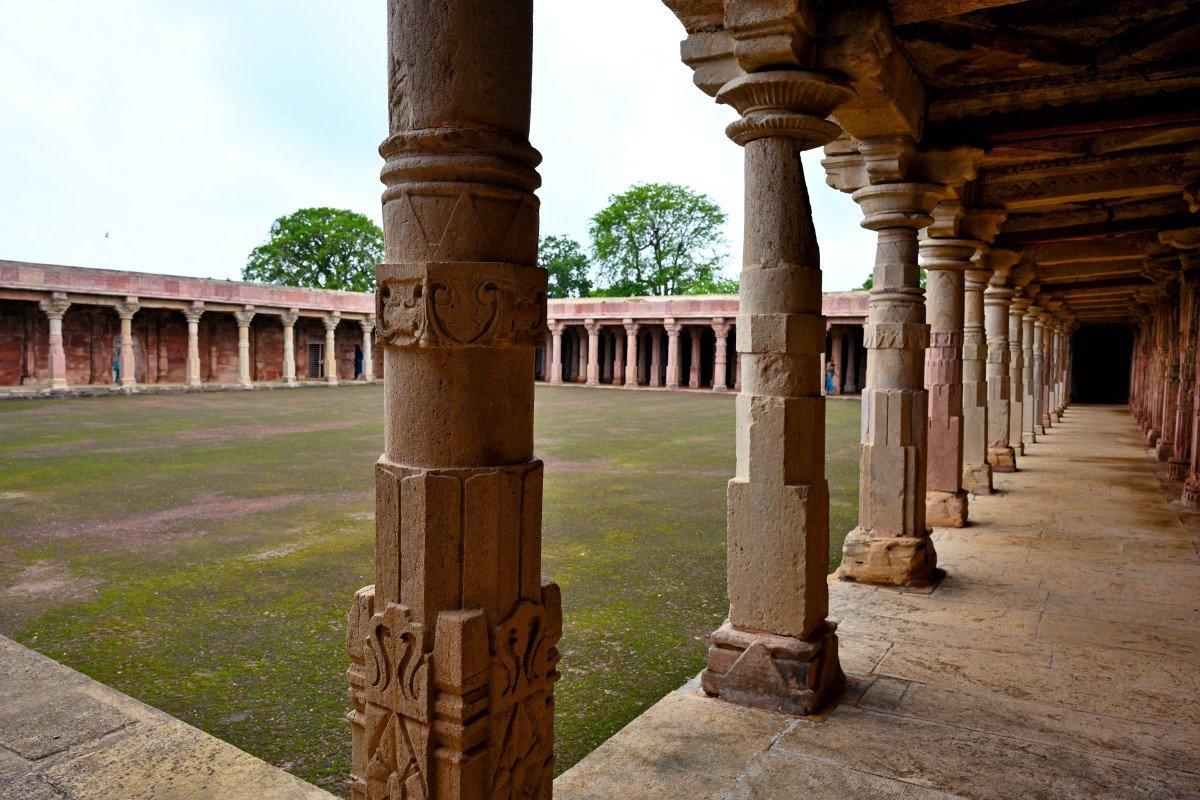
Afghan Influence: The structures feature pointed arches, heavy domes, and massive walls, typical of the Indo-Islamic style seen in Malwa.
Dimension of Jahaz Mahal: This "Ship Palace" is 120 meters long and 15 meters wide, built between two a...Afghan Influence: The structures feature pointed arches, heavy domes, and massive walls, typical of the Indo-Islamic style seen in Malwa.
Dimension of Jahaz Mahal: This "Ship Palace" is 120 meters long and 15 meters wide, built between two artificial lakes to resemble a floating vessel.
Marble Work: Hoshang Shah's Tomb is the first marble structure in India, featuring a dome with a 15-meter diameter and delicate lattice screens.
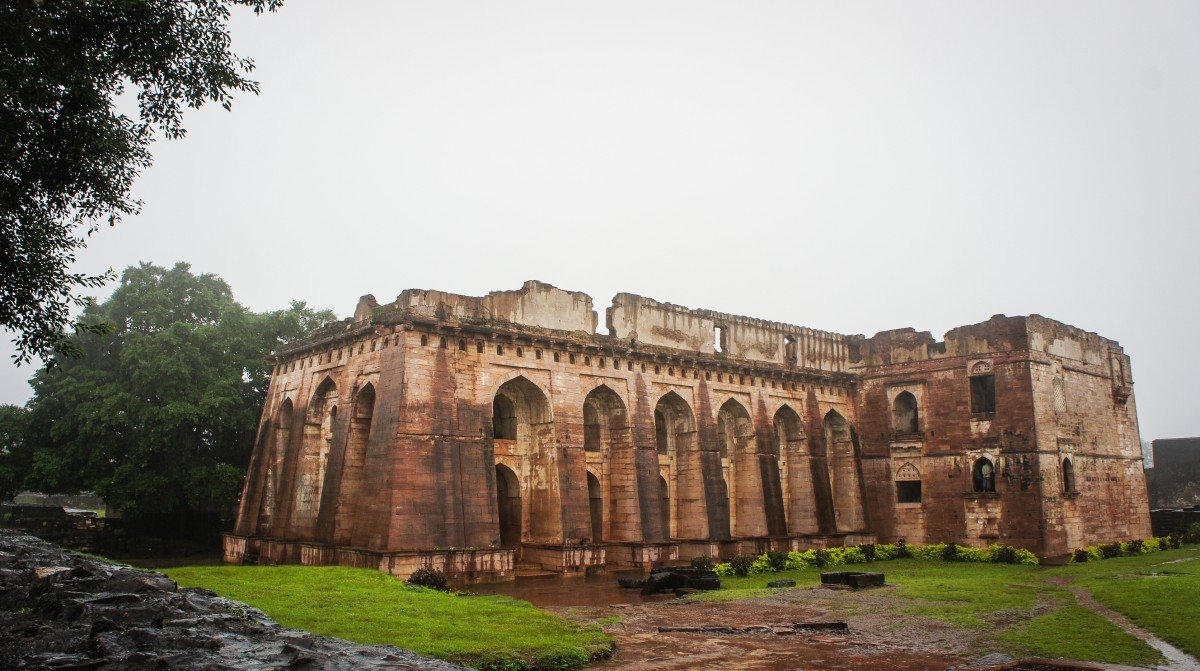
Natural Ventilation: Buildings like Hindola Mahal use sloping walls and large windows to ensure air circulation during the hot summer months. -
How To Reach:
By Air: Indore (IDR) is the nearest airport, located 100 KMS away with good flight connectivity.
By Train: Indore and Ratlam are the nearest major railway junctions with trains from all over India.
By Road: ...By Air: Indore (IDR) is the nearest airport, located 100 KMS away with good flight connectivity.
By Train: Indore and Ratlam are the nearest major railway junctions with trains from all over India.
By Road: Regular buses run from Indore and Dhar; the drive up the winding hill road is scenic and well-maintained for private cars.
Local Transport: Since the monuments are spread out, renting a bicycle or hiring an auto-rickshaw for the day is highly recommended for tourists. -
Weather and Best Time to Visit:
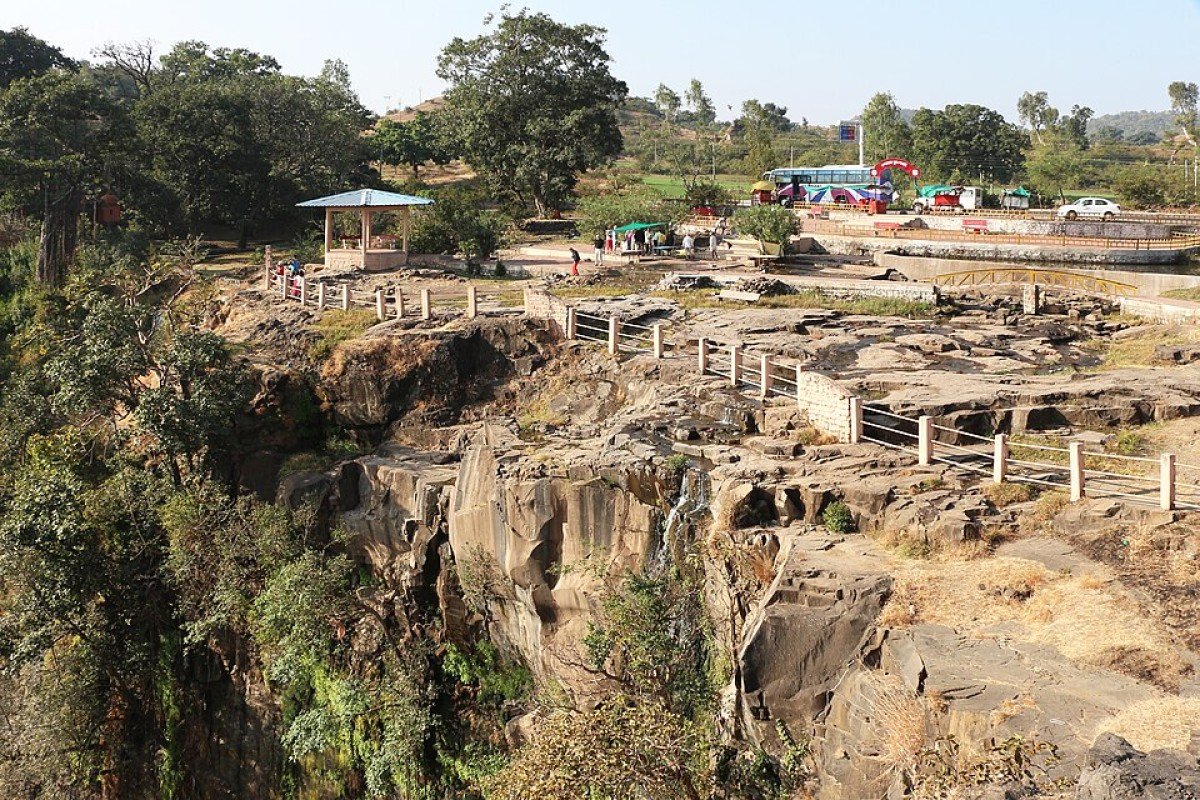
Monsoon Season: July to September is when Mandu is at its peak beauty with waterfalls, lush greenery, and misty views of the Narmada valley.
Winter Season: October to March is ideal for those who want to explore every ruin on foot without th...Monsoon Season: July to September is when Mandu is at its peak beauty with waterfalls, lush greenery, and misty views of the Narmada valley.
Winter Season: October to March is ideal for those who want to explore every ruin on foot without the humidity or rain affecting their travel plans.
Evening Hours: The temperature drops pleasantly in the evening, making it the best time to visit the hilltop pavilions and enjoy the cool breeze. -
Near Tourist Places:
Dhar Fort (35 KMS), Bagh Caves (95 KMS), Maheshwar (65 KMS), Omkareshwar (100 KMS), Indore City (95 KMS), Jhabua (110 KMS), Tincha Falls (115 KMS), Patalpani (90 KMS), Janapav Hill (75 KMS), Mhow (65 KMS).
Tourism Tips
-
Stay Overnight: To truly experience the "City of Joy," stay at an MP Tourism hotel like Malwa Retreat to see the ruins at dawn and dusk.
Footwear: Wear shoes with good grip, especially in monsoon, as the moss on the stone steps can make them...Stay Overnight: To truly experience the "City of Joy," stay at an MP Tourism hotel like Malwa Retreat to see the ruins at dawn and dusk.
Footwear: Wear shoes with good grip, especially in monsoon, as the moss on the stone steps can make them very slippery and dangerous to climb.
Guides: There are many unverified guides; it is better to read up in advance or hire someone through the official tourism office at the entrance.
Carry Cash: Many small local stalls and cycle rentals do not accept digital payments yet, so keeping small change is very helpful during your visit.
Reviews
FAQs
Mandu Itineray And Cost:-
Other Places In Madhya Pradesh :-
Other States In India :-
Information about New and Updated Locations() of Madhya Pradesh Has Been Added :-
Card subtitle
Note:-
Information provided here in good Faith and for reference only.
Near Places
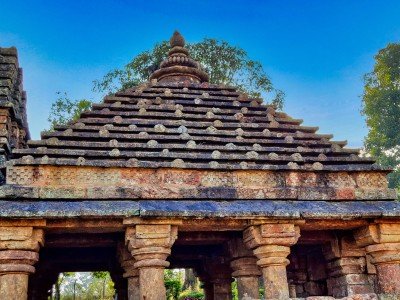
Amarkantak
Some quick example text to build on the card title and make up the bulk of the card's content.
Go somewhere
Bhedaghat
Some quick example text to build on the card title and make up the bulk of the card's content.
Go somewhere
Bhopal
Some quick example text to build on the card title and make up the bulk of the card's content.
Go somewhere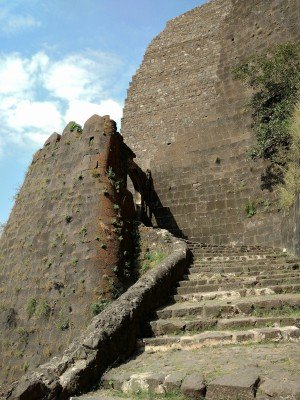
Burhanpur
Some quick example text to build on the card title and make up the bulk of the card's content.
Go somewhere
Chanderi
Some quick example text to build on the card title and make up the bulk of the card's content.
Go somewhere
Chitrakoot
Some quick example text to build on the card title and make up the bulk of the card's content.
Go somewhere
Gwalior
Some quick example text to build on the card title and make up the bulk of the card's content.
Go somewhere
Indore
Some quick example text to build on the card title and make up the bulk of the card's content.
Go somewhere
Jabalpur
Some quick example text to build on the card title and make up the bulk of the card's content.
Go somewhere
Khajuraho
Some quick example text to build on the card title and make up the bulk of the card's content.
Go somewhere
Mandu
Some quick example text to build on the card title and make up the bulk of the card's content.
Go somewhere
Omkareshwar
Some quick example text to build on the card title and make up the bulk of the card's content.
Go somewhere
Orchha
Some quick example text to build on the card title and make up the bulk of the card's content.
Go somewhere
Pachmarhi
Some quick example text to build on the card title and make up the bulk of the card's content.
Go somewhere
Sagar
Some quick example text to build on the card title and make up the bulk of the card's content.
Go somewhere
Sanchi
Some quick example text to build on the card title and make up the bulk of the card's content.
Go somewherein Other Cities